Multi-modal object Re-Identification (ReID) aims to retrieve target instances by leveraging complementary information across modalities. However, existing methods suffer from two challenges. First, they often fail to exploit well-aligned and reliable semantic priors, making them vulnerable to background clutter and cross-modal misalignment. On the other hand, they typically rely on holistic feature modeling, overlooking the synergy between global and local representations. To overcome these limitations, we propose a robust multi-modal ReID framework with dual semantic guidance and global-local mutual modulation, which mainly consists of three key components, namely the Text-Semantic Injector (TSI), the Masked Global-Local Modulator (MGLM), and the Hierarchical MoE Fusion (HMF). The TSI enhances semantic awareness by integrating clean and coherent textual features into visual tokens. The MGLM enables partaware cross-modal interaction through joint guidance from soft masks and global context, improving fine-grained feature alignment. Finally, the HMF adaptively aggregates multi-spectral features under local semantic supervision, yielding discriminative and robust representations. Extensive experiments on three multi-modal ReID benchmarks demonstrate the effectiveness of the proposed method. The code will be made publicly available at https://github.com/zw-absin/DSGM upon acceptance.
Adverse weather causes diverse and complex image degradations, severely compromising the reliability of computer vision systems. Existing all-in-one restoration models attempt to address multiple degradation types within a unified framework, but often lack explicit spatial and semantic modeling of degradation characteristics, limiting their adaptability to diverse weather conditions. To address this limitation, we propose a Degradation-Aware Cross-Modal Prompt Compensation Network (DCMPC-Net) that leverages cross-modal degradation cues from a pre-trained vision-language model to condition restoration features within a unified backbone. Specifically, our DCMPC-Net mainly consists of the Cross-Modal Prompt Generator (CMPG), Prompt-Guided Attention Alignment Module (PGAAM), and Dual Feature Compensation Module (DFCM). The CMPG integrates textual embeddings with visual features to produce degradation-aware prompts that encode degradation-related semantic and contextual cues. These prompts are injected into the decoder via a PGAAM, which adaptively aligns semantic information with degraded regions to facilitate context-aware restoration. To further enhance structural fidelity, DFCM is introduced that disentangles degradation artifacts from scene structures, thereby improving the reconstruction of fine textures and detailed content. By integrating cross-modal semantic guidance with spatial alignment and structural enhancement, DCMPC-Net achieves robust and perceptually consistent restoration across diverse weather conditions. Extensive experiments show that DCMPC-Net outperforms state-of-the-art methods in both task-specific and unified settings, achieving superior accuracy and visual fidelity. The code is available at https://github.com/fanamber831/DCMPC-Net.
Ultra-High-Definition (UHD) image restoration has acquired remarkable attention due to its practical demand. In this paper, we construct UHD snow and rain benchmarks, named UHD-Snow and UHD-Rain, to remedy the deficiency in this field. The UHD-Snow/UHD-Rain is established by simulating the physics process of rain/snow into consideration and each benchmark contains 3200 degraded/clear image pairs of 4K resolution. Furthermore, we propose an effective UHD image restoration solution by considering gradient and normal priors in model design, thanks to these priors’ spatial and detail contributions. Specifically, our method contains two branches: (a) feature fusion and reconstruction branch in high-resolution space and (b) prior feature interaction branch in low-resolution space. The former learns high-resolution features and fuses prior-guided low-resolution features to reconstruct clear images, while the latter utilizes normal and gradient priors to mine useful spatial features and detail features to guide high-resolution recovery better. To better utilize these priors, we introduce single prior feature interaction and dual prior feature interaction, where the former respectively fuses normal and gradient priors with high-resolution features to enhance prior ones, while the latter calculates the similarity between enhanced prior ones and further exploits dual guided filtering to boost the feature interaction of dual priors. We conduct experiments on both new and existing public datasets and demonstrate the state-of-the-art performance of our method on UHD image low-light enhancement, dehazing, deblurring, desnowing, and deraining. The source codes and benchmarks are available at https://github.com/wlydlut/UHDDIP.
We propose UHDformer++, a general Transformer-based framework to solve numerous Ultra-High-Definition (UHD) image restoration tasks. UHDformer++ operates across 4 coordinated learning spaces: 1) a high-resolution space (HR) for multi-level feature extraction, 2) a low-resolution space (LR) for learning compact, representative features, 3) a super-resolution space (SR) for upsampling low-resolution features from SR, and 4) a low-high fusion and reconstruction space (LHFR) for final image restoration. Specifically, HR extracts multi-scale high-resolution features and fuses them with low-resolution cues to produce residual images, while LR distills complementary representations from HR to improve restoration quality. To supply LHFR with richer features, SR super-resolves LR outputs before fusion. We further introduce two modules to bridge the high- and low-resolution spaces. The Feature-Refined Correlation Matching Transformation (FR-CMT) module selects the top C/r (C denotes the number of channels; r≥1 controls the squeezing level), from the fusion between max- and mean-pooled high-resolution features to replace less informative channels in the low-resolution Transformer. The Adaptive Channel Modulator (ACM) adaptively recalibrates multi-scale high-resolution features, ensuring that only task-relevant information propagates to LR. Extensive experiments demonstrate that UHDformer++ reduces model parameters by at least 86% compared with recent state-of-the-art methods while achieving substantial performance gains across 5 UHD restoration tasks, including low-light image enhancement, dehazing, deblurring, deraining, and desnowing. Code will be released at https://github.com/supersupercong/uhdformerplus.
We propose a simple yet effective UHDPromer, a neural discrimination-prompted Transformer, for Ultra-High-Definition (UHD) image restoration and enhancement. Our UHDPromer is inspired by an interesting observation that there implicitly exist neural differences between high-resolution and low-resolution features, and exploring such differences can facilitate low-resolution feature representation. To this end, we first introduce Neural Discrimination Priors (NDP) to measure the differences and then integrate NDP into the proposed Neural Discrimination-Prompted Attention (NDPA) and Neural Discrimination-Prompted Network (NDPN). The proposed NDPA re-formulates the attention by incorporating NDP to globally perceive useful discrimination information, while the NDPN explores a continuous gating mechanism guided by NDP to selectively permit the passage of beneficial content. To enhance the quality of restored images, we propose a super-resolution-guided reconstruction approach, which is guided by super-resolving low-resolution features to facilitate final UHD image restoration. Experiments show that UHDPromer achieves the best computational efficiency while still maintaining state-of-the-art performance on 3 UHD image restoration and enhancement tasks, including low-light image enhancement, image dehazing, and image deblurring. The source codes and pre-trained models will be made available at https://github.com/supersupercong/uhdpromer .
Large language models and multimodal foundation models are enabling medical artificial intelligence (AI) systems to move beyond isolated prediction and undertake multistep clinical tasks that require planning, tool use, memory, iterative correction, and coordination among specialized agents. However, the scope of agentic AI in medicine remains unsettled, and current evaluation practices are not yet aligned with the requirements of clinical use. We conducted a scoping review with systematic evidence mapping across five electronic sources, screened 1,649 exportable records, and provisionally included 557 unique studies that met predefined criteria for goal-directed task execution, tool use, interaction with external resources, feedback-based refinement, or multi-agent collaboration. The included studies describe single agents that use external tools, workflows supported by retrieval and external knowledge, multimodal agents, and multi-agent systems applied to medical question answering, image interpretation, electronic health record analysis, drug safety, and clinical trial prediction. The evidence base remains dominated by public benchmarks, simulated settings, retrospective datasets, and small-scale expert evaluation. Process reliability, evidence traceability, uncertainty, safety, workflow impact, and external validity are evaluated less consistently. Clinical translation will depend on clearer definitions, reproducible evaluation, auditable oversight, interoperable system design, and prospective validation in real-world clinical workflows.
Condition-based video generation aims to create video content based on given information that describes specific subjects. However, most existing works can only utilize a single condition to guide the denoising process, thereby limiting their applicability to specific scenarios. Although some works attempt to accommodate multiple conditions within one framework, they often require multiple encoders, leading to inefficiencies in integrating multi-condition features. In this work, we present a framework that, with the support of the proposed Unified Adapter (UniAdapter), enables simultaneous multi-condition control of video generation within a single model. To effectively merge these conditions, we propose a novel Probabilistic Multi-condition Concatenator (PMC) module, which employs a unified encoder to accommodate multiple conditions and concatenate condition features at the pixel level to achieve fine-grained control. Following the PMC module, we employ 2D down-sampling blocks to refine features for injection into the Video Diffusion Model (VDM). Moreover, our UniAdapter is designed to be model-agnostic and compatible with any U-Net-based VDM, offering a versatile solution for improving video generation quality. Experimental results on public benchmarks UCF-101 and MSR-VTT show that our method achieves superior results in both quantitative and qualitative evaluations.
Domain adaptation aims to leverage abundant label information from a source domain to an unlabeled target domain with two different distributions. Existing methods usually rely on a classifier to generate high-quality pseudo-labels for the target domain, facilitating the learning of discriminative features. Label propagation (LP), as an effective classifier, propagates labels from the source domain to the target domain by designing a smooth function over a similarity graph, which represents structural relationships among data points in feature space. However, LP has not been thoroughly explored in deep neural network-based domain adaptation approaches. Additionally, the probability labels generated by LP are low-confident and LP is sensitive to class imbalance problem. To address these problems, we propose a novel approach for domain adaptation named deep label propagation with nuclear norm maximization (DLP-NNM). Specifically, we employ the constraint of nuclear norm maximization to enhance both label confidence and class diversity in LP and propose an efficient algorithm to solve the corresponding optimization problem. Subsequently, we utilize the proposed LP to guide the classifier layer in a deep discriminative adaptation network using the cross-entropy loss. As such, the network could produce more reliable predictions for the target domain, thereby facilitating more effective discriminative feature learning. Extensive experimental results on three cross-domain benchmark datasets demonstrate that the proposed DLP-NNM surpasses existing state-of-the-art domain adaptation approaches.
In China, tobacco production must strictly follow the yield plan set by the higher authorities. In this context, accurate and stable yield estimation is meaningful for effective production management. In this paper, we adopted a multi-source data fusion strategy to develop the yield estimation models for tobacco. The data used include unmanned aerial vehicle (UAV)-borne hyperspectral features (HF), biophysical parameters (BPP) collected in the field, and biochemical parameters (BCP) measured in the laboratory. Since the crop state at different growth stages both affect the final yield, we employed two typical recurrent neural network (RNN) algorithms, long short-term memory (LSTM) and gated recurrent unit (GRU), for modeling. The random forest (RF) algorithm was selected as the baseline scheme. In addition, we designed a one-dimensional convolutional autoencoder (AEC1D) to unify the input dimensions of raw data from different years. It was found that yield estimation performance from multi-source data was more accurate than using any single feature. The GRU model with the HF+BCP+BPP combination achieved the highest estimation accuracy, with an Rv2 of 0.705. The overall performance of LSTM and GRU models was also better than that of RF. We also quantified the contribution of each feature to the model, with HF, BPP, and BCP accounting for approximately 45%, 32%, and 23%, respectively. This study demonstrated the benefits of multi-source data fusion and RNN algorithms in estimating tobacco yields, which can be used to assist in site-specific crop management.
We propose Intra and Inter Parser-Prompted Transformers (PPTformer) that explore useful features from visual foundation models for image restoration. Specifically, PPTformer contains two parts: an Image Restoration Network (IRNet) for restoring images from degraded observations and a Parser-Prompted Feature Generation Network (PPFGNet) for providing IRNet with reliable parser information to boost restoration. To enhance the integration of the parser within IRNet, we propose Intra Parser-Prompted Attention (IntraPPA) and Inter Parser-Prompted Attention (InterPPA) to implicitly and explicitly learn useful parser features to facilitate restoration. The IntraPPA re-considers cross attention between parser and restoration features, enabling implicit perception of the parser from a long-range and intra-layer perspective. Conversely, the InterPPA initially fuses restoration features with those of the parser, followed by formulating these fused features within an attention mechanism to explicitly perceive parser information. Further, we propose a parser-prompted feed-forward network to guide restoration within pixel-wise gating modulation. Experimental results show that PPTformer achieves state-of-the-art performance on image deraining, defocus deblurring, desnowing, and low-light enhancement.
This study pioneers a rapid, non-destructive methodology for detecting crab roe in live Chinese mitten crabs using near-infrared transmittance spectroscopy (NIR-TS), motivated by the high edible and economic value of this component. A customized optical system was used to measure NIR transmission spectra from 62 live crabs, including intact specimens, dissected tissues (roe, shell, and roe-removed), and nine specific body regions, while simultaneously measuring crab central thickness and roe distribution. A classification model was developed based on regional spectra to distinguish roe-containing and roe-free regions, enabling prediction of crab roe distribution within live specimens. A dataset of 558 specta was split into training, validation, and test sets at a ratio of 6:2:2. The results indicated measurable non-zero transmittance in both intact crabs and isolated shells, suggesting the potential ability of short-wave NIR (SW-NIR, 780-1100 nm) to penetrate multi-layered tissues. Regional spectral analysis revealed that crab roe was the primary transmission modulator, surpassing thickness effects, with roe-containing regions consistently exhibiting lower transmittance than roe-free. Modeling result showed that after multiplicative scatter correction (MSC) preprocessed for spetra, Backpropagation Neural Network (BPNN) model combining both LASSO-selected feature and 30 spectral statistic features (SFs30) achieved the best performance with 96.2 % accuracy. Furthermore, roe distribution prediction showed 94.4 % concordance with ground-truth validation. The model's classification capability was attributed to specific NIR wavelengths associated with key biochemical signatures, forming a distinctive fingerprint for crab roe detection. This methodology provides a novel solution for quality grading of crabs, addressing environmentally friendly, and cost-effective requirements for aquatic supply chain.
Label propagation (LP) is a popular semi-supervised learning technique that propagates labels from a training dataset to a test one using a similarity graph, assuming that nearby samples should have similar labels. However, the recent cross-domain problem assumes that training (source domain) and test data sets (target domain) follow different distributions, which may unexpectedly degrade the performance of LP due to small similarity weights connecting the two domains. To address this problem, we propose optimal graph learning-based label propagation (OGL2P), which optimizes one cross-domain graph and two intra-domain graphs to connect the two domains and preserve domain-specific structures, respectively. During label propagation, the cross-domain graph draws two labels close if they are nearby in feature space and from different domains, while the intra-domain graph pulls two labels close if they are nearby in feature space and from the same domain. This makes label propagation more insensitive to cross-domain problems. During graph embedding, we optimize the three graphs using features and labels in the embedded subspace to extract locally discriminative and domain-invariant features and make the graph construction process robust to noise in the original feature space. Notably, as a more relaxed constraint, locally discriminative and domain-invariant can somewhat alleviate the contradiction between discriminability and domain-invariance. Finally, we conduct extensive experiments on five cross-domain image classification datasets to verify that OGL2P outperforms some state-of-the-art cross-domain approaches.
Estimating 3D hand poses from monocular RGB images presents a series of challenges, including complex hand structures, self-occlusions, and depth ambiguities. Existing methods often fall short of capturing the long-distance dependencies of skeletal and non-skeletal connections for hand joints. To address these limitations, we introduce the Global Topology Interaction Graphormer Network (GTIGNet), a novel deep learning architecture designed to improve 3D hand pose estimation. Our model incorporates a Context-Aware Attention Block (CAAB) within the 2D pose estimator to enhance the extraction of multi-scale features, yielding more accurate 2D joint heatmaps to support the task that followed. Additionally, we introduce a High-Order Graphormer that explicitly and implicitly models the topological structure of hand joints, thereby enhancing feature interaction. Ablation studies confirm the effectiveness of our approach, and experimental results on four challenging datasets, Rendered Hand Dataset (RHD), Stereo Hand Pose Benchmark (STB), First-Person Hand Action Benchmark (FPHA), and FreiHAND Dataset, indicate that GTIGNet achieves state-of-the-art performance in 3D hand pose estimation. Notably, our model achieves an impressive Mean Per Joint Position Error (MPJPE) of 9.98 mm on RHD, 6.12 mm on STB, 11.15 mm on FPHA and 10.97 mm on FreiHAND.
The diffusion model is widely leveraged for either controllable video generation or video interpolation. As each field has its task-specific problems, it is difficult to merely develop a single model for completing both tasks simultaneously. Moreover, most existing works only support image conditions and necessitate redesigning the model structure to accommodate other types of conditions. Even so, they still face frame flickering issues when using the image as the condition due to the strong alignment of image pixels. To tackle these problems, in this work, we are the first to propose a unified diffusion framework, EasyControl, for both tasks of controllable video generation and interpolation with different types of conditions. The proposed EasyControl introduces a condition adapter to extract the condition features, which is then injected into an interchangeable fundamental text-to-video model to guide the video generation. To alleviate frame flicker problems, we propose a module named VideoInit to integrate the low-frequency band of input condition images, ensuring smoother generation. Experimental results on four benchmarks suggest that our method outperforms the previous methods on each task.
Most existing low-light image enhancement (LLIE) methods rely on pre-trained model priors, low-light inputs, or both, while neglecting the semantic guidance available from normal-light images. This limitation hinders their effectiveness in complex lighting conditions. In this paper, we propose VLM-IMI, a framework that adapts large vision-language models with iterative and manual instructions for generative LLIE. VLM-IMI mainly contains two branches: Normal-Light Instruction Prior Generation (NL-IPG) and Instruction-aware Light Enhancement Diffusion (IA-LED). The NL-IPG incorporates textual descriptions of the desired normal-light content as enhancement cues, enabling semantically informed restoration. IA-LED incorporates instruction priors from the NL-IPG to guide the diffusion process, enabling precise illumination enhancement. To effectively integrate cross-modal priors, we introduce a learnable instruction prior fusion module, which dynamically aligns and fuses image and text features, promoting the generation of detailed and semantically coherent outputs. During inference, as the ground-truth normal-light images are not available, we propose an inference with an iterative instructions strategy to refine textual instructions, progressively improving visual quality. Our VLM-IMI also inherently supports manual instruction control by allowing users to directly input custom instructions into the LLM to generate user-expected outputs. Experiments across diverse scenarios demonstrate that VLM-IMI outperforms SOTA methods in terms of perception and realism. The source code is available at: https://github.com/sunxiaoran01/VLM-IMI.
High-fidelity imaging is crucial for the successful safety supervision and intelligent deployment of vision-based measurement systems (VBMS). It ensures high-quality imaging in VBMS, which is fundamental for reliable visual measurement and analysis. However, imaging quality can be significantly impaired by adverse weather conditions, particularly rain, leading to blurred images and reduced contrast. Such impairments increase the risk of inaccurate evaluations and misinterpretations in VBMS. To address these limitations, we propose an Expectation Maximization Reconstruction Transformer (EMResformer) for single image rain streak removal. The EMResformer retains the key self-attention values for feature aggregation, enhancing local features to produce superior image reconstruction. Specifically, we propose an Expectation Maximization Block seamlessly integrated into the single image rain streak removal network, enhancing its ability to eliminate superfluous information and restore a cleaner background image. Additionally, to further enhance local information for improved detail rendition, we introduce a Local Model Residual Block, which integrates two local model blocks along with a sequence of convolutions and activation functions. This integration synergistically facilitates the extraction of more pertinent features for enhanced single image rain streak removal. Extensive experiments validate that our proposed EMResformer surpasses current state-of-the-art single image rain streak removal methods on both synthetic and real-world datasets, achieving an improved balance between model complexity and single image deraining performance. Furthermore, we evaluate the effectiveness of our method in VBMS scenarios, demonstrating that high-quality imaging significantly improves the accuracy and reliability of VBMS tasks.
Image-to-video generation, which aims to generate a video starting from a given reference image, has drawn great attention. Existing methods frequently integrate semantic information from images or simply concatenate images, which often leads to low fidelity and flickering in the generated videos. To tackle these problems, we propose a high-fidelity image-to-video generation method by devising a frame retention branch based on a pre-trained video diffusion model, named DreamVideo. Our DreamVideo perceives the reference image via convolution layers and concatenates the features with the noisy latents as model input. By this means, the details of the reference image can be preserved to the greatest extent. In addition, by incorporating the designed double-condition classifier-free guidance, DreamVideo can generate high-quality videos of different actions by providing varying prompt texts. We conduct comprehensive experiments on the public datasets, and both quantitative and qualitative results indicate that our method outperforms the state-of-the-art method.
In domain adaption (DA), joint maximum mean discrepancy (JMMD), as a famous distribution-distance metric, aims to measure joint probability distribution difference between the source domain and target domain, while it is still not fully explored and especially hard to be applied into a subspace-learning framework as its empirical estimation involves a tensor-product operator whose partial derivative is difficult to obtain. To solve this issue, we deduce a concise JMMD based on the Representer theorem that avoids the tensor-product operator and obtains two essential findings. First, we reveal the uniformity of JMMD by proving that previous marginal, class conditional, and weighted class conditional probability distribution distances are three special cases of JMMD with different label reproducing kernels. Second, inspired by graph embedding, we observe that the similarity weights, which strengthen the intra-class compactness in the graph of Hilbert Schmidt independence criterion (HSIC), take opposite signs in the graph of JMMD, revealing why JMMD degrades the feature discrimination. This motivates us to propose a novel loss JMMD-HSIC by jointly considering JMMD and HSIC to promote discrimination of JMMD. Extensive experiments on several cross-domain datasets could demonstrate the validity of our revealed theoretical results and the effectiveness of our proposed JMMD-HSIC.
Ultra-high-definition (UHD) image restoration aims to specifically solve the problem of quality degradation in ultra-high-resolution images. Recent advancements in this field are predominantly driven by deep learning-based innovations, including enhancements in dataset construction, network architecture, sampling strategies, prior knowledge integration, and loss functions. In this paper, we systematically review recent progress in UHD image restoration, covering various aspects ranging from dataset construction to algorithm design. This serves as a valuable resource for understanding state-of-the-art developments in the field. We begin by summarizing degradation models for various image restoration subproblems, such as super-resolution, low-light enhancement, deblurring, dehazing, deraining, and desnowing, and emphasizing the unique challenges of their application to UHD image restoration. We then highlight existing UHD benchmark datasets and organize the literature according to degradation types and dataset construction methods. Following this, we showcase major milestones in deep learning-driven UHD image restoration, reviewing the progression of restoration tasks, technological developments, and evaluations of existing methods. We further propose a classification framework based on network architectures and sampling strategies, helping to clearly organize existing methods. Finally, we share insights into the current research landscape and propose directions for further advancements. A related repository is available at https://github.com/wlydlut/UHD-Image-Restoration-Survey.
 Zhixun Su (苏志勋)合作论文数School of Mathematical Sciences, Dalian University of Technology16
 Jinshan Pan (潘金山)合作论文数School of Computer Science and Engineering, Nanjing University of Science and Technology14
 Junyang Chen合作论文数School of Computer Science and Engineering, Nanjing University of Science and Technology10
 Shuwen Jiang (姜舒文)合作论文数7
 Tianen Chen (陈天恩)合作论文数Information Technology Research Center, Beijing Academy of Agriculture and Forestry Sciences7
 Yutong Wu合作论文数Shandong University7
 Mengzhu Wang (汪梦竹)合作论文数School of Artificial Intelligence, Hebei University of Technology;People's Liberation Army Academy of Military Sciences6
 Wanshu Fan合作论文数Dalian Univ Technol, Sch Math Sci, Dalian 116024, Liaoning, Peoples R China6
 Guangle Yao (姚光乐)合作论文数College of Computer Science and Cyber Security, Chengdu University of Technology6
 Xiaochun Cao (操晓春)合作论文数School of Cyber Science and Technology, Sun Yat-sen University6
 Chao Huang (黄超)合作论文数School of Cyber Science and Technology, Sun Yat-sen University5
 Xiao-Ming Wu合作论文数Department of Data Science and Artificial Intelligence, Faculy of Computer and Mathematical Sciences, The Hong Kong Polytechnic University5Xiao Dong合作论文数School of Artificial Intelligence, Sun Yat-sen University;Department of Computer Science, Sun Yat-sen University5
 Dongsheng Zhou (周东生)合作论文数大连大学5Wei Wang合作论文数4Mengyao Lu合作论文数4
 Man Zhang合作论文数4
 Zhiguo Gong (鞏志國)合作论文数Department of Computer and Information Science, Faculty of Science and Technology, University of Macau;State Key Laboratory of Internet of Things for Smart City, University of Macau4Guilin University of Electronic Technology合作论文数3Panwen Hu合作论文数3Honghe Zhu合作论文数3
 Jiaxi Gu合作论文数Northwestern Polytech Univ, Sch Comp Sci & Engn, Xian 710072, Peoples R China3Jie Mu合作论文数Dalian University of Technology3
 Hongyan Wang合作论文数Dalian Univ Technol, Sch Math Sci, Dalian 116024, Peoples R China3
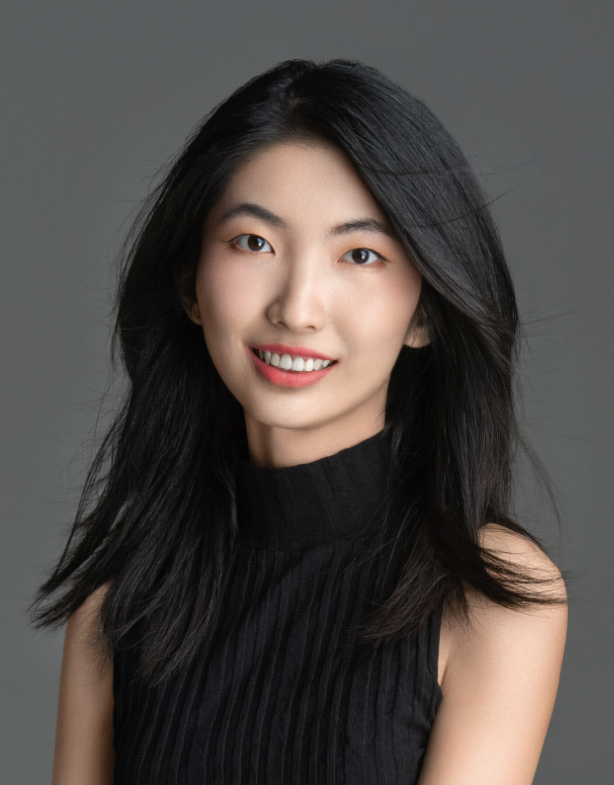 Weiwen Liu (刘卫文)合作论文数School of Computer Science, Shanghai Jiao Tong University;John Hopcroft Center, Shanghai Jiao Tong University3
 Xiaodan Liang (梁小丹)合作论文数School of Intelligent Systems Engineering, Sun Yat-Sen University3
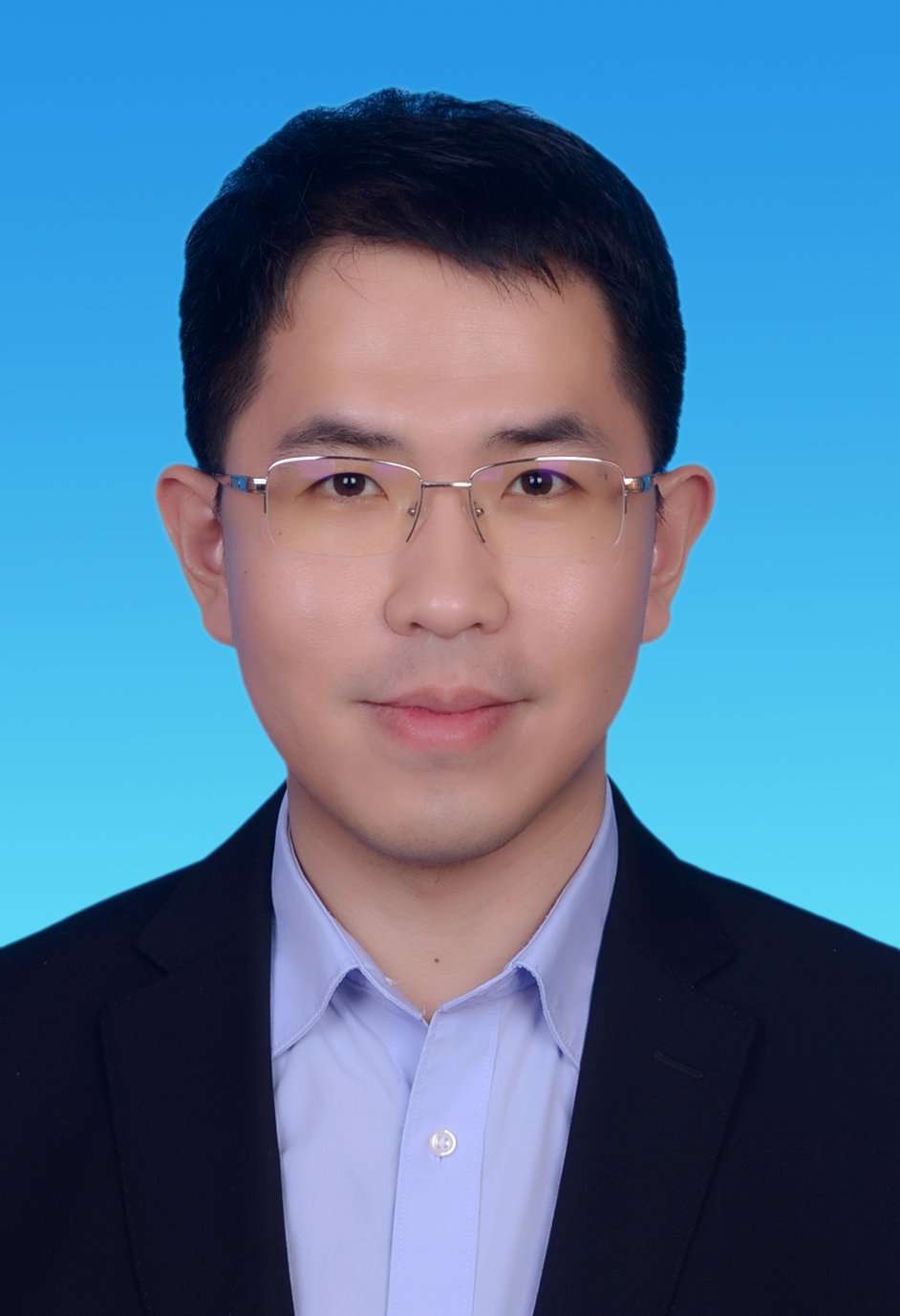 Xin Yang (杨鑫)合作论文数School of Computer Science and Technology, Dalian University of Technology3
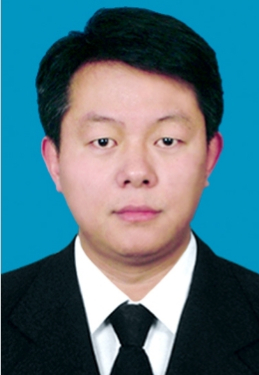 Qiang Zhang (张强)合作论文数School of Computer Science and Technology, Dalian University of Technology3
 Hang Xu (徐航)合作论文数Huawei Noah‘s Ark Lab;2030 Lab, Huawei ADS3
 Feiping Nie (聂飞平)合作论文数Center for Optical Imagery Analysis and Learning, School of Artificial Intelligence, Optics and Electronics, Northwest Polytechnic University3
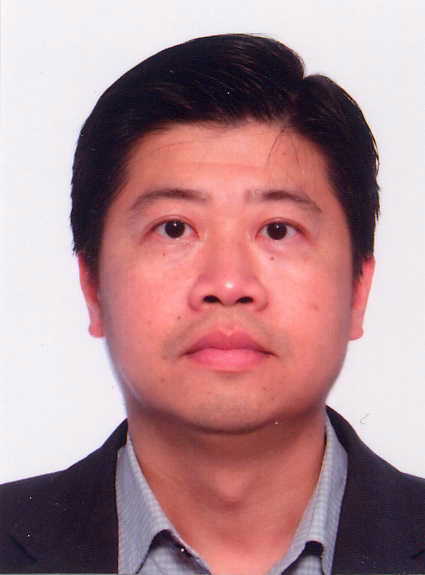 Kenneth K.M.Lam合作论文数Department of Electronic and Information Engineering, The Hong Kong Polytechnic University3Hanyang Li合作论文数2
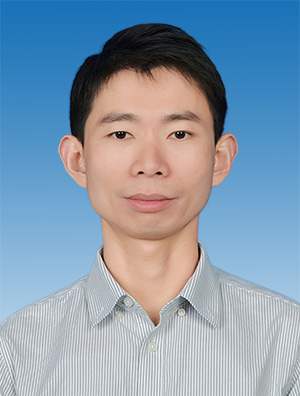 Gang Fu (付刚)合作论文数College of Communication Engineering, Jilin University2Chengjin Yu (余成进)合作论文数2
 Xiaoying Xing合作论文数Alibaba2
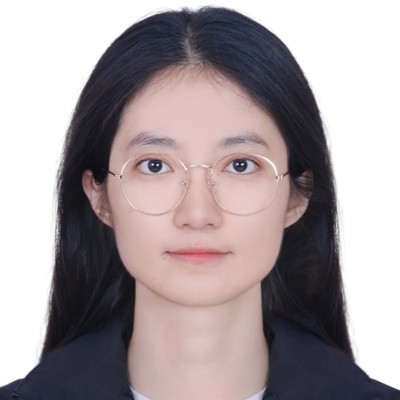 Yeying Jin合作论文数Tencent2
 Jiangxin Dong (董姜鑫)合作论文数Intelligent Media Analysis Group, School of Computer Science and Engineering, Nanjing University of Science and Technology2
 Allan Ding合作论文数Department of Computer Science, School of Science & Engineering, Tulane University2Dong Chen (陈栋)合作论文数2
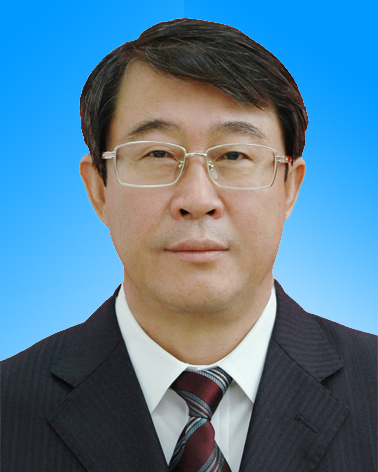 Xiaopeng Wei (魏小鹏)合作论文数Fudan University2
 Kaishun Wu (伍楷舜)合作论文数The Hong Kong University of Science and Technology (Guangzhou)2
 Yuanfan Guo (郭远帆)合作论文数317 Lab, Department of Electronic Engineering, Shanghai Jiao Tong University2
 Yakun Ju (举雅琨)合作论文数Department of Electronic and Information Engineering, The Hong Kong Polytechnic University2Xiaohe Gu (顾晓鹤)合作论文数Beijing Academy of Agricultural and Forestry Sciences2Liyan Wang合作论文数1




