OBJECTIVE:This study aimed to define the evolving indications for splenectomy and benchmark clinical outcomes in patients with hematologic malignancies. BACKGROUND:With the advent of new therapies for hematologic malignancies, the diagnostic and therapeutic indications for splenectomy have changed. However, the effectiveness of splenectomy and its postoperative complications are not well understood. METHODS:This retrospective study included consecutive patients with hematologic disorders who underwent splenectomy at an NCI-designated comprehensive cancer center between 2009 and 2024. Patients were grouped by indication as lymphoid or myeloid; patients with benign conditions constituted a small descriptive subgroup. The primary outcome was the postoperative complication rate (30 d). The secondary outcome was splenectomy success based on indications. RESULTS:A total of 79 patients were included: 37 lymphoid, 33 myeloid, 5 immune thrombocytopenic purpura (ITP), and 4 others. Indications included bridge-to-transplant (35.4%), transfusion dependence (24.0%), symptomatic cytopenia (22.8%), and splenic malignancy (17.7%). The 30-day complication rate was 49% overall (22% grade 3 or higher). While myeloid patients had a higher proportion of patients experiencing any complication compared to lymphoid patients (65.5% vs 46.4%) (P=0.482). Success rates were 91.7% for bridge-to-transplant but lower for achieving transfusion independence in cytopenia (38.5% lymphoid patients, 40% post-transplant myeloid patients, and 40% ITP patients). CONCLUSIONS:Our results benchmark postoperative outcomes of splenectomy in a contemporary cohort with hematological malignancies. The success of splenectomy varies according to indication. Appropriate splenectomy produces favorable outcomes across a broad range of hematologic malignancies, including improved transfusion independence and successful bridging to definitive therapies.
7028 Background: Axi-cel, autologous anti-CD19 CAR T-cell therapy, showed long-term survival and curative potential in R/R LBCL (ZUMA-1; Neelapu et al. Blood . 2023). Few studies have examined long-term outcomes beyond clinical trials. Here we report long-term real-world outcomes of axi-cel in R/R LBCL using large-sample CIBMTR data. Methods: A total of 1500 adults from 79 US centers receiving commercial axi-cel after ≥2 LOT for LBCL from Oct 2017-Aug 2020 were enrolled in a post-marketing requirement study. A protocol was developed prior to the study’s implementation, reviewed by Kite and CIBMTR. This is a secondary analysis of said study. Key outcomes were progression-free survival (PFS), overall survival (OS), time to next therapy (TTNT), disease-specific mortality (competing risks were non-relapse deaths), subsequent malignancies, and non-relapse mortality (NRM). Outcomes were analyzed descriptively. Cases with missing data were excluded separately for each endpoint. Results: As of Aug 2025, 1446 patients (pts) were included in the analysis. Median age at infusion was 62.2 y (range, 19.6-90.8: 38% of pts ≥65 y); 65% were male. Five percent of pts had ECOG PS ≥2 and 16% had high-grade lymphoma. Pts had a median of 3 (range, 2-4) prior LOT, 28% had prior autologous hematopoietic cell transplantation, and 50% received bridging therapy. At 59.7 mo median follow-up, median PFS (95% CI) was 7.9 mo (6.3-10.9) and 5-y PFS was 30% (27-32). The median OS was 25.7 mo (21.6-30.2); 5-y OS was 38% (35-41). The 5-y cumulative incidence of disease-specific mortality was 51%. Among pts who were progression-free at 2, 3, 4, or 5 y post-infusion, the OS at 6 y (95% CI) was 73% (68-78), 81% (76-86), 90% (84-94), and 94% (89-97), respectively. The median duration of response (DOR) was 25.3 mo (95% CI, 20.7-32.8) and 5-y DOR was 38% (35-41). The median TTNT was 12.2 mo and 30% did not need additional LOT at 5 y. Of pts who received subsequent salvage therapy, 12 (2%) received cell therapy, 39 (7%) received hematopoietic cell transplant, and 475 (90%) received other therapy. The 1, 2, 3, 4, and 5-y cumulative incidence of relapse (95% CI) was 49% (46-51), 52% (50-55), 54% (52-57), 55% (53-58), and 56% (53-59), respectively. No new safety signals were observed. The primary causes of death (n=864; 60%) were primary disease (540; 63%), infection (111; 13%), and organ failure (57; 7%). The 5-y cumulative incidence of NRM was 16% (95% CI, 14-18). At 5 y, 11% (95% CI, 10-13) had subsequent malignancies, mostly therapy-related myeloid neoplasms (6%) and non-melanoma skin cancer (3%); none were directly attributed to axi-cel. Conclusions: This real-world study showed sustained survival at 5 y among pts with R/R LBCL treated with axi-cel after ≥2 LOT, consistent with ZUMA-1. Infection and organ failure were common causes of NRM. These results continue to support the use of axi-cel with curative intent in R/R LBCL.
Bruton tyrosine kinase inhibitors (BTKis) and BCL2 inhibitor (BCL2i)-containing regimens significantly improve survival outcomes in patients with chronic lymphocytic leukemia/small lymphocytic lymphoma (CLL/SLL). Results from randomized clinical trials have demonstrated that time-limited treatment with BCL2i-containing regimens resulted in higher rates of undetectable measurable residual disease (uMRD) than BTKi monotherapy or chemoimmunotherapy (CIT). Pirtobrutinib (a noncovalent BTKi) and lisocabtagene maraleucel (CD19-directed CAR T-cell therapy) are newer options for relapsed or refractory disease after prior therapy with BTKi and BCL2i-contining regimens. Histologic transformation of CLL/SLL to diffuse large B-cell lymphoma (Richter transformation) is associated with a poor prognosis. Molecular analysis to determine whether there is clonal relationship between CLL/SLL and transformed diffuse large B-cell lymphoma is useful to select an appropriate treatment option. These NCCN Guideline Insights highlight significant updates to the NCCN Guidelines for the treatment of CLL/SLL and Richter transformation.
TPS7099 Background: Inhibition of B-cell lymphoma 2 (BCL2) and Bruton tyrosine kinase (BTK) has emerged as an effective fixed-duration treatment (tx) strategy that can induce high rates of undetectable minimal residual disease (uMRD) in patients (pts) with TN CLL. AV is approved in the EU as a first-line fixed-duration tx for TN CLL. Sonrotoclax, a next-generation BCL2 inhibitor, is a more selective and pharmacologically potent inhibitor of BCL2 than venetoclax, with a shorter half-life and no drug accumulation. Zanubrutinib is a highly potent next-generation BTK inhibitor that is approved in the US/EU for CLL. In an ongoing phase 1/1b trial (NCT04277637), SZ has had promising efficacy, with a 100% ORR (n=135) and high rates of blood uMRD at 10 -4 sensitivity (uMRD4) in pts with TN CLL, including those with high-risk disease features. SZ is generally well tolerated, with neutropenia as the most common grade ≥3 TEAE and no laboratory or clinical TLS events occurred. The phase 3 trial BGB-11417-304 (NCT07277231) was designed to directly compare fixed-duration SZ vs AV in TN CLL to investigate whether SZ compared with AV, may improve efficacy in terms of achieved uMRD rate after completing treatment and PFS and potentially improve tolerability and safety. Methods: BGB-11417-304 is a global phase 3, open-label, randomized study. Eligible adults have a confirmed diagnosis of previously untreated CLL requiring tx per iwCLL 2018 criteria, adequate hematologic and organ function, ECOG PS 0-2, and measurable disease confirmed by CT/MRI. Exclusion criteria include prior systemic tx for CLL; diagnosis of prolymphocytic leukemia or Richter transformation; known central nervous system involvement; history of confirmed progressive multifocal leukoencephalopathy; or uncontrolled hypertension or clinically significant cardiovascular disease. Approximately 500 pts will be enrolled and randomized 1:1 to arm A (3 lead-in cycles of oral zanubrutinib monotherapy followed by 12 cycles of oral SZ) or arm B (2 lead-in cycles of oral acalabrutinib monotherapy followed by 12 cycles of oral AV). Randomization will be stratified by age (<65 y vs ≥65 y), IGHV mutation status, and presence of del(17p) and/or TP53 mutations. The primary endpoint is PFS in arm A vs arm B, as determined by independent review committee (IRC), with an intermediate endpoint of uMRD4 rate in blood and bone marrow in arm A vs arm B, assessed by next-generation sequencing (clonoSEQ) at the first post-tx follow-up visit. Key secondary endpoints are PFS-IRC in high-risk subgroups and OS. Other secondary endpoints are ORR and complete response assessed by IRC and investigator (INV), uMRD5 rate (clonoSEQ), PFS-INV, duration of response by IRC and INV, time to next tx, pt-reported outcomes, and safety/tolerability. Enrollment in BGB-11417-304 is currently ongoing. Clinical trial information: NCT04277637 .
Background It remains unclear whether prior chimeric antigen receptor (CAR) T-cell therapy is associated with an increased risk of graft-versus-host disease (GVHD) or non-relapse mortality (NRM) following allogeneic hematopoietic cell transplantation (HCT). Objective We evaluated the incidence of NRM, acute GVHD, and chronic GVHD in patients who underwent HCT following CAR T-cell therapy compared with matched controls who did not receive CAR T-cell therapy prior to HCT. Study Design We conducted a retrospective propensity-score matched case (prior CAR T recipients)-control (no CAR T prior to HCT) study to describe the impact of prior CAR T treatment on HCT outcomes. Results Day-100 NRM in the case vs control groups were 6.2% vs 8.6% (p=0.82). Day-100 CI of grades II-IV and III-IV acute GVHD in the case vs control groups were 43.1% vs 44.8% (p=0.83) and 20.0% vs 12.1% (p=0.099), respectively. The 1-year CI of any and moderate/severe chronic GVHD in the case vs control groups were 43.8% vs 42.3% (p=0.87) and 28.1% vs 20.3% (p=0.23), respectively. Overall and GVHD/relapse-free survival were not statistically significantly different after adjusting for DRI, p=0.094 and p=0.14, respectively. The cumulative incidence of relapse and disease-free survival were not statistically significantly different. Patients who had less than 3 months between CAR T and HCT had improved graft-vs-host disease/relapse-free survival (GRFS), 40% vs 24.4% at 1-year (p=0.032), owing to reduced grade III-IV acute GVHD, 5% vs 26.7% at 100-days (p=0.030). Conclusion . Prior CAR T-cell therapy was not associated with an increased risk of GVHD or NRM, suggesting that CAR T-cell therapy can be administered without adversely affecting subsequent HCT outcomes.
We present 5-year survival results in patients with R/R LBCL from TRANSCEND NHL 001 (TRANSCEND), including data from the separate long-term follow-up (LTFU) study. Overall, 345 patients were leukapheresed, 270 received liso-cel, and 257 were efficacy evaluable. Among efficacy-evaluable patients, median overall survival (OS) was 27.5 months (95% confidence interval [CI], 16.2‒47.3; leukapheresed set, 15.2 months [95% CI, 11.5‒23.4]) with estimated 5-year OS rate of 38% (95% CI, 32‒45; leukapheresed set, 33% [95% CI, 28‒39]). Median disease-specific survival (DSS; excludes deaths unrelated to disease progression) was 67.8 months (95% CI, 23.5‒not reached [NR]; leukapheresed set, 27.4 months [95% CI, 14.4‒69.7]) with estimated 5-year DSS rate of 52% (95% CI, 45‒59; leukapheresed set, 47% [95% CI, 41‒52]). Among efficacy-evaluable patients from TRANSCEND who were alive at end-of-study and enrolled in the LTFU (n=84), median OS and DSS were NR (95% CI, NR‒NR) and estimated 5-year OS and DSS rates were 78% (95% CI, 67‒86) and 92% (95% CI, 84‒97), respectively. Most deaths occurred ≤2 years after infusion; no new safety signals were observed with low rates of late severe infections and second primary malignancies. These data support the curative potential of liso-cel in patients with R/R LBCL. Clinicaltrials.gov: NCT02631044, NCT03435796.
It remains unclear whether prior chimeric antigen receptor (CAR) T-cell therapy is associated with an increased risk of graft-versus-host disease (GVHD) or nonrelapse mortality (NRM) following allogeneic hematopoietic cell transplantation (HCT). We evaluated the incidence of NRM, acute GVHD, and chronic GVHD in patients who underwent HCT following CAR T-cell therapy compared with matched controls who did not receive CAR T-cell therapy prior to HCT. We conducted a retrospective propensity-score matched case (prior CAR T recipients)-control (no CAR T prior to HCT) study to describe the impact of prior CAR T treatment on HCT outcomes. Day-100 NRM in the case versus control groups were 6.2% versus 8.6% (P = .82). Day-100 CI of grades II to IV and III to IV acute GVHD in the case versus control groups were 43.1% versus 44.8% (P = .83) and 20.0% versus 12.1% (P = .099), respectively. The 1-year CI of any and moderate/severe chronic GVHD in the case versus control groups were 43.8% versus 42.3% (P = .87) and 28.1% versus 20.3% (P = .23), respectively. Overall and GVHD/relapse-free survival were not statistically significantly different after adjusting for DRI, P = .094 and P = .14, respectively. The cumulative incidence of relapse and disease-free survival were not statistically significantly different. Patients who had less than 3 months between CAR T and HCT had improved graft-versus-host disease/relapse-free survival (GRFS), 40% versus 24.4% at 1-year (P = .032), owing to reduced grade III to IV acute GVHD, 5% versus 26.7% at 100-d (P = .030). Prior CAR T-cell therapy was not associated with an increased risk of GVHD or NRM, suggesting that CAR T-cell therapy can be administered without adversely affecting subsequent HCT outcomes.
Bruton tyrosine kinase inhibitors (BTKis) and BCL2 inhibitor (BCL2i)-containing regimens significantly improve survival outcomes in patients with chronic lymphocytic leukemia/small lymphocytic lymphoma (CLL/SLL). Results from randomized clinical trials have demonstrated that time-limited treatment with BCL2i-containing regimens resulted in higher rates of undetectable measurable residual disease (uMRD) than BTKi monotherapy or chemoimmunotherapy (CIT). Pirtobrutinib (a noncovalent BTKi) and lisocabtagene maraleucel (CD19-directed CAR T-cell therapy) are newer options for relapsed or refractory disease after prior therapy with BTKi and BCL2i-contining regimens. Histologic transformation of CLL/SLL to diffuse large B-cell lymphoma (Richter transformation) is associated with a poor prognosis. Molecular analysis to determine whether there is clonal relationship between CLL/SLL and transformed diffuse large B-cell lymphoma is useful to select an appropriate treatment option. These NCCN Guideline Insights highlight significant updates to the NCCN Guidelines for the treatment of CLL/SLL and Richter transformation.
Introduction Lisocabtagene maraleucel (liso-cel) was approved in the United States for CLL in 3/2024. Data regarding outcomes of liso-cel in CLL is limited to reports from TRANSCEND-CLL 004 which had strict inclusion and exclusion criteria. Objective This work investigates the real-world efficacy and safety of liso-cel for patients with CLL. Methods This is a multi-institutional retrospective study (Collaborative Assessment of Real-World Evidence of Lisocabtagene Maraleucel in Patients with Relapsed/Refractory CLL/SLL [CARE CAR-T CLL]) of patients with CLL who received commercial liso-cel in the United States. Patients with Richter transformation were excluded. Response was defined by iwCLL criteria. Patients who did not undergo a marrow biopsy but met other criteria for a complete response (CR) were categorized as unconfirmed CR (CRu). Patients in CR except for incomplete count recovery were categorized as CRi. CRS and ICANS were graded per ASTCT criteria. Results A total of 41 patients were identified with a median age of 68 years (range 37–80). Twenty-six patients (63%) had either del17p and/or mutated TP53, and 16 (39%) had complex karyotype (≥3 abnormalities) at time of liso-cel infusion (Table 1). Seven (20%) of patients had bulky disease (≥5 cm). Patients received a median of 6 prior lines of therapy (range 1-12), and 31 (76%) were previously treated with chemotherapy. Twenty-eight patients (68%) received bridging treatment that was stopped after leukapheresis, and 12 patients (29%) continued with bridging therapy after liso-cel infusion.Best CR/CRu/CRi rate was 59.0% (CR=18; CRu=2; CRi=3), and best overall response rate (ORR) was 85.4% (n=35) (Figure 1) with median time to best response of 30 days (IQR, 28-30 days). Measurable residual disease testing (MRD) by flow cytometry was done in 18 patients, and 12 patients (67%) had achieved undetectable MRD (uMRD). MRD by next generation sequencing (NGS) was done in 22 patients, and 11 (50%) patients had uMRD. Thirty-eight patients (92.7%) were alive at time of data collection. Median follow-up was 3.3 months (IQR, 2.4– 7.9 months).Thirty-five patients (87%) experienced any grade cytokine release syndrome (CRS), and 4 patients experienced grade 3 CRS (9.8%). Thirteen patients (31.7%) experienced any grade immune effector cell-associated neurotoxicity syndrome (ICANS), and 5 patients (12.1%) experienced grade 3 ICANS. There were no grade 4 or 5 CRS or ICANS (Figure 2). Conclusion Real-world analysis of liso-cel for patients with relapsed/refractory CLL showed CR and ORR of 63.0% and 85.4%, respectively. Despite having a heavily pre-treated and chemotherapy-exposed population and with over half the patients having high-risk features, these response rates are higher than what was described in the TRANSCEND-CLL 004 clinical trial. Further updates and patients from additional collaborators will be presented at the meeting.
Objective: This study aimed to define the evolving indications for splenectomy and benchmark clinical outcomes in patients with hematologic malignancies. Background: With the advent of new therapies for hematologic malignancies, the diagnostic and therapeutic indications for splenectomy have changed. However, the effectiveness of splenectomy and its postoperative complications are not well understood. Methods: This retrospective study included consecutive patients with hematologic disorders who underwent splenectomy at an NCI-designated comprehensive cancer center between 2009 and 2024. Patients were grouped by indication as lymphoid or myeloid; patients with benign conditions constituted a small descriptive subgroup. The primary outcome was the postoperative complication rate (30 d). The secondary outcome was splenectomy success based on indications. Results: A total of 79 patients were included: 37 lymphoid, 33 myeloid, 5 immune thrombocytopenic purpura (ITP), and 4 others. Indications included bridge-to-transplant (35.4%), transfusion dependence (24.0%), symptomatic cytopenia (22.8%), and splenic malignancy (17.7%). The 30-day complication rate was 49% overall (22% grade 3 or higher). While myeloid patients had a higher proportion of patients experiencing any complication compared to lymphoid patients (65.5% vs 46.4%) ( P =0.482). Success rates were 91.7% for bridge-to-transplant but lower for achieving transfusion independence in cytopenia (38.5% lymphoid patients, 40% post-transplant myeloid patients, and 40% ITP patients). Conclusions: Our results benchmark postoperative outcomes of splenectomy in a contemporary cohort with hematological malignancies. The success of splenectomy varies according to indication. Appropriate splenectomy produces favorable outcomes across a broad range of hematologic malignancies, including improved transfusion independence and successful bridging to definitive therapies.
Patients in the liso-cel plus ibrutinib cohort of the phase 1/2, open-label TRANSCEND CLL 004 study had relapsed/refractory chronic lymphocytic leukemia (CLL)/small lymphocytic lymphoma (SLL) and received liso-cel (50×106 [dose level (DL)1] or 100×106 [DL2] chimeric antigen receptor-positive T cells) with concurrent ibrutinib from enrollment through 90 days after liso-cel infusion or longer per investigator discretion. Primary end point was complete response/remission (CR)/CR with incomplete marrow recovery (CRi) by investigator assessment. Among 56 patients who received ibrutinib plus liso-cel (DL1, n=5; DL2, n=51), median (range) age was 64.5 years (44‒77), 98% had high-risk cytogenetics, 55% had progression on Bruton tyrosine kinase inhibitor and venetoclax failure, and median (range) number of prior therapies was 5 (1‒13). Median (range) follow-up was 24.8 months (3.1‒51.8). At DL2, CR/CRi rate was 45% (95% confidence interval [CI], 31‒60) and overall response rate was 86% (95% CI, 74‒94). Median (95% CI) duration of response was not reached (NR; 28.7‒NR) for patients with CR/CRi and 41.4 months (23.3‒NR) for all responders. Median (95% CI) progression-free survival was 31.4 months (20.1‒NR). In DL1+DL2, most common grade ≥3 treatment-emergent adverse events (TEAE) were neutropenia (52%) and anemia (41%). Cytokine release syndrome was reported in 80% of patients (grade 3, 4%; no grade 4/5), and neurological events in 41% (grade 3/4, 11%; no grade 5). Ibrutinib-related TEAEs were reported in 68% of patients (grade 3/4, 43%; no grade 5). Liso-cel plus ibrutinib demonstrated notable efficacy in patients with relapsed/refractory CLL/SLL with predictable and manageable safety. Clinicaltrials.gov: NCT03331198; NCT03435796.
Richter's transformation, a highly aggressive and therapy-refractory progression of chronic lymphocytic leukemia (CLL), is characterized by MYC activation and elevated OXPHOS; however, how mitochondrial remodeling contributes to aggressiveness remains unclear. MGA (Max gene-associated), a transcriptional repressor of MYC, is recurrently inactivated by loss-of-function mutations in ~30% of RT cases, leading to MYC overexpression and enhanced metabolic stress. Given MYC's central role in regulating OXPHOS, we hypothesize that MGA loss promotes mitochondrial remodeling to support the metabolic demands and aggressiveness of RT. To dissect the role of MGA in driving RT, we recently developed a B-cell-restricted RT murine model by in vitro CRISPR-Cas9 editing of LSK progenitors from Cd19-Cre-Cas9 del(13q)-Sf3b1 (Sf3b1-K700E) mice using sgRNAs against Mga. This RT murine model recapitulated human RT features, including large cell size, high MYC and Ki67 expression, high cellular reactive oxygen species (ROS), and increased NME1 (MYC-MGA target) and electron transport complex II protein levels compared to CLL and normal B cells. Transmission electron microscopy (TEM) analysis revealed increased mitochondrial cristae width, area, and abnormal shapes in RT cells. Transcriptomic analysis of murine CLL-RT B cells revealed significant (p < 0.01) upregulation (log2 FC (fold change) > 1.5) of oxidative stress response genes (PRDX1, 2, 4, Peroxiredoxin family of antioxidant genes) and MICOS (mitochondrial contact site and cristae organizing system) complex genes in RT compared to CLL, suggesting that mitochondrial and redox adaptations are central to RT biology. Given these observations, we focused on the mitochondrial contact site and cristae organizing system (MICOS) complex, which maintains the inner membrane architecture and integrity of cristae junctions. Disruption of MICOS alters cristae morphology, impairs mitochondrial compartmentalization, and compromises OXPHOS efficiency. Immunoblot analysis revealed significant upregulation of multiple MICOS complex components-MIC60, MIC25 (CHCHD6), MIC19, and MIC27 (APOOL), in murine RT samples compared to CLL and normal B cells. APOOL was one of the significantly upregulated MICOS proteins in murine RT and human RT-PDX samples (n = 3) and MGA KO HG3 cell lines. This coordinated increase in cristae-organizing proteins suggests that RT cells may undergo active mitochondrial remodeling to sustain elevated OXPHOS under metabolic stress. Given the high expression of APOOL in RT cells, we generated APOOL KO human B cell lines (NALM6, HG3) via CRISPR-Cas9 to assess the connection between mitochondrial remodeling and OXPHOS. APOOL KO decreased OXPHOS, reduced cell growth rates, and total NADH in NALM6 and HG3 cell lines and was associated with increased expression of MIC25 and MIC19, decreased phosphorylation of 4E-BP1 (mTOR signaling), and reduced mitochondrial membrane potential. TEM analysis revealed disrupted mitochondrial ultrastructure, characterized by fragmented cristae, reduced cristae density, and altered inner membrane organization, consistent with impaired MICOS function and mitochondrial instability. To further elucidate the response to oxidative stress, we profiled the peroxiredoxin (PRDX) family members, which detoxify ROS and protect mitochondrial function. First, PRDX1 and PRDX2 were upregulated in human DLBCL tumors compared to normal genotype-tissue expression samples in the TCGA data, as determined by gene-expression profiling interactive analysis. Furthermore, PRDX1 and PRDX2 were upregulated in murine RT and human RT PDX samples (n = 3) compared to CLL (n = 3) and normal B cells (n = 4) by immunoblot analysis. As MYC can upregulate PRDX2 expression by binding to the promoter but not PRDX1, we focused on functional studies with PRDX2. PRDX2 KO in human B cell lines (Nalm6 and HG3 cells expressing Cas9) led to reduced APOOL protein levels, cell growth, decreased glucose uptake, suppressed mTOR signaling (p4EBP1), and impaired oxygen consumption rate, highlighting PRDX2 as a critical regulator of redox balance and metabolic fitness in RT cells. Our findings identify a mitochondrial adaptation program in RT, characterized by the upregulation of the MICOS complex and PRDX2, which supports survival under metabolic stress. Targeting cristae structure and redox balance may offer new therapeutic avenues for MYC-driven, treatment-refractory RT.
ABSTRACT:Richter transformation (RT) is defined as an aggressive lymphoma emerging in patients with chronic lymphocytic leukemia/small lymphocytic lymphoma (CLL). Despite novel therapeutics developed in CLL, RT is associated with poor outcomes. In light of recent progress regarding the diagnostic procedures and therapeutic concepts of RT, an international group of experts, under the coordination of the European Research Initiative on CLL, has developed consensus recommendations for clinical procedures and future research on this disease. Patients with RT typically present with a rapid clinical decline, worsening B-symptoms, elevated lactate dehydrogenase, and/or rapidly enlarging lymphadenopathy. Workup should include a positron emission tomography-computed tomography scan for patients with suspected RT. An excisional biopsy should be taken from an accessible lesion, preferably with the highest fluorodeoxyglucose avidity, and analyzed for the presence of aggressive lymphoma. The molecular relationship to the original CLL clone(s) should be defined. Because no effective standard treatment for RT exists, patients should be treated in a clinical trial. Response of both RT and CLL should be assessed at an early time point, and survival end points should be prioritized in trial design. We hope that these recommendations can help to harmonize clinical and translational research and improve outcomes for patients with RT.
Supplementary Table S2. Sensitivity analysis of outcomes in patients with versus without high-risk features, excluding patients from the CAPTIVATE MRD cohort placebo arm
Background Financial toxicity (FT) is defined as the negative financial consequences that pts and their families experience as a result of medical treatments. Time toxicity (TT) describes the significant time pts spend attending appointments, undergoing treatment, and managing side effects. Immunotherapies, such as bispecific antibodies (BsAbs) and chimeric antigen receptor T (CAR T) cell therapy, have transformed the treatment landscape of multiple myeloma (MM) and lymphoma but have been associated with significant costs. However, there is limited data on their FT and TT. This pilot study aims to capture the financial and toxicity of these novel immunotherapies in lymphoma and MM pts. Methods We used a mixed methods design for this study with a qualitative component, where we enrolled pts with MM or lymphoma who completed CAR T or BsAbs, and a quantitative component, where we enrolled pts who are initiating standard of care BsAbs or CAR T therapy into a longitudinal prospective cohort study. Patient surveys were administered at baseline, 1 wk, 1 mo, and 3 mos after treatment initiation. We used the validated Comprehensive Score for Financial Toxicity (COST) to assess for FT, using a validated cutoff for FT as a COST less than the 25th percentile COST score. TT was measured using physical days with healthcare system contact. Quality of Life (QoL) was measured using the FACT-Lym and FACT-MM instruments, with the NCCN Distress Thermometer measuring psychological distress. Key informant interviews were conducted using semi-structured guides and thematically analyzed. For the quantitative data, categorical data is presented as frequencies and percentages. Continuous data is presented as a mean with standard deviation or a median with interquartile range (IQR). Results We included 66 pts in the prospective cohort study (40 lymphoma, 26 MM), 48 of whom received CAR T (20 MM, 29 lymphoma) and 18 received BsAbs (8 MM, 10 lymphoma). The median age was 65 (I 35-91), 62% were male, and 83% lymphoma pts had DLBCL. Regarding demographics, financial status, and employment, 47% were non-Hispanic white, 25% Hispanic, and 17% Asian; 56% of pts had a household income below the US median; 25% were currently employed, 21% were disabled, and 43% were retired. Median prior lines was 2 and 3.5 in the CAR T and BsAb cohorts respectively. Regarding FT, 21% reported it at baseline, 25% at 1 week, 26% at 1 month, and 25% at 3 months. Regarding time toxicity, pts reported a mean of 3.28±2.10 days of health system contact at baseline, 5.32±2.29 at 1 week, and 1.87±1.68 at 3 months. FT and TT were both strongly correlated with QoL (correlation coefficient(r)=0.82 and -0.79) and psychological distress (0.86 and -0.81). When we compared CAR T and BsAbs, CAR T pts had a higher baseline FT (29% vs 6%, p=0.03), but there was a trend towards higher FT in BsAbs pts at 1 month (39% vs 20%, p=0.11) without a statistical difference at 3 months (33% vs 22% respectively, p=0.36). TT was higher in CAR T pts at baseline (mean 3.83 days vs. 1.76 days, p<0.001) and at 1 month (5.93 days vs. 3.5 days, p<0.001) but not different at 3 months (1.66 days vs. 2.2 days, p=0.34). 12 pts completed one-on-one open-ended interviews. Key themes that were identified included “a recognition of caregivers' time given during commuting and attending appointments”, “relying on partner or children to manage finances”, “waiting on paperwork and approval to apply insurance”, and “making financial adjustments in response to treatment-related costs.” Conclusions Our preliminary results demonstrate high rates of FT (25% at 3 mos) following BsAbs or CAR T therapy. There were also substantial rates of TT, with higher rates experienced by CAR T pts both at baseline and in the first month after treatment. Despite CAR T pts having higher rates of FT at baseline, BsAbs had a significant increase in FT in the first month of treatment, with a trend towards higher rates than CAR T. Both FT and TT were associated with lower QoL and higher rates of psychological distress. Our interviews identified that patients receiving BsAbs and CAR T expressed unique concerns about the adjustments that they and their caregivers had to make to the financial and time burden of therapy. These data highlight the importance of screening for financial distress before starting these therapies and the need for close monitoring with focused interventions to address the FT and TT concerns of patients and their caregivers.
ABSTRACT:Venetoclax is highly active in previously treated Waldenström macroglobulinemia (WM). However, data on the long-term durability and retreatment with venetoclax remain limited. Herein, we present an update of a prospective clinical trial of finite-duration venetoclax on 32 previously treated patients with WM. With a median follow-up of 81 months, 23 patients (72%) had disease progression, 17 (53%) began a new treatment, and 3 (9%) had died. The median progression-free survival (PFS) was 36 months, and the median treatment-free survival (TFS) was 43 months. PFS and TFS were superior in patients who attained at least a partial response to therapy. CXCR4 mutations or previous Bruton tyrosine kinase inhibitor exposure did not impact these outcomes. Of the 17 patients who started a new therapy after completion of venetoclax therapy, 9 were retreated with venetoclax alone or in combination with other treatments (3 attained a very good partial response, 4 attained a partial response, 1 had stable disease, and 1 did not respond). No BCL2 G101V mutations were detected in 52 CD19-selected bone marrow samples from 27 patients during treatment. Venetoclax induced durable responses in WM, thereby enabling retreatment in patients who progressed after completing therapy without the emergence of BCL2 G101V mutations. This trial was registered at www.ClinicalTrials.gov as #NCT02677324.
7036 Background: First-line ibrutinib (Ibr) + venetoclax (Ven) treatment for CLL/SLL was tested in the phase 2 CAPTIVATE study, including minimal residual disease (MRD)–guided randomized discontinuation (MRD cohort) and Fixed Duration (FD) cohorts. We report final analysis results for patients (pts) treated with FD Ibr+Ven in the FD cohort and MRD cohort placebo arm. Methods: Pts ≤70 y with previously untreated CLL/SLL received 3 cycles of Ibr, then 12 cycles of Ibr+Ven (Ibr, 420 mg/d orally; Ven, 5-wk ramp up to 400 mg/d orally), up to 13 cycles in the MRD cohort placebo arm. On-study retreatment included single-agent Ibr; FD cohort pts with progressive disease (PD) >2 y after end of treatment (EOT) could be retreated with FD Ibr+Ven. Results: 202 pts completed FD Ibr+Ven (FD cohort, n=159; MRD cohort placebo arm, n=43). With median follow-up of 68.9 mo (range, 0.8–83.9), 5.5-y PFS and OS rates (95% CI) were 66% (58–72) and 97% (93–99), respectively. 5.5-y PFS rates (95% CI) in pts without and with del(17p)/mutated TP53 were 70% (62–76) and 36% (17–55), respectively. In pts with unmutated IGHV, 5.5-y PFS was 55% (45–64): 63% (49–74) in pts without, and 44% (28–60) in pts with, concomitant del(17p)/mutated TP53 /complex karyotype. The corresponding rates for pts with mutated IGHV were 79% (68–87), 85% (71–93), and 62% (34–81). Undetectable MRD (uMRD4; <10 –4 by flow cytometry) was achieved in peripheral blood (PB) in 54% of pts at C7 and 69% at EOT, and in bone marrow in 69% of pts at EOT. 5.5-y PFS rates (95% CI) were higher in pts with uMRD4 in PB at EOT (75% [67–82]) vs those with MRD (47% [33–59]). 64 pts had PD after completion of FD Ibr+Ven. 5.5-y freedom from next-line treatment was 73% (95% CI 66–79). Of 40 pts with available samples at PD to date, 1 had an acquired subclonal mutation in BCL2 of unclear significance (A113G, VAF 8.3%); none had acquired resistance-associated mutations in BTK or PLCG2 . 36 pts initiated retreatment with Ibr (n=25) or Ibr+Ven (n=11). With 28.4 mo median follow-up on Ibr retreatment (range, 3.7–59.1), ORR was 76% (best response: 1 CR; 1 nodular PR; 17 PR; 4 SD; 1 PD [Richter transformation]; 1 no assessment); 2-y PFS and OS rates from the start of retreatment were 91% and 96%, respectively. With 15.2 mo median follow-up on Ibr+Ven retreatment (range, 7.4–29.3), ORR was 82% (best response: 1 CR; 8 PR; 2 SD); 1-y PFS and OS rates from the start of retreatment were both 100%. Second malignancies occurred in 24 pts across the entire study period, including 12 initial treatment and 4 retreatment TEAEs. Conclusions: Ibr+Ven is an all-oral, once-daily, chemotherapy-free FD regimen for first-line treatment of CLL/SLL that continues to provide durable PFS and OS with long-term follow-up, including in pts with high-risk genomic features. Ibr-based retreatment provided durable responses in pts needing subsequent therapy after completion of FD Ibr+Ven. Clinical trial information: NCT02910583 .
Table S2 shows fluorochrome-conjugated anti-mouse antibodies used for flow cytometry experiments
 William G. Wierda合作论文数Department of Leukemia, Division of Cancer Medicine, The University of Texas MD Anderson Cancer Center65
 Frederick Locke合作论文数Department of Blood and Marrow Transplant and Cellular Immunotherapy, Moffitt Cancer Center58
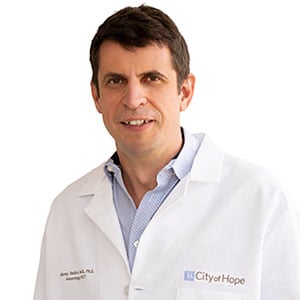 Alexey Danilov合作论文数City of Hope National Medical Center;Toni Stephenson Lymphoma Center, City of Hope54
 Caron A. Jacobson合作论文数Dana-Farber Cancer Institute;Harvard Medical School47
 Leslie Popplewell合作论文数47
 Stephen J. Forman合作论文数Hematologic Malignancies Research Institute, City of Hope;Department of Hematology & Hematopoietic Cell Transplantation, City of Hope44
 David Miklos合作论文数Blood and Marrow Transplantation & Cellular Therapy Division, School of Medicine, Stanford University;Stanford Cancer Institute, School of Medicine, Stanford University43
 Yi Lin合作论文数Division of Hematology, Department of Internal Medicine, Mayo Clinic;Mayo Clinic Comprehensive Cancer Center41Herrera Alex F合作论文数Division of Hematologic Malignancies, Dana-Farber Cancer Institute41
 Thomas Kipps合作论文数Moores Cancer Center, University of California San Diego41
 Sattva Neelapu合作论文数Graduate School of Biomedical Sciences, University of Texas MD Anderson Cancer Center;Department of Lymphoma/Myeloma, Division of Cancer Medicine, The University of Texas MD Anderson Cancer Center41Geoffrey P Shouse合作论文数40
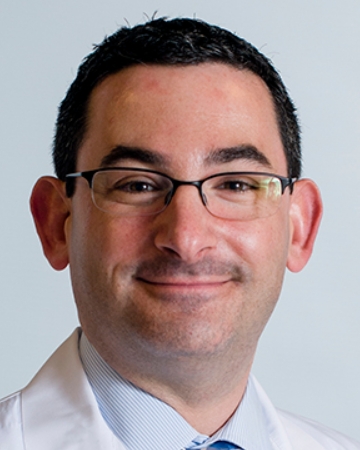 Jeremy Abramson合作论文数Jon and Jo Ann Hagler Center for Lymphoma, Massachusetts General Hospital Cancer Center;Harvard Medical School39
 Steven T. Rosen合作论文数Division of Lymphoma, Department of Hematology & Hematopoietic Cell Transplantation, City of Hope;Beckman Research Institute, City of Hope38
 Constantine Tam合作论文数Alfred Health;Australian Centre for Blood Diseases, School of Translational Medicine, Faculty of Medicine, Nursing and Health Sciences, Monash University37
 Lazaros Lekakis合作论文数36Armin Ghobadi合作论文数35
 Nancy L. Bartlett合作论文数Divisions of Hematology & Oncology, Department of Medicine, Washington University School of Medicine in St. Louis35Stephens Deborah M合作论文数Department of Internal Medicine and Comprehensive Cancer Center, The Ohio State University34
 Matthew Lunning合作论文数College of Medicine, University of Nebraska Medical Center34
 Patrick M. Reagan合作论文数Department of Medicine, University of Rochester33
 Adrian Bot合作论文数33
 Danielle Marie Brander合作论文数Department of Medicine, Duke University School of Medicine32
 Ghia Paolo Prospero合作论文数Medical School, Università Vita-Salute San Raffaele;B-Cell Neoplasia Unit, Division of Experimental Oncology, IRCCS Ospedale San Raffele32Elizabeth Budde合作论文数31
 Alessandra Tedeschi合作论文数31
 Brian T. Hill合作论文数Department of Hematology and Medical Oncology, Cleveland Clinic;Department of Medicine, School of Medicine, Case Comprehensive Cancer Center, Case Western Reserve University31Lili Wang合作论文数Graduate School of Medicine, University of Tokyo31
 Matthew Genyeh Mei合作论文数Division of Lymphoma, Department of Hematology & Hematopoietic Cell Transplantation, City of Hope National Medical Center30
 Ian Flinn合作论文数Center for Blood Cancers, Tennessee Oncology;OneOncology28Zhou Cathy合作论文数27
 Luhua Wang(Michael)合作论文数The University of Texas MD Anderson Cancer27Jeffrey Wiezorek合作论文数27
 John Allan合作论文数Joan and Sanford I. Weill Department of Medicine, Weill Cornell Medicine, Cornell University26Navale Lynn合作论文数26
 Jennifer R. Brown合作论文数CLL Center, Division of Hematologic Malignancies, Dana-Farber Cancer Institute;Harvard Medical School26Ira Braunschweig合作论文数25
 David G. Maloney合作论文数Translational Science and Therapeutics Division, Fred Hutch;Immunotherapy Integrated Research Center, Fred Hutch25
 M. Lia Palomba合作论文数David H. Koch Center for Cancer Care, Memorial Sloan-Kettering Cancer Center25
 Scott R Solomon合作论文数24John M. Timmerman合作论文数24
 Ogundeji Oluwole合作论文数23William Y. Go合作论文数23
 Jon E. Arnason合作论文数Beth Israel Deaconess Medical Center, Harvard University22
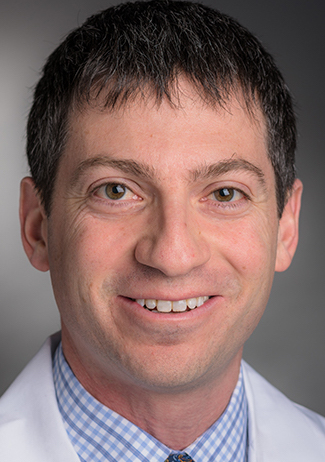 Matthew S. Davids合作论文数Division of Lymphoma, Dana-Farber Cancer Institute;Harvard Medical School;Brigham and Women's Hospital22Mazyar Shadman合作论文数22
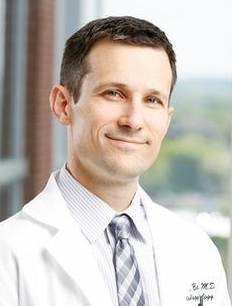 Paul M. Barr合作论文数Wilmot Cancer Center, University of Rochester Medical Center21Manali Kamdar合作论文数Division of Hematology, Hematologic Malignancies and Stem Cell Transplantation, University of Colorado Cancer Center19
 Shuo Ma合作论文数Hematology and Oncologys, Department of Medicine, Feinberg School of Medicine, Northwestern University19




