Schools can support physical education (PE) among students with mobility disabilities (SMDs). However, previous research has indicated that people and resources in the school environment have served as facilitators and barriers to engaging SMDs in PE. Thus, the purpose of this pragmatic, qualitative study was to explore physical educators’ perceptions and experiences of teaching SMDs to learn how to develop a PE environment supportive of SMDs. Eleven K-8 PE teachers who taught SMDs engaged in semistructured interviews. A thematic analysis revealed three themes describing facilitators and barriers of a supportive PE environment for SMDs: (a) teacher planning, (b) students in the PE environment, and (c) resources and support. These findings provide context to PE environments for SMDs and highlight a need for increased communication and collaboration with students with or without mobility disabilities, training or professional development for PE teachers to develop skills for adapted PE, and financial and personnel support.
Physical activity (PA) for children with mobility disabilities increases strength, mental function, and health (Murphy & Carbone, 2008). This population has limited PA opportunities due to lack of transportation, poor facilities, improper equipment, and fear of injury (Lieberman et al., 2008). Therefore, school systems, and specifically physical educators, play an integral role in promoting PA for students with mobility disabilities (SMD; Block & Obrusnikova, 2016). Haegele et al. (2018) surveyed physical educators' perspectives of adapted physical education (PE), noting some variables (e.g., funding) acted as both facilitators and barriers. The authors suggested an in-depth exploration (e.g., qualitatively) to better understand how relevant factors that serve as facilitators and barriers might influence PE experiences for SMD. Thus, the purpose of this study was to explore physical educators' perceptions and experiences of the barriers and facilitators of offering PE to SMD. Eleven K-8 PE teachers engaged in semi-structured interviews (M = 43 minutes). After transcribing interviews verbatim, we inductively coded data that resulted in three themes contextualizing descriptors as facilitators, barriers, or both: (1) teacher development and planning (e.g., how adapted PE knowledge is present or needed, and how accommodations can be easy or challenging), (2) psychosocial environment and student engagement (e.g., how integrating students without mobility disabilities can be safe or dangerous, and beneficial or harmful), and (3) support and resources (e.g., how teacher aides can be helpful or burdensome, and how facilities enhance or restrict adapted PE). As a discussion, we offer practical recommendations for improving PE experiences for SMD.Acknowledgments: Indiana University Kokomo Grant-in-Aid Program; Indiana University Kokomo Undergraduate Research Program
The purpose of the study was to investigate the relationships between perfectionism, motivation, burnout, and coaching satisfaction in high school and collegiate coaches (n = 311). Coaches completed the modified Maslach Burnout Inventory, the Behavioral Regulation in Sport Questionnaire, the Multidimensional Perfectionism Scale, and an investigator-designed survey to assess satisfaction. As predicted, perfectionism was related to both motivation and burnout. In particular, socially-prescribed perfectionism emerged as the most significant type of perfectionism, showing positive relationships with controlled forms of motivation and burnout and negative relationships with autonomous forms of motivation and feelings of personal accomplishment. Self-oriented perfectionism was related to motivation, but not directly related to burnout, and other-oriented perfectionism was not significantly related to motivation or burnout. Autonomous motivation was strongly associated with coaches' satisfaction. The influence of socially-prescribed perfectionism on coaches is discussed in relation to the high expectations placed on coaches by programs and communities, perhaps contributing to feelings of low autonomy and external regulation. Controlling forms of social expectations and external regulation may act as a "slippery slope" in which the initial motivation of coaches may move toward burnout.
In Canada, the Ontario Daily Physical Activity (DPA) policy promotes comprehensive school physical activity programmes (CSPAP) mandating 20 min of DPA in schools. As community and teacher involvement is a key component of the CSPAP framework, developing partnerships to implement CSPAPs is worth exploring to facilitate the meaningful and relevant engagement of partners. One understudied role is that of university Physical Education practicum students who intern in the CSPAP context. Thus, the purpose of this study was to explore university practicum students' perceptions of DPA engagement and identify strategies to enhance their roles in implementing DPA. Using abductive reasoning to create meaningful and practical findings for CSPAP partners, the experiences of nine practicum students before and after DPA implementation were analysed using the CSPAP framework. The findings were contextualised using the CSPAP and community-based participatory research literature. Three non-hierarchical themes provided insight into how to prepare practicum students for, and enhance their roles in, DPA: (1) building relationships to enhance DPA and facilitate school partners' engagement, (2) maximising use of resources and (3) co-learning DPA implementation knowledge and skills. The main contribution to the DPA literature is a group of guiding questions for school-university partners to facilitate the building of relationships, efficiency of resources and co-learning between partners. Methodologically, this study is an example of creating practical DPA partnership findings using the CSPAP framework and provides support for further use of abductive reasoning methodologies to explore DPA and CSPAP programmes and partnerships.
The purpose of this three-year, multi-phase community-based participatory research (CBPR) programme was to explore how to support Indigenous youth activity programmes and programme planners in Alberta, Canada. This CBPR programme was comprised of five phases: (1) Identifying mutual interests and learning how to partner, (2) Building culturally-relevant activity programmes with and for youth, (3) Defining CBPR programme goals and understanding our roles, (4) Exploring how to support Indigenous youth activity programmes, and (5) Applying and informing practices for supporting Indigenous youth activity programmes. Phases Four and Five of this CBPR are the focus of this paper. Phase Four was an exploration of programme planners' experiences of, and recommendations for, building partnerships and programmes to identify how to support Indigenous youth activity programmes and programme planners. Fifteen programme planners from four urban areas in Alberta participated in one-on-one interviews. Findings are represented by three themes: (1) Building capacity for collaboration and programme planning, (2) Connecting partners and existing programmes, and (3) Aligning and integrating goals and resources with existing programmes. Phase Five, the application phase of this CBPR, involved the co-development of a gathering event to apply areas of support (i.e. themes) from Phase Four of this CBPR, as well as to reflect on the strengths and challenges of applying such supports. Partners can use implications from the research programme processes and outcomes to explore their role in and practices for supporting these programmes.
ABSTRACT Background: The Centers for Disease Control and Prevention (CDC) provide recommendations for children’s physical activity (PA) and nutrition practices. Community partnerships in school-based programs are recommended by the CDC to support children’s opportunities to regularly engage in these practices. Purpose: Informing the role of Health Educators and community partners, the research purpose was to explore how to support early-learning providers’ healthy eating and PA programs. Methods: Drawing upon interpretive description methodology, 13 Indiana early-learning providers participated in one-on-one interviews. Participants shared experiences of, and recommendations for, building school health partnerships and programs. Three areas for supporting programs were identified and recontextualized into guiding questions for practice. Results: Health Educators and community partners can support providers by developing or acquiring resources, such as examples of classroom PA delivery. They can contribute by providing program planning services, like co-developing PA programs with teachers and meal planning with staff. By creating networking opportunities, community partners can initiate online or in-person knowledge-sharing and mentor–mentee programs. Discussion: These findings inform how Health Educators and community partners can be involved in school-based health promotion by providing insight into partnership roles. Translation to Health Education Practice: The practical questions can be used to guide the development of collaborations.
Positive body image was initially conceptualised as the absence of negative body image, but it is now considered a unique and multifaceted construct. Within this new and flourishing body of literature, researchers have focused on various facets of positive body image including body pride. Body pride has been identified as a construct that may be instrumental to health and it is necessary to deepen understandings of this construct among culturally diverse populations. The purpose of this research was to explore the body pride experiences of young Aboriginal men and women. Using a community-based participatory research approach, eight young men and women that self-identify as Aboriginal (ages 20-25 years) shared their experiences of body pride through one-on-one interviews and photographs. A qualitative content analysis highlighted five themes representing body pride: (1) 'your mind, your spirit, your body', (2) 'it's a practice', (3) 'learned from my culture', (4) 'getting caught up in this western world', and (5) 'powerful'. This research makes a significant contribution to the body image literature in that it provides in-depth insight into the overlooked experiences of Aboriginal peoples and highlights culturally specific opportunities that may foster experiences of body pride.
The purpose of the article is to discuss and reflect upon a process of building relationships and conducting community consultations to co-create a relevant community-based participatory research agenda exploring Indigenous youth activity-promoting programming. Four consultations were conducted with approximately 30 community members in Edmonton, Alberta to relevantly and respectfully engage Indigenous Peoples and community members in discussions about Indigenous youth activity-promoting programming. A research question was created from the community consultations to inform relevant knowledge generation. A research agenda was also created with community members to inform future community engagement in the research. We reflect upon our process and discuss the strengths, challenges and recommendations of incorporating culturally relevant practices and sharing knowledge within and outside of the community group. This work contributes to literature enhancing relevant and respectful methodological- and relational-research practices with Indigenous Peoples and communities.
The purpose of the presentation is to share the process and outcomes of an integrated knowledge translation (iKT) project that emerged as a gathering of Indigenous youth activity-promoting (IYAP) programmers in Alberta, Canada. This project is a part of a larger community-based participatory research (CBPR) project focused on exploring how to support IYAP programming in Alberta, Canada. In response to feedback and results from the second phase of this CBPR, a gathering was organized to provide support to IYAP programmers and to discuss how to further support IYAP programming. Approximately 35 people attended the gathering and participated in open space technology discussions and professional development speaker sessions addressing topics such as connecting with youth, promoting interagency support, and sustaining programs. Twelve participants shared their thoughts on what they found useful and beneficial about the gathering, their ability to network, their key take-away points, and their next steps in promoting and supporting IYAP programming. Upon reflection of the existing research literature, and in consideration of the participants' feedback, several factors have been identified as facilitating knowledge-to-action within the IYAP context: a) supporting participants' needs, b) facilitating a decolonizing space, c) creating opportunities for networking and engagement, and d) supporting on-going networking and knowledge-sharing opportunities. This project extends upon the knowledge translation and participatory research literature by highlighting considerations for developing an iKT project and, ultimately, quality community scholarship with Canadian Indigenous Peoples. Acknowledgments: Alberta Centre for Child, Family, and Community Research; International and Community Education, Faculty of Physical Education and Recreation, University of Alberta
The purpose of this qualitative description was to explore how Aboriginal youth in an urban center experience body pride. Body pride may be a predictor of health for Aboriginal youth and has been described as being connected to culture. Eight participants (four men, four women) that self-identified as Aboriginal and were between the ages of 20-25 years, participated in one-on-one interviews to describe their meanings and experiences of body pride. A qualitative content analysis highlighted five themes representing body pride: (a) the body as a changing vessel, (b) body pride as a practice, (c) traditional activities that foster body pride, (d) challenging westernized body stereotypes and the marginalization of native peoples, and (e) body pride and male views of masculinity. This research contributes to the literature by highlighting Aboriginal youth's meanings of body pride and describing how to foster body pride while affirming Aboriginal cultures and identities. Acknowledgments: The project described in this paper was funded by the Social Sciences and Humanities Research Council (SSHRC, grant number 430-2012-0239) of Canada and a Research Award by the Office of the Vice President (Research) Special Fund, University of Alberta. The authors would like to thank the participants who shared their knowledge and contributed their time and effort to this project.
Objectives: The purpose of this study was to better understand the meanings of community, particularly as it is understood within the context of sport, for urban Aboriginal youth and adults in Edmonton, Alberta.Design: A community-based participatory research (CBPR) approach was used to guide this research. Method: One-on-one interviews were conducted with 18 Aboriginal youth and adults. Data was analyzed using Elo and Kyngas' (2008) process of content analysis. The integrated indigenous-ecological model was used as a framework for data analysis and the interpretation of findings.Results: Findings are represented by five themes that are supported by direct quotes from participants. Participants described community as: (1) belonging, (2) family and friends, (3) supportive interactions, (4) sport, and (5) where you live and come from.Conclusions: Findings from this research suggest that urban Aboriginal youth identify with a number of different communities, and their complex meanings of communities are comprised of various interpersonal level factors. The knowledge shared by participants provides necessary insights into meanings of community, which are necessary for ensuring that community-driven and community-based sport programs are relevant to Aboriginal youth. (C) 2015 Elsevier Ltd. All rights reserved.
 Tara-Leigh F Mchugh合作论文数Fac Phys Educ & Recreat, Univ Alberta18
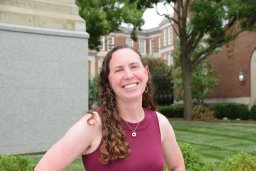 Rose Marie Ward合作论文数Miami University7
 Thomas Curran合作论文数Department of Psychological and Behavioural Science, London School of Economics and Political Science6
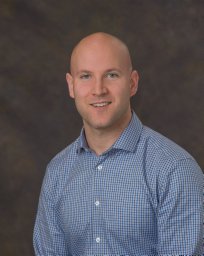 Martin Luc合作论文数6
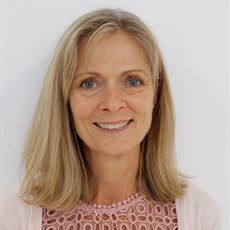 Rachel Arnold合作论文数Institute of Clinical Sciences, College of Medical and Dental Sciences, University of Birmingham6
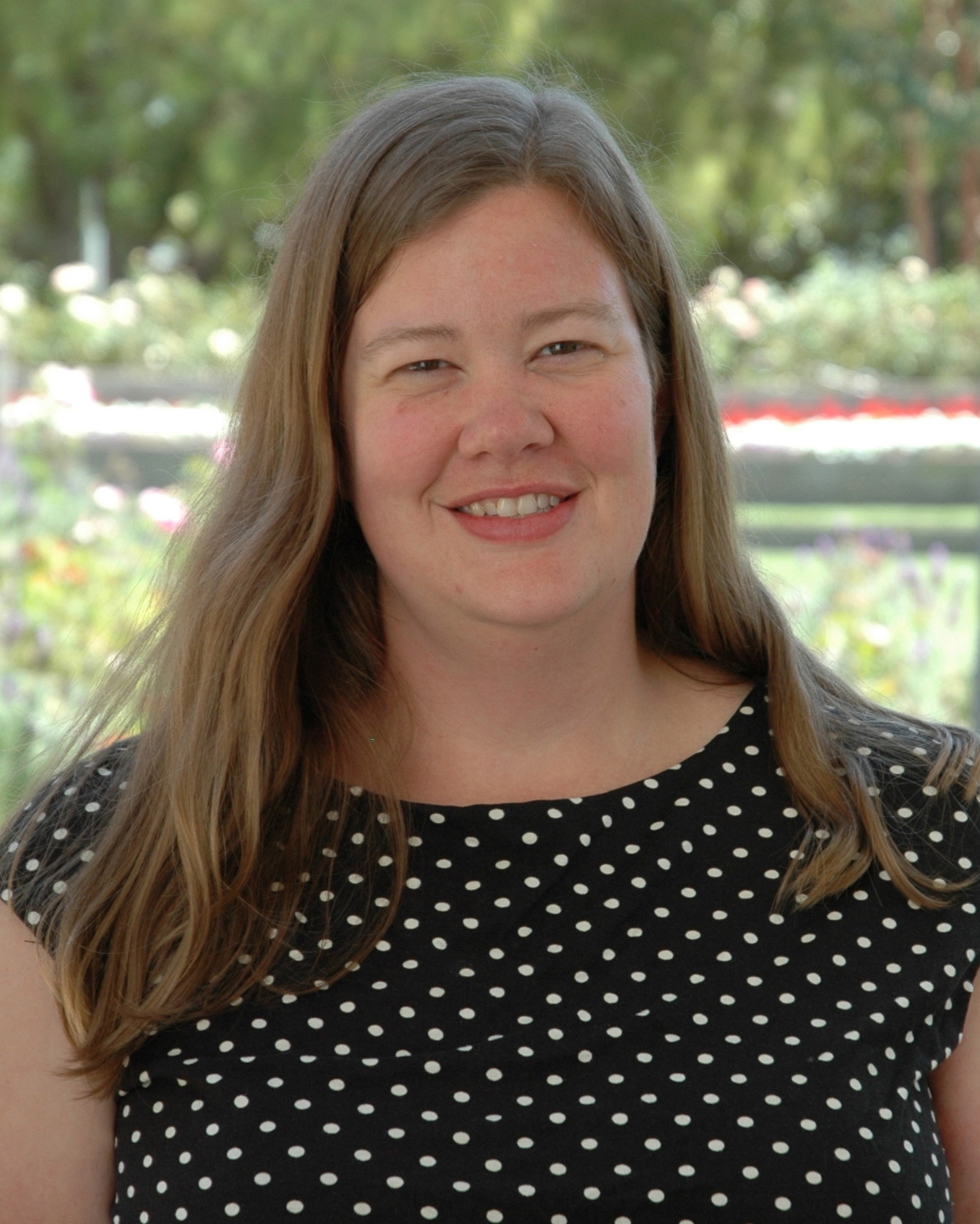 Kathleen S. Wilson合作论文数Department of Kinesiology, College of Health and Human Development, California State University, Fullerton6
 Lori Dithurbide合作论文数6
 Nick Holt合作论文数University of Alberta6
 Karl Erickson合作论文数School of Kinesiology and Health Studies, Queen's University6
 Larkin Lamarche合作论文数6
 Mary Jung合作论文数School of Health and Exercise Sciences, Faculty of Health and Social Development, The University of British Columbia5
 David J. Hancock合作论文数Centre for Novel Computing;Department of Computer Science;University of Manchester;Centre for Novel Computing, University of Manchester5
 Kim Gammage合作论文数4
 Lindsay E. Kipp合作论文数4
 Kacey C Neely合作论文数University of Stirling3Allison L. Voils合作论文数2Bethan Kingsley合作论文数2Janet Gafkjen合作论文数2Ariel J. Dimler合作论文数2
 Nicole D. Bolter合作论文数2
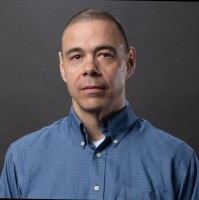 Chris Andersen合作论文数Faculty of Native Studies, University of Alberta2Valeria J. Freysinger合作论文数2
 Veronica Allan合作论文数1
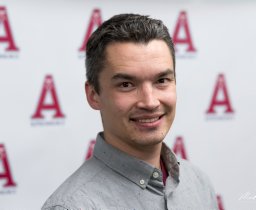 Matthew Vierimaa合作论文数School of Kinesiology, Acadia University1T. L. Messman-Moore合作论文数1John Ward合作论文数1
 Sean Locke合作论文数Fac Kinesiol, Brock Univ1
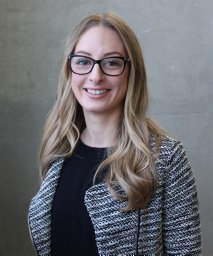 Eva Pila合作论文数University of Toronto1
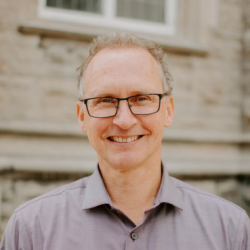 Jean Côté合作论文数School of Kinesiology and Health Studies, Faculty of Arts and Science, Queen's University1
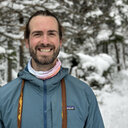 Jeff R Crane合作论文数1
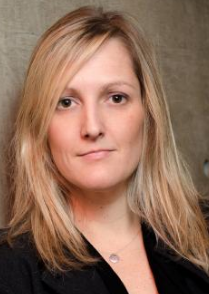 Catherine Sabiston合作论文数Faculty of Kinesiology and Physical Education, University of Toronto1
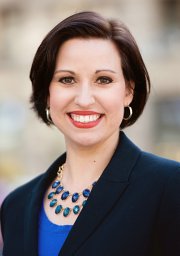 Sarah Novak合作论文数1
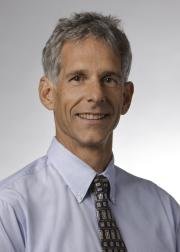 Eric Martin合作论文数Chiron Corporation1Lisa N. Tink合作论文数1
 Robin Vealey合作论文数1




