The demographics of the veteran population are changing. Veterans who served after September 11, 2001 (post-9/11 veterans), are more likely to be female and identify as a person of color than their older counterparts. They are also more likely to be raising children, many of them without support from a partner. This study provides a comprehensive look at the financial, physical, and mental health of veteran single parents; explores the differences across these factors by race, ethnicity, and gender; and includes recommendations on policies and programs that can better support veteran single parents and their children.
Objective Research has just begun to identify American college students who study abroad as a group at-risk for sexual violence victimization. The purpose of the current study was to examine the context of these incidents. Participants: We utilized a large longitudinal sample of 2,428 United States college students studying abroad for between 4 and 21 weeks in 12 different foreign countries. Methods: We estimated descriptive statistics and logistic regression models to assess prevalence and correlates of sexual victimization abroad, as well as effect size comparisons to quantify changes in drinking abroad. Results: Over one-fifth of students experienced sexual violence while abroad, including sexual assault and verbal coercion. Women, younger students, those who experienced sexual violence prior, and heavier drinkers had the greatest odds of sexual violence victimization abroad. Conclusions: Findings point to the need for evidence-based programming to reduce sexual violence risk among American college students studying in foreign countries.
Victims of sexual assault and sexual harassment often experience a variety of psychological outcomes and mental health symptoms related to posttraumatic stress disorder (PTSD), depression, anxiety, substance abuse, suicidal ideation, and self-harm. Sexual trauma also might affect careers. Despite a need to address these harms, some service members have reported that connecting to health care or mental health services following sexual assault or sexual harassment can be difficult-in part because of a lack of leadership support. Given these persistent challenges, the Psychological Health Center of Excellence identified an urgent need to better understand research that is pertinent to sexual assault and sexual harassment during military service so that the U.S. Department of Defense and the military services can improve the health care response for service members. RAND researchers investigated and synthesized relevant research in three topic areas: (1) the effectiveness of psychotherapy treatments designed for adult victims of sexual assault or sexual harassment in military settings; (2) barriers faced by U.S. military members to accessing and remaining in mental health care settings; and (3) associations between sexual assault or sexual harassment and mental health conditions.
While the Department of Defense (DoD) has given increased attention and priority to preventing sexual assault and sexual harassment (SA/SH), it remains a problem. To build its prevention capacity, DoD piloted Getting To Outcomes ® (GTO ® ) from 2019 to 2022 at 10 military installations. GTO is an evidence-based planning and implementation support that has been used in many civilian contexts but has only recently been adapted for military SA/SH. The purpose of this study was to describe GTO use, identify its benefits and challenges, and discuss lessons the GTO effort yielded for prevention more broadly using a framework of organizational and program-level capacities needed for successful prevention in the military context, called the Prevention Evaluation Framework (PEF). GTO was piloted with 10 military installations (“sites”) representing all Military Services, plus the Coast Guard and National Guard. GTO is comprised of a written guide, training, and ongoing coaching. The pilot’s goal was for each site to use GTO to implement a SA/SH prevention program twice. Participants from each site were interviewed and data was collected on GTO steps completed, whether GTO spurred new evaluation activities and collaborations, and the degree of leadership support for GTO. Most sites completed all GTO steps at least once. Interviews showed that DoD participants believe GTO improved prevention understanding, planning, and evaluation capacity; strengthened confidence in chosen programs; and helped sites tailor programs to the military context. Barriers were the complexity of GTO, DoD personnel turnover, and the disruption that the COVID pandemic caused in sexual assault prevention program delivery. Many respondents were unsure if they would continue all of GTO after the coaching ended, but many believed they would continue at least some parts. According to the PEF, the GTO pilot revealed several additional prevention system gaps (e.g., need for leadership support) and changes needed to GTO (e.g., stronger leader and champion engagement), to support quality prevention. The military and other large organizations will need to focus on these issues to ensure prevention implementation and evaluation are conducted with quality.
Section 702 of the fiscal year 2019 National Defense Authorization Act directed the U.S. Department of Defense (DoD) to conduct a pilot study to assess the feasibility and advisability of using intensive outpatient treatment programs to address posttraumatic stress disorder (PTSD) and associated mental health problems among service members who have experienced sexual harassment or sexual assault while in the military. RAND researchers conducted a programmatic review of four intensive outpatient programs (IOPs)-two in the private sector and two in DoD-to understand different program components available to active-duty service members who have suffered sexual trauma and other trauma. A review of policies to understand TRICARE authorization procedures and other regulations governing IOPs and an analysis of data from the 2014 RAND Military Workplace Study survey on the prevalence of sexual trauma among personnel with mental health conditions helped obtain contextual information to inform the Psychological Health Center of Excellence's response to Congress. The review identified evidence-based approaches that IOPs have successfully used in programs designed for military service members and barriers to using this type of care to treat members of the military community. While examining the IOP model of care, the research team identified knowledge gaps surrounding the experiences, treatment needs, and effectiveness of different treatment components and models of care for active-duty service members affected by the mental health consequences of sexual harassment and sexual assault in the military.
INTRODUCTION:American college students who study abroad experience increases in their drinking behavior, concerning risky sexual behaviors, and high rates of sexual violence while abroad. Despite these concerns, institutions offer limited programming to students prior to departure to address these risks and no empirically supported interventions currently exist that are targeted toward preventing increased drinking, risky sexual behavior, and sexual violence abroad. To help address alcohol and sexual risk abroad, we designed a brief, single-session online predeparture intervention focused on risk and protective factors known to associate with alcohol and sexual risk abroad. METHODS:Using a sample of 650 college students from 40 home institutions, we conducted a randomized controlled trial of the intervention and tested its effects on drinking (drinks per week, binge drinking frequency, alcohol related-consequences), risky sexual behaviors, and sexual violence victimization during the trip abroad (first month, last month abroad) and one-month and three-months after return home. RESULTS:We observed small, but nonsignificant, intervention effects on drinks per week and binge drinking days during the first month abroad and three months after they had returned home to the United States, and small, significant effects on risky sexual behaviors during the first month abroad. The study found no observable effects at any time point for alcohol-related consequences or for sexual violence victimization abroad. CONCLUSIONS:Though mostly nonsignificant, small initial intervention effects were promising in this first empirical test of an alcohol and sexual risk prevention program for study abroad students. However, students may need more intensive programming with booster sessions to experience lasting intervention effects during this particularly high-risk period. CLINICALTRIALS: GOV IDENTIFIER:NCT03928067.
The U.S. Department of Defense and the military services continue to prioritize sexual assault prevention. This guide aims to provide prevention teams and leaders with an overview of a healthy relationship approach to sexual assault prevention, why it could be an effective tool, and strategies for implementing a program as part of their prevention portfolio.
This research documents the characteristics of sexual assault incidents, victims, and perpetrators that increase risk for perceived retaliation against service women who are victims of sexual assault. The authors also explored the relationship between disclosure choices and retaliation and subsequently controlled for disclosure choices when identifying risk factors for retaliation.
This report describes analyses designed to identify service member and environmental characteristics that are associated with service members' risk of sexual assault or sexual harassment. These analyses draw on data from one of the largest surveys ever conducted on sexual assault and harassment experiences, the 2014 RAND Military Workplace Study.
To help the U.S. Department of Defense (DoD) estimate the percentage of service members who experienced racial or ethnic harassment or discrimination in the past year, RAND Corporation researchers, with feedback from external experts and DoD representatives, developed a survey instrument. The authors of this report describe the instrument-development process, the instrument itself, and recommendations to support its use.
This guide will lead users through the ten steps of Getting To Outcomes (GTO) to assist with the planning, implementation, evaluation, continuous quality improvement, and sustainability of military sexual assault prevention activities. Each chapter in the guide contains blank tools for that chapter's GTO step, completed examples of each tool, resources, and detailed instructions.
This report describes analyses designed to identify how the sexual harassment of others in a service member's work environment affects his or her own risk of being sexually assaulted. These analyses draw on data from one of the largest surveys ever conducted on sexual assault and harassment experiences, the 2014 RAND Military Workplace Study.
The authors describe the development and design of a survey instrument created to help the U.S. Department of Defense estimate the number of active-duty service members who experience hazing and bullying. This report should be of interest to those who wish to better understand measurement of hazing and bullying and those responsible for understanding and addressing hazing and bullying in the U.S. military.
Recent studies show that during study abroad experiences, college students greatly increase their drinking behavior, experience multiple alcohol-related consequences, engage in sexual risk behaviors, and are at-risk for sexual violence victimization. These studies, however, have been limited by small sample sizes of students from single institutions who are often studying in a particular country or region. To better understand the extent of the risks experienced by college students studying abroad, we conducted a longitudinal survey study of 2630 students from 65 different US colleges and universities studying in 12 diverse locations abroad. Total drinks per week and heavy drinking days more than doubled while students were abroad, with heavier predeparture drinkers, men, and students under age 21 experiencing the greatest increases. There were few observed overall changes in alcohol-related consequences and risky sexual behaviors; however, specific groups, such as those with heavier predeparture consequences and sexual risk behaviors, men, and those on longer abroad programs reported greater consequences and risky sex abroad. One in five students (21%) experienced sexual violence abroad, with non-consensual physical contact the most prevalent form. Women, those under age 21, and those with a history of sexual violence were most likely to experience sexual violence abroad. Findings indicate that study abroad students may warrant targeted predeparture programming to help prevent heavy drinking and sexual violence experiences abroad.
BACKGROUND:This study protocol describes a proposed randomized controlled trial that builds upon a successful pilot intervention study to address problematic and dangerous drinking among young adult college students studying abroad in foreign environments. Despite universities and colleges citing alcohol misuse as the most concerning issue for their students abroad, most institutions offer no empirically-based prevention efforts tailored to this at-risk population. The proposed intervention attempts to fill a major gap for the nearly 333,000 students completing study abroad programs each year by using empirically-based and theoretically-informed risk and protective factors to correct misperceived peer drinking norms and promote cultural engagement abroad. In addition to preventing heavy and problematic drinking, the intervention seeks to prevent risky sexual behaviors (e.g., sex without a condom) and experience of sexual violence victimization, which are strikingly common among study abroad students and have the potential for lasting physical and psychological effects upon return home.METHODS/DESIGN:We will conduct a randomized controlled trial of an intervention with a sample of 1200 college students studying abroad from approximately 50 US universities and colleges. The brief, online intervention is text and video based and contains evidence-based components of personalized normative feedback to correct students' misperceived drinking norms, content to promote engagement with the cultural experience abroad and address difficulties adjusting to life in the foreign environment, and tips and strategies to prevent risky sexual behaviors and sexual violence victimization abroad. Participants will complete online surveys at five time points (predeparture, first month abroad, last month abroad, 1-month post-return, and 3-months post-return) to assess for intervention effects on drinking behavior, drinking consequences, risky sex, and sexual violence outcomes. We will examine whether the mechanisms targeted by the intervention (changes in perceived norms, engagement in the cultural experience abroad) serve as mediators of intervention efficacy.DISCUSSION:The proposed study has the potential to fill an important gap in the research literature and provide empirical support for an online accessible, brief, and targeted approach that can easily be distributed to study abroad students to help prevent heavy alcohol use and sexual risk abroad. Trial registration ClinicalTrials.gov Identifier NCT03928067.
This report provides recommendations for how the Air Force's survey system for monitoring abuse and misconduct in Basic Military Training can best be adapted for use in technical training and flying training environments. The report also provides background on the training environments, revisions to tailor the survey content for these environments, survey pretest results, strategies to promote participation, and recommendations for future use.
The Department of Defense works to prevent and address child abuse or neglect (CAN) and domestic abuse (DA) through the Family Advocacy Program and other services. RAND conducted a study to review resources available to military-affiliated victims and perpetrators of CAN and DA, barriers to utilization, challenges faced by military providers working to prevent and respond to CAN and DA; and to provide recommendations to improve services.
Many universities have pre departure programs that aim to prevent alcohol misuse and sexual assault among college students abroad, yet little is known about students’ uptake of this preventative information. In this study, 2,245 study abroad students from 63 different institutions were asked about receiving pre departure alcohol/drug and sexual assa ult prevention information. Only 38% of students reported receiving pre departure information specific to alcohol/drug misuse abroad and only 22% reported receiving sexual assault prevention information prior to departure. Notably, students who were heavie r drinkers prior to departure and those who intended to drink the most while abroad reported lower rates of information receipt. Overall, these findings suggest that either students are not receiving the preventative information that universities intend them to receive or the programming is not impactful enough to be recalled. Thus, there may be missed opportunities to better prepare students for risks specific to study abroad programs.
To assist the U.S. Marine Corps in evaluating its sexual assault prevention programs, the authors of this report identify and develop measures of performance and measures of effectiveness with which to assess the programs. The research team created a logic model framework to guide evaluations and mapped program goals to measures that assess the degree to which each outcome has been achieved.
Background: While there is some experimental evidence to support the use of cognitive forcing strategies to reduce diagnostic error in residents, the potential usability of such strategies in the clinical setting has not been explored. We sought to test the effect of a clinical reasoning tool on diagnostic accuracy and to obtain feedback on its usability and acceptability. Methods: We conducted a randomized behavioral experiment testing the effect of this tool on diagnostic accuracy on written cases among post-graduate 3 (PGY-3) residents at a single internal medical residency program in 2014. Residents completed written clinical cases in a proctored setting with and without prompts to use the tool. The tool encouraged reflection on concordant and discordant aspects of each case. We used random effects regression to assess the effect of the tool on diagnostic accuracy of the independent case sets, controlling for case complexity. We then conducted audiotaped structured focus group debriefing sessions and reviewed the tapes for facilitators and barriers to use of the tool. Results: Of 51 eligible PGY-3 residents, 34 (67%) participated in the study. The average diagnostic accuracy increased from 52% to 60% with the tool, a difference that just met the test for statistical significance in adjusted analyses (p = 0.05). Residents reported that the tool was generally acceptable and understandable but did not recognize its utility for use with simple cases, suggesting the presence of overconfidence bias. Conclusions: A clinical reasoning tool improved residents' diagnostic accuracy on written cases. Overconfidence bias is a potential barrier to its use in the clinical setting.
 Amber Barnato合作论文数School of Medicine, The Dartmouth Institute for Health;Policy & Clinical Practice;Geisel School of Medicine;Dartmouth-Hitchcock Norris Cotton;Cancer Center16
 Terri Tanielian合作论文数15
 Terry L. Schell合作论文数RAND Corporation14
 Derek C. Angus合作论文数Department of Critical Care Medicine, School of Medicine, University of Pittsburgh;School of Public Health, University of Pittsburgh12Deepika Mohan合作论文数12
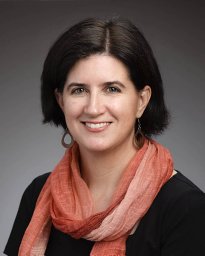 Farmer Carrie合作论文数11
 Baruch Fischhoff合作论文数Department of Engineering & Public Policy, Carnegie Mellon University;Carnegie Mellon Institute for Strategy and Technology, Carnegie Mellon University11
 Matthew Randall Rosengart合作论文数Department of Surgery, University of Pittsburgh;Pittsburgh Surgical Outcomes Research Center, University of Pittsburgh11
 Lisa H. Jaycox合作论文数RAND Corporation10
 Caroline Batka合作论文数9Harold Alan Pincus合作论文数Department of Health Policy and Management, Mailman School of Public Health, Columbia University9
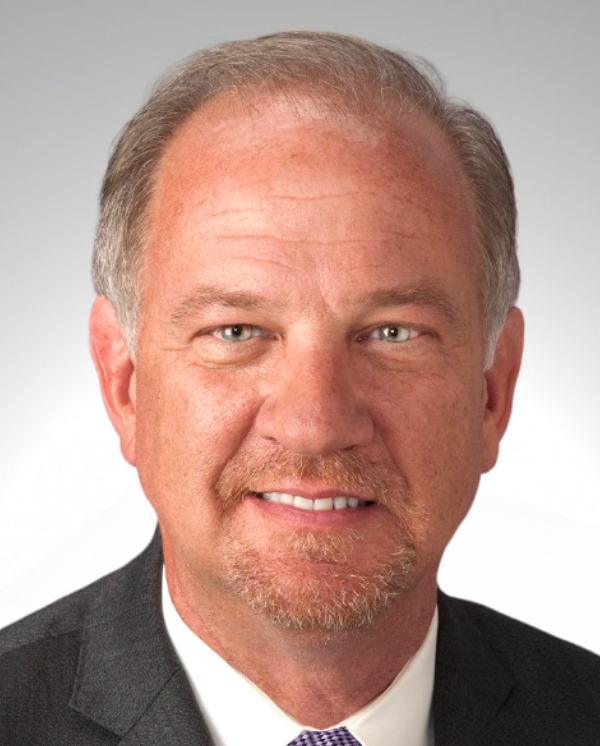 Donald M. Yealy合作论文数Department of Emergency Medicine, School of Medicine, University of Pittsburgh9
 Richard J. Viken合作论文数Indiana University9Teresa A. Treat合作论文数9Barbara Bicksler合作论文数7Hepner Kimberly A合作论文数7Gore Kristie合作论文数6
 Andrew R. Morral合作论文数RAND Corporation6michael robbins合作论文数5jennifer sloan合作论文数5
 Kayla Williams合作论文数5
 Dionne Barnes-Proby合作论文数5
 David J. Klein合作论文数Institute for Systems Research;Department of Electrical and Computer Engineering;University of Maryland;Institute for Systems Research, University of Maryland5
 Dean G Kilpatrick合作论文数Department of Psychiatry and Behavioral Sciences, College of Medicine, Medical University of South Carolina5
 Elizabeth J D'Amico合作论文数University of Texas at Austin5
 Joseph Labrie合作论文数Department of Psychology, Loyola Marymount University5Laurie T. Martin合作论文数5Beth Ann Griffin合作论文数RAND Corporation5Eric R. Pedersen合作论文数4miriam matthews合作论文数4Kerry Reynolds合作论文数4
 Melony E S Sorbero合作论文数4Sierra Smucker合作论文数4T. Krivak合作论文数4Susan Lovejoy合作论文数4Eric A. Apaydin合作论文数4Lesnock Jamie L合作论文数4Jodi R. Smith合作论文数4
 Vaughan Christine合作论文数RAND Corporation4
 Kandrack Ryan合作论文数4Bonnie Ghosh-Dastidar合作论文数4David K. Wallace合作论文数4Teague Ruder合作论文数4Amy E. Street合作论文数VA Boston Healthcare System, Boston University School of Medicine4
 Charles C Engel合作论文数Tripler Army Medical Center4
 David Adamson合作论文数Carnegie Mellon University4Laura L Miller合作论文数3katherine pfrommer合作论文数3Daniel Mandel合作论文数3




