There is a growing concern around the mental and behavioral health of children and youth as such conditions as anxiety disorders, depression, attention-deficit hyperactivity disorder and conduct disorders affect almost one in five children and youth ages 3 to 17. The coronavirus pandemic brought many challenges: Children missed years of in-person schooling and socialization, experienced increased social isolation, and developed an overreliance on technology and social media to stay connected, entertained, and participate in online schooling. Collectively, studies suggest that children and youth have experienced, and will continue to experience, a wide variety of mental and behavioral health concerns that can affect their academic performance, social interactions, well-being, and overall quality of life. In addition to the general stresses and strains in the lives of children and youth, military-connected children and youth face distinct challenges-such as family separation and frequent moves-that can directly or indirectly affect children's mental health and exacerbate an already stressful time in their development. To help inform an ongoing commitment to military-connected children and youth, the Office of the Deputy Assistant Secretary of Defense for Military Community and Family Policy asked RAND to assess the needs of military-connected children in the context of military child development centers, military youth programs, and schools with a significant military child population. This study provides findings from this mental and behavioral health needs assessment.
The U.S. Army has a vested interest in retaining the skilled personnel necessary to achieve its mission and strategic goals. A wealth of research has investigated the retention process and what influences service member decisions to stay in the military. While families are an important influence on soldier retention decisions, research on the mechanism by which this happens is lacking. This report explores the relationship between spouse attitudes and perceptions, resource use, and soldier retention almost two years later, using a proposed theoretical model. Our results generally support our model, with the important change that resource use and unmet needs and stress were not directly associated with specific attitudes toward staying in the military as we had expected. Instead, the association was accounted for by relationship with general attitudes toward the military. Spouses whose needs were unmet after seeking help from available resources experienced greater stress, and spouse unmet needs and reports of greater stress were associated with worse general attitudes toward the military; worse general attitudes toward the military were associated with less inclination to stay a military family; which in turn predicted soldier turnover almost two years later. As the research in this report shows, providing benefits to military spouses is also associated with a tangible and important outcome for the military: improved service member retention.
Developing strong resiliency and care solutions for airmen and guardians is key to human capital development and force readiness. The True North program is one of the Department of the Air Force's (DAF's) most significant recent investments in promoting the resiliency of its people. Assessing the program's level of success, justifying funding, and informing decisions about the program's future will require a rigorous evaluation. The authors of this study (1) identify desired outcomes for members participating in the program, (2) define appropriate measures of effectiveness that could be used in evaluating the True North program, and (3) make recommendations for ongoing internal evaluation of the program. The True North program encompasses selected installation welcome centers, embedded religious support teams (RSTs), and embedded mental health (EMH) teams. To determine how DAF might evaluate this program and its components, the authors reviewed relevant policies and procedures and literature relevant to the program components and conducted interviews with 17 True North program personnel and 21 group and squadron commanders. They present a program logic model to determine potential evaluation measures.
The authors produced new estimates of the number of adults caregiving in the United States today; investigated how those caring for wounded, ill, and injured service members and veterans compare with those caring for civilians and with non-caregivers; and share insights on the potential consequences of caregiving on caregiversapos health, their economic security, and their families' well-being. They also propose recommendations to strengthen caregiver support. The information in this study is derived from two sources. RAND researchers administered the 2023 RAND Caregiving Survey. The final analytic sample size was 2,946 respondents, including 513 military and veteran caregivers, and, for comparison, 1,205 civilian caregivers and 1,228 non-caregivers. RAND researchers also administered the 2022 RAND Veterans Survey, a survey of 1,100 veterans residing in the United States. There are 14.3 million military and veteran caregivers, representing 5.5 percent of the U.S. adult population. There are an additional 91.3 million civilian caregivers (35.0 percent of U.S. adults) caring for wounded, ill, or injured civilian adults. Across all caregivers, most (78 to 81 percent) spend between one and 30 hours per week providing care. Under 10 percent spend less than one hour per week, and 11 to 16 percent spend 31 hours or more per week caregiving. The estimated aggregate economic value generated by military/veteran caregiving activities, which are largely uncompensated, ranges from $119 billion to $485 billion per year. Military/veteran caregivers incur an estimated $8,583 in annual out-of-pocket costs associated with their caregiving responsibilities. Military/veteran caregivers forgo an estimated $4,522 in annual household income.
The National Guard Youth ChalleNGe program is a residential, quasi-military program for youth ages 16 to 18 who are experiencing academic or behavioral difficulties in traditional high school. Mental health disorders are an increasing concern among adolescents, and the youth served by ChalleNGe may be particularly at risk for mental health disorders. To better understand how ChalleNGe can support cadets with mental health disorders, RAND researchers conducted interviews with counselors from six ChalleNGe sites and surveyed 39 ChalleNGe sites about their counseling services and cadets' mental health needs in 2019. The survey found that the majority (65 percent) of the sites considered cadets' mental health disorders (e.g., depression, anxiety) during the application process. In addition, a significant proportion of cadets are taking medication for mental health disorders while completing ChalleNGe. Counselor interviews indicated that there are substantial variations in counseling services across sites, including different staffing models, different ways for cadets to access counseling services, and different ways in which counseling services are integrated into a site's day-to-day operations. Based on the findings, the authors made four recommendations: (1) implement flexible staffing models that include at least one licensed counselor to meet the needs of the cadets and the sites, (2) establish an integrated counseling department in which counselors and other staff (e.g., teachers, cadre) work hand-in-hand to support cadets' mental health, (3) partner with community mental health providers to train and support staff, and (4) use evidence-based counseling practices to ensure high-quality and effective mental health services.
The U.S. Department of Defense and the military services continue to prioritize sexual assault prevention. This guide aims to provide prevention teams and leaders with an overview of a healthy relationship approach to sexual assault prevention, why it could be an effective tool, and strategies for implementing a program as part of their prevention portfolio.
BACKGROUND:There is a lack of research on the effectiveness of online peer support groups for reducing social isolation and depressive symptoms among caregivers, and previous research has mixed results.OBJECTIVE:This study aimed to test whether military caregivers who joined a new online peer support community or engaged with an existing online community experienced decreased perceived social isolation and improved depressive symptoms over 6 months.METHODS:We conducted a longitudinal study of 212 military caregivers who had newly joined an online community and those who were members of other military caregiver groups. Multiple indicators of perceived social isolation and depressive symptoms were assessed at baseline and at 3 and 6 months.RESULTS:Compared with caregivers in the comparison group, caregivers who joined the new group experienced less perceived social isolation at 3 months (eg, number of caregivers in social network [unstandardized regression coefficients] b=0.49, SE 0.19, 95% CI 0.87 to 0.02), but this effect did not persist at 6 months. Those who engaged more with new or existing groups experienced less perceived social isolation over time (eg, number of caregivers in social network b=0.18, SE 0.06, 95% CI 0.02 to 0.27), and this relationship was mediated by increased interactions with other military caregivers (95% CI 0.0046 to 0.0961). Engagement with an online group was not associated with improvements in depressive symptoms.CONCLUSIONS:Online communities might help reduce social isolation when members engage with the group, but more intensive treatment is needed to improve depressive symptoms.
The authors evaluate the impact of the U.S. Department of Defense's My Career Advancement Account (MyCAA) Scholarship program, which provides tuition assistance to military spouses for education and training in portable career fields, on the retention of military personnel. Using a propensity-score matching analysis comparing MyCAA households to households of nonusers, they find consistent and sustained evidence for its impact on retention.
A survey of more than 8,500 Army spouses examining their problem-solving processes found that the most common problems involved work-life balance, military practices and culture, and spouses' own well-being. Spouses most often wanted social support.
Problematic drinking is a serious and persistent problem among U.S. military service members and veterans, who face barriers to seeking help and are less likely to seek help than the civilian population. One way to reach this population is through spouses or partners who are concerned about the service members' drinking (concerned partners [CPs]). CPs of military service members were recruited for a web-based intervention, Partners Connect, that aimed to improve patterns of communication about the service members' drinking. Participants were 234 CPs (95% female; 71% White; 89% married; average age 32 years) who completed a baseline survey, were randomized to a four-session web-based intervention or a waitlist control group, and completed a follow-up assessment 5 months later. Three measures reported by CPs assessed perceived partner drinking (drinks per week, highest number of drinks across a typical week, and frequency of drinking in the past month) and CP behaviors were assessed using the Significant-other Behavior Questionnaire (SBQ) and the State-Trait Anger Expression Inventory (STAXI-2). Results demonstrated that the intervention did not have a main effect on CP behaviors relative to control. However, changes in CP punishment of partner drinking and behaviors supporting sobriety were significantly associated with decreased perceived partner drinking and improved relationship quality over time. Furthermore, compared to the control group, to the extent that CPs in the treatment group reduced their negative behaviors, perceived partner drinking declined and relationship quality improved. The results reinforce the importance of considering CP behaviors when designing interventions to reduce drinking.
Airmen, their families, and Air Force civilian employees face a range of personal and work-related challenges. To assist Air Force leaders and service providers in identifying the needs of their communities and prioritizing efforts to address them, the Air Force sponsored the 2017 Air Force Community Feedback Tool—a self-reported needs assessment of Air Force community members. This report synthesizes results and draws lessons from the findings.
The RAND Arroyo Center conducted a 2014 formal needs assessment survey of active component soldiers at 40 installations. The original study described a broad landscape of needs in such areas as quality of life support services provided to help families cope with a variety of challenges. In this study, new analysis of those survey data explores differences at the garrison level and includes additional focus group data. The analysis suggests that resources providing one-on-one, personalized help should be given priority and it is possible that emphasizing trust between soldiers and their leaders could help fulfill this need. Providing easily accessible information online and staffing services that provide information to soldiers and their families should also be continuing priorities. In intergovernmental support agreements and other community partnership activities, Army garrisons should consider focusing more on partnerships that help meet the needs of soldiers and their families. The Army might consider a series of solutions to achieve the right balance between fostering resilience and helping its soldiers solve problems early. One solution is to expose noncommissioned officers and other soldiers earlier and more frequently in their careers to information regarding what resources are available. Another solution is to set priorities at the aggregate Army level, rather than leaving lower levels to determine how to prioritize the many requirements that are passed down. Finally, the Army should consider strengthening the "no wrong door" policy at Army Community Service and broadening the policy to help soldiers and families navigate resources.
A survey of Army spouses identified challenges that Army families face and resources they need, including how spouses prioritize needs and how the Army can best address their most-pressing unmet needs.
This report identifies the challenges that Army families face, and the resources they need to address those challenges, directly from the perspectives of more than 8,500 Army spouses who completed a survey. The results show how spouses prioritize needs, the implications of unmet needs for spouses' attitudes toward military service, and how the Army can best address spouses' most-pressing unmet needs through adjustments to Army support services.
Concerned partners (CPs) of service members and veterans who misuse alcohol face help-seeking barriers and mental health problems. We used multiple regression to evaluate the efficacy of Partners Connect, a four-session web-based intervention (WBI) to address military CPs' mental health and communication. We randomized 312 CPs to the WBI or a control group. Five months later, WBI CPs reported significant reductions in their anxiety and increases in their social support compared to control CPs. Intervention dose was also associated with improved WBI CP outcomes. Partners Connect appears to fill a need for families who face help-seeking barriers and provides an alternative to traditional care for those who may not otherwise seek help.
The United States is home to more than 21 million veterans, many of whom deployed to support combat operations around the globe during their military service and sustained service-related conditions or disabilities. Supporting these wounded, ill, and injured warriors once home are millions of informal caregivers-individuals who provide unpaid support with activities that enable the service member or veteran to live in a noninstitutionalized setting. In this study, researchers describe elements of a research blueprint to inform future efforts to improve support for military and veteran caregivers. To construct this blueprint, researchers inventoried currently available research on caregiving for disabled adults and children and gathered stakeholder input by conducting a survey and facilitating an online panel. The study highlights the need for more studies that examine how military and veteran caregiver needs evolve over time, how programs are working, and how caregiving affects specific subgroups. The resulting blueprint should serve as a guide for the caregiver support community to use in prioritizing and facilitating future research.
In the fourth in a series of annual reports on the National Guard Youth ChalleNGe, RAND researchers provide information on participants who entered the residential, quasi-military program for youth ages 16–18 in 2018, as well as follow-up information on those who did the same in 2017. The authors describe analytic efforts focused in several areas, including career and technical education (CTE), as well as a pilot program for ChalleNGe mentors.
BACKGROUND:Web-based peer support interventions have shown promise in reducing social isolation and social support deficits among informal caregivers, but little research has examined how caregivers use and perceive these interventions. OBJECTIVE:In this study, we examined utilization and perceptions of a Web-based social support intervention for informal caregivers of wounded, ill, and injured United States military service members and veterans. METHODS:This was a mixed-methods study that used quantitative survey data and qualitative data from focus groups and interviews with informal caregivers enrolled in a Web-based peer support intervention to explore their use and perceptions of the intervention. The intervention was delivered via a website that featured interest groups organized around specific topics, webinars, webchats, and messaging functionality and was moderated by professionally trained peers. This study occurred in the context of a quasi-experimental outcome evaluation of the intervention, where intervention participants were compared with a group of military caregivers who were not enrolled in the intervention. RESULTS:Survey findings indicated that caregivers used the website infrequently, with 60.7% (128/211) visiting the website once a month or less, and passively, with a minority (32/144, 22.2%) of users (ie, those who had visited the website at least once during the past 3 months, N=144) posting comments or links to the network. Nonetheless, most users (121/144, 84.0%) endorsed moderate or greater satisfaction with the website on the survey, and focus group and interview participants reported benefiting sufficiently from passive use of the website (eg, reading posts). Quantitative and qualitative findings suggested that users viewed the website primarily as a source of informational support. Among 63.2% (91/144) of users who completed the survey, the most commonly reported network-related activity was obtaining information from the network's resource library, and focus group and interview participants viewed the network primarily as an informational resource. Focus group and interview participants expressed an unmet need for emotional support and the desire for a more personal touch in the forms of more active engagement with other caregivers in the network and the creation of local, in-person support groups for caregivers. CONCLUSIONS:These findings suggest that Web-based peer support interventions may lend themselves better to the provision of informational (vs emotional) support and may need to be supplemented by in-person peer support groups to better meet caregivers' needs for emotional support.
My Career Advancement Account (MyCAA) Scholarships are intended to help military spouses with education and employment. This report evaluates MyCAA use, employment and earnings of eligible spouses, and continuation of their service members. The findings regarding work and earnings are promising, and personnel married to MyCAA users are more likely to still be on active duty three years after the spouse is awarded the scholarship.
 Terri Tanielian合作论文数15
 Ramchand Rajeev合作论文数RAND Corp12
 Friedman Esther M合作论文数RAND Corporation12
 Vaughan Christine合作论文数RAND Corporation11
 Benjamin Karney合作论文数Department of Psychology, College of Life Science, University of California, Los Angeles11
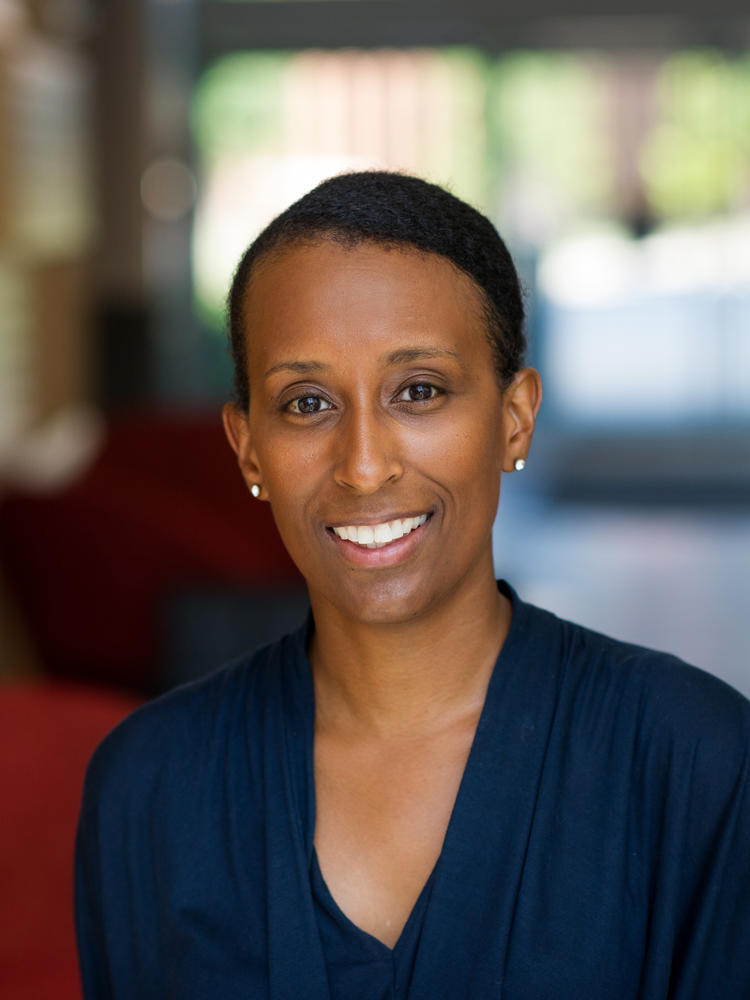 Nicole Shelton合作论文数Department of Psychology, Princeton University8
 Karen Chan Osilla合作论文数Department of Psychiatry and Behavioral Sciences, School of Medicine, Stanford University7eric robinson合作论文数7
 Tessa West合作论文数Department of Psychology, College of Arts and Science, New York University7Phoenix Voorhies合作论文数7Bonnie Ghosh-Dastidar合作论文数7Jennie W. Wenger合作论文数6
 Caroline Batka合作论文数6Ammarah Mahmud合作论文数6Gonzalez Gabriella C合作论文数6
 Lindsey Rodriguez合作论文数6Michael S. Robbins合作论文数6Laura J. Miller合作论文数6
 Anita Chandra合作论文数6michael g fisher合作论文数5Nupur Nanda合作论文数5
 Burgette Lane F合作论文数Department of Statistical Science, Duke University5Sims Carra S合作论文数5Eric R. Pedersen合作论文数4
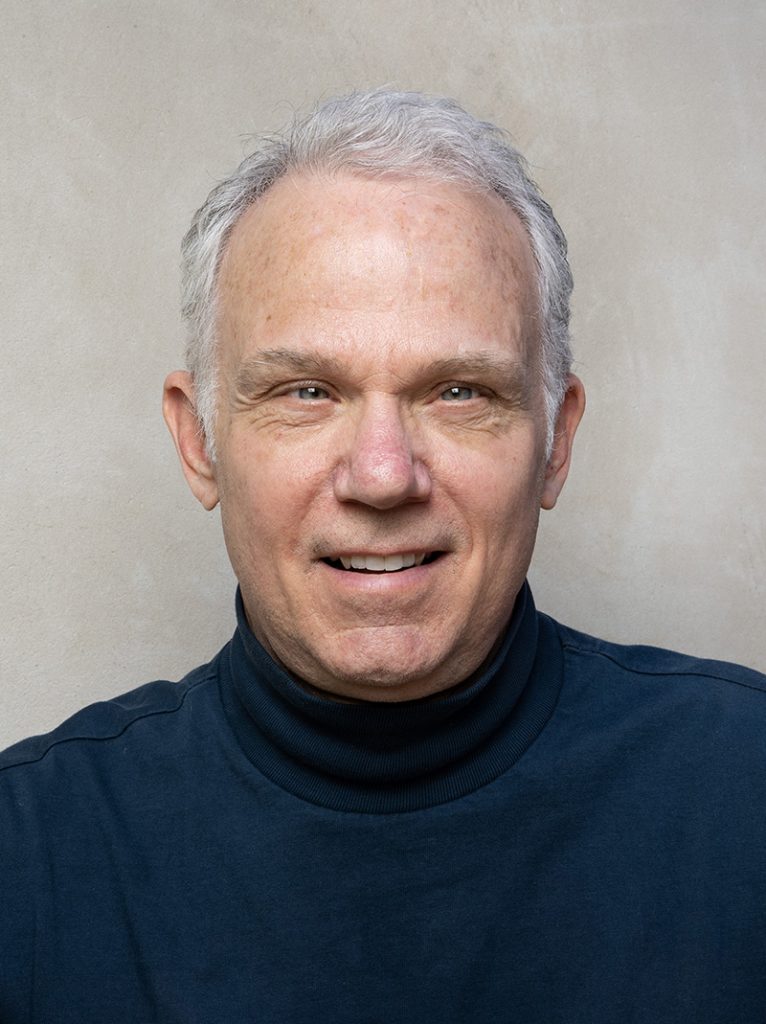 Thomas N. Bradbury合作论文数Department of Psychology, College of Life Sciences, University of California, Los Angeles4Gore Kristie合作论文数4
 Terry L. Schell合作论文数RAND Corporation4Laurie T. Martin合作论文数4Linda Cottrell合作论文数3peter buryk合作论文数3Linnea Warren May合作论文数3David Knapp合作论文数3
 Hannah Williamson合作论文数Department of Human Development and Family Sciences, College of Liberal Arts, University of Texas at Austin3
 Troxel Wendy合作论文数3
 Lisa H. Jaycox合作论文数RAND Corporation3
 Sarah Meadows合作论文数National Institute of Child Health;Human Development3
 Marek N. Posard合作论文数3
 Louay Constant合作论文数3Michael P Fisher合作论文数2Laurie Martin合作论文数2Kimberley Fox合作论文数2Crystal Stephen合作论文数2
 Eric J Pedersen合作论文数RAND Corporation2
 Carolyn M. Rutter合作论文数Fred Hutchinson Cancer Center2
 Natalie D. Hengstebeck合作论文数Department of Human Development and Family Studies, University of North Carolina Greensboro2
 John Dovidio合作论文数Department of Psychology, Yale University2K. Gore合作论文数2Lynsay Ayer合作论文数Department of Psychiatry, University of Vermont College of Medicine;Virginia Commonwealth University;University of Vermont, Virginia Commonwealth University2Robin Beckman合作论文数2




