This study investigates the impact of extreme heat wave events on long‐lived massive corals (Porites spp.) from the central Saudi Arabian Red Sea using trace element (Sr/Ca, Li/Mg, Mg/Ca, U/Ca, B/Ca, and Li/Ca) records preserved in the coral skeleton for the period between 1992 and 2012. Prior to 1998, the trace element records show strong correlations with sea surface temperature. However, during the prolonged high temperature phase associated with the 1998 El Niño event, the seasonal trace element signals were disrupted, which also coincided with a reduction in extension rates. This disruption in normally highly correlated seasonal trace element ratios‐sea surface temperature relationships was unusually long, lasting for approximately 2 years in the inner‐shelf reef site and nearly 4 years in the outer‐shelf reef site. Although the seasonal signal of trace element ratios in both cores eventually stabilized, for the inner‐shelf core the amplitude and absolute values in most trace element ratios remained significantly different compared to pre‐1998 levels. This suggests that prolonged thermal stress can induce subtle but potentially long‐lasting physiological changes that affect the elemental composition of the coral's calcifying fluid. The lack of indication of stress in the core records during later bleaching events (2003, 2005, and 2010) suggests that some of these physiological changes could have induced increased thermal tolerance, particularly for inner‐shelf corals, lending support to the capacity for corals to acclimatize.
Mesoscale eddies and boundary currents play a key role in the upper layer circulation of the Red Sea. This study assesses the physical and biochemical characteristics of an eastern boundary current (EBC) and recurrent eddies in the central Red Sea (CRS) using a combination of in situ and satellite observations. Hydrographic surveys in November 2013 (autumn) and in April 2014 (spring) in the CRS (22.15 degrees N-24.1 degrees N) included a total of 39 and 27 CTD stations, respectively. In addition, high-resolution hydrographic data were acquired in spring 2014 with a towed undulating vehicle (ScanFish). In situ measurements of salinity, temperature, chlorophyll fluorescence, colored dissolved organic matter (CDOM), and dissolved nitrate: phosphorous ratios reveal distinct water mass characteristics for the two periods. An EBC, observed in the upper 150 m of the water column during autumn, transported low-salinity and warm water from the south toward the CRS. Patches of the low-salinity water of southern origin tended to contain relatively high concentrations of chlorophyll and CDOM. The prominent dynamic feature observed in spring was a cyclonic/anticyclonic eddy pair. The cyclonic eddy was responsible for an upward nutrient flux into the euphotic zone. Higher chlorophyll and CDOM concentrations, and concomitant lower nitrate:phosphorous ratios indicate the influence of the EBC in the CRS at the end of the stratified summer period.
During a deep-water expedition to the Red Sea in 2013, an unusual specimen of squat lobster belonging to the genus Munida was collected off Thuwal, Saudi Arabia, at a depth of 320 m. This specimen is unique in having the pterygostomial flap visible from the dorsal side, the feature linking it to two eastern Pacific species, M. bapensis Hendrickx, 2000 and M. macrobrachia Hendrickx, 2003. The new species (M. tuerkayi) is readily distinguished from the eastern Pacific species by having the gastric region with numerous instead of less numerous spines, by having sternite 7 with three distinct carinae on each side, and by having the antennular basal article with two distal spines subequal instead of different in size. Munida tuerkayi was found associated with live colonies of the scleractinian coral Eguchipsammia fistula (Alcock, 1902).
Coral reefs are subject to coral bleaching manifested by the loss of endosymbiotic algae from coral host tissue. Besides algae, corals associate with bacteria. In particular, bacteria residing in the surface mucus layer are thought to mediate coral health, but their role in coral bleaching is unknown. We collected mucus from bleached and healthy Porites lobata colonies in the Persian/Arabian Gulf (PAG) and the Red Sea (RS) to investigate bacterial microbiome composition using 16S rRNA gene amplicon sequencing. We found that bacterial community structure was notably similar in bleached and healthy corals, and the most abundant bacterial taxa were identical. However, fine-scale differences in bacterial community composition between the PAG and RS were present and aligned with predicted differences in sulfur-and nitrogen-cycling processes. Based on our data, we argue that bleached corals benefit from the stable composition of mucus bacteria that resemble their healthy coral counterparts and presumably provide a conserved suite of protective functions, but monitoring of post-bleaching survival is needed to further confirm this assumption. Conversely, fine-scale site-specific differences highlight flexibility of the bacterial microbiome that may underlie adjustment to local environmental conditions and contribute to the widespread success of Porites lobata.
AIM:Coral reefs rely on the symbiosis between scleractinian corals and intracellular, photosynthetic dinoflagellates of the genus Symbiodinium making the assessment of symbiont diversity critical to our understanding of ecological resilience of these ecosystems. This study characterizes Symbiodinium diversity around the Arabian Peninsula, which contains some of the most thermally diverse and understudied reefs on Earth.LOCATION:Shallow water coral reefs throughout the Red Sea (RS), Sea of Oman (SO), and Persian/Arabian Gulf (PAG).METHODS:Next-generation sequencing of the ITS2 marker gene was used to assess Symbiodinium community composition and diversity comprising 892 samples from 46 hard and soft coral genera.RESULTS:Corals were associated with a large diversity of Symbiodinium, which usually consisted of one or two prevalent symbiont types and many types at low abundance. Symbiodinium communities were strongly structured according to geographical region and to a lesser extent by coral host identity. Overall symbiont communities were composed primarily of species from clade A and C in the RS, clade A, C, and D in the SO, and clade C and D in the PAG, representing a gradual shift from C- to D-dominated coral hosts. The analysis of symbiont diversity in an Operational Taxonomic Unit (OTU)-based framework allowed the identification of differences in symbiont taxon richness over geographical regions and host genera.MAIN CONCLUSIONS:Our study represents a comprehensive overview over biogeography and molecular diversity of Symbiodinium in the Arabian Seas, where coral reefs thrive in one of the most extreme environmental settings on the planet. As such our data will serve as a baseline for further exploration into the effects of environmental change on host-symbiont pairings and the identification and ecological significance of Symbiodinium types from regions already experiencing 'Future Ocean' conditions.
Despite the importance of deep-sea corals, our current understanding of their ecology and evolution is limited due to difficulties in sampling and studying deep-sea environments. Moreover, a recent re-evaluation of habitat limitations has been suggested after characterization of deep-sea corals in the Red Sea, where they live at temperatures of above 20 °C at low oxygen concentrations. To gain further insight into the biology of deep-sea corals, we produced reference transcriptomes and studied gene expression of three deep-sea coral species from the Red Sea, i.e. Dendrophyllia sp., Eguchipsammia fistula , and Rhizotrochus typus . Our analyses suggest that deep-sea coral employ mitochondrial hypometabolism and anaerobic glycolysis to manage low oxygen conditions present in the Red Sea. Notably, we found expression of genes related to surface cilia motion that presumably enhance small particle transport rates in the oligotrophic deep-sea environment. This is the first study to characterize transcriptomes and in situ gene expression for deep-sea corals. Our work offers several mechanisms by which deep-sea corals might cope with the distinct environmental conditions present in the Red Sea As such, our data provide direction for future research and further insight to organismal response of deep-sea coral to environmental change and ocean warming.
Coral reefs in the central Red Sea are sparsely studied and in situ data on physico-chemical and key biotic variables that provide an important comparative baseline are missing. To address this gap, we simultaneously monitored three reefs along a cross-shelf gradient for an entire year over four seasons, collecting data on currents, temperature, salinity, dissolved oxygen (DO), chlorophyll-a, turbidity, inorganic nutrients, sedimentation, bacterial communities of reef water, and bacterial and algal composition of epilithic biofilms. Summer temperature (29-33°C) and salinity (39 PSU) exceeded average global maxima for coral reefs, whereas DO concentration was low (2-4 mg L-1). While temperature and salinity differences were most pronounced between seasons, DO, chlorophyll-a, turbidity, and sedimentation varied most between reefs. Similarly, biotic communities were highly dynamic between reefs and seasons. Differences in bacterial biofilms were driven by four abundant families: Rhodobacteraceae, Flavobacteriaceae, Flammeovirgaceae, and Pseudanabaenaceae. In algal biofilms, green crusts, brown crusts, and crustose coralline algae were most abundant and accounted for most of the variability of the communities. Higher bacterial diversity of biofilms coincided with increased algal cover during spring and summer. By employing multivariate matching, we identified temperature, salinity, DO, and chlorophyll-a as the main contributing physico-chemical drivers of biotic community structures. These parameters are forecast to change most with the progression of ocean warming and increased nutrient input, which suggests an effect on the recruitment of Red Sea benthic communities as a result of climate change and anthropogenic influence. In conclusion, our study provides insight into coral reef functioning in the Red Sea and a comparative baseline to support coral reef studies in the region.
A new genus and species of sympagic trachymedusa, Glaciambulata neumayeri gen. et sp. nov., are described based on material from Antarctica. Its generic features are compared to those of its relatives, Ptychogastria Allman, 1878 and Tesserogastria Beyer, 1959, and a review of the family Ptychogastriidae Mayer, 1910, based on literature data, is provided. From this, it results that the poorlyknown Pectis antarctica Haeckel, 1879, formerly assigned to Ptychogastria by a number of authors, displays all characters of the contemporary rhopalonematid genus Voragonema Naumov, 1971. It is additionally demonstrated that V. laciniata Bouillon et al., 2001 is coterminous with P. antarctica, a finding that clarifies, 137 years later, the morphology and the taxonomic status of Haeckel's medusa. In accordance with the Principle of Priority, Pectis is recognized as the valid name of the genus, and Voragonema is assigned to its synonymy. Similarly so, the specific name introduced by Haeckel has priority over laciniata.
The existence of coral reef ecosystems critically relies on the reef carbonate framework produced by scleractinian corals and calcareous crusts (i.e., crustose coralline algae). While the Red Sea harbors one of the longest connected reef systems in the world, detailed calcification data are only available from the northernmost part. To fill this knowledge gap, we measured in situ calcification rates of primary and secondary reef builders in the central Red Sea. We collected data on the major habitat-forming coral genera Porites , Acropora , and Pocillopora and also on calcareous crusts (CC) in a spatio-seasonal framework. The scope of the study comprised sheltered and exposed sites of three reefs along a cross-shelf gradient and over four seasons of the year. Calcification of all coral genera was consistent across the shelf and highest in spring. In addition, Pocillopora showed increased calcification at exposed reef sites. In contrast, CC calcification increased from nearshore, sheltered to offshore, exposed reef sites, but also varied over seasons. Comparing our data to other reef locations, calcification in the Red Sea was in the range of data collected from reefs in the Caribbean and Indo-Pacific; however, Acropora calcification estimates were at the lower end of worldwide rates. Our study shows that the increasing coral cover from nearshore to offshore environments aligned with CC calcification but not coral calcification, highlighting the potentially important role of CC in structuring reef cover and habitats. While coral calcification maxima have been typically observed during summer in many reef locations worldwide, calcification maxima during spring in the central Red Sea indicate that summer temperatures exceed the optima of reef calcifiers in this region. This study provides a foundation for comparative efforts and sets a baseline to quantify impact of future environmental change in the central Red Sea.
White Plague Disease (WPD) is implicated in coral reef decline in the Caribbean and is characterized by microbial community shifts in coral mucus and tissue. Studies thus far have focused on assessing microbial communities or the identification of specific pathogens, yet few have addressed holobiont response across metaorganism compartments in coral disease. Here, we report on the first metatranscriptomic assessment of the coral host, algal symbiont, and microbial compartment in order to survey holobiont structure and function in healthy and diseased samples from Orbicella faveolata collected at reef sites off Puerto Rico. Our data indicate metaorganism-wide as well as compartment-specific responses to WPD. Gene expression changes in the diseased coral host involved proteins playing a role in innate immunity, cytoskeletal integrity, cell adhesion, oxidative stress, chemical defense, and retroelements. In contrast, the algal symbiont showed comparatively few expression changes, but of large magnitude, of genes related to stress, photosynthesis, and metal transport. Concordant with the coral host response, the bacterial compartment showed increased abundance of heat shock proteins, genes related to oxidative stress, DNA repair, and potential retroelement activity. Importantly, analysis of the expressed bacterial gene functions establishes the participation of multiple bacterial families in WPD pathogenesis and also suggests a possible involvement of viruses and/or phages in structuring the bacterial assemblage. In this study, we implement an experimental approach to partition the coral holobiont and resolve compartment- and taxa-specific responses in order to understand metaorganism function in coral disease.
The significance of bacteria for eukaryotic functioning is increasingly recognized. Coral reef ecosystems critically rely on the relationship between coral hosts and their intracellular photosynthetic dinoflagellates, but the role of the associated bacteria remains largely theoretical. Here, we set out to relate coral‐associated bacterial communities of the fungid host species C tenactis echinata to environmental settings (geographic location, substrate cover, summer/winter, nutrient and suspended matter concentrations) and coral host abundance. We show that bacterial diversity of C . echinata aligns with ecological differences between sites and that coral colonies sampled at the species’ preferred habitats are primarily structured by one bacterial taxon (genus Endozoicomonas ) representing more than 60% of all bacteria. In contrast, host microbiomes from lower populated coral habitats are less structured and more diverse. Our study demonstrates that the content and structure of the coral microbiome aligns with environmental differences and denotes habitat adequacy. Availability of a range of coral host habitats might be important for the conservation of distinct microbiome structures and diversity.
Mesophotic coral ecosystems receive increasing attention owing to their potential as deep coral refuges in times of global environmental change. Here, the mechanisms of coral holobiont photoacclimatization over a 60 m depth gradient in the central Red Sea were examined for the four coral genera Porites, Leptoseris, Pachyseris, and Podabacia. General acclimatization strategies were common to all host-symbiont combinations, e.g. Symbiodinium cell densities and photoprotective to light-harvesting pigment ratios both significantly decreased with water depth. Porites harboured Symbiodinium type C15 over the whole 60 m depth range, while Pachyseris and Podabacia had limited vertical distributions and hosted mainly Symbiodinium type C1. Symbiodinium type C15 had generally higher xanthophyll de-epoxidation rates and lower maximum quantum yields than C1, and also exhibited a strong photoacclimatory signal over depth that relates to the large distribution range of Porites. Interestingly, the coral host had an effect on Symbiodinium pigment composition. When comparing Symbiodinium type C1 in Podabacia and Pachyseris, the ß-carotene chl a-1, the peridinin chl a-1, and diadinoxanthin chl a-1 ratios were significantly different between host species. Our data support a view that depth acclimatization of corals in the mesophotics is supported by Symbiodinium physiology, which in turn is host-specific.
Knowledge of host-symbiont specificity and acclimatization capacity of corals is cru- cial for understanding implications of environmental change. Whilst some corals have been shown to associate with a number of symbionts that may comprise different physiologies, most corals associate with only one dominant Symbiodinium species at a time. Coral communities in the Red Sea thrive under large fluctuations of environmental conditions, but the degree and mechanisms of coral acclimatization are largely unexplored. Here we investigated the potential for niche acclimatization in 2 dominant corals from the central Red Sea, Pocillopora verrucosa and Porites lutea, in relation to the fidelity of the underlying coral-symbiont association. Repeated sampling over 2 seasons along a cross-shelf and depth gradient revealed a stable symbiont association in P. verrucosa and flexible association in P. lutea. A statistical biological-environmental matching routine revealed that the high plasticity of photophysiology and photopigments in the stable Sym- biodinium microadriaticum (type A1) community in P. verrucosa were correlated with environ- mental influences along spatio-temporal dimensions. In contrast, photophysiology and pigments were less variable within each symbiont type from P. lutea indicating that niche acclimatization was rather regulated by a flexible association with a variable Symbiodinium community. Based on these data, we advocate an extended concept of phenotypic plasticity of the coral holobiont, in which the scleractinian host either associates with a specific Symbiodinium type with a broad physiological tolerance, or the host-symbiont pairing is more flexible to accommodate for different symbiont associations, each adapted to specific environmental settings.
The presence of the cosmopolitan deep-sea coral Eguchipsammia fistula has recently been documented in the Red Sea, occurring in warm (>20 °C), oxygen- and nutrient-limited habitats. We collected colonies of this species from the central Red Sea that successfully resided in aquaria for more than one year. During this period the corals were exposed to increased oxygen levels and nutrition ad libitum unlike in their natural habitat. Specimens of long-term reared E. fistula colonies were incubated for 24 h and calcification (G) as well as respiration rates (R) were measured. In comparison to on-board measurements of G and R rates on freshly collected specimens, we found that G was increased while R was decreased. E. fistula shows extensive tissue growth and polyp proliferation in aquaculture and can be kept at conditions that notably differ from its natural habitat. Its ability to cope with rapid and prolonged changes in regard to prevailing environmental conditions indicates a wide physiological plasticity. This may explain in part the cosmopolitan distribution of this species and emphasizes its value as a deep-sea coral model to study mechanisms of acclimation and adaptation.
Coral diseases are characterized by microbial community shifts in coral mucus and tissue, but causes and consequences of these changes are vaguely understood due to the complexity and dynamics of coral-associated bacteria. We used 16S rRNA gene microarrays to assay differences in bacterial assemblages of healthy and diseased colonies displaying White Plague Disease (WPD) signs from two closely related Caribbean coral species, Orbicella faveolata and Orbicella franksi. Analysis of differentially abundant operational taxonomic units (OTUs) revealed strong differences between healthy and diseased specimens, but not between coral species. A subsequent comparison to data from two Indo-Pacific coral species (Pavona duerdeni and Porites lutea) revealed distinct microbial community patterns associated with ocean basin, coral species and health state. Coral species were clearly separated by site, but also, the relatedness of the underlying bacterial community structures resembled the phylogenetic relationship of the coral hosts. In diseased samples, bacterial richness increased and putatively opportunistic bacteria were consistently more abundant highlighting the role of opportunistic conditions in structuring microbial community patterns during disease. Our comparative analysis shows that it is possible to derive conserved bacterial footprints of diseased coral holobionts that might help in identifying key bacterial species related to the underlying etiopathology. Furthermore, our data demonstrate that similar-appearing disease phenotypes produce microbial community patterns that are consistent over coral species and oceans, irrespective of the putative underlying pathogen. Consequently, profiling coral diseases by microbial community structure over multiple coral species might allow the development of a comparative disease framework that can inform on cause and relatedness of coral diseases.
Many coral species display changing distribution patterns across coral reef depths. While changes in the underwater light field and the ability to associate with different photosynthetic symbionts of the genus Symbiodinium explain some of the variation, the limits to physiological plasticity are unknown for most corals. In the central Red Sea, colonies of the branching coral Pocillopora verrucosa are most abundant in shallow high light environments and become less abundant in water depths below 10 m. To further understand what determines this narrow distribution, we conducted a cross-depths transplant experiment looking at physiological plasticity and acclimation in regard to depth. Colonies from 5, 10, and 20 m were collected, transplanted to all depths, and re-investigated after 30 and 210 d. All coral colonies transplanted downward from shallow to deep water displayed an increase in photosynthetic light-harvesting pigments, which resulted in higher photosynthetic efficiency. Shallow-water specimens transplanted to deeper water showed a significant decrease in total protein content after 30 and 210 d under low light conditions compared to specimens transplanted to shallow and medium depths. Stable isotope data suggest that heterotrophic input of carbon was not increased under low light, and consequently, decreasing protein levels were symptomatic of decreasing photosynthetic rates that could not be compensated for through higher light-harvesting efficiency. Our results provide insights into the physiological plasticity of P. verrucosa in changing light regimes and explain the observed depth distribution pattern. Despite its high abundance in shallow reef waters, P. verrucosa possesses limited heterotrophic acclimation potential, i.e., the ability to support its mainly photoautotrophic diet through heterotrophic feeding. We conclude that P. verrucosa might be a species vulnerable to sudden changes in underwater light fields resulting from processes such as increased turbidity caused by coastal development along the Saudi Arabian Red Sea coast.
Coral reefs of the Central Red Sea display a high degree of endemism, and are increasingly threatened by anthropogenic effects due to intense local coastal development measures. Overfishing and eutrophication are among the most significant local pressures on these reefs, but there is no information available about their potential effects on the associated microbial community. Therefore, we compared holobiont physiology and 16S-based bacterial communities of tissue and mucus of the hard coral Acropora hemprichii after 1 and 16 weeks of in-situ inorganic nutrient enrichment (via fertilizer diffusion) and/or herbivore exclusion (via caging) in an offshore reef of the Central Red Sea. Simulated eutrophication and/or overfishing treatments did not affect coral physiology with respect to coral respiration rates, chlorophyll a content, zooxanthellae abundance, or δ (15)N isotopic signatures. The bacterial community of A. hemprichii was rich and uneven, and diversity increased over time in all treatments. While distinct bacterial species were identified as a consequence of eutrophication, overfishing, or both, two bacterial species that could be classified to the genus Endozoicomonas were consistently abundant and constituted two thirds of bacteria in the coral. Several nitrogen-fixing and denitrifying bacteria were found in the coral specimens that were exposed to experimentally increased nutrients. However, no particular bacterial species was consistently associated with the coral under a given treatment and the single effects of manipulated eutrophication and overfishing could not predict the combined effect. Our data underlines the importance of conducting field studies in a holobiont framework, taking both, physiological and molecular measures into account.
Hainan's coast provides favorable climatic, geochemical and biogeographic conditions for the development of extensive coral reefs in China. Observations in five reefs along the NE coast of Hainan showed, however, that the overall density of mobile macrofauna is low and key functional groups such as browsing, scraping or excavating herbivore fish are missing altogether. Coral diseases, partial mortality or tissue degradation are abundant and growth of macroalgal space competitors extensive. Signs of eutrophication, siltation and destructive fishing practices are evident resulting in a strongly altered environment unfavorable for coral recruitment success and survival. Acclimation to the anthropogenically altered conditions in the massive coral Porites lutea occurs at the cost of a decreased photosynthesis: respiration ratio reducing the regenerative capacity of these key framebuilding organisms. Even though, on the organismal level, corals are able to cope with these stressful conditions, a shift is imminent on the ecosystem level from a coral reef to a macroalgae-dominated community if land-based disturbance prevails unabated.
 Christian R Voolstra合作论文数Red Sea Research Center, King Abdullah University of Science and Technology (KAUST),;School of Natural Sciences, University of California, Merced;King Abdullah University of Science and Technology (KAUST),, University of California22
 claudio richter合作论文数7
 Till Röthig合作论文数Dept Bioresources, Fraunhofer Inst Mol Biol & Appl Ecol6
 Wild Christian合作论文数Marine Ecol Dept, Univ Bremen6Carin Jantzen合作论文数6
 Maren Ziegler合作论文数6
 Chatchanit Arif合作论文数5
 Gertraud Schmidt合作论文数5
 Roik Anna合作论文数Red Sea Research Center, King Abdullah University of Science and Technology (KAUST)5Till Bayer合作论文数Division of Chemical & Life Sciences and Engineering and Division of Applied Mathematics and Computer Science, King Abdullah University of Science and Technology5
 Manuel Aranda Lastra合作论文数Institute of Genetics, University of Cologne4
 Somkiat Khokiattiwong合作论文数4
 Christian Jessen合作论文数3
 Lauren K Yum合作论文数3Villa Lizcano Javier Felipe合作论文数3
 Camille Daniels合作论文数3
 Claudia Buchel合作论文数3n phongsuwan合作论文数2Lucy Georgiou合作论文数Univ Western Australia, Sch Earth & Environm, Crawley, WA 6009, Australia2
 Juan Pablo D'Olivo合作论文数Univ Western Australia, ARC Ctr Excellence Coral Reefs Studies, Oceans Inst, Crawley 6009, Australia2
 Thomas Decarlo合作论文数Massachusetts Inst Technol Woods Hole Oceanog Ins, Woods Hole, MA 02543 USA2
 Ernesto Weil合作论文数2
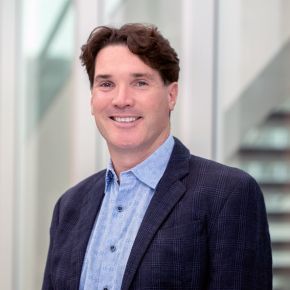 John Burt合作论文数Department of Environmental Studies, College of Arts & Science, New York University2
 Craig Michell合作论文数Red Sea Research Center, King Abdullah University of Science and Technology2
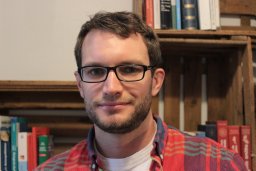 Baumgarten Sebastian合作论文数Red Sea Research Center, King Abdullah University of Science and Technology (KAUST),2Julie a Trotter合作论文数CSIRO Petroleum2James L. Falter合作论文数1christoph walcher合作论文数1Rubén J. Lara合作论文数1
 Jorge Cortes合作论文数1
 Nikolaos D. Zarokanellos合作论文数Balearic Islands Coastal Observing & Forecasting1
 Ghaida Hadaidi合作论文数Red Sea Res Ctr, King Abdullah Univ Sci & Technol1eberhard kohlberg合作论文数1Zhongjie Wu合作论文数1
 Horia R. Galea合作论文数Hydrozoan Res Lab1
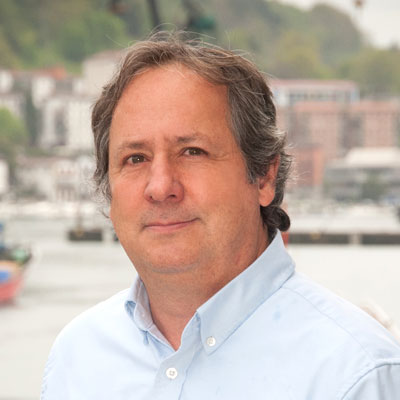 Xabier Irigoien合作论文数AZTI1Al-Suwailem Abdulaziz合作论文数1Müller Paul J合作论文数1
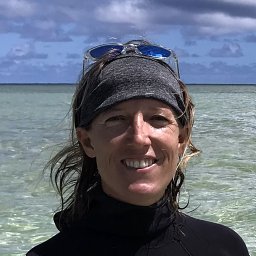 Jess Bouwmeester合作论文数Red Sea Research Center, King Abdullah University of Science and Technology1
 Ahmed A. Shibl合作论文数Red Sea Research Center, King Abdullah University of Science and Technology (KAUST),1
 Sergey Dobretsov合作论文数Centre of Excellence in Marine Biotechnology, Marine Science and Fisheries Dep., Sultan Qaboos University1Fillinger Laura合作论文数1
 Jing Zhang (张经)合作论文数State Key Laboratory of Estuarine and Coastal Research, East China Normal University1Kremb Stephan合作论文数1Gerhard Kattner合作论文数Alfred-Wegener-Institut, Helmholtz-Zentrum fur Polar- und Meeresforschung1
 Carlos Jimenez合作论文数Department of Ecology;Faculty of Sciences;University of Malaga;Faculty of Sciences, University of Malaga1
 Burton Jones合作论文数Biological and Environmental Science and Engineering Division, King Abdullah University of Science and Technology;Red Sea Research Center1
 Enrique Macpherson Mayol合作论文数CSIC - Centro de Estudios Avanzados de Blanes1
 Benjamin Kürten合作论文数Research Division Marine Ecology, Leibniz Institute of Marine Sciences (IFM-GEOMAR),1




