Current guidelines recommend consideration of prophylactic anticoagulation in lymphoma, supported by the Khorana score, which assigns lymphoma 1 point for risk of developing venous thromboembolism (VTE). We hypothesized that different lymphoma types convey different risk of VTE. To better characterize VTE rates and predictive parameters, we assessed lower extremity deep vein thrombosis (DVT) and pulmonary embolism (PE) events in 879 lymphoma patients. VTE was found in 4.9%, with a higher incidence rate among patients with aggressive lymphoma (8.3%), compared with indolent lymphoma (1.9%) and Hodgkin lymphoma (0%). The International Prognostic Index (IPI) was a strong predictor of VTE. The Khorana score did not predict VTE within lymphoma but was and independent risk factor for mortality. VTE was also an independent risk factor for mortality. Our study confirms that lymphoma subtypes are associated with different VTE risks.
Brentuximab vedotin, doxorubicin, vinblastine, and dacarbazine (BV-AVD) has improved outcomes in advanced stage Hodgkin Lymphoma (ASHL), however toxicity such as peripheral neuropathy (PN) remains a concern. Previous studies in oncology have demonstrated the association between sarcopenia and chemotoxicity, thus we examined the effect of body composition parameters including skeletal muscle (SM), subcutaneous fat (SF), and visceral fat (VF), along with quantitative biomarkers including metabolic tumor volume (MTV), on PN, treatment response and progression free survival (PFS). This study retrospectively reviewed the baseline, interim and end of treatment (EOT) Positron emission tomography–computed tomography (PET-CT) for 39 patients with ASHL treated with BV-AVD and calculated MTV and body composition changes. MTV declined significantly from baseline to interim PET (iPET) and EOT PET, with no significant difference between the later timepoints, indicating an early treatment response. SM/VF and SF/VF ratios followed a similar pattern, suggesting that changes in body composition including SM loss (sarcopenia) and changes in fat distribution (SF/VF), occurred early during treatment. Patients with stable SM/VF ratios were more likely to achieve a complete response (CR) while larger changes in SM/VF and SF/VF ratios, and early increase in VF, was associated with failure to achieve CR, possibly due to increased inflammation. Stage IV disease and higher MTV were both associated with increased PN and may reflect the wider distribution of BV and an amplified inflammatory response. These findings demonstrate that body composition and PET-CT indices are relevant biomarkers in ASHL, and integration with MTV can enhance risk stratification and deepen our understanding of toxicity risk.
35C is an investigational antibody-drug conjugate (ADC) comprising a chimeric immunoglobulin G1 CD30-directed monoclonal antibody, conjugated to a camptothecin-derived topoisomerase 1 inhibitor payload via a glucuronide linker. 35C shares its antibody backbone with brentuximab vedotin (BV). Preclinical data have shown that 35C induces cytotoxicity in Hodgkin lymphoma and BV-resistant cell lines and inhibits tumor growth in animal models of lymphoma. Here we present updated data from the ongoing dose escalation. This is a phase 1, open-label, multicenter study (NCT06254495), consisting of 3 parts: dose escalation (A), dose/schedule optimization (B), and dose expansion (C). The primary objective is to characterize safety and tolerability of 35C in patients (pts) with relapsed/refractory (R/R) lymphomas (classical Hodgkin lymphoma [cHL]; peripheral T cell lymphoma [PTCL], and diffuse large B cell lymphoma [DLBCL]; for PTCL and DLBCL CD30+≥1%). Secondary objectives include pharmacokinetics (PK) and preliminary antitumor activity; select biomarkers are assessed as an exploratory objective. In ongoing part A, 35C has been administered as an intravenous infusion every 3 weeks (Q3W) in escalating doses. Efficacy is assessed by investigators using Lugano criteria (2014). Plasma samples were collected for ctDNA analysis using the PhasEDseq assay [Foresight Diagnostics]. As of June 9, 2025, 50 pts received ≥1 dose of 35C. The group consisted of 35 pts with cHL, 10 with PTCL (including 6 sALCL and 4 PTCL-NOS), and 5 with DLBCL. Median age was 44 years (range: 24–87), 56% were male, and median prior lines of treatment for all pts was 5 (range: 1–15). Among pts with cHL, median prior lines of therapy was 6 (range: 2–15), 94% of pts had prior treatment with BV, and 97% had prior PD-1 inhibitor therapy; 57% of pts with cHL had received autologous stem cell transplant. Median duration of follow-up across all dose levels was 4.6 months (range: 0.1–12.4), and the median duration of 35C treatment was 3.7 months (range: 0.2–10.3). As of June 9, 2025, 28 (56%) pts remained on study treatment with ongoing follow-up. Overall, 44 (88%) pts experienced a treatment-emergent adverse event (TEAE), and 38 (76%) experienced a treatment-related adverse event (TRAE). The most common TEAEs were nausea (54%), fatigue (28%), neutropenia (26%), constipation (24%), alopecia (22%), and anemia (20%). The most common TRAEs were nausea (50%), fatigue (26%), neutropenia (24%), anemia (20%) and alopecia (18%). SAEs occurred in 8 (16%) pts, with 6 (12%) treatment related. Sixteen pts had grade ≥3 TRAEs, and the most frequent grade ≥3 TRAE was neutropenia (20%). There were no fatal TEAEs. Thirteen pts (26%) experienced TEAEs that led to a dose modification, mostly to dose delay (14%). Four dose-limiting toxicities were observed: thrombocytopenia G3≥7d (2.0 mg/kg; 1/15 pts), syncope G3(2.5 mg/kg; 1/12 pts), and febrile neutropenia and neutropenia G4≥7d (4.0 mg/kg; 2/3 pts). The PK analysis indicated that the ADC PK is approximately dose-proportional for the evaluated 35C doses (0.6–3.2 mg/kg Q3W); estimated terminal half-life is 6–7 days. Among response-evaluable pts from dose levels 0.6 mg/kg – 3.2 mg/kg, the objective response rate (ORR) was 73.8% (31/42), including 9 complete responses, (CR rate of 21.4% [9/42]) and 22 partial responses (PRs). Among the 29 response-evaluable pts with cHL, ORR was 76% (22/29) with 5 CRs (CR rate 17.2% (5/29), at dose level: 2.0, 2.5 and 3.2 mg/kg) and 17 PRs. Among 9 response-evaluable pts with PTCL, ORR was 78% (7/9) with 3 CRs and 4 PRs. Among 4 response-evaluable pts with DLBCL, ORR was 50% (2/4) with 1 CR and 1 PR. A total of 22 pts discontinued treatment: 17 due to PD, 1 due to AE, 1 due to PI decision, and 3 pts proceeded to alloSCT. ctDNA reduction at C3D1 as compared to baseline was observed in 15/16 evaluable cHL pts, including ≥90% reduction in 8/16 pts, and a higher magnitude of reduction was associated with better clinical response.CONCLUSIONS:35C was well tolerated at the evaluated dose levels, with a manageable safety profile and PK with a linear disposition, in pts with R/R lymphomas. 35C demonstrated promising antitumor activity in heavily pretreated pts with R/R cHL that progressed after prior BV and PD-1 inhibitors, and in pts with R/R PTCL and DLBCL. These data suggest 35C as a potential treatment option for pts with R/R lymphomas, both as a monotherapy and in combination.
T-cell/histiocyte-rich B-cell lymphoma (THRLBCL) is an uncommon variant of diffuse large B-cell lymphoma (DLBCL). Historically, it is considered an aggressive variant with poorer outcomes; however, recent analyses suggest that outcomes may be better for patients treated in the rituximab era. We reviewed THRLBCL cases who were diagnosed in MSKCC from January 2000 to October 2019. A total of 67 patients were included with a median follow-up of 5.4 years (0.5-13.8). Frontline treatment included R-CHOP or R-CHOP-based treatment in 48%, R-EPOCH in 12%, R-CHOP/R-ICE in 33% and other palliative treatments in 7.5%. In the whole cohort, 5-year EFS and OS was 59% and 79%, respectively. In an analysis of patients who received therapy with R-CHOP-14 × 4 followed by ICE/R-ICE × 3 compared to patients who were treated with R-CHOP or R-CHOP based treatment, CR rates were 95% and 70%, respectively (p = 0.023). The R-CHOP/R-ICE regimen was also associated with higher event-free survival (5-year EFS of 80% vs 50%; p = 0.006) and overall survival (5-year OS of 100% vs 72%; p = 0013). Our study demonstrates better outcomes among patients with THRLBCL compared to historical data. Our findings suggest that treatment with a higher intensity regimen with noncross resistance, such as R-CHOP/R-ICE is reasonable approach for patients with newly diagnosed THRLBCL.
PURPOSEThe present study aimed to investigate the role of body composition as an independent image-derived biomarker for clinical outcome prediction in a clinical trial cohort of patients with relapsed or refractory (rel/ref) diffuse large B-cell lymphoma (DLBCL) treated with loncastuximab tesirine.MATERIALS AND METHODSThe imaging cohort consisted of positron emission tomography/computed tomography scans of 140 patients with rel/ref DLBCL treated with loncastuximab tesirine in the LOTIS-2 (ClinicalTrials.gov identifier: NCT03589469) trial. Body composition analysis was conducted using both manual and deep learning-based segmentation of three primary tissue compartments-skeletal muscle (SM), subcutaneous fat (SF), and visceral fat (VF)-at the L3 level from baseline CT scans. From these segmented compartments, body composition ratio indices, including SM*/VF*, SF*/VF*, and SM*/(VF*+SF*), were derived. Pearson's correlation analysis was used to examine the agreement between manual and automated segmentation. Logistic regression analyses were used to assess the association between the derived indices and treatment response. Cox regression analyses were used to determine the effect of body composition indices on time-to-event outcomes. Body composition indices were considered as continuous and binary variables defined by cut points. The Kaplan-Meier method was used to estimate progression-free survival (PFS) and overall survival (OS).RESULTSThe manual and automated SM*/VF* indices, as dichotomized, were significant predictors in univariable and multivariable logistic models for failure to achieve complete metabolic response. The manual SM*/VF* index as dichotomized was significantly associated with PFS, but not OS, in univariable and multivariable Cox models.CONCLUSIONThe pretreatment SM*/VF* body composition index shows promise as a biomarker for patients with rel/ref DLBCL undergoing treatment with loncastuximab tesirine. The proposed deep learning-based approach for body composition analysis demonstrated comparable performance to the manual process, presenting a more cost-effective alternative to conventional methods.
R code of our analysis for driver mutation discovery in Hodgkin lymphoma WGS and WES.
R code of our analysis clock like mutational signatures in Hodgkin lymphoma WGS and WES.
18Fluorodeoxyglucose (FDG) positron emission tomography/computed tomography (PET/CT) is the standard imaging modality in lymphoma. The 2014 Lugano classification considers extranodal marginal zone lymphoma (EMZL) a non-FDG-avid disease, recommending contrast-enhanced CT. We reassessed the utility of PET/CT for staging workup and response assessment of EMZL. We reviewed staging and response PET/CT of 190 EMZL sites from 152 patients. Each location was counted independently for patients with > 1 extranodal site. Although not standard, we considered FDG-avid disease if SUVmax was ≥ 2, and calculated ratios between lymphoma SUVmax and mediastinal blood pool (BP index) and liver background (liver index). FDG avidity was detected in 151 (79.5%) out of 190 extranodal sites (in 117 [76.7%] out of 152 patients), with a median SUVmax of 4.5 (IQR 2.5-6.9, range 0-26.8). Locations showing FDG avidity in > 90% of extranodal sites included salivary gland, bone, lung, soft tissue, ocular adnexa, and airways. Skin was commonly non-FDG avid (93.8%). Among 22 patients with > 1 extranodal location, there was concordant FDG avidity in all sites in 18 (81.8%) patients. Considering measurable extranodal disease size > 0.5 cm, we observed significant Pearson correlation coefficients (r) between lymphoma size and SUVmax (r = 0.20, p = 0.019, n = 142), BP index (r = 0.34, p < 0.001, n = 124), and liver index (r = 0.36, p < 0.001, n = 124). We also observed improved precision in response to treatment assessment in FDG-avid EMZL tumors. This study demonstrates that EMZL is commonly an FDG-avid disease, suggesting that PET/CT should be routinely used in the staging and response assessment workup of patients with EMZL.
Background Preliminary data suggest promising activity of loncastuximab tesirine in follicular lymphoma, and synergistic activity between rituximab- induced cytotoxicity and loncastuximab tesirine. In this study, we evaluated loncastuximab tesirine combined with rituximab for second-line and later treatment of follicular lymphoma. Methods We did a single-arm, investigator-initiated, phase 2 trial at Sylvester Comprehensive Cancer Center in Miami, FL, USA. We recruited patients aged 18 years or older with histologically confirmed relapsed or refractory follicular lymphoma (grade 1-3A) treated with one or more lines of therapy and presenting with progression or relapse of disease within 24 months (POD24) after the first line of treatment, one or more Groupe d'Etude des Lymphomes Folliculaires (GELF) criteria, or second relapse, and with an Eastern Cooperative Oncology Group performance status of 0-2. Intravenous loncastuximab tesirine was administered on day 1 of a 21-day cycle, at 0 center dot 15 mg/kg for two cycles, then 0 center dot 075 mg/kg thereafter. Intravenous rituximab was administered on day 1 of cycle 1, at 375 mg/m(2) for four once-weekly doses, followed by one dose every 8 weeks on cycles 5, 6, and 7. At week 21, patients with a complete response discontinued loncastuximab tesirine and received two more doses of rituximab once every 8 weeks. Patients with a partial response at week 21 continued both agents for 18 more weeks. The primary endpoint was complete response rate at week 12 assessed by the Lugano 2014 classification in patients who had received at least three doses of loncastuximab tesirine. The safety analysis included all patients who received one or more doses of loncastuximab tesirine. The trial is registered with ClinicalTrials.gov, NCT04998669, and is ongoing (open to recruitment); the data cutoff for this analysis was Sept 13, 2024. Findings Between Jan 28, 2022, and June 3, 2024, we enrolled 39 patients (median age 68 years [IQR 58-77]; 21 [54%] male patients and 18 [46%] female patients). All patients presented with one or more GELF criteria (n=36 [92%]) or POD24 after the first line of treatment (n=20 [51%]) at baseline. As of Sept 13, 2024, the median follow-up was 18 center dot 2 months (95% CI 12 center dot 0-19 center dot 3). Week 12 complete response rate was 67% (n=26 of 39). The most common grade 3 or worse treatment-emergent adverse events (TEAEs) were lymphopenia (eight [21%] of 39 patients) and neutropenia (five [13%] patients; one of whom had a serious grade 3 TEAE of febrile neutropenia that was considered to be related to study treatment). Generalised and peripheral oedema was predominantly grade 1-2 and all cases of oedema were treatable with diuretics. Serious TEAEs that were considered to be related to study drugs occurred in four (10%) of 39 patients. No fatal TEAEs occurred. Interpretation Loncastuximab tesirine with rituximab showed clinically meaningful activity in relapsed or refractory follicular lymphoma, and had a manageable safety profile.
Introduction: The standard approach for relapsed or refractory (RR) classical Hodgkin lymphoma (HL) following front-line treatment failure is second line therapy (SLT) aimed to achieve complete response (CR), followed by consolidation with high dose therapy and autologous hematopoietic cell transplantation (HDT/AHCT). We previously reported results from Part I of our phase II study evaluating SLT with pembrolizumab, gemcitabine, vinorelbine, and liposomal doxorubicin (P-GVD) followed by HDT/AHCT (Moskowitz, et al. JCO 2021) in which 95% of patients achieved CR and 96% are progression-free at 30 months. Building upon the excellent results observed with P-GVD, we next explored whether patients achieving CR after P-GVD could avoid HDT/AHCT. Methods: Part II of the P-GVD study enrolled patients with RR HL following 1 line of therapy. Patients received 4 cycles of P-GVD and those who achieved CR proceeded to 13 cycles of pembrolizumab maintenance (200mg IV every 21 days). The primary endpoint was 2-year progression free survival (PFS) after start of maintenance. Our hypothesis was that this treatment would lead to a 2-year PFS of 75% but no less than 50%, thus we aimed to initiate pembrolizumab maintenance in 23 patients who achieved CR after P-GVD to ensure a power of 80% and significance of 0.05. Results: Among 40 patients enrolled, median age was 36 (range 19-76), 18 (45%) were male, 17 (43%) had primary refractory disease, 18 (45%) had extranodal disease, 16 (40%) had stage IV disease, and 7 (18%) had B symptoms at enrollment. All pts responded to P-GVD, including 36 (90%) with CR and 4 (10%) with PR. Of 36 pts with CR, 5 elected to proceed to AHCT, 4 were referred to AHCT by treating physician due to treatment-related toxicity (1 pt with G4 immune thrombocytopenia and G2 pneumonitis; 1 with G1 pneumonitis, 1 with G2 rash, 1 with G3 PJP pneumonia), 2 elected to come off study and receive no further treatment, and 1 died from pneumonitis following 4 cycles of P-GVD before proceeding to maintenance. Among 24 pts who proceeded to maintenance, 10 experienced progression of HL either during pembrolizumab maintenance (n=3), 3-6 months after completion of pembrolizumab maintenance (n=4), or > 10 months from completion of pembrolizumab maintenance (n=3). After a median follow-up of 23.4 mos, 2-year PFS was 51% (95% CI 33-80). Stage IV disease at enrollment was significant for higher risk of progression (PFS 18% vs 69%, p=0.03). Nine of the 10 pts who progressed successfully proceeded with AHCT and remain in remission after a median of 12.7 months (range: 3.8-24.4) post-transplant. One patient with progression was not eligible for transplant due to comorbidities and is receiving palliative treatment with pembrolizumab plus gemcitabine. Conclusion: After a median follow-up of 23.4 mos after maintenance, 51% of pts with RR HL treated with P-GVD followed by maintenance were progression free. Furthermore, pts who relapsed during or after maintenance were salvaged with third-line therapy and AHCT. Patients with stage IV disease are more likely to need AHCT. A randomized study evaluating AHCT versus pembrolizumab maintenance for patients with RR stage I-III HL who achieve CR to P-GVD is underway.
Several single -arm studies have explored the inclusion of brentuximab vedotin (BV) in salvage chemotherapy followed by autologous stem cell transplantation (ASCT) for relapsed/refractory (R/R) classical Hodgkin lymphoma (cHL). However, no head -to -head comparisons with standard salvage chemotherapy have been performed. This study presents a propensity score - matched analysis encompassing individual patient data from 10 clinical trials to evaluate the impact of BV in transplant -eligible patients with R/R cHL. We included 768 patients, of whom 386 were treated with BV with or without chemotherapy (BV cohort), whereas 382 received chemotherapy alone (chemotherapy cohort). Propensity score matching resulted in balanced cohorts of 240 patients each. No signi ficant differences were observed in pre-ASCT complete metabolic response (CMR) rates ( P = .69) or progression free survival (PFS; P = .14) between the BV and chemotherapy cohorts. However, in the BV vs chemotherapy cohort, patients with relapsed disease had a signi ficantly better 3 -year PFS of 80% vs 70%, respectively ( P = .02), whereas there was no difference for patients with primary refractory disease (56% vs 62%, respectively; P = .67). Patients with stage IV disease achieved a signi ficantly better 3 -year PFS in the BV cohort ( P = .015). Post-ASCT PFS was comparable for patients achieving a CMR after BV monotherapy and those receiving BV followed by sequential chemotherapy ( P = .24). Although 3 -year overall survival was higher in the BV cohort (92% vs 80%, respectively; P < .001), this is likely attributed to the use of other novel therapies in later lines for patients experiencing progression, given that studies in the BV cohort were conducted more recently. In conclusion, BV with or without salvage chemotherapy appears to enhance PFS in patients with relapsed disease but not in those with primary refractory cHL.
BACKGROUND Primary mediastinal B-cell lymphoma (PMBL) is a rare subtype of diffuse large B-cell lymphoma associated with high cure rates and historically treated with intensive combined modality approaches. Given the disease's increased frequency in women and median age in the 30s, the optimum regimen would maintain high cure rates and not rely on radiation therapy (RT). Dose-adjusted (DA) EPOCH-R (rituximab, etoposide, prednisone, vincristine, cyclophosphamide, and doxorubicin) has been reported to have excellent outcomes in PMBL without planned RT. At MSKCC, we have investigated sequential R-CHOP (rituximab, cyclophosphamide, doxorubicin, vincristine, and prednisone) induction with (R)-ICE (rituximab, ifosfamide, carboplatin, and etoposide) consolidation without RT in two sequential clinical trials and as a subsequent standard treatment plan. The current retrospective analysis compared the efficacy and long-term outcomes of R-CHOP/(R)-ICE and DA-EPOCH-R for the treatment of newly diagnosed PMBL at MSKCC. PATIENTS AND METHODS We retrospectively identified patients (pts) with newly diagnosed PMBL at MSKCC between January 2002 to January 2022 treated up-front with either R-CHOP/(R)-ICE or DA-EPOCH-R. Pt demographics and clinical data were abstracted from institutional electronic medical records. The analysis included 226 pts: 111 received R-CHOP/(R)-ICE and 115 received DA-EPOCH-R. Progression-free survival (PFS) was calculated from start of treatment until date of progression, death, or censored at date of last follow-up. Overall survival (OS) was calculated from date of diagnosis till death or censored at date of last follow-up. Outcomes were analyzed for the entire cohort as well as in a matched subset: pts who received DA-EPOCH-R were matched to pts who received R-CHOP/(R)-ICE. A 1:1 propensity score matching on sex and R-IPI via the nearest neighbor matching (NNM) approach with a 0.2 caliper cutoff was attempted on 111 pts. Only a subset of 88 pts were matched within the specified caliper distance. Statistical analyses were done using SAS 9.4. RESULTS The 111 R-CHOP/(R)-ICE pts had longer follow-up (median, 7.2 years; 9.5% CI, 6.4 - 8.4), fewer females (48%), and inferior R-IPI prognosis (11% Very Good, 60% Good, 29% Poor) compared to the 115 DA-EPOCH-R pts: median follow-up 4.3 years (9.5% CI, 3.9 - 5.0); 60% female; R-IPI (18% Very Good, 71% Good, 10% Poor). RT was not planned post first-line treatment, with very low utilization: 1% after R-CHOP/(R)-ICE and 3% after DA-EPOCH-R, with no difference between the 2 treatment groups (p = 0.37). For the entire cohort at a median follow-up of 5.5 years (95% CI: 5.3 - 5.8), there was no difference in PFS (HR, 0.79; 95% CI, 0.38 - 1.64; p = 0.53) and OS (HR, 0.76; 95% CI, 0.25 - 2.32; p = 0.63) between the 2 treatment groups. The estimated 5-year PFS and OS for the entire cohort were 86% and 94%, respectively, for R-CHOP/(R)-ICE and 89% and 96%, respectively, for DA-EPOCH-R. The 1:1 propensity score matching was applied to validate this observation. In the propensity score-matched subset (88 pts treated with R-CHOP/(R)-ICE vs 88 pts treated with DA-EPOCH-R), there remained no difference observed between the 2 groups in terms of PFS (HR, 0.57; 95% CI, 0.23 - 1.42; p = 0.23) and OS (HR, 0.53; 95% CI, 0.14 - 2.09; p = 0.37). The estimated 5-year PFS and OS for the matched cohort were 86% and 93%, respectively, for R-CHOP/(R)-ICE and 92% and 98%, respectively, for DA-EPOCH-R. DISCUSSION Both R-CHOP/(R)-ICE and DA-EPOCH-R result in similar highly favorable outcomes in pts with newly diagnosed PMBL, with excellent PFS and OS without the need for RT. In addition, the OS outcomes in our series suggest an encouragingly robust response to subsequent therapy in the relapse setting for PMBL (Vardhana, 2018). Clinical considerations often impact treatment choice. DA-EPOCH-R requires continuous infusion via central access, possible inpatient treatment depending on outpatient treatment constraints, and potential hospitalizations, whereas R-CHOP/(R)-ICE requires fewer treatment days (12 vs 30), peripheral IV access, and only 2-3 inpatient days for 3 of the cycles. Given the benefits of reduced hospitalization and comparable outcomes with R-CHOP/(R)-ICE, our results suggest this regimen may be an appropriate alternative to the widely utilized DA-EPOCH-R in the frontline treatment of PMBL. The optimal regimen will likely depend on local resource utilization.
Introduction: Brentuximab vedotin (BV) in combination with doxorubicin, vinblastine, and dacarbazine (BV-AVD) has improved progression-free survival (PFS) and overall survival (OS) in advanced stage Hodgkin Lymphoma (ASHL). However, peripheral neuropathy (PN) remains a significant toxicity leading to BV discontinuation and long-term sequelae (Connors, 2018; Ansell, 2022). BV dosing is calculated using actual body weight (up to 100 kg) but does not distinguish between body composition measures such as fat, bone or muscle mass. Previous studies in solid tumors have shown that low skeletal muscle (SM) is associated with increased morbidity and mortality including chemotoxicity. Breast cancer patients showed an inverse relationship between lean body mass (LBM) and chemotoxicity (Wopat, 2023) and patients with gastrointestinal cancers with lower LBM had less distribution of oxaliplatin and higher grade 3-5 chemotoxicity (Williams, 2021). Here we examine body composition parameters and risk of toxicity with BV-AVD in ASHL. Methods: We retrospectively reviewed baseline, interim and end of treatment (EOT) PET/CT images of patients with newly diagnosed ASHL treated with BV-AVD. PET biomarkers consisting of metabolic tumor volume (MTV), total lesion glycolysis (TLG), and SUVmax were obtained using Hermes Affinity Viewer (Hermes Medical Solutions, Stockholm, Sweden). The thresholds utilized for MTV calculation were SUV 4.0 and 1 mL volume. Body composition analysis was performed using manual and artificial intelligence (AI) segmentation of three main tissue compartments, including SM, subcutaneous fat (SF) and visceral fat (VF) obtained at the L3 level. Manual segmentation was performed by a single experienced nuclear medicine radiologist using MIM Maestro (MIM Software, Cleveland, OH). The AI method was constructed using the attention-guided U-Net architecture. Body composition compartments were expressed as indices, SM/VF+SF, SM/VF, and SF/VF. We evaluated the density in Hounsfield units of the L3 vertebral body (L3VB). Additionally, we recorded patient weight at baseline, EOT and at last follow-up. Toxicity was graded by the presence of PN or any treatment-related toxicity. Logistic regression was used to assess the association between body composition indices, PET biomarkers and presence of toxicity. Binary variables defined by cutpoints were obtained from maximizing Youden's index. Results 39 patients were available for review. The median age was 36.5 years, 17 (43.6%) were male, 22 (56.4%) were Hispanic, 17 (43.6%) and 22 (56.4%) had Stage 3 and 4 diseases, respectively. The majority of patients presented with B symptoms (64.1%), ESR >50 (70.3%) and elevated IPS >1 (95%). Patient's weight varied throughout the treatment course. At baseline, median weight was 69.9 kg (interquartile range (IQR) 56.7-83.7), which deceased to 63.7 kg (IQR 57.2-82.6) at the EOT. However, with long-term follow-up, patients rebounded gaining additional weight, with a median 74.6 kg (IQR 63.5-86.2). Of the 39 patients, 41% (n=16) experienced PN (Grade 1=7, Grade 2=7, Grade 3=2). Six patients required dose reductions due to PN, and 3 had to discontinue BV treatment early. Univariable logistic analyses showed that baseline L3VB, SM/VF, SF/VF and SM/SF+VF (by manual and AI) as dichotomized were significant predictors of the presence of any toxicity by grade (P<0.05). Furthermore, higher patient weight at baseline, EOT, and last follow-up was significantly associated with higher overall toxicity and PN (P<0.05). SUVmax, TLG and stage as dichotomized did not predict overall toxicity but did predict PN specifically (p=0.028, p=0.013, and p=0.003 respectively). Age and gender were not a significant predictor of toxicity. Conclusions BV-AVD is a commonly used regimen in ASHL but is limited by toxicity. Body composition measures including L3VB, SM/VF, SF/VF and SM/SF+VF, and patient weight throughout treatment were all significant predictors of toxicity including PN. Since BV induced PN is dose-related, we posit this could explain the relationship between higher patient weight and PN. Future investigation of interim and EOT PET-CT will analyze body composition changes and toxicity over time. Furthermore, the Lifestyle Intervention of Food and Exercise for Lymphoma Survivors (LIFE-L) (NCT NCT05839210) study will examine if toxicity can be mitigated via a structured diet and exercise program.
Kaplan-Meier curves for progression-free survival and overall survival by loncastuximab tesirine response.
Rituximab, cyclophosphamide, doxorubicin, vincristine, and prednisone (R-CHOP) is considered the standard-of-care for patients with advanced-stage diffuse large B-cell lymphoma (DLBCL), despite findings that patients with nongerminal center B-cell like (non-GCB) have significantly worse outcome with this regimen. We evaluated the prognostic significance of baseline risk factors, including cell of origin (COO) classified by the Hans algorithm, within an alternative chemoimmunotherapy program. At Memorial Sloan Kettering Cancer Center (MSK), 151 patients with DLBCL received sequential R-CHOP induction and (R)-ICE (rituximab, ifosfamide, carboplatin, and etoposide) consolidation. Outcome analysis based on COO was validated with a propensity score-matched cohort treated with R-CHOP from the Mayo Clinic component of the Molecular Epidemiology Resource (MER). Among the patients with GCB (n = 69) and non-GCB (n = 69) at MSK, event-free survival (EFS) of non-GCB was superior to that of GCB (hazard ratio [HR], 0.53; 95% confidence interval [CI], 0.29-0.98). Overall survival (OS) demonstrated an association in the same direction but was not statistically significant (HR, 0.68; 95% CI, 0.33-1.42). Propensity score-matched patients from MSK (n = 108) demonstrated a small attenuation in the HRs for EFS (HR, 0.57; 95% CI, 0.27-1.18) and OS (HR, 0.76; 95% CI, 0.33-1.79) and were no longer statistically significant. In contrast, the matched MER cohort (n = 108) demonstrated an EFS association (HR, 1.17; 95% CI, 0.70-1.95) and OS association (HR, 1.13; 95% CI, 0.64-2.00) in the opposite direction, but were also not statistically significant. R-CHOP induction and (R)-ICE consolidation may overcome the negative prognostic impact of the non-GCB phenotype, per the Hans algorithm, and can be preferentially selected for this population. This trial was registered at www.ClinicalTrials.gov as #NCT00039195 and #NCT00712582.
Background: While most pts with classical Hodgkin Lymphoma (cHL) are cured following frontline therapy, up to 10% develop relapsed (rel) disease and 5-10% have primary refractory (ref) disease. Standard of care for pts with rel/ref disease is salvage therapy followed by autologous stem cell transplantation (ASCT). We previously reported 5-year overall survival (OS) of 60% for 192 ref pts treated on sequential clinical trials from 1994 through 2015 (Shah Br J Haematol. 2016). The approval of brentuximab vedotin (BV) and checkpoint inhibitors (CPI) has significantly impacted cHL treatment, likely leading to improved outcomes for rel/ref pts. We aimed to characterize outcomes for pts with ref cHL treated with modern therapies. Methods: We identified consecutive pts age 18 and older with biopsy-confirmed ref cHL from 01/01/2010 to 12/31/2023. Ref disease was defined as never achieving complete response (CR) following completion of frontline therapy. Overall survival (OS) was calculated from C1D1 of first salvage therapy to date of death or last follow-up (FU). Progression free survival (PFS) was calculated from C1D1 of first salvage therapy. When analyzing pts who underwent ASCT, OS and PFS were calculated from date of transplant. Log rank tests were used to assess for differences in survival stratified by prognostic factors and treatment categories. Treatment was categorized as chemotherapy-based therapy (without BV or CPI), BV-based therapy (without CPI), and CPI-based therapy. Results: Among 215 pts identified, the median age at diagnosis was 34 years (range:19-79), 49% were male, and 74% identified as White, 10% Black, 4% Asian, 12% not reported. At time of diagnosis, 55% had advanced stage disease (stage III: 23%, IV: 32%), 47% had extra-nodal involvement, and 56% had B-symptoms. At frontline, 75% received ABVD-based therapy, 14% BV-based therapy, 3% BEACOPP-based therapy, 2% CPI-based therapy, and the remaining 6% received alternative curative combination therapy. Upon confirming ref disease, 44% had advanced stage disease (stage III: 12%, IV: 32%), 39% had extra-nodal involvement, and 18% had B-symptoms. For first salvage, 37% received chemotherapy-based therapy, 32% BV-based therapy, and 31% CPI-based therapy. Response to first salvage included CR (47%), PR (30%), SD (5%), progression of disease (11%), and unknown (7%). Responses were assessed using Lugano criteria (Cheson 2014). 165 (77%) pts underwent ASCT of whom 123 (75%) were PET-negative prior to transplant. The median number of salvage treatment lines prior to transplant was 1 (range: 1-8). 36% received peri-transplant radiation and 25% received BV maintenance therapy. After a median FU among survivors of 52 months (range: 0.2-143), 4-year OS was 86% (95CI: 81-92), and 4-year PFS was 61% (95CI: 53-69). Presence of stage IV disease (p=0.003) and B-symptoms (p=0.004) were associated with shorter survival for all pts, and both remained prognostic by multivariate analysis. For pts treated with CPI-based salvage, only presence of stage IV disease was predictive for inferior survival (p=0.016) and was associated with 4-year OS of 70% vs 94% for pts with or without stage IV disease. Among the 165 pts who received ASCT, median FU after transplant was 43 months (6-72), 4-year OS was 91% (95CI: 85-96), and 4-year PFS was 70% (95CI: 63-78). By univariate analysis, factors predictive for poor PFS following transplant included stage IV disease (p<0.001) and lack of CR before transplant (p=0.013). Receipt of PD1-based salvage any time before transplant significantly improved PFS (4-year PFS 85% vs 65%, p=0.020). By multivariate analysis, only stage IV disease and receipt of CPI-based salvage remained significant. Pts with 0, 1, or 2 risk factors (stage IV disease at time of ref disease and/or no receipt of CPI as salvage) had 4-year PFS of 96%, 78%, and 44%, respectively (p<0.001). Conclusion: This report represents one of the largest series of refractory cHL cases treated with modern therapy. 4-year OS was 86%, which compares favorably to prior series. For pts who received ASCT, stage IV disease and receipt of CPI-based salvage significantly impacted post-transplant PFS adversely and favorably, respectively, whereas CR before transplant was no longer prognostic. Primary refractory cHL no longer appears to be a negative prognostic factor for pts treated with CPI-based salvage, especially for those with stage I-III disease.
Background: Chemotherapy followed by autologous stem cell transplant (ASCT) is standard of care for relapsed/refractory Hodgkin Lymphoma (HL). In a phase II study, we evaluated pembrolizumab with involved site radiation therapy (ISRT) as an alternative salvage approach for localized favorable relapse. Methods: Patients with relapsed/refractory stage IA/IIA, non-bulky (<10cm) HL after one line of therapy received positron emission tomography-computed tomography (PETCT) simulation followed by pembrolizumab 200mg IV every 21 days for 4 cycles and PETCT simulation 2-3 weeks later. Patients then received ISRT per response as follows: 1) 20 Gy for complete metabolic response (CMR) defined by Deauville Score (DS) 1-3; 2) 30 Gy for partial metabolic response (PMR) or stable disease (SD) (DS 4-5) and negative biopsy; or 3) 36-40 Gy for PMR/SD and positive biopsy. Patients who progressed (PD) were taken off study. PETCT was done 4-6 weeks after ISRT to document response. The primary endpoint was CMR rate after pembrolizumab-RT. Secondary endpoints were response to single agent pembrolizumab, 2-year progression free survival (PFS), and toxicity. Results: 18 of planned 22 patients enrolled so far, with median age 37 (range 22-66). 3 (17%) had stage I, 14 (78%) stage II, and 1 had an unspecified limited stage at initial diagnosis. Frontline therapy was chemotherapy alone in 15 (83%) and combined modality in 3 (17%). 16 (89%) received adriamycin/bleomycin/vinblastine/dacarbazine (ABVD), 12 (67%) with <6 cycles. 13 (72%) had relapsed and 5 (28%) had refractory disease. Of the 15 evaluable patients (3 still on therapy), 5 (33%) had CMR after pembrolizumab, 3 (20%) had PMR/SD with negative biopsy, 4 (27%) had PMR with positive biopsy, and 3 (20%) had PD. 12 patients proceeded to ISRT, of whom 5 (42%) with CMR received 20 Gy, 3 (25%) with PMR/SD and negative biopsy received 30 Gy, and 4 (33%) with PMR/SD and positive biopsy received 36-40 Gy. 10 (83% of these pts, 67% overall) achieved CMR. After median follow up of 42 months (3-82), 2-year PFS was 67% (95% CI 47-95). 3 patients progressed on pembrolizumab and 3 relapsed after a median of 12 months (range 7-70) from completion of pembrolizumab-RT. Among the 6 patients with PD during or after pembrolizumab-RT, 3 are currently in remission while the status for the other 3 is unknown. Subsequent treatment for the 3 patients currently in remission included pembrolizumab plus gemcitabine/vinorelbine/liposomal doxorubicin followed by ASCT (n=1), brentuximab vedotin (BV) plus nivolumab followed by ASCT (n=1) and 2 doses of BV followed by additional RT (n=1). Immune-related toxicities were 3 (17%) grade 1 rash, and 2 (12%) grade 2 hypo/hyperthyroidism. Grade >2 toxicities were 1 (6%) grade 3 headache and 1 (6%) grade 4 lipase elevation. Conclusion: Pembrolizumab-RT yielded excellent CMR rates and minimal toxicity. These data suggest pembrolizumab-RT as a potential alternative to high dose chemotherapy and ASCT in localized, favorable relapsed/refractory HL. Enrollment to the study continues.
 Andrew D. Zelenetz合作论文数Memorial Sloan Kettering Cancer Center147
 Paul A. Hamlin合作论文数David H Koch Center for Cancer Care, Memorial Sloan Kettering Cancer Center104
 David J. Straus合作论文数Lymphoma Service, Division of Hematologic Oncology, Department of Medicine, Memorial Sloan Kettering Cancer Center96
 Matthew Matasar合作论文数Rutgers Cancer Institute of New Jersey;Memorial Sloan Kettering Cancer Center91
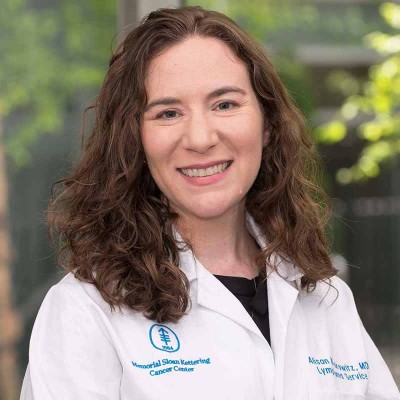 Alison J. Moskowitz合作论文数Memorial Sloan Kettering Cancer Center86
 Ariela Noy合作论文数85
 Steven M. Horwitz合作论文数Memorial Sloan Kettering Cancer Center71
 Joachim Yahalom合作论文数Memorial Sloan-Kettering Cancer Center63Carol S. Portlock合作论文数62
 M. Lia Palomba合作论文数David H. Koch Center for Cancer Care, Memorial Sloan-Kettering Cancer Center56Sauter Craig合作论文数55
 Anita Kumar合作论文数54
 Heiko Schöder合作论文数Memorial Sloan Kettering Cancer Center53
 Anas Younes合作论文数AstraZeneca52Connie Lee Batlevi合作论文数34
 Sergio A. Giralt合作论文数Division of Hematologic Malignancies, Memorial Sloan Kettering Cancer Center;Weill Cornell Medical College, Memorial Sloan Kettering Cancer Center30Philip Caron合作论文数29
 Gunjan L. Shah合作论文数David H. Koch Center for Cancer Care, Memorial Sloan Kettering Cancer Center26
 Pier Luigi Zinzani合作论文数Department of Medical and Surgical Sciences, Università di Bologna26J. F. Gerecitano合作论文数25
 Ahmet Dogan合作论文数Memorial Sloan Kettering Cancer Center24Drullinsky Pamela合作论文数23Zhigang Zhang合作论文数21
 Miguel-Angel Perales合作论文数David H. Koch Center for Cancer Care, Memorial Sloan Kettering Cancer Center;Weill Cornell Medical College21
 Owen A O'Connor合作论文数21
 Philippe Armand合作论文数Dana-Farber Cancer Institute20Hamilton Audrey M合作论文数20Tarun Kewalramani合作论文数20Jocelyn Maragulia合作论文数20
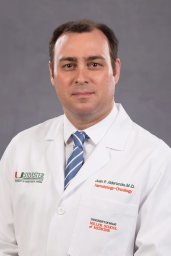 Juan Pablo Alderuccio合作论文数University of Miami19
 Sean Devlin合作论文数Memorial Sloan Kettering Cancer Center19
 Izidore S. Lossos合作论文数Division of Hematology, Department of Medicine, Sylvester Comprehensive Cancer Center, University of Miami19
 Andrew M Intlekofer合作论文数University of Pennsylvania School of Medicine, Univ. Pennsylvania Sch. Med.19John Gerecitano合作论文数18
 Parastoo B. Dahi合作论文数Memorial Sloan Kettering Cancer Center18
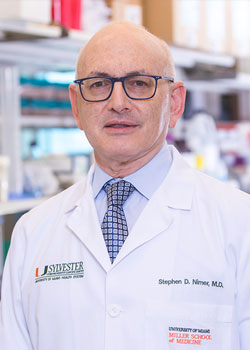 Stephen D. Nimer合作论文数Miller School of Medicine, University of Miami;Nimer Lab, Sylvester Comprehensive Cancer Center, University of Miami18
 Margaret A. Shipp合作论文数Dana-Farber Cancer Institute;Harvard Medical School18
 Ranjana Advani合作论文数Division of Oncology, Department of Medicine, Stanford University;Stanford Cancer Institute18Colette Owens合作论文数17
 John Radford合作论文数The University of Manchester17Julie Teruya-Feldstein合作论文数17
 Gilles Andre Salles合作论文数Division of Hematologic Malignancies, Department of Medicine, Memorial Sloan Kettering Cancer Center17Vincent Ribrag合作论文数17
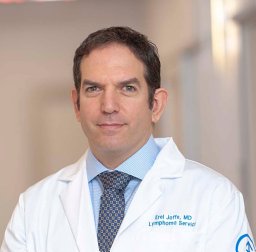 Erel Joffe合作论文数Department of Internal Medicine H, Tel Aviv Sourasky Medical Center17Russ Kuker合作论文数Jackson Memorial Hospital, University of Miami School of Medicine17Robert T. Chen合作论文数16Arun Balakumaran合作论文数16
 Nancy L. Bartlett合作论文数Divisions of Hematology & Oncology, Department of Medicine, Washington University School of Medicine in St. Louis15
 Santosha Vardhana合作论文数Immunology & Microbial Pathoge, Weill Cornell Graduate School of Medical Sciences, Cornell University14




