The Janus kinase (JAK) and Signal Transducer and Activator of Transcription (STAT) signaling pathway orchestrates the cellular response to multiple cytokine families, including interleukins, hematopoietic growth factors, and interferons. JAK inhibitors were initially approved for the treatment of primary inflammatory disorders. The more recent identification of mutations that constitutively activate the JAK/STAT pathway in both myeloproliferative disorders as well as lymphoid malignancies has led to clinical exploration of JAK inhibitors for the treatment of hematopoietic cancers as well as immune-mediated complications of either hematopoietic cancers or treatment-associated, immune-mediated complications, such graft-versus-host disease (GVHD). In this review, we summarize the current understanding of the JAK/STAT pathway in the pathogenesis of both lymphoid malignancies and lymphoma-associated immune complications and discuss both the clinical efficacy and mechanisms of action of JAK inhibitors in lymphoid malignancies as well as their inflammatory complications, for which JAK inhibition has revolutionized the therapeutic landscape. In contrast, the variable clinical efficacy of JAK inhibitors across B- and T-cell malignancies highlights the need for biomarker-driven patient selection and rational combination approaches to maximize the efficacy across malignant disease contexts.
Introduction In lymphoma, gut microbiome has been associated with clinical response to CD19 CAR T. In diffuse large B-cell lymphoma (DLBCL), the tumor microenvironment (TME) is a critical component contributing to the biology and potentially on patient outcomes. Intratumoral microorganisms (IMS) constitute a component of the TME in solid tumors and tend to localize in niches, interact with the TME and correlate with outcomes. Objective We analyzed IMS in DLBCL pre-CAR T hypothesizing that IMS might predict response. Methods Next-generation sequencing (NGS) targeting exons frequently somatically mutated in human cancers was performed on pre-CART samples from 83 patients (pts) with DLBCL at our institution. We mined the additional DNA that was incidentally deep sequenced from datasets for evidence of microbial presence in tumor samples. The control group comprised 71 lymph node samples from pts with suspected hematologic disorders where the same NGS revealed no mutations, and 266 untreated DLBCL samples. Microbial reads from regions that do not align with the human reference genome were analyzed. Several databases were referenced to exclude contamination, and IMS were deemed positive if a minimal number of 2 reads were present. For potential contaminants, the threshold of minimal number or reads was higher for each IMS, based on the literature. We compared variables with logistic and Cox regression analysis for survival for IMS present in more than 10% of the samples. Multiple test correction was performed with FDR. Results For 83 pts, median age at CART was 68 (32 – 81)y, 51 pts were male(61%), 44 pts had performance status(KPS) <90(53%), 36 pts had high pre-CAR LDH(43%), median lines pre-CAR were 3(min 2 max 7),stage at apheresis was III/IV in 62 patients(75%). Forty-three cases(52%), were germinal center (GC) derived and 30(36%) non-GC, not otherwise specified (NOS) in 10(12%) high grade (HG)BCL in 15(18%). Median number of IMS/sample was 9(min 1 – max 73) vs 3(min 0 max 90) in the controls, p=.02. Detection of specific IMSs was associated with achieving complete remission (CR) post CAR T: Neisseria (36/83, 43%, OR 0.33, p=.04, FDR q=.3), Rhodococcus (19/83, 23%, OR 0.14, p=.01, FDR q=.3), Lautropia (9/83, 11%, OR 0.1, p=.04, FDR q=.3 ), Prevotella (26/83, 31%, OR 0.34, p=.05, FDR q=.3). Detection of Campylobacter, Bordetella, Achromobacter, Lymphcryptovirus, Veillonella trended towards detection in CR patients. Detection of Neisseria (HR OS 2.00, 95% C.I. 1.1 – 3.6, p=.02, FDR q=.09), Moraxella (HR OS 3.89, 95% C.I. 1.41-11.1, p=.011, FDR q=.09), Rothia (HR OS=2.2, 95% C.I. 1.15 – 4.12, p=.01, FDR q=.09) were independent predictors of OS in Cox regression. Conclusions DLBCL were enriched of IMS compared to controls, and potential associations with treatment responses and outcomes were observed. Neisseria seems to be lymphoma-specific, associated with poor response to CART, and poor OS.
Abstract Introduction: Extranodal NK/T cell lymphoma (ENKTL) is a rare and aggressive lymphoma that requires better treatment options. Targeting PD1 has shown promising efficacy in the relapsed/refractory setting and has the potential to improve both efficacy and tolerability of front-line therapy. In a phase II investigator-initiated study conducted at MSKCC (Moskowitz et al., ASH 2024), single-agent pembrolizumab induced durable complete metabolic responses (CMR) in a subset of newly diagnosed patients, providing a unique opportunity to investigate biomarkers of sensitivity and primary resistance to PD-1 blockade. Methods: Our group recently completed a phase II trial evaluating lead in single-agent pembrolizumab in untreated ENKTL (Moskowitz et al., ASH 2024). To investigate biomarkers predictive of response or resistance to immune checkpoint blockade in ENKTL, we first analyzed tumor programmed death ligand 1 (PD-L1) structural variants (SVs) in pretreatment biopsies. PD-L1 (CD274) structural variants were evaluated using an MSK custom hybrid-capture assay covering the full locus, with deep sequencing of FFPE tumor DNA, computational detection by Destruct and GRIDSS, IGV confirmation, and healthy donor DNA as a negative control. We also analyzed 15 longitudinally collected peripheral blood samples from 6 patients using 5’ single-cell RNA, TCR, and surface epitope profiling (Single Cell Immune Profiling, 10x Genomics) to explore immune correlates of response and resistance. Results: PD-L1 SVs were identified in 4 patients, and all 4 achieved CMR (vs CMR in 4/15 without PD-L1 SV) supporting PD-L1 SV as a biomarker of marked sensitivity to PD-1 blockade. Responses in patients without PD-L1 SV, indicate that this alteration alone does not explain the full spectrum of pembrolizumab benefit. Peripheral immune profiling identified distinct T-cell states associated with clinical outcome. Response was associated with increased circulating naive T cells and PD-1+ CD8+ T cells with a self-renewing ‘progenitor-like’ exhausted T cell phenotype, whereas nonresponse was associated with enrichment of an inflammatory yet non-cytotoxic GZMK+ CD8+ T-cell subset. This subset is transcriptionally similar to GZMK+ CD8 T-cell states with inflammatory but limited cytotoxic potential that have been shown to accumulate in and drive autoimmune pathology. At the transcriptomic level, GZMK+ CD8+ T cells exhibited stress-associated programs, activation of the TP53 pathway, and impaired mitochondrial function, consistent with a dysfunctional effector state. Conclusion: Our findings support a biological model in which PD-L1 SV identifies a subset of ENKTL intrinsically sensitive to pembrolizumab, while peripheral immune profiling reveals distinct T-cell states associated with primary resistance. Integrating tumor genomics with single-cell immune profiling may improve patient selection for frontline PD-1 blockade and help identify mechanisms of resistance that could inform rational combination strategies for patients who fail anti-PD-1 therapy. Citation Format: Amira Marouf, Alison Moskowitz, William T Johnson, Sneha Mitra, Nivetha Ganesan, Andrew Mcpherson, Steven Horwitz, Santosha A. Vardhana. Integrated tumor genomics and peripheral immune profiling identify complementary biomarkers of response to frontline pembrolizumab in extranodal NK/T-cell lymphoma [abstract]. In: Proceedings of the Fifth AACR International Meeting on Advances in Malignant Lymphoma: From Discovery to Clinical Impact; 2026 Jun 24-27; Philadelphia, PA. Philadelphia (PA): AACR; Blood Cancer Discov 2026;7(3_Suppl):Abstract nr A045.
Advanced-stage classic Hodgkin lymphoma (cHL) represents one of the major success stories in modern oncology, with long-term survival now exceeding 80% for most patients. In this review, we examine the evolution of frontline therapy for advanced-stage cHL, tracing the transition from empiric combination chemotherapy to contemporary, biologically informed treatment strategies. We begin by revisiting the early development of multiagent chemotherapy regimens, including MOPP and ABVD. These regimens established, for the first time, that advanced lymphoma could be cured with systemic therapy. We then discuss efforts to improve outcomes through treatment intensification, which culminated in the development of BEACOPP-based approaches that improved disease control at the cost of substantial acute and long-term toxicity. Subsequently, the incorporation of functional imaging ushered in the era of PET-adapted therapy, enabling dynamic treatment modification based on early response and providing a framework to better balance efficacy with toxicity reduction. Finally, we review the integration of novel agents, including brentuximab vedotin and PD-1 blockade, which have reshaped the frontline treatment landscape and further improved outcomes for high-risk patients while challenging historical chemotherapy paradigms. Collectively, the treatment history of advanced-stage cHL reflects a broader evolution in oncology: from maximizing cytotoxic intensity toward increasingly personalized strategies designed to optimize cure while minimizing long-term harm. Ongoing efforts focused on biomarker-driven risk stratification and the utilization of circulating tumor DNA are poised to further refine this balance in the coming decade.
Combined modality therapy (cytotoxic chemotherapy followed by consolidative radiation [RT]) has historically been the standard-of-care for patients with early-stage Hodgkin lymphoma (HL). However, novel agents, such as brentuximab vedotin (BV) and immune checkpoint blockade (IO), have recently been incorporated into regimens for early-stage disease. Based on favorable outcomes in phase II clinical trials, BV- and IO-containing regimens are now National Comprehensive Cancer Network-listed options for the treatment of early-stage HL in the United States; however, further data are required to guide the optimal choice of therapy as well as the ongoing role of consolidative RT in the modern era.
Combined modality therapy (CMT; chemotherapy with consolidative radiation) has led to excellent long-term outcomes in patients with early-stage Hodgkin lymphoma. However, despite high cure rates, CMT can lead to significant long-term toxicity in a typically young patient population; as a result, there has been a push in the field to develop novel treatment strategies that can maintain robust patient survival while minimizing the risk of treatment-related complications. This has been primarily explored by 2 mechanisms: first, the use of response-adapted treatments based on interim FDG-PET/CT; and second, the incorporation of novel therapies, including the CD30-directed antibody-drug conjugate brentuximab vedotin (BV) and immune checkpoint blockade. In this article, we provide a historical review of the management of early-stage HL and discuss ongoing studies that may change the standard of care for this disease.
Introduction Treatment (tx) of older adults (OA) with mantle cell lymphoma (MCL) is evolving rapidly. Historically, chemoimmunotherapy (CIT) with bendamustine and rituximab (BR) +/- R maintenance was the preferred frontline (1L) treatment option in 'transplant ineligible’ patients, however, this paradigm has been challenged with the introduction of BTK inhibitors (BTKi). In OA, the ECHO study showed improved progression-free survival (PFS) of acalabrutinib-BR over BR, with acalabrutinib being continued indefinitely till progression. More recently, the ENRICH study showed an improved PFS for ibrutinib-rituximab (IR) over R-CHOP, with similar PFS as BR in OA. Concurrently, in eligible patients, high-dose chemotherapy with autologous stem cell rescue (HDC-ASCR) as 1L consolidation has been successfully challenged by incorporating BTKi in this setting. While chemo-free options with covalent BTKi+R represent an emerging, attractive tx option for OA, their limitations include indefinite tx and unique toxicities that can be challenging to manage in OA with multiple comorbidities. We interrogated the Memorial Sloan Kettering (MSK) Lymphoma Outcomes Database (LOD) to benchmark outcomes with CIT and to determine what insights can be gleaned from a predominantly CIT era to inform the future. Methods OA≥ 65 years (y) diagnosed (dx) with MCL treated at MSK from 2000-2025 were included. Pt demographics, disease/tx history and outcomes were extracted. PFS and OS were estimated using the Kaplan-Meier method, comparisons were made using log-rank test and associations between outcomes, clinical, and tx characteristics were evaluated with Fischer exact test. Results In 419 OA with MCL, median age was 72y (range 65-102y), age ≥80y 19%, male 73%, Stage 4 82%, MIPI low/intermediate/high 6%/47%/47%, blastoid/pleiomorphic 14%, Ki67 <30%/30-49%/≥50% 49%/25%/26%, p53 expression/17p deletion/TP53 mutation 10%/9%/10%. The proportion of women increased with age (p=0.06); no other age-based differences were noted at baseline. Median follow-up (f/u) was 8y (range 0.04-19.92y). Of the 28% pts managed with intent to observe at initial dx, median time on observation was 1.25 y (0.1-9.02y). Pts ≥80 yrs were more likely to be observed (p=0.036) with no age-based differences in median time on observation. Overall, 89% pts received a variety of 1L tx; majority received CIT (BR 33%, intensive regimens with intent to transplant 27%, R-CHOP 11%); 9% received BTKi in 1L; 25% pts were treated on clinical trials. After 1L therapy, 15% underwent HDC-ASCR consolidation and 22% received rituximab maintenance. Pts≥80y received anti-CD20 Ab monotherapy more frequently (24%). Overall response rate (ORR) was 75% with complete response rate (CRR) of 35%. The 5-y PFS was 37% (95% CI 32%, 43%) with 5-y OS of 61%. 5-y OS from receipt of 1L therapy was 56%. 45% pts have not required 2L tx to date. Age, gender, 1L tx type, stem cell transplant, stage, Ki67%, p53 expression, TP53 status, MIPI category, LDH level were significantly associated with PFS and OS (both from time of dx and start of 1L tx) in univariate analysis. Age, gender, 1L tx type, and Ki67% remained highly associated with PFS and OS in a multivariable model (MVA). Notably, women had a significantly better PFS to 1L tx (<0.001) and OS (<0.001) compared to men. Pts receiving intensive regimens with intent to transplant had longest mPFS (4.5y), followed by BTKi-based tx (3.6y), BR (3.1y) and R-CHOP (2y). Follow-up for BTKi exposed pts is immature to analyze the impact of BTKi use in 1L. Conclusions With a 5-y PFS of 37% and a 5-y OS of 61%, the outcomes of OA treated predominantly in the CIT era were consistent with contemporary CIT literature but suboptimal compared to modern regimens incorporating BTKi. Intensive CIT with intent to transplant led to durable remissions in carefully selected OA beyond the chronological age of 65y. PFS and OS significantly declined with advancing age despite comparable baseline characteristics suggestive of age-based bias in selecting 1L therapy and increasing toxicities to CIT. Our data highlights the need for continued investigation of chemo-free approaches in OA≥80y and the importance of incorporating fitness assessment for personalized decision making in OA. Women have a significant survival advantage over men and further analyses to understand gender-based differences in outcomes are planned.
BACKGROUND:Immune checkpoint inhibitors (ICIs) have revolutionized cancer therapy but are associated with treatment-limiting immune-related cutaneous adverse events (irCAEs). Immune checkpoint inhibitor-related bullous pemphigoid (irBP), a severe, blistering irCAE occurs in 0.3%-1.5% of patients receiving ICI therapy. While systemic steroids can be effective, they are associated with significant toxicity and may mitigate -immunotherapy antitumor efficacy. Consequently, steroid-sparing therapies are needed. Dupilumab, an IL-4 and IL-13 receptor antagonist, has demonstrated efficacy in non-ICI-related BP and appears promising for managing irBP. METHODS:We conducted a retrospective review of patients treated with dupilumab for irBP from April 2020 to April 2024. Clinical data, outcomes, and adverse events were assessed. Inhibitor-related bullous pemphigoid response was categorized as complete response (CR), partial response (PR), or no response (NR). RESULTS:In all, 17 patients (59% male, 82% non-Hispanic White; mean age 72.7 years) developed irBP while receiving PD-1/PDL-1 inhibitors. Sixteen patients (94%) received dupilumab for active irBP and one (6%) for prevention of recurrence. Dupilumab achieved CR of irBP for 12 patients (75%) and PR for 2 (12%) patients with active irBP. Ten (62%) achieved CR with dupilumab systemic monotherapy. Median time to first response was 19.5 days (range = 3-50). Most patients with CR (58%) failed prior oral corticosteroid therapy. The patient treated prophylactically experienced no irBP recurrence. Dupilumab was well-tolerated, with no adverse events. CONCLUSIONS:Dupilumab is a promising steroid-sparing option for irBP, achieving initial response in under 20 days for most cases. Dupilumab is a valuable tool to manage this challenging irCAE while minimizing risk related to systemic steroid treatment.
Background Mogamulizumab is more effective in treating the blood component of mycosis fungoides (MF) and Sezary syndrome (SS), though some patients also experience significant skin improvement. The characteristics distinguishing those with a favorable skin response remain unclear. Objectives This study aimed to characterize MF/SS patients achieving skin response on mogamulizumab. Methods A retrospective chart review at a single cancer center included adult MF/SS patients who received at least one mogamulizumab cycle with follow-up. Skin response (≥ 50% clearance) and blood response (≥ 50% decrease in neoplastic cells/µL) were assessed alongside demographics, disease staging, and prior therapies. Results Among 56 patients (MF = 35; SS = 21), 43% achieved skin response, with a median time of 2.3 months (range 0.5-6.4). Blood response occurred in 90%, with a median time of 1.8 months (range 0.2-23). Skin-response was highest in patients with blood response (64%), blood disease (B2, 61%), and SS (57%) and was significantly associated with decreasing circulating Sezary cells (P < .001). Among patients without blood involvement (B0), 24% achieved skin response, primarily in erythrodermic cases (71% versus 11%, P = .01). Conclusions Mogamulizumab appears effective in inducing skin responses, particularly in advanced-stage and high blood-stage disease. Even in patients without blood compartment involvement, mogamulizumab therapy may still be beneficial, especially for patients with erythroderma. Skin responses are less common in early-stage MF. Patients with both advanced blood and skin disease may benefit from initiating mogamulizumab simultaneously with skin-directed therapy.
Most patients diagnosed with mantle cell lymphoma (MCL) experience extended remissions following frontline chemoimmunotherapy, yet with with extended follow-up, relapses seem nearly inevitable. This study aimed to define the genomic landscape of MCL at diagnosis and relapse and investigate the clonal evolutionary dynamics associated with progression of disease (POD). We conducted comprehensive genomic sequencing on 214 tumor specimens from 189 patients, including 144 treatment-naïve and 70 POD samples, with 25 patients providing longitudinal paired samples pre-treatment and at POD. Comparative analyses were performed on single nucleotide variants (SNVs), insertions/deletions (indels), and copy number alterations (CNAs) to assess genomic differences between treatment-naïve and relapsed specimens. Additionally, mutational signatures were evaluated in pre-treatment samples, stratified by time to progression (≤24 months vs. >24 months). One hundred patients who received standard frontline chemoimmunotherapy were included in the survival analysis. Genomic profiles of pre-treatment specimens from patients who ultimately relapsed were strikingly similar to those observed in POD, while distinctly different from profiles associated with prolonged remissions. This genomic 'stability' was further confirmed by analysis of 25 paired specimens, demonstrating a remarkable genomic concordance despite extended remission periods (median >3 years), without a clear pattern of acquired alterations Our findings suggest that MCL relapse is predominantly driven by pre-existing malignant clones at diagnosis, rather than by new evolutionary events, underscoring the importance of early detection and eradication of resistant clones to improve long-term outcomes.
T-cell/histiocyte-rich B-cell lymphoma (THRLBCL) is an uncommon variant of diffuse large B-cell lymphoma (DLBCL). Historically, it is considered an aggressive variant with poorer outcomes; however, recent analyses suggest that outcomes may be better for patients treated in the rituximab era. We reviewed THRLBCL cases who were diagnosed in MSKCC from January 2000 to October 2019. A total of 67 patients were included with a median follow-up of 5.4 years (0.5-13.8). Frontline treatment included R-CHOP or R-CHOP-based treatment in 48%, R-EPOCH in 12%, R-CHOP/R-ICE in 33% and other palliative treatments in 7.5%. In the whole cohort, 5-year EFS and OS was 59% and 79%, respectively. In an analysis of patients who received therapy with R-CHOP-14 × 4 followed by ICE/R-ICE × 3 compared to patients who were treated with R-CHOP or R-CHOP based treatment, CR rates were 95% and 70%, respectively (p = 0.023). The R-CHOP/R-ICE regimen was also associated with higher event-free survival (5-year EFS of 80% vs 50%; p = 0.006) and overall survival (5-year OS of 100% vs 72%; p = 0013). Our study demonstrates better outcomes among patients with THRLBCL compared to historical data. Our findings suggest that treatment with a higher intensity regimen with noncross resistance, such as R-CHOP/R-ICE is reasonable approach for patients with newly diagnosed THRLBCL.
7040 Background: Recent data suggest circulating tumor DNA (ctDNA) can be detected in patients with classical Hodgkin lymphoma (cHL), with molecular response potentially complementing imaging assessments. We report on the use of an ultra-sensitive assay for ctDNA detection in patients with early-stage cHL to explore its utility in this population. Methods: In SGN35-027 (NCT03646123) Part C study, patients with stage I or II cHL without bulky disease (N=154) received brentuximab vedotin, nivolumab, doxorubicin, and dacarbazine (AN+AD) intravenously on days 1 and 15 of each 28-day cycle. Responses were assessed by PET/CT according to Lugano Classification with LYRIC at cycle (C) 2 day (D) 25-28 and end of treatment (EOT). 36 of 154 patients (23%) had plasma samples (collected at baseline, prior to C2D1 and C4D1, and EOT) analyzed for ctDNA using the PhasEDseq MRD assay. PET/CT results were compared with ctDNA dynamic changes in those with detectable baseline ctDNA. A genAI tool (12/19/24; Pfizer; GPT-4o) developed the 1st draft; authors assume content responsibility. Results: Baseline ctDNA was detectable in 34 of 36 patients (94%) and was higher in patients with greater disease burden (indicated by baseline stage/risk status [ P =0.015] and International Prognostic Score [ P =0.014]). At C2D1, ctDNA was undetectable in 27 of 33 patients (82%). ctDNA levels decreased in all patients after 1 cycle of treatment. At C2 interim PET/CT, 18 of 34 patients (53%) achieved complete metabolic response (CMR); of these, 17 patients had ctDNA samples evaluable with 16 patients having undetectable ctDNA. The remaining 16 patients achieved partial metabolic response (PMR); of these, 5 patients had detectable ctDNA and 11 had undetectable ctDNA (all 11 patients with undetectable ctDNA achieved CMR at later time points). At C4D1, only 1 patient continued to have detectable ctDNA. At EOT, PET/CT showed that 26 of 34 patients (76%) achieved CMR, 5 achieved PMR, and 3 achieved indeterminate response (IR); none had detectable ctDNA at EOT. In long-term follow up (LTFU), 4 of the 5 PMRs eventually converted to CMR; 1 patient developed a second primary malignancy (mantle cell lymphoma). Follow up assessments during LTFU confirmed that 2 IRs converted to CMR and 1 converted to PMR. Conclusions: ctDNA was detectable in majority of patients with early-stage cHL at baseline, and higher levels are associated with increased disease burden. Treatment with AN+AD reduced ctDNA levels, with ctDNA becoming undetectable by EOT in all patients. In some patients, decline in ctDNA levels was observed earlier than responses observed through imaging, suggesting that ctDNA clearance may be an early indicator of treatment response. The potential value of ctDNA as a biomarker for early detection and monitoring of treatment response in early-stage cHL should be further investigated. Clinical trial information: NCT03646123 .
Introduction: In lymphoma, a non-disrupted gut microbiome has been associated with clinical response to CD19 CAR T (Smith et al., Nat Med 2022). In diffuse large B-cell lymphoma (DLBCL), the tumor microenvironment (TME) is a critical component that contributes to the biology and potentially to patient outcomes. Intratumoral microorganisms (IMS) constitute a component of the TME in solid tumors and tend to localize in specific niches, interact with the TME, and correlate with response to therapy and outcomes. The role of IMS in clinical response to CAR T cell therapy for DLBCL patients is unknown. In this study, we hypothesized that IMS might predict response to CAR T cells. Methods: Next-generation sequencing (NGS) targeting exons frequently somatically mutated in human cancers was performed on pre-CART samples from 83 patients (pts) with DLBCL at our institution. The control group comprised 71 lymph node samples from pts with suspected hematologic disorders where the same NGS revealed no mutations, and 266 untreated DLBCL samples. Microbial reads from regions that do not align with the human reference genome were analyzed (Elkrief JCO 2024). Several databases were referenced to exclude contamination, and IMS were deemed positive if a minimal number of 2 reads were present. For potential contaminants, the threshold of minimal number of reads was higher for each IMS, based on the literature. These results were coupled with data on pre-CAR T characteristics, treatment, and outcomes from our clinical database. We compared variables with Fisher's exact test, the t-test, logistic regression for OR and multivariable Cox regression analysis for survival for each IMS present in more than 10% of the samples. Multiple test correction was performed with the false discovery rate (FDR). Results: For the 83 pts whose samples were analyzed, median age at CART was 68 (32 – 81) years, 51 pts were male (61%), 44 pts had performance status (KPS) <90 (53%), 36 pts had high pre-CAR LDH (43%), median lines pre-CAR were 3 (min 2 max 7), stage at apheresis was III/IV in 62 patients (75%). Forty-three cases(52%), were germinal center (GC) derived and 30 (36%) non-GC, not otherwise specified (NOS) in 10 (12%) high grade (HG)BCL in 15 (18%). The median number of IMS per DLBCL sample was 9 (min 1 – max 73) vs 3 (min 0 max 90) in the controls, p=.02. No significant difference in IMS per sample was found between untreated DLBCL and pre-CAR DLBCL. The number of IMS per sample was not associated with age, sex, histology, LDH, KPS, stage at apheresis, PFS, or OS post CART. Detection of Escherichia, Erythrobacter, Panotea, Mycobacterium, actinomyces, Neisseria, Haemophilus, Prevotella, Veillonella, Bacillus was more frequent in pre-CAR DLBCL compared to controls (all p values and FDR q <.05). Detection of specific IMSs was associated with achieving complete remission (CR) post CAR T and these IMSs were independent variables in the logistic regression analysis (including Kps, lines pre-CAR, COO, high grade histology, LDH, stage at apheresis): Neisseria (36/83, 43%, OR 0.33, p=.04, FDR q=.3), Rhodococcus (19/83, 23%, OR 0.14, p=.01, FDR q=.3), Lautropia (9/83, 11%, OR 0.1, p=.04, FDR q=.3), Prevotella (26/83, 31%, OR 0.34, p=.05, FDR q=.3). Detection of Campylobacter, Bordetella, Achromobacter, Lymphcryptovirus, Veillonella showed a trend towards detection in patients achieving CR. The detection ofNeisseria (Logrank p=.005, FDR q=.05) andMoraxella (LogRank p=.002, FDR q=.09) was associated with shorter OS post CART, and the detection of Neisseria (HR OS 2.00, 95% C.I. 1.1 – 3.6, p=.02, FDR q=.09), Moraxella (HR OS 3.89, 95% C.I. 1.41-11.1, p=.011, FDR q=.09), Rothia (HR OS=2.2, 95% C.I. 1.15 – 4.12, p=.01, FDR q=.09) were independent predictors in the Cox regression analysis compared to the other mentioned risk factors. Conclusions: We detected genomic DNA from several bacterial taxa in biopsies of DLBCL. These were enriched compared to controls, and potential associations with treatment responses and outcomes were observed. The presence of Neisseria seems to be lymphoma-specific, associated with poor response to CART, and poor OS after CART. Further studies in larger independent cohorts are needed to confirm these results and to evaluate the interactions of IMS with the lymphoma TME.
Autologous hematopoietic cell transplantation (auto-HCT) remains the standard therapeutic approach for patients with chemotherapy-sensitive relapsed or refractory (R/R) classical Hodgkin lymphoma (cHL). Over the past decade, the therapeutic landscape for cHL has evolved substantially with the introduction of novel agents, including antibody-drug conjugates and immune checkpoint inhibitors, which have demonstrated significant efficacy in the relapsed setting and are now incorporated into frontline treatment regimens. These advances have not only expanded the armamentarium available for disease management but have also led to improved long-term outcomes, raising important considerations regarding the optimal sequencing of therapies and the evolving role of transplantation in the modern treatment paradigm. HCT remains a cornerstone in the management of cHL; however, consensus is lacking regarding the optimal timing of auto-HCT, the sequencing and integration of novel therapeutic agents, the potential role of maintenance therapy following auto-HCT, and the appropriate indications and timing for allogeneic (allo) HCT. Therefore, the American Society of Transplantation and Cellular Therapy Committee on Practice Guidelines undertook a project to formulate consensus recommendations to address this unmet need. The RAND-modified Delphi method was used to generate 20 consensus statements with key recommendations as follows: (1) use of auto-HCT consolidation after salvage therapy in the first relapse setting, for patients with chemotherapy-sensitive R/R cHL in complete response; (2) preferred use of pre-HCT salvage therapy regimens with novel agents; (3) consultation for allo-HCT in eligible patients who have disease relapse after auto-HCT; (4) guidance regarding optimal stem cell donor source; (5) selection of conditioning regimen for both auto-HCT and allo-HCT; and (6) preferred graft versus host disease prophylaxis in the modern era. These clinical practice recommendations serve as a tool to guide clinical management of R/R cHL.
 Steven M. Horwitz合作论文数Memorial Sloan Kettering Cancer Center224
 Ariela Noy合作论文数123
 Andrew D. Zelenetz合作论文数Memorial Sloan Kettering Cancer Center122
 Paul A. Hamlin合作论文数David H Koch Center for Cancer Care, Memorial Sloan Kettering Cancer Center107
 Anita Kumar合作论文数106
 M. Lia Palomba合作论文数David H. Koch Center for Cancer Care, Memorial Sloan-Kettering Cancer Center102
 David J. Straus合作论文数Lymphoma Service, Division of Hematologic Oncology, Department of Medicine, Memorial Sloan Kettering Cancer Center94
 Matthew Matasar合作论文数Rutgers Cancer Institute of New Jersey;Memorial Sloan Kettering Cancer Center92
 Craig Moskowitz合作论文数Division of Hematology, Department of Medicine, Miller School of Medicine, University of Miami;Sylvester Comprehensive Cancer Center, University of Miami86Philip Caron合作论文数74
 Ahmet Dogan合作论文数Memorial Sloan Kettering Cancer Center73
 Robert Stuver合作论文数Mem Sloan Kettering Canc Ctr, Lymphoma Serv65
 Joachim Yahalom合作论文数Memorial Sloan-Kettering Cancer Center64
 Lorenzo Falchi合作论文数S. Maria Hospital, University of Perugia63
 Ghione Paola合作论文数62
 Anas Younes合作论文数AstraZeneca59Colette Owens合作论文数56
 Heiko Schöder合作论文数Memorial Sloan Kettering Cancer Center55
 Santosha Vardhana合作论文数Immunology & Microbial Pathoge, Weill Cornell Graduate School of Medical Sciences, Cornell University51Myskowski Patricia L合作论文数51Nivetha Ganesan合作论文数Memorial Sloan Kettering Cancer Center48Connie Lee Batlevi合作论文数47
 Gilles Andre Salles合作论文数Division of Hematologic Malignancies, Department of Medicine, Memorial Sloan Kettering Cancer Center47
 Andrew M Intlekofer合作论文数University of Pennsylvania School of Medicine, Univ. Pennsylvania Sch. Med.40Zachary D Epstein-Peterson合作论文数38Natasha Galasso合作论文数Mem Sloan Kettering Canc Ctr36Sauter Craig合作论文数36
 Neha Mehta-Shah合作论文数35Hamilton Audrey M合作论文数35
 Gunjan L. Shah合作论文数David H. Koch Center for Cancer Care, Memorial Sloan Kettering Cancer Center34
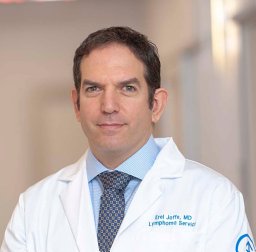 Erel Joffe合作论文数Department of Internal Medicine H, Tel Aviv Sourasky Medical Center34Carol S. Portlock合作论文数34
 Pallawi Torka合作论文数Department of Medicine, All India Institute of Medical Sciences33
 Melissa P. Pulitzer合作论文数Memorial Sloan Kettering Cancer Center32
 Theresa Davey合作论文数Mem Sloan Kettering Canc Ctr29Gottfried von Keudell合作论文数27
 Jennifer K Lue合作论文数27William T Johnson合作论文数26Helen C. Hancock合作论文数25
 Niloufer Khan合作论文数Case Western Reserve University School of Medicine25
 Geller S合作论文数Department of Dermatology, Tel Aviv Sourasky Medical Center24
 Venkatraman E. Seshan合作论文数Memorial Sloan-Kettering Cancer Center22Drullinsky Pamela合作论文数21J. F. Gerecitano合作论文数20Esther Drill合作论文数20
 Kevin A. David合作论文数Department of Hematology and Medical Oncology, Rutgers Cancer Institute of New Jersey20Michelle Okwali合作论文数19
 Jasmine M. Zain合作论文数Division of Lymphoma, Department of Hematology & Hematopoietic Cell Transplantation, City of Hope;Toni Stephenson Lymphoma Center, City of Hope;Columbia University19Christiane Querfeld合作论文数19




