ABSTRACT Hydrologic intermittency is widespread across lotic ecosystems, and climate change is expected to drive complex, region‐specific changes in flow performance, affecting key ecosystem processes such as leaf litter decomposition. In this study we evaluated whether long‐term intermittency altered fungal growth rates, fungal‐mediated decomposition capacity of leaves and associated descriptors in paired strains of five aquatic hyphomycetes (AH) ( Alatospora pulchella, Anguillospora filiformis, Tetrachaetum elegans, Tricladium chaetocladium, Triscelophorus monosporus ) collected from an intermittent ( I ) or perennial ( P ) stream. All strains, singly or together in I or P assemblages, were subjected to continuous water availability or water‐drought‐water conditions. Fungal growth was generally higher for P (vs I ) strains, suggesting faster substrate colonization strategies compatible with more dynamic flow environments. Drought always compromised the functional ability of AH (exception for A. filiformis , T. chaetocladium ), regardless of their P or I origin, but conspecific strains differed in their response and recovery strategies. Intermittent strain communities showed a slower functional recovery after rewetting but a resilient diversity in comparison with the community of P strains. Trade‐offs between mass loss and microbial activity likely support desiccation tolerance mechanisms, and in some cases also sporulation, as these were observed in some P strains that demonstrated higher stress tolerance than I strains and communities after the hydric stress period. This study demonstrates that intraspecific variability is crucial for understanding the responses of fungal decomposers to hydrological intermittency. Variation within species may be as relevant as variation between species, particularly under environmental pressure caused by climate change at a global scale.
Salinization threatens biodiversity and functioning of running waters. We assessed the effects of NaCl contamination on the decomposition of oak (Quercus robur Linnaeus, 1753) leaves with distinct conditioning histories. Mass loss and associated descriptors were evaluated on leaves previously immersed in the stream for 7 (pre-conditioned leaves) or 21 (conditioned leaves) days and further subjected to salinization. Both leaf types were offered to the shredder Schizopelex festiva (Rambur, 1842). Mass loss of conditioned leaves was higher but strongly inhibited by increasing salinization. At 1 g/l, conditioned leaves presented greater fungal biomass and degradative activity, while pre-conditioned leaves showed enhanced sporulation rates. Despite higher investment in growth and reproduction on pre-conditioned leaves at intermediate salt levels, a similar reduction on mass loss was observed on either leaf type at ≥ 4 g/l. Leaf consumption by S. festiva was consistently lower with conditioned leaves. Distinct communities on pre-conditioned leaves may have stimulated feeding activity across salinities, despite salt-toxicity. Results suggest that higher sporulation and biomass of salt-tolerant fungal communities on pre-conditioned leaves may favor conversion of leaf biomass into production by leaf-consumers while contributing to the stream fungal pool. Leaves’ conditioning history should be considered in guidelines for stream protection and management.
Secondary salinization is a growing concern for freshwaters worldwide. The lethal and sub-lethal effects on shredders are known, but not whether these result from direct exposure to contaminated aquatic medium and/or from indirect effects of distinct substrate quality through fungal conditioning in salinized media. Here, chestnut and oak leaves were conditioned for 4 weeks in reference (Cond0, 0 g/l NaCl) or salinized (Cond3, 3 g/l NaCl) media before being offered to the shredder Schizopelex festiva maintained in reference (Inv0) or salinized (Inv3) media. Fungal biomasses associated with leaf litter and consumption, respiration rates, growth, survival, and feeding preference of S. festiva were assessed. We found lower fungal biomass in both leaf species conditioned in Cond3 medium. Consumption rates were higher for oak than chestnut, and in Inv0 than Inv3, but were not affected by conditioning media. Growth was also affected by invertebrate media (Inv0 > Inv3), while Inv3 led to the lowest survival. Schizopelex festiva preferred Cond0 over Cond3 oak leaves only in Inv0. Results strongly suggest that direct exposure to salinized media is a main pathway of salt toxicity to shredders through a generalized reduction in invertebrates’ metabolic rates when facing salt stress. Salt addition to the media may result in an energetic investment in osmotic regulation at the expense of consumption and growth, with consequences for invertebrate survival. Potential negative effects of salt contamination on shredders’ ability to select more nutritious food items may contribute to cascading effects throughout the stream food webs, particularly in streams lined with more recalcitrant leaf litter.
More than half of the world's rivers dry up periodically, but our understanding of the biological communities in dry riverbeds remains limited. Specifically, the roles of dispersal, environmental filtering and biotic interactions in driving biodiversity in dry rivers are poorly understood. Here, we conduct a large-scale coordinated survey of patterns and drivers of biodiversity in dry riverbeds. We focus on eight major taxa, including microorganisms, invertebrates and plants: Algae, Archaea, Bacteria, Fungi, Protozoa, Arthropods, Nematodes and Streptophyta. We use environmental DNA metabarcoding to assess biodiversity in dry sediments collected over a 1-year period from 84 non-perennial rivers across 19 countries on four continents. Both direct factors, such as nutrient and carbon availability, and indirect factors such as climate influence the local biodiversity of most taxa. Limited resource availability and prolonged dry phases favor oligotrophic microbial taxa. Co-variation among taxa, particularly Bacteria, Fungi, Algae and Protozoa, explain more spatial variation in community composition than dispersal or environmental gradients. This finding suggests that biotic interactions or unmeasured ecological and evolutionary factors may strongly influence communities during dry phases, altering biodiversity responses to global changes.
The curriculum of Portugal and Brazil determine which competences should be developed in students throughout high school. Large-scale exams in Portugal and Brazil have been applied for at least two decades. The objective of this study was to analyse the correspondence between what the official documents determine, from a perspective of competences to be developed in the students, by the biology discipline, in Portugal, and Brazil about what is requested in their National Exams. For this, an empirical study of a documentary nature was developed, which focused on the analysis of the ENEM in Brazil and the National Exams in Portugal. The body of analysis consisted of questions formulated for exams carried out between 2010 and 2016. The analysis carried out by this research evidenced the difficulty in using multiple-choice questions to test the various academic aptitudes, with a predominance of cognitive ones with 86% and 85% in phases 1 and 2, respectively of the National Exam in Portugal and 96% in the ENEM. Large-scale exams in Portugal and Brazil do not seem very suitable for promoting the training described in the official documents of both countries. Making it clear that it is not enough to develop competences in students through learning strategies and curriculum adequacy if the internal and external assessment instruments are unable to ascertain whether these competences are being developed in students.
Anthropogenic salinization constitutes a still understudied growing global threat impacting the biodiversity and the functioning of stream ecosystems. In this study, we evaluated the consequences of salt pulses in a manipulated mountain stream (central Portugal) with a salinized and a reference reach, assessing microbial decomposition of conditioned and nonconditioned chestnut (Castanea sativa) leaves, immediately after a period of NaCl exposure (daily short-term pulses for 7 days; salinization period) and 4 days after salt contamination cessation (recovery period). Conditioned leaves consistently presented higher mass loss, fungal biomass, and respiration rates than nonconditioned leaves. Leaf conditioning status modulated the deleterious effects of salinization, being more pervasive on the decomposition process of conditioned leaves. The depressing effect on mass loss and associated parameters promoted by daily pulses of salt on these leaves was extended after the cessation of salt contamination. This suggests salt legacy effects on already established microbial communities promoted by structural changes and/or mycelial physiological adjustments. In opposition, no effects of salinization were observed in nonconditioned leaves in either period. This may result from a potentially higher salt tolerance of the pioneer species that may also take advantage of the low basal salt concentration between salt pulses and/or of further incorporation of fungal species provided from upstream. Such continuous fungal imprint may result in redundant dissimilar (salinization period) or similar (recovery period) fungal decomposing communities able to determine balanced mass loss between sides in each period. Globally, results point to the importance of considering leaf litter quality and salt exposure timing in relation to leaf litter pulses when evaluating the consequences and delineating protection measures for streams facing discrete salt contamination.
Water salinization is a recognized growing threat to freshwaters, whose consequences on streams’ function, per se or concomitantly with other stressors, are still far from clear. This microcosm study evaluated the combined effect of salinization (0 and 4 g/l NaCl) and temperature (5, 15, and 20 °C) on microbial-mediated oak leaf litter decomposition, with fungal biomass, sporulation, and microbial respiration as microbial descriptors. Invertebrate consumption was also assessed using the common shredder Sericostoma vittatum (Trichoptera, Sericostomatidae). Mass loss was affected by temperature and interaction between salinity and temperature. Under salt conditions, mass loss was higher at 15 °C and reduced (~ 10%) at 20 °C. Microbial activity was lower at 5 °C and higher at 15 and 20 °C, irrespective of salinity. Fungal biomass was affected by both temperature (5 < 20 < 15 °C) and salinity (4 < 0 g/l NaCl), although the interaction between both was not significant. The interaction of both variables affected the production of spores: salt addition strongly reduced sporulation rates at all temperatures despite a significant increase in conidial production with temperature. Invertebrate leaf consumption was significantly reduced only by salinization. Overall, our results seem to indicate that temperature may modulate the effect of salinization (at least at ≥ 4 g/l NaCl) on stream leaf decomposition. While stronger salinization effects may be observed at higher temperatures, a consistent strong inhibition of shredders’ feeding behavior promoted by salt, regardless of temperature, may anticipate important repercussions on streams’ secondary production throughout the year.
O curriculum de Portugal e Brasil determinam quais competências devem ser desenvolvidas nos alunos ao longo do ensino médio. Exames de larga escala em Portugal e no Brasil são aplicados há, pelo menos, duas décadas. Analisar a correspondência entre o que determinam os documentos oficiais, numa perspectiva de competências a serem desenvolvidas nos alunos, pela disciplina Biologia, em Portugal e no Brasil em relação ao que é solicitado em seus Exames Nacionais foi o objetivo deste estudo. Para isso, foi desenvolvido um estudo empírico de caráter documental, que se concentrou na análise do ENEM no Brasil e dos Exames Nacionais em Portugal. O corpo de análise foi constituído de perguntas formuladas para os exames realizados entre 2010 e 2016. A análise feita por esta pesquisa evidenciou a dificuldade no uso de questões de múltipla escolha para testar as diversas aptidões acadêmicas, havendo o predomínio das cognitivas com 86% e 85% nas fases 1 e 2, respectivamente, do Exame Nacional em Portugal e 96% nas provas do ENEM. Os exames em larga escala em Portugal e no Brasil não parecem muito adequados para promover a formação descrita nos documentos oficiais de ambos os países. Deixando evidente que não basta desenvolver competências nos estudantes através de estratégias de aprendizagem e adequação do currículo se os instrumentos de avaliação interna e externa não conseguem averiguar se estas competências estão sendo realmente desenvolvidas nos alunos.
Resource fluxes at the stream–riparian interface are a vital contributor to both systems’ energy budgets. The effect of distinct litter exposure patterns—direction of the riparia–stream movement and duration of exposure at each habitat—however, remains to be elucidated. In this field experiment, oak leaves in fine and coarse mesh bags were either exposed to a stream-to-riparia or riparia-to-stream movement sequence for distinct periods (2:6, 4:4, or 6:2 weeks). After 8 weeks, ash-free mass loss, microbial activity, and fungal biomass were compared in leaves undergoing inverse movement sequences (e.g., 2-week exposure to the riparian area at the beginning vs. end of the colonization period). Mass loss in coarse mesh bags was negatively affected when leaves were previously exposed to a short (2 weeks) terrestrial pre-conditioning period, despite higher microbial activity and fungal biomass, when compared to the inverse movement. This effect on mass loss was neutralized by longer terrestrial exposures that likely allowed for a more thorough conditioning of the leaves, through extended leaching and terrestrial microbial colonization. Our results suggest that terrestrial pre-conditioning periods of < 2 weeks lead to litter-quality legacy effects in tough leaves, to which aquatic communities respond through lower substrate degradation efficiency, hindering stream decomposition. Contrastingly, oak aquatic pre-conditioning, regardless of duration, provides riparian communities with a high-quality resource, promoting litter processing through grazing behavior. As climate-induced hydrological shifts may result in altered provision/quality of detritus subsidies at the stream–riparia interface, we suggest that assessments of decomposition dynamics should consider the entire litter conditioning history.
Stream intermittency - periodic sequences of water flow cessation and resumption - occurs throughout the year, across seasons. Even though temperature is a known regulator of litter decomposition in both terrestrial and aquatic environments, comparative experiments on drought durations at distinct temperatures on microbial-mediated decomposition in streams experiencing intermittency are still lacking. Here, three drought temperatures (5, 15 and 25 °C) and two durations (short: 2.5 weeks; long: 5 weeks) were applied in a microcosm study to oak leaf discs colonized in a reference stream; mass loss and associated microbial parameters (fungal biomass, microbial activity, and sporulation rates) were evaluated following re-submersion for 2 weeks. Higher mass loss was found at 15 °C than 25 °C. A prolongation of the drought exposure period had no effect on mass loss, suggesting an early (≤ 2.5 weeks) inhibitor effect of drought on microbial-mediated leaf degradation. Fungal biomass was highest at 25 °C following a short drought, and decreased with a longer drought period at both 15 °C and 25 °C. Microbial activity was not affected by either drought duration or temperature. Sporulation rates and fungal diversity were significantly reduced by the longer drought period; in the short treatment, maximum values were found at 15 °C. In contrast to longer droughts, aquatic fungal communities during short dry periods seem to invest in energetically-expensive physiological responses to desiccation (e.g., ergosterol production) promoting biomass accrual at the expense of mass loss and reproductive output. Under more severe desiccation (higher duration and temperature), the lower diversity of fungal communities seem to result in negative legacy effects for fungal growth and reproductive capacity after flow resumption. These results suggest that native riparian vegetation, through its ability to regulate temperature in streams, may be critical in protecting freshwaters from intensified severity of drought periods in streams experiencing intermittency.
Freshwater salinization is a growing worldwide threat affecting the structure and functioning of aquatic systems. Increased salinity frequently occurs as result of human activities that determine chronic or, less commonly studied, pulsed contamination of streams and rivers. Here we compared the effects of both patterns of salt addition (i.e. continuous vs. 2 consecutive days/week exposure), within the same ionic concentrations (1, 4 or 6 g l−1 NaCl), on microbial-mediated litter decomposition and associated microbial endpoints. Mass loss of oak leaf litter was consistently depressed by salinization with stronger effects at the highest concentrations, despite the pattern of salt addition. At higher (≥ 4 g l−1) salt concentrations, chronic salt exposure was more deleterious than pulsed inputs to microbial activity, reproductive outputs and fungal richness, despite no effects on fungal biomass. Overall, results suggest that the effective salt concentration to alter fungal activity should be greater in pulsed (vs. chronic) salinization, as intervals between salt pulses seem to facilitate a total or partial recovery of microbial functions. We suggest that, along with the concentration, attention should be devoted to the dynamics of salt contamination when analyzing the consequences of salinization in streams.
Microbes play a critical role in plant litter decomposition and influence the fate of carbon in rivers and riparian zones. When decomposing low-nutrient plant litter, microbes acquire nitrogen (N) and phosphorus (P) from the environment (i.e., nutrient immobilization), and this process is potentially sensitive to nutrient loading and changing climate. Nonetheless, environmental controls on immobilization are poorly understood because rates are also influenced by plant litter chemistry, which is coupled to the same environmental factors. Here we used a standardized, low-nutrient organic matter substrate (cotton strips) to quantify nutrient immobilization at 100 paired stream and riparian sites representing 11 biomes worldwide. Immobilization rates varied by three orders of magnitude, were greater in rivers than riparian zones, and were strongly correlated to decomposition rates. In rivers, P immobilization rates were controlled by surface water phosphate concentrations, but N immobilization rates were not related to inorganic N. The N:P of immobilized nutrients was tightly constrained to a molar ratio of 10:1 despite wide variation in surface water N:P. Immobilization rates were temperature-dependent in riparian zones but not related to temperature in rivers. However, in rivers nutrient supply ultimately controlled whether microbes could achieve the maximum expected decomposition rate at a given temperature. Collectively, we demonstrated that exogenous nutrient supply and immobilization are critical control points for decomposition of organic matter.
Eucalyptus is one of the most cultivated genera globally. Conversion of native forests into Eucalyptus spp. monocultures leads to species-specific changes in the quality of the litter that contributes to the structure and function of allochthonous-based aquatic systems. We used a microcosm approach to compare the relative importance of structural and chemical leaf trait variability among congeneric exotic Eucalyptus species (E. camaldulensis, E. globulus, E. grandis, and E. nitens) and two Portuguese native species-alder (Alnus glutinosa) and oak (Quercus robur)-on microbial-mediated decomposition and invertebrate shredder (Trichoptera: Sericostoma vittatum) consumption. Structural leaf traits, rather than chemical characteristics, appeared to be the main determinants of leaf-processing dynamics. Differences between the exotic species were mainly determined by the persistence (E. globulus, E. grandis, and E. nitens) or detachment (E. camaldulensis) of the cuticular barrier soon after immersion. Detachment favoured an earlier and higher level of fungal colonisation, as well as a higher mass loss. Sericostoma vittatum exhibited higher consumption rates when fed by the nitrogen-rich and softer alder leaves, E. camaldulensis, and oak. Consistently lower consumption rates were observed in the other three Eucalyptus species (64-77% lower than E. camaldulensis). Leaf litter from these species was colonised by a lower number of fungal species and was dominated by Flagellospora curta. Results suggest that streams adjacent to E. camaldulensis monocultures receive a continuous supply of easily degradable organic matter throughout the year. The potential effect of subsidies from this species in alleviating the general negative impacts of Eucalyptus plantations on native bordered aquatic systems remains to be evaluated.
The decomposition of leaf litter is a key ecological process in stream ecosystems. Leaf traits, variable across species and within species, constitute a prime driver of this process. Vitis vinifera , the most valuable horticultural crop in the world, represent a priviledged opportunity to assess the importance of intra-specific leaf variability on litter decomposition due to its high phenotypical diversity across cultivars. This study aims to assess the importance of leaf trait differences of four Vitis vinifera cultivars (Aragonez, Baga, Bical and Fernão Pires) on mass loss and microbial and detritivore descriptors, in a low order stream. Results indicate that leaf trait variability among cultivars is a main driver of leaf mass loss and microbial decomposers activity. Fungal sporulation rates were reduced in leaves from cultivars more defended by structural defenses—thoughness, higher leaf mass per area and trichomes density. Invertebrates’ structure and density of shredders responded to leaf N concentrations more than leaf structural descriptors. Macroinvertebrates seem to play a crucial role as decomposition facilitators, by accelerating fungal colonization and conidial release, particularly in cultivars endowed with a dense indumentum. Our results indicate that V. vinifera leaf litter is a high-quality substratum that may present narrow intra-specific leaf traits variability, determined by distinct cultivar genetics, which are able to modulate the litter decomposition process in streams. We suggest that further research assessing the effects of vegetation alterations on stream ecosystem functioning should include leaf litter intra-specific dissimilarities that, even when subtle, may propagate from terrestrial to aquatic systems with cascading impacts across the stream food chains.
Intermittent streams, dominant in arid and semi-arid regions, are considered to be more representative of global river networks than perennial rivers. The impacts of constant changes in hydrological regime on the functioning of these streams and associated riparian areas does, however, remain to be elucidated. In this study, litter derived from two deciduous tree species (chestnut and oak) was used to compare microbial–decomposition patterns between an intermittent stream channel and its riparian area over a 1-year period. The stream channel exhibited higher decomposition rates than the riparian area for litter from both species, and higher fungal biomass only for chestnut. Despite a prolonged absence of streambed surface water (254 days), differences in hydrological conditions in the wetter seasons (autumn and winter) shape the decomposition dynamics in both zones throughout the whole hydrological cycle. The results point out the importance of the "hydrological imprint" for the leaves' degradation; long-term studies are advisable over short-term ones to better understand the functioning of intermittent streams.
Human activities have greatly extended and intensified freshwater salinization, which threatens the structure and functioning of streams and rivers. Research on salt effects on in-stream processes has been strongly biased towards chronic salinization at constant levels. The aim of this study was to assess microbial mediated decomposition of two leaf species contrasting in quality (alder and oak) and associated descriptors, during salt-pulsed contamination (salinization period) and after cessation of salt additions (recovery period). Leaves were incubated in a mountain stream (central Portugal) longitudinally divided over 22 m. Half of the stream (salinized half) was subjected to daily short-term sharp salinity increases (conductivity up to ~48 mS cm−1) during 7 days while the other half (control half) was used as control. During the salinization period, salt exposure negatively affected mass loss and microbial respiration rate of alder (high-quality resource) while effects on fungal sporulation rate were independent of leaf quality. Fungal biomass was not impacted. After the recovery period, mass loss and respiration rate in both leaf species were similar between experimental stream halves. Fungal biomass associated with oak was enhanced and sporulation rate of alder, maintained in the previously salinized half, remained depressed. These results point out that the effects of salt pulses may be more deleterious in streams exclusively lined by high (vs. low) quality riparian trees as a result of a less efficient microbial-mediated leaf processing, and a reduced contribution to the conidial pool, even beyond the salinization period.
Stream intermittency — periodic sequences of water flow cessation and resumption — occurs throughout the year, across seasons. Even though temperature is a known regulator of litter decomposition in both terrestrial and aquatic environments, comparative experiments on drought durations at distinct drought temperatures on microbial-mediated decomposition in streams experiencing intermittency, are still lacking. Here, three drought temperatures (5, 15 and 25 ºC) and two durations (short: 2.5 weeks; long: 5 weeks) were applied to oak leaf discs colonized in a reference stream; mass loss and associated microbial parameters (fungal biomass, microbial activity, and sporulation rates) were evaluated following re-submersion for 2 weeks. Higher mass loss was found at 15 ºC than 25 ºC; drought duration had no effect on mass loss, suggesting an early (< 2.5 weeks) inhibitor effect of drought on microbial-mediated degradation. Fungal biomass was highest at 25 ºC following a short drought, and significantly decreased at both 15 ºC and 25 ºC when comparisons were made of a short and long drought. Microbial activity was not affected by either drought duration or temperature. Sporulation rates and fungal diversity were significantly reduced by the longer drought period; in the short-term treatment, maximum values were found at 15 ºC. During a short drought, fungal aquatic communities exhibited energetically-expensive physiological responses to desiccation (e.g., ergosterol production), occurring at the expense of mass loss and reproductive output. Under longer drought conditions this response was not maintained, especially at higher temperatures, in which a more intense desiccation strongly impaired the mycelial integrity of drought-resistant species. Our results suggest that native riparian vegetation, due to its ability to regulate temperature in streams, may be critical in protecting worldwide freshwaters from intensified occurrence or severity of intermittent flow regimes.
The length and number of streams experiencing intermittency is expected to increase in response to human population growth, associated water use, and climate change. In these streams, habitat contraction may occur at distinct rates giving rise to drying periods of distinct duration. To date, the impact of drought installation rate and duration have been mostly overlooked. In this microcosm study, stream conditioned oak leaf litter was subjected to either a short (5 weeks) or a long (8 weeks) drying period, originating from a very slow, slow, or abrupt contraction. The effects of these treatments were compared at the end of the drying period in terms of microbial-mediated litter mass loss, fungal biomass, respiration, and sporulation rates. A very slow contraction pattern led to 1.3 times higher mass loss than both slow or abrupt contraction. Fungal biomass, respiration and sporulation rates were up to 2.3 times lower under slow than abrupt contraction. Both drying period durations inhibited leaf decomposition, suggesting an early, critical effect of drying on microbial-mediated processing, regardless of contraction pattern. This seems to be related to an impoverishment of leaf associated fungal communities and resultant lower functional efficacy – species richness decreased by up to 75% in response to a long (vs. short) drying period, despite the maintenance of mycelial biomass. Our results show the relevance of aquatic hyphomycetes to litter decomposition in dry streambeds, particularly following slower habitat contraction patterns. Faster wet-to-dry transitions and longer drying periods strongly impaired microbial functioning, with potential impacts on global processing rates and cascading effects through changes of detritus quality. If confirmed in field tests, such impacts on stream functioning may be mitigated by preserving riparian forests, which may protect against extreme drying events by buffering temperature changes.
Freshwater salinization is a world-wide phenomenon threatening stream communities and ecosystem functioning. In these systems, litter decomposition is a main ecosystem-level process where fungi (aquatic hyphomycetes) play a central role linking basal resource and higher levels of food-web. The current study evaluated the impact of aquatic hyphomycete richness on leaf litter decomposition when subjected to salinization. In a microcosm study, we analysed leaf mass loss, fungal biomass, respiration and sporulation rate by fungal assemblages at three levels of species richness (1, 4, 8 species) and three levels of salinity (0, 8, 16 g NaCl L‑1). Mass loss and sporulation rate were depressed at 8 and 16 g NaCl L‑1, while fungal biomass and respiration were only negatively affected at 16 g L‑1. A richness effect was only observed on sporulation rates, with the maximum values found in assemblages of 4 species. In all cases, the negative effects of high levels of salinization on the four tested variables superimposed the potential buffer capacity of fungal richness. The study suggests functional redundancy among the fungal species even at elevated salt stress conditions which may guarantee stream functioning at extreme levels of salinity. Nonetheless, it also points to the possible importance of salt induced changes on fungal diversity and identity in salinized streams able to induce bottom-up effects in the food webs.
 Ana Lucia Goncalves合作论文数41
 Manuel Augusto Simões Graça (Manuel Graca)合作论文数University of Coimbra25
 Veronica Ferreira合作论文数Department of Life Sciences, University of Coimbra22
 Sara Simões合作论文数Dept Life Sci, Univ Coimbra15
 Felix Baerlocher合作论文数Department of Biology, Mount Allison University13
 Martínez Aingeru合作论文数10
 Ricardo Albariño合作论文数Laboratorio de Limnología, INIBIOMA-CONICET8
 Jose Paulo Sousa合作论文数Department of Zoology, University of Coimbra6
 Veronica Diaz Villanueva合作论文数Laboratorio de Limnologia, CRUB6
 Arturo Elosegi合作论文数Facultad de Ciencia y Tecnología C.P. 644, Universidad del País Vasco6ana virginia lirio合作论文数5
 Andreas Bruder合作论文数5
 Isabel Pardo合作论文数Facultat de Biologia, Universitat de València5
 Mark Gessner合作论文数Department of Plankton and Microbial Ecology, Leibniz Institute of Freshwater Ecology and Inland Fisheries;Department of Ecology, Faculty VI Planning Building Environment, Berlin Institute of Technology5Mas Graca合作论文数4Cornut Julien合作论文数4
 Kandikere R. Sridhar合作论文数Mangalore University4
 Éric Chauvet合作论文数Laboratoire Ecologie Fonctionnelle Et Environnement, Centre National de la Recherche Scientifique4Joao Pratas合作论文数Departamento de Ciências da Terra, Faculdade de Ciências e Tecnologia da Universidade de Coimbra4
 Christopher M. Swan合作论文数Department of Geography & Environmental Systems, University of Maryland4T. Hefin Jones合作论文数4
 Christopher Robinson合作论文数Department Aquatic Ecology, Eawag - Swiss Federal Institute of Aquatic Science and Technology4
 Luz Boyero合作论文数Museo Nacional de Ciencias Naturales4
 Lúcia Guilhermino合作论文数Centro Interdisciplinar de Investigação Marinha e Ambiental, Universidade do Porto;Instituto de Ciências Biomédicas Abel Salazar, Universidade do Porto4Taleb Amina合作论文数3
 Petr Paril合作论文数3Andy Banegas-Medina合作论文数3
 Tommaso Cancellario合作论文数Inst Biodivers & Environm BIOMA, Univ Navarra3
 Sudeep D Ghate合作论文数Center for Bioinformatics, NITTE deemed to be University3
 Brian Four合作论文数UMS Stella Mare, Univ Corse3Ana Savić合作论文数3
 Musa C. Mlambo合作论文数Albany Museum, Rhodes Univ3
 Oleksandra Shumilova合作论文数Leibniz Inst Freshwater Ecol & Inland Fisheries3Marek Polasek合作论文数3
 Ross Vander Vorste合作论文数Dept Biol, Univ Wisconsin La Crosse3
 Ryan Burrows合作论文数Sch Ecosyst & Forest Sci, Univ Melbourne3
 R. del Campo合作论文数University of Murcia3
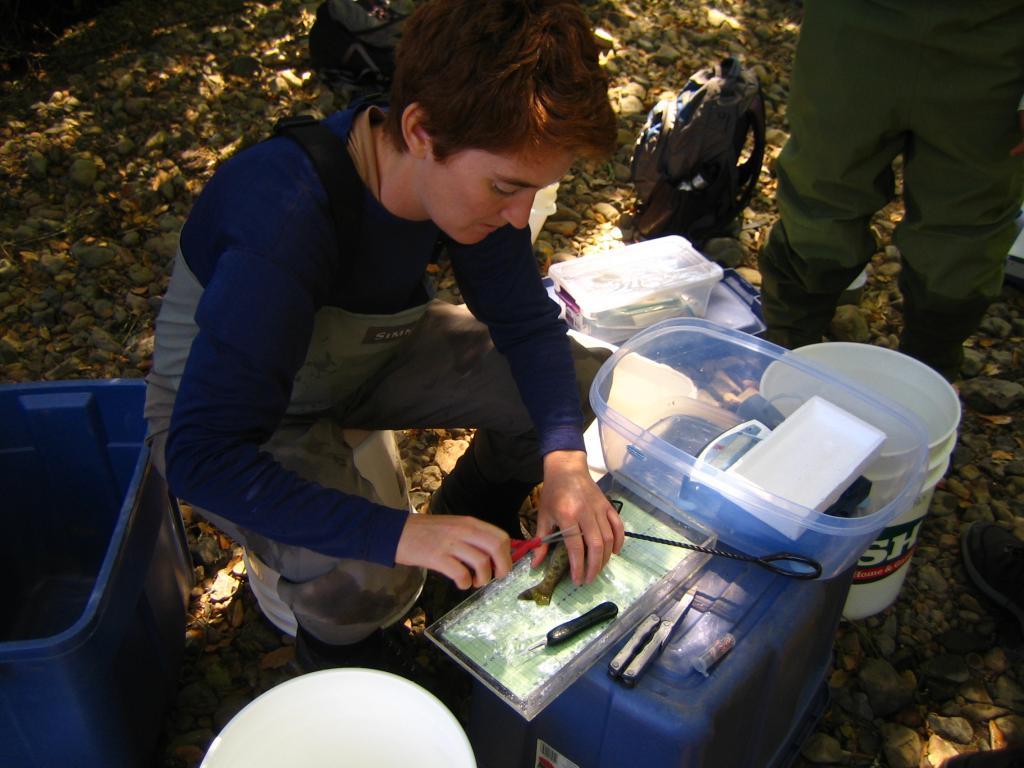 Stephanie M. Carlson合作论文数Department of Environmental Science, Policy and Management, College of Natural Resources, University of California, Berkeley3
 Klement Tockner合作论文数Goethe University Frankfurt;Senckenberg Society for Nature Research3
 Langhans Simone D合作论文数Department of Limnology, Swiss Federal Institute of Aquatic Science and Technology (Eawag),3
 Florian Altermatt合作论文数Department of Evolutionary Biology and Environmental Studies, University of Zurich;Department of Aquatic Ecology, Swiss Federal Institute of Aquatic Science and Technology;Swiss Academy of Sciences3
 Gómez Rosa合作论文数3
 Maria Isabel Arce合作论文数3Banas Damien合作论文数3
 Jason L Hwan合作论文数3Clara Mendoza-Lera合作论文数3
 Peter Negus合作论文数3
 Lluis Gomez-Gener合作论文数Faculty of Biology, University of Barcelona3
 Pablo Rodriguez-Lozano合作论文数Freshwater Ecology and Management (F.E.M.) Research Group, Universitat de Barcelona3




