Understanding the physico-chemical conditions governing magma plumbing systems is one of the central objectives in volcanological research, as eruptive styles and associated phenomena are strongly influenced by pressure, temperature, and volatile content in magmatic reservoirs. However, precisely constraining pre-eruptive pressure conditions remains challenging. Experimental investigations on phase relationships and stability fields of pressure- and volatile-sensitive mineral phases can provide insightful information to address this issue. Recent geological surveys on Ventotene Island (Pontian Islands, Tyrrhenian Sea) revealed the presence of primary analcime in the Cala Battaglia Unit (UCB), a sequence of pure Plinian fallouts lacking pyroclastic density currents (PDCs) deposits. In contrast, analcime is absent in both Plinian fallout and PDC deposits related to the Parata Grande caldera-forming eruption. Since analcime stability is generally constrained to PH₂O > 200 MPa, these observations point to significant differences in pre-eruptive storage pressure conditions, highlighting the fundamental role of pressure in controlling phase relations, mineral stability, and therefore eruptive style. Phase equilibria experiments were performed using a piston-cylinder apparatus to investigate the role of pressure and volatile content (H₂O) on phase relations in differentiated alkaline magmas. Two starting compositions representative of two eruptive units were selected for the experimental runs: a tephriphonolite (MD1, Parata Grande) and a trachy-phonolite (UCB2, Cala di Battaglia). Experiments were performed under H2O-undersaturated to H2O-oversaturated conditions at pressures of 150, 300, and 600 MPa, and temperatures between 700 and 1000 °C. For the MD1 tephriphonolite at 600 MPa, the mineral assemblage consists of clinopyroxene + apatite + oxides at 1050 °C, followed by biotite, plagioclase, and K-feldspar with decreasing temperature, whereas under H₂O-oversaturated conditions at 950 °C the assemblage is dominated by biotite, clinopyroxene, oxides, and apatite. At 300 MPa, all experiments were conducted under H₂O-saturated conditions, and the mineral assemblages are dominated by clinopyroxene, biotite, and oxides. For the UCB2 trachy-phonolite, experiments at 600 MPa show the crystallization of a hydrous feldspathoid associated with plagioclase and biotite at 900 and 850 °C, followed by K-feldspar at lower temperature (750 °C). In contrast, hydrous feldspathoids do not crystallize at 150 MPa, where the mineral assemblage is limited to K-feldspar, plagioclase, biotite, and oxides. At 300 MPa, the assemblage is dominated by K-feldspar and plagioclase, with subordinate biotite and oxides. These results suggest that hydrous feldspathoid cannot crystallize from H₂O-saturated trachy-phonolitic magmas at pressures ≤150 MPa, emphasizing how pressure variations can affect phase equilibria. This evidence supports the hypothesis of a polybaric differentiation path for the Cala Battaglia plumbing system, leading to pure Plinian events, in contrast to a shallower and isobaric evolution for the Parata Grande system, leading to under-pressure caldera-forming events.
The interaction of magmas with host-rocks is a common process in magmatic systems. Interaction with carbonate-bearing lithologies is of major interest since the thermometamorphic reactions during magma-carbonate interaction, may release CO2 affecting eruptive behaviour. The Somma-Vesuvius volcanic system is built on a km-thick Mesozoic carbonate platform, with evidence of intense interaction in the form of carbonate-xenoliths in juvenile pumices and as skarns. Nevertheless, the timescales and mechanisms of magma-carbonate interactions remain poorly constrained. Here we present an experimental study on the interaction of a dry Vesuvius' phonolite melt with a high-Ca limestone and a dolomitic limestone. We conducted the experiments in a piston cylinder apparatus at 600 MPa, temperatures of 950 degrees C and 1200 degrees C and interaction times of 0-60 min. Bubble nucleation (CO2 release) has been observed in all experiments. The dolomitic limestone is assimilated via an AFC-process, creating a skarn-like assemblage of periclase-bearing dolomite, forsterite, clinopyroxene and a Ca + Mg-enriched melt. The high-Ca limestone exhibits a partial melting texture, that includes the formation of a Na-K-Ca chloride carbonate melt due to direct diffusive transport of alkalis and chlorine from the dry phonolite melt into the limestone. The melting of limestones at crustal conditions may affect magma differentiation trends in Campanian magmas, especially the Na2O/K2O ratio. The reported assimilation timescales of 30-60 min at 1200 degrees C for both limestones are however maximum estimates, as a dry phonolitic melt was used at pressures exceeding those to be expected in the Vesuvius plumbing system (<200 MPa). The presence of water would greatly accelerate limestone assimilation.
Eruptive styles are influenced by multiple factors, including magma chamber depth. At Ventotene volcano (Pontian Islands, Tyrrhenian Sea, central Italy), a transition at similar to 300 ka is observed from repeated 'pure Plinian' eruptions-i.e. without associated caldera collapse (Cala di Battaglia eruptions, UCB)-to a caldera-forming event (Parata Grande eruption, PGT). In the latter eruption, the initial Plinian phase is followed by the roof collapse and widespread pyroclastic currents. We characterize the pre-eruptive magmatic systems of Ventotene-defined as reservoirs immediately preceding eruption and directly feeding syn-eruptive exsolution and fragmentation-through integrated analyses of juvenile (pumice and scoria) clasts, including texture, mineral and bulk-rock chemistry, Sr-87/Sr-86 isotopic ratios, and experimental phase equilibria. These data provide new insights into contrasting deep vs shallow pre-eruptive magmatic systems that fed pure Plinian and caldera-forming eruptions, respectively, at Ventotene. UCB pumice clasts contain low phenocryst amounts (<3 vol %) and primary analcime microcrysts, whose crystallization is consistent with P-H2O conditions higher than 150 MPa, as shown by experimental runs on Ventotene trachyte at P-H2O = 150 and 600 MPa. The presence of analcime constrains the UCB pre-eruptive magmatic systems to the deep metapelitic basement, also indicated by higher Sr-87/Sr-86 ratios. In contrast, PGT juvenile clasts-from Plinian fall, welded spatter, lag breccia, pumice-rich, and hydromagmatic pyroclastic current deposits-contain abundant phenocrysts and antecrysts (10-25 vol %), while analcime is absent. This latter textural feature, coupled with the lower H2O content in glasses and clinopyroxene barometry, points to a shallow (P <= 180 MPa) PGT pre-eruptive magmatic system. Notable differences between phonolitic-trachytic groundmass glasses and shoshonitic to tephri-phonolitic/latitic bulk compositions reflect the occurrence of olivine and clinopyroxene antecrysts in the PGT pre-eruptive magmatic system. The presence of centimeter-sized clinopyroxenes lacking resorption textures suggests that this system was short lived. Consistently, the longevity of the PGT pre-eruptive magmatic system is estimated to be <2 years, based on experimentally calibrated clinopyroxene and amphibole growth rates and settling distances of similar to 1-cm-sized antecrysts. Homogeneous glass compositions but variable phenocryst assemblages suggest a crystal-zoned pre-eruptive magmatic system with antecryst-depleted (D), enriched (E), and mush (M) zones. The initial Plinian phase tapped the D zone, followed by spatter deposits rich in olivine and clinopyroxene antecrysts from the E zone, concurrent with caldera collapse onset. The low water content in these glasses indicates magma outgassing. This evolution is consistent with a transition from a central conduit (sustaining a Plinian column) to a multi-vent (fissural) system along ring faults, feeding spatter-, lithic-, and pumice-rich pyroclastic currents. We propose that pure Plinian scenarios at Ventotene-and likely in similar volcanic systems-are driven by polybaric differentiation of a magma batch ascending from depth and/or pre-eruptive storage in deep reservoirs with high roof aspect ratios. In contrast, isobaric differentiation in shallow, sill-like pre-eruptive magmatic systems with low roof aspect ratios favors caldera-forming eruptions. Here, decompression from initial Plinian magma withdrawal induces roof collapse, a hallmark of underpressure caldera scenarios. This has implications for active caldera systems such as Ischia and Campi Flegrei, which share similar magma compositions and eruptive style shifts-from early pure Plinian to later caldera-forming activity-throughout their histories.
This study examines element mobility in volcanic soils to evaluate the relationships between mineral assemblage and the uptake capacity of rootstocks. The Gravesac rootstock, which appears to have a low capacity to selectively absorb K, Ca, Mg, and Na relative to one another, was used for this study. We analysed the chemical composition of rootstocks and the adhering soils. These soils were also mineralogically characterised and subjected to leaching using water over variable time periods and ammonium acetate. Chemical weathering of minerals significantly controls the mobility of base cations in vineyard soils and this should strongly impact root absorption and plant nutrient content. In the scarcely evolved volcanic soils (hereafter pozzolanic soils), where clinopyroxene is not significantly weathered, Ca has low availability in soil solution compared to evolved volcanic soils (hereafter clay-bearing volcanic (CBV) soils), despite higher Ca content in pozzolanic soils. This indicates that in pozzolanic soils, Ca and Mg are less mobile due to the minimal weathering of clinopyroxene. Rootstock absorption of Ca and Mg mirrors these findings, with lower uptake in pozzolanic soils despite higher total element content. Leaching experiments show that the bioavailability of Ca and Mg obtained in H2O and ammonium acetate is inversely correlated with the uptake efficiency of rootstocks, which is instead positively correlated with the removal of Ca and Mg from the soils. In CBV soils, the intense chemical weathering of clinopyroxene increases the mobility and subsequent uptake of Ca and Mg by roots. On the contrary, leaching tests show that K bioavailability in pozzolanic soils, derived from leucite weathering, is higher than in CBV soils, which is consistent with their higher K content. The rapid dissolution of K in pozzolanic soils contrasts with its slower and more sustained release in CBV soils, linked to the weathering of phlogopite. This leads to higher K uptake in CBV soils despite their lower K content. The mineral assemblage in CBV soils, particularly the extent of phlogopite alteration, maintains high K activity in the soil solution, enhancing K bioavailability. The effect of mineral speciation (i.e., the solid solution range and weathered form of a particular mineral) on the uptake efficiency of rootstocks is confirmed by the distinct chemical compositions of musts from Merlot grapes grown in the two soils. Our results highlight the pivotal role of mineral assemblage in shaping nutrient availability and rootstock uptake dynamics in viticultural systems.
Here, we report the discovery of silica- and sulfur-enriched deposits forming on the seafloor off Zannone Island (western Mediterranean Sea), where hydrothermal activity is ongoing. Our multidisciplinary investigation reveals that these deposits form through the interplay between hydrothermal processes and microbial activity. The deposits result from a dynamic equilibrium involving microbial mediation, sedimentation, and episodic lithification, driven primarily by two mineralization pathways: silica and sulfur precipitation. This study provides new insights into the bio-sedimentary processes shaping authigenic crusts in shallow submarine hydrothermal settings, contributing to a broader understanding of mineralization in marine environments influenced by both geological and biological factors.
Microbial activity has been documented in various lacustrine environments, suggesting its fundamental role in mineral precipitation and, therefore, in the formation of organo-deposits such as microbialites. Many studies are currently focused on documenting how the association of microbes and extracellular polymeric substances (EPSs) may influence the authigenesis of Mg-rich clay minerals and the subsequent carbonate precipitation in growing microbialites in lacustrine environments. In this study, we investigate the present-day microbialites of the alkaline Bagno dell’Acqua lake (Pantelleria Island, Italy) using X-ray diffraction (XRD) scanning electron microscopy (SEM) and energy-dispersive X-ray spectroscopy (EDS). Our results reveal the intimate association of Mg-smectite/carbonate minerals with the EPS and microbes, and, for the first time, we selected microbes belonging to phylum Firmicutes (Bacillus sp.), from natural microbialites, to carry out laboratory experiments that testify their direct role in the precipitation of clay and carbonate minerals.
The Bagno dell'Acqua lake is characterized by CO2 emissions, alkaline waters (pH = 9) and Eh values which indicate strongly oxidizing conditions. A typical feature of the lake is the presence of actively growing microbialites rich in calcium carbonates and silica precipitates. Mineralogy, petrography and morphology analyses of the microbialites were coupled with the analysis of the microbial community, combining molecular and cultivation approaches. The DNA sequencing revealed distinct patterns of microbial diversity, showing pronounced differences between emerged and submerged microbialite, with the upper layer of emerged samples exhibiting the most distinctive composition, both in terms of prokaryotes and eukaryotes. In particular, the most representative phyla in the microbial community were Proteobacteria, Actinobacteriota, and Bacteroidota, while Cyanobacteria were present only with an average of 5%, with the highest concentration in the submerged intermediate layer (12%). The role of microorganisms in carbonate mineral formation was clearly demonstrated as most of the isolates were able to precipitate calcium carbonate and five of them were characterized at molecular level. Interestingly, when microbial isolates were cultivated only in filtered water, the precipitation of hazenite was observed (up to 85%), opening new prospective in P (phosphate) recovery from P depleted environments.
Mantle magmas interact with surrounding rocks during their ascent and storage in the continental crust, leading to open system processes as wall rock partial melting. In this study, we have experimentally investigated the reactions between a leucosome depleted migmatite and a primitive K-basaltic of Campi Flegrei (Italy). Experiments were carried out at pressure of 0.8 GPa temperatures from 1250 °C to 1050 °C and constant temperature and thermal gradient conditions. The experimental products consist of biotite-free migmatite, glass and crystals of clinopyroxene, olivine, plagioclase and Cr-spinel with proportions that vary as a function of temperature. Open system isothermal experiments indicate that the chemistry of melts and phase relationships are controlled by the high Al2O3 content of leucosome depleted migmatite with the glass composition shifting from K-trachybasalt towards shoshonite as the temperature decreases from 1200 °C to 1125 °C. At temperatures ≤ 1150°C, migmatite assimilation is not exclusively due to the assimilation fractional crystallization process because evidence of mingling and mixing is observed. T-gradient experiment shows melt composition ranging from shoshonite to phono-tephrite moving from the slightly crystalline zone (T = 1250 –1210 °C) at the bottom of the capsule towards the highly crystalline zone (T = 1160 –1140 °C). This SiO2-constant trend indicates that at temperature below the basalt solidus, the assimilation of leucosome depleted crust is represented almost exclusively by the biotite breakdown, leading to the increase in Al, Mg, Fe, Ti, and K activities in the system. The shoshonitic composition obtained in our experiments could represent the parental magma for both Campi Flegrei volcanic district and Vesuvius magmatic systems, indicating modification in a deep storage zone through mixing with the partial melts derived from restitic continental crust.
The study of the oxidation state of lithospheric mantle-derived rocks allows modelling the deep cycle of volatiles (e.g., C, H, O, N and S) in the Earth's interior, which in turn plays a role in magma genesis, metasomatism and volcanic degassing. At the oxygen fugacity (i.e., fO2) recorded by residual abyssal peridotites, volatile elements like carbon are predicted to be in the immobile form of graphite. However, the compilation of the redox state of worldwide-distributed continental xenoliths shows evidence of their oxidation and refertilization through time by deeply formed subduction-related metasomatic fluids. The analyses of fluid inclusions in mantle-derived minerals like olivine (or pyroxenes) represent a snapshot of the volatile circulation in depth, whose noble gases signature (He, Ar, Ne) is used to identify their possible source. This study aims to reconstruct the origin of mantle metasomatism underneath the Hyblean Plateau (Sicily, Italy) and its redox history through the investigation of spinel-peridotite nodules, combining fO2 estimates with noble gases and fluid inclusions chemistry from hand-picked olivine grains. We analyzed eight mantle xenoliths classified as spinel lherzolites and spinel harzburgites from the Valle Guffari (Hyblean Plateau, Sicily). The calculated logfO2 is higher than that of most cratonic xenoliths worldwide ranging between 0.28 and 1.27 log units above to the fayalite-magnetite-quartz (FMQ) reference buffer. Micro-Raman measurements on olivine grains with dendritic trails of (metasomatic) fluid inclusions reveal an assemblage made of MgCa carbonates ± sulfide ± elemental sulfur ± CO2 in the most reduced sample, and MgCa carbonates ± sulfates ± CO2 in the most oxidized sample, the latter associated with a silicate glass and (secondary) hydrous phases. Both assemblages are taken as evidence of the product of crystallization of deeply originated volatile-bearing silicate melts. Analyses of He, Ar, and Ne in olivine grains confirm the evidence of a mantle source reworked by metasomatic processes. Our data suggest that an initially residual Hyblean lithospheric mantle was affected by extensive oxidizing events at several depths caused by the interaction with slab-derived CO2-rich silicate metasomatic liquids.
Time-series crystallization/dissolution experiments were conducted on a natural potassic basalt seeded with bytownitic plagioclases (Plg) at atmospheric pressure, in air, at 11801240 degrees C and isothermal dwell time up to 20 hours. Plg-seed presence promotes the early formation of new-Plg, dampening the clinopyroxene (Cpx) crystallization. New-Plgs grow at a rate from 10-6 up to 10-8 cm center dot s-1 as the dwell time increases. Seeds overgrow at similar rate. Cpx crystallizes with a delay of at least 3 hours; this has a significant impact on the composition of both residual melt and new-Plgs. For undercooling >35 degrees C the Cpx delay causes a strong supersaturation of this phase in the melt resulting in a decrease in the new-Plg nucleation rate by 2 orders of magnitude in the 3 h-experiment. In the 15h-run, Cpx coarsening and the decrease of crystallinity suggest the achievement of a near-equilibrium conditions. Cpx growth rate is in the order of 10-7 cm center dot s-1 showing very limited variation. Finally, for the investigated superheating (5-15 degrees C) only the long lasting experiments allows an estimation of Plg dissolution rate (10-9 cm center dot s-1) although changes in the melt composition are already detectable in the 3h-runs. As a whole our results suggest that in natural systems, the takeover of antecrysts/ xenocrysts by a magma can induce on a short time scales, changes in its initial nucleation behavior with remarkable petrological implications for the solidification paths and eruptive dynamics of potassic magmatic systems.
Abstract Time-series experiments were carried out in a piston-cylinder apparatus at 0.8 GPa and 1030–1080 °C using a hydrous K-basalt melt as the starting material to determine the element partition coefficients between amphibole and silicate glass. Major, minor, and trace element compositions of amphibole and glass were determined with a combination of electron microprobe and laser ablation inductively coupled plasma mass spectrometry. Results show that the main mineral phase is calcic amphibole, and the coexisting glass compositions range from basaltic trachyandesite to andesite. We estimated the ideal radius, the maximum partition coefficient and the apparent Young’s modulus of the A, M1-M2-M3, and M4-M4′ sites of amphibole. The influence of melt and amphibole composition, temperature, and pressure on the partition coeficients between amphiboles and glasses has also been investigated by comparing our data with a literature data set spanning a wide range of pressures (0.6–2.5 GPa), temperatures (780–1100 °C), and compositions (from basanite to rhyolite). Finally, we modeled a deep fractional crystallization process using the amphibole-melt partition coeficients determined in this study, observing that significant amounts of amphibole crystallization (>30 wt%) well reproduce the composition of an andesitic melt similar to that of the calc-alkaline volcanic products found in Parete and Castelvolturno boreholes (NW of Campi Flegrei, Italy).
<p>Raw materials are essential for the sustainable development of modern societies. Access to and cost-effectiveness of mineral raw materials are critical to the smooth functioning of the EU economy. The growing demand for raw materials raises increasing concerns about mineral resources. Feldspars along with quartz, the main components of granitoid rocks, are widely used in ceramic and glass industry. The need to meet the demands of the ceramic industry has stimulated research and development of new ceramic flows in granite complexes.</p><p>Italy is the world&#8217;s second-largest feldspar producer (22% of total) and the world biggest importer (22% of global world trades) (European Commission). Since the strong demand is rapidly depleting the proven reserves in EU Member States, the EU ceramics sector is increasingly dependent on feldspar imports from Turkey. Thus, it is necessary to find additional sources of feldspar or to further increase inter-continental transport. At present, Budduso&#768;-Ala&#768; dei Sardi (Sardinia-Italy) is the most important granite production area in Italy. However, granite mining activities cause serious environmental problems. Feldspar production and trade generate large amounts of pollutant and greenhouse gas emissions, due either to the energy consumption of mining activities or the transport of the finished product from the exporting countries. The areas where quarries are active suffer from landscape degradation, due to incomplete compliance or non-compliance with quarry recovery plans, considering that opening new quarries is cheaper than moving large amounts of waste. Finally, granite mining accounts for huge amounts of soil consumption, as it requires large areas in which the quarry waste accumulates.</p><p>The LIFE REGS II project (LIFE19 ENV/IT/000373 LIFE REGS II) aims at demonstrating an innovative and economically-viable extraction technology to produce feldspars, of the same quality to those obtained from virgin raw material, using granite scraps. This will reduce demand for feldspar from environmentally-damaging granite mining operations as well as to minimize the soil consumption and to boost the awareness about the importance of recycling granite scraps.</p><p>To this respect, samples of the granite scraps accumulated in 18 landfills located in the Buddus&#242;-Al&#224; dei Sardi granite quarries have been analyzed for their mineral texture and composition. Modal variability of the main mineral constituents (quartz+plagioclase&#177;potassium-feldspar+biotite/chlorite) allowed to distinguish three main groups characterized by different ratios of feldspars/mafic phases with the exception of samples from a specific landfill that display an increase in the plagioclase at the expense of potassium-feldspar+quartz along with an increase in epidote at the expense of biotite/chlorite.</p><p>Texturally potassium-feldspar occasionally occurs as microcline perthite while plagioclase is always affected by extensive alteration resulting in a variety of textural intergrowths of neoformed minerals. Such features are reflected in the inter/intra-crystalline compositional variations in terms of feldspar end-members and in the type of the alteration products. This provides the elements for a first estimate of the technological properties of felsdpars, allowing to recognize the material stored in the 18 landfills qualitatively better for commercial purpose, and to experimentally identify the most effective methods of physical treatments to enrich and extract feldspars useful for industrial uses.</p>
The Colli Albani volcanic district emplaced huge pyroclastic-flow deposits up to 20 m thick in the southeastern suburbs of the City of Rome. The soil quality onto the gentle slopes of the Colli Albani has certainly contribute to the growth of Ancient Rome, a city with one million inhabitants as early as 2000 years ago. Interestingly, the Colli Albani soils developed on K-foiditic pyroclastic rocks with peculiar low silica, high alkali and high CaO composition. In the past, the productivity of the Colli Albani soils was maximized without the understanding of the unique physical, chemical, and mineralogical properties of these soils; now an in-depth knowledge of the Colli Albani soils is necessary to respond to the current and increasingly demand of sustainable soil use. Textural, mineralogical and chemical data indicate that the evolutionary stages of soil development are bedrock -> leucite (Lee-bearing soils -> quartz (Qz)-bearing soils. The bedrock is made up mainly of leucite, clinopyroxene, phlogopite, zeolites and K-foiditic glass that is turned in an amorphous phase characterized by the Al-rich, cations base-poor and hydrated composition (i.e. halloysite-like chemistry). This reaction occurs in the syndepositional conditions (i.e. temperature up to similar to 600 degrees C) and causes the absence of glass and the abundant crystallization of halloysite in the Colli Albani soils. The Let-bearing soils are organic matter-poor, weakly weathered volcanic matter, comparable to the vitric andosols, showing incipient halloysite crystallization. As the degree of weathering increases, i) grain size decrease, ii) pH remain neutral, iii) highly soluble leucite, analcime and other zeolites, are rapidly dissolved, iv) alkali, Ca and Mg are leached, v) silica, Al and Fe activities increase and vi) halloysite stability field enlarges. The resulting Qz-bearing soils are made up mainly of halloysite, quartz, oxyphlogopite and calcic clinopyroxene showing a lower cation exchange capacity (CEC) compared to the Lct-bearing soils. However, in Qz-bearing soils the CEC it is rarely <20 cmol (+)kg(-1) because K-Ex, Mg-Ex and Ca-Ex are released from the oxy-phlogopite and the strongly weathered clinopyroxenes characterized by the "gothic" texture.
The quality of the Colli Albani volcanic soils has certainly contributed to the vine cultivars hence the name of one of the oldest wines (i.e., Alban wine). The alkali up to 15 wt%, SiO2 ≤ 52 wt% and the emplacement at high temperature (≤ 600 °C) are the bedrock features that have deeply influenced the soil-forming processes in the vineyards. However, the peculiar features of the Colli Albani soils are not well known. Field survey and textural, mineralogical, and chemical data obtained with SEM, EMP, XRD, and ICP-OES were used to characterize the vineyard soils of the Colli Albani. Leucite (Lct)-bearing soils and quartz (Qz)-bearing soils occur in the studied vineyard. The Qz-bearing soils represent more weathered volcanic material, depleted in primary minerals and enriched in clays, which show a lower cation exchange capacity (CEC) than the Lct-bearing soils. CEC is a misleading definition for the Colli Albani soils because the base cation mobility in the vineyard is independent from clay mineral enrichment in the soil. Actually, the release of K, Na, Ca, and Mg depends by (i) the complete dissolution of leucite and analcime, (ii) the oxy-reaction affecting the phlogopite, which releases K + Mg, and (iii) the incongruent dissolution of clinopyroxene characterized by the “gothic texture.” This texture highlights the capacity of clinopyroxene to release Ca and Mg in volcanic soils. Quantification of the texture and abundance of the primary minerals are mandatory for the management of the vineyard soils in the Colli Albani and, in general, it is significative for the vineyards in volcanic areas.
Volcanic eruptions are shallow phenomena that represent the final stage of density- and viscosity- driven processes of melt migration from source rocks at upper mantle depths. In this experimental study, we investigated the effect of pressure (0.7–7.0 GPa) and temperature (1335–2000 °C) on the viscosity and the atomic melt structure of a synthetic anhydrous primitive alkaline basalt, an analogue of the pre-eruptive magma that likely feeds the Campi Flegrei Volcanic District at present day. Obtained viscosities (0.5–3.0 Pa s), mobility (0.1–0.4 g cm 3 Pa −1 s −1 ) and ascent velocity (1.5–6.0 m yr −1 ) are presented to support geochemical and geophysical observations of Campi Flegrei as a critical volcanic district currently undergoing gradual magma recharge at depth.
This study investigates the potential use of micro-Raman spectroscopy for the quantification of water in ultra-potassic silicate glasses. A calibration was developed using experimental phono-tephritic glasses with water content ranging from similar to 1 to similar to 3 wt%. The calibration curve showed a typical direct proportionality between water content and the ratio of high- (3100-3750 cm(-1)) and low-wavenumber (100-1500 cm(-1)) spectral regions, with a linear fit coefficient m = 1.74. The comparison with the m coefficients available in literature for other silicate compositions showed a deviation of our composition as a function of some major oxides such as FeO, TiO2 and K2O, highlighting the possible influence of the polymerization degree (NBO/T: non-bridging oxygens per tetrahedron) on m coefficient. In this respect, we observed a linear relationship between m coefficient and NBO/T and a positive correlation between the area underneath the silicate region (100-1500 cm(-1)) and NBO/T for the phono-tephrite of this study and for other compositions spanning from basalts to phonolite and rhyolites available in literature. For ultrapotassic natural and experimental glasses characterized by the presence of CO2, documented by the carbonate peak at 1062-1092 cm(-1), it has been possible to extrapolate the CO2 content by using the model of Morizet et al. (2013) obtaining values of similar to 1.1 +/- 0.3 and similar to 1.7 +/- 0.2 wt%, respectively. The obtained m coefficient was applied to estimate water content of natural phono-tephritic glasses belonging to the Colli Albani Volcanic District. Moreover, we estimated water content also for some natural K-foiditic glasses from the same volcanic district. Since the m coefficient results to be strongly dependent on the chemical composition of the sample of interest, the coefficient estimated for the phono-tephrites of this study could result in significant overestimation or underestimation of the water content of the Colli Albani Volcanic District K-foiditic natural samples. Thus, we extrapolated the m coefficient for the K-foiditic samples by means of an equation obtained in this study as function of the polymerization degree (NBO/T).
We present new experimental data on major and trace element partition coefficients (D) between clinopyroxene and a K-basaltic melt from Procida Island (Campi Flegrei Volcanic District, south Italy). Time-series experiments were conducted at 0.8 GPa and 1080-1250 degrees C aiming to investigate the role of the crystallization kinetics on trace elements partitioning behaviour at a pressure relevant for deep magmatic reservoirs. Results indicate that large ion lithophile elements (LILE) are incompatible (e.g., D-Sr <= 0.15), light rare elements (LREE; e.g., D-La <= 0.20) are always more incompatible than heavy rare elements (HREE), which in some cases result to be compatible with clinopyroxene (e.g., Due D-Dy = 1.40); high field strength elements (HFSE) are generally incompatible (D-HFSE <= 0.8), while transition elements (TE) range from slightly incompatible (e.g., D-V = 0.6) to highly compatible (e.g., D-Cr = 63). The calculated D values for LILEs, REEs, HFSEs, and TEs tend to decrease with the increase of temperature and to increase with increasing tetrahedrally-coordinated aluminium content, in agreement with the previous studies. Moreover, we observed the influence of the growth rate on the partition coefficients, with the highest D-REE values calculated in the runs with the highest growth rate (similar to 10(-7) cm s(-1)), due to the less efficient rejection of incompatible elements during rapid crystal growth, that in this study is not linked to disequilibrium conditions, but to the presence of pre-existing nuclei. Additionally, the apparent increase in DREE values with time observed in some runs is not referable to a change in time but rather to the different degrees of polymerization, expressed as the ratios NBO/T of these melts, strictly related to a loss of Fe occurred during the experiments, and thus to a different melt viscosity. Finally, the application of the experimental clinopyroxene-melt partition coefficients highlights that the deepest step of the magmatic differentiation in the Campi Flegrei Volcanic District is represented by the fractionation of about 20-30% of a clinopyroxenitic mineral assemblage from a basaltic parental magma. (C) 2021 Elsevier Ltd. All rights reserved.
Assessing the nature and evolution of the Sub-Continental Lithospheric Mantle (SCLM) is crucial to understand the dynamics of Earth’s interior and the global scale tectono-magmatic processes. The study of ultramafic xenoliths brought to the surface in specific context, such as northern Victoria Land (Antarctica), is a key to investigate how the SCLM bear witness of large-scale geodynamic episodes. Indeed, the Antarctica lithosphere was involved into three main tectono-magmatic episodes since Paleozoic, i.e. the 550-110 Ma Ross subduction, the Jurassic (~182 Ma) Ferrar magmatism and the Cenozoic alkaline magmatism responsible for the opening of the West Antarctic Rift System (WARS). In this study, a review of the petrological and geochemical features of >200 mantle-derived and cumulate xenoliths brought to the surface at Baker Rocks, Greene Point, Handler Ridge, Harrow Peaks, Browning Pass and Mount Overlord enabled us to reconstruct the main depletion and enrichment processes that took place in the Antarctica SCLM. Strong depletion is recorded by Greene Point lherzolites and harzburgites (18-21%), which likely began melting in the garnet facies and terminated in the spinel facies (Perinelli et al. 2006), whereas mild melt extraction in the spinel stability field was hypothesized at Baker Rocks and Handler Ridge (12-16% and 7-13% melting, respectively). The onset of the Jurassic Ferrar large magmatic event is testified by both the refertilisation in Greene Point-Baker Rocks peridotites and the appearance of cumulate orthopyroxenites/olivine-websterites at Harrow Peaks and Baker Rocks. Late enrichment process/es took place in concomitance with the Cenozoic alkaline magmatism of the WARS, resulting in both cryptic and modal metasomatism and overprinting earlier chemical modifications. This metasomatism was particularly effective at Baker Rocks, as shown by the increase of clinopyroxene abundance, its trace element enrichment and the formation of amphibole disseminated and in veins. Clinopyroxene composition in Cenozoic cumulate rocks matches the enrichment path observed in the peridotites, supporting the link between the last metasomatic process and the recent alkaline magmatism. Among mantle xenoliths populations, Greene Point record the highest T-P (870-1059 °C; 0.8-1.6 GPa) and the least oxidized conditions (fO2 down to -2/-3 ΔFMQ). Cumulate rocks yield the highest fO2 (up to +1.5 ΔFMQ), at T varying between 900 and 1150°C, approximating the conditions of crystallizing melts. No discrepancies in fO2 emerged between amphibole-bearing and amphibole-free peridotites, ruling out a strict correlation between amphibole stability, H2O activity and fO2. Nevertheless, the alkaline metasomatic event, which led to amphibole formation, caused a remarkable increase in the H2O content of the system. In fact, anhydrous peridotites preserve bulk H2O contents ≤128 ppm, while lherzolites with disseminated amphibole and hornblendites have H2O contents as up to 354-1120 ppm and 1.42 wt%, respectively. Perinelli, C., et al. 2006. Geochemical and O-isotope constraints on the evolution of lithospheric mantle in the Ross Sea rift area (Antarctica). Contributions to Mineralogy and Petrology, 151(3), 245-266.
 Mario Gaeta合作论文数28
 Pietro Armienti合作论文数Dipartimento di Scienze della Terra via Santa Maria, University of Pisa20Aida Maria Conte合作论文数Centro di Studio per gli Equilibri Sperimentali in Minerali e Rocce, C.N.R.19
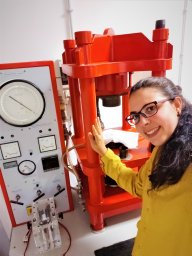 Barbara Bonechi合作论文数Dept Earth & Environm Sci, Univ Manchester14
 Alessandro Fabbrizio合作论文数8
 Giovanni B. Andreozzi合作论文数Dipartimento di Scienze della Terra, Università degli Studi di Roma “La Sapienza”,6
 Eleonora Martorelli合作论文数Istituto di Geologia Ambientale e Geoingegneria, National Research Council of Italy6Silvio Mollo合作论文数Dipartimento di Scienze Geologiche, Università degli Studi Roma Tre6Vanni Tecchiato合作论文数5
 Vincenzo Stagno合作论文数Bayerisches Geoinstitut, University of Bayreuth5
 Francesco L. Chiocci合作论文数Istituto di Geologia Applicata e Geoingegneria, CNR5
 Piergiorgio Scarlato合作论文数Istituto Nazionale di Geofisica e Vulcanologia, Via di Vigna Murata 605, 00143 Rome, Italy5Danilo M. Palladino合作论文数Dipartimento di Scienze della Terra, Università La Sapienza5
 Marco Cuffaro合作论文数Istituto di Geologia Ambientale e Geoingegneria, Consiglio Nazionale delle Ricerche;Dipartimento di Scienze della Terra, Sapienza Università di Roma5B. Bonechi合作论文数4
 Gian Marco Marmoni合作论文数Dept Earth Sci, Univ Rome Sapienza4
 Michela Ingrassia合作论文数CNR Institute of Environmental Geology and Geoengineering, Università di Roma Rome Italy4
 Carlo Doglioni合作论文数Dipartimento di Scienze della Terra, Sapienza Universita di Roma;Istituto Nazionale di Geofisica e Vulcanologia4
 Valeria Misiti合作论文数4
 Davide Scrocca合作论文数CNR, Sapienza Università di Roma4
 Letizia Di Bella合作论文数4Filippo Muccini合作论文数Istituto Nazionale di Geofisica e Vulcanologia4
 Marco Ligi合作论文数Institute of Marine Sciences, National Research Council4Sabina Bigi合作论文数Dipartimento Sci Terra, Univ Roma La Sapienza4
 Keith Daniel Putirka (Keith Putirka)合作论文数Department of Earth And Environmental Sciences, College of Science And Mathematics, California State University4
 Luca Aldega合作论文数Dipartimento di Scienze Geologiche, Università degli Studi Roma Tre4marco pastore合作论文数3
 Alfonsa Milia合作论文数3
 Salvatore Martino合作论文数3
 Barbara Faccini合作论文数3
 Giovanni Bortoluzzi合作论文数CNR, ISMAR3
 Grant George Buffett合作论文数Natural Resources Canada;Geological Survey of Canada;Natural Resources Canada, Geological Survey of Canada3
 Maurizio Petrelli合作论文数Department of Earth Sciences, University of Perugia3
 Marco Sacchi合作论文数CNR Napoli Istituto di Ricerca «Geomare Sud»3Filippo D'Oriano合作论文数3
 Gianluca Sottili合作论文数Dipartimento di Scienze della Terra, Sapienza-Università di Roma3
 Rostislav Hrubiak合作论文数Center for the Study of Matter at Extreme Conditions, Florida International University3G. T. Sapienza合作论文数2Beatrice Pelorosso合作论文数2Tania Ruspandini合作论文数2serena granati合作论文数2Flavia Palummo合作论文数2
 Fabrizio Marra合作论文数2Serena Pia De Cristofaro合作论文数2a conte合作论文数2
 Federico Casetta合作论文数Department of Lithospheric Research, University of Vienna2Alessia Conti合作论文数Dept Earth Sci, Univ Roma La Sapienza2
 R. W. Hobbs合作论文数Oak Ridge National Laboratory2Costanza Bonadiman合作论文数Dipartimento di Scienze della Terra, Università di Ferrara2




