Microfluidic polymethylmethacrylate (PMMA) devices for study of particle transport in artificial porous media were designed and microfabricated using hot embossing with a brass mold insert containing a microchannel network with eight layers. After thermal bonding to enclose the microchannel network, a process protocol was applied to successfully remove bubbles in the PMMA device. Characterization protocols were developed for study of fluorescent particle tracking, accumulation, and retention in these microfluidic chip artificial porous media. Particle accumulation and retention was observed throughout the microfluidic network domain and predominantly at the inlet section of the PMMA device due to entrance effects. Particle Image Velocimetry of the PMMA device allowed for generating velocity profiles in the chip microchannel networks.
X-Ray Computed Tomography (XCT) is an important tool to study porous-media microstructure and fluids present within the void space. In the presence of multiple fluid phases, the contrast between the fluid phases becomes important for accurate image segmentation. In some cases, it is not possible to illuminate one of the fluid phases. The result is then a single image containing multiple phases that may contain overlapping peaks of the fluid phases due to little difference in the absorption coefficients. Building upon work done in medical-image-processing research, we have adopted a nonlinear anisotropic diffusion technique to remove noise from the XCT image that also leads to improved peak separation in the image histogram. The noise-free image is the then segmented using indicator kriging and the results are compared with segmentation results obtained using absorption-edge imaging. Controlled Vocabulary Terms absorption coefficients; crystal microstructure; image processing; image segmentation; single photon emission computed tomography
The Mississippi River, with one of the world's largest watersheds draining 41% of the continental U.S., is the seventh largest river in the world. The lower Mississippi River delta system along the northern Gulf of Mexico coast experiences annual coastal marsh losses between 25 and 35 square miles. The lower River is a highly complex system impacted by multiple forcings. An understanding of the hydrodynamics in this system will be important for understanding the potential outcomes of coastal restoration projects such as large-scale River diversions and for future management decisions. This study describes the development and application of a hydrodynamic model of a reach of the Lower Mississippi River from Carrolton (New Orleans) at RM 103 down to the Gulf of Mexico. The USACE Adaptive Hydraulics Model (ADH), an unstructured finite element model, is used to model the hydrodynamics. An unstructured mesh was developed for the study area, which includes detailed bathymetry and topography from the most recent available survey data. The mesh is fine enough to capture the changes in bathymetry and relies upon automated mesh refinement to capture flow details. Mississippi River stage data collected from thirteen stations between Carrolton and Port Eads for the water years between 1987 and 2008 is used in the model calibration. In addition, discharge data collected in various Lower River passes is used to examine the ability of the hydrodynamic model to properly simulate the flow distribution through different reaches and lower River passes. Steady state solutions for water surface elevations at gage locations match well with observational data and the distribution of river flow among the different sections of river channel and passes are consistent with the limited field data available. The effect of the sea level rise is most significant in the lower 20 miles of the river and it loses its effect with increasing flow rates
ABSTRACT The demand for fossil fuels is driving the rapid expansion of the petroleum industry'S infrastructure. Louisiana'S wetlands are the most industrialized in the world. The oil industry has infiltrated every part of the Lower Mississippi River Delta (LMRD) from the fixed facilities and transport vessels traveling along inland waterways, the pipelines and canals running through the wetlands, and the offshore platforms along the Gulf of Mexico coastline. An oil spill could seriously damage the coastal wetlands that are already rapidly degrading, pollute the water supply, destroy wildlife habitat, and impact other natural economic and social resources. Additionally, proposed coastal restoration initiatives such as freshwater diversions could provide a conduit for spills to travel from the river to open wetland areas. Current inland oil fate and transport models cannot automatically be applied in the deltaic environment because they do not represent the high degree of minerals and fines in suspension, the unique characteristics of the shorelines, or the potential flow into the wetland areas. Thus, a three- dimensional oil fate and transport model was developed to investigate the behavior of oil spilled in the unique environment of the LMRD, assess the vulnerability at specific locations such as freshwater diversions from the river, and provide information for contingency and remediation plans. Simulations of the hydrodynamics of the LMRD were generated using the U.S. Army Corps of Engineers Adaptive Hydraulics (ADH) modeling code. The model simulates the physical and chemical processes affecting the fate of a surface oil spill including slick advection and spreading, the vertical transport of dissolved and emulsified parcels, evaporation, dissolution, adsorption, sedimentation, re-suspension and degradation. The model estimates the distribution of oil in the surface slick, water column, sediments and atmosphere. Almost seventy percent of the Mississippi River'S sediment load is comprised of finer materials. The model is unique in using empirical predictions to describe oil'S interactions with fine suspended material and muddy shorelines. Hypothetical spills representative of the type and location of spills commonly occurring in the region were simulated to investigate the sensitivity of the system to the unique parameters. This model was developed to take advantage of the latest advances in computational fluid dynamics and weathering algorithms, while focusing on the complex hydraulics and sediment characteristics local to the Lower Mississippi River Delta.
Retention and transport of colloids and microorganisms are complex processes, especially in the vadose zone due to the more complicated water flow regime and additional interfacial reactions involved. In this study, we examined the retention and transport behavior of two bacteriophages, MS-2 and phiX174, in homogeneous and chemically heterogeneous media under variably saturated conditions. Column experiments with glass beads (treated to have either hydrophilic or hydrophobic surface properties) were conducted using a phosphate-buffered saline solution at different pore water ionic strengths ranging from 0.025 to 0.163 M. In columns packed with 100% hydrophilic glass beads, retention of the viruses increased with decreasing water content and increasing ionic strength, a result similar to those reported in the literature. However, greater retention of both MS-2 and phiX174 was observed in saturated columns than in unsaturated columns packed with a 1:1 mixture of hydrophilic and hydrophobic glass beads, especially at high ionic strengths. This result contradicts the common belief that viruses (and colloids in general) are subject to greater removal in unsaturated media. Our study suggests that while the mechanisms controlling colloid interfacial interactions (i.e., attachment on solid-water and air-water interfaces and film straining) on the pore scale are relevant, nonuniform wetting conditions due to heterogeneous grain surface hydrophobicity can strongly influence water flow and phase interconnection. Under these conditions, hydrodynamic effects on the mesopore scale will dominate pore-scale interfacial reactions in controlling the extent of colloid retention and movement in unsaturated media.
In the last two decades there has been an increased awareness of the contamination of groundwater due to the presence of denser-than-water nonaqueous phase liquids (DNAPLs). Numerous theoretical, experimental and numerical investigations have been conducted to study the various processes that impact aquifer contamination. These studies have provided us with greater insight into the individual processes and the complex nature of the problem. In spite of this progress, there still exists a need within the environmental community for a simple tool that will allow us to analyze a DNAPL contamination scenario from free-product release to transport of soluble constituents to downgradient receptor wells. Such a model may be useful in source term characterization for DNAPL releases to groundwater. The objective of this manuscript is to present the conceptual model and formulate the equations and modules which are utilized in this screening model. Three hypothetical releases are simulated and the results discussed to demonstrate the application and usefulness of this model. Due to its simplicity and ease of use, this screening model will be useful to industry, regulatory agencies and educators for estimating the impact of a DNAPL release on an aquifer.
Pore-scale processes govern fundamental behavior in multiphase porous media systems. A high-resolution, three-dimensional image of the interior of a multiphase porous media system was obtained using synchrotron X-ray tomography. The system was imaged at a resolution of 12.46 mum following entrapment of the nonwetting phase at residual saturation. First, the physically representative network structure of the porous media system is extracted from the void space. This provides a direct mapping of the pore bodies and throats and enables pore-level calculations of coordination numbers, aspect ratios, and pore body and throat correlations. Next, algorithms developed to calculate properties of the entrapped nonwetting phase, such as volume, sphericity, interfacial area, and orientation, are applied to the residual nonwetting phase blobs. Finally, correlations between the pore network structure and nonwetting phase characteristics are examined. As expected, it was found that the nonwetting phase was trapped primarily in the largest pore spaces, the pore bodies with the highest aspect ratios, and the pore bodies with the highest coordination numbers. This work shows that, while there may be limitations related to the ability to capture REV-sized domains for some of the multiphase flow properties and phenomena, high-resolution X-ray tomography is able to provide the high quality datasets needed to observe and quantify the pore-scale phenomena and processes that govern multiphase flow in unconsolidated porous media systems.
This paper presents application of a series of algorithms used to extract pore network structure from high-resolution three-dimensional synchrotron microtomography images of unconsolidated porous media systems. These algorithms are based on the three-dimensional skeletonization that simplifies the pore space to networks in the form of nodes connected to paths. Dilation algorithms were developed to generate inscribed spheres on the nodes and paths of the medial axis to represent pore-bodies and pore-throats of the network, respectively. The end result is a physically representative pore network structure, i.e. three-dimensional spatial distribution (i.e. x-, y-, and z-coordinates) of pore-bodies and pore-throats, pore-body size distribution, pore-throat size distribution, and the connectivity. Systems analyzed in this study include different glass bead systems and natural marine sand. The media ranged in size from 0.123 to 1.0 mm, while the image volumes ranged between 7.7 and 108.9 mm(3). In addition to extracting the pore network structure, the porosity, specific surface area, and representative elementary volume analysis on the porosity were calculated. Spatial correlation between pore-body sizes in the network was investigated using semivariograms and integral scale concepts. The impact of resolution on the calculated property was also investigated.In this work, we show that microtomography is an effective tool to non-destructively extract the structure of many systems. The quality of the datasets depends on photon energy, photon flux, size of the sample, type of the sample, and size of the sample 'features'. Results show that the developed method of extracting pore network structure is applicable to ideal and natural porous media systems. The impact of resolution on the quantification of the network structure properties varies in its significance based on feature size of the system and the properties being calculated. Therefore, a thorough resolution sensitivity analysis should be carried out to determine the degree of error associated with a system imaged at a given resolution. (C) 2004 Elsevier B.V. All rights reserved.
Rhodamine water tracer (RWT) was used to characterize the migration of waste water within the saline subsurface of a marshland upwelling system (MUS), which is an alternative on-site waste water treatment system for coastal areas. Field tracer studies were performed to investigate the fresh waste water plume movement within the saline ground water. Pore velocities were calculated using first detection times and ranged from 0.68 to 10.7 x 10(-4) cm/sec for the loamy sandy soil matrix present at the site. Use of RWT in the field also allowed determination of main and preferential flowpaths. One- and two-dimensional laboratory experiments were performed using silica sand to investigate the interactions of the organically rich waste water with RWT within the zone surrounding the point of injection (one-dimensional) and the impact of background salinity on plume movement (two-dimensional). The results from these studies were used to help explain the field data. One-dimensional breakthrough curves revealed retardation factors for the RWT in the waste water mixture of 1.73 to 1.90. These results were similar to other researchers, indicating little interaction between the waste water and RWT. Variations in pore water salinity (5, 15, 25, and 35 ppt) were found to have a significant effect on pore water velocities of the fresh water plume (two-dimensional), indicating the need to incorporate background salinities into the design process for MUS.
Synchrotron X-ray tomography is used to image, at 3.34 mum resolution, a mixture containing high-impact polystyrene (HIPS) and a two-component flame retardant, a brominated phthalimide dimer (Saytex BT-93), and a synergist, antimony oxide (Sb2O3). Complete tomography data sets were acquired at seven X-ray energies in the range of 1240 keV, closely spanning Br and Sb 1s electron binding energies at 13.474 and 30.491 keV, respectively. Data acquisition required 8 h. Quantification is done for a representative subvolume of 0.582 mm(3) containing 250(3) cubic volume elements (voxels) which is fitted to a model for X-ray voxel linear attenuation coefficient, yielding the three-dimensional concentration distribution of the flame retardant and the synergist. With successive thresholding, a particle size distribution algorithm yields regions of low flame retardant concentration-a potential safety concern-and regions of excessively high flame retardant concentration-a waste of an expensive product.
The entrapment of nonwetting phase fluids in unconsolidated porous media systems is strongly dependent on the pore-scale geometry and topology. Synchrotron X-ray tomography allows us to nondestructively obtain high-resolution (on the order of 1-10 micron), three-dimensional images of multiphase porous media systems. Over the past year, a number of multiphase porous media systems have been imaged using the synchrotron X-ray tomography station at the GeoSoilEnviroCARS beamline at the Advanced Photon Source. For each of these systems, we are able to: (1) obtain the physically-representative network structure of the void space including the pore body and throat distribution, coordination number, and aspect ratio; (2) characterize the individual nonwetting phase blobs/ganglia (e.g., volume, sphericity, orientation, surface area); and (3) correlate the porous media and fluid properties. The images, data, and network structure obtained from these experiments provide us with a better understanding of the processes and phenomena associated with the entrapment of nonwetting phase fluids. Results from these experiments will also be extremely useful for researchers interested in interphase mass transfer and those utilizing network models to study the flow of multiphase fluids in porous media systems.
The conversion of 3D data sets of x-ray absorption images into 3D composition maps requires accurate mass absorption values, high-quality images, and a robust fitting algorithm. We evaluate the status of convenient x-ray absorption databases, the impact of various CCD parameters and imaging strategies (minimal vs over-determined), and styles of least-squares fits of the images (optionally including volume constraints). Concerns raised include the impact of NEXAFS features and limited CCD dynamic range. In the absence of these effects'. the reduction of images to composition is fast and robust, as tested with simulations based on element-labeled Shepp-Logan phantoms. These studies allow one to evaluate a recent experiment in which synchrotron X-ray tomography is used to image a multicomponent sample. Those samples consisted of a mixture containing high-impact polystyrene (HIPS) and a two-component flame retardant. a brominated phthalimide dimer and a synergist, antimony oxide (Sb2O3). Complete tomography data sets were acquired at 3.34 micron spatial resolution using seven X-ray energies in the range of 12 to 40 keV, closely spanning Br and Sb Is electron binding energies at 13.474 and 30.491 keV, respectively.
Groundwater modeling is a useful tool for evaluating whether an aquifer system is capable of supporting groundwater withdrawals over long periods of time and what effect, if any, such activity will have on the regional flow dynamics as well as on specific public water, agricultural and industrial supplies. High-resolution models are necessary for quantification of local processes and phenomena. However, stand-alone, refined models require more detailed hydrogeological data, are more computationally intensive, and do not provide information on regional flow and dynamics.We are currently involved in a groundwater modeling study of the Chicot Aquifer in southwestern Louisiana where we are using a low-resolution groundwater model to study the regional flow in the Chicot aquifer and to provide boundary conditions for higher-resolution inset models created using telescopic mesh refinement (TMR). These high-resolution models allow us to incorporate more data and information into the study region, including aquifer heterogeneities, recharge rates, and pumping locations and rates. Despite increasingly sophisticated techniques for quantifying and incorporating these data and information into groundwater models, there are still many uncertainties. The objective of this paper is to describe the regional Chicot Aquifer model, the high-resolution Acadia Parish inset model, and the use of geostatistical tools to incorporate uncertainties in the hydraulic conductivity field into the inset model. The regional model is able to reproduce the regional flow dynamics and the boundary conditions necessary for the local model, while the local model incorporates many of the aquifer heterogeneities and water use details. This allows us to determine the impact of these processes on the groundwater flow dynamics (e.g., drawdowns, capture zones, etc...).
Polyaphrons are ‘biliquid foams’ where micrometer size oil droplets are encapsulated within a water film. They have large ratios of dispersed phase to continuous phase volume. Polyaphrons require the presence of both an oil phase surfactant and an aqueous phase surfactant. The aqueous surfactant forms a soapy shell surrounding the inner oil phase core. The oil phase surfactant (non-ionic) influences the size of the oil droplets, while the aqueous phase surfactant (anionic or cationic) influences the surface charge of the polyaphrons. Distinct sizes of oppositely charged polyaphrons were created by altering the type and concentration of the oil phase and aqueous phase surfactants. The polyaphrons were stable when diluted in deionized water, showing negligible change in diameter after four months of storage. The polyaphrons were pumped through sand packs to study their stability and flow characteristics in a typical porous medium. The surface charge and size of polyaphrons were found to affect the capture of polyaphrons in the sand and the effective permeability of the sand. The effect of ionic strength was studied at pH 7.0 with anionic polyaphrons. Increasing ionic strength did not affect the average size of polyaphrons in the effluent, but resulted in slightly greater permeability reduction than low ionic strength. Sand packs consisting of larger, more uniform size distributions captured less polyaphrons and had less permeability reduction than smaller, more varied grain-sized sand.
Two-dimensional flow cell experiments were used to investigate the flow dynamics and factors affecting tetrachloroethylene (PCE) mobilization and bank formation in an otherwise water-saturated porous medium. Aqueous phase injection rates and flow cell angles were varied to control both buoyancy and viscous forces, and both macroscopic- and pore-scale images were captured and analyzed to determine the effects of these forces on PCE transport characteristics. Results were interpreted in terms of a nondimensional bank number, N-Ba, which relates the Forces on the trapped nonaqueous phase liquid (NAPL) ganglia parallel to the flow direction to those forces perpendicular to the flow. N-Ba, was found to predict bank formation well except for N-Ba approximate to 1, where other characteristics may have been important, such as droplet coalescence. Pore-scale observations showed that the mobilized PCE moved through the porous medium as noncoalesced droplets and that some of the trapped NAPL was mobilized through a dissolution/mobilization process.
 Kyungmin Ham合作论文数3
 Les Butler合作论文数Dept. of Chemistry, Louisiana State University;Refined Imaging LLC2
 Richard Kurtz合作论文数Department of Physics and Astronomy;Louisiana State University;Department of Physics and Astronomy, Louisiana State University2
 Karsten E. Thompson合作论文数Department of Chemical Engineering, Louisiana State University2KA Rusch合作论文数1e karadogan合作论文数1Ls Simeral合作论文数1
 Cass T. Miller合作论文数Department of Environmental Sciences and Engineering, Gillings School of Global Public Health, University of North Carolina;Department of Applied Physical Sciences, University of North Carolina1
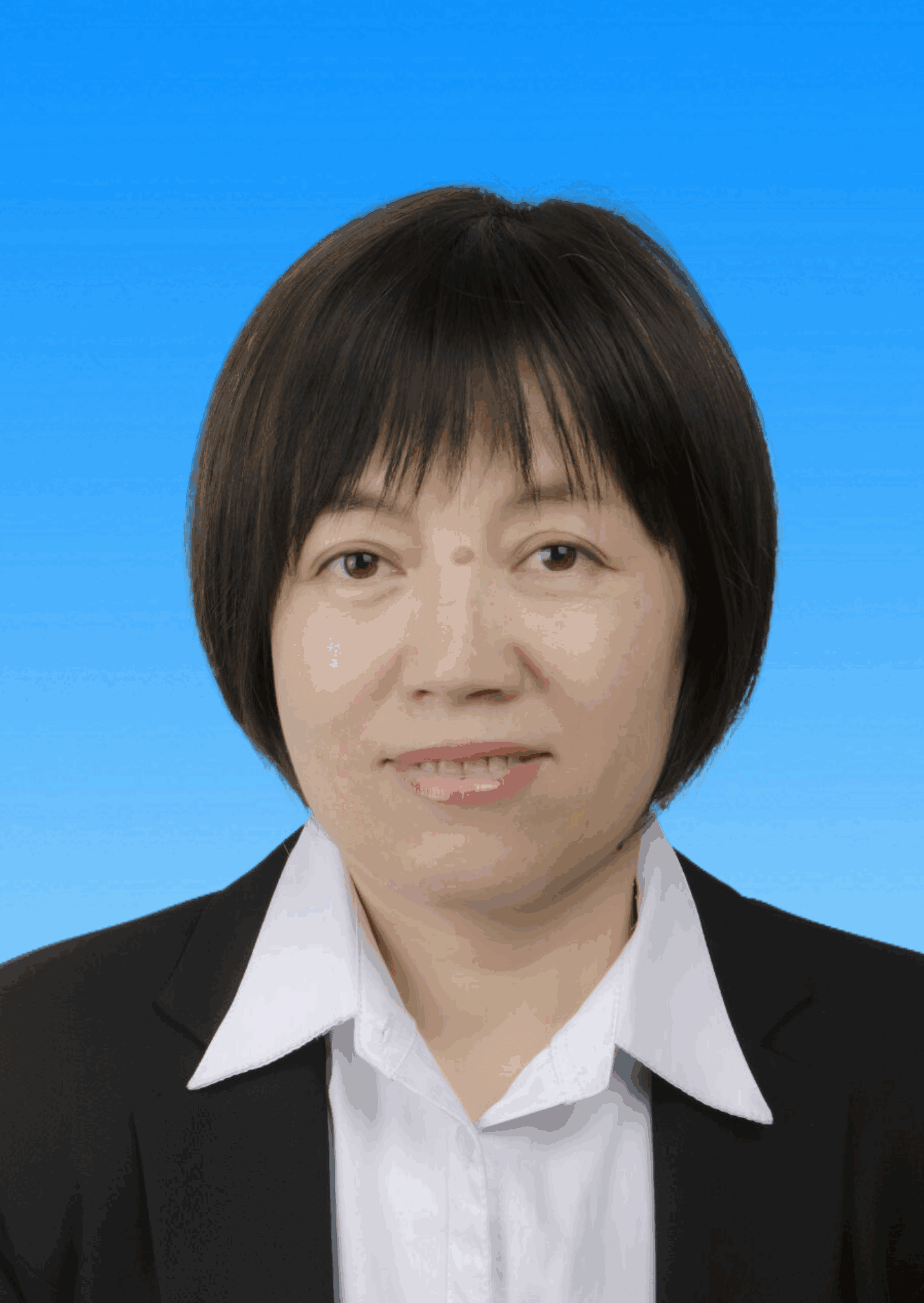 Yan Jin (金燕)合作论文数School of Chemistry & Chemical Engineering, Shaanxi Normal University1
 Susan D. Richardson合作论文数Department of Chemistry and Biochemistry, McCausland College of Arts and Sciences, University of South Carolina1
 Mark L Rivers合作论文数Center for Advanced Radiation Sources, University of Chicago1Jin Hua合作论文数1Jie Han合作论文数1James W. Weaver合作论文数1
 Dimitris E. Nikitopoulos合作论文数Center for BioModular Multi-Scale Systems (CBM2), Louisiana State University1Xiaogang Xie合作论文数1Pradeep Bhattad合作论文数Department of Chemical Engineering, Louisiana State University1
 Riyadh Al-Raoush合作论文数Department of Civil and Environmental Engineering, Southern University and A&M College1
 Paul T. Imhoff合作论文数Center for Multiphase Research, University of North Carolina1W.K Vidrine合作论文数1
 Kalliat Valsaraj合作论文数Cain Department of Chemical Engineering, College of Engineering, Louisiana State University1
 Daniel S. Park合作论文数Center for BioModular Multi-Scale Systems (CBM2), Louisiana State University1douglas carlson合作论文数1Soehardi Hartono合作论文数1
 Gary Byerly合作论文数Department of Geology and Geophysics, College of Science, Louisiana State University1
 Randall J. Charbeneau合作论文数1




