Rotating radio transients (RRATs) represent a significant but poorly understood component of the Galactic neutron star population, characterized by sporadic emission first detectable only through single-pulse searches. We present the RRATALOG, an up-to-date catalogue of 335 RRATs, and utilize a uniform sample of RRATs discovered in four Parkes telescope surveys to model their Galactic population. Accounting in detail for observational selection effects, we find a radial density profile similar to pulsars, but identify a significantly steeper luminosity function (power-law index alpha similar or equal to-1.3) than previously assumed. For sources beaming towards Earth, we estimate 34 000 +/- 1600 potentially observable RRATs above a peak luminosity of 30 mJy kpc(2). At these high luminosities, the RRAT population is comparable in size to that of canonical pulsars. Consistent with the observed distribution, the underlying period distribution is significantly shifted towards longer periods compared to canonical pulsars, suggesting RRATs represent a more evolved population. We find evidence for a turnover in the luminosity function below 30 mJy kpc(2), and predict that the total number of potentially observable RRATs is less than or similar to 70 000 . Applying the Tauris & Manchester beaming model, we estimate the total Galactic RRAT population to be less than or similar to 400 000 . The implied birth rate of less than or similar to 1 . 4 RRATs per century is consistent with the Galactic core-collapse supernova rate, suggesting RRATs can be reconciled with known progenitor rates without requiring a separate evolutionary origin. We provide predictions for RRAT discoveries in ongoing and future surveys.
Our hands serve as a fundamental means of interaction with the world around us. Therefore, understanding hand poses and interaction contexts is critical for human-computer interaction (HCI). We present EchoWrist, a low-power wristband that continuously estimates 3D hand poses and recognizes hand-object interactions using active acoustic sensing. EchoWrist is equipped with two speakers emitting inaudible sound waves toward the hand. These sound waves interact with the hand and its surroundings through reflections and diffractions, carrying rich information about the hand’s shape and the objects it interacts with. The information captured by the two microphones goes through a deep learning inference system that recovers hand poses and identifies various everyday hand activities. Results from the two 12-participant user studies show that EchoWrist is effective and efficient at tracking 3D hand poses and recognizing hand-object interactions. Operating at 57.9 mW, EchoWrist can continuously reconstruct 20 3D hand joints with MJEDE of 4.81 mm and recognize 12 naturalistic hand-object interactions with 97.6% accuracy.
In this paper, we introduce ActSonic, an intelligent, low-power active acoustic sensing system integrated into eyeglasses. ActSonic is designed to recognize 27 different everyday activities (e.g., eating, drinking, toothbrushing). It only needs a pair of miniature speakers and microphones mounted on each hinge of eyeglasses to emit ultrasonic waves to create an acoustic aura around the body. Based on the position and motion of various body parts, the acoustic signals are reflected with unique patterns captured by the microphone and analyzed by a customized self-supervised deep learning framework to infer the performed activities. ActSonic was deployed in a user study with 19 participants across 19 households to evaluate its efficacy. Without requiring any training data from a new user (leave-one-participant-out evaluation), ActSonic was able to detect 27 activities with an inference resolution of 1 second, achieving an average F1-score of 86.6% in an unconstrained setting and 93.4% in a prompted setting.
We introduce MunchSonic, an AI-powered active acoustic sensing system integrated into eyeglasses to track fine-grained dietary actions. MunchSonic emits inaudible ultrasonic waves from the eyeglass frame, with the reflected signals capturing detailed positions and movements of body parts, including the mouth, jaw, arms, and hands involved in eating. These signals are processed by a deep learning pipeline to classify six actions: hand-to-mouth movements for food intake, chewing, drinking, talking, face-hand touching, and other activities (null). In an unconstrained study with 12 participants, MunchSonic achieved a 93.5% macro F1-score in a user-independent evaluation with a 2-second resolution in tracking these actions, also demonstrating its effectiveness in tracking eating episodes and food intake frequency within those episodes.
Smart glasses have become more prevalent as they provide an increasing number of applications for users. They store various types of private information or can access it via connections established with other devices. Therefore, there is a growing need for user identification on smart glasses. In this paper, we introduce a low-power and minimally-obtrusive system called SonicID, designed to authenticate users on glasses. SonicID extracts unique biometric information from users by scanning their faces with ultrasonic waves and utilizes this information to distinguish between different users, powered by a customized binary classifier with the ResNet-18 architecture. SonicID can authenticate users by scanning their face for 0.06 seconds. A user study involving 40 participants confirms that SonicID achieves a true positive rate of 97.4%, a false positive rate of 4.3%, and a balanced accuracy of 96.6% using just 1 minute of training data collected for each new user. This performance is relatively consistent across different remounting sessions and days. Given this promising performance, we further discuss the potential applications of SonicID and methods to improve its performance in the future.
We present Ring-a-Pose, a single untethered ring that tracks continuous 3D hand poses. Located in the center of the hand, the ring emits an inaudible acoustic signal that each hand pose reflects differently. Ring-a-Pose imposes minimal obtrusions on the hand, unlike multi-ring or glove systems. It is not affected by the choice of clothing that may cover wrist-worn systems. In a series of three user studies with a total of 36 participants, we evaluate Ring-a-Pose's performance on pose tracking and micro-finger gesture recognition. Without collecting any training data from a user, Ring-a-Pose tracks continuous hand poses with a joint error of 14.1mm. The joint error decreases to 10.3mm for fine-tuned user-dependent models. Ring-a-Pose recognizes 7-class micro-gestures with a 90.60% and 99.27% accuracy for user-independent and user-dependent models, respectively. Furthermore, the ring exhibits promising performance when worn on any finger. Ring-a-Pose enables the future of smart rings to track and recognize hand poses using relatively low-power acoustic sensing.
Self-recording eating behaviors is a step towards a healthy lifestyle recommended by many health professionals. However, the current practice of manually recording eating activities using paper records or smartphone apps is often unsustainable and inaccurate. Smart glasses have emerged as a promising wearable form factor for tracking eating behaviors, but existing systems primarily identify when eating occurs without capturing details of the eating activities (E.g., what is being eaten). In this paper, we present EchoGuide, an application and system pipeline that leverages low-power active acoustic sensing to guide head-mounted cameras to capture egocentric videos, enabling efficient and detailed analysis of eating activities. By combining active acoustic sensing for eating detection with video captioning models and large-scale language models for retrieval augmentation, EchoGuide intelligently clips and analyzes videos to create concise, relevant activity records on eating. We evaluated EchoGuide with 9 participants in naturalistic settings involving eating activities, demonstrating high-quality summarization and significant reductions in video data needed, paving the way for practical, scalable eating activity tracking.
We present ActSonic, an intelligent, low-power active acoustic sensing system integrated into eyeglasses that can recognize 27 different everyday activities (e.g., eating, drinking, toothbrushing) from inaudible acoustic waves around the body. It requires only a pair of miniature speakers and microphones mounted on each hinge of the eyeglasses to emit ultrasonic waves, creating an acoustic aura around the body. The acoustic signals are reflected based on the position and motion of various body parts, captured by the microphones, and analyzed by a customized self-supervised deep learning framework to infer the performed activities on a remote device such as a mobile phone or cloud server. ActSonic was evaluated in user studies with 19 participants across 19 households to track its efficacy in everyday activity recognition. Without requiring any training data from new users (leave-one-participant-out evaluation), ActSonic detected 27 activities, achieving an average F1-score of 86.6% in fully unconstrained scenarios and 93.4% in prompted settings at participants' homes.
Transient radio sources, such as fast radio bursts, intermittent pulsars, and rotating radio transients, can offer a wealth of information regarding extreme emission physics as well as the intervening interstellar and/or intergalactic medium. Vital steps towards understanding these objects include characterizing their source populations and estimating their event rates across observing frequencies. However, previous efforts have been undertaken mostly by individual survey teams at disparate observing frequencies and telescopes, and with non-uniform algorithms for searching and characterization. The Petabyte Project (TPP) aims to address these issues by uniformly reprocessing data from several petabytes of radio transient surveys covering two decades of observing frequency (300 MHz-20 GHz). The TPP will provide robust event rate analyses, in-depth assessment of survey and pipeline completeness, as well as revealing discoveries from archival and ongoing radio surveys. We present an overview of TPP's processing pipeline, scope, and our potential to make new discoveries.
We present HPSpeech, a silent speech interface for commodity headphones. HPSpeech utilizes the existing speakers of the headphones to emit inaudible acoustic signals. The movements of the temporomandibular joint (TMJ) during speech modify the reflection pattern of these signals, which are captured by a microphone positioned inside the headphones. To evaluate the performance of HPSpeech, we tested it on two headphones with a total of 18 participants. The results demonstrated that HPSpeech successfully recognized 8 popular silent speech commands for controlling the music player with an accuracy over 90%. While our tests use modified commodity hardware (both with and without active noise cancellation), our results show that sensing the movement of the TMJ could be as simple as a firmware update for ANC headsets which already include a microphone inside the hear cup. This leaves us to believe that this technique has great potential for rapid deployment in the near future. We further discuss the challenges that need to be addressed before deploying HPSpeech at scale.
Recently, masked image modeling (MIM) has gained considerable attention due to its ability to learn from vast amounts of unlabeled data and has been demonstrated to be effective on various vision tasks involving natural images. Meanwhile, the potential of self-supervised learning in modeling 3D medical images is anticipated to be immense due to the high quantities of unlabeled images and the expense and difficulty of quality labels. However, MIM’s applicability to medical images remains uncertain. In this paper, we demonstrate that masked image modeling approaches can also advance 3D medical image analysis in addition to natural images. We study how masked image modeling strategies leverage performance from the viewpoints of 3D medical image segmentation as a representative downstream task: i) when compared to naive contrastive learning, masked image modeling approaches accelerate the convergence of supervised training even faster (1.40×) and ultimately produce a higher dice score; ii) predicting raw voxel values with a high masking ratio and a relatively smaller patch size is nontrivial self-supervised pretext-task for medical images modeling; iii) a lightweight decoder or projection head design for reconstruction is robust for masked image modeling on 3D medical images which speeds up training and reduce cost; iv) finally, we also investigate the effectiveness of MIM methods under different practical scenarios where different image resolutions and labeled data ratios are applied. Anonymized codes are available at https://github.com/ZEKAICHEN/MIM-Med3D.
ABSTRACT We conducted a drift-scan observation campaign using the 305-m Arecibo telescope in 2020 January and March when the observatory was temporarily closed during the intense earthquakes and the initial outbreak of the COVID-19 pandemic, respectively. The primary objective of the survey was to search for fast radio transients, including fast radio bursts (FRBs) and rotating radio transients (RRATs). We used the seven-beam ALFA receiver to observe different sections of the sky within the declination region ∼(10°–20°) on 23 nights and collected 160 h of data in total. We searched our data for single-pulse transients, of covering up to a maximum dispersion measure of 11 000 pc cm−3 at which the dispersion delay across the entire bandwidth is equal to the 13-s transit length of our observations. The analysis produced more than 18 million candidates. Machine learning techniques sorted the radio frequency interference and possibly astrophysical candidates, allowing us to visually inspect and confirm the candidate transients. We found no evidence for new astrophysical transients in our data. We also searched for emission from repeated transient signals, but found no evidence for such sources. We detected single pulses from two known pulsars in our observations and their measured flux densities are consistent with the expected values. Based on our observations and sensitivity, we estimated the upper limit for the FRB rate to be <2.8 × 10⁵ sky−1 d−1 above a fluence of 0.16 Jy ms at 1.4 GHz, which is consistent with the rates from other telescopes and surveys.
Adversarial robustness of deep learning models has gained much traction in the last few years. Various attacks and defenses are proposed to improve the adversarial robustness of modern-day deep learning architectures. While all these approaches help improve the robustness, one promising direction for improving adversarial robustness is unexplored, i.e., the complex topology of the neural network architecture. In this work, we address the following question: Can the complex topology of a neural network give adversarial robustness without any form of adversarial training?. We answer this empirically by experimenting with different hand-crafted and NAS-based architectures. Our findings show that, for small-scale attacks, NAS-based architectures are more robust for small-scale datasets and simple tasks than hand-crafted architectures. However, as the size of the dataset or the complexity of task increases, hand-crafted architectures are more robust than NAS-based architectures. Our work is the first large-scale study to understand adversarial robustness purely from an architectural perspective. Our study shows that random sampling in the search space of DARTS (a popular NAS method) with simple ensembling can improve the robustness to PGD attack by nearly~12\%. We show that NAS, which is popular for achieving SoTA accuracy, can provide adversarial accuracy as a free add-on without any form of adversarial training. Our results show that leveraging the search space of NAS methods with methods like ensembles can be an excellent way to achieve adversarial robustness without any form of adversarial training. We also introduce a metric that can be used to calculate the trade-off between clean accuracy and adversarial robustness. Code and pre-trained models will be made available at \url{this https URL}
The origin of fast radio bursts (FRBs) still remains a mystery, even with the increased number of discoveries in the last three years. Growing evidence suggests that some FRBs may originate from magnetars. Large, single-dish telescopes such as Arecibo Observatory (AO) and Green Bank Telescope (GBT) have the sensitivity to detect FRB~121102-like bursts at gigaparsec distances. Here we present searches using AO and GBT that aimed to find potential radio bursts at 11 sites of past $\gamma$--ray bursts that show evidence for the birth of a magnetar. We also performed a search towards GW170817, which has a merger remnant whose nature remains uncertain. We place $10\,\sigma$ fluence upper limits of $\approx 0.036$ Jy ms at 1.4 GHz and $\approx 0.063$ Jy ms at 4.5 GHz for AO data and fluence upper limits of $\approx 0.085$ Jy ms at 1.4 GHz and $\approx 0.098$ Jy ms at 1.9 GHz for GBT data, for a maximum pulse width of $\approx 42$ ms. The AO observations had sufficient sensitivity to detect any FRB of similar luminosity to the one recently detected from the Galactic magnetar SGR 1935+2154. Assuming a Schechter function for the luminosity function of FRBs, we find that our non-detections favor a steep power--law index ($\alpha\lesssim-1.0$) and a large cut--off luminosity ($L_0 \gtrsim 10^{42}$ erg/s).
We have reprocessed a set of observations of 75 bright, unidentified, steep-spectrum polarized radio sources taken with the Green Bank 43-m telescope to find previously undetected sub-millisecond pulsars and radio bursts. The (null) results of the first search of these data were reported by Schmidt et al. Our reprocessing searched for single pulses out to a dispersion measure (DM) of 1000 pc cm^-3 which were classified using the Deep Learning based classifier FETCH. We also searched for periodicities at a wider range of DMs and accelerations. Our search was sensitive to highly accelerated, rapidly rotating pulsars (including sub-millisecond pulsars) in compact binary systems as well as to highly-dispersed impulsive signals, such as fast radio bursts. No pulsars or astrophysical burst signals were found in the reprocessing.
We present the results of commissioning observations for a new digital beam-forming back end for the Focal plane L-band Array for the Robert C. Byrd Green Bank Telescope (FLAG), a cryogenically cooled Phased Array Feed (PAF) with the lowest measured T-sys/eta of any PAF outfitted on a radio telescope to date. We describe the custom software used to apply beam-forming weights to the raw element covariances to create research-quality spectral-line images for the new fine-channel mode, study the stability of the beam weights over time, characterize FLAG's sensitivity over a frequency range of 150 MHz, and compare the measured noise properties and observed distribution of neutral hydrogen emission from several extragalactic and Galactic sources with data obtained with the current single-pixel L-band receiver. These commissioning runs establish FLAG as the preeminent PAF receiver currently available for spectral-line observations on the world's major radio telescopes.
We present an analysis of a densely repeating sample of bursts from the first repeating fast radio burst, FRB 121102. We reanalyzed the data used by Gourdji et al. and detected 93 additional bursts using our singlepulse search pipeline. In total, we detected 133 bursts in three hours of data at a center frequency of 1.4 GHz using the Arecibo telescope, and develop robust modeling strategies to constrain the spectro-temporal properties of all of the bursts in the sample. Most of the burst profiles show a scattering tail, and burst spectra are well modeled by a Gaussian with a median width of 230 MHz. We find a lack of emission below 1300 MHz, consistent with previous studies of FRB 121102. We also find that the peak of the log-normal distribution of wait times decreases from 207 to 75 s using our larger sample of bursts, as compared to that of Gourdji et al. Our observations do not favor either Poissonian or Weibull distributions for the burst rate distribution. We searched for periodicity in the bursts using multiple techniques, but did not detect any significant period. The cumulative burst energy distribution exhibits a broken power-law shape, with the lower- and higher-energy slopes of -0.4 +/- 0.1 and -1.8 +/- 0.2, with the break at (2.3 +/- 0.2) x 10(37) erg. We provide our burst fitting routines as a Python package BURSTFIT4 that can be used to model the spectrogram of any complex fast radio burst or pulsar pulse using robust fitting techniques. All of the other analysis scripts and results are publicly available.(5)
Differential equations emerge in various scientific and engineering domains for modeling physical phenomena. Most differential equations of practical interest are analytically intractable. Traditionally, differential equations are solved by numerical methods. Sophisticated algorithms exist to integrate differential equations in time and space. Time integration techniques continue to be an active area of research and include backward difference formulas and Runge-Kutta methods (Conde, Gottlieb, Grant, & Shadid, 2017). Common spatial discretization approaches include the finite difference method (FDM), finite volume method (FVM), and finite element method (FEM) as well as spectral methods such as the Fourier-spectral method. These classical methods have been studied in detail and much is known about their convergence properties. Moreover, highly optimized codes exist for solving differential equations of practical interest with these techniques (Seefeldt et al., 2017; Smith & Abeysinghe, 2017). While these methods are efficient and well-studied, their expressibility is limited by their function representation.
Most existing methods for Neural Architecture Search (NAS) focus on achieving state-of-the-art (SOTA) performance on standard datasets and do not explicitly search for adversarially robust models. In this work, we study the adversarial robustness of existing NAS architectures, comparing it with state-of-the-art handcrafted architectures, and provide reasons for why it is essential. We draw some key conclusions on the capacity of current NAS methods to tackle adversarial attacks through experiments on datasets of different sizes.
We present the data analysis pipeline, commissioning observations and initial results from the GREENBURST fast radio burst (FRB) detection system on the Robert C. Byrd Green Bank Telescope (GBT) previously described by Surnis et al. which uses the 21~cm receiver observing commensally with other projects. The pipeline makes use of a state-of-the-art deep learning classifier to winnow down the very large number of false positive single-pulse candidates that mostly result from radio frequency interference. In our observations totalling 156.5 days so far, we have detected individual pulses from 20 known radio pulsars which provide an excellent verification of the system performance. We also demonstrate, through blind injection analyses, that our pipeline is complete down to a signal-to-noise threshold of 12. Depending on the observing mode, this translates to peak flux sensitivities in the range 0.14--0.89~Jy. Although no FRBs have been detected to date, we have used our results to update the analysis of Lawrence et al. to constrain the FRB all-sky rate to be $1140^{+200}_{-180}$ per day above a peak flux density of 1~Jy. We also constrain the source count index $\alpha=0.83\pm0.06$ which indicates that the source count distribution is substantially flatter than expected from a Euclidean distribution of standard candles (where $\alpha=1.5$). We discuss this result in the context of the FRB redshift and luminosity distributions. Finally, we make predictions for detection rates with GREENBURST, as well as other ongoing and planned FRB experiments.
 Duncan Lorimer合作论文数Department of Physics and Astronomy, Eberly College of Arts and Sciences, West Virginia University17
 Maura McLaughlin合作论文数Department of Physics and Astronomy, Eberly College of Arts and Sciences, West Virginia University12
 Kshitij Aggarwal合作论文数11
 Cheng Zhang合作论文数School of Computing and Information Science, Cornell University8
 Ke Li (李可)合作论文数College of Computing and Information Science, Cornell University;Google7
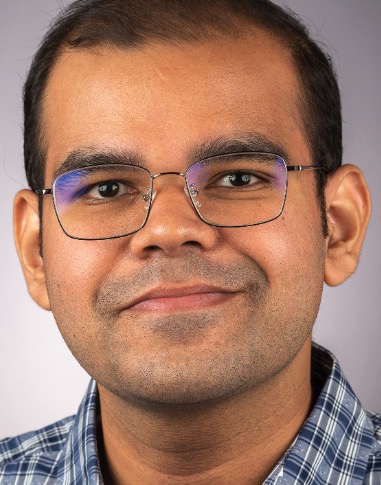 Saif Mahmud合作论文数Cornell University6Ruidong Zhang (张瑞东)合作论文数6Kaustubh Rajwade合作论文数ASTRON, the Netherlands Institute for Radio Astronomy6
 Sarah Burke-Spolaor合作论文数Center for Gravitational Waves and Cosmology, Department of Physics and Astronomy, Eberly College of Arts and Sciences, West Virginia University6
 Golnoosh Golpayegani合作论文数Dept Astron, Univ Calif Berkeley5
 Francois Guimbretiere合作论文数Information Science Department
301 College Avenue
Cornell University5Vipin Gunda合作论文数4
Francois Guimbretiere合作论文数Information Science Department
301 College Avenue
Cornell University5Vipin Gunda合作论文数4 Scott Ransom合作论文数National Radio Astronomy Observatory;Department of Astronomy, University of Virginia4
 Aris Karastergiou合作论文数Department of Physics, University of Oxford;St Edmund Hall, University of Oxford4Qikang Liang合作论文数3
 Mayuresh Surnis合作论文数Dept Phys & Astron, Univ Manchester3Olivia Young合作论文数Dept Phys & Astron, West Virginia Univ3
 Dan Werthimer合作论文数Department of Astronomy, University of California, Berkeley3
 Andrew Siemion合作论文数Berkeley SETI Research Center;Department of Astronomy, University of California, Berkeley3B. Jeffs合作论文数2Ashwin Ajit合作论文数2
 Chi-Jung Lee (李其蓉)合作论文数SciFi Lab, Cornell University;Department of Information Science, Cornell University2M. Ruzindana合作论文数2
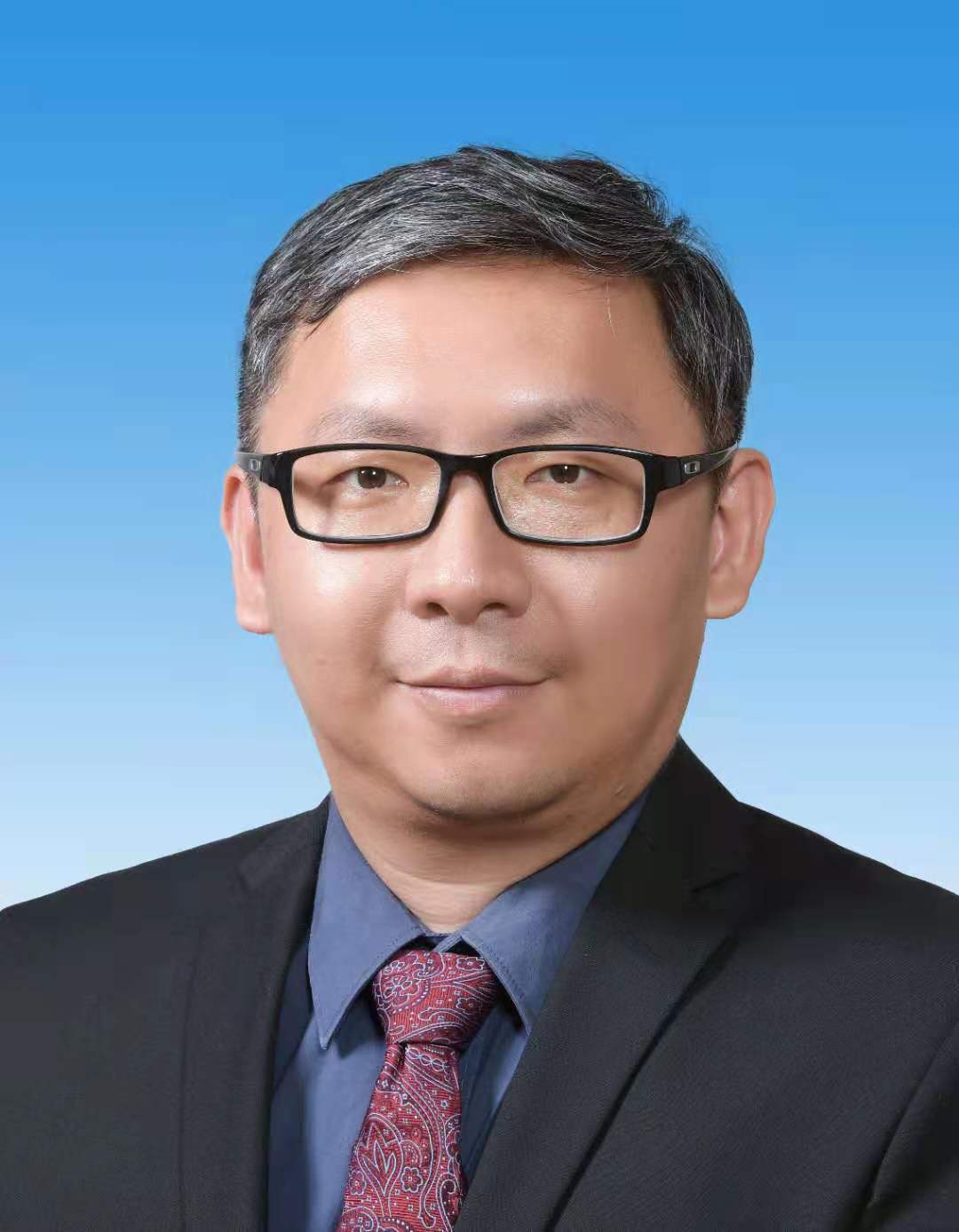 Weiwei Zhu (朱炜玮)合作论文数University of Chinese Academy of Sciences;National Astronomical Observatories, Chinese Academy of Sciences2
 Catherine Tianhong Yu (于天泓)合作论文数Cornell University2N. Garver-Daniels合作论文数2Joseph Kania合作论文数Dept Phys & Astron, West Virginia Univ2J Cobb合作论文数2
 N. M. Pingel合作论文数Res Sch Astron & Astrophys, Australian Natl Univ2
 Reshma Anna Thomas合作论文数Center for Gravitational Waves and Cosmology, West Virginia University2E. F. Lewis合作论文数2
 n palliyaguru合作论文数Dept Phys & Astron, Texas Tech Univ2Chaitanya Devaguptapu合作论文数Indian Inst Technol, Hyderabad, India2Pei Xin合作论文数2
 S. Bhandari合作论文数ASTRON, Netherlands Institute for Radio Astronomy;Joint institute for VLBI ERIC;Anton Pannekoek Institute for Astronomy, University of Amsterdam;Space and Astronomy, CSIRO;Anton Pannekoek Institute for Astronomy, University of Amsterdam2David Macmahon合作论文数Department of Astronomy, University of California, Berkeley2
 Ben Stappers合作论文数Department of Physics & Astronomy, School of Natural Sciences, Faculty of Science and Engineering, The University of Manchester2
 François Guimbretière合作论文数Information Science, The Ann S. Bowers College of Computing and Information Science, Cornell University2
 James M. Cordes合作论文数Department of Astronomy, College of Arts and Sciences, Cornell University;Department of Physics, College of Arts and Sciences, Cornell University2
 Gaurav Mittal合作论文数Microsoft2
 Shami Chatterjee合作论文数Sydney Institute for Astronomy;School of Physics;University of Sydney;School of Physics, University of Sydney2
 D. Anish Roshi合作论文数Raman Research Institute2D. J. Pisano合作论文数2
 Karl Warnick合作论文数Department of Electrical and Computer Engineering, Ira A. Fulton College of Engineering, Brigham Young University2
 Wesley Armour合作论文数Oxford e-Research Centre, University of Oxford2
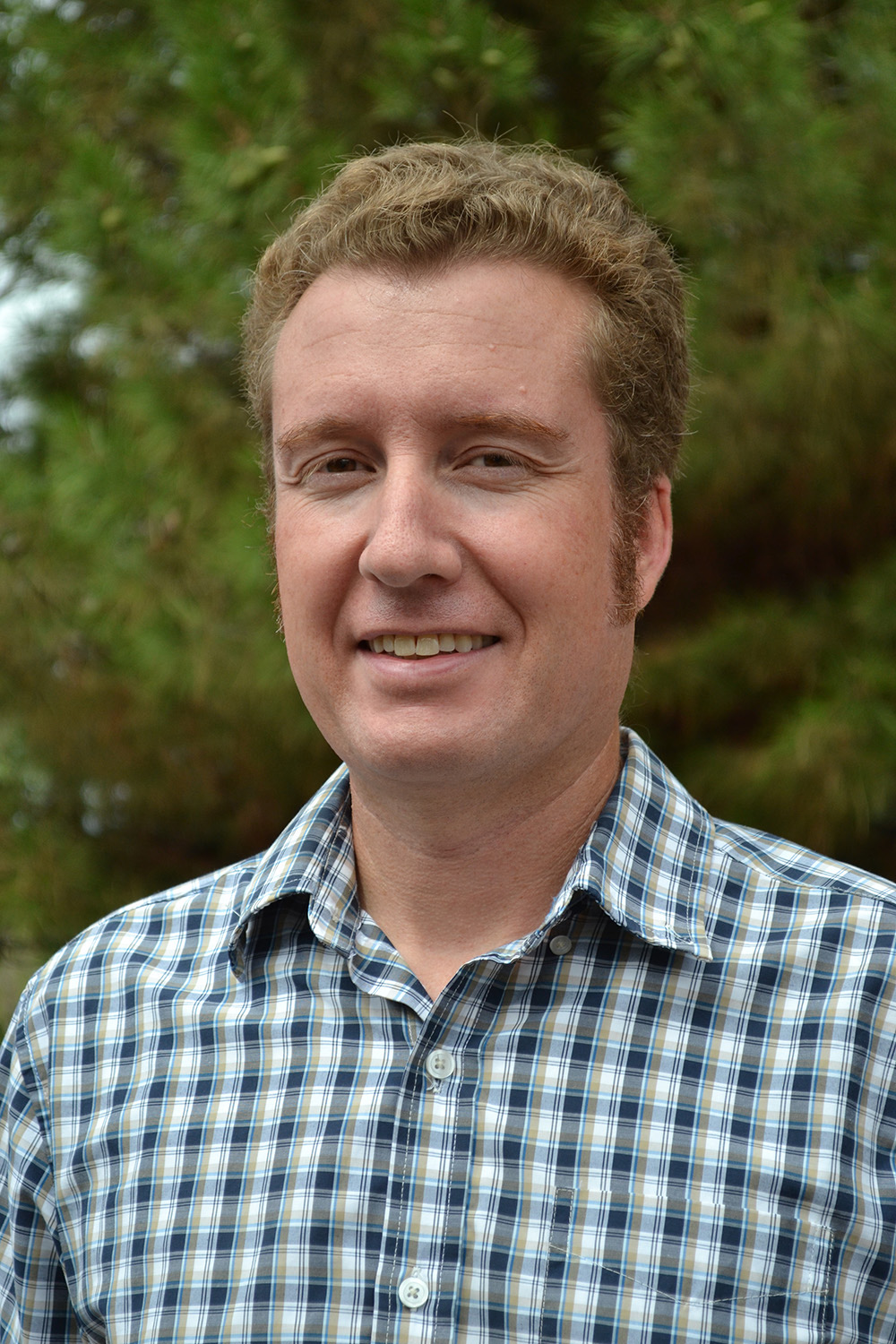 Paul Demorest合作论文数National Radio Astronomy Observatory2
 Keith Bannister合作论文数CSIRO2
 Richard M. Prestage合作论文数Natl Radio Astron Observ2Ryan Lynch合作论文数Green Bank Observatory2




