Molecular studies of desiccation-tolerant resurrection plants identified major components for surviving severe water depletion of vegetative tissues. The research also highlights potential applications for crop protection during drought. The ability of vegetative plant tissues to withstand desiccation is a property of a small group of resurrection plants specific to specialized ecological niches. In the 1980s, studies on these plants were limited to the physiological and morphological levels. However, in 1990, a study by Bartels et al. using the South African resurrection plant Craterostigma plantagineum was the first to address desiccation tolerance at the molecular level. A differential screening approach with C. plantagineum leaves and callus pretreated with ABA led to the identification of transcripts that were upregulated by desiccation. Many of the identified genes encoded late embryogenesis-abundant (LEA) proteins, which are abundant proteins that accumulate during normal seed development. Therefore, the study confirmed that the acquisition of desiccation tolerance in vegetative tissues of resurrection plants partially involves the seed maturation programme involving ABA. Subsequent research with C. plantagineum contributed to elucidating the gene regulatory networks and metabolic changes that contribute to desiccation tolerance and provided the basis for studies with other resurrection species. More recently, the genomes of C. plantagineum and several other resurrection plants have been sequenced, which has allowed comparative genomics approaches to identify conserved mechanisms and signatures associated with vegetative desiccation tolerance. A primary goal remains to transfer existing knowledge from resurrection plants to genetically engineer drought tolerance in crop plants, which will improve survival during periods of drought and will maintain future food security despite increasing impacts of climate change.
Drought is one of the major abiotic stresses affecting plant growth, with serious negative consequences for crop yields worldwide. Among these crops, coffee is severely injured by water deficiency. Despite its economic importance, very little is known about the molecular mechanisms governing coffee responses to water deficit. In the present work, a total of 288 members of the homeobox (HB) gene family were identified in the genome of the Coffea arabica Brazilian Coffee Genome Project database. In silico analysis allowed to determine the expression pattern of 33 HD genes. Among them, three genes (CaZHD4, CaHB1-like2 and CaHB12) were found to be up-regulated by osmotic stress in the database. Expression analyses revealed that CaHB12 is highly up-regulated in the leaves and lateral roots of Coffea arabica plants under moderate and severe water deficit conditions even after 10 days of drought induction. Functional characterization of transgenic Arabidopsis plants constitutively expressing CaHB12 resulted in increased tolerance to water deficit at different developmental stages and increased tolerance to salt stress during seed germination. To gain further insights into genes modulated by the ectopic expression of CaHB12, a RNA-Seq was performed revealing that classical drought-responsive genes were mostly repressed, suggesting that other mechanisms likely contribute to the tolerant phenotype exhibited by CaHB12-expressing plants, such as the pathway signalled by heat shock proteins, reactive oxygen species and heat shock transcription factor signalling pathways. Moreover, to provide further support for the involvement of CaHB12 in drought stress tolerance, three independent soybean transgenic lines overexpressing CaHB12 were employed in this study. Accordingly, at a physiological level, the constitutive expression of CaHB12 promotes the regulation of stomatal conductance and antioxidant activity under drought conditions, suggesting that this gene plays a key role in plant responses to water deprivation and can confer tolerance to drought stress. Our data suggest that CaHB12 is a positive regulator of the stress response in coffee plants and indicate that this gene is a potential candidate for biotechnological approaches.
Vegetative desiccation tolerance has evolved within the genera Craterostigma and Lindernia. A centre of endemism and diversification for these plants appears to occur in ancient tropical montane rainforests of east Africa in Kenya and Tanzania. Lindernia subracemosa, a desiccation-sensitive relative of Craterostigma plantagineum, occurs in these rainforests and experiences adequate rainfall and thus does not require desiccation tolerance. However, sharing this inselberg habitat, another species, Lindernia brevidens, does retain vegetative desiccation tolerance and is also related to the resurrection plant C. plantagineum found in South Africa. Leaf material was collected from all three species at different stages of hydration: fully hydrated (ca. 90% relative water content), half-dry (ca. 45% relative water content) and fully desiccated (ca. 5% relative water content). Cell wall monosaccharide datasets were collected from all three species. Comprehensive microarray polymer profiling (CoMPP) was performed using ca. 27 plant cell-wall-specific antibodies and carbohydrate-binding module probes. Some differences in pectin, xyloglucan and extension epitopes were observed between the selected species. Overall, cell wall compositions were similar, suggesting that wall modifications in response to vegetative desiccation involve subtle cell wall remodelling that is not reflected by the compositional analysis and that the plants and their walls are constitutively protected against desiccation.
The plant homeodomain (PHD) finger with a conserved Cys4-His-Cys3 motif is a common zinc-binding domain, which is widely present in all eukaryotic genomes. The PHD finger is the “reader” domain of methylation marks in histone H3 and plays a role in the regulation of gene expression patterns. Numerous proteins containing the PHD finger have been found in plants. In this review, we summarize the functional studies on PHD finger proteins in plant growth and development and responses to abiotic stresses in recent years. Some PHD finger proteins, such as VIN3, VILs, and Ehd3, are involved in the regulation of flowering time, while some PHD finger proteins participate in the pollen development, for example, MS, TIP3, and MMD1. Furthermore, other PHD finger proteins regulate the plant tolerance to abiotic stresses, including Alfin1, ALs, and AtSIZ1. Research suggests that PHD finger proteins, as an essential transcription regulator family, play critical roles in various plant biological processes, which is helpful in understanding the molecular mechanisms of novel PHD finger proteins to perform specific function.
Greenhouse gas (GHG) emissions have created a global climate crisis which requires immediate interventions to mitigate the negative effects on all aspects of life on this planet. As current agriculture and land use contributes up to 25% of total GHG emissions, plant scientists take center stage in finding possible solutions for a transition to sustainable agriculture and land use. In this article, the PlantACT! (Plants for climate ACTion!) initiative of plant scientists lays out a road map of how and in which areas plant scientists can contribute to finding immediate, mid-term, and long-term solutions, and what changes are necessary to implement these solutions at the personal, institutional, and funding levels.
Resurrection plants can survive prolonged life without water (anhydrobiosis) in regions with seasonal drying. This desiccation tolerance requires the coordination of numerous cellular processes across space and time, and individual plant tissues face unique constraints related to their function. Here, we analyzed the complex, octoploid genome of the model resurrection plant Craterostigma (C. plantagineum), and surveyed spatial and temporal expression dynamics to identify genetic elements underlying desiccation tolerance. Homeologous genes within the Craterostigma genome have divergent expression profiles, suggesting the subgenomes contribute differently to desiccation tolerance traits. The Craterostigma genome contains almost 200 tandemly duplicated early light-induced proteins, a hallmark trait of desiccation tolerance, with massive upregulation under water deficit. We identified a core network of desiccation-responsive genes across all tissues, but observed almost entirely unique expression dynamics in each tissue during recovery. Roots and leaves have differential responses related to light and photoprotection, autophagy and nutrient transport, reflecting their divergent functions. Our findings highlight a universal set of likely ancestral desiccation tolerance mechanisms to protect cellular macromolecules under anhydrobiosis, with secondary adaptations related to tissue function.
ALDH7B4 promoter analysis in A. thaliana and E. salsugineum reveals that both genetic background and promoter architecture contribute to gene expression in response to stress in different species. Many genes are differentially regulated in a comparison of salinity-sensitive and salinity-tolerant plant species. The aldehyde dehydrogenase 7B4 (ALDH7B4) gene is turgor-responsive in A. thaliana and encodes a highly conserved detoxification enzyme in plants. This study compared the ALDH7B4 gene in A. thaliana (salinity-sensitive) and in the salinity-tolerant close relative Eutrema salsugineum. EsALDH7B4 in E. salsugineum is the ortholog of AtALDH7B4 and the expression is also salinity, drought, and wound responsive. However, E. salsugineum requires higher salinity stress to induce the EsALDH7B4 transcriptional response. The GUS expression driven either by the promoter AtALDH7B4 or EsALDH7B4 was induced under 300 mM NaCl treatment in A. thaliana while 600 mM NaCl treatment was required in E. salsugineum, suggesting that the genetic background plays a crucial role in regulation of gene expression. Promoter sequences of ALDH7B4 are less conserved than the protein coding region. A series of EsALDH7B4 promoter deletion fragments were fused to the GUS reporter gene and promoter activity was determined in A. thaliana. The promoter region that contains two conserved ACGT-containing motifs was identified to be essential for stress induction. Furthermore, a 38 bp “TC” rich motif in the EsALDH7B4 promoter, absent from the AtALDH7B4 promoter, negatively affects EsALDH7B4 expression. A MYB-like transcription factor was identified to bind the “TC” motif and to repress the EsALDH7B4 promoter activity. This study reveals that genetic background and cis-acting elements coordinately regulate gene expression.
In plants, many basic helix-loop-helix (bHLH) transcription factors are involved in controlling cell elongation. Three bHLH proteins, PACLOBTRAZOL RESISTANCE1 (PRE1), Cryptochrome Interacting Basic Helix-loop-helix 5 (CIB5), and Arabidopsis ILI1 binding bHLH1 (IBH1) form a triantagonistic system that antagonistically regulates cell elongation in a competitive manner. In this study, we identified a new player, HLH4, related to IBH1, that negatively regulates cell elongation in Arabidopsis thaliana. Overexpression of HLH4 causes dwarf and dark green phenotypes and results in the downregulation of many key regulatory and enzymatic genes that participate in the anthocyanin biosynthetic pathway. HLH4 interacts with CIB5 and PRE1. By interacting with CIB5, HLH4 interferes with the activity of CIB5, and thus inhibiting the transcription of cell elongation-related genes regulated by CIB5, including EXPANSINS8 and 11 (EXP8 and EXP11) and indole-3-acetic acid 7 and 17 (IAA7 and IAA17). The interference of HLH4 on CIB5 is counteracted by PRE1, in which these bHLH proteins form a new tri-antagonistic system.
Main conclusion Environmental-friendly techniques based on plant stress memory, cross-stress tolerance, and seed priming help sustainable agriculture by mitigating negative effects of dehydration stress. Abstract The frequently uneven rainfall distribution caused by global warming will lead to more irregular and multiple abiotic stresses, such as heat stress, dehydration stress, cold stress or the combination of these stresses. Dehydration stress is one of the major environmental factors affecting the survival rate and productivity of plants. Hence, there is an urgent need to develop improved resilient varieties. Presently, technologies based on plant stress memory, cross-stress tolerance and priming of seeds represent fruitful and promising areas of future research and applied agricultural science. In this review, we will provide an overview of plant drought stress memory from physiological, biochemical, molecular and epigenetic perspectives. Drought priming-induced cross-stress tolerance to cold and heat stress will be discussed and the application of seed priming will be illustrated for different species.
Plants and other organisms have evolved structures and mechanisms for colonizing land since the Early Ordovician. In this context, their surfaces, the crucial physical interface with the environment, are mainly considered barriers against water loss. It is suggested that extreme water repellency (superhydrophobicity) was an additional key innovation for the transition of algae from water to land some 400 mya. Superhydrophobicity enhances gas exchange on land and excludes aquatic competitors in water films. In a different context, in material science and surface technology, superhydrophobicity has also become one of the most important bioinspired innovations enabling the avoidance of water films and contamination. Here, we present data for an extremely water-repellent cyanobacterial biofilm of the desiccation tolerant Hassallia byssoidea providing evidence for a much earlier prokaryotic Precambrian (ca. 1-2 bya) origin of superhydrophobicity and chemical heterogeneities associated with land transition. The multicellular cyanobacterium is functionally differentiated in a submerged basal hydrophilic absorbing portion like a "rhizoid" and an upright emersed superhydrophobic "phyllocauloid" filament for assimilation, nitrogen fixation, and splash dispersed diaspores. Additional data are provided for superhydrophobic surfaces in terrestrial green algae and in virtually all ancestral land plants (Bryophytes, ferns and allies, Amborella, Nelumbo), slime molds, and fungi. Rethinking of superhydrophobicity as an essential first step for life in terrestrial environments is suggested.
Resurrection plants can survive prolonged anhydrobiosis, and desiccation tolerance has evolved recurrently across land plants as a common adaptation for survival in regions with seasonal drying. Craterostigma plantagineum was among the first model resurrection plants, and many of the genetic mechanisms underlying desiccation tolerance were discovered in this important system. Here, we analyzed the complex, octoploid Craterostigma ( C. plantagineum ) genome and surveyed spatial and temporal expression dynamics to identify genetic elements underlying desiccation tolerance. Homeologous genes within the Craterostigma genome have divergent expression profiles, suggesting the subgenomes contribute differently to desiccation tolerance traits. The Craterostigma genome contains almost 200 tandemly duplicated early light induced proteins (ELIPs), a hallmark trait of desiccation tolerance, with massive upregulation under water deficit. We identified a core network of desiccation responsive genes across all tissues but observed almost entirely unique expression dynamics in each tissue during recovery. Roots and leaves have differential responses related to light and photoprotection, autophagy, and nutrient transport, reflecting their divergent functions. Our findings highlight a universal set of likely ancestral desiccation tolerance mechanisms to protect cellular macromolecules under anhydrobiosis, with secondary adaptations related to tissue function.
Root and tuber crops are of great importance. They not only contribute to feeding the population but also provide raw material for medicine and small-scale industries. The yield of the root and tuber crops is subject to the development of stem/root tubers, which involves the initiation, expansion, and maturation of storage organs. The formation of the storage organ is a highly intricate process, regulated by multiple phytohormones. Gibberellins (GAs) and abscisic acid (ABA), as antagonists, are essential regulators during stem/root tuber development. This review summarizes the current knowledge of the roles of GA and ABA during stem/root tuber development in various tuber crops.
Reactive oxygen species (ROS) signalling is crucial in modulating stress responses in plants, and NADPH oxidases (NOXs) are an important component of signal transduction under salt stress. The goal of this research was to investigate whether the regulation of NOX-dependent signalling during mild and severe salinity differs between the halophyte Eutrema salsugineum and the glycophyte Arabidopsis thaliana. Gene expression analyses showed that salt-induced expression patterns of two NOX genes, RBOHD and RBOHF, varied between the halophyte and the glycophyte. Five days of salinity stimulated the expression of both genes in E. salsugineum leaves, while their expression in A. thaliana decreased. This was not accompanied by changes in the total NOX activity in E. salsugineum, while the activity in A. thaliana was reduced. The expression of the RBOHD and RBOHF genes in E. salsugineum leaves was induced by abscisic acid (ABA) and ethephon spraying. The in silico analyses of promoter sequences of RBOHD and RBOHF revealed multiple cis-acting elements related to hormone responses, and their distribution varied between E. salsugineum and A. thaliana. Our results indicate that, in the halophyte E. salsugineum, the maintenance of the basal activity of NOXs in leaves plays a role during acclimation responses to salt stress. The different expression patterns of the RBOHD and RBOHF genes under salinity in E. salsugineum and A. thaliana point to a modified regulation of these genes in the halophyte, possibly through ABA- and/or ethylene-dependent pathways.
Summary The resurrection plant Craterostigma plantagineum possesses an extraordinary capacity to survive long‐term desiccation. To enhance our understanding of this phenomenon, complementary transcriptome, soluble proteome and targeted metabolite profiling was carried out on leaves collected from different stages during a dehydration and rehydration cycle. A total of 7348 contigs, 611 proteins and 39 metabolites were differentially abundant across the different sampling points. Dynamic changes in transcript, protein and metabolite levels revealed a unique signature characterizing each stage. An overall low correlation between transcript and protein abundance suggests a prominent role for post‐transcriptional modification in metabolic reprogramming to prepare plants for desiccation and recovery. The integrative analysis of all three data sets was performed with an emphasis on photosynthesis, photorespiration, energy metabolism and amino acid metabolism. The results revealed a set of precise changes that modulate primary metabolism to confer plasticity to metabolic pathways, thus optimizing plant performance under stress. The maintenance of cyclic electron flow and photorespiration, and the switch from C3 to crassulacean acid metabolism photosynthesis, may contribute to partially sustain photosynthesis and minimize oxidative damage during dehydration. Transcripts with a delayed translation, ATP‐independent bypasses, alternative respiratory pathway and 4‐aminobutyric acid shunt may all play a role in energy management, together conferring bioenergetic advantages to meet energy demands upon rehydration. This study provides a high‐resolution map of the changes occurring in primary metabolism during dehydration and rehydration and enriches our understanding of the molecular mechanisms underpinning plant desiccation tolerance. The data sets provided here will ultimately inspire biotechnological strategies for drought tolerance improvement in crops.
The study of lipid-protein interactions is crucial for understanding reactions of proteins involved in lipid metabolism, lipid transport, and lipid signaling. Different detection methods can be employed for the identification of lipid-binding interactions. Isothermal titration calorimetry (ITC) and surface plasmon resonance (SPR) spectroscopy enable real-time monitoring of lipid protein interactions and provide thermodynamic parameters of the interacting partners. However, these technologies depend on the availability of the large equipment, limiting the practicability in many laboratories. Protein-lipid overlay assays are a simple first approach to screen for protein interactions with different lipids or lipid intermediates and are independent of large equipment. Subsequently, specific interactions can be analyzed in detail using protein-liposome association assays.
Plant species that exhibit vegetative desiccation tolerance can survive extreme desiccation for months and resume normal physiological activities upon re-watering. Here we survey the recent knowledge gathered from the sequenced genomes of angiosperm and non-angiosperm desiccation-tolerant plants (resurrection plants) and highlight some distinct genes and gene families that are central to the desiccation response. Furthermore, we review the vast amount of data accumulated from analyses of transcriptomes and metabolomes of resurrection species exposed to desiccation and subsequent rehydration, which allows us to build a systems biology view on the molecular and genetic mechanisms of desiccation tolerance in plants.
Phosphatidylcholine is a major phospholipid which is shown to be involved in stress adaptation. Phosphatidylcholine increased during dehydration in Craterostigma plantagineum, and therefore we characterized CTP:phosphocholine cytidylyltransferase (CpCCT1), a key regulatory enzyme for phosphatidylcholine synthesis in plants. The CpCCT1 gene from the resurrection plant C. plantagineum was cloned and the amino acid sequence was compared with homologs from other species including yeast and rat. CCT proteins have conserved catalytic and membrane-binding domains while the N-terminal and C-terminal domains have diverged. The tissue specific expression analysis indicated that CpCCT1 is expressed in all tested tissues and it is induced by dehydration and in response to 0.5 M NaCl solutions. In plants exposed to low temperature in the dark, the CpCCT1 transcript increased after 4 h at 4 °C. CpCCT1 expression also increased during mannitol and sorbitol treatments in a concentration dependent manner. Phytohormones such as abscisic acid and indole-3-acetic acid also trigged transcript accumulation. Comparisons of transcript and protein accumulations for different treatments (except for dehydration) suggest transcriptional and translational control mechanisms. Analysis of promoter activity and polysome occupancy suggest that CpCCT1 gene expression is mainly under translational regulation during dehydration.
Aldehyde dehydrogenases (ALDHs) constitute an evolutionary conserved superfamily of oxidoreductases, which convert a large array of aldehydes to carboxylic acids. Plant ALDHs caught attention in the last two decades after the discovery of their central role in the adaptive responses to abiotic stress. Recent advances in next-generation sequencing and genome assembly enabled us to identify many ALDH genes of plants from diverse lineages. This provided valuable clues to trace their evolutionary trajectory. The ALDH superfamily has ancient origins that go back to the chromista kingdom. Major evolutionary events like the conquest of land by plants, and later their vascularization, along with the acquisition of developmental complexity coincide with important changes in the abundance, expansion, and diversification of ALDH genes and proteins. Plant ALDH sequences divergence led to the emergence of functions, absent in their algal ancestors. The most evolved, higher plant ALDHs have functional promiscuity which positioned them as important 'hubs' at the crossroads of the primary/basal and the stress-related metabolism. Stress-responsive ALDHs mitigate the harmful effect of cytotoxic aldehydes resulting from lipid peroxidation occurring during oxidative stress and contribute to the synthesis of osmolytes, like glycine betaine. Other isoforms play significant roles in glycolysis, TCA cycle, and amino acid catabolism. Therefore, plant ALDHs are attractive targets for molecular breeding of stress tolerant plants. The overall three-dimensional structures and the catalytic mechanism of ALDHs are conserved in prokaryotes, mammalians, and plants. However, some amino acids at specific locations, underwent progressive changes in the course of the evolution of plantae, yielding shifts in the enzymatic properties, including substrate and cofactor specificities. We explore data related to the evolutionary history of ALDHs, gather information about their biochemical functions, and discuss their physiological relevance.
For more than a decade molecular biology has offered the tools to isolate plant genes and to analyze their structures. In general, knowledge of the gene product is a prerequisite for gene isolation. In the first part of this chapter the methodologies available for plant gene isolation are discussed and the examples described. The strategy for gene isolation depends on the abundancy of the gene product as well as on the knowledge of the expression pattern or primary structure of the gene and encoded protein. The second part will deal with molecular techniques which can be applied to isolate genes of which the gene products are unknown. For many genes isolated by the methods described so far it is often difficult to prove that the clone contains the desired gene. A major interest of plant biology is on development, cell differentiation, and cell response to environmental factors at the molecular level.
 Francesco Salamini合作论文数Università di Colonia;Università di Potenza29
 Valentino Giarola合作论文数Institute of Molecular Physiology and Biotechnology of Plants (IMBIO),, University of Bonn17
 Antonella Furini合作论文数15
 Missihoun Tagnon D合作论文数Institute of Molecular Physiology and Biotechnology of Plants (IMBIO),, University of Bonn12
 Dinakar Challabathula合作论文数Institute of Molecular Physiology and Biotechnology of Plants, University of Bonn11
 Jonathan J Phillips合作论文数School of Biological and Chemical Sciences, University of London9
 Wolfgang Frank合作论文数Faculty of Biology;University of Freiburg;Faculty of Biology, University of Freiburg9
 Qingwei Zhang (张庆伟)合作论文数School of Life Sciences, Southwest University8christine bockel合作论文数7
 Josefa M. Alamillo合作论文数Departamento de Biotecnología E. T. S. Ingenieros Agrónomos-UPM7
 Hans-Hubert Kirch合作论文数6
 Naim Stiti合作论文数Institut de Biologie Moléculaire des Plantes du Centre National de la Recherche Scientifique (UPR 2357), Université de Strasbourg6Kotchoni Simeon O合作论文数5
 Peter Dörmann合作论文数Institut fur Molekulare Physiologie und Biotechnologie der Planzen, Universitat Bonn5Song Xiaomin合作论文数5
 VanBuren Robert合作论文数Dept Hort, Michigan State Univ5
 Riccardo Velasco合作论文数CREA Viticulture and Enology Research Center5
 Teun Munnik合作论文数Swammerdam Institute for Life Sciences, Faculty of Science, University of Amsterdam5Cornelius S. Barry合作论文数Department of Horticultural Sciences;Texas A&M University;Department of Horticultural Sciences, Texas A&M University5F SALAMINI合作论文数4A Furini合作论文数4
 Dirk Becker合作论文数4
 Maria Jesus Rodrigo合作论文数4Katharina Schneider合作论文数4Niklas Udo Jung合作论文数4Hilbricht Tobias合作论文数4
 Malcolm Bennett合作论文数School of Biosciences, Faculty of Science, University of Nottingham4Wai Ching Man合作论文数Department of Plant Biology, University of Illinois at Urbana-Champaign4
 Thomas J. Bach合作论文数Institut de Biologie Moleculaire des Plantes4
 Xun Liu (刘勋)合作论文数College of Agronomy and Biotechnology, Southwest University4
 Steffen Abel合作论文数Department of Plant Sciences, University of California, Davis;Institute of Biochemistry and Biotechnology, Martin Luther University Halle-Wittenberg;Department of Molecular Signal Processing, Leibniz Institute of Plant Biochemistry4Detlef Michel合作论文数4
 Eberhard Fischer合作论文数Department of Biology, University of Koblenz-Landau4Andrea Ditzer合作论文数4
 Csaba Koncz合作论文数Biological Research Center, Hungarian Academy of Sciences;Max Planck Institute for Plant Breeding Research4Horst Röhrig合作论文数4Gabriel Iturriaga合作论文数4HH Kirch合作论文数3ralph elster合作论文数3renza roncarati合作论文数3Jose Luis Araus合作论文数3Guido Ufer合作论文数3Peilei Chen合作论文数3Wenli Quan合作论文数3Susanne Berger合作论文数3
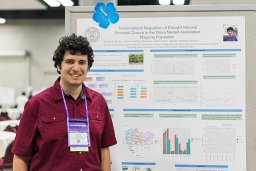 Jeremy Pardo合作论文数Michigan State Univ, Dept Plant Biol, E Lansing, MI 48824 USA3
 Xin Deng (邓馨)合作论文数Key Laboratory of Plant Resources, Institute of Botany, The Chinese Academy of Sciences/University of Chinese Academy of Sciences3
 Sarah M. Assmann合作论文数Department of Biology, Eberly College of Science, Penn State University3
 Ivan Baxter合作论文数College of Agriculture, Food & Natural Resources, University of Missouri;Donald Danforth Plant Sciences Center;Washington University3




