PURPOSE:Precision medicine has revolutionized oncology; however, tumor biomarkers are not reflective of the heterogeneous cancer population. We evaluated NRG Oncology prostate cancer (PCa) clinical trials for demographic differences among patients with optional biospecimen collection (BC) consent and biospecimen submission (BSub). METHODS:Data from 19 NRG PCa clinical trials closed before 2015 were analyzed. Patients who consented to BC and completed BSub were evaluated by race, ethnicity, median income, area deprivation index (ADI; categorized as highest v lowest three quartiles), age at enrollment, site, and year of enrollment. T/chi-square tests were used for continuous/categorical variables, respectively, followed by logistic regression. RESULTS:Of the 15,648 randomized patients eligible for BC, 11,796 (75%) had specimens submitted. In all, 4,598 (82.2%) of 5,597 eligible patients consented for optional BC in nine clinical trials with a separate BC consent process (consent rates by race/ethnicity: 74.1% Black, 72.8% Hispanic/Latino, 83.8% White). A smaller proportion of Black and Hispanic/Latino patients consented to optional BC compared with those who did not (12.1% v 19.5% Black, P < .0001; 3.5% v 5.8% Hispanic, P = .0006). In univariable logistic regression models, high ADI (more socioeconomic disadvantage) was associated with a decreased likelihood for optional BC consent (odds ratio [OR], 0.67 [95% CI, 0.55 to 0.82]; P = .02), but not a decreased likelihood for BSub (OR, 0.74 [95% CI, 0.53 to 1.04]; P = .08). Multivariable models demonstrated that Black/Hispanic/Latino patients were less likely to consent to optional BC, and Black patients were less likely to have BSub (P < .05 for all). CONCLUSION:White/non-Hispanic patients and those with less socioeconomic disadvantage were more likely to consent to optional BC, whereas Black patients were less likely to have BSub. Targeted solutions are needed to improve biorepository representation so that precision medicine approaches better reflect the cancer population.
BackgroundChildren undergoing chemotherapy often experience gastrointestinal (GI) symptoms, negatively impacting health-related quality of life (HRQOL). Although macro- and micronutrients have been associated with GI symptoms and HRQOL following cancer diagnosis, more evidence is needed in pediatric oncology populations. This study examines how dietary intake is associated with GI symptoms and HRQOL in children with solid tumors undergoing chemotherapy.MethodThis secondary analysis used the Block Kids Food Screener to assess intake of macro- and micronutrients; the Pediatric Patient-Reported Outcomes version of the Common Terminology Criteria for Adverse Events to measure GI symptoms; and the PedsQL 4.0 to evaluate HRQOL. Logistic and adjusted linear regression models were used to examine how dietary intake was associated with GI symptoms and HRQOL.ResultsThis study included 57 children with a mean age of 13.8 years (SD = 3.5). The majority were male (64.9%) and non-Hispanic White (43.9%). Increased vitamin C was associated with reduced nausea, while increased carbohydrates and beta-carotene were correlated with reduced diarrhea and increased vitamin E with reduced constipation. Increased total fat increased the odds of diarrhea. Higher protein and selenium and lower carbohydrates and vitamin C were associated with better physical HRQOL. A positive association between vitamin A and social HRQOL was noted.ConclusionHigher intakes of carbohydrates, beta-carotene, vitamin C, and vitamin E and lower intake of fat were associated with fewer GI symptoms, while greater consumption of protein, selenium, and vitamin A and lower carbohydrates were linked to improved HRQOL. Findings provide preliminary evidence for development of nutritional plans for pediatric patients undergoing chemotherapy.
TPS12174 Background: Oxaliplatin, a third-generation platinum agent, improves outcomes in gastrointestinal (GI) cancers when combined with fluoropyrimidines. However, it is also associated with clinically significant acute and chronic neurotoxicity. Approximately 33% of patients develop grade 3–4 sensory neuropathy, and up to 11% discontinue therapy due to neuropathy. Acute neurotoxicity is linked to the maximum plasma concentration (Cmax) of platinum ultrafiltrate, and greater acute sensory neuropathic symptoms predict later chronic neuropathy. Prior data suggest that extending infusion duration from 2 hours to 4–6 hours lowers Cmax by ~32–50% and reduces recurrence of acute neuropathic symptoms. We hypothesize that a 6-hour oxaliplatin infusion will reduce platinum ultrafiltrate Cmax and decrease the incidence and severity of chronic sensory neuropathy. Methods: WINSHIP 4468-18 is a randomized, open-label phase II trial enrolling a real-world population of patients with gastrointestinal (GI) cancers for whom oxaliplatin-containing combination therapy is indicated. All participants receive IV infusion of oxaliplatin 85 mg/m² every 2 weeks as part of a standard combination regimen. Sixty patients will be randomized 2:1 to 6-hour (n = 40) versus 2-hour (n = 20) oxaliplatin infusion duration. Eligibility includes confirmed GI malignancy, ECOG 0–2, and adequate organ function. Key exclusion criteria are baseline grade ≥2 neuropathy and prior hypersensitivity/intolerance to oxaliplatin. The primary endpoint is the between-arm difference in EORTC Chemotherapy Induced Peipheral Neuropathy (CIPN)20 sensory scores from baseline to cycle 4. Secondary endpoints include comparison of pharmacokinetic parameters, particularly Cmax of platinum ultrafiltrate. With an assumed 10-point between-group difference in CIPN20 sensory score at cycle 4, 60 patients provide 80% power (two-sided α = 0.05). The study is open and accruing (NCT03800693). Clinical trial information: NCT03800693 .
Purpose While NRG-LU005 showed no overall survival (OS) advantage by adding concurrent and adjuvant immunotherapy to chemoRT (CRT), it reported longer OS in an exploratory comparison of twice-daily (BID) over once-daily (QD) radiation (RT). This planned analysis assessed longitudinal PROs. The pre-specified hypothesis was that clinically-meaningful-decline (CMD) in longer term PROs at 15 months would be lower with immunotherapy, as measured by the Functional-Assessment-of-Cancer-Therapy:Trial-Outcome-Index (FACT-TOI). Methods Patients (N=544) were randomized to standard CRT (platinum/etoposide + thoracic-RT [45Gy-BID or 66Gy-QD]) +/- atezolizumab starting cycle-2 of chemotherapy. Stratification factors (SFs) included RT-schedule, chemotherapy-type, sex, and performance-status(PS). PROs included validated instruments: FACT-TOI, EQ-5D-5L, and PROMIS-Fatigue (at baseline, end-of-CRT, and at 3, 6, 15, and 21 months). EQ-5D-5L scores were followed through 24 months. CMD and longitudinal trends were evaluated; multivariable logistic regression analysis (MVA) adjusted for treatment-arm, SFs, and baseline FACT-TOI. Results PRO compliance exceeded 85% at baseline and stabilized at 60-68% through 21 months. CMD in FACT-TOI was not significantly different by treatment arm at 15 months, though fewer patients on the immunotherapy arm had CMD at 21 months. EQ-5D-5L and PROMIS-fatigue were similar in both arms. BID-RT was associated with better FACT-TOI than QD-RT across all timepoints. On MVA, significant predictors of lower CMD for FACT-TOI (beyond baseline FACT-TOI) included BID-RT (at end-of-CRT, 15, 21 months), PS (at end-of-CRT), cisplatin (at 15 months), and immunotherapy (at 21 months). Conclusions The addition of atezolizumab to chemoradiation was not associated with a significant change in CMD in FACT-TOI at 15 months, with similar EQ-5D-5L and fatigue scores. While not randomized for RT-schedule, this analysis suggests that BID-RT (vs QD-RT) was associated with a consistently more favorable PRO trajectory.
PURPOSE:This is the quality of life (QOL) analysis of the SPPORT trial of men with a detectable prostate specific antigen after prostatectomy for prostate cancer. Primary analysis established a benefit of adding pelvic lymph node radiation therapy (PLNRT) and short-term androgen deprivation therapy (STADT) to salvage prostate bed radiation therapy (PBRT) for biochemical progression-free survival. METHODS AND MATERIALS:Subjects were randomized to Arm 1, PBRT, Arm 2, 4-6 months of STADT + PBRT, or Arm 3, PLNRT + STADT + PBRT. QOL was assessed at baseline, 6 weeks after the start of radiation therapy (RT), 1 and 5 years after the end of RT, including Expanded Prostate Cancer Index Composite, Hopkins Symptom Checklist, EuroQol, and quality-adjusted life years (QALYs). Statistical and clinical significance were calculated. Differences among arms were assessed using pairwise t-tests, Fisher's exact test, and mixed effects regression modeling, controlling for multiplicity. RESULTS:Six hundred forty four patients consented to QOL; 81% white and 54% <65 years. Expanded Prostate Cancer Index Composite, bowel and urinary scores decreased at 6 weeks then increased by years 1 and 5, although not to baseline. For sexual and hormonal domains, there were statistically significant differences between arms at 6 weeks and 1 year with STADT exhibiting poorer QOL scores, but no difference at 5 years. For Hopkins Symptom Checklist, statistically significant differences at 6 weeks were not clinically significant. Comparisons of QALYs for overall survival showed no statistical significance. However, freedom from progression QALY means were 5.5, 6.2, and 6.6 years for Arms 1, 2, and 3, respectively, with Arms 3 and 2 indicating statistically significant improvement over Arm 1. CONCLUSIONS:Although QOL generally declined the most among all arms at 6 weeks post-RT initiation, and remained lower than baseline at 5 years, there were no clinically significant differences in QOL among arms at 1 and 5 years. QALYs for freedom from progression favored STADT + PLNRT + PBRT for salvage treatment of prostate cancer.
Symptoms are often underdetected during cancer treatment. To determine if symptom monitoring with electronic patient-reported outcomes (PROs) improves clinical outcomes, we conducted a cluster-randomized trial in which 52 oncology practices were assigned to PRO or usual care. At PRO practices, patients with metastatic cancer were invited to complete weekly symptom surveys. Severe or worsening symptoms generated alerts to the care team. The primary outcome was overall survival, and secondary outcomes included emergency visits, time to deterioration of physical function, symptoms, health-related quality of life (HRQL) and patient satisfaction with PRO. Among 1,191 enrolled patients, there was no difference in survival (hazard ratio (HR) 0.99 (95% confidence interval (CI), 0.83-1.17); P = 0.86). Time to first emergency visit was significantly prolonged with PRO compared to usual care (HR 0.84 ((95% CI, 0.71-0.98); P = 0.03), with a 6.1% reduction in the cumulative incidence of emergency visits and fewer mean visits at 12 months with PRO (1.02 versus 1.30; P < 0.001). Benefits also significantly favored PRO for delayed deterioration of physical function (median 12.6 versus 8.5 months, HR 0.73; P = 0.002), symptoms (12.7 versus 9.9, HR 0.69; P < 0.001) and HRQL (15.6 versus 12.2, HR 0.72; P = 0.001), which remained significant when considering deaths in analyses. Most patients felt that PRO improved discussions with the care team (77.0% (188/244)), made them feel more in control of their care (84.0% (205/244)) and would recommend it to other patients (91.4% (223/244)). Patients completed 91.5% (20,565/22,486) of expected weekly symptom surveys. These findings demonstrate that symptom monitoring with PRO meaningfully improves clinical outcomes, the patient experience and utilization of services and should be included as a standard part of quality cancer clinical care. Future studies of PRO in clinical care should focus on these outcomes rather than mortality as primary endpoints. ClinicalTrials.gov registration: NCT03249090
BACKGROUND:In the US, up to 60% of cervical cancer (CxCa) survivors will have persistent HPV infection, the causative agent of CxCa, and up to 35% will develop recurrent local CxCa within 4 years after chemo-radiation therapy. Preliminary studies suggest healthy vaginal microbiome (VM) could affect the acquisition, persistence, and clearance of HPV. Through longitudinal studies, we investigate associations between the dynamics of VM, HPV persistence, cancer recurrence (CR), and outcomes in gynecologic cancer survivors who completed cancer treatments. METHODS:We enrolled 49 patients with Stage IB-IIIC CxCa who completed radiation therapy (RT) alone or concurrent chemoradiation (chemoRT). VM sequencing and HPV typing were performed on samples obtained at baseline (T0, pre-treatment), T1, T2, and T3 (3, 6, and 12 months after the completion of cancer treatment). Patients were evaluated for CR up to 4 years following the end of treatment. RESULTS:Among all patients, 33% (16/49) had CxCa recurrence within 2-3 years post-therapy. The vaginal microbiome exhibited high diversity, Prevotella-dominant communities; only 20% were dominated by lactobacilli at any time. Post-treatment hrHPV was detected in 17 out of 41 women (41.5%) with follow-up samples. We identified key taxa, such as Prevotella species, which were highly associated with CxCa recurrence and post-treatment detection of hrHPV. CONCLUSIONS:Our findings link Prevotella-dominant, high diversity vaginal microbiome communities with post-therapy hrHPV persistence and cervical cancer recurrence in gynecologic cancer survivors. Such findings warrant further research into the role of the microbiome in modulating cervical cancer progression and response to therapy, suggesting modulation of the microbiome with probiotics or other methods could be considered a novel approach to improve cervical cancer treatment outcomes.
Probiotics have been increasingly evaluated for their potential effect on anxiety and depression through the modulation of the gut–brain axis. Individuals with cancer experience a high prevalence of these symptoms. However, the effects of probiotics and their underlying mechanisms in this population have not been systematically evaluated. This review synthesizes current evidence regarding probiotic interventions for anxiety and depression in cancer and examines the associated mechanistic pathways. A systematic search for original trials in PubMed, Embase, CINAHL, Web of Science, and PsycINFO was conducted in May 2025. Eligible studies included animal models or adults with cancer who received probiotics alone or in combination with other treatments, with outcomes related to anxiety, depressive symptoms, or depression. Search terms included animal model, cancer, probiotics, anxiety, depressive symptoms, depression, gastrointestinal microbiome, gut microbiome, and microbiota. The review followed PRISMA guidelines. Risk of bias in trials was assessed using the SYRCLE and Cochrane RoB2 tool. Nine studies met the inclusion criteria, including seven human studies, one animal study, and one mixed human–animal study, with human sample sizes ranging from 24 to 266. The animal study reported reductions in depressive and anxiety-like behaviors, paralleled by modulation of the hypothalamic–pituitary–adrenal (HPA) axis, reduced inflammation, rebalancing of the gut microbiota, and improvements in neurotransmitter pathways. Findings from human studies were more variable. Some trials reported improvements in anxiety, and depressive symptoms, while others showed no significant differences compared with control groups. Studies that combined probiotics with antidepressants or exercise demonstrated the most pronounced reductions in anxiety and depression. Mechanistic insights from human studies partially aligned with animal evidence, with several trials showing reductions in inflammatory markers (IL-6, TNF-α), improvements in neuroendocrine measures (serotonin, dopamine, cortisol), stabilization of metabolic markers, and favorable shifts in gut microbiota, although these effects were not consistent across all studies. Probiotics appear to be safe within the intervention periods of the reviewed studies (<24 weeks), as no serious adverse effects were reported. Substantial heterogeneity across studies, including variations in cancer type, intervention duration, probiotic strains, formulations, dosages, and study design combined with small sample sizes, restricts the ability to draw definitive conclusions. Rigorously designed randomized controlled trials with larger sample sizes and mechanistic biomarkers are required to confirm the efficacy of probiotics for relieving anxiety and depression in the cancer population.
11066 Background: This study aimed to determine to what extent area-level social determinants of health (SDOH) interact with individual, institutional, and biological factors to predict outcomes in head and neck cancer (HNC) trials. Methods: Five NRG Oncology HNC trials (2635 patients receiving chemoradiation) were analyzed. Area-level SDOH coded by patient ZIP codes included rurality (rural-urban commuting area code), neighborhood socioeconomic deprivation (Area Deprivation Index [ADI] categorized as upper vs. lower quartile), and travel burden (distance and time to treatment site). Individual (demographic, cancer and treatment-related factors), institutional (accrual volume), biological (HPV+/-) factors, and outcomes (overall survival [OS], progression free survival [PFS], quality of life [QOL], and symptoms) were analyzed. Multivariable Cox proportional hazards regression and mediation analysis using logistic regression assessed associations using hazard ratio (HR) or odds ratios (OR) and 95% confidence intervals (CI). Results: Most patients were White (88%), non-Hispanic (92.7%), of mean age of 57 years, HPV+ (64.6%), and received intensity-modulated radiotherapy (95.9%) and cisplatin (94.2%). ADI and rurality were not associated with OS and PFS. OS and PFS were higher in patients with travel time <1 hour (HR=0.85, 95% CI [0.75, 0.98]; HR=0.85, 95% CI [0.73, 0.98]) and travel distance <50 miles (HR=0.84, 95% CI [0.72, 0.96]; HR=0.85, 95% CI [0.73, 0.98]). ADI, travel time, and travel distance were not associated with QOL decline. Patients treated at institutions with high rural accrual volume had worse QOL decline from baseline (OR=0.36, 95% CI [0.15, 0.85]). The impact of travel distance but not time varied by race to influence QOL decline (OR=0.38, 95% CI [0.16, 0.93]). ADI was not associated with symptoms, but patients from institutions with high rural accrual volume had worse symptoms (OR=7.83, 95% CI [1.98, 31.01]). HPV status had a significant indirect effect on the relationship between travel distance and survival at 1 year (estimate [β]=0.03, 95% CI [0.01, 0.05]) and 5 years (β=0.03, 95% CI [0.004, 0.05]), as well as a direct and total mediation effect of travel distance on QOL decline at 1 year (direct β=-0.08, 95% CI [-0.16, -0.004]; total β=-0.89, 95% CI [-0.17, -0.01]). Conclusions: This study showed the impact of area-level SDOH and their interactions with race and institutional accrual volume, which are associated with survival, QOL, and symptom changes. HPV status potentially mediated the effects of travel distance on outcomes. Our findings provide novel approaches to identify patients at risk for poor outcomes, such as those with travel burden at institutions with high rural accrual, to design community-based interventions to improve cancer outcomes.
Clinical trials frequently include multiple end points that mature at different times. The initial report, typically based on the primary end point, may be published when key planned co-primary or secondary analyses are not yet available. Clinical Trial Updates provide an opportunity to disseminate additional results from studies, published in JCO or elsewhere, for which the primary end point has already been reported. NRG Oncology RTOG 0415 is a randomized phase III noninferiority (NI) clinical trial comparing conventional fractionation (73.8 Gy in 41 fractions) radiotherapy (C-RT) with hypofractionation (H-RT; 70 Gy in 28) in patients with low-risk prostate cancer. The study included 1,092 protocol-eligible patients initially reported in 2016 with a median follow-up of 5.8 years. Updated results with median follow-up of 12.8 years are now presented. The estimated 12-year disease-free survival (DFS) is 56.1% (95% CI, 51.5 to 60.5) for C-RT and 61.8% (95% CI, 57.2 to 66.0) for H-RT. The DFS hazard ratio (H-RT/C-RT) is 0.85 (95% CI, 0.71 to 1.03), confirming NI ( P < .001). Twelve-year cumulative incidence of biochemical failure (BF) was 17.0% (95% CI, 13.8 to 20.5) for C-RT and 9.9% (95% CI, 7.5 to 12.6) for H-RT. The HR (H-RT/C-RT) comparing biochemical recurrence between the two arms was 0.55 (95% CI, 0.39 to 0.78). Late grade ≥3 GI adverse event (AE) incidence is 3.2% (C-RT) versus 4.4% (H-RT), with relative risk (RR) for H-RT versus C-RT 1.39 (95% CI, 0.75 to 2.55). Late grade ≥3 genitourinary (GU) AE incidence is 3.4% (C-RT) versus 4.2% (H-RT), RR 1.26 (95% CI, 0.69 to 2.30). Long-term DFS is noninferior with H-RT compared with C-RT. BF is less with H-RT. No significant differences in late grade ≥3 GI/GU AEs were observed between assignments (ClinicalTrials.gov identifier: NCT00331773 ).
Travel burden leads to worse cancer outcomes. Understanding travel burden and the level and types of travel support provided at large cancer centers is critical for developing systematic programs to alleviate travel burden. This study analyzed patients who received travel assistance, including their travel burden, types and amount of travel support received, and factors that influenced these outcomes. We analyzed 1063 patients who received travel support from 1/1/2021 to 5/1/2023 at Winship Cancer Institute, in which 18,000 patients received cancer care annually. Travel burden was measured using distance and time to Winship sites from patients’ residential address. Travel support was evaluated using the monetary value of total travel support and type of support received. Patients’ sociodemographic and clinical factors were extracted from electronic medical records. Area-level socioeconomic disadvantage was coded by the Area Deprivation Index using patient ZIP codes. On average, patients traveled 57.2 miles and 67.3 min for care and received 74.1 in total for travel support. Most patients (88.3
e13706 Background: External validity and applicability of clinical research relies upon characteristics of trial participants matching those of the respective disease groups in the general population. Understanding the racial/ethnic distribution of patients enrolled in recent US-based, federally sponsored Phase II and III clinical trials could inform strategies to further align characteristics of trial participants with those of disease group populations. As such, we report the racial/ethnic distribution of participants in NRG Oncology studies during 2014-2023 and compare the distribution to that from the Surveillance, Epidemiology, and End Results (SEER) program data during 2014-2020 (most recent data available). Methods: Proportions of self-reported race/ethnicity were summarized for the 33,370 trial participants enrolled since Mar 1, 2014 (NRG Oncology inception) to therapeutic, symptoms management, and other interventional trials. SEER proportions were used to benchmark NRG trials for representativeness of disease burden in the population. Results: Among NRG trial participants, 71.5% were non-Hispanic (NH) White, 9.7% NH Black, 4.9% Hispanic, and 7.8% N-H Asian (Table). Examining distributions within selected cancer sites relative to cancer proportional incidence in 2014-2020 SEER data, NRG accrual to prostate, lung, cervix, and breast cancer trials is commensurate with observed disease burden for NH Blacks and modestly lower for Asians. For other sites shown, representation was 2 to 5 percentage points lower than SEER frequencies for Blacks and Asians. For all sites, accrual of individuals of Hispanic background was lower than that reported in SEER. As the NRG trials do not reflect sampling across stages and other features of a given cancer in the population, further analysis to be presented will consist of more detailed breakdowns of trial participant disease-specific cancer stage and tumor subtype and comparison to relevant observations from the 2014-2020 SEER database. Conclusions: This high-level comparison of the racial/ethnic distribution of NRG trial participants provides supportive information for population representative enrollment in several cancer sites, but also identifies opportunities to improve enrollment diversity to represent more closely the respective affected population. Areas of success identified merit further investigation to understand if there are best practices which may be applied more broadly towards expanding access to federally funded clinical trials. [Table: see text]
Abstract Introduction: Biological aging leads to an increased risk of morbidity and mortality in patients with head and neck cancer (HNC) undergoing intensity-modulated radiotherapy (IMRT). This progression can be exacerbated by the burden of stress arising from HNC and IMRT. While stress has been linked to inflammation, the associations of biological aging measures including inflammatory markers and epigenetic age acceleration (EAA) with stress over cancer treatment remain underexplored. The purpose of this study was to examine the associations between biological aging and stress in patients with HNC receiving IMRT across four time points (i.e., pre- (T1), end of (T2), 3 months (T3), and 12 months (T4) post-IMRT). Methods: We conducted a prospective longitudinal study. Stress was assessed using the Perceived Stress Scale (PSS) across four time points along with the assessment of biological aging markers: peripheral inflammatory markers (i.e., interleukin [IL-6], IL-1β, IL-10, IL-1ra, C-reactive protein [CRP], soluble tumor necrosis factor receptor 2 [sTNFR2], and TNF-α) and EAA. EAA was calculated using DNAmPhenoAge, adjusted for chronological age. Liner mixed effects models were used to examine the associations between biological aging measures and stress across time. Results: A total of 176 patients with HNC were enrolled in the study with a mean age of 59.9±10.0 years, 72.7% male, and 77.3% non-Hispanic White. Stress scores increased from T1 to T2 (p<0.001), decreased significantly at T3 (p<0.001) which were lower than the baseline scores (T1), and then gradually decreased at T4 (p=0.029). Significant associations of CRP, IL- 1ra, and TNFR-2 with stress were identified across time (all p values <0.05), controlling for covariates (i.e., age, human papillomavirus status, chemotherapy, and surgery): elevated inflammatory markers were associated with higher levels of stress. In a separate model, higher stress scores were also associated with increased EAA controlling for the same covariates (p=0.015): an increment of 10 units in stress scores was associated with an age acceleration of 7.2 months across time. Conclusions: Findings from our study suggest that biological aging measures (inflammatory markers and EAA) are associated with stress across time in patients with HNC receiving IMRT. Clinicians and researchers may use the findings to develop personalized psychosocial interventions that reduce stress so as to deaccelerate biological aging for patients with HNC during their treatment and survivorship. Citation Format: Yufen Lin, Telisa Spikes, Deborah Bruner, Sudeshna Paul, Andrew Miller, Karen Conneely, Nabil Saba, Canhua Xiao. Associations of biological aging with perceived stress in patients with head and neck cancer: A longitudinal study [abstract]. In: Proceedings of the American Association for Cancer Research Annual Meeting 2024; Part 1 (Regular Abstracts); 2024 Apr 5-10; San Diego, CA. Philadelphia (PA): AACR; Cancer Res 2024;84(6_Suppl):Abstract nr 6300.
OBJECTIVES/GOALS: Cachexia is the involuntary and irreversible loss of muscle and fat and is a major cause of morbidity and mortality in head and neck cancer (HNC). It remains a poorly understood disease diagnosed by weight loss and a confluence of symptoms. We explored the metabolic and inflammatory mechanisms of cachexia symptoms via an multiomics network algorithm. METHODS/STUDY POPULATION: Prior to chemoradiotherapy, HNC subjects completed questionnaires and donated blood for untargeted (metabolites) and targeted (lipids and cytokines) assays. Metabolites and lipids were measured by liquid chromatography mass spectrometry. Cytokines were measured by multiplex assays. We plotted a multiomics network graph by estimating partial least squares correlations amongst metabolites, lipids, cytokines, and common cachexia symptoms—max percent weight loss over 1 year, baseline BMI, fatigue, performance, albumin, hemoglobin, and white blood cell count. To interpret the network, an algorithm identified highly correlated clusters of metabolites-lipids-cytokines-symptoms representing possible biological relatedness, which were functionally annotated via metabolic enrichment analysis. RESULTS/ANTICIPATED RESULTS: In 123 subjects (59 years of age, 72% male, 84% white, avg weight loss of 13%), we analyzed 186 metabolites, 54 lipids, 7 cytokines and 7 cachexia symptoms. We required a correlation >0.25 and P-value <.05 to be included in the network graph, resulting in 323 connections and 3 identified clusters. Max weight loss and baseline BMI were in a cluster enriched by unsaturated fatty acid biosynthesis (P<.0001) and arachidonic acid (P=.01) metabolic pathways but not linked to inflammation cytokines. The five other cachexia symptoms were in a cluster with 4 cytokines (C-reactive protein, interleukin 6, IL10, IL1, Tumor necrosis factor receptor 2) and enriched by aminoacyl tRNA (P<.01) and valine biosynthesis (P=.02). We observed no meaningful differences when we stratified the analysis by human papillomavirus. DISCUSSION/SIGNIFICANCE: Cachexia symptoms in head and neck cancer may be linked to specific metabolic dysregulation—weight loss and BMI were linked to fatty acids; fatigue, anemia and others were linked to amino acids and inflammation. This information may allow for the recognition of a cachexic-metabolic subtype or provide novel targets for metabolic intervention.
Cancer patients are commonly affected by fatigue. Herein, we sought to examine epigenetic modifications (i.e., DNA methylation) related to fatigue in peripheral blood among patients during and after treatment for head and neck cancer (HNC). Further, we determined whether these modifications were associated with gene expression and inflammatory protein markers, which we have previously linked to fatigue in HNC. This prospective, longitudinal study enrolled eligible patients with data collected at pre-radiotherapy, end of radiotherapy, and six months and one-year post-radiotherapy. Fatigue data were reported by patients using the Multidimensional Fatigue Inventory (MFI)-20. DNA methylation (Illumina MethylationEPIC) and gene expression (Applied Biosystems Clariom S) arrays and assays for seven inflammatory markers (R&D Systems multiplex) were performed. Mixed models and enrichment analyses were applied to establish the associations. A total of 386 methylation loci were associated with fatigue among 145 patients (False Discovery Rate [FDR] < 0.05). Enrichment analyses showed the involvement of genes related to immune and inflammatory responses, insulin and lipid metabolism, neuropsychological disorders, and tumors. We further identified 16 methylation-gene expression pairs (FDR < 0.05), which were linked to immune and inflammatory responses and lipid metabolism. Ninety-one percent (351) of the 386 methylation loci were also significantly associated with inflammatory markers (e.g., interleukin 6, c-reactive protein; FDR < 0.05), which further mediated the association between methylation and fatigue (FDR < 0.05). These data suggest that epigenetic modifications associated with inflammation and immunometabolism, in conjunction with relevant gene expression and protein markers, are potential targets for treating fatigue in HNC patients. The findings also merit future prospective studies in other cancer populations as well as interventional investigations.
NRG/RTOG 0436 evaluated cetuximab added to chemoradiation (CRT) for non-operative esophageal cancer management. PRO objectives assessed improvement in the FACT-Esophageal cancer subscale (ECS), version 4, with cetuximab, and if improved ECS correlated with clinical complete response (cCR). Patients were randomized to cisplatin/paclitaxel/radiation ± cetuximab. Overall survival (OS) was the primary endpoint, with a 420 patient target, which also provided 82
 Canhua Xiao合作论文数Nell Hodgson Woodruff School of Nursing, Emory University58
 Benjamin Movsas合作论文数Department of Radiation Oncology at Henry Ford Cancer Institute, Henry Ford Hospital53
 Howard Sandler合作论文数Department of Radiation Oncology, Cedars-Sinai Medical Center49
 Jeff M. Michalski合作论文数Department of Radiation Oncology, School of Medicine, Washington University in St. Louis;Division of Clinical Research, School of Medicine, Washington University in St. Louis;Institute of Clinical and Translational Sciences, School of Medicine, Washington University in St. Louis;Siteman Cancer Center, School of Medicine, Washington University in St. Louis45
 Andrew H. Miller合作论文数Department of Psychiatry and Behavioral Sciences, School of Medicine, Emory University;Winship Cancer Institute, Emory University43Pugh Stephanie L合作论文数42
 Andre A. Konski合作论文数Department of Radiation Oncology, Perelman School of Medicine, University of Pennsylvania;Leonard Davis Institute of Health Economics, The Chester County Hospital42
 Kristin Higgins合作论文数City of Hope37
 Jonathan J Beitler合作论文数Medical College of Wisconsin36
 Jinbing Bai合作论文数Nell Hodgson Woodruff School of Nursing, Emory University;Winship Cancer Institute, Emory University;Zhejiang Chinese Medicine University30Bryce B. Reeve合作论文数Department of Population Health Sciences, Duke University School of Medicine30
 Nabil Saba合作论文数Department of Hematology and Medical Oncology, School of Medicine, Emory University;Winship Cancer Institute, Emory University30
 Alan Pollack合作论文数Sylvester Comprehensive Cancer Center, Miller School of Medicine, University of Miami Health Systems;Department of Radiation Oncology, Miller School of Medicine, University of Miami28Evanthia C Wommack合作论文数25
 Dong Moon Shin合作论文数Winship Cancer Institute, Emory University;Department of Hematology and Medical Oncology, School of Medicine, Emory University;Department of Otolaryngology, School of Medicine, Emory University25Samantha A. Seaward合作论文数23
 Walter Curran Jr合作论文数Department of Radiation Oncology, School of Medicine, Emory University22
 Mack Roach III合作论文数Departments of Radiation Oncology, University of California San Francisco21
 Katherine A Yeager合作论文数21Deshmukh Snehal合作论文数Radiation Therapy Oncology Group-Statistical Center, Philadelphia, Pennsylvania.20
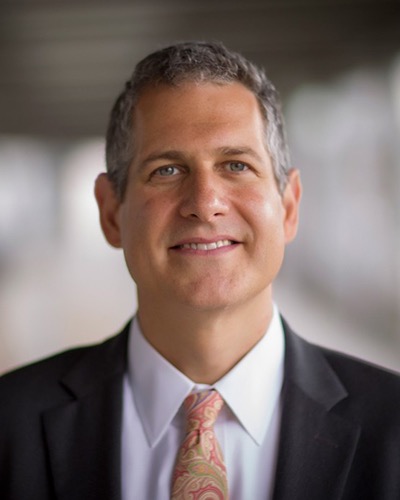 Ethan Basch合作论文数Division of Oncology, Department of Medicine, School of Medicine, University of North Carolina at Chapel Hill19
 Thomas M. Pisansky合作论文数Mayo Clinic-Rochester18Rebecca Paulus合作论文数18Lisa A. Kachnic合作论文数18
 Ian Dayes合作论文数18Pr Edwards合作论文数17
 W. Robert Lee合作论文数Department of Surgery, Duke University School of Medicine;Duke Cancer Institute, Duke University17
 Alexandra L. Hanlon合作论文数Department of Statistics, College of Science, Virginia Polytechnic Institute and State University;Center for Biostatistics and Health Data Science, Virginia Polytechnic Institute and State University17Andre Konski合作论文数17
 Ronald C Eldridge合作论文数Nell Hodgson Woodruff School of Nursing, Emory University16
 James J. Dignam合作论文数Department of Public Health Sciences, The University of Chicago16William Small合作论文数16
 Jennifer C Felger合作论文数Center for Behavioral Neuroscience, Emory University16
 Deb Schrag合作论文数Department of Medicine, Memorial Sloan Kettering Cancer Center15
 Kundapur Vijayananda合作论文数Vinai Gondi, Cadence Brain Tumor Center and CDH Proton Center;Vinai Gondi and Howard Rowley, University of Wisconsin School of Medicine and Public Health;Radiation Therapy Oncology Group Statistical Center, Stephanie L. Pugh;Thomas Jefferson University Hospital;Albert DeNittis, Lankenau Medical Center;Chester County Hospital;Montefiore Medical Center and Albert Einstein College of Medicine, Yeshiva University;Intermountain Medical Center, University of Phoenix;Ben Corn and Andrew Kanner, Tel Aviv Sourasky Medical Center;Vijayananda Kundapur, Saskatoon Cancer Centre;Jeffrey N. Greenspoon, McMaster University-Hamilton;Glenn S. Bauman, London Regional Cancer Program;Sunjay Shah, Christiana Care Health Services CCOP;Merideth Wendland, US Oncology-Willamette Valley Cancer Institute;Lisa Kachnic, Boston Medical Center Minority-Based CCOP;University of Maryland School of Medicine;University of Wisconsin School of Medicine and Public Health, University of Maryland School of Medicine15
 Gerald Hanks合作论文数Department of Radiation Oncology, Fox Chase Cancer Center15
 Kian Ang合作论文数Department of Radiation Oncology, The University of Texas M. D. Anderson Cancer Center15
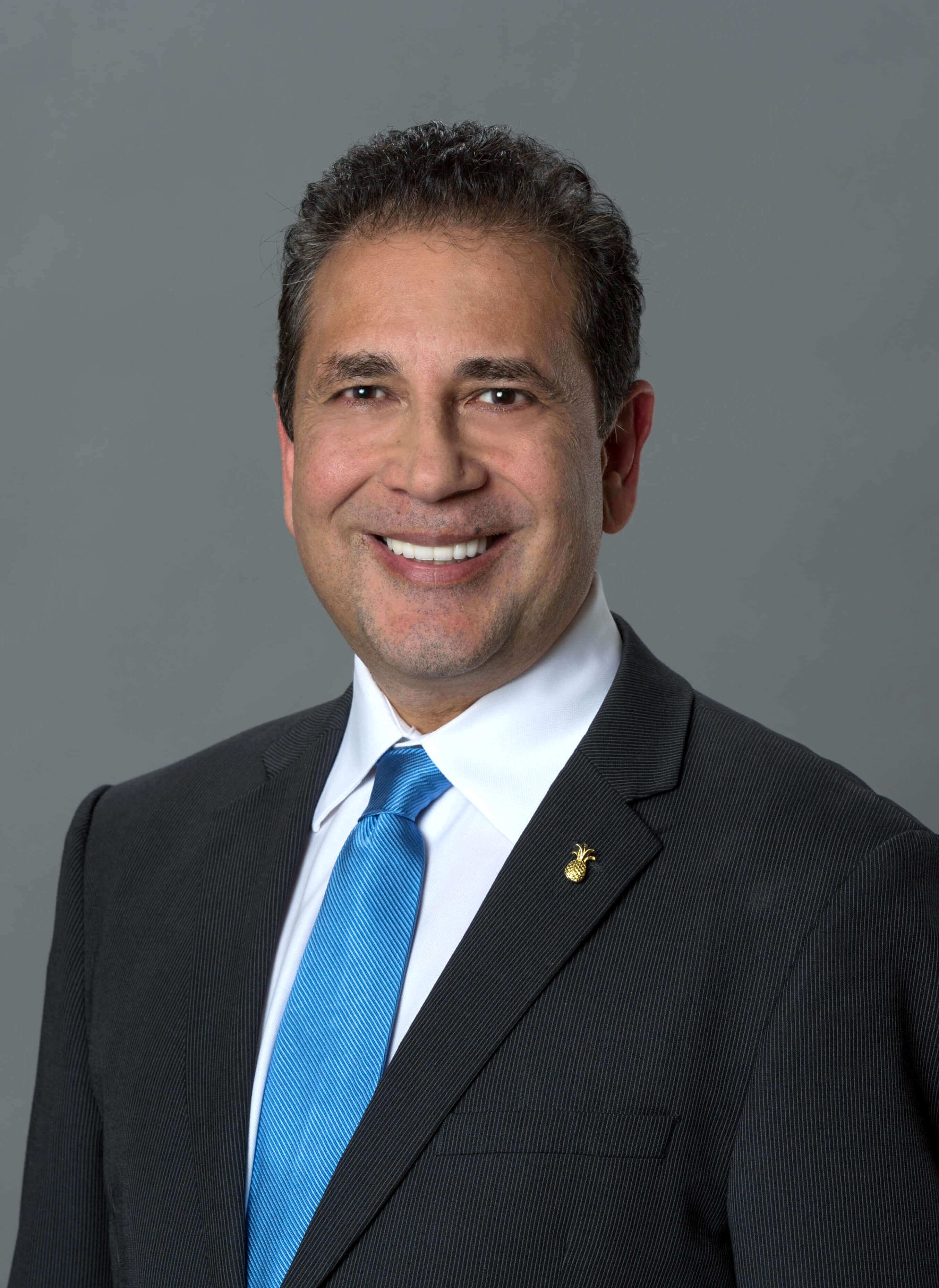 Minesh Mehta合作论文数Department of Radiation Oncology, Herbert Wertheim College of Medicine, Florida International University;Miami Cancer Institute15
 Jean-Paul Bahary合作论文数15Amit B. Shah合作论文数14
 Salimah H. Meghani合作论文数Department of Biobehavioral Health Sciences, School of Nursing, University of Pennsylvania;NewCourtland Center for Transitions and Health, School of Nursing, University of Pennsylvania14
 Jeffrey S. Wefel合作论文数Department of Neuro-Oncology, Division of Cancer Medicine, The University of Texas MD Anderson Cancer Center;Department of Radiation Oncology, Division of Radiation Oncology, The University of Texas MD Anderson Cancer Center;Angiochem Corporation;Genentech, Inc;F. Hoffman-La Roche Ltd14
 Amylou C. Dueck合作论文数Division of Health Sciences Research, Mayo Clinic;Division of Clinical Trials and Biostatistics, Department of Quantitative Health Sciences, Mayo Clinic13Rogak Lauren J合作论文数13
 Paul D. Brown合作论文数Department of Radiation Oncology, Mayo Clinic13
 James C. Coyne合作论文数CoyneoftheRealm.com13
 Yuhchyau Chen合作论文数Department of Radiation Oncology, University of Rochester Medical Center13
 Jason Efstathiou合作论文数Mass General Research Institute;Harvard Medical School13
 Hak Choy合作论文数Department of Radiation Oncology, UT Southwestern Medical Center12




