4540 Background: Estimating risk of renal cell cancer (RCC) relapse based only on pre-surgical data is key to future neoadjuvant trial design. The EA PROSPER phase 3 study accrued pts with clinical stage ≥T2 or T any N+ RCC of any histology for nephrectomy. Pts were randomized to presurgical nivolumab (nivo) followed by primary tumor resection and 9 cycles of adjuvant nivo, or surgery alone followed by observation. We used PROSPER data to assess how baseline data informs risk. We reviewed cT to pT stage transitions, associated cT stages with outcome, and asked if size in addition to cT stage increases predictive accuracy. Methods: Pts with clear cell (cc) RCC were included. cT to pT concordance was assessed by TNM 8 th edition. DFS analysis (time from surgery to recurrence, second primary, or any cause death) was performed; pts with no event were censored at date of last assessment. DFS analysis compared cT groups (cT1/cT2 vs cT3/cT4) in the overall eligible study population and within each study arm. A subset DFS analysis by tumor size among cT2a (> 7-8cm vs >8-10cm) and cT3a (< 7cm vs 7-8cm vs > 8cm) was explored. Cox proportional hazards models were used, and log-rank test was reported to represent global p-value of each model. Wald test p-value was reported for individual group comparison (in assessing more than two groups). Two-sided p-values are reported, all p-values were considered significant at 0.05. Results: Of 819 pts randomized, 732 ccRCC pts (382 surgery only, 350 nivo + surgery) had data available. DFS was significantly different between cT1/cT2 vs. cT3/cT4 group, favoring cT1/cT2 among all pts (HR [cT1/cT2 as reference]=1.56, two-sided log-rank p < 0.001) and in each of the treatment arms separately (nivo + surgery arm HR=1.48, two-sided log-rank=0.04 ; surgery only arm HR=1.63, two-sided log-rank p=0.007). About half of cT1/T2 pts were upstaged to pT3/4, whereas <10% of cT3a were downstaged to pT1b. Higher grade cT1/T2 were more likely to upstage (p-value < 0.001).119 pts with cT2a and 233 pts with cT3a had tumor size data available. There was no significant DFS difference between tumor size groups in the cT2a subset. In cT3a patients, DFS analysis by tumor size showed a trend of increasing risk for 7-8cm and > 8cm groups when compared to < 7cm group, with a statistically significant difference comparing > 8cm vs < 7cm (HR=3.33, two-sided Wald p < 0.001) signifying worse outcome for pts if tumor size > 8cm. Conclusions: In ccRCC pts, baseline cT assessment is associated with DFS outcome. High grade cT1/2 pts risk pathological upstaging to pT3. cT3+ identifies high risk pts, with <10% being downstaged. Pts with cT3a > 8cm have a worse prognosis than patients with < 7cm tumors. These findings should be accounted for in eligibility criteria and risk assessment models for neoadjuvant trials, and explored in other international datasets.
Purpose NRG/RTOG 1115 was a phase 3 trial evaluating the addition of orteronel, a CYP17A1 inhibitor, to radiation therapy (RT) plus androgen deprivation therapy (ADT) in men with high-risk prostate cancer. Methods and Materials The study was designed to evaluate overall survival for 900 men with high-risk prostate cancer (Gleason 9-10, prostate specific antigen (PSA) > 20, or clinical stage T2 or higher with Gleason ≥ 8). Patients were randomized 1:1 to standard of care (SOC) therapy (RT plus 2 years of ADT) or SOC plus 2 years of orteronel. RT entailed image guided conventionally fractionated dose-escalated external beam RT to the prostate and pelvis to 45 Gy using intensity modulated RT with either intensity modulated RT (to 79.2 Gy) or brachytherapy boost. Health-related quality of life (HRQOL) was measured using the Expanded Prostate cancer Index Composite (EPIC), Patient-Reported Outcome Measurement Information System (PROMIS) fatigue, and EQ-5D. Accrual was halted early because of discontinuation of orteronel development and the trial redesigned to focus on a composite biochemical failure endpoint. Results There were a total of 231 eligible randomized patients. Only 29% in the orteronel arm received ≥80% of the planned dose. With median follow-up of 6.2 years, the cumulative incidence of grade 3+ adverse events was higher on orteronel than on the standard arm (P < .001; hazard ratio [HR], 2.32; 95% CI, 1.52-3.47) with 5-year estimates of 59.0% and 35.1%, respectively. No significant differences in overall survival (P = .28; HR, 0.71; 95% CI, 0.39-1.32) or biochemical failure (P = .56; HR, 0.84; 95% CI, 0.47-1.51) were observed. Use of orteronel had a transient negative impact on all prostate cancer-specific QOL domains of the EPIC, but did not increase the magnitude of decline once RT started and had minimal impact on other HRQOL measures. Conclusions The addition of orteronel to RT and ADT did not result in significant improvement in any efficacy outcomes, although information was limited by poor drug tolerance and early termination of accrual, thus limiting statistical power.
235 Background: Bavdegalutamide (bavdeg; formerly ARV-110) is a first-in-class oral proteolysis targeting chimera (PROTAC) protein degrader that selectively targets androgen receptor (AR). A phase 1/2 study of bavdeg showed clinical activity in patients with metastatic castration-resistant prostate cancer (mCRPC) after 1-2 prior AR-targeted therapies, particularly in those harboring AR T878X/H875Y mutations. Although some patients with wildtype AR showed clinical benefit from bavdeg, no biomarker exists to select this subgroup of patients. Here we evaluated a circulating tumor cell (CTC) RNA biomarker for its potential to identify patients with mCRPC who may benefit from bavdeg in the phase 1/2 study despite the absence of AR T878X/H875Y mutations. Methods: Patients with mCRPC and disease progression after >1 prior novel hormonal agents were enrolled in the phase 1/2 study of bavdeg and consented for prospective collection of pre-treatment blood for CTC analysis at a single institution. CTCs were isolated using a negative selection microfluidic CTC enrichment device and analyzed for RNA expression of a panel of prostate cancer genes ( AGR2, FAT1, FOLH1, HOXB13, KLK2, KLK3, STEAP2, TMPRSS2, AR-V7 ) using a multiplex droplet digital PCR assay. A composite gene expression score (CTCm; Miyamoto et al. Cancer Discov. 2018) was compared to radiographic response at 2 months, PSA response, and duration of time on bavdeg. A cut-off value for CTCm was determined by receiver operating characteristic curve analysis. Association of CTCm with clinical outcomes was analyzed by two-sided Fisher’s exact test. Results: Twenty patients treated with bavdeg doses ranging from 280-700 mg daily and 140-420 mg twice daily consented to pre-treatment CTC RNA expression analysis. Circulating tumor DNA analyses revealed none of the patients harbored AR T878 or H875 mutations. Six patients remained on bavdeg >6 months with clinical benefit, while 14 discontinued therapy within 6 months. Radiographic responses at 2 months were stable, progressive, and not evaluable in 10, 7, and 3 patients, respectively. A best PSA decline ≥50% (PSA50) and ≥30% (PSA30) was achieved in 3 and 4 patients, respectively. Pre-treatment CTCm score <165 was associated with stable disease at 2 months (p = 0.015) and time on bavdeg >6 months (p = 0.014). CTCm did not correlate with PSA50 (p>0.9) or PSA30 (p=0.60). Presence of AR-V7 did not correlate with radiographic response (p=0.15), PSA50 (p>0.9), PSA30 (p=0.60), or time on therapy >6 months (p=0.14). Conclusions: Pre-treatment CTCm score <165 was associated with freedom from radiographic progression at 2 months and time on bavdeg >6 months in this small study mCRPC patients without AR T878/H875 mutations. Further investigation of the CTCm biomarker is warranted in mCRPC patients treated with bavdegalutamide and potentially other AR PROTACs.
e17009 Background: Black and Latino men face disproportionately higher risks prostate cancer (PC) and PC-related mortality compared to White men. Moreover, Black and Latino men taking androgen deprivation therapy (ADT) for PC report relatively lower quality of life (QOL), partially due to ADT side effects. While physical activity ameliorates ADT side effects and improves QOL, few interventions exist to increase physical activity and help manage ADT side effects for these groups. The aim of this study was to develop and refine a culturally-responsive, cognitive-behavioral intervention, PROWESS (PROstate cancer Wearables Exercise and Structured Supports) to increase physical activity, manage ADT side effects, and improve QOL for Black and Latino men with PC on ADT. Methods: We conducted a single-arm open pilot trial (n=16) of a cognitive-behavioral intervention for English- or Spanish-speaking Black and Latino men with PC on ADT to explore the intervention's feasibility and participants' satisfaction. Participants attended a once-weekly, six-session telehealth intervention led by a psychologist to enhance physical activity, symptom management, and QOL in groups of 3-5 men. They completed online questionnaires, including the Client Satisfaction Questionnaire-3 (CSQ-3, Range: 4-12), post-intervention and an optional exit interview. Participants received a Fitbit for the duration of the program to set physical activity goals and monitor progress. Results: We enrolled 16 of 33 approached patients (48.5%). Of 16 enrolled patients (median age=70.0 years; 84.6% Black, 23.1% Latino), 13 (81.3%) participated in the intervention. Three groups were conducted in English, and one was conducted in Spanish. Twelve out of 13 participants (92.3%) attended at least 4 sessions, and 6 (46.2%) attended all 6 sessions. Twelve out of 13 participants (92.3%) completed post-intervention surveys. Participants found the intervention acceptable, as indicated by high median CSQ-3 scores (11.0, Inter-Quartile Range 10.5-12.0). Out of 12 participants who agreed to use a Fitbit, 9 (75.0%) wore their Fitbit at least once, and 3 (25.0%) wore the Fitbit all 12 weeks. Exit interview data showed high satisfaction with the group format, especially the opportunity to meet other men from similar backgrounds going through PC treatment. Participants noted gaining knowledge and skills regarding side effect management and coping. They did not, however, find the Fitbit or focus on increasing physical activity as helpful as the other intervention targets. Conclusions: The high proportion of intervention completion and satisfaction with PROWESS supports further testing of the intervention in a randomized trial. Exit interview data highlight the importance of social connection, coping skills, and side effect management for improving QOL for Black and Latino men on ADT. Clinical trial information: NCT05755490 .
Background Belzutifan, a first-in-class HIF-2 alpha inhibitor, has shown antitumour activity as monotherapy and in combination with cabozantinib in patients with previously treated advanced kidney cancer. The phase 2 LITESPARK-003 study was designed to determine the antitumour activity and safety of belzutifan in combination with cabozantinib in patients with advanced clear-cell renal cell carcinoma that was previously untreated (cohort 1) or previously treated with immunotherapy (cohort 2). Here, we report results from cohort 1 of this clinical trial. Methods LITESPARK-003 is an open-label, single-arm, phase 2 study at ten hospitals and cancer centres in the USA. In cohort 1, eligible patients were at least 18 years of age, had an Eastern Cooperative Oncology Group performance status of 0 or 1, and had received no previous systemic therapy for locally advanced or metastatic renal cell carcinoma. Patients received belzutifan 120 mg orally once daily and cabozantinib 60 mg orally once daily until unacceptable adverse events, disease progression, or patient withdrawal. The primary endpoint was investigator-assessed confirmed objective response according to Response Evaluation Criteria in Solid Tumors version 1.1. Antitumour activity and safety were assessed in all patients who received at least one dose of study treatment. This trial is registered with ClinicalTrials.gov, NCT03634540, and is ongoing. Findings Between Sept 27, 2018, and Jan 10, 2023, we screened 138 patients for eligibility, and 50 (36%) were enrolled and assigned to cohort 1. The median age was 64 years (IQR 57-72). 40 (80%) of 50 patients were male and ten (20%) were female. 48 (96%) patients were White, one (2%) patient was Black or African American, and one (2%) was of a race in the other category. As of the data cutoff (May 15, 2023), median follow-up was 243 months (IQR 139-320). 35 (70%, 95% CI 55-82) of 50 patients had a confirmed objective response, including four (8%) who had a complete response and 31 (62%) who had a partial response. The most frequent grade 3-4 treatment-related adverse events were hypertension (six [12%] patients), anaemia (five [10%] patients), and fatigue (four [8%] patients). Seven (14%) of 50 patients had serious treatment-related adverse events. No treatment-related deaths occurred. Interpretation Belzutifan plus cabozantinib has promising antitumour activity in treatment-naive patients with advanced clear-cell renal cell carcinoma and further investigation of an HIF-2 alpha inhibitor in combination with a multitargeted tyrosine kinase inhibitor as a treatment option in this population is warranted.
549 Background: In the phase 2 LITESPARK-003 study (NCT03634540), belzutifan plus cabozantinib showed antitumor activity in patients with advanced ccRCC who were treatment-naive (cohort 1) or previously treated (cohort 2). We present updated results from cohorts 1 and 2 with a median follow-up of 34.4 months and 49.9 months, respectively. Methods: Eligible patients had advanced or metastatic ccRCC and ECOG performance status of 0 or 1. Cohort 1 included patients with no prior systemic therapy. Cohort 2 included patients who had received prior immunotherapy and ≤2 systemic regimens. Starting doses for patients in both cohorts were belzutifan 120 mg PO QD + cabozantinib 60 mg PO QD. The primary end point was ORR per RECIST v1.1 by investigator assessment. Secondary end points included DOR, PFS, OS, and safety. Results: 50 patients were enrolled and treated in cohort 1 and 52 patients in cohort 2. Confirmed ORR was 70% (95% CI, 55-82; 6 CRs, 29 PRs) in cohort 1 and 31% (95% CI, 19-45; 2 CRs, 14 PRs) in cohort 2. In cohort 2, ORR was 32% (95% CI, 16-52; 1 CR, 8 PRs) in patients who received prior immunotherapy only (n = 28) and 29% (95% CI, 13-51; 1 CR, 6 PRs) in patients who received both prior immunotherapy and anti-VEGFR TKIs (n = 24). ORR by IMDC risk and baseline tumor burden subgroups is shown in the Table. Median DOR was 29.1 months (range, 1.9+ to 47.4; + indicates ongoing response at the last assessment) in cohort 1 and 30.4 months (range, 4.2+ to 45.6) in cohort 2. An estimated 62% of responders in cohort 1 and 52% in cohort 2 remained in response for ≥24 months. Median PFS was 30.3 months (95% CI, 19.4-not reached) in cohort 1 and 13.8 mo (95% CI, 9.2-19.4) in cohort 2. Median OS has not been reached in cohort 1 and was 26.7 months (95% CI, 20.0-41.1) in cohort 2. Overall, 27 (54%) patients in cohort 1 and 34 (65%) patients in cohort 2 had a grade 3 or higher treatment-related adverse event (TRAE). No patients died due to a TRAE in cohort 1 and 1 patient (2%) died due to treatment-related respiratory failure in cohort 2. Conclusions: With updated follow-up,belzutifan plus cabozantinib showed durable antitumor activity in both frontline and subsequent-line treatment of patients with RCC and a safety profile consistent with prior reports. These results support further investigation of a HIF-2α inhibitor in combination with a VEGFR-TKI as a treatment option for advanced ccRCC in both settings. Clinical trial information: NCT03634540 . Cohort 1 Cohort 2 IMDC risk category Favorable n = 33ORR, 73% (95% CI, 54-87); 5 CRs, 19 PRs n = 9ORR, 67% (95% CI, 30-93); 1 CR, 5 PRs Intermediate or poor n = 17ORR, 65% (95% CI, 38-86); 1 CR, 10 PRs n = 43ORR, 23% (95% CI, 12-39); 1 CR, 9 PRs Baseline tumor burden a Low (< median) n = 25ORR, 80% (95% CI, 59-93);3 CRs, 17 PRs n = 26ORR, 27% (95% CI, 12-48); 2 CRs, 5 PRs High (≥ median) n = 25ORR, 60% (95% CI, 39-79); 3 CRs, 12 PRs n = 26ORR, 35% (95% CI, 17-56); 0 CRs, 9 PRs a Based on the sum of diameter of the target lesions at baseline.
Background & purpose Radium-223 (Ra223) improves survival in metastatic prostate cancer (mPC), but its impact on systemic immunity is unclear, and biomarkers of response are lacking. We examined markers of immunomodulatory activity during standard clinical Ra223 and studied the impact of Ra223 on response to immune checkpoint inhibition (ICI) in preclinical models. Materials & methods We conducted a single-arm biomarker study of Ra223 in 22 bone mPC patients. We measured circulating immune cell subsets and a panel of cytokines before and during Ra223 therapy and correlated them with overall survival (OS). Using two murine mPC models—orthotopic PtenSmad4-null and TRAMP-C1 grafts in syngeneic immunocompetent mice—we tested the efficacy of combining Ra223 with ICI. Results Above-median level of IL-6 at baseline was associated with a median OS of 358 versus 947 days for below levels; p = 0.044, from the log-rank test. Baseline PlGF and PSA inversely correlated with OS (p = 0.018 and p = 0.037, respectively, from the Cox model). Ra223 treatment was associated with a mild decrease in some peripheral immune cell populations and a shift in the proportion of MDSCs from granulocytic to myeloid. In mice, Ra223 increased the proliferation of CD8+ and CD4+ helper T cells without leading to CD8+ T cell exhaustion in the mPC lesions. In one of the models, combining Ra223 and anti-PD-1 antibody significantly prolonged survival, which correlated with increased CD8+ T cell infiltration in tumor tissue. Conclusion The inflammatory cytokine IL-6 and the angiogenic biomarker PlGF at baseline were promising outcome biomarkers after standard Ra223 treatment. In mouse models, Ra223 increased intratumoral CD8+ T cell infiltration and proliferation and could improve OS when combined with anti-PD-1 ICI.
Background The standard of care for patients with intermediate-to-high risk renal cell carcinoma is partial or radical nephrectomy followed by surveillance. We aimed to investigate use of nivolumab before nephrectomy followed by adjuvant nivolumab in patients with high-risk renal cell carcinoma to determine recurrence-free survival compared with surgery only. Methods In this open-label, randomised, phase 3 trial (PROSPER EA8143), patients were recruited from 183 community and academic sites across the USA and Canada. Eligible patients were aged 18 years or older with an Eastern Cooperative Oncology Group performance status of 0–1, with previously untreated clinical stage T2 or greater or Tany N+ renal cell carcinoma of clear cell or non-clear cell histology planned for partial or radical nephrectomy. Selected patients with oligometastatic disease, who were disease free at other disease sites within 12 weeks of surgery, were eligible for inclusion. We randomly assigned (1:1) patients using permuted blocks (block size of 4) within stratum (clinical TNM stage) to either nivolumab plus surgery, or surgery only followed by surveillance. In the nivolumab group, nivolumab 480 mg was administered before surgery, followed by nine adjuvant doses. The primary endpoint was investigator-reviewed recurrence-free survival in patients with renal cell carcinoma assessed in all randomly assigned patients regardless of histology. Safety was assessed in all randomly assigned patients who started the assigned protocol treatment. This trial is registered with ClinicalTrials.gov, NCT03055013, and is closed to accrual. Findings Between Feb 2, 2017, and June 2, 2021, 819 patients were randomly assigned to nivolumab plus surgery (404 [49%]) or surgery only (415 [51%]). 366 (91%) of 404 patients assigned to nivolumab plus surgery and 387 (93%) of 415 patients assigned to surgery only group started treatment. Median age was 61 years (IQR 53–69), 248 (30%) of 819 patients were female, 571 (70%) were male, 672 (88%) were White, and 77 (10%) were Hispanic or Latino. The Data and Safety Monitoring Committee stopped the trial at a planned interim analysis (March 25, 2022) because of futility. Median follow-up was 30·4 months (IQR 21·5–42·4) in the nivolumab group and 30·1 months (21·9–41·8) in the surgery only group. 381 (94%) of 404 patients in the nivolumab plus surgery group and 399 (96%) of 415 in the surgery only group had renal cell carcinoma and were included in the recurrence-free survival analysis. As of data cutoff (May 24, 2023), recurrence-free survival was not significantly different between nivolumab (125 [33%] of 381 had recurrence-free survival events) versus surgery only (133 [33%] of 399; hazard ratio 0·94 [95% CI 0·74–1·21]; one-sided p=0·32). The most common treatment-related grade 3–4 adverse events were elevated lipase (17 [5%] of 366 patients in the nivolumab plus surgery group vs none in the surgery only group), anaemia (seven [2%] vs nine [2%]), increased alanine aminotransferase (ten [3%] vs one [<1%]), abdominal pain (four [1%] vs six [2%]), and increased serum amylase (nine [2%] vs none). 177 (48%) patients in the nivolumab plus surgery group and 93 (24%) in the surgery only group had grade 3–5 adverse events due to any cause, the most common of which were anaemia (23 [6%] vs 19 [5%]), hypertension (27 [7%] vs nine [2%]), and elevated lipase (18 [5%] vs six [2%]). 48 (12%) of 404 patients in the nivolumab group and 40 (10%) of 415 in the surgery only group died, of which eight (2%) and three (1%), respectively, were determined to be treatment-related. Interpretation Perioperative nivolumab before nephrectomy followed by adjuvant nivolumab did not improve recurrence-free survival versus surgery only followed by surveillance in patients with high-risk renal cell carcinoma. Funding US National Institutes of Health National Cancer Institute and Bristol Myers Squibb.
Chemoradiation therapy (CRT) is a treatment for muscle-invasive bladder cancer (MIBC). Using a novel transcriptomic profiling panel, we validated prognostic immune biomarkers to CRT using 70 pretreatment tumor samples from prospective trials of MIBC (NRG/RTOG 0524 and 0712). Disease-free survival (DFS) and overall survival (OS) were estimated via the Kaplan-Meier method and stratified by genes correlated with immune cell activation. Cox proportional-hazards models were used to assess group differences. Clustering of gene expression profiles revealed that the cluster with high immune cell content was associated with longer DFS (hazard ratio [HR] 0.53, 95% confidence interval [CI] 0.26-1.10; p = 0.071) and OS (HR 0.48, 95% CI 0.24-0.97; p = 0.040) than the cluster with low immune cell content. Higher expression of T-cell infiltration genes (CD8A and ICOS) was associated with longer DFS (HR 0.40, 95% CI 0.21-0.75; p = 0.005) and OS (HR 0.49, 95% CI 0.25-0.94; p = 0.033). Higher IDO1 expression (IFNγ signature) was also associated with longer DFS (HR 0.44, 95% CI 0.24-0.88; p = 0.021) and OS (HR 0.49, 95% CI 0.24-0.99; p = 0.048). These findings should be validated in prospective CRT trials that include biomarkers, particularly for trials incorporating immunotherapy for MIBC. PATIENT SUMMARY: We analyzed patient samples from two clinical trials (NRG/RTOG 0524 and 0712) of chemoradiation for muscle-invasive bladder cancer using a novel method to assess immune cells in the tumor microenvironment. Higher expression of genes associated with immune activation and high overall immune-cell content were associated with better disease-free survival and overall survival for patients treated with chemoradiation.
The NCCN Guidelines for Kidney Cancer provide multidisciplinary recommendations for diagnostic workup, staging, and treatment of patients with renal cell carcinoma (RCC). These NCCN Guidelines Insights focus on the systemic therapy options for patients with advanced RCC and summarize the new clinical data evaluated by the NCCN panel for the recommended therapies in Version 2.2024 of the NCCN Guidelines for Kidney Cancer.
The NCCN Guidelines for Kidney Cancer provide multidisciplinary recommendations for diagnostic workup, staging, and treatment of patients with renal cell carcinoma (RCC). These NCCN Guidelines Insights focus on the systemic therapy options for patients with advanced RCC and summarize the new clinical data evaluated by the NCCN panel for the recommended therapies in Version 2.2024 of the NCCN Guidelines for Kidney Cancer.
PURPOSE To investigate the use of radiation with radiosensitizing chemotherapy following repeated transurethral resection (trimodality therapy) as an alternative to radical cystectomy in T1 bladder cancer which has failed Bacillus Calmette-Guerin (BCG). PATIENTS AND METHODS Patients with recurrent T1 bladders who had failed BCG and were recommended to undergo cystectomy were treated with trimodality therapy. The primary end point was 3-year freedom from cystectomy. Secondary end points were distant metastasis at 3 and 5 years, local recurrence, disease-specific and overall survival (OS), and safety. RESULTS This single-arm phase II study enrolled 37 patients. Efficacy and safety were evaluated in 34 patients after three exclusions. The median follow-up was 5.1 years. The 3-year freedom from cystectomy rate was 88% (lower one-sided 97.5% confidence limit [CI], 72%), meeting the primary study goal. OS at 3 and 5 years was 69% (95% CI, 54 to 85) and 56% (95% CI, 39 to 74), respectively. The distant metastasis rates at 3 and 5 years were 12% (95% CI, 4 to 26) and 19% (95% CI, 7 to 34), respectively. Eight patients died due to urothelial cancer, 12 exhibited local recurrence at 3 years (cumulative incidence: 32%; 95% CI, 17 to 48), 18 experienced grade 3 adverse events, mostly hematological, and one developed grade 4 neutropenia. CONCLUSION Trimodality therapy is an effective potential alternative to radical cystectomy for recurrent high-grade T1 urothelial cancer of the bladder. At 3 years, 88% of the patients remained free of cystectomy.
Initial results from the phase 2 LITESPARK-003 (NCT03634540) study showed promising antitumor activity for belzutifan plus cabozantinib as first-line (cohort 1) and subsequent-line (cohort 2) treatment for patients (pts) with advanced ccRCC. We present updated results from cohorts 1 and 2. Eligible pts had advanced ccRCC and ECOG PS of 0 or 1. Cohort 1 included pts with no prior systemic therapy for advanced RCC. Cohort 2 included pts who had received prior immunotherapy and ≤2 systemic regimens for advanced RCC. All pts received oral belzutifan 120 mg and oral cabozantinib 60 mg once daily. The primary end point was ORR per RECIST v1.1 by investigator assessment. Secondary end points included DOR, PFS, OS, and safety. A total of 50 pts were enrolled in cohort 1 and 52 pts in cohort 2. Most (n = 28; 56%) pts in cohort 1 had IMDC favorable risk and most (n = 41; 79%) in cohort 2 had IMDC intermediate/poor risk. Median follow-up was 24.3 mo (range, 4.1-48.2) in cohort 1 and 39.8 mo (range, 33.1-55.0) in cohort 2. ORR is shown in the Table. Median DOR was 28.6 mo (range, 1.9+ to 35.8) in cohort 1 and 31.5 mo (range, 4.2+ to 36.8) in cohort 2. An estimated 57% of all responders in cohort 1 and 51% in cohort 2 remained in response for ≥24 mo. Median PFS was 30.3 mo (95% CI, 16-not reached [NR]) in cohort 1 and 13.8 mo (95% CI, 9-19) in cohort 2. Median OS was NR (95% CI, NR-NR) in cohort 1 and 26.7 mo (95% CI, 20-41) in cohort 2. Overall, 23 (46%) pts in cohort 1 and 33 (63%) in cohort 2 had a grade 3-5 treatment-related AE (TRAE). No pts died due to a TRAE in cohort 1 and 1 pt (2%) died due to a TRAE (respiratory failure) in cohort 2. In this updated analysis of LITESPARK-003, belzutifan plus cabozantinib showed durable antitumor activity and a safety profile consistent with prior observations. These results further support the combination of an HIF-2α inhibitor and VEGFR-TKI as a potential treatment option for advanced ccRCC in both the first- and subsequent-line settings.Table: LBA87Cohort 1Cohort 2Total (n = 50)IMDC favorable (n = 28)IMDC intermediate/poor (n =22)Total (n = 52)IMDC favorable (n = 11)IMDC intermediate/poor (n = 41)ORR, % (95% CI)70 (55-82)79 (59-92)59 (36-79)31 (19-45)27 (6-61)32 (18-48)Best overall response, n (%)CR4 (8)3 (11)1 (5)2 (4)02 (5)PR31 (62)19 (68)12 (55)14 (27)3 (27)11 (27)SD14 (28)6 (21)8 (36)32 (62)8 (73)24 (59)PD1 (2)01 (5)3 (6)03.(7)NA0001 (2)01 (2) Open table in a new tab
Supplementary Table S1- Number of patients with 1-4 and {greater than or equal to}5 CTCs per 7.5mL of whole blood at baseline, and at 3, 6 and 12 months. Supplementary Table S2- Biochemical markers of bone turnover and bone mineral density (BMD).
4541 Background: PROSPER is a phase 3 National Clinical Trials Network study that accrued pts with clinical stage ≥T2 or T any N+ RCC of any histology planned for radical/ partial nephrectomy. Pts were randomized to perioperative nivo followed by primary tumor resection and 9 cycles of nivo postoperatively or standard surgery followed by observation. To address concerns that core kidney bx might 1) not provide accurate diagnosis and 2) delay surgery due to adverse events (AEs) or scheduling, the study was amended from requiring all patients to undergo core bx prior to treatment for confirmation of RCC, to only require bx in patients randomized to the nivo arm. Herein, we report the accuracy and safety of primary tumor core bxs in predicting final histology and nuclear grade by both site and central pathology review as well as time from enrollment to surgery. We also report AEs of preoperative nivo. Methods: Concordance of both core bx and primary tumor by site and central pathology review of histology and grade (1-2 vs 3-4) are reported, along with the Cohen’s Kappa value, which measures the agreement and concordance (kappa=0 is no concordance and 1 is highest). AEs relating to core bxs and preoperative nivo, as well as time from enrollment to surgery for each arm, comparing pre- and post-amendment (dropping bx requirement in surgery alone arm) are also reported. Results: 387/404 pts in the nivo arm and 171/415 pts in the surgery alone arm had core bxs. 632 patients had both central pathology and site review available. 41 of all randomized patients (819) were considered as non-RCC and 26/41 were identified via bx. The median times from enrollment to surgery for nivo and control arms pre-amendment were 32d vs 19 d, and post-amendment were 21 d vs 14 d, respectively. The median (25 th -75 th percentile) number of days from last preoperative nivo to surgery was 14 d (9-20). AEs related to core bx, generally from bleeding, were reported in 13/558 (2.3%) pts. 2/13 bxs resulted in life-threatening complications. 21/353 (6%) of pts receiving nivo pre-surgery had ≥ grade 3-5 AE attributed to nivo. 181/353 (51%) pts had any grade AE attributed to nivo. Concordance between bxs and primary tumor pathologies for determining histological subtype was Kappa = 0.62. Agreement between central pathology and originating site review of primary tumor for determining nuclear grade was Kappa = 0.56, and concordance of histology was Kappa = 0.78. Conclusions: The PROSPER trial use of core bxs in advance of neoadjuvant therapy was generally safe, largely consistent with primary tumor histology and grade, and did not delay resection of the primary tumor. AEs of preoperative nivo were consistent with nivo AEs in metastatic disease. This approach is valid for future neoadjuvant trials. Clinical trial information: NCT03055013 .
 Robert J. Motzer合作论文数Memorial Sloan Kettering Cancer Center73
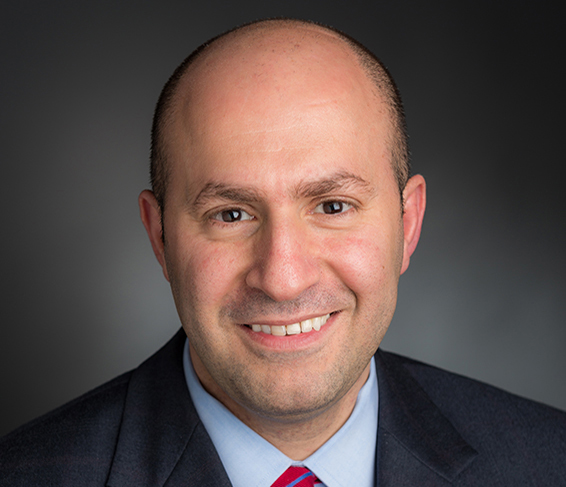 Toni Choueiri合作论文数Lank Center for Genitourinary (GU) Oncology, Dana-Farber Cancer Institute;Harvard Medical School;Brigham and Women's Hospital63
 Thomas Hutson合作论文数29
 David F. McDermott合作论文数Beth Israel Deaconess Medical Center;Harvard Medical School29
 Robert Figlin合作论文数Cedars-Sinai;David Geffen School of Medicine, University of California, Los Angeles27
 Sinil Kim合作论文数Austin Community College24
 Daniel James George合作论文数Duke Cancer Institute, Duke University;Center for Prostate & Urologic Cancers, Duke University;Divisions of Medical Oncology and Urology, Duke University School of Medicine23
 Jonasch Eric合作论文数23
 Bruce G. Redman合作论文数University of Michigan Hospitals & Health Center;University of Michigan Medical Center;University of Michigan Medical School;Multidisciplinary Melanoma Clinic;Von Voigtlander Womens Hospital22
 Neeraj Agarwal合作论文数Fred Hutchinson Cancer Research Center, University of Washington;Harborview Medical Center, University of Washington;Yoshio Inoue, Multicare Regional Cancer Center;Huntsman Cancer Institute, University of Utah;Sumanta K. Pal, City of Hope;Norris Comprehensive Cancer Center, University of Southern California;Ajjai Alva, University of Michigan;Karmanos Cancer Center, Wayne State University;Elaine T. Lam, University of Colorado;Morisani College of Medicine, University of South Florida;Hollings Cancer Center, Medical University of South Carolina;British Columbia Cancer Agency, University of British Columbia;Nicholas J. Vogelzang, Comprehensive Cancer Centers of Nevada;University of Texas Health Science Center at San Antonio;University of Washington, University of Texas Health Science Center at San Antonio21
 Gary R. Hudes合作论文数Department of Medical Oncology, Fox Chase Cancer Center21
 Ronald M. Bukowski合作论文数Bukowski Consulting, LLC;Taussig Cancer Center, Cleveland Clinic17
 Brian Rini合作论文数Department of Medicine, Medical Center, Vanderbilt University;Vanderbilt-Ingram Cancer Center16
 Sylvie Negrier合作论文数Centre Léon Bérard;University of Lyon I16
 Matthew Smith合作论文数T. H. Chan School of Public Health, Harvard University15
 Elizabeth Plimack合作论文数Department of Hematology/Oncology, Fox Chase Cancer Center15Philip J. Saylor合作论文数15
 Clayton Lau合作论文数14Olencki Thomas E合作论文数14
 Steven Hancock合作论文数Department of Radiation Oncology, School of Medicine, Stanford University14
 Jeffrey A Sosman合作论文数Division of Hematology and Oncology, Department of Medicine, Feinberg School of Medicine, Northwestern University13
 Eric Small合作论文数Department of Urology, University of California, San Francisco;Division of Hematology and Oncology, Department of Medicine, University of California, San Francisco13Richard Lee合作论文数Department of Medical Physics, British Columbia Cancer Agency13
 Jason Efstathiou合作论文数Mass General Research Institute;Harvard Medical School13Kim A. Margolin合作论文数City of Hope National Medical Center13Isan Chen合作论文数13
 Elaine T. Lam合作论文数The Ohio State University Comprehensive Cancer Center13
 Brian M. Shuch合作论文数Institute of Urologic Oncology, University of California, Los Angeles13
 David Cella合作论文数Department of Medical Social Sciences, Feinberg School of Medicine, Northwestern University;Weinberg College of Arts and Sciences, Northwestern University13
 Naomi B. Haas合作论文数Abramson Cancer Center, University of Pennsylvania;Perelman Center for Advanced Medicine, University of Pennsylvania;Department of Medicine, Perelman School of Medicine, University of Pennsylvania12Signoretti Sabina合作论文数12
 Charles (Chuck) Ryan合作论文数ZERO Prostate Cancer12
 Stéphane Oudard合作论文数Hôpital Européen Georges Pompidou12
 Guru P. Sonpavde合作论文数Department of Medical Oncology, Dana-Farber/Harvard Cancer Center, Dana-Farber Cancer Institute12Charles M. Baum合作论文数SEARLE R&D, Monsanto Co.12
 Lauren C. Harshman合作论文数Surface Oncology Inc.12Roberto Pili合作论文数Genitourinary Malignancies Program, Simon Cancer Center, Indiana University12
 Bernard Escudier合作论文数French Group of Immunotherapy, Institute of Gustave Roussy11Walsh Meghara合作论文数11
 Joseph C. Cappelleri合作论文数Pfizer Inc11
 Joaquim Bellmunt合作论文数Harvard Medical School;Bladder Cancer Center, Dana Farber Cancer Institute11
 Jaime Rafael Merchan合作论文数Division of Medical Oncology, Department of Medicine, Miller School of Medicine, University of Miami11
 Jonathan E. Rosenberg合作论文数Division of Solid Tumor Oncology, Memorial Sloan Kettering Cancer Center;Joan & Sanford I. Weill Medical College, Cornell University11Andrew G. Bushmakin合作论文数11
 Clair Beard合作论文数Division of Genitourinary Radiation Oncology, Department of Radiation Oncology, Harvard Medical School;Dana-Farber/Brigham Cancer Center, Harvard Medical School11
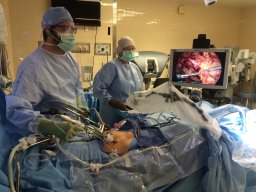 Douglas M. Dahl合作论文数Department of Urology, Massachusetts General Hospital11
 Walter M. Stadler合作论文数Department of Medicine, Biological Sciences Division, The University of Chicago10
 Todd M. Bauer合作论文数TriStar Centennial Medical Center, TriStar Health;Sarah Cannon Cancer Institute10Rosbrook Brad合作论文数10




