OBJECTIVES:Immunogenicity and safety of recombinant zoster vaccine (RZV) were evaluated in the long-term and after revaccination in kidney transplant (KT) recipients on daily chronic immunosuppressive treatment. METHODS:This phase 3b, single-arm, multicenter trial, evaluated KT recipients for varicella zoster virus (VZV) glycoprotein E (gE)-specific humoral and cell-mediated immune (CMI) responses and safety ∼4-8 years post-primary RZV series (two doses) given at ≥18 years of age; and after revaccination (two doses, one month apart), ∼6-8 years post-primary RZV series. Solicited and unsolicited adverse events (AEs) were recorded for seven and 30 days after each revaccination dose. Serious AEs (SAEs), including biopsy-proven allograft rejection and potential immune-mediated diseases, were recorded throughout the study. RESULTS:68 participants were enrolled and 47 revaccinated. Persistent humoral and CMI responses remained ≥2.4-fold and ≥6.1-fold above pre-vaccination levels. One revaccination dose provided robust humoral (22.3-fold) and CMI (276.2-fold) above pre-vaccination responses. No vaccine-related SAEs were observed. CONCLUSIONS:This study demonstrates sustained immunogenicity against VZV gE for up to ≥8 years, functional immune memory with a robust anamnestic response at 6-8 years, and an acceptable safety profile after revaccination, reinforcing RZV's value for herpes zoster prevention in adult KT recipients on daily immunosuppression. CLINICAL TRIAL REGISTRATION:NCT04176939.
BACKGROUND:Solid organ transplant (SOT) recipients are at increased risk for severe respiratory syncytial virus (RSV) disease due to chronic immunosuppression. METHODS:In this ongoing, open-label, phase 3 trial, adults ≥18 years with a history of liver, kidney, or lung transplant received 2 doses of mRNA-1345 RSV vaccine (50 µg) 56 days apart. Primary endpoints were tolerability, safety, and RSV-A/RSV-B neutralizing antibody (nAb) responses on Day 85; secondary endpoints included immunogenicity on Days 29 and 181. Cell-mediated immunity was an exploratory endpoint assessed in a subset of participants. RESULTS:146/150 participants (median: age, 57 years; time since transplant, 4.7 years) received both doses. Reactogenicity was mild to moderate and transient. No vaccine-related discontinuations, deaths, adverse events of special interest (AESIs), or events of transplant rejection were reported within 28 days after any dose. One dose was immunogenic across all SOT types, with 4.9- and 3.4-fold increases in RSV-A/RSV-B nAb GMTs by Day 29, respectively. A second dose resulted in modest additional increases over baseline (RSV-A, 7.1-fold; RSV-B, 5.2-fold). Added benefit of the second dose was more apparent in participants with kidney and lung transplant, <2 years post-transplant, and on mycophenolate. Responses remained above baseline through Day 181. Polyfunctional CD4⁺ T-cell responses were robust and sustained; CD8⁺ responses were also observed. CONCLUSIONS:mRNA-1345 was well tolerated and immunogenic in SOT recipients. A single dose induced nAb responses across subgroups, with potential additional benefit from a second dose in specific groups. Durable antibody and cellular responses support mRNA-1345 as a preventive strategy for RSV in this vulnerable population. CLINICAL TRIALS REGISTRATION:NCT06067230.
These updated guidelines of the AST IDCOP review safe living practices including routine vaccinations, travel vaccinations including general travel advice, as well as non-pharmacological strategies for safe living. General principles of vaccination as well as the use of specific vaccines in this population are discussed. Vaccination status should be reviewed and updated in the pre-transplant setting and when travel is planned. The optimal timing of vaccination post-transplant should be taken into account. There are accumulating data that live-attenuated vaccines can also be given to select post-transplant pediatric and young adult patients. Since the last update of the guidelines in 2019, several new vaccines are recommended such as those for COVID-19 and RSV. In addition, newer formulations of pneumococcal, meningococcal, and hepatitis B vaccinations are available. There are expanded age indications for recombinant zoster vaccine. Close contacts of transplant patients can receive most routine live and inactivated vaccines. For travel, location, duration, and activity during the trip determines the vaccine requirements as well as the need for malaria chemoprophylaxis. Other strategies for safe living include considerations for food, water, pets, and sexual activity. Detailed recommendations surrounding these are included in these guidelines.
Plasma cell dyscrasias (PCD) are a group of hematological disorders associated with immune dysfunction from underlying disease and/or treatment. With continued circulation of SARS-CoV-2, optimizing and maintaining durable protection in this vulnerable population through vaccination remains important. A prospective cohort study was conducted between August 2021 and January 2023 across 12 sites in Canada to evaluate humoral immunity to COVID-19 vaccination in participants with hematological malignancies. Participants were monitored longitudinally, and finger-prick dried blood spot (DBS) cards were obtained at specific intervals based on vaccination. Serum antibodies against SARS-CoV-2 proteins after the 3rd, 4th and 5th dose were measured by high-throughput ELISA. Differences in anti-spike seropositivity by vaccine dose number and clinical risk factors were analyzed by logistic regression. A total of 262 unique participants with 983 samples were included for analysis, among which 66% were diagnosed with PCD. Analysis of the predicted probability of immunity showed consistently higher proportions of PCD participants with vaccine (anti-S) immunity compared to those with infection-derived (anti-N) immunity throughout the study. While vaccine responses appeared to wane 6 months after dose 3 and, to a lesser extent, dose 4, subsequent doses cumulatively increased anti-S immunity. Seropositivity decreased with anti-CD38 therapy and older age, although receipt of additional vaccine doses significantly improved anti-S immunity. Overall, this study demonstrated that the third and subsequent COVID-19 vaccine doses could safely improve humoral immunity in PCD participants. While anti-CD38 therapy and age reduced seropositivity, antibody responses could still be enhanced with vaccine doses beyond the primary three-dose series.
Solid organ transplant recipients (SOTRs) are at increased risk for severe respiratory syncytial virus (RSV) disease due to chronic immunosuppression. Interim safety and immunogenicity are presented from a phase 3 trial evaluating 2 mRNA-1345 doses in SOTRs ≥18 years.Figure 1.Solicited Local and Systemic Reactions within 7 Days After the First and Second Injections (Solicited Safety Set)Dose 1, N = 150; Dose 2, N = 146.Percentages are based on the number of exposed participants who submitted any data for the event.No grade 4 solicited adverse reactions were reported besides a single grade 4 systemic reaction of arthralgia reported for 1 participant (0.7%) after Dose 2.Figure 2.RSV-A and RSV-B Neutralizing Antibody GMTs In Solid Organ Transplant Recipients An ongoing, open-label, phase 3 trial (NCT06067230) evaluated 2 mRNA-1345 50-µg doses, 56 days apart, in adults ≥18 years with liver, kidney, or lung transplant ≥180 days prior to the study. Primary objectives included safety, tolerability, and immunogenicity assessed by RSV-A and -B neutralizing antibodies (nAbs). Primary objective included measurement of geometric mean titers (GMTs) on Day 85; secondary objective included measurement of GMTs on Day 29.Figure 3.RSV-A and RSV-B Neutralizing Antibody GMTs Based on Time since Transplant (blue curves) and Use of Mycophenolate Mofetil (orange/yellow curves)MMF, mycophenolate mofetil; SOTR, solid organ transplant recipient. Of 150 SOTR (50 kidney, 52 liver, and 48 lung), 146 received both doses. Median follow-up from Dose 1 was 223 days (range 8-335). Median age was 57 years (range 24–80), 37.3% were female, and 26.7% received SOT < 2 years prior. Most participants (80.6%) were taking concomitant tacrolimus ± mycophenolate ± steroids. Solicited adverse reactions (SARs) within 7 days were similar after both doses (local: 74.0%, 77.4%; systemic: 64.0%, 64.4%; Fig. 1). No grade 4 local SARs, adverse events (AEs) leading to study/vaccine discontinuation, deaths, or AEs of special interest were reported. One month after Dose 1, RSV-A nAbs rose 4.9-fold from baseline; 1 month after Dose 2, nAbs rose 7.1-fold from baseline (Fig. 2). RSV-B nAb response had a 3.4-fold increase from baseline after Dose 1, and a 5.2-fold increase after Dose 2. Titers achieved varied by SOT type. Liver SOTR titers after Dose 1 were comparable to those observed in non-immunocompromised adults in the pivotal efficacy trial . GMTs were lower in kidney and lung SOTRs, SOTRs < 2 years post-transplant, and those on mycophenolate mofetil (MMF), but increased after Dose 2 (Fig. 3). Two doses of mRNA-1345 50-µg administered 56 days apart in SOTRs were well-tolerated, with no safety concerns. A single dose was immunogenic across all SOTR groups, and a second dose boosted responses, especially in kidney SOTRs, lung SOTRs, those < 2 years post-transplant, or on MMF; therefore, mRNA-1345 is likely to be effective in this vulnerable population. Dima Kabbani, MD, MSc, AvirPharma Inc.: Grant/Research Support|AvirPharma Inc.: Honoraria for education lectures|F2G: Grant/Research Support|Moderna: Grant/Research Support|Pulmocide Ltd.: Grant/Research Support|Takeda Canada: Consultant fee Deepali Kumar, MD, MSc, FRCPC, Eurofins Viracor: Honoraria|GSK: Advisor/Consultant|GSK: Grant/Research Support|Merck and Company, Inc.: Advisor/Consultant|Moderna, Inc.: Grant/Research Support|Paladin Labs: Honoraria|Takeda Canada: Advisor/Consultant|Takeda Canada: Grant/Research Support
Chronic active antibody-mediated rejection (caAMR) is a leading cause of kidney allograft loss; there are no approved therapies. Clazakizumab binds interleukin-6 and was associated with reduced donor-specific antibodies and stabilized estimated glomerular filtration rate (eGFR) in kidney transplantation (KTx) recipients with caAMR in a phase 2 study. We report the final analysis from the phase 3 Interleukin-6 Blockade Modifying Antibody-mediated Graft Injury and Estimated Glomerular Filtration Rate Decline (IMAGINE) trial, the largest placebo-controlled study in KTx recipients with caAMR. KTx recipients were randomized 1:1 to clazakizumab (12.5 mg subcutaneous every 4 weeks) or placebo. One-year interim analysis of eGFR (N = 115) indicated that the trial was unlikely to meet the primary outcome (time to all-cause allograft loss or irreversible loss of allograft function), resulting in early termination. In the final analysis (N = 191), least-squares mean eGFR change from baseline to week 52 (95% confidence interval) for clazakizumab was -8.0 mL/min/1.73 m2 (-10.2, -5.8) vs -5.2 mL/min/1.73 m2 (-7.4, -3.1) for placebo (P = .959). Allograft loss or irreversible loss of allograft function was experienced by 28.3% and 22.2% of patients treated with clazakizumab and placebo, respectively. Reduced C-reactive protein was observed with treatment. No safety concerns were noted. In conclusion, interleukin-6 blockade with clazakizumab did not translate into improvement in eGFR in KTx recipients with caAMR.
The proportion of the population with immunocompromising conditions, who are at increased risk for complications from infectious diseases, continues to grow. Concurrently, outbreaks due to known and emerging pathogens are increasing. Vaccines are the foundation of infection prevention; however, attenuated immune responses in people who are immunocompromised necessitates innovation in design and delivery strategies. Passive immunisation, whereby the desired immunity is directly transferred to an individual, albeit transiently, could be valuable for patients who are unable to generate robust immune responses with vaccination or infection. However, existing therapies are insufficient. Considerable technical and conceptual advancements in the field of immunology have created unprecedented opportunities for the development of novel strategies and therapies to prevent and treat infectious diseases, and studies in people who are immunocompromised are an important setting in which to apply these developments. In this Series paper, we consider key unmet needs in the areas of vaccinology, monoclonal antibody design, study endpoints, health systems approaches, and policy considerations for people who are immunocompromised.
BACKGROUND:It is estimated that up to half of kidney-transplant (KT) recipients develop asymptomatic bacteriuria (ASB) within three years posttransplantation. Despite limited evidence supporting screening or treatment, most centers continue routine surveillance and antibiotic therapy, raising concerns about antimicrobial resistance, drug toxicity, and costs. We sought to describe current Canadian practices and perceptions regarding ASB screening and treatment among nephrologists caring for KT recipients. METHODS:Nationwide cross-sectional survey. All nephrologists affiliated with the Canadian Society of Transplantation (CST) Kidney Group were invited to complete a 27-item electronic survey assessing demographic characteristics, ASB screening and treatment practices, and attitudes toward future clinical trials. RESULTS:Thirty-five nephrologists responded (66% response rate, 35/53) from 12 of 18 adult KT centers in Canada (67% national center representation). Forty percent (14/35) were aged 45-54 years; 49% (17/35) were women; and 57% (20/35) had >15 years of transplant experience. Most (28/35, 80%) reported screening for ASB during the first 2 months posttransplant, most often with weekly urine cultures (20/35, 57%; 19/35, 54%), typically until stent removal (21/35, 61%). All respondents (35/35, 100%) treated ASB during this period, most commonly for 7 days (19/35, 54%); 4/35 (11%) ordered additional investigations. After stent removal, only 7/35 (20%) continued screening and 2/35 (6%) continued treatment. Overall, 14/35 (40%) would modify practice if stronger evidence became available, and 31/35 (88%) were willing to participate in a randomized trial withholding antibiotics for ASB. CONCLUSION:Significant variability exists in ASB screening and treatment practices among Canadian nephrologists. These findings highlight a true evidence gap regarding management during the early posttransplant period, rather than a failure to adopt established data, and support the need for pragmatic clinical trials to guide evidence-based ASB management and antimicrobial stewardship.
Cytomegalovirus (CMV) infection after lung transplant is associated with chronic rejection, but risk factors besides serology are not well-defined. Utilizing a multicenter, prospective cohort, CMV infection risk factors during and after prophylaxis were analyzed with an extended Cox model occurring either after completion of primary prophylaxis or for a breakthrough CMV episode, while on prophylaxis. The overall cohort included 785 lung transplant recipients, of which 221 developed at least one CMV episode. Of the 362 recipients eligible for the off-prophylaxis analysis, 124 had a CMV episode a median of 57 days post prophylaxis. In adjusted models off-prophylaxis, an increased risk of CMV was noted for CMV D+/R- serostatus, shorter duration of previous CMV prophylaxis, and augmented immunosuppression with either high dose steroids or T cell targeted therapy. In the 586 recipients eligible for the breakthrough CMV analysis, 71 had a CMV episode and in adjusted models while on primary prophylaxis, CMV D+/R- serostatus was the only significant risk factor. While CMV D+/R- serostatus remains an important risk factor for CMV, additional risk factors include prophylaxis duration and augmented immunosuppression, which should be considered in CMV prevention after lung transplant.
Human orf virus infection is a rare zoonotic disease that can clinically and radiologically mimic inflammatory or neoplastic conditions. Typical orf infection presents in immunocompetent individuals as a self-limited cutaneous lesion on the hands or fingers. Typical orf infection evolves through characteristic stages, including a targetoid nodule with central necrosis, white halo, and peripheral erythema, and usually resolves spontaneously within 4–8 weeks. In contrast, atypical orf infection occurs predominantly in immunocompromised patients and is characterized by giant, persistent, or disseminated tumor-like lesions with a prolonged and often recurrent course. In this case report, we present the imaging and histopathological findings of confirmed orf virus infection, illustrating the close correlation between radiologic features and the underlying pathology. We describe the clinical course of atypical orf viral infection presenting as an enlarging exophytic digital mass of the hand in a post-transplant patient, highlighting the challenges in diagnosis and management of atypical viral infectious lesions in immunocompromised patients, which may mimic the clinical presentation of a malignant tumor. Typical imaging findings include well-circumscribed dermal or subcutaneous nodules with peripheral enhancement and surrounding inflammatory reaction, corresponding histologically to epidermal hyperplasia with eosinophilic intracytoplasmic inclusion bodies. Recognizing this radiology–pathology correlation is essential, as atypical cases may raise concern for bacterial abscess, atypical mycobacterial infection, cutaneous lymphoma, or squamous cell carcinoma. Awareness of these features can help radiologists and pathologists suggest the correct diagnosis and prevent unnecessary procedures.
Importance Immunocompromised individuals are a large and growing population who are at increased risk for infectious diseases. There has and continues to be a lack of focus on clinical trials to establish the safety and efficacy of therapies for infectious diseases in immunocompromised patients. The establishment of a US-based clinical trial network to improve the study and subsequent implementation of therapies and strategies to treat and prevent infections in immunocompromised individuals would address this gap in research infrastructure and jumpstart public and private investment. Observations A national interdisciplinary meeting was convened on September 10, 2024, in Bethesda, Maryland, to discuss the outsized impact of infectious diseases in immunocompromised individuals and to identify the primary gaps and opportunities for clinical trials in this population. Approaches to achieve this goal include obtaining dedicated funding and support through public-private partnerships to establish alignment and feasibility for high-priority areas of research. This article outlines the relevance of this work; ongoing efforts to collaborate with the National Institutes of Health, US Congress, industry, and philanthropy to obtain funding for mutually beneficial outcomes; the network structure; and perspectives from clinicians, regulatory agencies, the pharmaceutical industry, and patients. Conclusions and Relevance There is a dearth of evidence to support the use of many therapies for infectious diseases in immunocompromised individuals, which has substantial impact at the individual and societal level. A multipronged approach to improve integration of, and funding for, rigorous research in this population into the core priorities of the public and private sectors could address important public health gaps by developing evidence-based guidance to protect a vulnerable community.
Cytomegalovirus (CMV) continues to be one of the most common infections after solid-organ transplantation, resulting in significant morbidity, graft loss, and adverse outcomes. Management of CMV varies considerably among transplant centers but has been become more standardized by publication of consensus guidelines by the Infectious Diseases Section of The Transplantation Society. An international panel of experts was reconvened in October 2012 to revise and expand evidence and expert opinion-based consensus guidelines on CMV management, including diagnostics, immunology, prevention, treatment, drug resistance, and pediatric issues. The following report summarizes the recommendations.
OBJECTIVES:Allogeneic haematopoietic cell transplant (alloHCT) and lung transplant (LT) recipients are at highest risk for severe respiratory syncytial virus (RSV) disease, even as compared to other immunocompromised groups. Notably, these groups were excluded from published RSV vaccine clinical trials. The aim of this study was to determine the safety and immunogenicity of adjuvanted RSVPreF3 vaccine in adult alloHCT and LT recipients. METHODS:Adult alloHCT (≥6 months posttransplant) and LT (≥3 months posttransplant) recipients were enrolled and administered a single dose of adjuvanted RSVPreF3 vaccine. Blood samples were collected at baseline and 4-6 weeks postimmunization to assess neutralizing antibodies (NAb), anti-RSVPreF-IgG antibody levels and RSV-specific polyfunctional T-cells. Safety was assessed through participant-led diaries and follow-up. RESULTS:Eighty-six participants (46 alloHCT, 40 LT) were enrolled, with median follow-up of 191 days (interquartile range [IQR] 170-248). The median age was 59 years (IQR 45.5-67.3) for LT and 64 years (IQR 59-69) for alloHCT recipients. NAb titres increased postvaccination in both groups (alloHCT: 1.3-fold, LT: 3.0-fold; p < 0.0001). Seroconversion by NAb occurred in 15 of 45 (33.3%) alloHCT and 19 of 39 (48.7%) LT recipients. IgG binding antibody levels increased significantly in both groups (3.3-fold in LT, p = 0.0018; 2.3-fold in alloHCT, p = 0.0015). CD4+ polyfunctional T-cell responses were detected in 30 of 42 (71.4%) alloHCT and 28/35 (80.0%) LT recipients postvaccination. CD8+ T-cell responses were lower, but frequencies increased in LT recipients after vaccination (p = 0.024). Overall, the vaccine was well tolerated with grade 1 pain the most reported adverse event (54/86, 62.8%). There was no study intervention-related withdrawal. Three LT recipients developed RSV infection postvaccination; two required hospitalization. CONCLUSIONS:The adjuvanted RSVPreF3 vaccine was immunogenic and well tolerated with modest seroconversion but robust CD4+ T-cell responses. These data support the benefit of RSV vaccination but underscore the need for further strategies to optimize NAb and CD8+ T-cell responses in this high-risk population.
 Atul Humar合作论文数Toronto General Hospital Research Institute285
 Shahid Husain合作论文数Toronto General Hospital Research Institute;University of Toronto80
 Victor H. Ferreira合作论文数McMaster Immunology Research Centre, McMaster University68
 Lianne Singer合作论文数Department of Medicine, Temerty Faculty of Medicine, University of Toronto;Institute of Health Policy, Management and Evaluation, University of Toronto;Toronto General Hospital Research Institute44
 Shaf Keshavjee合作论文数Department of Surgery, Temerty Faculty of Medicine, University of Toronto;Institute of Biomedical Engineering, Faculty of Applied Science & Engineering, University of Toronto;Toronto General Hospital Research Institute;Cancer Clinical Research Unit, Princess Margaret Cancer Centre;Latner Thoracic Research Laboratories;SickKids Research Institute39
 Coleman Rotstein合作论文数Division of Infectious Diseases, Department of Medicine, Temerty Faculty of Medicine, University of Toronto36
 Lisboa Luiz合作论文数32
 Adrian Egli合作论文数Swiss Intercooperation29
 Oriol Manuel合作论文数Transplantation Centre, University Hospital27
 Geetanjali Gupta (G.GUPTA)合作论文数Dept Pharmaceut, ISF Coll Pharm26Yoichiro Natori合作论文数24
 Lara A. Danziger-Isakov合作论文数Department of Pediatrics, University of Cincinnati;Cincinnati Children's Hospital Medical Center24
 Camille Kotton合作论文数Massachusetts General Hospital;Department of Medicine, Harvard Medical School22Matthew Ierullo合作论文数21Victoria G Hall合作论文数20
 Javier T Solera合作论文数19
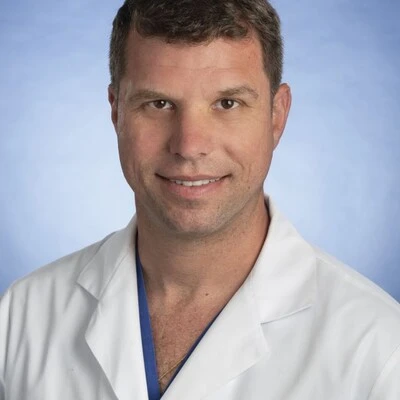 Marcelo Cypel合作论文数Department of Surgery, Temerty Faculty of Medicine, University of Toronto;Toronto General Hospital Research Institute, University Health Network;Department of Surgery, Toronto General Hospital;Department of Surgery, Mount Sinai Hospital;Department of Surgery, Hospital for Sick Children19
 Arnaud G L'Huillier合作论文数Geneva Medical Faculty;Department of Pediatrics, University Hospitals of Geneva17
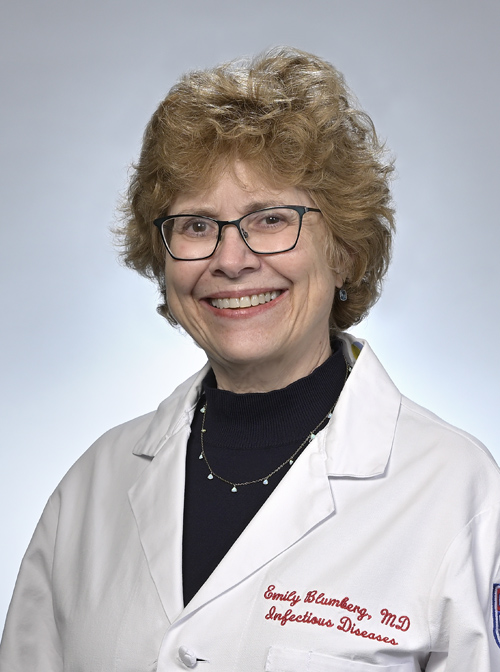 Emily A. Blumberg合作论文数Division of Infectious Diseases, Department of Medicine, Perelman School of Medicine, University of Pennsylvania16
 Terrance Ku合作论文数15
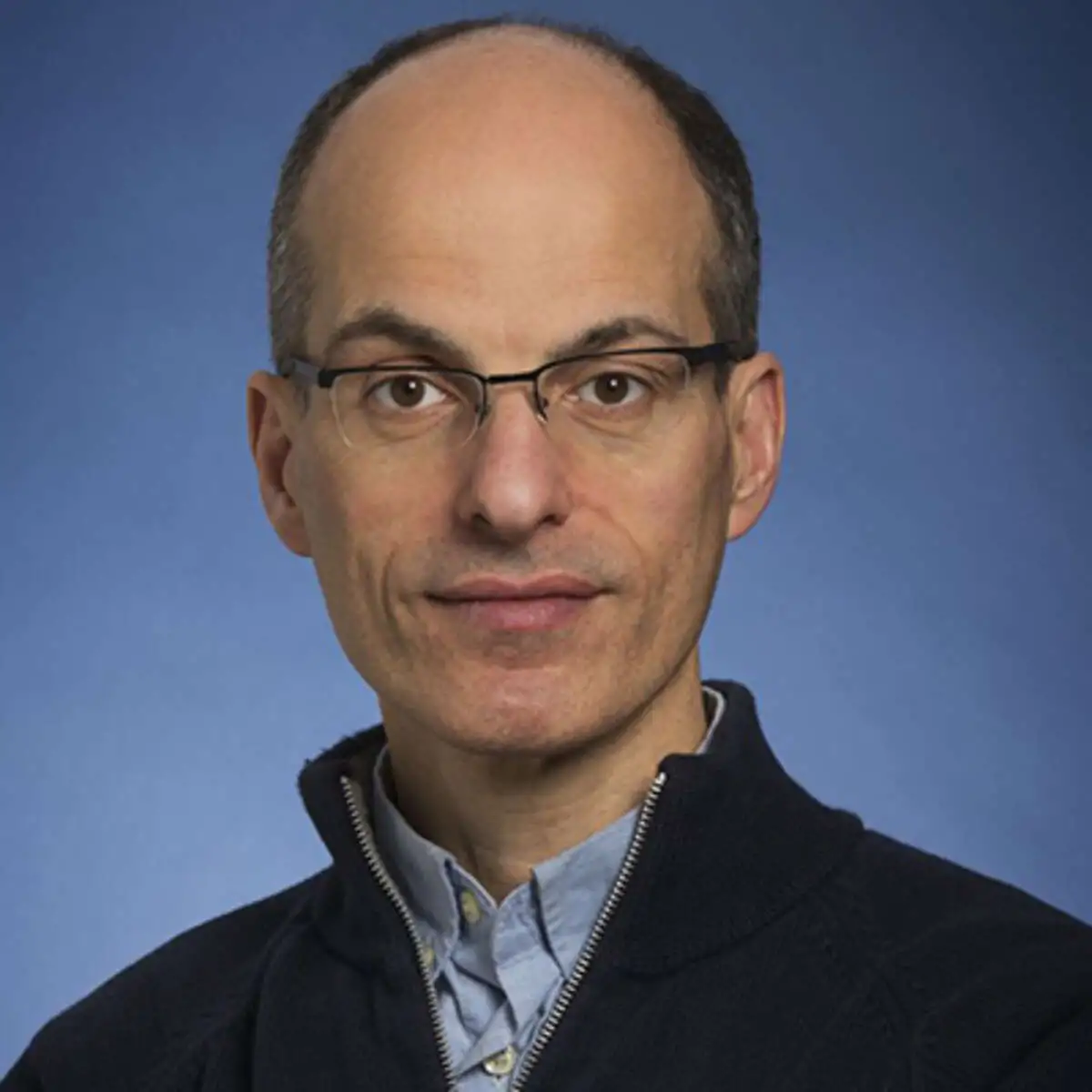 Tony Mazzulli合作论文数Department of Laboratory Medicine and Pathobiology, Temerty Faculty of Medicine, University of Toronto15Anne King合作论文数15
 Vathany Kulasingam合作论文数Department of Laboratory Medicine and Pathobiology, Temerty Faculty of Medicine, University of Toronto;University Health Network15
 Jutta K Preiksaitis合作论文数Department of Medicine, Faculty of Medicine & Dentistry, University of Alberta14Marian G. Michaels合作论文数14Michele I Morris合作论文数University of Miami Miller School of Medicine14George Moussa合作论文数14Ilona Bahinskaya合作论文数13
 Tina Marinelli合作论文数13
 Seyed Hosseini-Moghaddam合作论文数Department of Medicine, University of Toronto13
 D. Lorne Tyrrell合作论文数Department of Medical Microbiology and Immunology, University of Alberta13Robin K. Avery合作论文数13
 Jeffrey Schiff合作论文数University of Toronto12
 Tereza Martinu合作论文数Department of Immunology, Temerty Faculty of Medicine, University of Toronto12
 Michael G. Ison合作论文数Center for Clinical Research, Clinical & Translational Sciences Institute, Feinberg School of Medicine, Northwestern University;Divisions of Infectious Diseases and Organ Transplantation, Feinberg School of Medicine, Northwestern University;Northwestern Memorial Hospital;Division of Infectious Diseases, Department of Medicine, Northwestern University Chicago12O'Shea D合作论文数12B. Majchrzak-Kita合作论文数12
 Cedric Hirzel合作论文数12I. Moinuddin合作论文数11Jussi Tikkanen合作论文数Helsinki University Central Hospital11
 Deborah Siegal合作论文数Department of Medicine, University of Ottawa;School of Epidemiology and Public Health, University of Ottawa;Ottawa Hospital Research Institute11
 Anders Åsberg合作论文数Department of Pharmacy, The Faculty of Mathematics and Natural Sciences, University of Oslo;Department of Transplantation Medicine, Oslo University Hospital11
 S. Joseph Kim合作论文数Division of Nephrology and the Kidney Transplant Program, Toronto General Hospital, University Health Network;Department of Medicine, University of Toronto;Health Canada;Institute for Clinical Evaluative Sciences10
 Anders Hartmann合作论文数10Pamela Kimball合作论文数Virginia Commonwealth University Health System10
 Elisa Cordero合作论文数Service of Infectious Diseases, University Hospitals Virgen del Rocı́o10
 Xiaoli (Lilly) Pang合作论文数Department of Laboratory Medicine & Pathology, Faculty of Medicine & Dentistry, University of Alberta10
 Karen Doucette合作论文数Department of Medicine, University of Manitoba10
 Jordan Feld合作论文数Toronto Centre for Liver Disease, University Health Network;Toronto General Hospital Research Institute, University Health Network;Francis Family Liver Clinic - Toronto Western Hospital, University of Toronto10




