Cytomegalovirus (CMV) infection after lung transplant is associated with chronic rejection, but risk factors besides serology are not well-defined. Utilizing a multicenter, prospective cohort, CMV infection risk factors during and after prophylaxis were analyzed with an extended Cox model occurring either after completion of primary prophylaxis or for a breakthrough CMV episode, while on prophylaxis. The overall cohort included 785 lung transplant recipients, of which 221 developed at least one CMV episode. Of the 362 recipients eligible for the off-prophylaxis analysis, 124 had a CMV episode a median of 57 days post prophylaxis. In adjusted models off-prophylaxis, an increased risk of CMV was noted for CMV D+/R- serostatus, shorter duration of previous CMV prophylaxis, and augmented immunosuppression with either high dose steroids or T cell targeted therapy. In the 586 recipients eligible for the breakthrough CMV analysis, 71 had a CMV episode and in adjusted models while on primary prophylaxis, CMV D+/R- serostatus was the only significant risk factor. While CMV D+/R- serostatus remains an important risk factor for CMV, additional risk factors include prophylaxis duration and augmented immunosuppression, which should be considered in CMV prevention after lung transplant.
Rationale: Chronic lung allograft dysfunction (CLAD) hinders lung transplant success. A 2019 consensus refined CLAD diagnosis, introducing probable or definite CLAD based on persistence of lung function decline. Outcomes and risks for probable CLAD remain uncertain. Objectives: We sought to determine the prognosis and clinical risks for probable CLAD in a prospective multicenter cohort. Methods: Clinical Trials in Organ Transplantation-20 included 745 CLAD-eligible adult lung recipients at five centers and applied rigorous methods to prospectively adjudicate probable CLAD. The impact of probable CLAD on graft loss was determined using a Cox model that considered CLAD as a time-dependent covariate. Regularized Cox modeling with least absolute shrinkage and selection operator (LASSO) penalty was used to evaluate donor or recipient characteristics and the occurrence and timing of posttransplant events as probable CLAD risks. Similar analyses were performed for definite CLAD. Measurements and Main Results: Probable CLAD occurred in 29.7% of patients at 3 years posttransplant and conferred a marked increase in risk for graft loss (unadjusted hazard ratio = 4.38, P < 0.001). Most patients (80%) with probable CLAD progressed to definite CLAD. Cytomegalovirus infection and, specifically, late presence (>90 d posttransplant) of donor-specific alloantibodies, acute rejection, acute lung injury, or organizing pneumonia contributed the greatest independent information about probable CLAD risk. Definite CLAD risks were similar. Conclusions: Probable CLAD identifies patients at high risk for graft loss, supporting prospective identification of this condition for early initiation of CLAD-directed interventions. More effective strategies to prevent posttransplant cytomegalovirus, inhibit allospecific immunity, and reduce tissue injury are needed to reduce probable CLAD and improve lung recipient survival. Clinical trial registered with www.clinicaltrials.gov (NCT02631720).
Solid organ transplant recipients (SOTRs) suffer more frequent and more severe infections due to their compromised immune responses resulting from immunosuppressive treatments designed to prevent organ rejection. Pharmacological immunosuppression can adversely affect immune responses to vaccination. A cohort of kidney transplant recipients (KTRs) received their third dose of ancestral, monovalent COVID-19 vaccine in the context of a clinical trial and antibody responses to the vaccine strain, as well as two Omicron variants BA.1 and BA.5 were investigated and compared with healthy controls who also received a third dose of mRNA vaccine (HCs). Total IgG and live virus neutralizing antibody titers were reduced in KTRs compared with controls for all variants. KTRs displayed altered IgG subclass switching, with significantly lower IgG3 antibodies. Responses in KTRs were also very heterogeneous, with some individuals showing strong responses but a significant number showing no Omicron-specific neutralizing antibodies. Taken together, immune responses after COVID-19 vaccination in KTRs were not only lower than HCs but highly variable, indicating that simply increasing the number of vaccine doses alone may not be sufficient to provide greater protection in this population. These findings underscore the need for tailored vaccination strategies for immunosuppressed populations, such as KTRs. Alternative formulations and doses of COVID-19 vaccines should be considered for people with severely compromised immune systems, as more frequent vaccinations may not significantly improve the response, especially regarding neutralizing antibodies.IMPORTANCEThis study addresses the challenges faced by kidney transplant recipients (KTRs) in mounting effective immune responses against COVID-19. By evaluating the antibody responses to a third dose of monovalent mRNA COVID-19 vaccine and its effectiveness against Omicron subvariants (BA.1 and BA.5), this study reveals significant reductions in both binding and neutralizing antibodies in KTRs compared with healthy controls. The research highlights altered IgG subclass switching and heterogeneous responses within the KTR population. Reduced recognition of variants, coupled with differences in IgG subclasses, decreases both the quality and quantity of protective antibodies after vaccination in KTRs. These findings underscore the need for tailored vaccination strategies for immunosuppressed populations, such as KTRs. Alternative formulations and doses of COVID-19 vaccines should be considered for people with severely compromised immune systems, as more frequent vaccinations may not significantly improve the response, especially regarding neutralizing antibodies.
Kidney transplant recipients (KTRs) develop decreased antibody titers to severe acute respiratory syndrome coronavirus 2 (SARS-CoV-2) vaccination compared to healthy controls (HCs), but whether KTRs generate antibodies against key epitopes associated with neutralization is unknown. Plasma from 78 KTRs from a clinical trial of third doses of SARS-CoV-2 vaccines and 12 HCs underwent phage display immunoprecipitation and sequencing (PhIP-Seq) to map antibody responses against SARS-CoV-2. KTRs had lower antibody reactivity to SARS-CoV-2 than HCs, but KTRs and HCs recognized similar epitopes associated with neutralization. Thus, epitope gaps in antibody breadth of KTRs are unlikely responsible for decreased efficacy of SARS-CoV-2 vaccines in this immunosuppressed population. Clinical Trials Registration. NCT04969263.
Background Poor agreement among lung transplant (LTx) pathologists has been reported in the assessment of rejection. In addition to acute rejection (AR) and lymphocytic bronchiolitis (LB), acute lung injury (ALI) and organizing pneumonia (OP) were recently identified as histopathologic risk factors for chronic lung allograft dysfunction (CLAD). Therefore, maximizing inter-rater reliability (IRR) for identifying these histopathologic risk factors is important to guide individual patient care and to support incorporating them in inclusion criteria for clinical trials in lung transplantation. Methods Nine pathologists across 8 North American LTx centers were surveyed for practices in the assessment of LTx transbronchial biopsies. We conducted 7 diagnostic alignment sessions with pathologists discussing histomorphologic features of CLAD high-risk histopathology. Then, each pathologist blindly scored 75 digitized slides. Fleiss’ kappa, accounting for agreement across numerous observers, was used to determine IRR across all raters for the presence of any high-risk finding and each individual entity. Results IRR (95% confidence intervals) and % agreement for any high-risk finding (AR, LB, ALI, and/or OP) and each individual finding is as follows: Any Finding, k = 0.578 (0.487, 0.668), 78.9%; AR, k = 0.582 (0.481, 0.651), 79.1%; LB, k = 0.683 (0.585, 0.764), 83.5%; ALI, k = 0.418 (0.312, 0.494), 70.9%; and OP, k = 0.621 (0.560, 0.714), 81.0%. Conclusions After prestudy diagnostic alignment sessions, a multicenter group of LTx pathologists seeking to identify histopathology high-risk for CLAD achieved good IRR.
IntroductionIn pancreatic islet transplantation, the exact contribution of human leukocyte antigen (HLA) matching to graft survival remains unclear. Islets may be exposed to allogenic rejection but also the recurrence of type 1 diabetes (T1D). We evaluated the HLA-DR matching, including the impact of diabetogenic HLA-DR3 or HLA-DR4 matches.MethodsWe retrospectively examined the HLA profile in 965 transplant recipients and 2327 islet donors. The study population was obtained from patients enrolled in the Collaborative Islet Transplant Registry. We then identified 87 recipients who received a single-islet infusion. Islet-kidney recipients, 2nd islet infusion, and patients with missing data were excluded from the analysis (n=878).ResultsHLA-DR3 and HLA-DR4 were present in 29.7% and 32.6% of T1D recipients and 11.6% and 15.8% of the donors, respectively. We identified 52 T1D islet recipients mismatched for HLA-DR (group A), 11 with 1 or 2 HLA-DR-matches but excluding HLA-DR3 and HLA- DR4 (group B), and 24 matched for HLA-DR3 or HLA-DR4 (group C). Insulin-independence was maintained in a significantly higher percentage of group B recipients from year one through five post-transplantation (p<0.01). At five-year post-transplantation, 78% of group B was insulin-independent compared to 24% (group A) and 35% (group C). Insulin-independence correlated with significantly better glycemic control (HbA1c <7%), fasting blood glucose, and reduced severe hypoglycemic events. Matching HLA-A-B-DR (≥3) independently of HLA- DR3 or HLA-DR4 matching did not improve graft survival.ConclusionThis study suggests that matching HLA-DR but excluding the diabetogenic HLA-DR3 and/or 4 is a significant predictor for long-term islet survival.
Epstein-Barr virus (EBV)–positive posttransplant lymphoproliferative disorder (PTLD) results in significant morbidity and mortality in pediatric transplant recipients. Identifying individuals at an increased risk of EBV-positive PTLD could influence clinical management of immunosuppression and other therapies, improving posttransplant outcomes. A 7-center prospective, observational clinical trial of 872 pediatric transplant recipients evaluated the presence of mutations at positions 212 and 366 of EBV latent membrane protein 1 (LMP1) as an indicator of risk of EBV-positive PTLD (clinical trials: NCT02182986). DNA was isolated from peripheral blood of EBV-positive PTLD case patients and matched controls (1:2 nested case:control), and the cytoplasmic tail of LMP1 was sequenced. Thirty-four participants reached the primary endpoint of biopsy-proven EBV-positive PTLD. DNA was sequenced from 32 PTLD case patients and 62 matched controls. Both LMP1 mutations were present in 31 of 32 PTLD cases (96.9%) and in 45 of 62 matched controls (72.6%) (P = .005; OR = 11.7; 95% confidence interval, 1.5, 92.6). The presence of both G212S and S366T carries a nearly 12-fold increased risk of development of EBV-positive PTLD. Conversely, transplant recipients without both LMP1 mutations carry a very low risk of PTLD. Analysis of mutations at positions 212 and 366 of LMP1 can be informative in stratifying patients for risk of EBV-positive PTLD.
Tajima, Tetsuya1; Bernstein, Daniel2; Boyd, Scott D3; Gratzinger, Dita3; Lum, Grant1; Sasaki, Kazunari1; Tan, Brent3; Weinberg, Kenneth2; Armstrong, Brian4; Brown, Meredith5; Chin, Clifford6; Desai, Dev7; Fishbein, Thomas M8; Mazariegos, George9; Robien, Mark A5; Tekin, Akin10; Twist, Clare J11; Venick, Robert S12; Krams, Sheri M1; Martinez, Olivia M1; Esquivel, Carlos O1 Author Information
Post-transplant lymphoproliferative disorder (PTLD) is a serious complication of solid organ transplantation (SOT). Predisposing factors include primary Epstein-Barr virus (EBV) infection, reactivation of EBV in recipient B cells, and decreased T cell immunity due to immunosuppression. Previously, we demonstrated that EBV infection markedly reshapes the microRNA (miR) landscape in EBV+ B cell lines leading to increased IL-10 production. To establish the miRNAome of PTLD tumors we analyzed formalin-fixed, paraffin-embedded shavings of tumor tissues obtained from EBV+ PTLD SOT recipients by microarray analysis and quantitative PCR. The miRNAome of EBV+ PTLD tumors were distinctly different from EBV-PTLD tumors with reduced expression of miRs-17, 19 and 106a, and 194 among EBV+ PTLD tumors. miRs-17, 19, 106a, 155, and 194 were quantitated in the plasma and extracellular vesicles (EVs) from EBV+ PTLD+ SOT recipients and matched transplant controls. The plasma and EV levels of miRs-17, 19, 106a and 194 trended lower in the EBV+ PTLD+ group compared to matched controls, with miR-17 (plasma), miR-19 (EVs) and 106a (plasma and EVs) being significantly reduced. Importantly, the cell free miRs were contained primarily within the EVs. Further studies on the diagnostic, mechanistic, and therapeutic potential of these miRs in PTLD are warranted.
We determined prognostic implications of acute lung injury (ALI) and organizing pneumonia (OP), including timing relative to transplantation, in a multicenter lung recipient cohort. We sought to understand clinical risks that contribute to development of ALI/OP. We analyzed prospective, histologic diagnoses of ALI and OP in 4786 lung biopsies from 803 adult lung recipients. Univariable Cox regression was used to evaluate the impact of early (≤90 days) or late (>90 days) posttransplant ALI or OP on risk for chronic lung allograft dysfunction (CLAD) or death/retransplantation. These analyses demonstrated late ALI/OP conferred a two- to threefold increase in the hazards of CLAD or death/retransplantation; there was no association between early ALI/OP and these outcomes. To determine risk factors for late ALI/OP, we used univariable Cox models considering donor/recipient characteristics and posttransplant events as candidate risks. Grade 3 primary graft dysfunction, higher degree of donor/recipient human leukocyte antigen mismatch, bacterial or viral respiratory infection, and an early ALI/OP event were significantly associated with increased late ALI/OP risk. These data from a contemporary, multicenter cohort underscore the prognostic implications of ALI/OP on lung recipient outcomes, clarify the importance of the timing of these events, and identify clinical risks to target for ALI/OP prevention.
Histopathologic lung allograft injuries are putative harbingers for chronic lung allograft dysfunction (CLAD). However, the mechanisms responsible are not well understood. CXCL9 and CXCL10 are potent chemoattractants of mononuclear cells and potential propagators of allograft injury. We hypothesized that these chemokines would be quantifiable in plasma, and would associate with subsequent CLAD development. In this prospective multicenter study, we evaluated 721 plasma samples for CXCL9/CXCL10 levels from 184 participants at the time of transbronchial biopsies during their first-year post-transplantation. We determined the association between plasma chemokines, histopathologic injury, and CLAD risk using Cox proportional hazards models. We also evaluated CXCL9/CXCL10 levels in bronchoalveolar lavage (BAL) fluid and compared plasma to BAL with respect to CLAD risk. Plasma CXCL9/CXCL10 levels were elevated during the injury patterns associated with CLAD, acute rejection, and acute lung injury, with a dose-response relationship between chemokine levels and CLAD risk. Importantly, there were strong interactions between injury and plasma CXCL9/CXCL10, where histopathologic injury associated with CLAD only in the presence of elevated plasma chemokines. We observed similar associations and interactions with BAL CXCL9/CXCL10 levels. Elevated plasma CXCL9/CXCL10 during allograft injury may contribute to CLAD pathogenesis and has potential as a minimally invasive immune monitoring biomarker.
The histopathologic diagnosis of acute allograft injury is prognostically important in lung transplantation with evidence demonstrating a strong and consistent association between acute rejection (AR), acute lung injury (ALI), and the subsequent development of chronic lung allograft dysfunction (CLAD). The pathogenesis of these allograft injuries, however, remains poorly understood. CXCL9 and CXCL10 are CXC chemokines induced by interferon-γ and act as potent chemoattractants of mononuclear cells. We hypothesized that these chemokines are involved in the mononuclear cell recruitment associated with AR and ALI. We further hypothesized that the increased activity of these chemokines could be quantified as increased levels in the bronchoalveolar lavage fluid. In this prospective multicenter study, we evaluate the incidence of histopathologic allograft injury development during the first-year post-transplant and measure bronchoalveolar CXCL9 and CXCL10 levels at the time of the biopsy. In multivariable models, CXCL9 levels were 1.7-fold and 2.1-fold higher during AR and ALI compared with "normal" biopsies without histopathology. Similarly, CXCL10 levels were 1.6-fold and 2.2-fold higher during these histopathologies, respectively. These findings support the association of CXCL9 and CXCL10 with episodes of AR and ALI and provide potential insight into the pathogenesis of these deleterious events.
Background. Transplant recipients with HIV may have worse outcomes with coronavirus disease 2019 (COVID-19) due to impaired T-cell function coupled with immunosuppressive drugs. Alternatively, immunosuppression might reduce inflammatory complications and/or antiretrovirals could be protective. Methods. Prospective reporting of all cases of SARS-CoV-2 infection was required within the HOPE in Action Multicenter Consortium, a cohort of kidney and liver transplant recipients with HIV who have received organs from donors with and without HIV at 32 transplant centers in the United States. Results. Between March 20, 2020 and September 25, 2020, there were 11 COVID-19 cases among 291 kidney and liver recipients with HIV (4%). In those with COVID-19, median age was 59 y, 10 were male, 8 were kidney recipients, and 5 had donors with HIV. A higher proportion of recipients with COVID-19 compared with the overall HOPE in the Action cohort were Hispanic (55% versus 12%) and received transplants in New York City (73% versus 34%, P < 0.05). Most (10/11, 91%) were hospitalized. High-level oxygen support was required in 7 and intensive care in 5; 1 participant opted for palliative care instead of transfer to the intensive care unit. HIV RNA was undetectable in all. Median absolute lymphocyte count was 0.3 x 10(3) cells/mu L. Median CD4 pre-COVID-19 was 298 cells/mu L, declining to <200 cells/mu l in 6/7 with measurements on admission. Treatment included high-dose steroids (n = 6), tocilizumab (n = 3), remdesivir (n = 2), and convalescent plasma (n = 2). Four patients (36%) died. Conclusions. Within a national prospective cohort of kidney and liver transplant recipients with HIV, we report high mortality from COVID-19.
Immunosuppression devoid of corticosteroids has been investigated to avoid long-term comorbidities. Likewise, alternatives to calcineurin inhibitors have been investigated as a strategy to improve long-term kidney function following transplanion. Costimulatory blockade strategies that include corticosteroids have recently shown promise, despite their higher rates of early acute rejection. We designed a randomized clinical trial utilizing depletional induction therapy to mitigate early rejection risk while limiting calcineurin inhibitors and corticosteroids. This trial, Clinical Trials in Organ Transplantation 16 (CTOT-16), sought to evaluate novel belatacept-based strategies employing tacrolimus and corticosteroid avoidance. Sixty-nine kidney transplant recipients were randomized from 4 US transplant centers comparing a control group of with rabbit antithymocyte globulin (rATG) induction, rapid steroid taper, and maintenance mycophenolate and tacrolimus, to 2 arms using maintenance belatacept. There were no graft losses but there were 2 deaths in the control group. However, the trial was halted early because of rejection in the belatacept treatment groups. Serious adverse events were similar across groups. Although rejection was not uniform in the belatacept maintenance therapy groups, the frequency of rejection limits the practical implementation of this strategy to avoid both calcineurin inhibitors and corticosteroids at this time.
In a phase 2 multicenter open-label randomized trial sponsored by the National Institutes of Health, simultaneous pancreas-kidney (SPK) recipients were randomized to a calcineurin inhibitor (CNI)-based immunosuppressive regimen (tacrolimus) (n = 21), or an investigational arm using low-dose CNI plus costimulation blockade (belatacept) with intended CNI withdrawal (n = 22). Both arms included induction therapy with rabbit ATG, mycophenolate sodium, or mycophenolate mofetil and rapid withdrawal of steroids. Enrollment and CNI withdrawal were stopped after 43/60 planned subjects had been enrolled. At that time, the rate of biopsy-proven acute rejection (BPAR) of the pancreas was low in both groups until CNI was withdrawn, with four of the five pancreas rejections occurring during or after CNI withdrawal. The rate of BPAR of kidney allografts was low in both control (9.5%) and investigational (9.1%) arms. Pancreas graft survival at 52 weeks, defined by insulin independence, was 21 (100%) in the control group and 19 (86%) in the investigational arm. One subject in the investigational arm died with functioning pancreas and kidney grafts. Renal function at week 52 was similar in both arms. Costimulation blockade with belatacept did not provide sufficient immunosuppression to reliably prevent pancreas rejection in SPK transplants undergoing CNI withdrawal.
Depletional induction using antithymocyte globulin (ATG) reduces rates of acute rejection in adult kidney transplant recipients, yet little is known about its effects in children. Using a longitudinal cohort of 103 patients in the Immune Development in Pediatric Transplant (IMPACT) study, we compared T cell phenotypes after ATG or non-ATG induction. We examined the effects of ATG on the early clinical outcomes of alloimmune events (development of de novo donor specific antibody and/or biopsy proven rejection) and infection events (viremia/viral infections). Long-term patient and graft outcomes were examined using the Scientific Registry of Transplant Recipients. After ATG induction, although absolute counts of CD4 and CD8 T cells were lower, patients had higher percentages of CD4 and CD8 memory T cells with a concomitant decrease in frequency of naïve T cells compared to non-ATG induction. In adjusted and unadjusted models, ATG induction was associated with increased early event-free survival, with no difference in long-term patient or allograft survival. Decreased CD4+ naïve and increased CD4+ effector memory T cell frequencies were associated with improved clinical outcomes. Though immunologic parameters are drastically altered with ATG induction, long-term clinical benefits remain unclear in pediatric patients.
RATIONALE Acute rejection, manifest as lymphocytic inflammation in a perivascular (acute perivascular rejection, AR) or peribronchiolar (lymphocytic bronchiolitis, LB) distribution, is common in lung transplant recipients and increases the risk for chronic graft dysfunction. OBJECTIVES Evaluate clinical factors associated with biopsy proven acute rejection during the first posttransplant year in a present-day, five-center lung transplant cohort. METHODS We analyzed prospective diagnoses of AR and LB from over 2,000 lung biopsies in 400 newly transplanted adult lung recipients. Because LB without simultaneous AR was rare, our analyses focused on risk factors for AR. Multivariable Cox proportional hazards models were used to assess donor and recipient factors associated with the time to first AR occurrence. MEASUREMENTS AND MAIN RESULTS 53.3% of patients experienced at least one AR episode during the first posttransplant year. Multivariable proportional hazards analyses accounting for enrolling center effects identified four or greater HLA mismatches (HR 2.06, p=<0.01) as associated with increased AR hazards, while bilateral transplantation (HR 0.57, p=<0.01) was associated with protection from AR. Additionally, Wilcoxon rank-sum analyses demonstrated bilateral (vs. single) lung recipients and those with fewer than 4 (vs greater than 4) HLA mismatches demonstrated reduced AR frequency and/or severity during the first posttransplant year. CONCLUSIONS We found a high incidence of AR in a contemporary multicenter lung transplant cohort undergoing consistent biopsy sampling. While not previously recognized, the finding of reduced AR in bilateral lung recipients is intriguing, warranting replication and mechanistic exploration.
Post-transplant lymphoproliferative disorder (PTLD) remains a serious problem in the pediatric transplant population. The Clinical Trials of Organ Transplantation in Children (CTOT-C)-06 is an NIH-sponsored multi-institutional study intended to identify viral and immune biomarkers of Epstein-Barr virus (EBV)-associated PTLD. The laboratory studies are ongoing and herein we describe the enrolled and transplanted population to date. Enrollment began in August, 2014 and will continue until August, 2018. At the conclusion of the study all subjects will have a minimum of one year and a maximum of four years of follow-up post-transplant. As of November, 2017 there were 784 pediatric subjects enrolled and 687 children (53% male; 47% female) have received a transplant (50% liver, 22% heart, 22% kidney, 6% small intestine or multi-visceral). The mean age at transplant was 6.4 years (range 0-21 years) and 57% were EBV+, while 35% were EBV- and 8% had unknown EBV status. Of the EBV- subjects, 23% seroconverted during the study period. To date, 17 subjects (6 male, 11 female) have been diagnosed with EBV+ PTLD for an overall incidence of 2.5% (heart, n=5; kidney, n=5; liver, n=5; multivisceral, n=2). The incidence of EBV+ PTLD by organ transplanted was 3.3% in heart, 3.3% in kidney, 1.5% in liver, and 10% in multivisceral. The overall mean time post-transplant of EBV+ PTLD diagnosis was 18.9 months (range 1.7-43.9 months). The mean time post-transplant of EBV+ PTLD diagnosis by organ was 25.9 months in heart recipients, 17.8 months in kidney recipients, 19.6 months in liver recipients and 2.8 months in multivisceral recipients. Eight of the 17 patients diagnosed with EBV+ PTLD received induction medication and 10 were EBV-seronegative at transplantation. The anatomic location of disease was nodal (n=8), tonsillar (n=1) and extranodal (n=8). In summary, we report on the first large prospective US-based multi-center study on EBV+ PTLD in the era of modern immunosuppression and heightened surveillance for EB, and observe a continued incidence of EBV+ PTLD in pediatric transplant recipients. NIH 1UO1AI104342.
 Megan Lee Neely合作论文数Duke University School of Medicine;Duke Clinical Research Institute7
 Jerry Kirchner合作论文数6Courtney W Frankel合作论文数6
 Elizabeth Pavlisko合作论文数Department of Pathology, Duke University School of Medicine6
 Scott Michael Palmer合作论文数Division of Pulmonary, Allergy, and Critical Care Medicine, Department of Medicine, School of Medicine, Duke University;Duke Clinical Research Institute, Duke University6Armstrong Brian合作论文数6John A. Belperio合作论文数6S. Sam Weigt合作论文数5Nikki Williams合作论文数5
 Lianne Singer合作论文数Department of Medicine, Temerty Faculty of Medicine, University of Toronto;Institute of Health Policy, Management and Evaluation, University of Toronto;Toronto General Hospital Research Institute5
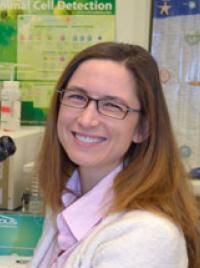 Tereza Martinu合作论文数Department of Immunology, Temerty Faculty of Medicine, University of Toronto5
 Jamie Lynn Todd合作论文数Department of Medicine, School of Medicine, Duke University School of Medicine5
 Laurie D. Snyder合作论文数Department of Medicine, School of Medicine, Duke University School of Medicine5
 John Michael Reynolds合作论文数Department of Medicine, School of Medicine, Duke University School of Medicine5Shino Michael Y合作论文数5
 Olivia M. Martinez合作论文数Department of Surgery/Division of Transplantation and Program in Immunology, Stanford University School of Medicine5
 Marie Budev合作论文数Department of Pulmonary Medicine, Cleveland Clinic5
 William Werbel合作论文数4Tsuang Wayne合作论文数4Twist Clare J合作论文数4
 Brent Tan合作论文数Department of Pathology, School of Medicine, Stanford University;Division of Hematology, School of Medicine, Stanford University4
 Christian P. Larsen合作论文数Department of Surgery, School of Medicine, Emory University;Emory Transplant Center, Emory University4Christine Durand合作论文数4
 Dorry L. Segev合作论文数Department of Surgery, Grossman School of Medicine, New York University;Department of Population Health, Grossman School of Medicine, New York University4Michelle L. Sever合作论文数4
 Dita Gratzinger合作论文数Department of Pathology, Stanford University4
 Scott D. Boyd合作论文数Department of Pathology, Stanford University4
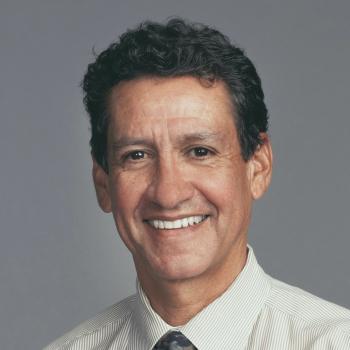 Carlos O. Esquivel合作论文数Division of Gastroenterology, Hepatology, and Nutrition, Department of Podiatric, School of Medicine, Stanford University;Department of Surgery, School of Medicine, Stanford University4
 Kenneth Weinberg合作论文数Division of Pediatric Hematology, Oncology, Stem Cell Transplantation & Regenerative Medicine, Stanford School of Medicine, Stanford University;Maternal & Child Health Research Institute, Stanford University4
 Sheri Krams合作论文数Stanford University4Clifford Chin合作论文数3Heather Kopetskie合作论文数3Merideth Brown合作论文数3
 Aaron A. R. Tobian合作论文数Epidemiology, Bloomberg School of Public Health, Johns Hopkins University3Venick Robert S合作论文数3Thomas M. Fishbein合作论文数3
 Peter G. Stock合作论文数Department of Surgery, University of California San Francisco3Rodolfo Alejandro合作论文数3George Mazariegos合作论文数3Thomas L. Eggerman合作论文数3
 Daniel Bernstein合作论文数Pediatrics Department, Stanford University3Dev M. Desai合作论文数3William R. Clarke合作论文数2
 Thomas Earnest合作论文数2Yvonne Morrison合作论文数2George DeTitta合作论文数2Lori W Schoenfeld合作论文数2Yarl Balachandran合作论文数2Kristen Mason合作论文数2




