No FDA approved drugs exist for relapsed/refractory (RR) AL Amyloidosis. CAR-T is a novel approach. We report safety and efficacy from the first 23 pts in NEXICART-2, the first U.S. clinical trial of any CAR-T in RR AL Amyloidosis.NEXICART-2 (NCT06097832) is a single-arm, multi-site U.S. Phase 1/2 trial of autologous BCMA-targeted CAR-T NXC-201 in RR AL Amyloidosis. It will enroll 40 pts. Pts have been exposed to bortezomib and anti-CD-38 antibody with persistent or relapsed disease with measurable disease (dFLC >5mg/dl or dFLC >2mg/dl with abnormal k:l ratio, or M-spike >0.5g/dl). LD was Flu/Cy. Primary endpoint is complete hematologic response (CR) (Palladini 2012, 2020, 2021). Cardiac, renal and hepatic responses were assessed by consensus criteria (Comenzo 2012; Palladini 2014).23 pts (13 F, 10 M), median (med) age 66 yrs (range: 49 – 82) included. Med follow-up 168 days (range 63 – 463). Med prior lines 4 (range: 1 - 12); 12 (52%) prior stem cell transplant. Med dFLC 5.7 mg/dl (range: 2.0 – 31.0). Med NT-proBNP 323 ng/L (range: 61 - 2,017). 61% (14/23) cardiac disease (Diagnosis: Mayo stage I, II, IIIa, IIIb N=1,7,5,1; Enrollment: I, II, IIIa N=5,6,3, respectively). NYHA was I (N=6) and II (N=8). 30% (7/23) kidney disease, med 3g/24h (range 2 – 10g) proteinuria.3, 20 pts received 150, 450 million CAR+T cells, respectively. Grade 1/2 (N=13/5) cytokine release syndrome (CRS) in 18 pts. CRS onset day 1/2/3 (N=13/2/3), med duration 1 day (range: 1-5). No ICANs or neurotoxicity of any kind was observed. Adverse events included neutropenia (grade 2/3/4 (N=2/10/10). 1 pt with pre-existing stage 4 chronic kidney disease prior to enrollment died 6 months after dosing due to dialysis catheter infection (deemed unrelated to drug). 3 pts with ≥ grade 3 infections, 1 grade 3 febrile neutropenia (4 days); 2 with pre-existing atrial fibrillation had transient arrythmias responsive to beta-blockers. No other cardiac toxicity or decompensation.96% pts (22/23) normalized pathologic disease markers (involved FLC or M-spike) after NXC-201, med 7 days (range: 7 – 53), all with reduction of dFLC to <1 mg/dL. 17/20 MRD negative in bone marrow at day 25 (flow cytometry or clonoSEQ 10-5 or 10-6 sensitivity). MRD not yet available for 3 pts. 4 pts had a cardiac organ response and 2 improved NYHA from II to I. 2 and 1 pt had renal, liver organ responses, respectively. 1 pt with pre-existing stage 4 CKD prior to enrollment had renal progression; no cardiac progressions. As of the data cutoff, 20/23 pts treated with NXC-201 are in VGPR/CR, 3 PR/low dFLC PR; no hematologic progressions. All pts with >1 year follow-up (N = 3) remain in CR. Updated results will be communicated at presentation.In the first 23-pt U.S. CAR-T trial in RR AL Amyloidosis, we show NXC-201 can be given safely and results in rapid and deep hematologic responses in all pts treated. The novel anti-BCMA CAR-T NXC-201 may fill an unmet medical need for RR AL pts.
ABSTRACT:Tisagenlecleucel (tisa-cel) is a CD19-directed chimeric antigen receptor T-cell therapy for relapsed/refractory precursor B-cell acute lymphoblastic leukemia (R/R B-ALL). We report infectious complications for 100 days (D100) following tisa-cel therapy in 471 pediatric and young adults (median age 13.8 years) with R/R B-ALL reported from September 2017 to June 2022. By D100, 137 (29%) patients had an infectious event, with an infection density of 0.542 per 100 person-days at risk. D100 cumulative incidences of bacterial, viral, and fungal infections were 14.1%, 11.6%, and 1.3%, corresponding to infection density scores of 0.296, 0.213, and 0.033 per 100 person-days at risk, respectively. In a multivariable analysis, receipt of ≥3 lines of therapy before tisa-cel (hazard ratio [HR], 1.86; 95% confidence interval [CI], 1.13-3.08; P = .015), any-grade cytokine release syndrome (HR, 1.78; 95% CI, 1.17-2.71; P = .007), and lack of neutrophil recovery (HR, 2.63; 95% CI, 1.47-4.69; P = .001) were associated with an increased risk for any infection. Similar associations were observed for bacterial infections, with the addition of younger age as an adverse risk (<6 vs 6-15 years; HR, 2.38; 95% CI, 1.23-4.61; P = .01). Risk factors for viral infections included increasing age (1-year increase; HR, 1.05; 95% CI, 1.01-1.09; P = .016), prior history of any infection (HR, 2.76, 95% CI, 1.40-5.46; P = .004), and prior hematopoietic cell transplant (HR, 2.10; 95% CI, 1.18-3.71; P = .011). D100 infection-related mortality (IRM) rate was low at 0.2% (95% CI, 0.0-0.8). In this multicenter real-world study, we observed a high incidence of infectious complications but a low IRM following tisa-cel for R/R B-ALL.
Background Allogeneic stem cell transplant (allo-SCT) remains an important curative therapeutic modality in adults with high risk ALL. Reduced intensity conditioning (RIC) has extended the curative potential of allo-SCT to increasing numbers of older fit adults. There have been, however, no prospective randomised trials to guide the choice of the optimal RIC regimen in older adults with ALL. The UKALL14 trial previously reported outcomes for 249 adults >40y with ALL in CR1 who received fludarabine, melphalan and alemtuzumab (FMA) RIC allo-SCT. Overall survival (OS) at 4y was 55% with transplant-related mortality (TRM) 19.6%. The major cause of treatment failure was relapse (33.6% of patients by 4y) (Marks et al. 2022). Recent registry data has indicated that use of TBI is associated with improved disease outcomes (Giebel et al. 2017) in adult ALL patients receiving allo-SCT. We therefore performed a prospective, randomised comparison of the UK FMA RIC regimen with a cyclophosphamide plus 8Gy TBI RIC protocol (Cy/8TBI), with the goal of improving OS in high-risk adult ALL. Methods The FMA RIC regimen (fludarabine 30mg/m2 IV for 5d; melphalan 140mg/m2 IV single dose; alemtuzumab 30mg IV D-1 for sibling donor/20mg IV D-2 & -1 for unrelated donor) was compared to cyclophosphamide 50mg/kg for 2d plus 8Gy TBI (4# over 2d) and alemtuzumab (dosed as per FMA). Intrathecal prophylaxis was given for 2y post-SCT. Donor lymphocyte infusions were permitted for persistent minimal residual disease (MRD) or mixed donor T-cell chimerism from 3mo post-SCT. Primary endpoint was disease-free survival (DFS), with secondary endpoints including cumulative incidence of relapse (CIR), NRM, OS, GvHD rates and toxicity. Results Total 102 patients from 20 centres were randomised, with 89 proceeding to allo-SCT on study (45 FMA; 44 Cy/8TBI); 94 (92%) were in CR1 and 8 (7.8%) in CR2. Thirty patients (29.4%) had high risk cytogenetics (KMT2A-r; low hypodiploidy; complex karyotype), plus 31 (30.4%) Philadelphia positive cases. Median age of the entire cohort was 52y (IQR 46-59) with treatment arms being well balanced for pre-SCT characteristics. Total 31 (30%) and 71 (70%) patients received sibling and unrelated donor allo-SCT, respectively. Engraftment occurred in 85/89 (96%), with equivalent time to neutrophil and platelet engraftment between arms. With a median follow up of 41 months, 3y DFS by intention to treat (ITT) was 50% and 48% for FMA and Cy/8TBI, respectively (HR 1.12 [95% CI 0.64-1.95]; p=0.7). Neither cytogenetic risk nor pre-SCT MRD significantly affected DFS. At 3y, neither CIR (FMA 31% vs Cy/8TBI 36%; HR 1.23 [95% CI 0.63-2.42]; p=0.6), nor NRM (FMA 19% vs Cy/8TBI 16%; HR 0.81 [95% CI 0.32-2.07]; p=0.7) differed significantly between arms. OS at 3y (ITT) was also similar (FMA 61% vs Cy/8TBI 58%; HR 1.1; [95% CI 0.59-2.05]; p=0.8). Grade 2-4 aGvHD was seen in 2 (4.0%) and 5 (9.6%) patients with FMA and Cy/8TBI, respectively (p=0.44). No grade 3+ aGvHD was seen. Maximum grade 1 aGvHD occurred in 5 (10%) and 8 (15%) after FMA and Cy/8TBI, respectively. cGvHD developed in 4 (8%) FMA and 10 Cy/8TBI (19%) patients, with extensive in 6 (5.9%) patients, and no difference between arms (p=0.15). Total 97 and 102 SAEs were reported (in 30 and 26 patients) in the FMA and Cy/8TBI arms, respectively. Infections were not higher with Cy/8TBI (FMA 26 (27%); Cy/8TBI: 23 (23%)); nor were cardiac and pulmonary SAEs (FMA: 12 (12%); Cy/8TBI: 11 (11%)). Median total days of hospitalisation in year 1 did not differ between arms (FMA: 26 [IQR 22-33]; Cy/8TBI 27 [IQR 22-37]). During the study period, the most frequent causes of death in both arms were disease relapse (FMA 6 (32%); Cy/8TBI 9 (43%)) and infection (FMA 4 (21%); Cy/8TBI 8 (38%)). Conclusions This is the first prospective, randomised trial comparing RIC allo-SCT conditioning regimens in adult ALL. Cy/8TBI did not demonstrate superiority over a non-TBI FMA RIC protocol, achieving similar DFS and OS at 3y post-SCT. However, incorporation of 8Gy TBI into a RIC protocol designed for older adults was well tolerated, with no increases in acute or chronic GvHD, and no additional infectious or extramedullary toxicity. These data highlight the importance of performing randomised trials of innovative conditioning regimens, if outcomes for older patients receiving allo-SCT for ALL are to be improved. Importantly the ALL-RIC trial showcases feasibility and patient appetite for randomised transplant trials.
Inotuzumab ozogamicin (InO) was approved for the treatment of adults with relapsed/refractory (R/R) acute lymphoblastic leukemia (ALL) on the basis of the phase 3 INO-VATE trial, which found that treatment-related mortality (TRM), primarily due to hepatic veno-occlusive disease/sinusoidal obstruction syndrome (VOD/SOS), was higher among patients who received InO versus standard therapy and proceeded to allogeneic hematopoietic stem cell transplantation (HSCT). Here, we use real-world data obtained from the Center for International Blood and Marrow Transplant Research database to evaluate post-HSCT outcomes in adult patients with ALL who received InO from 18 August2017 to 18 August 2022. Post-HSCT follow-up data were available for 244 patients with ALL (including 156 with R/R ALL) who received InO. VOD incidence within 100 days of HSCT was 14
7508 Background: No FDA approved treatments exist for relapsed/refractory (RR) AL Amyloidosis. Chimeric antigen receptor T-cell (CAR-T) is a novel approach to treating RR AL Amyloidosis. In this study, we report safety and efficacy data from NEXICART-2, the first U.S. clinical trial of any CAR-T in RR AL Amyloidosis. Methods: NEXICART-2 (NCT06097832) is a single-arm, multi-site U.S. Phase 1b/2 dose escalation and expansion trial of autologous BCMA-targeted CAR-T NXC-201 in RR AL Amyloidosis. It will enroll 40 patients (pts) with a 6 patient safety run-in, that has now completed. Pts must have been exposed to bortezomib and anti-CD-38 antibody with persistent or relapsed disease. Lymphodepletion was with fludarabine and cyclophosphamide. The primary endpoint is complete hematologic response (CR) rate (Palladini. 2012). Results: 7 pt (4 F, 3 M), median age 66 years (range: 56-82) were included. Median follow-up 97 days (range 7-209). Median prior lines 4 (range: 2-9); including 4(57%) with prior autologous stem cell transplant; 6/7 had gain 1q. Median dFLC at enrollment were 5.4 mg/dL (range: 2.4-12.1). 57% (4/7) had cardiac involvement (Mayo stage I (N =2), II (N=4) and IIIa (N=1) with median NT-proBNP 909 pg/mL (range: 146 – 2,532)); 2/7 had New York Heart Association (NYHA) class II heart failure, 5/7 class I. 2 pts had kidney involvement, with 4.5 and 10.0gm of proteinuria in 24h. 3 pts received 150 million and four 450 million CAR+T cells. CRS was observed in 5 pts (grade 1 (N=4), grade 2 (N=1)); onset day 1 (N=3) or 3 (N=2), lasting <24 hours following 1 dose of tocilizumab in all pts. No pt had neurotoxicity. Adverse events included neutropenia (grade 3 (N=3), grade 4 (N=2). 1 pt with pre-existing stage 4 chronic kidney disease prior to enrollment had Grade 4 acute on chronic kidney injury. There was no febrile neutropenia, treatment-related infections, cardiac toxicity, and no deaths. All pts (7/7, 100%) normalized pathological disease markers after NXC-201. Pts 1, 2, 4, 5, 6, 7 normalized FLCs at median 7 days (range 7-14) following NXC-201, all with reduction of dFLC to <1 mg/dL. Pts 1, 2, 4, 5, 6 had MRD negativity in bone marrow by flow cytometry (10 -6 sensitivity) at day 25 or 26 (Pt 7 was not MRD evaluable as of the cut-off date). Pt 3 had a renal organ response per AL criteria (reduction in albuminuria) and resolution of the m-spike 15 days following NXC-201 (0.79g/dl at enrollment). As of the data cutoff, all pts are in VGPR/CR, with no relapses recorded. Improvement in NYHA class from II to I occurred in 1 pt 14 days following NXC-201 treatment. 15 pts are expected to have been treated at presentation time. Conclusions: In this first reported U.S. CAR-T clinical trial experience in RR AL Amyloidosis, we demonstrate that NXC-201 can be given safely and resulted in rapid and deep hematologic responses in all pts treated. Our data suggests that the novel anti-BCMA CAR-T NXC-201 may become a valuable treatment option for RR AL pts. Clinical trial information: NCT06097832 .
INTRODUCTION:Inotuzumab ozogamicin (InO) is indicated for the treatment of adults with relapsed or refractory (R/R) acute lymphoblastic leukemia (ALL). This systematic literature review (CRD42022330496) assessed outcomes by baseline characteristics for patients with R/R ALL treated with InO to identify which patients may benefit most. METHODS:In adherence with PRISMA guidelines, searches were run in Embase and MEDLINE. Inclusion criteria were real-world evidence, observational studies, and phase 2-4 trials. The Cochrane Risk of Bias tool and Newcastle-Ottawa instrument assessed quality. RESULTS:34 publications were included; 11 described the phase 3 INO-VATE trial. Patients treated with InO who were CD22-positive, in first salvage, and eligible for subsequent hematopoietic stem cell transplant (HSCT) had improved outcomes. Reduced incidence of veno-occlusive disease was observed in patients with normal transaminase levels and bilirubin, no prior liver disease, and who did not receive dual alkylators. CONCLUSIONS:The ideal patient for InO treatment has CD22-positive disease (≥20% leukemic blasts), normal liver function, no history of liver disease, is in first salvage, has not previously received HSCT, prefers outpatient treatment, or has high disease burden. Limitations included potentially missing publications that were non-English, not identified in the searches, or available after the date the searches were conducted. REGISTRATION:This systematic review was registered on the Prospective Register of Systematic Reviews (PROSPERO), registration number: CRD42022330496.
e22000 Background: Inotuzumab ozogamicin (InO) is FDA approved for adult and pediatric (≥1 y) patients (pts) with relapsed/refractory (R/R) B-cell precursor acute lymphoblastic leukemia (ALL). However, InO has been associated with increased risk of sinusoidal obstruction syndrome (SOS), particularly following hematopoietic cell transplantation (HCT). Previously reported post-HCT SOS rates are ~20% in adults and ~20–50% in pediatric pts who received InO before HCT. Methods: This observational, post-authorization safety study used data from the CIBMTR to assess post-HCT outcomes in pts with B-cell precursor ALL who received InO prior to HCT in the US. We report outcomes in pediatric pts ( < 18 y) who received InO prior to first HCT between 18 Aug 2017 and 17 Aug 2022. Results: In all, 52 pts were included (median age 9 y; 54% male; 83% with R/R ALL). Prior to HCT, 17% were in first complete remission (CR1), 40% in CR2, and 42% in CR≥3; 52%, 42%, and 6% received 1, 2, and ≥3 InO cycles, respectively; 46% received InO as monotherapy and 35% in combination with other agents (data unavailable in 19%). After InO, 39/52 (75%) achieved CR and 9/52 (17%) achieved CR with incomplete hematologic recovery; 38/47 (81%) evaluable pts were reported as minimal residual disease negative. Median (range) time from last InO dose to HCT was 1.4 (0.6–12.5) mo. Post-HCT outcomes are shown in the table. Post-HCT relapse of ALL occurred in 21 pts, of whom 7 (33%) died within 18 mo. Of 31 pts without post-HCT relapse, 6 died in remission due to SOS (n = 2), graft-versus-host disease (GVHD), organ failure, infection, or thrombotic microangiopathy (n = 1 each). In all, 16 pts developed SOS (8 mild; 8 severe). Of these, 7 received defibrotide treatment and 7 died within 18 mo (2 with SOS as cause of death). Prophylactic defibrotide was given to 23/52 pts (7/16 with SOS). Median (range) time from HCT to SOS was 10 (6–25) d. Other adverse events occurring in ≥30% of pts 100 d post HCT were viral infection (38%) and acute grade II–IV GVHD (33%). Conclusions: The rate of SOS in this real-world cohort of pediatric pts with ALL who received InO before HCT was similar to prior pediatric clinical studies. Given the high SOS rate and mortality in pediatric pts, careful consideration and pt selection should be exercised when using InO prior to HCT. Further investigation is needed to identify SOS risk factors and strategies for mitigating this risk in pediatric pts. Post-HCT outcomes. Pediatric ptsn=52 Median (range) follow-up from HCT, mo 15.2 (3.3–50.7) 12-mo overall survival % (95% CI) 71 (56–83) 6-mo transplant-related mortality, % (95% CI) 8 (2–17) 6-mo non–transplant-related mortality % (95% CI) 8 (3–17) 6-mo relapse, % (95% CI) 24 (13–37) Continued CR, n (%) 51 (98) Pts with SOS within 100 d, n 16 100-d SOS, % (95% CI) 31 (19–44) Post-SOS mortality among all pts, n (%) 7 (13)
Introduction:Inotuzumab ozogamicin (InO) is a CD22-targeted antibody drug conjugate approved for relapsed/refractory B-cell acute lymphoblastic leukemia (R/R B-ALL). InO has shown promising results as a component of transitioning therapy prior to chimeric antigen receptor T-cell therapy (CAR-T) (Kantarjian et al., 2019). However, real-world data on the use and outcomes of InO prior to or as a bridging therapy to CAR-T remain limited (Laetsch et al. 2023; Shah et al. 2021; Lin et al. 2024). The INO-TRANSIT study aimed to describe the real-world demographics, clinical characteristics and treatment outcomes in R/R B-ALL patients treated with InO prior to CAR-T. Methods:Data were drawn from an observational chart review of patients with R/R B-ALL receiving InO prior to CAR-T from sites in Spain, the UK and the US from December 2024–June 2025. Patients were ≥18 years at index and received InO to facilitate CD19-directed CAR-T (even if CAR-T was not administered). Electronic case report forms captured patient demographics, clinical characteristics and treatment outcomes. Index was first InO dose (01 June 2017 onwards), with a minimum follow-up of three months post-index. Overall survival (OS) and time to next treatment (TTNT) were evaluated via Kaplan-Meier estimations (with 95% CIs). Results:Of the 84 patients analyzed, median (IQR) age was 40.0 (24.0, 59.0) years, 78.6% were White and 57.1% were male. Most patients (73.2%) had relapsed disease, 25.5% were refractory. 20.2% of patients had extramedullary disease at their R/R B-ALL diagnosis. Prior to index, 35.7% of patients received a hematopoietic stem cell transplant, 31.0% received blinatumomab and 4.8% received InO. At index, 14.3% of patients were Philadelphia chromosome (Ph) positive, 6.0% were Ph-like and 25.0% of patients had other cytogenetic abnormalities. Median (IQR) bone marrow blast (BMB) count was 62.5% (18.0%, 89.5%). All patients underwent at least 1 cycle of InO prior to CAR-T, 21.4% received 2 cycles and 3.6% received ≥3 cycles. Most patients (73.8%) received InO as a monotherapy. Overall, 45.3% of patients first received InO prior to apheresis and 54.7% between apheresis and CAR-T infusion. Upon InO completion, 46.5% of patients achieved CR, CR with partial hematologic recovery (CRh) or CR with incomplete hematologic recovery (CRi). 26.2% of patients were refractory to InO and 9.5% had progressive disease. Of those assessed (n=65), 41.5% tested negative for minimal residual disease (MRD) after their first and 43.1% after their last cycle of InO. Median (IQR) BMB count after last dose of InO was 2.0% (0.0%, 41.0%), and 66.0% patients had BMB <5%. Median (IQR) TTNT was 35.0 (22.0, 57.0) days, inclusive of CAR-T initiation. Leukapheresis was performed successfully on all patients (n=84); 71 (84.5%) received CAR-T infusion, 9 (10.7%) received another therapy and 4 (4.8%) went into palliative care. CAR-T treatment details were available for 64 patients. Of these, 29.7% received tisagenlecleucel, 34.4% received brexucabtagene autoleucel and 35.9% received another CD19-directed CAR-T product. CAR-T was infused as salvage 1 (34.4%), salvage 2 (29.7%) or salvage 3 or later (26.6%). Overall, 76.7% (n=56/73) of patients achieved CR/CRh/CRi after CAR-T or another therapy. A further 6.8% had refractory disease and 6.8% had progressive disease. CR was maintained for 68.8% of patients until six months after CAR-T. After infusion, 35.9% of patients had B-cell recovery. At 12 months after CAR-T infusion, an estimated 72.5% patients survived and 62.4% had not initiated another salvage therapy. Median OS was not reached. Most patients were alive at the time of data collection (57.3%). Of those who died (42.7%), ALL disease progression was responsible in 82.9% of patients while 11.4% died due to ALL treatment-related causes. Veno-occlusive disease (VOD) was diagnosed in 7.1% of patients at any point during their ALL treatment; a further 4.8% had suspected VOD. 46.4% of patients were diagnosed with neutropenic sepsis at any point during their diagnosis and treatment. Conclusions:Most patients who received InO prior to CAR-T successfully received treatment, achieving CR after CAR-T. Leukapheresis after InO treatment was feasible, with meaningful 12-month post-CAR-T OS, and the incidence of VOD at any time was low. While larger, comparative studies are required to determine optimal strategies before CAR-T, this study suggests that InO may be used effectively prior to CAR-T.
Background The UK Adult ALL CAR-T panel - established May 2023 - promotes equity of access and consistent eligibility assessment for nationally commissioned CAR-T therapies. This collaborative platform supports robust collection and assessment of real-world data (RWD). We previously reported RWD around use, toxicity and outcomes of adult ALL patients (pts) approved for brexu-cel therapy in the 1st 12mo of nationally funded access. Here we provide an updated analysis of UK CAR-T use for adult ALL and evaluate factors influencing outcome following brexu-cel infusion. Methods All pts approved for brexu-cel by panel between May 2023-April 2025 and with sufficient data were included. Retrospective data from 20 accredited immune effector cell centres were anonymised, collected on a standardised proforma and collated to support RWD analysis. Results Of 134 pts assessed, 92 were eligible for brexu-cel by national criteria (ITT cohort). Indications were post-allo-SCT relapse (60; 65.2%); 1st relapse within 12mo of CR1 (11; 12.0%); 2nd/subsequent relapse (7; 7.6%); relapse in non-SCT candidate (4; 4.4%); refractory disease (10; 10.8%). Median age (ITT) was 50.5y (IQR 40.5-59y), with 21 (22.8%) >60y. One-third (30; 33.3%) had tyrosine kinase activating fusions; 17 (18.9%) and 7 (7.8%) had v high and high-risk cytogenetics, respectively (per revised UKALL14 genetic risk). Median prior therapy lines were 2 (1-5), including prior allo-SCT, blinatumomab and inotuzumab in 61 (66.3%), 26 (28.3%) and 21 (22.8%), respectively. Of approved cases, 83 (88%) underwent apheresis (2 failed apheresis; 1 failed manufacture). Ultimately, 68 (73.9% of approved; 85% with product) underwent brexu-cel infusion. Median time from approval to infusion was 57.5d (IQR 43.5-74.5); 95.6% received bridging (84.6% 1 line only). At infusion 48 (73.8%) were in CR, with 53 (77.9%) having BM blasts <5% and 16 (24.6%) confirmed MRD negative. At D30 and D90 post-infusion, 58 (95.1%) and 49 (98%) were in CR, with 52 (85.2%) and 41 (82%) MRD negative, respectively. Of responders, 79% (95% CI 65.1-87.9) maintained response at 6mo. Five (7.4%) went on to allo-SCT. Grade 3+ CRS and ICANS occurred in 2.9% and 23.5% of cases, respectively. With median 12mo FU [95% CI 6.7-14.5] from infusion, 6mo relapse-free (RFS) and overall survival (OS) was 73.9% and 85.5%, respectively. Estimated median RFS was 17.1mo (95% CI 9.9-NR); median OS was not reached. Disease burden at infusion predicted outcome, with est median RFS for pts with ≤5% and >5% blasts of 20.1mo [95% CI 13.5-NR] and 4.2mo [95% CI 0.0-9.9] respectively (log-rank p<0.001). MRD-negativity at infusion was associated with improved RFS (median NR v 11.7mo [95% CI 7.3-20.0]; est 12mo RFS 90.0% [95% CI 47.3-98.5] v 50.0% [95% CI 33.6-64.3]; log-rank p=0.014). Prior EMD predicted worse RFS (median 4.7mo [95% CI 0-13.5] v 19.2mo [95% CI 11.3-NR]; log-rank p=0.004) and OS (median 9.0mo [95% 0.9-NR] v NR; log-rank p=0.021). Prior blinatumomab was associated with worse RFS (median 11.3mo [95% CI 3.3-NR] v 19.2mo [95% CI 9.9-NR]; log-rank p=0.046) and OS (median 14.2mo [95% CI 3.6-NR] v NR; log-rank p=0.042). OS was not impacted by prior inotuzumab exposure (any ino p=0.375; ino as bridging p=0.573). Relapse within 6mo of prior allo-SCT predicted poor outcomes post CAR-T (v relapse ≥6mo post-SCT: RFS p<0.001; OS p=0.015). In univariate Cox regression models, prior EMD (RFS HR 3.18 [1.38–7.33]; OS HR 3.22 [1.13–9.21]), >5% blasts (RFS HR 5.17 [2.35–11.39]; OS HR 4.04 [1.55–10.54]), and post-SCT relapse within 6mo (RFS HR 6.51 [2.16-19.63]; OS HR 4.70 [1.20-18.41]) predicted inferior outcomes. Adjusted for age, all retained significance (EMD: RFS HR 3.21 [1.39–7.43]; OS HR 3.04 [1.05–8.79]; >5% blasts: RFS HR 5.31 [2.39–11.82]; OS HR 4.30 [1.63–11.47]; post-SCT relapse <6mo: RFS HR 6.53 [2.12-20.08]; OS HR 4.50 [1.07-18.93]). Conclusion Here we present one of the largest RWD analyses of brexu-cel use in adult ALL. Brexu-cel was deliverable, tolerable, and efficacious, in a cohort notably differing from that trialled in ZUMA-3, including a higher proportion post-SCT, older median age, and more in CR at infusion. Outcomes were strongly influenced by disease burden at infusion and EMD status: the latter may be relevant in the frontline blinatumomab era (in which patterns of relapse may differ). Early post-SCT relapse (<6mo) was also associated with worse CAR-T outcomes, highlighting need for risk-adapted strategies in this subgroup.
Poor outcome for older patients with ALL has multiple attributions, including a higher incidence of high-risk genetic features,1 and comorbidities as well as treatment intolerance.2, 3 The phase 2 clinical trial UKALL60+ (NCT01616238) was a collaboration between the UK National Cancer Research Institute Adult ALL Group and the Haemato-Oncology Foundation for Adults in the Netherlands (HOVON) to study treatment choices, quality of life (QoL) and outcomes in older patients with ALL. UKALL60+ offered four treatment "pathways": pathway A for BCR::ABL1+ ALL and pathways B, C, and D offering three choices of intensity for BCR::ABL1 negative ALL (Intensive, Intensive-plus and Non-Intensive, respectively), to be selected by investigator and patients. A registration-only choice (Pathway E) was also available. Details of treatment regimens are given in Figure S1. There were no exclusions for any comorbidities. The primary endpoint was complete remission (CR) after a 2-phase induction. Secondary endpoints included event-free survival (EFS) and overall survival (OS), the predictive value of MRD (Ig/TCR quantification, EuroMRD criteria),4 patient-reported outcomes, and the relationship between the baseline characteristics (Charlson index. ECOG, Karnofsky and Chemotherapy Risk Assessment Scale for High-Age Patients [CRASH] scores) and treatment option chosen. Between January 2013 and November 2018, 121 eligible patients, median age 69 (interquartile range [IQR]: 65–73, range: 55–83), of whom 107 had B-ALL and 14 T-ALL, were recruited at 34 sites (Table S1). Baseline characteristics are shown in Table 1 alongside the characteristics of the 65 patients aged over 60 years that were recruited to the contemporaneous UKALL14 trial, age 25–65 years. A consort diagram is shown in Figure S2. Fifty-one of 81 (63%) patients with BCR::ABL1 negative disease were allocated to pathway B, 11% (9/81) to pathway C, and the remaining 26% (21/81) to pathway D. At a median follow-up: 65.9 months (IQR: 38.1–80.9), CR rate after two phases of induction, was achieved by 92% (70% confidence interval [CI]: 82.1–97.2) on pathway A, 70.6% (70% CI: 62.6–77.6) on pathway B, 55.6% (70% CI: 33.6–75.9) on pathway C and 47.6% (70% CI: 34.5%–61%) of those on pathway D. No participant achieved CR on study later than end of induction. Molecular remission occurred in 5/25 (20%; A), 13/51 (25.5%; B), 2/9 (22.2%; C), and 1/21 (4.8%; D) with data available. Only 26/121 (21.5%) patients achieved molecular remission at any point. The relationship between MRD and outcome at the three study timepoints is given in Table S2. Ninety-six deaths were reported; 32 patients died without achieving CR (22/32, primary cause, ALL). Fifty-six patients died after relapse and eight died in CR (four from infection, three from second malignancies [small cell lung cancer, AML, and CMML] and one unknown). Survival data are shown in Table 1, with the corresponding Kaplan–Meier survival curves in Figure 1. At a median follow-up of 65.9 months (IQR: 38.1–80.9), the estimated 1-year EFS rates were: pathway A: 56.0% (95% CI: 34.8–72.7), pathway B: 54.9% (95% CI: 40.3–67.3), pathway C: 55.6% (95% CI: 20.4–80.5) and pathway D: 25.2% (95% CI: 9.2–45.1). The corresponding OS was: pathway A: 71.4% (95% CI: 49.2−85.2), pathway B: 64.7% (95% CI: 50.0–76.1), pathway C: 53.3% (95% CI: 17.7–79.6), and pathway D: 15.1% (95% CI: 3.8–33.6). The higher initial CR rate for patients with BCR::ABL positive ALL (pathway A) did not result in a markedly better 1-year EFS or OS than the BCR::ABL1 negative participants, regardless of pathway. The 3-year EFS (95% CI) were: pathway A: 27.0% (11.5–45.3), pathway B: 16.5% (7.7–28.3), pathway C: 41.7% (10.9–70.8), and pathway D: 15.1% (3.8–33.70) and OS (95% CI): pathway A: 33.0% (15.5–51.8), pathway B: 20.8% (10.8–33.0), pathway C: 55.3% (17.7–79.6) and pathway D: 15.1% (3.8–33.6). Three-year EFS for those achieving CR was 27.6% (18.2–37.8) and for those achieving molecular remission was 33.6% (16.4–51.7), as shown in Figure S3. Only 14 patients with T-ALL were recruited, with no discernable difference in outcome to B-ALL (Table S3). A description of the pathway E, registration-only cohort is given in the supplement. Adverse events (AEs), duration of hospitalization, treatment cessation by phase of therapy, are shown in Tables S4 and S5. Five of 121 (4.1%) patients (none of whom had achieved CR) suffered a fatal AE (three pathway C and one each pathways B and D), the causes being one cardiac arrest, three lung infections, and one febrile neutropenia. Grade 3/4 events were common (98/102; 96%), particularly infections (88/102; 86.3%). Patients in pathway C experienced significantly more grade 3/4 AEs during induction 1 (medians 16.0 [IQR: 8.0–20.5]) and induction 2 (15.0 [9.0–17.5]) compared to patients in pathways A (9.0 [6.0–11.0], p = 0.045 [induction 1] and 6.0 [3.0–8.0], p = 0.030 [induction 2]) and D (6.5 [5.5–10.0], p = 0.026 [induction 1] and 5.5 [3.5–8.5], p = 0.026 [induction 2]). More events were also seen for pathway B (10.0 [8.0–13.0], p = 0.023) than pathway D. Only 21/106 (19.8%) patients completed all protocol treatment. Discontinuation was highest during inductions 1 and 2; 27/106 (25.5%) and 11/106 (10.4%) mainly due to refractory/relapsed disease (19/38; 50%). Relapsed/refractory ALL was also the main reason for discontinuation of therapy at other timepoints (33/47; 70.2%) across all arms. Only five of 106 (4.7%) overtly stopped therapy due to toxicity. A comparison of patient characteristics across the pathways is shown in Table 1. Participants on pathway D were significantly older than those on pathway B (median 73 years [IQR: 70–78] vs. 67 [IQR: 62–70], p = 0.0001), and had greater comorbidity; 9/21 (45%) with a Charleston Index of 7 or more in pathway D compared to only 8/51 (16.7%) in pathway B. The greater frailty of the pathway D group was also evident when comparing baseline QoL measures and comorbidities, with significantly lower physical functioning compared to pathway B; medians 60.0 (IQR: 53.3–80) versus 86.7 (IQR: 66.7–100), p = 0.014 (Tables S6 and S7). No patient with a Charleston index score of 7 or above was allocated to pathway C (p = 0.013). Major, age-associated comorbidities were common across the entire study cohort and included cardiac disease 27/121 (22.3%), diabetes 17/121 (14.0%), hypertension 39/121 (32.2%), and other cancer 22/121 (18.1%), eight of which were previous breast cancer and seven previous hematological malignancy. Significant differences were seen in duration of inpatient stay, analysed by percentage of total treatment period spent in hospital (p = 0.026). Patients receiving pathways B and C spent more treatment-time in hospital compared to pathways A and D, with the effect most pronounced during induction (p = 0.0001) where pathway B and C participants were inpatients for 62.1% (46.3–96.7) and 75.8% (68.8–83.0), respectively compared to pathway A and D participants at 22.8% (IQR: 9.8–55.6) and 31.1% (IQR: 14.5–51.5), respectively. QoL was compared by pathway—summarized in supplementary results. We saw no indication that the least intensive pathway D provided a better QoL, with scores for some scales numerically lower than those of pathways A–C (Figure S4A–D). Any decreases in QoL from baseline were generally seen at the end of induction phases, with improvements in the FACT scores seen by the end of consolidation 1 and maintenance 1 (Table S8). Physical function scores, as assessed by QLQ-C30, remained reduced throughout while sensory and motor neuropathy scores increased at later points during therapy. We compared the EFS and OS of UKALL60+ cohort with that of the 65 patients aged 60–65 years, treated on the full intensity adult ALL trial UKALL14 in an overlapping recruitment timeframe. Unsurprisingly, patients in UKALL14 had lower ECOG scores (40.0% vs. 60.9% ECOG 0, p = 0.0068). Fewer had baseline comorbidities (67.7% vs. 85.0%, p = 0.0059)—particularly notable for cardiac morbidities (6.2% vs. 22.5% p = 0.0046). Although CR rates were higher; UKALL14 55/63 (87.3%) vs. UKALL60+ 82/118 (69.2%), as shown in Table 1, EFS and OS rates at 3 years were 20.5% (11.5–31.3) and 25.2% (15.2–36.5) for UKALL14 and 18.8% (12.2–26.5) and 23.2% (15.9–31.4) for UKALL60+ (Figure 1C,D). However, the type of events differed, with only 18/55 (32.7%) being relapse, 9/55 deaths without remission, and 26/55 (47.2%) deaths in remission in UKALL14 compared to 56/95 (58.9%), 32/95 (33.7%), and 7/95 (7.4%) respectively, for UKALL60+. Among the UKALL14 60–65 year-old cohort, 28/65 had received allo-SCT, resulting in death in remission in 3/28 (46%).5 Among patients treated on pathway B, there was no difference in outcome between patients with high/very high-risk versus standard-risk genetics (EFS HR: 1.35 [0.68–2.67], p = 0.39) whereas there was a difference in outcome by genetic risk for patients aged 60–65 years old treated on UKALL14 (HR: 2.59 [1.12–5.98], p = 0.026). Our survival data are broadly commensurate with data from a GMALL cohort of similar median age6 where OS at 3 years was 32%. However, the UKALL60+ population were in worse health overall; 27.5% had a Charlson Index >7 compared to the GMALL cohort, with only 11% scoring >3, commensurate with the GMALL exclusion criteria for comorbidities. By contrast to the GMALL early death rate of 14%, we observed a low treatment-related mortality. UKALL60+ treatments were successfully planned to minimize harm, but this did not improve OS. It was unexpected that the 3-year EFS and OS of 20.5% and 25.2% for those aged 60–65 years treated on UKALL14 data did not differ from that of the UKALL60+ recruits, with completely overlapping survival curves (Figure 1). The outcomes are similar to those reported in an EBMT study of 418 patients aged over 55 years receiving alloSCT; 5-year LFS of 34% but a 51% nonrelapse mortality.7 Taken together, these data suggest even the most intensive treatments including alloSCT do not generate excellent outcomes for most older patients with ALL. We were surprised to see no evidence of better QoL for the recipients of the least intensive pathway D, despite a significant reduction in length of hospital stay. In summary, the UKALL60+ pathways proved safe for initial cytoreduction, but the survival outcomes in this representative population of older patients with ALL was unsatisfactory. Nonchemotherapy approaches should be employed at the earliest opportunity for this patient group. QoL should always be measured, as the investigators assumptions do not necessarily reflect patients' experience. Bela Patel: Trial design, trial management group member, manuscript writing. Amy A. Kirkwood: Trial design, lead statistician, data analysis, manuscript writing. Clare J. Rowntree: Trial management group member, site principal investigator. Krisztina Z. Alapi: Central lab manager, specimen processing, MRD analysis. Emilio Barretta: Central analysis of genetics. Laura Clifton-Hadley: Trial management group member, lead trial co-ordination. Tom Creasey: Central analysis of genetics. SooWah Lee: Specimen processing, MRD analysis. David I. Marks: Trial management group member, site principal investigator. Anthony V. Moorman: Trial management group member, central coordination of genetics. Nicholas Morley: Trial management group member, site principal investigator. Pip Patrick: Trial management group member, senior trial coordination. Zaynab Rana: Trial management group member, trial coordination. Anita Rijneveld: Site principal investigator, lead for HOVON. John A. Snowden: Trial management group member, quality of life lead. Adele K. Fielding: Trial concept and design, trial management group chair, trial chief investigator, manuscript writing, trial funding. The authors declare no conflict of interest. Cancer Research UK CRUK/A13920 to AKF, CRUK/A21019 to AKF/AVM, and an unrestricted educational support grant from Jazz Pharma. The data that support the findings of this study are available from the corresponding author upon reasonable request. Please note: The publisher is not responsible for the content or functionality of any supporting information supplied by the authors. Any queries (other than missing content) should be directed to the corresponding author for the article.
Experts from the European Leukemia Net (ELN) working group for adult acute lymphoblastic leukemia have identified an unmet need for guidance regarding management of adult ALL from diagnosis to aftercare. The group has previously summarized their recommendations regarding diagnostic approaches, prognostic factors and assessment of ALL (cross-reference). The current recommendation summarizes clinical management. It covers treatment approaches including the use of new immunotherapies, application of MRD for treatment decisions, management of specific subgroups and challenging treatment situations as well as late effects and supportive care. The recommendation provides guidance for physicians caring for adult ALL patients which has to be complemented by regional expertise preferably provided by national academic study groups.
Background The UK National Adult ALL CAR-T panel, established in 05/2023, ensures robust assessment of eligibility and equitable access to Brexu-cel as the first EMA licensed, nationally approved CAR-T therapy for R/R adult B-ALL (≥26 yrs) in the NHS. The panel is uniquely positioned to facilitate real world data (RWD) collection from point of eligibility determination. Here we evaluate use, toxicity and outcomes for patients (pts) approved within the first 12 months. Methods All pts approved for Brexu-cel between 05/2023 and 05/2024 with sufficient data were included in the analysis. Retrospective data recorded by JACIE-FACT IEC centres were anonymised, collected on a standardised datasheet and collated to support RWD analysis. Results Of 75 pts screened against nationally approved criteria, 54 (72%) were deemed eligible, with sufficient data available for analysis in 51 (ITT cohort). Indication was post-allo-HSCT relapse in 62.7% (32/51) of approved cases. Six were not apheresed (1 progressive disease, 2 deaths from disease, 3 clinical decision), for an apheresis rate of 88% in the ITT cohort. Successful apheresis and manufacture was achieved in 44 (97.7%) and infusion proceeded in 36 (70.6% approved; 81.8% with available product). Reasons for non-infusion included death fromdisease (n=4),progression (n=2) and consent withdrawal (n=2). Thirty-three (64.7%) were male. Median age of approved and infused pts was 52.0 (IQR 43.0-59.0) and 51.5 (IQR 43.5-59.5) years, respectively; 12/51 (23.5%) ITT and 9/36 (25.0%) infused were ≥60 years of age. By UKALL14 revised genetic risk status, 20/51 (39.2%) were standard risk, 5/51 (9.8%) high, 12/51 (23.5%) very high, and 13/51 (25.5%) had tyrosine kinase activating fusions (1/51 unknown). Median prior lines of therapy were 2 (1-4) with 33/51 (64.7%) having prior allo-HSCT, 9/51 (17.6%) prior blinatumomab and 15/51 (29.4%) prior inotuzumab. Seventeen (33.3%) had comorbidity index (HCT-CI) 3+ at point of eligibility. Bridging therapy was delivered in 34/36 (94.4%) of infused pts. At infusion, 22/36 (61.1%) were in CR with 24/36 (66.7%) having ≤5% BM blasts and 8/36 (22.2%) MRD negative. Extramedullary disease featured in 5/36 (13.9%), with no cases of active CNS disease. Median approval-to-infusion time was 60 days (IQR 45.0-77.5). Within 30 days of infusion there was one death due to G5 ICANS. A further 3 pts had insufficient follow up (FU) for D30 response assessment. Of the remainder, 32/32 (100%) were in CR/CRi post-infusion, with 78.1% (25/32) MRD negative (3.1% (1/32) MRD positive; 18.8% (6/32) MRD unknown). Two further deaths occurred before D90 (n=1 soft tissue infection; n=1 unspecified). Six had insufficient FU for D90 response assessment. Of those remaining alive with sufficient FU at D90, 23/24 (95.8%) remained in CR/CRi, with ongoing MRD negativity confirmed in 18/23 (78.3%; 5/23 (21.7%) MRD unknown). With median FU from approval of 7.3 months (95% CI 6.2-10.1) and 8.2 months (95% CI 6.2-10.1) for infused and ITT cohorts respectively, 86.1% (31/36) of infused and 76.5% (39/51) ITT pts remained alive. Estimated OS from approval date was 88.4% (95% CI 71.9-95.5) and 81.0% (95% CI 56.6-92.5) at 6 and 12 months respectively for infused, and 77.2% (95% CI 62.5-86.7) and 72.0% (95% CI 54.1-83.9) for ITT cohorts. At 6 months, RFS for those infused was 82.1% (95% CI 60.8-92.5) (median RFS 11.5 months (95% CI 7.3-NR)), with only one progressing to allo-HSCT. Blasts >5% (vs ≤5%) at infusion was associated with worse RFS (x2 11.56; p=0.003). Of 36 infused pts, 94.4% (34/36) experienced CRS, but only 5.6% (2/36) G3+ events. Median CRS duration was 5 days (IQR 4-6). Neurotoxicity occurred in 61.1% (22/36) with G3+ ICANS in 30.6% (11/36) and 7/36 (19.4%) requiring ITU stay for neurotoxicity. Median ICANS duration was 3 days (IQR 2-4). Conclusions The UK adult ALL CAR-T access scheme uniquely supports consistent patient assessment, collaborative discussion and cross-centre analysis of Brexu-cel use and outcomes from the point of eligibility. In a cohort with median age exceeding that of ZUMA 3, Brexu-cel delivers high rates of MRD negative CR at D30 and D90, with acceptable procedural mortality (8.3% at D90) and ITT survival outcomes comparable to those for infused pts in ZUMA 3. Despite lack of CNS disease and low disease burden in most at infusion, rates of G3+ neurotoxicity mandate consideration during patient selection, consent and therapy delivery.
The objective of this guideline, prepared by the ALL subgroup of the Advanced Cell Therapy Sub-Committee of BSBMTCT (British Society of Blood and Marrow Transplantation), is to provide healthcare professionals with practical guidance on the preparation of children and young adults with B-acute lymphoblastic leukaemia from the point of referral to that of admission for CAR T-cell treatment. The Grading of Recommendations Assessment, Development and Evaluation (GRADE) nomenclature was used to evaluate the levels of evidence and to assess the strength of recommendations. The GRADE criteria can be found at http://www.gradeworkinggroup.org.
 Hillard M. Lazarus合作论文数Department of Medicine, School of Medicine, Case Western Reserve University94
 Robert Peter Gale合作论文数Centre for Haematology, Department of Immunology and Inflammation, Imperial College London;Division of Experimental Medicine, Imperial College London61
 Adele Fielding合作论文数Department of Haematology, Cancer Institute, Faculty of Medical Sciences, University College London;University College London Hospitals NHS Foundation Trust61
 Mark R. Litzow合作论文数Division of Hematology, Department of Internal Medicine, Mayo Clinic57
 Saber Wael合作论文数47Bipin N. Savani合作论文数47
 Daniel Weisdorf合作论文数Division of Hematology, Oncology and Transplantation, Department of Medicine, Medical School, University of Minnesota;Clinical and Translational Science Institute, University of Minnesota41Richard Olsson合作论文数40Martin S. Tallman合作论文数40
 Antonio Pagliuca合作论文数Department of Hematological Medicine, Kings College Hospital39Baldeep Wirk合作论文数Bone Marrow Transplant Program, Penn State Cancer Institute37Jacob M. Rowe合作论文数35
 Matthias Stelljes合作论文数Knochenmark-Transplantations-Zentrum, Universitätsklinikum Münster35
 Gordon Cook合作论文数Scottish Universities Environmental Research Centre, University of Glasgow35Mei-Jie Zhang合作论文数33Kamble Rammurti T合作论文数33
 Nigel Russell合作论文数University of Nottingham33
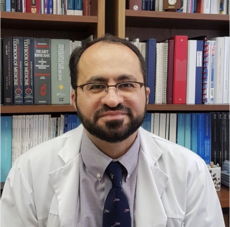 Mahmoud Aljurf合作论文数King Faisal Specialist Hospital and Research Centre33
 Vikas Gupta合作论文数Cancer Clinical Research Unit, Princess Margaret Cancer Centre32Taiga Nishihori合作论文数Department of Radiation Medicine and Neurosurgery;Faculty of Medicine;Hokkaido University;Faculty of Medicine, Hokkaido University32
 Harry C. Schouten合作论文数University Hospital Maastricht32
 Gregory A Hale合作论文数All Children's Hospital31
 Jean-Yves Cahn合作论文数30Cesar O Freytes合作论文数Department of Medicine, University of Texas Health Science Center San Antonio29Stephen Mackinnon合作论文数28
 Mike Potter合作论文数Haemato-Oncology Unit, The Royal Marsden28
 Edmund Waller合作论文数Department of Hematology and Medical Oncology, School of Medicine, Emory University;Winship Cancer Institute, Emory University27
 Charles Craddock合作论文数Warwick Medical School, University of Warwick;University of Birmingham;Centre for Clinical Haematology, Queen Elizabeth Hospital27
 Richard T. Maziarz合作论文数Oregon Health and Science University26Kebriaei Partow合作论文数25
 Navneet Majhail合作论文数Sarah Cannon;Tristar Division, HCA Healthcare25
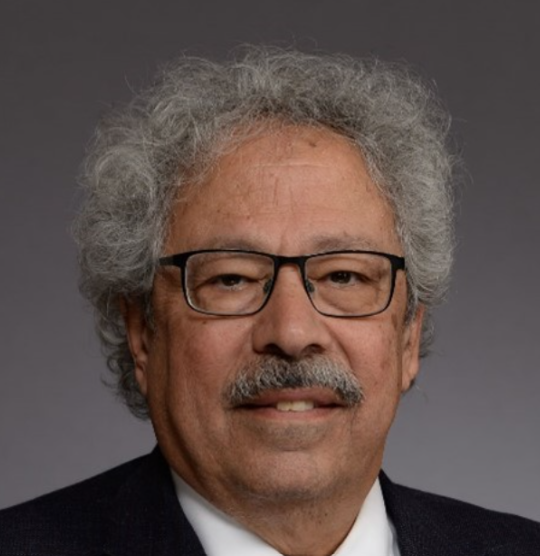 Mitchell S. Cairo合作论文数School of Medicine, New York Medical College25
 Chris Bredeson合作论文数Faculty of Medicine, Ottawa Hospital Research Institute25
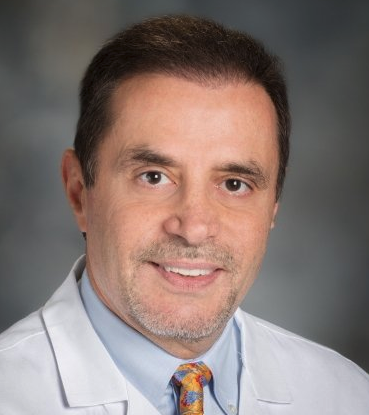 Hagop M. Kantarjian合作论文数Department of Leukemia, Division of Cancer Medicine, The University of Texas MD Anderson Cancer Center24
 Anthony Goldstone合作论文数University College Hospital;University College London24Vandendries Erik合作论文数24
 Olle Ringden合作论文数Department of Clinical Science, Intervention and Technology, Karolinska University24
 Selina M. Luger合作论文数Division of Hematology and Oncology, University of Pennsylvania23Moorman Anthony V合作论文数23McMillan Andrew合作论文数23Rachel M. Pearce合作论文数23
 Yoshihiro Inamoto合作论文数Department of Hematology and Oncology, Graduate School of Medicine, Nagoya University;Department of Hematopoietic Stem Cell Transplantation, National Cancer Center Hospital23
 Peter H. Wiernik合作论文数Cancer Research Foundation22
 Edward Copelan合作论文数Department of Hematologic Oncology and Blood Disorders, Levine Cancer Institute22
 Kwang Woo Ahn合作论文数Department of Physiology, Medical College of Wisconsin;Department of Plastic Surgery, Medical College of Wisconsin;Center for International Blood & Marrow Transplant Research, Medical College of Wisconsin22de Lima Marcos J合作论文数21
 David Rizzieri合作论文数Novant Cancer Institute, Novant Health21Clare Rowntree合作论文数Ctr Clin Haematol, Univ Hosp Birmingham NHS Fdn Trust21Sachiko Seo合作论文数20




