Background Empirical evaluation of inverse probability weighting (IPW) for self-selection bias correction is inaccessible without the full source population. We aimed to: (i) investigate how self-selection biases frequency and association measures and (ii) assess self-selection bias correction using IPW in a cohort with register linkage.Methods The source population included 17 936 individuals invited to the Copenhagen Aging and Midlife Biobank during 2009-11 (ages 49-63 years). Participants counted 7185 (40.1%). Register data were obtained for every invited person from 7 years before invitation to the end of 2020. The association between education and mortality was estimated using Cox regression models among participants, IPW participants and the source population.Results Participants had higher socioeconomic position and fewer hospital contacts before baseline than the source population. Frequency measures of participants approached those of the source population after IPW. Compared with primary/lower secondary education, upper secondary, short tertiary, bachelor and master/doctoral were associated with reduced risk of death among participants (adjusted hazard ratio [95% CI]: 0.60 [0.46; 0.77], 0.68 [0.42; 1.11], 0.37 [0.25; 0.54], 0.28 [0.18; 0.46], respectively). IPW changed the estimates marginally (0.59 [0.45; 0.77], 0.57 [0.34; 0.93], 0.34 [0.23; 0.50], 0.24 [0.15; 0.39]) but not only towards those of the source population (0.57 [0.51; 0.64], 0.43 [0.32; 0.60], 0.38 [0.32; 0.47], 0.22 [0.16; 0.29]).Conclusions Frequency measures of study participants may not reflect the source population in the presence of self-selection, but the impact on association measures can be limited. IPW may be useful for (self-)selection bias correction, but the returned results can still reflect residual or other biases and random errors.
Background Fatigue, low muscle endurance, muscle weakness and low-grade inflammation are strongly related to frailty at higher age. When signs of self-perceived fatigue and low muscle endurance are interrelated with low-grade inflammation at midlife, they might be used as early markers for frailty. This study investigated whether the interrelationships among self-perceived fatigue, muscle endurance and inflammation can be observed at midlife. Methods A total of 965 participants of the Copenhagen Aging and Midlife Biobank (aged 52 ± 4 years, 536 males, 426 females) were assessed for self-perceived fatigue (20-item multidimensional fatigue inventory), muscle endurance (grip work), circulating markers of inflammation (hsCRP, IL-6, IL-10, TNF-alpha and IFN-γ), daily physical activity (PAS-2), body composition (%body fat assessed by bio-impedance) and self-reported health status. Participants were categorised (correcting for age and gender) according to high fatigue and/or low muscle endurance, differences in inflammatory profile between fatigue categories were assessed by ANCOVA (corrected for PAS-2, %body fat and presence of inflammatory conditions). Results Overall, muscle endurance, fatigue and inflammatory markers were significantly interrelated. Higher levels of hsCRP ( p < 0.001), IL-6 ( p < 0.001), IL-10 ( p = 0.035) and TNF-alpha ( p = 0.028) were observed in participants presenting both low muscle endurance and high fatigue. IFN-γ was highest in those with high fatigue but normal muscle endurance ( p = 0.015). Conclusions Middle-aged participants with higher fatigue in combination with low muscle endurance show higher levels of inflammation, independently from physical activity, body fat and inflammatory pathology. The underlying mechanisms should be identified and future studies should also investigate whether these individuals show early signs of reduced physiological reserve capacity, which in later life come to full expression by means of frailty.
This study aimed to examine the extent to which allostatic load (AL), measured in midlife, mediates the association between educational attainment in young adulthood and self-rated health (SRH) in midlife among women and men. The study used data from the Copenhagen Aging and Midlife Biobank (CAMB; n = 5467 participants, aged 48-62 years, 31.5% women). Educational attainment was assessed as years of education. SRH was assessed with one item: 'In general, how would you say your health is?' with response options from "excellent" to "poor". AL mediated 31.7% and 19.7% of the association between educational attainment and SRH in women and men, respectively. We observed that higher educational attainment was associated with better SRH and lower AL in both women and men. Our study showed that AL partly mediates the association between educational attainment in young adulthood and SRH in adulthood among both men and women. This study indicates that educational attainment in young adulthood affects health throughout life. Such knowledge of a potential mediator may be important in breaking the social heritage.
The main purpose of the study is to examine the development in health, wellbeing and social relations among middle-aged and older residents during a four-year period from 2018-2021 in a Danish multi-ethnic social housing area undergoing large structural changes in the built environment. In addition, to develop two interventions with a focus on ensuring social cohesion in the area during the study period. This presentation will provide an overview of the study outline. The presentation will include a description of the study area, the political decisions that have led to the structural changes, the study population and a short overview of the aims and planned sub-studies. To prepare for the workshop discussion of the challenges, advantages and possibilities with the multi-methods approach this is followed by a short introduction to the different methods applied (a three-wave survey and qualitative data as well as two co-created interventions). The study is furthermore including a 'natural experiment' (N∼6.000) with a neighbouring non-profit social housing area not undergoing structural changes as the control area based on register data. The user-engagement in the design of study will be shortly described for example by their involvement in intervention development and by the involvement of citizen representatives and representatives from the Municipality and local non-governmental organizations in the design and execution of the study. Finally, the inclusion of graphical facilitation as a communication tool will be introduced.
Introduction Residential areas constitute an important arena for health, well-being and social relations. Structural interventions such as demolition and area renewal have been used to reduce inequality in health and well-being in disadvantaged areas. However, the effects of larger structural interventions are inconclusive. In a longitudinal perspective, this study aims to analyse how large-scale structural changes in an ethnic diverse social housing area are associated with the residents’ health, well-being and social relations. Methods and analysis In this multimethods study, we examine this aim among middle-aged and older residents in a multiethnic social housing area in a Danish municipality by the inclusion of comprehensive survey (in 2018, 2019 and 2020), register (yearly 2015–2025) and qualitative (2018–2020) data. Municipal Health Profile survey data from 2017 and 2021 will be used for comparison. The area will undergo large structural changes in the built environment during 2018–2021. A ‘natural experiment’ (n=6000) compares differences in health and social outcomes across the study period between the study area and a similar neighbouring area not undergoing structural changes. Through user engagement in the design of the study, throughout the different phases of the study and in the two co-created interventions embedded in the study design, a focus on empowerment and recognition of the resources and perspectives of residents are encouraged. Ethics and dissemination The study is registered in the University of Copenhagen’s record of biobanks and research projects containing personal data and will be conducted in accordance with the principles of the Helsinki Declaration. Residential and municipal representatives and local non-governmental organisations are engaged in the design and execution of the study to ensure the usefulness, reflexive interpretation of data, and relevance of interventions. Results will be published in international peer-reviewed scientific journals, presented at conferences and as short reports through the use of both written and visual outputs.
Previously, we developed and validated an easy test to measure muscle fatigability during sustained maximal handgrip contraction in older persons using a Martin Vigorimeter device. This study aimed at validating the equation to estimate grip work (GW) during sustained maximal handgrip contraction, by monitoring continuously the grip strength (GS) decay using a Jamar Dynamometer-like (JD) device. Cross sectional, explorative study. Data collection took place at The National Research Centre for the Working Environment in Copenhagen, Denmark. 962 subjects, belonging to a subgroup of the Copenhagen Aging and Midlife Biobank, were enrolled. GS was recorded continuously during sustained maximal contraction until it dropped to 50% of its maximum and fatigue resistance (FR, time to fatigue) was noted. GW, area under the force-time curve, was compared to its estimate which was calculated as GWestimated=GSmax*0.75*FR. Excellent correlation was found between GWestimated and GWmeasured (R2=0.98 p<0.001). The equation slightly overestimated GW by 6.04 kg*s (95% CI[-0.08, 12.15]) with a coefficient of variation method error of 6%. GW estimation is a valid parameter reflecting muscle work output during a sustained maximal grip effort in healthy middle-aged community-dwelling persons when using a JD. GW estimation is a promising outcome parameter in comprehensive geriatric assessment and its validation for commonly used instruments in geriatric practice will increase its clinical implementation.
The AB0 blood group has been linked to ischaemic heart disease, stroke, and periodontal disease, while the Lewis blood group has been linked to ischaemic heart disease and obesity, all of which have been associated with periodontitis. AB0 or Lewis blood group phenotype may therefore constitute common hereditary components predisposing to these disorders. In this study, we investigated if blood group phenotype associated with periodontitis in a subpopulation consisting of 702 participants from a Danish cross-sectional cohort and, secondarily, attempted to confirm their association with hypertension, ischaemic heart disease, stroke, and obesity. No significant association between blood group phenotype and periodontitis was detected, nor were previously reported associations between blood group phenotype and hypertension, ischaemic heart disease, stroke, and obesity confirmed. This may, at least partly, be attributed to differences in study type, outcome definitions, cohort sizes, and population attributable factors. However, our results suggested a strong association between self-reported stroke and the Lewis (a−b−) phenotype (P = 0.0002, OR: 22.28; CI 95: 4.72–131.63).
Background Underweight and severe and morbid obesity are associated with highly elevated risks of adverse health outcomes. We estimated trends in mean body-mass index (BMI), which characterises its population distribution, and in the prevalences of a complete set of BMI categories for adults in all countries.Methods We analysed, with use of a consistent protocol, population-based studies that had measured height and weight in adults aged 18 years and older. We applied a Bayesian hierarchical model to these data to estimate trends from 1975 to 2014 in mean BMI and in the prevalences of BMI categories (<18.5 kg/m(2) [underweight], 18.5 kg/m(2) to <20 kg/m(2), 20 kg/m(2) to <25 kg/m(2), 25 kg/m(2) to <30 kg/m(2), 30 kg/m(2) to <35 kg/m(2), 35 kg/m(2) to <40 kg/m(2), = 40 kg/m(2) [morbid obesity]), by sex in 200 countries and territories, organised in 21 regions. We calculated the posterior probability of meeting the target of halting by 2025 the rise in obesity at its 2010 levels, if post-2000 trends continue.Findings We used 1698 population-based data sources, with more than 19.2 million adult participants (9.9 million men and 9.3 million women) in 186 of 200 countries for which estimates were made. Global age-standardised mean BMI increased from 21.7 kg/m(2) (95% credible interval 21.3-22.1) in 1975 to 24.2 kg/m(2) (24.0-24.4) in 2014 in men, and from 22.1 kg/m(2) (21.7-22.5) in 1975 to 24.4 kg/m(2) (24.2-24.6) in 2014 in women. Regional mean BMIs in 2014 for men ranged from 21.4 kg/m(2) in central Africa and south Asia to 29.2 kg/m(2) (28.6-29.8) in Polynesia and Micronesia; for women the range was from 21.8 kg/m(2) (21.4-22.3) in south Asia to 32.2 kg/m(2) (31.5-32.8) in Polynesia and Micronesia. Over these four decades, age-standardised global prevalence of underweight decreased from 13.8% (10.5-17.4) to 8.8% (7.4-10.3) in men and from 14.6% (11.6-17.9) to 9.7% (8.3-11.1) in women. South Asia had the highest prevalence of underweight in 2014, 23.4% (17.8-29.2) in men and 24.0% (18.9-29.3) in women. Age-standardised prevalence of obesity increased from 3.2% (2.4-4.1) in 1975 to 10.8% (9.7-12.0) in 2014 in men, and from 6.4% (5.1-7.8) to 14.9% (13.6-16.1) in women. 2.3% (2.0-2.7) of the world's men and 5.0% (4.4-5.6) of women were severely obese (ie, have BMI = 35 kg/m(2)). Globally, prevalence of morbid obesity was 0.64% (0.46-0.86) in men and 1.6% (1.3-1.9) in women.Interpretation If post-2000 trends continue, the probability of meeting the global obesity target is virtually zero. Rather, if these trends continue, by 2025, global obesity prevalence will reach 18% in men and surpass 21% in women; severe obesity will surpass 6% in men and 9% in women. Nonetheless, underweight remains prevalent in the world's poorest regions, especially in south Asia. Copyright (C) NCD Risk Factor Collaboration. Open Access article distributed under the terms of CC BY.
The Danish Conscription Database (DCD) was established to enable studies of the influence of early physical and mental exposures on adverse health and social outcomes from a life-course perspective. In Denmark, all young men are requested to appear before the conscription board when they turn 18 years, to be assessed for military service. The DCD was established by digitizing information from conscription board register cards on the height, weight, educational level, intelligence test score and examination details of Danish conscripts. The DCD contains information on 728 160 men born from 1939 through 1959 and examined by the conscription board from 1957 through 1984. The unique Danish personal identification number of each individual conscript has been traced, and this allows linkage of the DCD to all Danish health and socioeconomic registers. More than 130 000 deaths have been identified in a recent linkage to the Danish Register of Cause of Death. We encourage collaboration, and interested researchers should contact: danishconscriptiondatabase.glostrup-hospital@regionh.dk.
OBJECTIVE:The objective of the present study is to describe the prevalence of allostatic load (AL) among Danish men and women in late midlife, and if there is a social gradient in AL.METHOD:A total of 5,420 participants from the Copenhagen Aging and Midlife Biobank (CAMB) aged 48 to 63 years (68.5% men, 31.5% women) underwent a health examination including standardized measures of height, weight, body fat, and blood pressure in 2009-2011. AL (range 0-14) was established by summing the scores of the poorest quartile for each of 14 biological variables related to the metabolic and immune systems.RESULTS:We found a social gradient in AL in late midlife among men and women living in Denmark.DISCUSSION:AL may be a potential biomarker for early aging in countries with a strong social welfare system. It is important for intervention studies to be aware of this type of biological vulnerability already present in late midlife.
Objective: The objective of the present study is to analyze gender differences and social class gradients in physical functions; and to study whether the social class gradients in physical functions in midlife differed between men and women. Method: This study used traditionally used physical performance tests and we added several tests of vigorous physical functioning (trunk muscle strength and power and sagittal flexibility). We measured reaction time, one-legged balance, sagittal flexibility, jump height, chair rise ability, trunk muscle- and handgrip strength in 5,412 participants aged 50 to 60 years (68.5% men). Results: We found gender differences and social class gradients for all physical performance tests. We did not find an interaction between social class and gender, indicating that the social gradient in physical functions did not differ between men and women. Discussion: Including measures of vigorous physical functioning may add to the existing knowledge on development of functional limitation and poorer functional health later in life.
Objectives: To analyze associations in late midlife between sex, age, education and social class, and the Big Five personality traits; to analyze associations between personality traits and cognitive ability in late midlife; and to evaluate how these associations are influenced by demographic factors. Methods: The study sample comprised 5,397 late midlife participants from three cohorts who had completed the NEO Five-Factor Inventory (NEO-FFI) and a measure of cognitive ability. Results: Associations were demonstrated between the five NEO-FFI personality traits, and all included demographic factors. Cognitive ability and years of education correlated with several NEO-FFI personality traits in analyses adjusting for demographic variables. Cohort differences were observed for Extraversion and Openness. Discussion: Robust sex, educational, and social class differences in personality may contribute to late midlife social gradients in health and early aging. Demographic factors did not fully explain correlations between personality and cognitive ability or cohort differences in personality.
Since the early 1980s, a number of large-scale, population-based, epidemiologic studies have focused on the development of disability, cognitive impairment, dementia, long-term care, and other health issues with particular relevance to older adults. With few exceptions, these health issues have been investigated in older populations, usually defined on the basis of chronological age (e.g., older than 65). Examples are the Established Populations for Epidemiologic Studies of the Elderly (EPESE), Women’s Health and Aging Studies (WHAS), and several other American, Australian, Canadian, and
Since the early 1980s, a number of large-scale, population-based, epidemiologic studies have focused on the development of disability, cognitive impairment, dementia, long-term care, and other health issues with particular relevance to older adults. With few exceptions, these health issues have been investigated in older populations, usually defined on the basis of chronological age (e.g., older than 65). Examples are the Established Populations for Epidemiologic Studies of the Elderly (EPESE), Women’s Health and Aging Studies (WHAS), and several other American, Australian, Canadian, and
AIM:To examine associations of DNA damage, cardiovascular risk factors and physical performance with vitality, in middle-aged men. We also sought to elucidate underlying factors of physical performance by comparing physical performance parameters to DNA damage parameters and cardiovascular risk factors.METHODS:We studied 2487 participants from the Metropolit cohort of 11 532 men born in 1953 in the Copenhagen Metropolitan area. The vitality level was estimated using the SF-36 vitality scale. Cardiovascular risk factors were determined by body mass index (BMI), and haematological biochemistry tests obtained from non-fasting participants. DNA damage parameters were measured in peripheral blood mononuclear cells (PBMCs) from as many participants as possible from a representative subset of 207 participants.RESULTS:Vitality was inversely associated with spontaneous DNA breaks (measured by comet assay) (P = 0.046) and BMI (P = 0.002), and positively associated with all of the physical performance parameters (all P < 0.001). Also, we found several associations between physical performance parameters and cardiovascular risk factors. In addition, the load of short telomeres was inversely associated with maximum jump force (P = 0.018), with lowered significance after exclusion of either arthritis sufferers (P = 0.035) or smokers (P = 0.031).CONCLUSION:Here, we show that self-reported vitality is associated with DNA breaks, BMI and objective (measured) physical performance in a cohort of middle-aged men. Several other associations in this study verify clinical observations in medical practice. In addition, the load of short telomeres may be linked to peak performance in certain musculoskeletal activities.
Objective: The aim of the article is to analyze associations between sex, age, education, and social class and cognitive ability in late midlife and to evaluate differences in cognitive ability among the three Copenhagen Aging and Midlife Biobank (CAMB) cohorts. Method: The sample comprised 5,417 CAMB participants from three cohorts with scores on the Intelligenz-Struktur-Test 2000 R (I-S-T 2000 R). Results: Independent associations of cognitive ability with age, sex, education, and occupational social class were observed. Particularly, strong associations with cognitive ability were obtained for school education, and consistent sex differences were observed with higher cognitive ability in men. Differences in cognitive ability among the three cohorts were small and primarily reflected demographic differences. Discussion: Late-midlife cognitive ability is associated with a number of demographic factors, and demographic differences may contribute to individual differences in health and early aging. In analyses of cognitive ability, the three CAMB cohorts can be combined provided the relevant demographic variables are included as covariates.
Several studies indicate a role for toll-like receptors (TLRs) in the pathogenesis of systemic lupus erythematosus (SLE). We aimed to investigate the risk of SLE and typical clinical and serological manifestations of SLE potentially conferred by selected single nucleotide polymorphisms (SNPs) of genes encoding TLR7, TLR8, and TLR9. Using a multiplexed bead-based assay, we analyzed eight SNPs in a cohort of 142 Danish SLE patients and a gender-matched control cohort comprising 443 individuals. Our results showed an association between the rs3853839 polymorphism of TLR7 and SLE (G vs. C, P = 0.008, OR 1.60, 95 % CI 1.12-2.27 in females; P = 0.02, OR 4.50, 95 % CI 1.18-16.7 in males) confirming recent findings in other populations. Additionally, an association between the rs3764879 polymorphism of TLR8 and SLE (G vs. C, P < 0.05, OR 1.36, 95 % CI 0.99-1.86 in females; P = 0.06, OR 4.00, 95 % CI 0.90-17.3 in males) was found. None of the other investigated SNPs were associated with SLE but several SNPs were associated with clinical and serological manifestations. In summary, a previously shown association between the rs3853839 SNP of TLR7 and SLE in Asian patients was also found in Danish patients. Together with the association of several other SNPs of TLR8 and TLR9 with various clinical and serological manifestations of SLE these findings corroborate the pathogenic significance of TLRs in SLE.
Objectives: To investigate tobacco and alcohol consumption as risk indicators for missing teeth in late middle-aged Danes. Method: In all, 1,517 Copenhagen Aging and Midlife Biobank (CAMB) participants received a clinical oral examination that included number of teeth. Information on smoking, drinking, and various covariates was obtained using self-administered, structured questionnaires. Descriptive statistics and logistic regression (dependent variable: 6+ vs. <6 missing teeth) were used to investigate smoking and drinking in relation to missing teeth. Results: Current smokers, persons who currently or previously smoked >15 tobacco units/day, and persons who had smoked for 27+ years had elevated mean scores of missing teeth and associated odds ratios (OR) compared with never smokers. Relative to nondrinkers, alcohol consumption was associated with reduced odds of missing 6+ teeth. Discussion: Our findings suggest that smoking is positively associated, while alcoholic beverage consumption is inversely related to tooth loss in middle-aged Danes.
Low vitality (a component of fatigue) in middle-aged and older adults is an important complaint often identified as a symptom of a disease state or side effect of a treatment. No studies to date have investigated the potential link between dysfunctional mitochondrial ATP production and low vitality. Therefore, we measured a number of cellular parameters related to mitochondrial activity in peripheral blood mononuclear cells (PBMCs) isolated from middle-aged men, and tested for association with vitality. These parameters estimate mitochondrial respiration, reactive oxygen species (ROS) production, and deoxyribonucleotide (dNTP) balance in PBMCs. The population was drawn from the Metropolit cohort of men born in 1953. Vitality level was estimated from the Medical Outcomes Study Short Form 36 (SF-36) vitality scale. We found that vitality score had no association with any of the mitochondrial respiration parameters. However, vitality score was inversely associated with cellular ROS production and cellular deoxythymidine triphosphate (dTTP) levels and positively associated with deoxycytidine triphosphate (dCTP) levels. We conclude that self-reported persistent low vitality is not associated with specific aspects of mitochondrial oxidative phosphorylation capacity in PBMCs, but may have other underlying cellular dysfunctions that contribute to dNTP imbalance and altered ROS production.
BACKGROUND:Most studies on disclosure of mode of conception after fertility treatment have focused on donor insemination. We present a large, longitudinal cohort study of fertility patients who conceived through a variety of fertility treatments, including both non-donor and donor techniques.METHODS:A cohort of 2812 women and men (n = 1406 couples) received questionnaires when initiating fertility treatment and at 1-year and 5-year follow-ups. At the 5-year follow up, the response rate was 69.4% and 1036 of the responding participants had at least one child born after fertility treatment. Around 66% of the children were conceived with in vitro fertilization or intrauterine insemination with partners semen, 26% with intracytoplasmic sperm injection, 7% with donor gametes and <1% with other treatments. The parents were asked whether they already had or intended to disclose the conception method to the child and to others. We used logistic regression to identify determinants among women and men for disclosure.RESULTS:Most of the parents had disclosed or intended to disclose the mode of conception to the child, and almost everyone had disclosed to someone else. Not having used donor gametes was a significant determinant of disclosure both to the child and to other people among women and men. Having disclosed to other people was a significant predictor for having disclosed or intending to disclose to the child. Among women, low social class was a significant determinant of disclosure to the child. Among men, satisfaction with the medical treatment was a significant determinant of disclosure to other people.CONCLUSIONS:We found a large majority who had or intended to disclose to the child how he/she was conceived. Non-disclosure was significantly related to the use of donor gametes.
 Rikke Lund合作论文数Department of Public Health, Faculty of Health and Medical Sciences, University of Copenhagen15
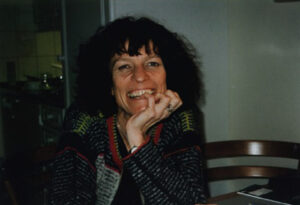 Kirsten Avlund合作论文数Københavns Universitet10
 Erik Lykke Mortensen合作论文数Afdeling for Miljø og Sundhed, Institut for Folkesundhedsvidenskab, Københavns Universitet10
 Merete Osler合作论文数Institut for Folkesundhedsvidenskab, Københavns Universitet9
 Ulla Christensen合作论文数Department of Public Health, Faculty of Health and Medical Sciences, University of Copenhagen8
 Åse Marie Hansen合作论文数Department of Public Health, Faculty of Health and Medical Sciences, University of Copenhagen;National Research Centre for the Working Environment7
 Helle Bruunsgaard合作论文数Department of Clinical Immunology, Centre of Diagnostic Investigation, Rigshospitalet;Department of Clinical Medicine, University of Copenhagen5
 Nils-Erik Fiehn合作论文数4
 Edward Allen Herre合作论文数Smithsonian Tropical Research Institute4
 Laurent Keller合作论文数Department of Ecology and Evolution, Faculty of Biology and Medicine, University of Lausanne4
 Jimmi Mathisen合作论文数3Poul Holm-Pedersen合作论文数Department of Odontology, Faculty of Health and Medical Sciences, University of Copenhagen3
 Carlos Machado合作论文数Department of Biology, College of Computer, Mathematical and Natural Sciences, University of Maryland3Guido Keijzers合作论文数2
 Lene Juel Rasmussen合作论文数Department of Cellular and Molecular Medicine, Faculty of Health and Medical Sciences, University of Copenhagen2
 Abirami Srivarathan合作论文数Department of Public Health, Faculty of Health and Medical Sciences, University of Copenhagen2
 Maria Kristiansen合作论文数Department of Public Health, Faculty of Health and Medical Sciences, University of Copenhagen2
 Trine Flensborg Madsen合作论文数Department of Public Health, Faculty of Health and Medical Sciences, University of Copenhagen2
 Claus Henrik Nielsen合作论文数Department of Odontology, Faculty of Health and Medical Sciences, University of Copenhagen2Jepsen Eva合作论文数2Bachkati Stine Harrsen合作论文数2
 Rikke Hodal Meincke合作论文数2
 Thorkild I.A. Sørensen合作论文数Section of Epidemiology, Department of Public Health, Fculty of Health and Medical Sciences, University of Copenhagen;Institute of Public Health, University of Copenhagen;Section on Metabolic Genetics, Novo Nordisk Foundation Center for Basic Metabolic Research, Fculty of Health and Medical Sciences, University of Copenhagen2
 Kaare Christensen合作论文数University of Southern Denmark2
 Klaus Bendtzen合作论文数Rigshospitalet2
 Lone Schmidt合作论文数Institut for Folkesundhedsvidenskab, Københavns Universitet2
 Palle Holmstrup合作论文数Section of Periodontology, Oral Microbiology, Oral Radiology, Oral Surgery, Oral Physiology, and Community Dentistry, Department of Odontology, University of Copenhagen2
 Vilhelm Bohr合作论文数Department of Cellular and Molecular Medicine, University of Copenhagen;National Institutes of Health2Charlotte Ørsted Hougaard合作论文数2Anne Helene Garde合作论文数2Laila Bendix合作论文数2
 Tinna Stevnsner合作论文数Page One Editorial Services, Boulder, Colorado, USA2
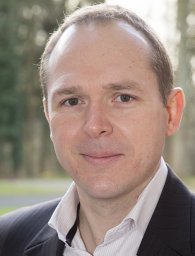 Ivan Bautmans合作论文数Gerontology Department, Faculty of Medicine and Pharmacy, Vrije Universiteit Brussel;Hanze University of Applied Sciences Groningen;SOMT University of Physiotherapy2
 Christian Enevold合作论文数2
 Ingo Beyer合作论文数Gerontology Department, Medical Faculty, Vrije Universiteit Brussel;Centre Geriatrique du Scheutbos, SILVA Medical;Universitair Ziekenhuis Brussel2
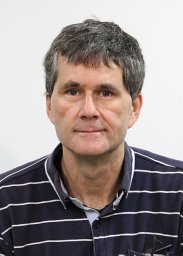 Scott Maynard合作论文数Laboratory of Experimental Gerontology, NIH2Maria J. Carvalho合作论文数1Maria do Carmo Franco合作论文数1Bontha V. Babu合作论文数1Juan Francisco Miquel合作论文数1Martina Müller-Nurasyid合作论文数1Francesco Panza合作论文数1Ian Rouse合作论文数1Ida Maria Schmidt合作论文数1Jana Namesna合作论文数1Eduardo Salazar Martinez合作论文数1Flora A. M. Ukoli合作论文数1Moesijanti Y. E. Soekatri合作论文数1Ilse M. S. L. Khouw合作论文数1




