Parechovirus A3 was first reported in 2004 and has been recognized as a causative agent of mild and severe infections in children. Since we first reported an outbreak of adult parechovirus A3-associated myalgia in Yamagata, Japan in 2008, this disease has since been recognized across Japan, but has not yet been reported from other countries. We analysed 19 cases of parechovirus A3 infections identified in Yamagata in 2019 to further clarify the epidemiology of this disease. We performed phylogenetic analyses of parechovirus A3 isolates and analysed the clinical manifestations and the genomic clusters. There were two clusters, with cluster 2019B replacing 2019 A around October/November. Phylogenetic analysis revealed that 2019B cluster strains and Australian recombinant strains, which appeared between 2012 and 2013, were grouped in one cluster at non-structural protein regions, suggesting that the ancestor to these regions of 2019B cluster strains were Australian recombinant lineage strains. The strains from both clusters caused various infections in children including myalgia. These findings strongly support that parechovirus A3 strains cause myalgia and other paediatric infections irrespective of the virus strains involved, including recombinant strains. We have reported repeatedly sporadic cases of myalgia and here showed that recombinant strains also cause myalgia. We hope our experiences will help better understand these infections and possibly result in detection of more cases in the world.
Urate can be an antioxidant and might provide immunological regulation. Hyperuricemia is regarded as the most important risk factor for the development of gout. Nevertheless, hypouricemia has rarely received attention from researchers. We previously studied 104 patients who were undergoing chemotherapy for neoplastic disease in our hospital during 2002-2006 and detected hypouricemia in 62 of them (59.6%), particularly in patients with a solid tumor showing high mortality (42nd Japanese Pediatric Nephrology Congress Meeting 2007). No report describes effects of hypouricemia on the condition of the patients. Therefore, we studied the relation between clinical symptoms and hypouricemia during chemotherapy for neoplastic diseases in childhood. We found 52 patients who had hypouricemia (< 2.0 mg/dl) during hospitalization in our institute during February 2008 - October 2009. Of the 52 patients, 38 had neoplastic disease, 7 had neurologic diseases, 5 were newborns, and 2 were metabolic diseases. No patient had renal disease. Among the 38 patients with neoplastic disease were 21 reporting episodes of infectious diseases, and 17 patients who complained of digestive symptoms. They tended to have such episodes when the level of serum uric acid was low. It is noteworthy that eight patients died. Patients with neoplastic diseases frequently have hypouricemia because of undernutrition and/or renal tubular damage attributable to treatment with antineoplastic agents. Hypouricemia might influence prognoses because of a lack of antioxidant or immunological regulation activities.
Dasatinib, an oral inhibitor of ABL and SRC family tyrosine kinases, is an effective drug for patients with Philadelphia chromosome positive (Ph+) leukemia, especially for those who develop resista...
Shwachman-Diamond syndrome (SDS) is a rare hereditary disorder characterized by pancreatic exocrine insufficiency, bone marrow dysfunction and skeletal changes. Recently, the cause of SDS was identified as mutations of Shwachman-Bodian-Diamond syndrome gene (SBDS) and most mutations are caused by gene conversion between SBDS and its highly homologous pseudogene. Clinical variations especially in skeletal and bone marrow abnormalities are well known in this syndrome. To study the relationship between SBDS mutation and its clinical features, we analyzed 9 Japanese patients including one sibling and detected the three different SBDS mutations in 7 patients: a mutation that disrupts the donor splice site of intron 2, deletes 8 bp of the exon 2 and produces premature termination (258+2 T > C), a dinucleotide change that replaces a lysine at 62 nd amino acid to a termination codon (183-184 TA > CT), and a 4-bp deletion that causes premature termination by frameshift (292-295 delAAAG). The 5 patients represent compound heterozygotes of the 258+2 T > C and 183-184 TA > CT mutations. One patient is a compound heterozygote of the 258+2 T > C and 292-295 delAAAG mutations, and in the remaining one case only a 258+2 T > C mutation could be detected. Thus, the 258+2 T > C and 183-184 TA > CT mutations are prevalent among Japanese patients. No mutations were found in two cases, despite the clinical features. Of the 7 patients with SBDS mutations, persistent hematologic abnormalities and skeletal changes were not observed in 3 and 2 patients, respectively. Notably, clinical variations are present even among the patients with the identical genotype: compound heterozygotes of the 258+2 T > C and 183-184 TA > CT mutations. Further study will be required to explain the clinical heterogeneity.
Shwachman-Diamond syndrome (SDS) is a rare congenital disorder featuring exocrine pancreatic insufficiency, growth retardation, and bone marrow dysfunction. Reports suggest that nearly 25% of all cases are complicated with leukemia. Although stem cell transplantation is the sole option for these patients, successful results are rarely obtained. Poor outcomes are often related to graft failure and cardiac and other organ toxicitics. We describe in this report successful unrelated donor bone marrow transplantation for a patient with SDS who progressed to acute myelogenous leukemia. The patient received attenuated intensified chemotherapy because of his intolerance to ordinary chemotherapy and went into remission. Sustained unrelated donor bone marrow engraftment was accomplished after treatment with a reduced amount of cyclophosphamide and antithymocyte globulin with 12 Gy of total body irradiation as a conditioning regimen. To the best of our knowledge, this report is the first to describe unrelated donor bone marrow transplantation with complete engraftment for an SDS patient with myelogenous leukemia.
Human monocyte/macrophage systems are extremely heterogeneous. Although many attempts have been made to define monocyte subpopulations, few antigens distinguish them. We previously reported that GPI-80, a novel glycosylphosphatidyl-inositol (GPI)-anchored protein that is expressed mainly on human neutrophils regulates neutrophil adherence and migration, and that GPI-80 is expressed on monocytes. In this study, we examined the precise distribution of GPI-80-positive monocytes using flow cytometry. Using anti-CD14 and anti-CD16 mAbs, almost all GPI-80-bearing monocytes belong to the strongly CD14-positive monocyte subpopulation. Furthermore, flow cytometric analysis of GPI-80 and other monocyte markers revealed that GPI-80 expression was high in CD11b-, CD32-, and CD64-positive monocytes. In contrast, GPI-80 expression was low in HLA-DQ-positive monocytes. These results suggest that almost all GPI-80 positive monocytes belong to a monocyte subpopulation that is superior in phagocytosis and reactive oxygen production, but inferior in antigen presentation. GPI-80 may be a useful antigen for classifying monocytes into subpopulations.
GPI-80 is a member of the amidohydrolase family that has been proposed as a potential regulator of β2-integrin-dependent leukocyte adhesion. GPI-80 is expressed mainly in human neutrophils. Our previous studies suggested that GPI-80 expression might be associated with myeloid differentiation. To verify this, we examined whether GPI-80 is expressed on the human promyelocytic leukemia cell line HL-60 following treatment with differentiation inducers. GPI-80 expression was induced in cells treated with dimethyl sulfoxide (DMSO) to stimulate differentiation down the neutrophil pathway. On the other hand, all-trans-retinoic acid (ATRA), another neutrophil-inducing reagent, induced no clear GPI-80 expression. Potent monocyte-inducing reagents such as 1α,25-dihydroxyvitamin D3 or phorbol 12-myristate 13-acetate also had no significant effect on the protein expression. GPI-80-positive cells were found in the well-differentiated CD11b-positive and transferrin-receptor-negative cell population. Granulocyte colony-stimulating factor, which augments neutrophil differentiation of HL-60 cells, up-regulated GPI-80 expression in the presence of DMSO. Granulocyte/macrophage colony-stimulating factor, which is known to suppress the neutrophil maturation of cells, inhibited expression. Adhesion of DMSO-induced cells was regulated by anti-GPI-80 monoclonal antibody, similar to the regulation observed in neutrophils. These results suggest that use of DMSO to induce neutrophil differentiation provides suitable conditions for GPI-80 expression, and that this culture system may be a helpful model for further study of the regulation of GPI-80 expression during myeloid differentiation.
A 19-month-old girl developed haemophagocytic lymphohistiocytosis following a measles vaccination. She developed persistent high fever 1 week after vaccination, and then showed pancytopenia, liver dysfunction and hepatosplenomegaly with marked haemophagocytosis. Based on the clinical and laboratory findings, she was diagnosed as having haemophagocytic lymphohistiocytosis probably due to measles vaccination. She did not respond fully to first-line immunosuppressive therapy and required immunochemotherapy with cytotoxic drugs. Conclusion: to the best of our knowledge, this is the first detailed report of haemophagocytic lymphohistiocyosis associated with measles vaccination documented in the English literature. Haemophagocytic lymphohistiocyosis should be kept in mind as one of the rare adverse effects of vaccination.
To clarify the frequency and cause of acute pancreatitis following hematopoietic stem cell transplantation (SCT), we examined retrospectively 57 patients who underwent hematopoietic SCT in our institute from 1984 to 2000. Twelve (21%) of the patients showed an elevated level of serum pancreatic amylase following SCT. However, only 3 patients were clinically diagnosed as having acute pancreatitis. Among these 12 patients, 11 had undergone allogeneic transplantation. Furthermore, patients who had undergone unrelated transplantation (7/16; 44%) tended to show a higher incidence of increased amylase than those who had undergone related transplantation (4/24; 17%). Six patients were at an advanced stage of acute GVHD (grade III or IV) and all showed an elevated level of serum amylase, whereas only four patients showed an elevated serum amylase level among 34 with mild acute GVHD (grade I or II) or without GVHD. Furthermore, five out of 12 patients who showed an increased amylase level were concurrently diagnosed as having viral infection such as cytomegalovirus, adenovirus, or varicella zoster virus. We conclude that pancreatitis following SCT occurs more often than realized, and is mostly subclinical. This is closely associated with severe acute GVHD, and possibly viral infection.
We report on a 2-year-old girl with probable limb-girdle muscular dystrophy associated with an extra-abdominal desmoid tumor of the right mandible. This association is previously undescribed. The tumor was totally removed. Cytogenetic analysis of the tumor showed a clonal karyotypic abnormality: 46,XX,add(1)(p36) in 3 of 20 cells analyzed. Since an association of a neoplasm with limb-girdle muscular dystrophy has previously been reported in 3 cases, the two abnormalities are likely related causally. The chromosome abnormality in our patient may play a role in the occurrence of her desmoid tumor.
Background: The function of CD48, one of the pan leukocyte cell surface antigens, is not yet well understood. CD48 was recently shown to enhance the CD30-mediated activating signal to B lymphocytes. As CD48 is one of the activation antigens of monocytes, neutrophils and lymphocytes, a change of its expression on the cells could be expected in infectious diseases.Methods and results: Leukocytes from 27 healthy controls and 97 patients with various infectious diseases were stained with anti-CD38 antibody and analyzed by flow cytometry. On monocytes and neutrophils, the CD38 expression was increased in all of the patients with varicella, measles, rubella, infectious mononucleosis, streptococcus tonsillitis, sepsis and appendicitis. On lymphocytes, a significant increase of CD38 was also detected in the patients with the same diseases, except those with sepsis or appendicitis. The normalization of increased CD48 expression was confirmed on monocytes at the convalescent phase.Conclusion: These data suggest that CD48 expression on leukocytes reflects the disease activity of infectious diseases, especially of viral infections.
The authors report on 3-year-old-girl with neuroblastoma complicated by severe hypertension and cardiac failure. She had cardiomegaly and pleural and pericardial effusions. Echocardiogram showed left ventricular hypertrophy and decrease of the left ventricular ejection fraction to 0.36 (normal > .40). Abdominal computed tomographic scan indicated a 7 x 7-cm tumor in the left suprarenal area. There was a marked increase in catecholamines and metabolites in her body fluids. After hypertension was controlled with doxazosin (a long-acting alpha 1 adrenergic blocker), her cardiac function gradually improved. A tumor was surgically removed and diagnosed as a poorly differentiated ganglioneuroblastoma. Preoperative differentiation between neuroblastoma and pheochromocytoma was not possible on the basis of catecholamine analysis or imaging studies including computed tomography scan and magnetic resonance imaging. It is important to control hypertension quickly in the patients with catecholamine-induced cardiomyopathy to facilitate surgical intervention for diagnosis and treatment.
The Chediak-Higashi syndrome is characterized by partial albinism and recurrent infections with giant granules in granulocytes. This syndrome has been proposed to have a defect in vesicular transport. Rab 4 is a member of a family of Ras-related small GTP-binding proteins, which has been mapped in the locus of the Chediak-Higashi syndrome. We isolated a full length cDNA of rab 4 from a cDNA library of mouse liver. The clone is 1428 base pairs (bp) in length and contains a 639 bp open reading frame encoding a polypeptide of 213 residues. The deduced amino acid sequence is highly homologous to rab 4 from rat and human. We analyzed rab 4 as a candidate gene of the beige mouse, but we could not find any change in the sequence of the coding region of rab 4 mRNA.
Activation-associated antigens such as CD11b, CD14 and CD64 of neutrophils have been reported. Although CD48 is an activation antigen of lymphocytes and monocytes, whether it is an activation antigen of neutrophils has not previously been examined. Herein, using FACS analysis, we examined the expression of surface CD48 on neutrophils activated in vivo by G-CSF administered for the treatment of idiopathic aplastic anemia. CD48 expression was increased 24 h after the initial G-CSF infusion and peaked within 1 week. Within a few days after discontinuation of G-CSF administration, it returned to the pretreatment level. This indicates that CD48 is an activation antigen of neutrophils.
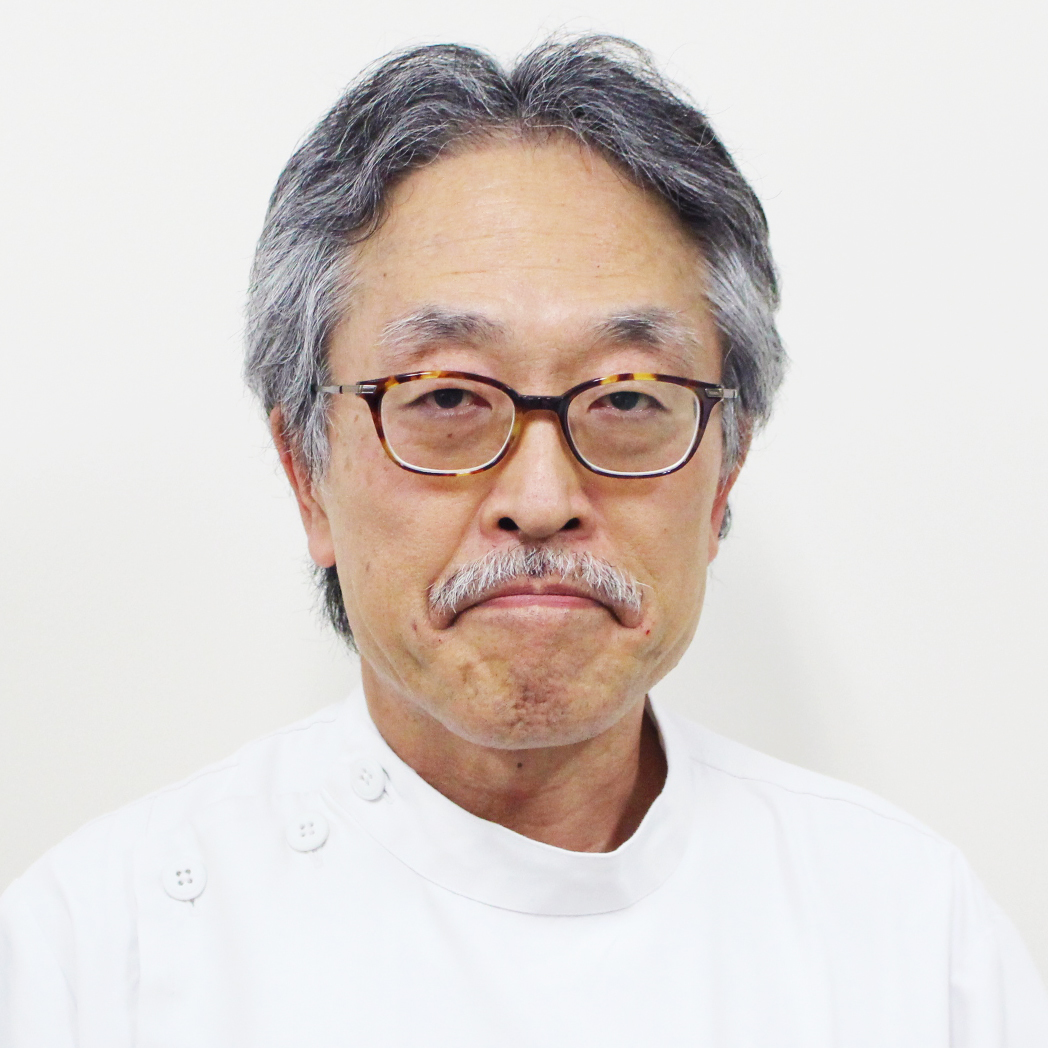 Tetsuo Mitsui (三井哲夫)合作论文数Yamagata University9
 Takako Kawakami合作论文数5
 Kiyoshi Hayasaka (早坂圭司)合作论文数Faculty of Science, Niigata University4Kaori Akiba合作论文数4Shinkichi Yokoyama合作论文数4M Katsuura合作论文数4Michihiko Katsuura合作论文数3Kenichi Komabayashi合作论文数Department of Microbiology, Yamagata Prefectural Institute of Public Health2Ikeda Tatsuya合作论文数2
 Tohru Ikegami合作论文数2Yukitoshi Shimizu合作论文数2Katsumi Mizuta合作论文数2Miyako Kanno合作论文数2Chikako Kanazawa合作论文数2Emi Shirahata合作论文数1Hiroko Izumino合作论文数1Masayuki Furuyama合作论文数1Jun Fen Fu合作论文数1Masayo Kanai合作论文数1S Sato合作论文数1I Yamagiwa合作论文数1Akira Matsunaga合作论文数1Shuichi Abe合作论文数1Yoko Aoki合作论文数1
 Mitsuhiro Kato合作论文数Yamagata Univ, Fac Med, Dept Pediat, Yamagata 990, Japan1Hama Asahito合作论文数1Iwaba Akiko合作论文数1
 Chifumi Iseki合作论文数1Shimokaze Tomoyuki合作论文数1Tanaka Shizuka合作论文数1Sendo F合作论文数1Masafumi Ito合作论文数1
 Yuji Takeda合作论文数1Hiroki Ikeda (池田大樹)合作论文数Research Center for Overwork-Related Disorders, National Institute of Occupational Safety and Health1
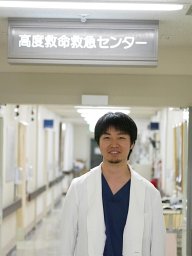 Yutaka Igarashi合作论文数Igarashi Childrn's Clinic1
 Etsuro Ito合作论文数Department of Community Medicine, Hirosaki University1Takashi Wakabayashi合作论文数1Ikuya Nonaka合作论文数1Chikako Tono合作论文数1Tsutomu Itagaki合作论文数1Daiki Abukawa合作论文数1Akira Honma合作论文数1Takahiko Arai合作论文数1
 Noriyuki Takahashi (高橋典之)合作论文数Adaptive Design Engineering Lab, Department of Architecture and Building Science, Graduate School of Engineerng, Tohoku University1Kazuya Obata合作论文数1
 Manabu Wada合作论文数1




