INTRODUCTION:As survival after hematopoietic cell transplantation (HCT) improves, employment has emerged as a key survivorship outcome. However, little is known about employment attainment and sustainability among adolescent and young adult (AYA) survivors without prior work experience. METHODS:We conducted a nationwide cross-sectional survey of HCT survivors transplanted at ≤39 years of age, aged ≥20 years at survey, and without continuous employment before diagnosis. We evaluated employment attainment, timing of first employment, and subsequent outcomes, including leave of absence and resignation. Cumulative incidence was estimated using the Kaplan-Meier method, and associated factors were analyzed using Cox regression models. RESULTS:Among 240 participants, 186 (78%) achieved employment after HCT. The cumulative incidence of employment reached 49% and 60% at 5 and 10 years, respectively. Median age at first employment was 22 years (range, 16-45), with all but one entering the workforce by their 20s. Among employed participants, 16% experienced leave of absence and 37% resigned, both occurring at a median of 2 years. Female sex and the presence of occupational healthcare staff were associated with higher incidence of leave, whereas occupational healthcare staff was associated with lower risk of resignation. Employment trajectories were dynamic with frequent transitions in status and type. CONCLUSION:Although most AYA HCT survivors without prior work experience successfully entered the workforce, maintaining stable employment remained challenging. Employment attainment and employment sustainability appear to represent distinct survivorship outcomes, highlighting the need for longitudinal multidisciplinary support addressing both medical and developmental factors.
Hypotrichosis-lymphedema-telangiectasia syndrome (HLTS) is a congenital disorder characterized by lymphedema, telangiectasia, and hypotrichosis or alopecia, caused by mutations in the SRY-related high-mobility group box (SOX) 18 gene. We report the case of a 10-year-old boy who presented with aortic valve regurgitation, marbled skin, minor anomalies, and iron-deficiency anemia due to frequent mucosal bleeding. At 5 years of age, he experienced significant hemostatic difficulties following the extraction of a deciduous tooth. The usual doses of iron supplementation did not cure his iron-deficiency anemia. Blood coagulation analysis revealed a decreased platelet agglutination capacity, associated with reduced von Willebrand factor (vWF) antigen levels and activity. Whole-genome sequencing at the age of 15 years did not identify any pathogenic variants in the VWF gene. However, this analysis revealed a heterozygous pathogenic variant of SOX18 (NM_018419.3: c.481C>T, p.Gln161Ter), which led to the diagnosis of HLTS. SOX18 plays a significant role in VWF expression in stem cells. vWF replacement therapy facilitated safe tooth extraction and stabilized hemoglobin levels. Decreased vWF may be a complication of HLTS, and vWF replacement therapy can significantly improve patients' quality of life.
Infant-type hemispheric glioma is a high-grade cellular astrocytoma that arises in the cerebral hemispheres in early childhood. It is characterized by receptor tyrosine kinase fusions, typically involving genes such as the NTRK family, ROS1, ALK, or MET. This tumor type represents a distinct diagnostic category in the fifth edition of the WHO Classification of Tumors of the Central Nervous System. Here, we present a congenital brain tumor case that developed in the left lateral ventricle with EML4::ALK fusion, and was classified as an infant-type hemispheric glioma. The patient was found to have hydrocephalus and a brain tumor in utero. Central pathologists made a diagnosis of high-grade anaplastic astrocytoma with EML4::ALK fusion. The patient underwent radical tumor resection and a combination of chemotherapies. She is now 7 years old and doing well with no recurrence. To our knowledge, this is the first report of a congenital intraventricular tumor with EML4::ALK fusion.
We present a search for neutrinoless double-beta (0νββ) decay of ^{136}Xe using the full KamLAND-Zen 800 dataset with 745 kg of enriched xenon, corresponding to an exposure of 2.1 ton yr of ^{136}Xe. This updated search benefits from a more than twofold increase in exposure, recovery of photo-sensor gain, and reduced background from muon-induced spallation of xenon. Combining with the search in the previous KamLAND-Zen phase, we obtain a lower limit for the 0νββ decay halflife of T_{1/2}^{0ν}>3.8×10^{26} yr at 90% CL, a factor of 1.7 improvement over the previous limit. The corresponding upper limits on the effective Majorana neutrino mass are in the range 28-122 meV using phenomenological nuclear matrix element calculations.
Congenital central hypoventilation syndrome (CCHS) is primarily caused by dominant PHOX2B mutations, with recessive LBX1 or MYO1H mutations being rare. Among PHOX2B mutations, polyalanine repeat expansion mutations (PARMs) are common, whereas non-PARMs (NPARMs) are less frequent. PHOX2B mutations are believed to act through loss-of-function mechanisms combined with dominant-negative and/or toxic gain-of-function effects. However, the role of PHOX2B haploinsufficiency remains unclear. We investigated the role of PHOX2B deletion and other genetic modifiers in CCHS. Among 93 patients without PHOX2B mutations, four were found to carry PHOX2B deletions via multiplex ligation-dependent probe amplification. Two had typical CCHS, whereas two siblings presented with mild sleep hypoventilation following CCHS symptoms in infancy. After ruling out pathogenic variants in LBX1 and MYO1H, we explored potential modifiers by analyzing sequence and methylation changes in the wild-type PHOX2B promoter and 3′ untranslated region (3′UTR), and the coding regions of PHOX2A and MIR204. One female patient with CCHS carried a 3′UTR haplotype predicted to reduce PHOX2B expression via MIR204 interaction. To date, 15 informative cases with PHOX2B deletions (eight males, seven females) have been reported. Respiratory phenotypes included: CCHS (n = 5), CCHS with obstructive sleep apnea (OSA) (n = 1), OSA alone (n = 2), mild central sleep apnea (n = 1), mild central sleep hypoventilation or apnea following CCHS symptoms in infancy (n = 3), and asymptomatic (n = 3). These indicate that although a heterozygous PHOX2B deficiency alone is insufficient to cause CCHS, it may delay or impair the development of respiratory control.
The electron antineutrino flux limits are presented for the brightest gamma-ray burst (GRB) of all time, GRB221009A, over a range of 1.8–200 MeV using the Kamioka Liquid Scintillator Antineutrino Detector. Using multiple time windows ranging from minutes to days surrounding the event to search for electron antineutrinos coincident with the GRB, we set an upper limit on the flux under the assumption of several power-law neutrino source spectra, with power-law indices ranging from 1.5 to 3 in steps of 0.5. No excess was observed in any time windows ranging from seconds to days around the event trigger time T _0 . For a power-law index of 2 and a time window of T _0 ± 500 s, a flux upper limit of 2.34 × 10 ^9 cm ^−2 was calculated. The limits are compared to the results presented by IceCube.
Particle dark matter could belong to a multiplet that includes an electrically charged state. WIMP dark matter (χ0) accompanied by a negatively charged excited state (χ−) with a small mass difference (e.g. < 20 MeV) can form a bound-state with a nucleus such as xenon. This bound-state formation is rare and the released energy is O(1−10) MeV depending on the nucleus, making large liquid scintillator detectors suitable for detection. We searched for bound-state formation events with xenon in two experimental phases of the KamLAND-Zen experiment, a xenon-doped liquid scintillator detector. No statistically significant events were observed. For a benchmark parameter set of WIMP mass mχ0=1 TeV and mass difference Δm=17 MeV, we set the most stringent upper limits on the recombination cross section times velocity 〈σv〉 and the decay-width of χ− to 9.2×10⁻³⁰ cm3/s and 8.7×10⁻¹⁴ GeV, respectively at 90% confidence level.
Background: The benefit of adding rituximab to standard lymphomes malins B (LMB) chemotherapy for children with high-risk mature B-cell non-Hodgkin lymphoma (B-NHL) has previously been demonstrated in an international randomized phase III trial, to which the Japanese Pediatric Leukemia/Lymphoma Study Group could not participate.Methods: To evaluate the efficacy and safety of rituximab in combination with LMB chemotherapy in Japanese patients, we conducted a single-arm multicenter trial.Results: In this study, 45 patients were enrolled between April 2016 and September 2018. A total of 33 (73.3%), 5 (11.1%), and 6 (13.3%) patients had Burkitt lymphoma/leukemia, diffuse large B-cell lymphoma, and aggressive mature B-NHL, not otherwise specified, respectively. Ten (22.2%) and 21 (46.7%) patients had central nervous system disease and leukemic disease, respectively. The median follow-up period was 47.5 months. Three-year event-free survival and overall survival were 97.7% (95% confidence interval, 84.9-99.7) and 100%, respectively. The only event was relapse, which occurred in a patient with diffuse large B-cell lymphoma. Seven patients (15.6%) developed Grade 4 or higher non-hematologic adverse events. Febrile neutropenia was the most frequent Grade 3 or higher adverse event after the pre-phase treatment, with a frequency of 54.5%.Conclusion: The efficacy and safety of rituximab in combination with LMB chemotherapy in children with high-risk mature B-NHL was observed in Japan.
IntroductionChildren and adolescents with mature B cell non-Hodgkin lymphoma (B-NHL) are treated with short-intensive chemotherapy. The burden of short-term and long-term toxicity is highly relative to its high cure rate in good-risk patients. Although the addition of rituximab to standard lymphome Malin B (LMB) chemotherapy markedly prolongs event-free survival and overall survival in high-risk patients, the benefit of rituximab in good-risk patients remains to be elucidated. This clinical trial will examine whether the addition of rituximab eliminates anthracyclines in good-risk patients without compromising treatment outcomes.Methods and analysisWe will perform a single-arm, open-label, multicentre phase II study. Low-risk (stage I – completely resected, stage II abdominal) and intermediate-risk (stages I and II – incompletely resected; stage II – resected, other than abdominal; stage III with LDH <2× upper limit of normal) patients with newly diagnosed B-NHL are eligible. Low-risk patients receive two courses of R-COM1P (rituximab, cyclophosphamide, vincristine, methotrexate, prednisolone and intrathecal methotrexate with hydrocortisone), and intermediate-risk patients receive COP (cyclophosphamide, vincristine, prednisolone and intrathecal methotrexate with hydrocortisone) followed by two courses each of R-COM3P and R-CYM (rituximab, cytarabine, methotrexate and intrathecal methotrexate with hydrocortisone). The primary endpoint is a 3-year event-free survival rate in paediatric patients (<18 years) with intermediate-risk disease. 100 patients (10 low-risk and 90 intermediate-risk) will enrol within a 4-year enrolment period and the follow-up period will be 3 years. 108 institutions are participating as of 1 January 2024 (64 university hospitals, 29 general hospitals, 12 children’s hospitals and three cancer centres).Ethics and disseminationThis research was approved by the Certified Review Board at NHO Nagoya Medical Center (Nagoya, Japan) on 21 September 2021. Written informed consent is obtained from all patients and/or their guardians. The results of this study will be disseminated through peer-reviewed publications and conference presentations.Study registrationJapan Registry of Clinical Trials, jRCTs041210104.
Patients with acute megakaryoblastic leukaemia of Down syndrome (DS-AMKL) have an excellent survival rate; however, patients with non-DS-AMKL experience poor outcomes. Therefore, this study retrospectively analysed 203 children with non-DS-AMKL who underwent their first haematopoietic cell transplantation (HCT) from 1986 to 2015 using a nationwide Japanese HCT registry data to assess HCT outcomes for non-DS-AMKL. The 5-year overall survival (OS) and event-free survival (EFS) rates were 43% and 38% respectively. The 5-year OS rate was significantly higher for patients who underwent HCT in the first complete remission (CR1, 72%) than for those in the second CR (CR2, 23%) and non-CR (16%) (p < 0.001), and for those from a human leukocyte antigen (HLA)-matched (52%) than for those from an HLA-mismatched donor (27%) (p < 0.001). Multivariate analysis for OS revealed that HCT in CR2 and non-CR was a significant risk factor (hazard ratio, 5.86; 95% confidence interval, 3.56-9.53; p < 0.001). The 3-year EFS in patients who received HCT in CR1 using reduced-intensity conditioning (RIC, 35%) was significantly lower than in those using myeloablative conditioning (busulfan-based, 71%; total body irradiation-based, 58%) (p < 0.001). Risk stratification in patients with non-DS-AMKL should be established to determine HCT indication in CR1.
We report a measurement of the strange axial coupling constant g_A^s using atmospheric neutrino data at KamLAND. This constant is a component of the axial form factor of the neutral-current quasielastic (NCQE) interaction. The value of g_A^s significantly changes the ratio of proton and neutron NCQE cross sections. KamLAND is suitable for measuring NCQE interactions as it can detect nucleon recoils with low-energy thresholds and measure neutron multiplicity with high efficiency. KamLAND data, including the information on neutron multiplicity associated with the NCQE interactions, makes it possible to measure g_A^s with a suppressed dependence on the axial mass M_A, which has not yet been determined. For a comprehensive prediction of the neutron emission associated with neutrino interactions, we establish a simulation of particle emission via nuclear deexcitation of ^12C, a process not considered in existing neutrino Monte Carlo event generators. Energy spectrum fitting for each neutron multiplicity gives g_A^s =-0.14^+0.25_-0.26, which is the most stringent limit obtained using NCQE interactions without M_A constraints. The two-body current contribution considered in this analysis relies on a theoretically effective model and electron scattering experiments and requires future verification by direct measurements and future model improvement.
Dedicator of cytokinesis 8 (DOCK8) deficiency is a rare autosomal recessive inborn error of immunity (IEI) characterized by eczematous dermatitis, elevated serum IgE, and recurrent infections, comprising a seemingly hyper-IgE syndrome (HIES). DOCK8 deficiency is only curable with allogeneic hematopoietic cell transplantation (HCT), but the outcome of HCT from alternative donors is not fully understood. Here, we describe the cases of two Japanese patients with DOCK8 deficiency who were successfully treated by allogeneic HCT from alternative donors. Patient 1 underwent cord blood transplantation at the age of 16 years, and Patient 2 underwent haploidentical peripheral blood stem cell transplantation with post-transplant cyclophosphamide at the age of 22 years. Each patient received a fludarabine-based conditioning regimen. Their clinical manifestations, including refractory molluscum contagiosum, promptly improved post-HCT. They achieved successful engraftment and immune reconstitution without serious complications. Alternative donor sources such as cord blood and haploidentical donors can be options for allogeneic HCT for DOCK8 deficiency.
The KamLAND-Zen experiment has provided stringent constraints on the neutrinoless double-beta (0νββ) decay half-life in ^{136}Xe using a xenon-loaded liquid scintillator. We report an improved search using an upgraded detector with almost double the amount of xenon and an ultralow radioactivity container, corresponding to an exposure of 970 kg yr of ^{136}Xe. These new data provide valuable insight into backgrounds, especially from cosmic muon spallation of xenon, and have required the use of novel background rejection techniques. We obtain a lower limit for the 0νββ decay half-life of T_{1/2}^{0ν}>2.3×10^{26} yr at 90% C.L., corresponding to upper limits on the effective Majorana neutrino mass of 36-156 meV using commonly adopted nuclear matrix element calculations.
Cosmic-ray muons produce various radioisotopes when passing through material. These spallation products can be backgrounds for rare event searches such as in solar neutrino, double-beta decay, and dark matter search experiments. The KamLAND-Zen experiment searches for neutrinoless double-beta decay in 745 kg of xenon dissolved in liquid scintillator. The experiment includes dead-time-free electronics with a high efficiency for detecting muon-induced neutrons. The production yields of different radioisotopes are measured with a combination of delayed coincidence techniques, newly developed muon reconstruction, and xenon spallation identification methods. The observed xenon spallation products are consistent with results from the FLUKA and GEANT4 simulation codes.
We present the results of a time-coincident event search for low-energy electron antineutrinos in the KamLAND detector with gamma-ray bursts (GRBs) from the Gamma-ray Coordinates Network and Fermi Gamma-ray Burst Monitor. Using a variable coincidence time window of ±500 s plus the duration of each GRB, no statistically significant excess above the background is observed. We place the world’s most stringent 90% confidence level upper limit on the electron antineutrino fluence below 17.5 MeV. Assuming a Fermi–Dirac neutrino energy spectrum from the GRB source, we use the available redshift data to constrain the electron antineutrino luminosity and effective temperature.
Background: The early diagnosis and prompt treatment of autoimmune coagulation factor deficiencies (AiCFDs) are challenging for physicians when patients present with pseudo-deficiencies or pseudo-inhibitors of multiple coagulation factors. A reason for this is the diagnostic confusion caused by the apparent reduction in coagulation factor activity when using common one-stage coagulation factor measurement assays.Methods: After confirming the presence of autoantibodies against each coagulation factor, we retrospectively examined the activity of factors X, VIII, and IX (FX, FVIII, and FIX, respectively) and each coagulation factor inhibitor using their chromogenic substrates among 33 patients with AiCFD.Results: Because the apparent coagulation factor deficiency was completely or partially restored in the chromogenic assay, 4, 9, and 22 patients with AiCFD were suspected of having pseudo-FX, pseudo-FVIII, and pseudo FIX deficiencies, respectively. Moreover, in the chromogenic assay, the specific activities of FX, FVIII, and FIX (determined by their antigen levels) were higher than those in the one-stage assay. The titers for FV inhibitors showed negative correlations with the ratios of FX, FVIII, and FIX activities measured via the one-stage assay and the chromogenic assay. An especially high titer of one coagulation factor inhibitor tends to either cause pseudo deficiencies or get mistaken for being a pseudo-inhibitor of other coagulation factors.Conclusion: Chromogenic assays appear to be superior to conventional one-stage assays when measuring coagulation factor activity in AiCFD cases. Detection of anti-coagulation factor autoantibodies is recommended to avoid overlooking the presence of non-neutralizing autoantibodies.
 k tamae合作论文数62M. Koga合作论文数60B. E. Berger合作论文数Inst Phys & Math Universe, Univ Tokyo57
 Junpei Shirai合作论文数57Diane Melanie Markoff合作论文数North Carolina Central University57
 B. K. Fujikawa合作论文数Lawrence Berkeley Natl Lab56
 Patrick Decowski合作论文数Massachusetts Institute of Technology56I. Shimizu合作论文数56Yuko Gando合作论文数56
 Jason Detwiler合作论文数Department of Physics, University of Washington53Y. V. Efremenko合作论文数Oak Ridge National Laboratory52Werner Tornow合作论文数49Hiroshi Watanabe合作论文数The Institute of Physical and Chemical Research (RIKEN) 2-1 Hirosawa 351-0198 Wako, Saitama Japan 2-1 Hirosawa 351-0198 Wako, Saitama Japan49Hugon J. Karwowski合作论文数Department of Physics and Astronomy, College of Arts & Sciences, University of North Carolina at Chapel Hill48T. O'Donnell合作论文数Ctr Neutrino Phys, Virginia Polytech Inst & State Univ46
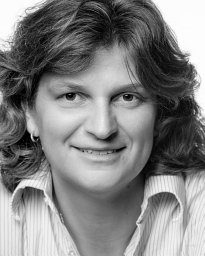 J. Maricic合作论文数Department of Physics and Astronomy, University of Hawai'i46Yasuhiro Takemoto合作论文数45
 Alexander Kozlov合作论文数Manzana Campaign45A. Gando合作论文数43H. Ikeda合作论文数43
 Lindley Winslow合作论文数Department of Physics, Massachusetts Institute of Technology42
 Koji Ishidoshiro合作论文数High Energy Accel. Res. Organ. (KEK), Tsukuba, Japan;c;High Energy Accel. Res. Organ. (KEK), Tsukuba, Japan|c|40
 Yasuaki Kishimoto (岸本泰明)合作论文数Department of Fundamental Energy Science, Graduate School of Energy Science, Kyoto University35K. Ichimura合作论文数34
 C. Grant合作论文数Department of Physics, Boston University32Kazuo Inoue合作论文数32Kobayashi Ryoji (小林良二)合作论文数School of Medicine, Faculty of Medicine, Kagawa University32Kenji Ueshima合作论文数32Sj Freedman合作论文数31
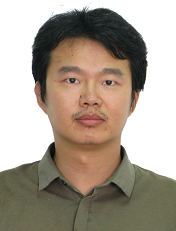 Benda Xu (续本达)合作论文数Department of Engineering Physics, Tsinghua University31
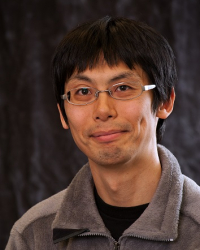 Sanshiro Enomoto合作论文数Department of Physics, University of Washington29
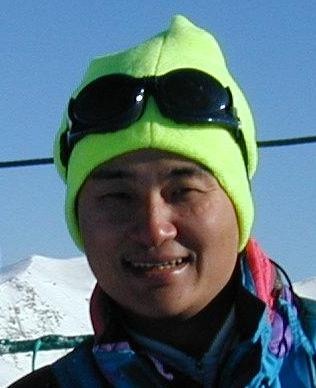 Shigeru Yoshida合作论文数Chiba University28Naoto Fujita合作论文数26Tetsuya Mori合作论文数25
 Andreas Piepke合作论文数Department of Physics & Astronomy, College of Arts & Sciences, University of Alabama24
 Reiji Fukano合作论文数24kenichi fushimi合作论文数23s matsuda合作论文数23K. Nakamura合作论文数22Dwyer D A合作论文数22
 Ke Han (韩柯)合作论文数Institute of Nuclear and Particle Physics, School of Physics and Astronomy, Shanghai Jiao Tong University22
 Robert McKeown合作论文数The College of William and Mary22
 Karsten M Heeger合作论文数Physics Department;University of California at Berkeley;Lawrence Berkeley National Laboratory;Lawrence Berkeley National Laboratory, University of California at Berkeley22H. M. Steiner合作论文数21T. Hachiya合作论文数21
 Shuhei Obara合作论文数21Keita Inoue合作论文数21S. Matsuno合作论文数21
 G. Horton-Smith合作论文数Stanford Linear Accelerator Center, Stanford University21




