Cell-based therapeutics are an emerging modality with the potential to treat many currently intractable diseases through uniquely powerful modes of action. Despite notable recent clinical and commercial successes, cell-based therapies continue to face numerous challenges that limit their widespread translation and commercialization, including identification of the appropriate cell source, generation of a sufficiently viable, potent and safe product that meets patient- and disease-specific needs, and the development of scalable manufacturing processes. These hurdles are being addressed through the use of cutting-edge basic research driven by next-generation engineering approaches, including genome and epigenome editing, synthetic biology and the use of biomaterials.
Cell and gene therapies hold great promise to improve the health of patients with severe or fatal conditions. However, there are challenges to finance and reimburse these regenerative medicines. In this Chapter, the various cell and gene regenerative therapies in clinical phases of development for the treatment of bleeding disorders and hemoglobinopathies will be discussed. The US healthcare system is facing challenges about the affordability and absorbing the treatment prices of these novel therapies and raised concerns from the public, US administration and payers. The different stakeholders recognize the fact that novel innovative payments arrangements for gene and cell therapies are needed. Value-based pricing combined with annuity-based payments is an attractive solution for payers and manufacturers to participate in this shared-risk financing model where continued reimbursement is linked to the long-term efficacy and safety of these potentially transformative and long-lasting therapies.
The cell and gene therapy industry has faced a series of boom and bust cycles over the last 30 years. These boom and bust cycles have been a result of exuberance on the part of investors and a lack of scientific and clinical trial success. We are now in the latest boom cycle. There are some differences in this cycle from prior cycles. First, we have had significant advances in the science such that multiple clinical trials have read out positively. In addition, both investors and large biopharmaceutical companies have put in significant dollars for both the creation of companies and partnerships. In this chapter, we discuss why this cycle could be the 'real' thing based on investor and company behaviour combined with the scientific advances.
Age-related macular degeneration (AMD) is a leading cause of vision loss worldwide. Individuals that consume Western diets, containing large amounts of high glycemic index carbohydrates, are at dramatically increased risk for AMD. To understand disease pathogenesis, we aged wildtype C57BL/6J mice fed matched high or low glycemic diets. Mice that consumed high glycemic diets developed AMD-like pathologies, whereas mice consuming low glycemic diets, or whose diets were switched from high to low glycemic diets midway through study had normal eyes. We have uncovered several mechanisms related to disease pathogenesis or protection from disease. High glycemic stress causes accumulation of advanced glycation end-products and lipid peroxidation products systemically and in the eye, leading to impaired autophagic and proteasomal proteolytic capacities of retinal cells. Low glycemic diets alter the composition of gut microbiota and circulating metabolites leading to neuroprotection of the retina. Novel biomarkers of glycemia may impact AMD diagnosis and treatment.
Cell and gene therapies hold the promise of providing significant and durable health gains to patients in many disease states and have recently elicited significant investor and partner interest. We cover the current state of industry partnerships and investments, highlight what makes a partnership advantageous, and discuss implications for stem cell therapies.
The promise of regenerative medicine is that of truly regenerating function in damaged tissue and organs, even curing disease – transformational aspects in treating disease that traditional biopharmaceuticals and medical devices can only dream about. However, the reality is that this sector has fallen short of expectations. Initial investment rounds did not translate into significant value-creating products, the lack of 'blockbuster' cell-based products made many multinationals reluctant to consider strategic portfolio programmes in cell-based regenerative medicines. To this day, significant game-changing efficacy remains to be demonstrated in large-scale Phase III randomised, placebo-controlled clinical trials. In recent years, however, there has been a resurgence of interest in the use of stem cells as a therapy, mainly catalysed by the maelstrom of commercial activity in the engineered T-cell immunotherapy sector. To explain the deal status of the sector, how and why high profile transactions took place are analysed, in order to comprehend the drivers that led to this. Benchmarking is also undertaken with successful trends in other areas, such as anti-hepatitis C virus medicines, to identify comparables. Finally, perspectives and lessons based on the compiled material are summarised into a coherent set of reflections on what the future holds from the transactional aspect for this exciting category of new medicines in development.
Translating an exciting experimental result from the lab into clinically relevant data in humans and, eventually, a successful commercial enterprise is a complex and expensive task, particularly for regenerative medicine assets. We can learn from other successes/failures in translating to commercialization in order not to repeat the same mistakes. This chapter outlines the keys to success that can make the translation a more efficient process for regenerative medicine products.
Objective: Consuming curcumin may benefit health by modulating lipid metabolism and suppressing atherogenesis. Fatty acid binding proteins (FABP-4/aP2) and CD36 expression are key factors in lipid accumulation in macrophages and foam cell formation in atherogenesis. Our earlier observations suggest that curcumin's suppression of atherogenesis might be mediated through changes in aP2 and CD36 expression in macrophages. Thus, this study aimed to further elucidate the impact of increasing doses of curcumin on modulation of these molecular mediators on high fat diet-induced atherogenesis, inflammation, and steatohepatosis in Ldlr(-/-) mice.Methods: Ldlr(-/-) mice were fed low fat (LF) or high fat (HF) diet supplemented with curcumin (500 HF + LC; 1000 HF + MC; 1500 HF + HC mg/kg diet) for 16 wks. Fecal samples were analyzed for total lipid content. Lipids accumulation in THP-1 cells and expression of aP2, CD36 and lipid accumulation in peritoneal macrophages were measured. Fatty streak lesions and expression of IL-6 and MCP-1 in descending aortas were quantified. Aortic root was stained for fatty and fibrotic deposits and for the expression of aP2 and VCAM-1. Total free fatty acids, insulin, glucose, triglycerides, and cholesterol as well as several inflammatory cytokines were measured in plasma. The liver's total lipids, cholesterol, triglycerides, and HDL content were measured, and the presence of fat droplets, peri-portal fibrosis and glycogen was examined histologically.Results: Curcumin dose-dependently reduced uptake of oxLDL in THP-1 cells. Curcumin also reduced body weight gain and body fat without affecting fat distribution. During early intervention, curcumin decreased fecal fat, but at later stages, it increased fat excretion. Curcumin at medium doses of 500 -1000 mg/kg diet was effective at reducing fatty streak formation and suppressing aortic expression of IL-6 in the descending aorta and blood levels of several inflammatory cytokines, but at a higher dose (HF _ HC, 1500 mg/kg diet), it had adverse effects on some of these parameters. This U-shape like trend was also present when aortic root sections were examined histologically. However, at a high dose, curcumin suppressed development of steatohepatosis, reduced fibrotic tissue, and preserved glycogen levels in liver.Conclusion: Curcumin through a series of complex mechanisms, alleviated the adverse effects of high fat diet on weight gain, fatty liver development, dyslipidemia, expression of inflammatory cytokines and atherosclerosis in Ldlr(-/-) mouse model of human atherosclerosis. One of the mechanisms by which low dose curcumin modulates atherogenesis is through suppression of aP2 and CD36 expression in macrophages, which are the key players in atherogenesis. Overall, these effects of curcumin are dose-dependent; specifically, a medium dose of curcumin in HF diet appears to be more effective than a higher dose of curcumin. (C) 2013 Elsevier Ireland Ltd. All rights reserved.
Despite the popularity of genetically modified mouse models for mechanistic studies of human disease, little is known about the vitamin K requirements for mice. In the current study, we performed a small pilot time course study to determine the least amount of time required to reduce tissue concentrations of vitamin K without causing clinical signs of deficiency, such as abnormal bleeding. Female C57BL/6 mice were acclimated with AIN-93 G diet (903.5 +/- 26.5 mu g phylloquinone/kg diet) for 1 wk and subsequently fed a vitamin K-deficient AIN-93 G diet (21.4 +/- 3.0 mu g phylloquinone/kg diet) for 0d (0D group; n=3), 7d (7D group; n=3), 14d (14D group; n=3) and 28d (28D group; n=3) while limiting coprophagy. Phylloquinone and menaquinone-4 (MK-4) concentrations were measured in serum, liver, kidney, brain, pancreas, and body fat (omental). Compared to 0D group, there was a reduction of vitamin K concentrations in all analyzed tissues within 7d (P < 0.05), with the exception of body fat. In the 28D group, vitamin K was not detectable in mouse liver, yet there were no clinical signs of vitamin Kdeficiency, including bleeding. In summary, a vitamin K deficient diet can be used to induce low vitamin K tissue concentrations within 7d.
The two primary cell sources used to produce cell-based therapies are autologous (self-derived) and allogeneic (derived from a donor). This analysis attempts to compare and contrast the two approaches in order to understand whether there is an emerging preference in the market. While the current clinical trials underway are slightly biased to autologous approaches, it is clear that both cell-based approaches are being aggressively pursued. This analysis also breaks down the commercial advantages of each cell-based approach, comparing both cost of goods and the ideal indication type for each. While allogeneic therapies have considerable advantages over autologous therapies, they do have a distinct disadvantage regarding potential immunogenicity. The introduction of the hybrid autologous business model provides the ability for autologous-based therapies to mitigate some of the advantages that allogeneic cell-based therapies enjoy, including cost of goods. Finally, two case studies are presented that demonstrate that there is sufficient space for both autologous and allogeneic cell-based therapies within a single disease area.
Recent surgically based series have reported significantly worse survival for patients with malignant pleural mesothelioma (MPM) and nodal metastases. Based upon our previous experience with photodynamic therapy (PDT) in treating MPM, we included patients with or without suspected nodal metastases in a multimodal treatment program. 38 patients with localized MPM were treated from 2004 to 2009. Therapy included cytoreduction with radical pleurectomy (RP) or extrapleural pneumonectomy (EPP), intraoperative PDT and adjuvant pemetrexed-based chemotherapy ± radiotherapy. RP was employed in more recent years for all patients, regardless of tumor bulk. A macroscopic complete resection was achieved in all 38 patients (14 EPP/24 RP). Thirty patients had locally advanced (AJCC stage III/IV) and 10 patients had nonepithelial MPM. There were three postoperative deaths (2 EPP/1 RP). Thirty-two patients received chemotherapy (10 pre-op/22 post-op) and 14 patients received post-op radiotherapy. With a median follow-up of 15 months, median PFS and OS were 13 months (36±9% at 2 years) and 26.5 months (54 ±9% at 2 years), respectively. Fifteen have experienced disease progression, with a first site of failure being local in 6, distant in 6 and local + distant in 3. There was no difference in OS (log rank p = 0.88) or PFS (log rank p = 0.41) for the 20 patients with positive lymph nodes (3 N1, 17 N2) compared to the 18 N0 patients. The 26.5 month median OS compares favorably with other series, particularly since our patients were 79% stage III/IV and 26% nonepithelial histology. With a multimodality approach including intraoperative PDT, the majority of our patients had a lung sparing surgery but the reason for the surprising lack of impact of nodal metastases remains incompletely understood. We conclude that this multimodal approach is deserving of further study and that future studies of this approach should not exclude MPM patients with suspected nodal metastases.
6120 Background: Cancer clinical trial (CT) enrollment is low, particularly for minorities. Few prospective studies simultaneously survey both the oncologists (MDs) and patients (pts) to identify b...
Human stem cell biology is driving the promise of novel regenerative therapies into clinical trials. Although the pharmaceutical industry has embraced stem cells as tools in drug discovery, few companies have taken the risk to deliver stem cell-based medicines. Here, we evaluate the various cell-based opportunities and corporate strategies.
Induced pluripotent stem (iPS) cells have generated excitement in the regenerative medicine industry. Products derived from iPS cells could be used in a range of drug discovery and development processes. These nontherapeutic products will continue to be launched over the next 5 years, and provide income and knowledge to drive the therapeutic use of iPS cells forward. While the commercial opportunity for iPS cell-based therapies is potentially large, the looming technical and scientific hurdles must be overcome and, thus, the launch of a therapy based on iPS cells is unlikely to occur until the 2020s. While the launch of a therapeutic is many years away, the business models for commercialization should be well understood and proven based on experience with other non-iPS cell-based therapies (both autologous and allogeneic) that will already be on the market.
 Jacob Selhub合作论文数Gerald J. and Dorothy R. Friedman School of Nutrition Science and Policy, Tufts University11
 Allen Taylor合作论文数Jean Mayer USDA Human Nutrition Research Centre, Friedman School of Nutrition Science and Policy, Tufts University9
 Clifford J. Tabin合作论文数Department of Genetics, Blavatnik Institute, Harvard Medical School9
 Joel B Mason合作论文数Jean Mayer USDA Human Nutrition Research Center on Aging, Tufts University6
 Mohsen Meydani合作论文数6R Bronson合作论文数5V Palmer合作论文数5Mr Nadeau合作论文数5F Shang合作论文数5
 Joshua William Miller合作论文数Department of Nutritional Sciences, Rutgers University5Rm Russell合作论文数4D Wu合作论文数4
 Xiaohua Gong合作论文数School of Optometry, University of California, Berkeley4Han Sung Nim合作论文数Dept Food & Nutr, Seoul Natl Univ4Simin N. Meydani合作论文数4Paul N. Schatz合作论文数4Casilda Mura合作论文数4
 Ronenn Roubenoff合作论文数Roubenoff Consulting, LLC4A. Blackhall合作论文数3He Dunn合作论文数3N Padhye合作论文数3G. Klintmalm合作论文数3Simin Nikbin Meydani合作论文数3
 Felix Stickel合作论文数Universitätsspital Zürich, Klinik für Gastroenterologie und Hepatologie3
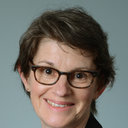 Ruth Lipman合作论文数USDA Human Nutrition Research Center on Aging, Tufts University3
 Bryce Williamson合作论文数3Edward D. Agura合作论文数3
 Dayong Wu合作论文数3Jessica Jahngen-Hodge合作论文数3Marie R. Nadeau合作论文数3D. L. Brydon合作论文数3R Prior合作论文数2Tr Nowell合作论文数2L Abad合作论文数2Ml Cravo合作论文数2Raina Gay合作论文数2Td Stephens合作论文数2Jw Seyler合作论文数2Mr Narkewicz合作论文数2
 Hollie Clements合作论文数Department of General Surgery, Royal Liverpool University Hospital2B Goldin合作论文数2G Cao合作论文数2Thomas Shepherd合作论文数2Nm Nascone-Yoder合作论文数2G Perrone合作论文数2David Johnston合作论文数2
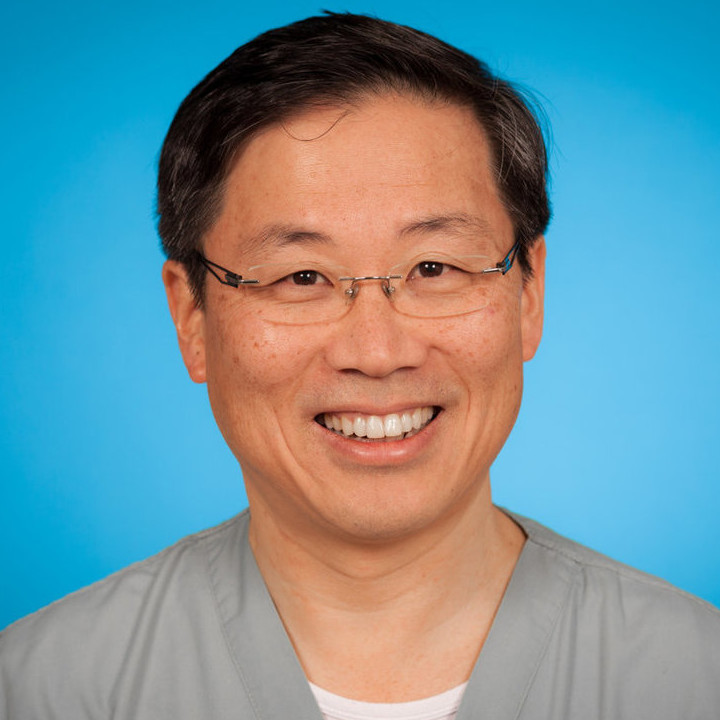 Young-In Kim合作论文数Department of Nutritional Sciences, Temerty Faculty of Medicine, University of Toronto;Institute of Medical Sciences, University of Toronto;Division of Gastroenterology, Department of Medicine, St. Michael’s Hospital;Keenan Research Center for Biological Sciences of St. Michael’s Hospital2
 Alan Taylor合作论文数Cornell AgriTech, College of Agriculture and Life Sciences, Cornell University2
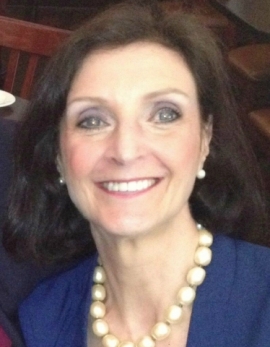 Rosemarie Mick合作论文数Department of Biostatistics, Epidemiology and Informatics, Perelman School of Medicine, University of Pennsylvania2




