BEL1-like homeodomain (BLH) proteins form a small family of plant-specific transcription factors (TFs) involved in multiple developmental processes. However, the functions of BLH proteins in tomato (Solanum lycopersicum) fruit ripening remain largely unclear. In this work, ripening initiation was delayed when SlBEL11 function was inactivated by CRISPR/Cas9 technology, and fruits showed obviously delayed ethylene production and respiratory rate. In addition, fruits underwent suppressed maturation after breaker stage. Together with fruit phenotypes of accelerated maturation and darker red color exhibited in SlBEL11-overexpressing plants, we clearly confirm that SlBEL11 is a positive regulator of tomato fruit ripening. The results of a GAL4-based yeast two-hybrid screen suggested that SlBEL11 probably interacts with ethylene insensitive 3 (EIN3)-like protein 1 (SlEIL1), a positive regulator of ethylene signaling. This hypothesis was further confirmed by yeast two-hybrid (Y2H) assays, bimolecular fluorescence complementation (BiFC) assays, and Co-immunoprecipitation (Co-IP) assays. Taken together, our findings demonstrate that SlBEL11 may be involved in tomato fruit ripening via interaction with ethylene signaling component SlEIL1.
Integrative Transcriptomic and Metabolomic Analyses Reveal the Molecular Mechanisms Underlying Fruit Quality Formation in Watermelon AbstractFlesh texture and sugar–acid composition are key determinants of watermelon fruit quality, both of which are regulated by complex, multi-gene networks. In this study, the small-fruited watermelon cultivar ‘Jingcai No. 1’ was used as experimental material. Samples were collected across seven developmental and senescence stages, and transcriptomic and metabolomic analyses were integrated to systematically elucidate the dynamic changes and regulatory mechanisms involved in texture development and sugar–acid metabolism.During fruit maturation and senescence, flesh firmness progressively decreased, whereas sucrose content increased steadily. The levels of soluble solids, fructose, glucose, citric acid, malic acid, succinic acid, and fumaric acid exhibited an overall rise followed by a decline. Several genes were closely associated with fruit texture modification, including PMEs, PGs, and CESAs. Sugar metabolism–related genes included SPS1, BAM8, and SUS5, while organic acid metabolism–related genes included ME1, MDH3, and SDH1-1. Weighted gene co-expression network analysis (WGCNA) further predicted candidate transcription factors potentially associated with fruit firmness—ERF113, TCP2, and NAC29; with sugar metabolism—bHLHs, MYBs (MYB106 and MYB54), RF2b-like, ERF071, and WRKY75; and with organic acid metabolism—ERF105, MYBs (MYB32 and MYB86), WRKY22, and GATA15. Overall, this study proposes a regulatory network framework and provides valuable candidate genes for molecular breeding aimed at improving fruit texture and flavor.
Background: Proteasomes are protein complexes that mediate proteolysis to degrade unneeded or damaged proteins, and they play an indispensable role in plant growth and development. However, their regulatory effects on tomato fruit quality and the underlying metabolic mechanisms remain largely elusive. This study aimed to elucidate the metabolic regulatory mechanisms of proteasomes in tomato fruits through untargeted metabolome analysis. Methods: An untargeted metabolomics approach was employed to profile the metabolic changes in tomato fruits. Metabolites were detected and identified under both positive and negative ion modes. Metabolic profiles were compared between wild-type (WT) tomato fruits and SlPBB2 RNA interference (SlPBB2-RNAi) lines. Specifically, the SlPBB2-RNAi line refers to a transgenic tomato line constructed via Agrobacterium-mediated transformation, where the expression of the proteasome component gene SlPBB2 was stably downregulated by RNA interference technology to clarify its regulatory role in fruit metabolism. KEGG enrichment analysis was performed to annotate the functions of differential metabolites. Results: A total of 568 and 333 metabolites were identified in positive and negative ion modes, respectively. Comparative analysis revealed 43 differentially abundant metabolites between WT and SlPBB2-RNAi fruits, including D-glucose, pyruvic acid, leucine, and naringenin. KEGG enrichment analysis further identified key metabolites involved in the carbon fixation pathway of photosynthetic organisms, with L-malic acid being a prominent representative. Reduced accumulation of D-glucose and pyruvic acid in SlPBB2-RNAi fruits suggested the inhibition of the citrate cycle, a core pathway in cellular energy metabolism. This metabolic perturbation was associated with decreased chlorophyll content in SlPBB2-RNAi plants, implying impaired photosynthetic carbon fixation and energy metabolism. Conclusions: This study uncovers the metabolic regulatory role of SlPBB2-mediated proteasome function in tomato fruits, providing novel insights into the link between proteasomal activity and fruit metabolic homeostasis from a metabolomic perspective. These findings offer new theoretical foundations for developing strategies to improve tomato nutritional quality.
Steroidal glycoalkaloids (SGAs) are a class of important secondary metabolites in tomato fruit development and ripening, which enhance fruit disease resistance but also act as antinutritional factors for human health. Although previous studies have reported that SGAs metabolism is influenced by light, the specific regulatory mechanisms remain insufficiently explored. This study demonstrates that light enhances the expression of the light-responsive transcription factor ELONGATED HYPOCOTYL 5 (HY5) and promotes the accumulation of bitter glycoalkaloids, whereas HY5 mutation suppresses this pathway and increases the synthesis of the non-bitter compound esculeoside A during fruit ripening. Further investigation reveals that HY5 directly binds to light-responsive elements in the promoters of glycoalkaloid biosynthesis genes, coordinating the metabolic shift from glycoalkaloid biosynthesis to detoxification metabolism. This provides a molecular basis for balancing tomato defense capability and fruit palatability.
Lycopene cyclization and abscisic acid (ABA) metabolism contribute to postharvest fruit ripening and color development; however, their transcriptional regulation by fruit-associated transcription factors (TFs) remains poorly defined. In this study, stable CRISPR/Cas9 knockout and overexpression tomato lines were used to investigate the role of Colorless non-ripening (SlCNR), an SBP/SPL family TF with high expression in tomato fruit, during postharvest ripening. Fruit was harvested at the mature green stage and stored at room temperature for 16 days, during which ripening-related quality traits, including firmness, total soluble solids, lycopene content, total flavonoid content, and weight loss, were monitored at 4-day intervals. At the ripening stage, compared with wild-type (WT) fruit, KO-SlCNR fruit exhibited increased b* values, a 50-70 % reduction in lycopene content, and elevated ABA levels, whereas OE-SlCNR fruit displayed opposite trends. KO-SlCNR fruit also produced less ethylene during postharvest ripening, and exogenous ethylene application failed to restore lycopene accumulation to WT levels. Transcriptomic and qRT-PCR analyses revealed distinct transcriptional changes in lycopene cyclase and ABA metabolic genes in SlCNR transgenic fruit. Furthermore, electrophoretic mobility shift and dual-luciferase reporter assays demonstrated that SlCNR directly represses the lycopene cyclase genes SlLCY-E and SlCYC-B and the ABA biosynthetic gene SlNCED1, while activating the ABA catabolic gene SlCYP707A2 to promote lycopene accumulation and concurrently reduce ABA biosynthesis. Collectively, these findings identify SlCNR as a transcriptional regulator that integrates lycopene cyclization and ABA metabolism during postharvest fruit ripening.
The lifecycle of tomato fruit mainly comprises two distinct phases: the initial growth and development phase, followed by the ripening and senescence phase. However, the mechanism initially triggering the transition from an energy-intensive growth phase to the ripening phase remains unclear. First, we found that the fruit energy charge was significantly reduced before this transition, which might be caused by elevated levels of adenosine monophosphate (AMP) and histidine (His). Second, we constructed transgenic tomato plants for the key enzymes in the AMP salvage pathway (SlAPRT1) and His biosynthesis pathway (SlATP-PRT) via genome editing and overexpression. All transgenic plants caused a severe inhibition of fruit ripening, which was consistent with exogenous AMP treatment on wild-type plants, primarily due to the increased energy charge. Particularly, Slatp-prt mutant fruits could hardly produce ethylene or initiate ripening, but exogenous His treatment could restore their energy charge and ripening initiation. Finally, reducing the energy charge via exogenous His treatment also effectively accelerated the growth-to-ripening transition of wild-type fruits both on the plant and post-harvest. In conclusion, this study reveals that low energy charge and high His levels co-trigger the growth-to-ripening transition of tomato fruits, providing novel and valuable insights into the mechanisms underlying ripening initiation.
The transcription factors (TFs) RIPENING-INHIBITOR (RIN) and NONRIPENING (NOR) are key regulators of fruit ripening in tomato (Solanum lycopersicum) fruit ripening. However, the spontaneous rin and nor alleles that were first described were demonstrated to be gain-of-function mutants, prompting a reevaluation of the roles of RIN and NOR in tomato fruit ripening. Here, we show that the slnor slrin double mutant (a double homozygous loss-of-function mutant of NOR and RIN) exhibits a complete cessation of fruit ripening, revealing that NOR and RIN redundantly but differentially regulate fruit ripening. Besides serving as activators, NOR and RIN are essential in suppressing genes related to photosynthesis. Additionally, at the initiation of ripening, NOR activates RIN expression by binding to its promoter. Following climacteric ethylene production, RIN represses NOR expression. This temporal interaction is crucial for the regulation of abscisic acid (ABA) and ethylene biosynthesis during fruit ripening. Interestingly, NOR and RIN do not form a transcriptional complex. Collectively, our findings provide insights into the regulatory network involving NOR and RIN in fruit ripening and uncover their roles in the crosstalk between the ripening hormones ethylene and ABA.
Flavonoids, as natural and safe bioactive compounds, demonstrate significant potential in antioxidant, anti-inflammatory, neuroprotective, and antitumor activities. Medicine and food homology substances constitute a vast treasure trove of flavonoids, characterized by high activity and high content. Their biological effects are closely linked to chemical features like hydroxyl group position, substituent type, and glycosylation degree. However, in practical applications, flavonoids in medicine and food homology substances still face bottlenecks, such as difficult separation and purification, challenging quality control, poor solubility, and low bioavailability. Current strategies include advanced extraction techniques (e.g., ultrasound/microwave-assisted, supercritical CO2). Quality control is achieved through establishing GAP bases, integrating data on the origins of Medicine and food homology substances, employing UHPLC-MS, and constructing fingerprint spectra. Enhancing solubility through structural modifications such as glycosylation. Utilizing nanodelivery systems such as lipid nanoparticles, polymeric nanoparticles, and microencapsulation technology to enhance bioavailability. Future research on flavonoids in medicine and food homology substances will integrate artificial intelligence (for activity prediction and formulation optimization), synthetic biology (for targeted flavonoid synthesis), and materials science (for designing novel delivery materials), advancing their applications in precision nutrition and personalized medicine. Provide a reference for fundamental research and applied development of flavonoids in medicine and food homology substances.
Flavonoids are a class of secondary metabolites that massively accumulate in the exocarp (comprising the epidermis and several hypodermal cell layers) of tomato fruits and an important constituent of fruit nutritional quality. In our previous studies, we identified the NAC transcription factor NOR-like1 as a multifunctional transcription factor in tomato, governing diverse biological processes involved in fruit development and ripening. In the present study, a novel role of SlNOR-like1 in regulating flavonoid accumulation at the level of tomato fruit exocarp was uncovered. We performed flavonoid-targeted metabolomics analysis of the exocarp of wild-type (WT) and SlNOR-like1-knockout (nor-like1) tomato fruits, and found that knockout of SlNOR-like1 inhibited flavonoid accumulation in the exocarp of tomato fruits (largely due to a considerable decrease in rutin content). Transcriptomic analysis revealed that differentially expressed genes (DEGs) in the exocarp of WT and nor-like1 fruits were enriched in the pathways related to flavonoid metabolism, involving the phenylpropanoid metabolic pathway and glycosylation process of flavonoids. It was further confirmed by electrophoretic mobility shift assay (EMSA), chromatin immunoprecipitation-quantitative PCR (ChIP-qPCR), dual-luciferase reporter assay (DLR), and real-time qPCR (RT-qPCR) that SlNOR-like1 binds to the promoters of potential flavonoid glycosylation key genes Sl3GT-1 and Sl3GT-2, and activates their transcription, which may constitute the key mechanism underlying the positive regulation of flavonoid accumulation by SlNOR-like1.
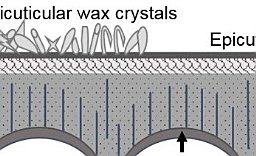
Fruit cuticle, as a specialized hydrophobic cell wall architecture covering the surface of fruit, is crucial for fruit resistance to biotic and abiotic stress. In this study, we found that the BTB protein, SlBTA2, can regulate the biosynthesis of fruit cuticle in tomato. SlBTA2 was mainly expressed in the epidermis of fruits. Knockout of SlBTA2 inhibits the formation of fruit cuticle, resulting in a reduced cuticle thickness, accelerated post-harvest water loss, uneven colouring and increased cell wall thickness. GC-MS quantification revealed drastic reductions of cutin (94%) and wax (34%) monomer content in slbta2 fruits, especially 9(10),16-dihydroxyhexadecanoic acid (>90%). Moreover, transcriptome profiling identified coordinated downregulation of key cuticle biosynthesis genes in mutant fruits, such as SlANL2b, SlLACS2, SlCER1-2, etc. Overall, our findings present that SlBTA2 is a novel breeding target for cuticle accumulation and post-harvest fruit qualities.
The cuticle and cuticular waxes play vital roles as the interface between a plant and its environment. Cuticular waxes are composed of very long-chain fatty acids (VLCFAs) and their derivatives as well as triterpenoids, which are specialized metabolites. Although triterpenoids constitute a major fraction of cuticular waxes, their functions remain poorly understood. In this review, we provide an overview of the chemical diversity of triterpenoids in the cuticular waxes of leaves and fruits of angiosperms and discuss changes in triterpenoid content during their development. The methods and challenges for the analysis of cuticular wax triterpenoids are summarized. The biosynthesis of triterpenoids is also reviewed along with recent knowledge of the potential mechanisms of triterpenoid transportation and secretion from the site of biosynthesis to the plant surface. Considering ongoing climate change, the current understanding of the effects of environmental conditions and abiotic stress factors on cuticular wax triterpenoids is reviewed. We also present an overview of the current knowledge on the roles of triterpenoids in cuticular waxes in transpiration and defense against biotic stressors and their possible role in cuticle stabilization. Moreover, owing to the generally high levels of triterpenoids in fruit cuticular waxes, the provided information on the variation and role of cuticular wax triterpenoids during postharvest fruit storage might help in the development of strategies for better fruit quality maintenance and preservation.
Fruit characteristics (flesh color, sweetness, flavor, etc.) of watermelon are largely the result of human selection. In this study, we combined the metabolome and transcriptome to investigate differentially expressed genes and differential metabolites related to sugar-acid and flesh color in four commercial watermelon cultivars. Fifty-eight genes and nine metabolites were identified in the organic acid and sugar metabolism pathways. Six of these metabolites were significantly up-regulated in ‘Jingcai No.1’ (JC), including sucrose, fructose, cellobiose, oxaloacetate, succinate, and malate. The expression of sucrose synthase 2 (SUS2), sucrose-phosphate synthase (SPS1), fructose bisphosphate aldolase (FBA2), glyceraldehyde 3-phosphate dehydrogenase(GAPN), trehalose-phosphate phosphatase (TPPJ), trehalose-phosphate synthase (TPS1), 1,4-alpha-glucan-branching (SBE1) and SBE3, which are involved in sugar and acid metabolism, was also significantly higher than that of the other three cultivars. A total of 55 genes and 102 metabolites were identified in the pathway related to flesh color formation (carotenoid synthesis, phenylpropanoid synthesis, flavonoid synthesis). The abundance of genes and metabolites associated with sugar and acid metabolism and color formation were generally lower in ‘Jingmei 2k’ (EK) and ‘L600’ (LB) than in JC and ‘Chaoyue’ (CY). In summary, the omics analysis of the four watermelon cultivars revealed significant differences in metabolic genes and metabolites involved in sugar-acid biosynthesis and flesh color formation, which provides new ideas for improving the quality and commercial value of watermelon fruits through genetic engineering.
Cold stress is a major factor affecting postharvest quality of tomato fruit. Although polyamine compounds have been widely used to enhance plant cold tolerance, direct evidence supporting spermidine (SPD) involvement in regulating tomato fruit cold resistance is still lacking. In this study, tomato fruits were treated by SPD or its inhibitor Methylglyoxal bis guanylhydrazone (MGBG), followed by storage at 4 °C, 25 °C, or a combination of both temperatures. Cold injury (CI) levels, along with relevant indices of the antioxidant and energy metabolism systems, were evaluated. The results showed that SPD significantly enhanced cold resistance in tomatoes by activating the antioxidant and energy metabolism systems. Furthermore, correlation analysis and transcriptome sequencing indicated a synergistic interaction between the antioxidant and energy metabolism systems, which jointly regulate cold tolerance in tomato fruit, with SPD further enhancing this synergy.
Methyl salicylate (MeSA), known as phloem-based mobile signal, has been identified as undesirable volatile compounds for tomato fruits due to its medicinal and wintergreen aroma properties. However, the response of most volatile compounds to endogenous MeSA are still unclarified. In this work, we found the concentration of MeSA can be regulated by salicylic acid methyl esterase 1 (SlMES1). We used CRISPR/Cas9 and GC-MS strategies to investigate the effect of SlMES1 on the biosynthesis of flavor compounds during tomato fruit ripening. Our results showed that the loss of function of SlMES1 significantly increased the MeSA content by altering the flux of MeSA and SA interconversion. Although the increased endogenous MeSA did not affect the fruit ripening process, it altered the concentration and proportion of fruit volatiles, mainly reducing the concentration of soluble sugar and volatile substances derived from amino acids and carotenoids. Additionally, the reduction of soluble sugars and volatiles was associated with downregulated the gene encoding Sucrose synthase (SuSy), Alcohol dehydrogenase (ADH), Phenylalanine ammonia lyase (PAL), and β - Carotene hydroxylase (CHY-β) when compared with control. Taken together, SlMES1 plays a crucial role in regulating the MeSA content during fruit ripening and could become a breeding target for improving fruit flavor quality.
The rin mutant has long been the crucial material for investigating the SlMADS-RIN regulation role during tomato fruit ripening. Our previous study has proved that the rin mutant caused by formation of fusion protein RIN-MC, negatively regulates fruit ripening, predicting the unexplored regulatory role of MC on fruit ripening. However, current researches on MC role in tomato focus on florescence formation and abscission zone development. This study mainly explored the regulatory role and mechanism of MC in tomato fruit ripening. First, phylogenetic analysis indicated that MC protein was more closely related to FUL1 and FUL2 compared with other MIKC transcription factors in tomato family, and an EAR inhibitory domain was shown in MC protein. Second, the expression of MC was lower in root, stem and leaf, but higher in flower and fruit, and ethylene induced expression of MC in fruit. Third, the MC overexpression (OE) and CRISPR/Cas9 knockout (CR) lines showed similar phenotype which both delayed the initiation of tomato fruit ripening compared with the WT, as well the ethylene summit. Fourth, differentially expressed genes (DEGs) in OE-MC and CR-MC were similar, such as the expression levels of ACS2, ACS4, ACO1 ETR7, RIN and FUL1 decreased, while the expression of MADS1 and MYB70 both increased. Finally, MC protein significantly activated the promoters of LoxC and ACS2 genes with dual luciferase trans-activity analysis. These results indicate that both overexpression and knockout of the MC gene delayed the initiation of fruit ripening, showing the complex regulatory-role of SlMADS-MC in tomato fruit ripening.
BEL1-LIKE HOMEODOMAIN (BLH/BELL) family transcription factors play important roles in the response of plants to environmental stress. In this study, we found that the BLH/BELL transcription factor SlBEL2 affects drought tolerance in tomato plants, as SlBEL2-knockout (KO-SlBEL2) tomato plants showed enhanced drought tolerance, whereas SlBEL2-overexpression (OE-SlBEL2) tomato plants displayed impaired drought tolerance. Further research demonstrated that SlBEL2 negatively regulates drought tolerance in tomato plants by suppressing the expression of a number of genes that respond to drought. In addition, a RING E3 ligase, SlRGLG2, interacts with SlBEL2 and promotes ubiquitination degradation of SlBEL2, thus affecting the stability of the SlBEL2 protein, which in turn positively regulates drought tolerance in tomato plants. In summary, the SlRGLG2-SlBEL2 module regulates drought tolerance in tomato plants, and the aforementioned findings offer a novel viewpoint on the tomato plant's drought tolerance regulatory network.
In the climacteric fruit tomato (Solanum lycopersicum), 1-aminocyclopropane-1-carboxylic acid (ACC) synthase 2 (ACS2) and ACS4 are jointly recognized as key enzymes in orchestrating System-2 ethylene biosynthesis during fruit ripening. However, the precise roles and individual contributions of ACS2 and ACS4 within this process remain elusive. Here, we generate acs2, acs4 single knockout, and acs2/4 double knockout mutants through the CRISPR/Cas9 system. Our results reveal that the knockout of ACS2 leads to a modest decrease in ethylene production, with minimal effects on fruit ripening. In contrast, the knockout of ACS4 unveils a severe ripening defect akin to that observed in the acs2/4 mutant, which stems from a profound disruption of ethylene autocatalytic biosynthesis, ultimately resulting in inadequate ethylene production vital for supporting fruit ripening. Transcriptome analysis, in conjunction with exogenous ethylene treatment, conclusively demonstrates a pronounced dose-dependent correlation between fruit ripening and ethylene, wherein varying doses of ethylene distinctly regulate the expression of a substantial number of ripening-related genes, eventually controlling both the ripening process and quality formation. These findings clarify the pivotal role of ACS4 in ethylene biosynthesis compared to ACS2 and deepen our understanding of the fine-tuned regulation of ethylene in climacteric fruit ripening.
RNA-binding proteins (RBPs) have emerged as key players in posttranscriptional gene regulation, yet their full scale role in fruit ripening remains to be fully elucidated. However, due to the complex structure and composition of fruit tissue, exploring RBPs in fruits still faces many challenges. Here, we optimized the plant phase extraction method and successfully applied it to tomato fruits for the unbiased excavation of RBPs in fruits, this method were named as "plant phase extraction in tomato fruit" (termed tfPPE). We yielded a comprehensive candidate RNA-binding proteome (RBPome) composed of 230 proteins and disclosed that approximately 66% of them were unconventional RBPs. Validation of the RNA-binding activities of six candidate RBPs unveiled that metabolic enzymes function as moonlighting RBPs. Furthermore, combined with transcriptome analysis, we identified 41 candidate RBPs associated with fruit ripening. Remarkably, we proposed that SlER21 and SlFER1 play significant roles in fruit coloring and ripening process. Taken together, these results demonstrate that tfPPE was an impactful approach for unbiased excavation RBPs in fruits and pave the way for investigating RBP functions in fruit-ripening regulatory network.
The secondary structure of RNA (RSS) plays a pivotal role in gene regulation. RNA-binding proteins (RBPs) dynamically alter RSS, thereby orchestrating various post-transcriptional regulatory processes, such as splicing, alternative polyadenylation, and translation. In this study, we delve into the function of SlRBP1, a glycine-rich RNA-binding protein, in eliciting structural remodeling of target RNAs in tomato plants. Using dimethyl sulfate mutational profiling coupled with high-throughput sequencing (DMS-MaPseq), we generated a specific profile of the in vivo secondary structure of target RNAs. The DMS treatment conditions were meticulously optimized for tomato leaves, ensuring that the resulting target-specific DMS-MaPseq data exhibited high quality and reproducibility. Knocking down SlRBP1 altered the RNA structure of its bona fide target PsaD, particularly in regions adjacent to the binding sites. Additionally, SlRBP1 interacted with the DEAH-box helicase 34 (SlDHX34). Collectively, these findings reveal that SlRBP1 remodels target RNA structures at localized binding sites. This study provides new insights into the structural remodeling effects of RBPs, illuminating the intricate regulatory networks in plant biology.
The regulatory mechanisms underlying fruit ripening, including hormone regulation, transcription factor activity, and epigenetic modifications, have been discussed extensively. Nonetheless, the role of long non-coding RNAs (lncRNAs) in fruit ripening remains unclear. Here, we identified lncRNA1471 as a negative regulator of tomato fruit-ripening initiation. Knocking out lncRNA1471 via large fragment deletion resulted in accelerated initiation of fruit ripening, a shorter color-breaking stage (BR), deeper coloration, increased levels of ethylene, lycopene, and β-carotene, accelerated chlorophyll degradation, and reduced fruit firmness. These phenotypic changes were accompanied by alterations in the carotenoid pathway flux, ethylene biosynthesis, and cell wall metabolism, primarily mediated by the direct regulation of key genes involved in these processes. For example, in the CR-lncRNA1471 mutant, lycopene-related SlPSY1 and SlZISO were upregulated. Additionally, the expression levels of ethylene biosynthetic genes (SlACS2 and SlACS4), ripening-related genes (RIN, NOR, CNR, and SlDML2), and cell wall metabolism genes (SlPL, SlPG2a, SlEXP1, SlPMEI-like, and SlBG4) were significantly upregulated, which further strengthening the findings mentioned above. Furthermore, lncRNA1471 was identified to interact with the abscisic stress-ripening protein (ASR) transcription factor by chromatin isolation by RNA purification coupled with mass spectrometry (ChIRP-MS) and protein pull-down assay in vitro, which might regulate key genes involved in tomato ripening. The discovery of the significant non-coding regulator lncRNA1471 enhances our understanding of the complex regulatory landscape governing fruit ripening. These findings provide valuable insights into the mechanisms underlying ripening, particularly regarding the involvement of lncRNAs in ripening.
 Yunbo Luo (罗云波)合作论文数College of Food Science & Nutritional Engineering, China Agricultural University;Special Food Research Center, China Agricultural University81
 Benzhong Zhu (朱本忠)合作论文数College of Food Science & Nutritional Engineering, China Agricultural University76
 Hongliang Zhu (朱鸿亮)合作论文数College of Food Science & Nutritional Engineering, China Agricultural University53
 Guiqin Qu (曲桂芹)合作论文数College of Food Science & Nutritional Engineering, China Agricultural University30
 Gangshuai Liu (刘港帅)合作论文数20Yunxiang Wang (王云香)合作论文数Beijing Academy of Agricultural and Forestry Sciences20
 Donald Grierson (唐纳德•格里尔逊)合作论文数School of Biosciences, University of Nottingham15
 Jinhua Zuo (左进华)合作论文数北京市农林科学院蔬菜研究中心15
 Liqun Ma (马力群)合作论文数College of Food Science & Nutritional Engineering, China Agricultural University14Xiaodan Zhao合作论文数13Guoning Zhu合作论文数12Zhen-Zhen Peng合作论文数12
 Zheng Ju (鞠正)合作论文数12Huiqin Tian (田惠琴)合作论文数12
 Yi Zhu (朱毅)合作论文数College of Food Science & Nutritional Engineering, China Agricultural University11
 Ying Gao (高英)合作论文数Institute of Crop Sciences, Chinese Academy of Agricultural Sciences11
 Cuicui Wang合作论文数8
 Caizhong Jiang合作论文数University of California8
 Lanhuan Meng (孟兰环)合作论文数School of Food Science and Engineering, Hainan University7
 Dongyan Cao合作论文数7Hongli Li合作论文数7
 Ran Li合作论文数Donghua Univ, Coll Mat Sci & Engn, State Key Lab Modificat Chem Fibers & Polymer Mat, Shanghai 201620, Peoples R China7Yang Yongfang合作论文数7Ke Cheng合作论文数7Jinyan Li合作论文数6Jia Wen合作论文数6Di Chen合作论文数6
 Jianye Chen (陈建业)合作论文数Department of Post-harvest Science and Technology, College of Horticulture, South China Agricultural University6
 Aardra Kachroo合作论文数Dept Plant Pathol, Univ Kentucky6
 Jiankang Cao (曹建康)合作论文数College of Food Science & Nutritional Engineering, China Agricultural University6Haiping Liu (刘海萍)合作论文数6Baiqiang Zhai合作论文数6
 Shan Li合作论文数5Yiping Zhang合作论文数5Zhong-Qi Fan合作论文数5Qiaoli Zhang合作论文数5
 Said Ghabrial合作论文数Department of Plant Pathology, College of Agriculture, Food and Environment, University of Kentucky5
 Chao Gao合作论文数5Huaxue Yan (闫化学)合作论文数5
 Tomislav Jemric合作论文数Faculty of Agriculture, University of Zagreb5Xiao-Lin Niu合作论文数4Zongyan Sun (孙宗艳)合作论文数4Keru Wang合作论文数4Xinyu Yuan合作论文数4
 Hua Huang合作论文数Key Lab South Subtrop Fruit Biol & Genet Resource, Inst Fruit Tree Res4MA Yuan-zheng (马远征)合作论文数4Hong Chang (常虹)合作论文数4
 Rui Li (李蕊)合作论文数School of Tropical Agriculture and Forestry, Hainan University4




