Native habitats in Florida face dual pressures at the land-sea interface from urban development and sea-level rise. To address these pressures, restoration practitioners require robust tools that identify reasonable goals given historical land use trends, current status of native habitats, and anticipated future impacts from coastal stressors. A restoration framework for native habitats was created for the Tampa Bay watershed that identifies current opportunities and establishes short-term (2030) targets and long-term (2050) goals. The approach was informed through a three-decade habitat change analysis and over 40 years of habitat restoration projects in the region. Although significant gains in subtidal habitats have been observed, expansion of mangroves into salt marshes and loss of native upland habitats to development highlights the need to target these locations for restoration. The long-term loss of potentially restorable lands to both coastal and upland development further underscores the diminishing restoration opportunities in the watershed. The established targets and goals identified habitats to maintain at their present level (e.g., mangroves) and those that require additional progress (e.g., oyster bars) based on past trends and an expected level of effort given the restoration history of the region. The new approach also accounts for the future effects of sea-level rise, climate change, and watershed development by prioritizing native coastal habitats relative to subtidal or upland areas. Maps were created to identify the restoration opportunities where practitioners could focus efforts to achieve the targets and goals, with methods for repeatable analyses also available using an open source workflow.
IntroductionCultural eutrophication threatens numerous ecological and economical resources of Florida’s coastal ecosystems, such as beaches, mangroves, and seagrasses. In April 2021, an infrastructure failure at the retired Piney Point phosphorus mining retention reservoir garnered national attention, as 814 million liters of nutrient rich water were released into Tampa Bay, Florida over 10 days. The release of nitrogen and phosphorus-rich water into Tampa Bay – a region that had been known as a restoration success story since the 1990s – has highlighted the potential for unexpected challenges for coastal nutrient management.MethodsFor a year after the release, we sampled bi-weekly at four sites to monitor changes in nutrients, stable isotopes, and phytoplankton communities, complemented with continuous monitoring by multiparameter sondes. Our data complement the synthesis efforts of regional partners, the Tampa Bay and Sarasota Bay Estuary Programs, to better understand the effects of anthropogenic nutrients on estuarine health.ResultsPhytoplankton community structure indicated an initial diatom bloom that dissipated by the end of April 2021. In the summer, the bay was dominated by Karenia brevis, with conditions improving into the fall. To determine if there was a unique carbon (C) and nitrogen (N) signature of the discharge water, stable isotope values of carbon (δ13C) and nitrogen (δ15N) were analyzed in suspended particulate material (SPM). The δ15N values of the discharge SPM were −17.88‰ ± 0.76, which is exceptionally low and was unique relative to other nutrient sources in the region. In May and early June of 2021, all sites exhibited a decline in the δ15N values of SPM, suggesting that discharged N was incorporated into SPM after the event. The occurrence of very low δ15N values at the reference site, on the Gulf Coast outside of the Bay, indicates that some of the discharge was transported outside of Tampa Bay.DiscussionThis work illustrates the need for comprehensive nutrient management strategies to assess and manage the full range of consequences associated with anthropogenic nutrient inputs into coastal ecosystems. Ongoing and anticipated impacts of climate change – such as increasing tropical storm intensity, temperatures, rainfall, and sea level rise – will exacerbate this need.
Legacy mining facilities pose significant risks to aquatic resources. From March 30th to April 9th, 2021, 814 million liters of phosphate mining wastewater and marine dredge water from the Piney Point facility were released into lower Tampa Bay (Florida, USA). This resulted in an estimated addition of 186 metric tons of total nitrogen, exceeding typical annual external nitrogen load estimates to lower Tampa Bay in a matter of days. An initial phytoplankton bloom (non-harmful diatoms) was first observed in April. Filamentous cyanobacteria blooms (Dapis spp.) peaked in June, followed by a bloom of the red tide organism Karenia brevis. Reported fish kills tracked K. brevis concentrations, prompting cleanup of over 1600 metric tons of dead fish. Seagrasses had minimal changes over the study period. By comparing these results to baseline environmental monitoring data, we demonstrate adverse water quality changes in response to abnormally high and rapidly delivered nitrogen loads.
From March 30th to April 9th, 2021, 814 million liters of legacy phosphate mining wastewater and marine dredge water from the Piney Point facility were released into lower Tampa Bay (Florida, USA). This resulted in an estimated addition of 186 metric tons of total nitrogen, exceeding typical annual external nitrogen load estimates to lower Tampa Bay in a matter of days. Elevated levels of phytoplankton (non-harmful diatoms) were first observed in April in the lower Bay. Filamentous cyanobacteria blooms (Dapis spp.) peaked in June, followed by a bloom of the red tide organism Karenia brevis. Reported fish kills tracked K. brevis concentrations, prompting cleanup of over 1600 metric tons of dead fish. Seagrasses had minimal changes over the study period. By comparing these results to baseline environmental monitoring data, we conclude that many of the biological responses observed after the release from Piney Point are abnormal relative to historic conditions.
Habitat restoration efforts should integrate past trends, current status, expected climate change and coastal development impacts, remaining realistic opportunities, and resource management community capabilities. Integrating these concepts, a new target setting approach is being implemented in the Tampa Bay region with broad transferability potential. Past changes, as determined through a three-decade habitat change analysis and over forty years of habitat restoration experience in the region, has informed the new approach. It is also primarily focused on what is possible today and the projected needs for the future, rather than focusing on or attempting to replicate past ecological conditions. Likewise, this new paradigm accounts for persistent local and global stressors – especially watershed development, sea level rise, and climate change. As such, newly established numeric targets are “place-based,” meaning that they attempt to maximize the remaining restoration and conservation “opportunity areas” within the watershed. Lastly, the approach is comprehensive in that targets for the range of critical habitats, from subtidal to uplands, are now defined. This approach represents a general framework for addressing competing interests in planning for habitat restoration that could be applied in other coastal settings where sustainable urbanization practices are desired to co-exist with natural environments.
As of 2012, there were an estimated 14,243 ha of seagrass meadows in Tampa Bay. Seagrass meadows are the dominant blue carbon habitat in Tampa Bay, compared to the estimated 6,127 ha of mangroves and 1,779 ha of saltmarsh. However, and unlike mangroves and saltmarshes, the entirety of carbon fixation, growth and decay in seagrass meadows occurs in a submerged environment. While rates of primary production in seagrass meadows rank among the highest for any ecosystem on the planet, the organic content of sediments below seagrass meadows is typically much lower than the organic content of soils associated with mangroves and saltmarshes. This paper compares bay-wide estimates of primary production of seagrass meadows in Tampa Bay to estimates of carbon sequestration via sediment burial alone. The much greater rates of primary production found, compared to rates of carbon sequestration via burial, leads to two main conclusions – either sequestration can occur via pathways other than burial alone, or a much smaller percentage of assimilated carbon is sequestered by seagrass meadows, compared to other blue carbon habitats. Based on a combined estimate of both physical and chemical sequestration processes and pathways, the seagrass meadows of Tampa Bay appear to be able to sequester approximately 41,731 Mg C / yr, which approximates the annual carbon output of ca. 32,000 typical cars.
This review summarizes the historic, correlative field evidence and experimental research that implicate cultural eutrophication as a major cause of seagrass disappearance. We summarize the underlying physiological responses of seagrass species, the potential utility of various parameters as indicators of nutrient enrichment in seagrasses, the relatively sparse available information about environmental conditions that exacerbate eutrophication effects, and the better known array of indirect stressors imposed by nutrient over-enrichment that influence seagrass growth and survival. Seagrass recovery following nutrient reductions is examined, as well as the status of modeling efforts to predict seagrass response to changing nutrient regimes.The most common mechanism invoked or demonstrated for seagrass decline under nutrient over-enrichment is light reduction through stimulation of high-biomass algal overgrowth as epiphytes and macroalgae in shallow coastal areas, and as phytoplankton in deeper coastal waters. Direct physiological responses such as ammonium toxicity and water-column nitrate inhibition through internal carbon limitation may also contribute. Seagrass decline under nutrient enrichment appears to involve indirect and feedback mechanisms, and is manifested as sudden shifts in seagrass abundance rather than continuous, gradual changes in parallel with rates of increased nutrient additions. Depending on the species, interactions of high salinity, high temperature, and low light have been shown to exacerbate the adverse effects of nutrient over-enrichment. An array of indirect effects of nutrient enrichment can accelerate seagrass disappearance, including sediment re-suspension from seagrass loss, increased system respiration and resulting oxygen stress, depressed advective water exchange from thick macroalgal growth, biogeochemical alterations such as sediment anoxia with increased hydrogen sulfide concentrations, and internal nutrient loading via enhanced nutrient fluxes from sediments to the overlying water. Indirect effects on trophic structure can also be critically important, for example, the loss of herbivores, through increased hypoxia/anoxia and other habitat shifts, that would have acted as "ecological engineers" in promoting seagrass survival by controlling algal overgrowth; and shifts favoring exotic grazers that out-compete seagrasses for space. Evidence suggests that natural seagrass population shifts are disrupted, slowed or indefinitely blocked by cultural eutrophication, and there are relatively few known examples of seagrass meadow recovery following nutrient reductions.Reliable biomarkers as early indicators of nutrient over-enriched seagrass meadows would benefit coastal resource managers in improving protective measures. Seagrasses can be considered as "long-term" integrators (days to weeks) of nutrient availability, especially through analyses of their tissue content, and of activities of enzymes such as nitrate reductase and alkaline phosphatase. The ratio of leaf nitrogen content to leaf mass has also shown promise as a "nutrient pollution indicator" for the seagrass Zostera marina, with potential application to other species. In modeling efforts, seagrass response to nutrient loading has proven difficult to quantify beyond localized areas because long-term data consistent in quality are generally lacking, and high inter-annual variability in abundance and productivity depending upon stochastic meteorological and hydrographic conditions.Efforts to protect remaining seagrass meadows from damage and loss under eutrophication, within countries and across regions, are generally lacking or weak and ineffective. Research needs to further understand about seagrasses and eutrophication should emphasize experimental studies to assess the response of a wider range of species to chronic, low-level as well as acute, pulsed nutrient enrichment. These experiments should be conducted in the field or in large-scale mesocosms following appropriate acclimation, and should emphasize factor interactions (N, P, C; turbidity; temperature; herbivory) to more closely simulate reality in seagrass ecosystems. They should scale up to address processes that occur over larger scales, including food-web dynamics that involve highly mobile predators and herbivores. Without any further research, however, one point is presently very clear: Concerted local and national actions, thus far mostly lacking, are needed worldwide to protect remaining seagrass meadows from accelerating cultural eutrophication in rapidly urbanizing coastal zones. (C) 2007 Elsevier B.V. All rights reserved.
The Barnegat Bay–Little Egg Harbor Estuary is classified here as a highly eutrophic estuary based on application of the National Oceanic and Atmospheric Administration's National Estuarine Eutrophication Assessment model. Because it is shallow, poorly flushed, and bordered by highly developed watershed areas, the estuary is particularly susceptible to the effects of nutrient loading. Most of this load (∼50%) is from surface water inflow, but substantial fractions also originate from atmospheric deposition (∼39%), and direct groundwater discharges (∼11%). No point source inputs of nutrients exist in the Barnegat Bay watershed. Since 1980, all treated wastewater from the Ocean County Utilities Authority's regional wastewater treatment system has been discharged 1.6 km offshore in the Atlantic Ocean. Eutrophy causes problems in this system, including excessive micro‐ and macroalgal growth, harmful algal blooms, altered benthic invertebrate communities, impacted harvestable fisheries, and loss of essential habitat (i.e., seagrass and shellfish beds). Similar problems are evident in other shallow lagoonal estuaries of the Mid‐Atlantic and South Atlantic regions. To effectively address nutrient enrichment problems in the Barnegat Bay–Little Egg Harbor Estuary, it is important to determine the nutrient loading levels that produce observable impacts in the system. It is also vital to continually monitor and assess priority indicators of water quality change and estuarine health. In addition, the application of a new generation of innovative models using web‐based tools (e.g., NLOAD) will enable researchers and decision‐makers to more successfully manage nutrient loads from the watershed. Finally, the implementation of storm water retrofit projects should have beneficial effects on the system.
We reconstructed water quality changes for 1800 to 2000 in Charlotte Harbor (Florida), a shallow subtropical estuary, by using a suite of biological and geochemical proxies in dated sediments collected in the region of a present day, midsummer hypoxic zone. The declining freshwater loading into the estuary from 1931 to the 1980s is not the probable causal agent encouraging the appearance or expansion of a hypoxia zone (measuring up to 90 km2 in summer). Rather, the reconstructed trends in nitrogen loading indicate increased phytoplankton production has likely caused a decline in bottom water oxygen concentrations. Sedimentary biogenic silica (BSi), carbon, nitrogen, and phosphorus concentrations increased concurrently with known or inferred changes in nutrient loadings. There were direct relationships between phytoplankton pigments and BSi, heavier δ34S with increased carbon loading, and sequestration of P, Al, and Fe as carbon loading increased. The results from the sediment analyses and the results from mixing models using C:N ratios and δ13C suggest an estuarine system that is responsive to increased carbon loading from the nitrogen‐limited phytoplankton community and whose sediments are becoming increasingly anoxic as a result. The present nitrogen loading is about three times above that prior to the 1800s, suggesting that without management intervention the anticipated doubling of the watershed’s population from 1990 to 2020 will greatly increase the nitrogen loading to this estuary and will lead to much higher amounts of phytoplankton biomass and accumulation and exacerbate hypoxic conditions.
On August 13, 2004, Hurricane Charley came ashore in the Charlotte Harbor watershed. Surface winds at the time of landfall were estimated at 130 knots. The track of the hurricane roughly followed the floodplain of the Peace River, causing massive defoliation and mortality of native vegetation and planted citrus groves, as well as substantial damage to human habitation and various infrastructure elements. Eight days after landfall, a water quality monitoring effort documented hypoxic (<2 mg I −1 ) to nearly anaerobic (<0.5 mg I −1 ) dissolved oxygen (DO) values throughout the vast majority of the Peace River's c. 6,000 km 2 watershed. Low DO values appeared to be related to high values of both dissolved organic matter and suspended materials. Hypoxic conditions in Charlotte Harbor itself, occurred within 2 wk of landfall. Approximately 3 wk after the landfall of Hurricane Charley, Hurricane Frances struck the east coast of Florida, causing further wind damage and bringing substantial amounts of rain to the Charlotte Harbor watershed. Three weeks later still, Hurricane Jeanne caused similar damage to the same area. In response to the combined effects of these three hurricanes, DO values in the Peace River did not recover to pre-hurricane levels until approximately 2–3 mo later. The spatial and temporal pattern of DO fluctuations appeared to be related to the proximity of sampling locations to the path of the eyewall of the first of the three hurricanes. Within the Harbor itself, the duration of hypoxic conditions was less than that recorded within the Peace River, perhaps reflecting greater dilution of oxygen-poor waters from the watershed with less-affected water from the Gulf of Mexico.
A broad-scale survey of seagrass species composition and distribution along Florida's central Gulf Coast (known as the Big Bend region) was conducted in the summer of 2000 to address growing concerns over the potential effects of increased nutrient loading from adjacent coastal rivers. Iverson and Bittaker (1986) originally surveyed seagrass distribution in this region between 1974–1980. We revisited 188 stations from the original survey, recording the presence or absence of all seagrass species. Although factors such as accuracy of station relocation, differences in sampling effort among studies, and length of time between surveys preclude statistical comparisons, several interesting patterns emerged. While the total number of stations occupied by the three most common seagrass species,Thalassia testudinum, Syringodium filiforme, andHalodule wrightii, was similar between the two time periods, we observed a change in the number of records of each species as well as changes in distribution with depth.T. testudinum andHalophila engelmanni occurrence declined in the deepest areas of the region, while the number of stations occupied byS. filiforme andH. wrightii increased in nearby areas. We observed several localized areas of seagrass loss, frequently associated with the mouths of coastal rivers. These results suggest that increased nutrient loading to coastal rivers that discharge into the Big Bend area may be affecting seagrasses by increasing phytoplankton abundance in the water column, thus changing water clarity characteristics of the region.
Nitrogen loads into Lemon Bay, Florida were modeled to have increased ca. 59% between pre-development (i.e., 1850) estimates (5.3 kg TN ha −1 yr −1 . and estimates for the year 1995 (8.4 kg TN ha −1 yr −1 ). By the year 2010, nitrogen loads are predicted to increase an additional 45% or 58%, depending upon progress being made toward replacing older septic tank systems with centralized sewerage (nitrogen loads of 12.2 and 13.3 kg TN ha −1 yr −1 , respectively). Using 1995 estimates, nonpoint sources (stormwater runoff) are throught to be responsible for ca. 76% of the annual nitrogen load, followed by septic tank systems (14%), rainfall (10%), and an insignificant load from baseflow. Based on an empirically-derived nitrogen load:chlorophyll a relationship developed for a portion of nearby Tampa Bay, a 45% increase in nitrogen loads into Lemon Bay could result in a 29% increase in annual average chlorophyll a concentrations. Using the estimate of a 29% increase in future chlorophyll a concentrations, an empirically-derived optical model for Lemon Bay suggests that light attenuation coefficients in the bay would increase ca. 9%, and the average depth limit of Thalassia testudinum in Lemon Bay would decrease by ca. 24%.
"Seagrass Strategic Review and Development of an RD knowledge of links between seagrass and fisheries; the state of the art in rehabilitation and restoration of damaged seagrass beds; monitoring and assessment of seagrass; and seagrass and fisheries management. A final chapter develops a Research and Development Plan to guide FRDC's future investment in the context of FRDC's Ecosystem Protection Program and its interaction with other agencies which have responsibilities in marine habitat management.
Eight meadows of the seagrassThalassia testudinum Banks ex König representing a gradient of freshwater influence in Charlotte Harbor, Florida (United States), were sampled on a bimonthly basis from April 1995 to August 1996. Spatial and temporal variation in the density, biomass, productivity, and epiphyte loads of short shoots were determined. Physical factors such as water temperature, salinity, and light extinction coefficients were also measured. Areal blade production (g dw m−2 d−1) ofT. testudinum was not strongly associated with water temperature, salinity, or the amount of subsurface irradiance reaching the bottom at each station. Variation in production could be described by a linear combination of the independent variables water temperature and salinity. Water clarity (expressed as the percent of subsurface irradiance reaching the bottom) was positively related to salinity. The lack of a clear relationship between water clarity and areal production was probably due to water clarity being highest during times of the year when water temperatures were too cold to support growth ofT. testudinum. Our results suggest that seagrass light requirements determined by averaging irradiance levels measured during the growing season might be more relevant than those established by averaging light measurements collected throughout the year. The use of field studies for estimating lower salinity tolerances of seagrasses might be inappropriate for those systems where water clarity is positively associated with salinity.
Four meadows of turtle grass (Thalassia testudinum Banks ex Konig) in Sarasota Bay, Florida were sampled on a bimonthly basis from June 1992 to July 1993 to determine spatial and temporal variation in short shoot density, biomass, productivity, and epiphyte loads. Concurrent with the seagrass sampling, quarterly water-quality monitoring was undertaken at ≥3 sites in the vicinity of each studied seagrass meadow. Three months after termination of the seagrass sampling effort, a biweekly water-quality monitoring program was instituted at two of the seagrass sampling sites. In addition, a nitrogen loading model was calibrated for the various watersheds influencing the seagrass meadows. Substantial spatial and temporal differences in turtle grass parameters but smaller spatial variation in water quality parameters are indicated by data from both the concurrent quarterly monitoring program and the biweekly monitoring program instituted after termination of the seagrass study. Turtle grass biomass and productivity were negatively correlated with watershed nitrogen loads, while water quality parameters did not clearly reflect differences in watershed nutrient inputs. We suggest that traditional water-quality monitoring programs can fail to detect the onset or continuance of nutrient-induced declines in seagrass health. Consequently, seagrass meadows should be monitored directly as a part of any effort to determine status and/or trends in the health of estuarine environments. *** DIRECT SUPPORT *** A01BY074 00029
Bimonthly variations in shoot density, biomass, and blade productivity were used to estimate diel rates of primary productivity in conjunction with in situ measurements of photosynthesis and irradiance for a monospecific meadow ofHalodule wrightii Ascherson in Laguna Madre, Texas. Four separate techniques for estimating areal primary productivity were compared to estimates of primary production calculated from in situ measurements of photosynthesis and continuous recording of underwater light using the Hsat model. The clip and reharvest method, which is commonly used to measure shoot production, provided estimates ranging from 0.003 mol C m−2 d−1 in winter to 0.054 mol C m−2 d−1 in summer. In contrast, a method using aboveground biomass values, previously determined turnover rates, and belowground: aboveground biomass ratios provided estimates of primary production ranging from 0.04 mol C m−2 d−1 (winter) to 0.49 mol C m−2 d−1 (spring), similar to values determined from the Hsat model using in situ measurements of photosynthesis and ambient light regimes. Our results indicate that the clip and reharvest method dramatically underestimates primary productivity forH. wrightii, and that the inclusion of belowground biomass in carbon budget calculations is essential to obtaining realistic estimates of plant productivity. *** DIRECT SUPPORT *** A01BY069 00022
Seagrass communities in the Florida Keys are receiving increased nutrient loadings from a variety of land-based human activities that are accelerating coastal eutrophication. We assessed relationships among total nitrogen (TN) and total phosphorus (TP) concentrations of the water column and the productivity, biomass, and epiphyte levels of the seagrasses Thalassia testudinum and Halodule wrightii along three onshore-offshore transects (Key West, Big Pine Key, and Long Key) stratified a priori into hypereutrophic (HYPER), eutrophic (EUTR), mesotrophic (MESO), and oligotrophic (OLIGO) communities with increasing distance from shore. Macroalgal biomass and alkaline phosphatase activity (APA) of macroalgae and attached seagrass epiphytes were also determined along the eutrophication gradients. H. wrightii was the dominant seagrass within inshore HYPER strata whereas T. testudinum was dominant at the EUTR, MESO and OLIGO strata. Seagrasses at the HYPER and EUTR strata had low shoot densities, low shoot production rates, low areal biomass values, low areal production rates, but high levels of attached epiphytes and mat-forming macroalgae. Seagrasses at the OLIGO strata had the highest shoot densities, highest areal biomass values, highest areal production rates, and typically the lowest or second lowest epiphyte levels of all strata. APA was lowest for macroalgae at the offshore OLIGO strata, and highest at the nutrient-enriched HYPER and EUTR strata where extensive populations of mat-forming macroalgae occurred. Microcosm studies showed that both N and P enrichment increased epiphyte levels and reduced rhizome growth rates in T. testudinum whereas P enrichment alone increased epiphyte levels and reduced rhizome growth rates of H. wrightii. Higher APA in macroalgae and attached blade epiphytes in HYPER and EUTR strata reflected increased P-limitation in these dystrophic environments resulting from high concentrations of TN relative to TP. Sustained nutrient enrichment from land-based activities results in increased biomass of attached epiphytes and macroalgae, which attenuate light, reduce dissolved oxygen, and lead to decline of T. testudinum and a gradient of habitat damage from nearshore to offshore waters.
Shoal grass, Halodule wrightii, exhibited different morphologies when growing in a monospecific meadow compared to plants growing under a canopy of turtle grass, Thalassia testudinum. When growing under a turtle grass canopy, shoal grass had longer internodes, less frequent branching, and lower aboveground to belowground biomass ratios than when growing in a monospecific meadow. Aquarium studies approximated the observed phenomena in the field study. Rhizome growth of sprigs of shoal grass (mm d−1) was greater for plants grown under 35% light reduction caused by blades of turtle grass than for sprigs grown under ambient light. Sprigs grown under 35% light reduction caused by neutral density screens had rhizome growth rates lower than controls. Greater rhizome growth rates of sprigs grown under turtle grass blades were due to increased internode distances, rather than increased rates of shoot formation. The environmental factor responsible for inducing morphological changes in shoal grass appears to be the ratio between red and far-red light. This ratio declines as light passes through a canopy of blades of turtle grass.
 Edward T. Sherwood合作论文数Environmental Protection Commission of Hillsborough County5
 Marcus W. Beck合作论文数5
 Maya C Burke合作论文数4Gary Raulerson合作论文数4Margaret O. Hall合作论文数3
 Andrew H Altieri合作论文数Smithsonian Trop Res Inst, Balboa, Ancon, Panama3
 Elise Morrison合作论文数Department of Environmental Engineering Sciences, University of Florida3
 Ed Phlips合作论文数School of Forest, Fisheries, and Geomatics Sciences, University of Florida;Department of Fisheries and Aquatic Sciences, University of Florida3Diana W. Chin合作论文数2
 Cary Lopez合作论文数2
 Miles Medina合作论文数Corresponding author at: 365 Weil Hall, Gainesville, FL 32611, United States.2
 Katherine A. Hubbard合作论文数School of Oceanography, University of Washington;School of Oceanography, University of Washington2
 Angelini Christine合作论文数2Clinton J. Dawes合作论文数2
 Yonggang Liu合作论文数College of Marine Science, University of South Florida2
 Jayne M. Gardiner合作论文数Department of Integrative Biology, University of South Florida2Kenneth A. Moore合作论文数1J. M. Lee合作论文数1Bob Weisberg合作论文数1Amanda R. Chappel合作论文数1brian fry合作论文数1
 Stephen Crooks合作论文数1
 Ivan Valiela合作论文数The Ecosystems Center, Marine Biological Laboratory, The University of Chicago;Boston University1
 Peter Ralph合作论文数University of Technology Sydney;Deep Green Biotech Hub1
 Chuanmin Hu合作论文数College of Marine Science, University of South Florida1
 Pat Glibert合作论文数Horn Point Laboratory, University of Maryland Center for Environmental Science1
 Nancy Rabalais合作论文数Department of Oceanography & Coastal Sciences, College of the Coast & Environment, Louisiana State University1
 Kenneth Dunton合作论文数Marine Science Institute, Department of Marine Science, College of Natural Sciences, University of Texas at Austin1
 Bill Dennison合作论文数Center for Environmental Science, University of Maryland1
 Hans W. Paerl合作论文数Department of Environmental Sciences and Engineering, Gillings School of Global Public Health, University of North Carolina at Chapel Hill;Department of Marine Sciences, Gillings School of Global Public Health, University of North Carolina at Chapel Hill;Institute of Marine Sciences, University of North Carolina at Chapel Hill1
 Kenneth J. Moore合作论文数Department of Agronomy, Iowa State University1
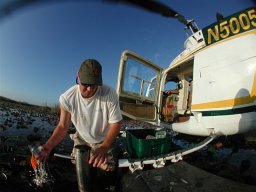 Todd Z. Osborne合作论文数Soil and Water Science Departments, University of Florida1Claire Normandeau合作论文数1
 Robert H. Weisberg合作论文数College of Marine Science, University of South Florida1
 Susan Badylak合作论文数1Catriona M.O Macinnis-Ng合作论文数1Robert J. Livingston合作论文数Department of Biological Science, The Florida State University1Suzanne B. Bricker合作论文数NOAA-National Ocean Service, National Centers for Coastal Ocean Science1E. M. Swenson合作论文数1William R. Matzie合作论文数1
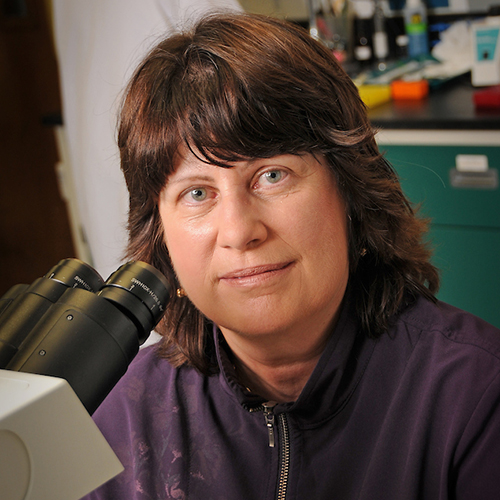 JoAnn Burkholder合作论文数Center for Applied Aquatic Ecology, Department of Plant and Microbial Biology, College of Agriculture and Life Sciences, North Carolina State University1
 Robert Eugene Turner (R. Eugene Turner)合作论文数Department of Oceanography & Coastal Sciences, College of the Coast & Environment, Louisiana State University1
 Sybil Seitzinger合作论文数School of Environmental Studies, University of Victoria;Pacific Institute for Climate Solutions, University Victoria1
 Brian E. Lapointe (Brian Lapointe)合作论文数Harbor Branch Oceanographic Institute, Florida Atlantic University1
 Brant W. Touchette合作论文数Center for Environmental Studies, Elon University1
 Michael J. Kennish合作论文数Institute of Marine;Coastal Sciences;Institute of Marine|Coastal Sciences1Joy M. Ramstack合作论文数1
 Stephanie Seddon合作论文数1Thomas K Frazer合作论文数Department of Fisheries and Aquatic Sciences, University of Florida1




