Myotonic dystrophy type 1 (DM1) is an autosomal dominant multisystemic disorder caused by unstable nucleotide repeat duplications. Management of general anesthesia is challenging due to the high risk of myotonia and postoperative respiratory complications. While few cases of cardiac surgery in patients with DM1 have been reported, there is no reported case of utilizing minimally invasive cardiac surgery (MICS), which avoids sternotomy for preservation of respiratory function in these patients. We report a successful case of MICS mitral valve repair (MVr) and a maze procedure in a patient with DM1. To minimize postoperative respiratory depression, a paravertebral block was also employed, which successfully reduced opioid dosage. In patients with myotonic dystrophy, an MICS approach combined with cautious perioperative pharmacological management and peripheral nerve blocks may effectively mitigate the risk of postoperative respiratory complications.
OBJECTIVES:To analyse morphological features associated with unintentional frozen elephant trunk (FET) placement in the false lumen (FL) during aortic dissection (AD) repair. METHODS:This multicentre retrospective study enrolled patients with acute/chronic AD with unintentional FET placement in the FL. To identify morphological features, pre-/postoperative CT, clinical and procedural data were assessed. Imaging analysis focused on size and position of the relevant (re-)entry (rE) in the distal aortic arch and postoperative FET-position. RESULTS:Thirteen male patients (54 years, interquartile range [IQR]: 18 years) from 6 international centres were included between 2017 and 2023. Aortic pathologies comprised 5 acute Type-A-AD (38.5%), 4 acute Type-B-AD (30.8%), 1 chronic Type-B-AD (7.7%), and 3 chronic expanding residual Type-A-AD (23.1%). The rE (first [re-]entry distal to left subclavian artery [LSA] origin) had a median diameter of 15.5 mm (IQR: 9.4 mm) and was mostly located in zone 3 (61.5%), the outer curvature (61.5%), and 21.1 mm (IQR: 26.4 mm) distal to the LSA. The stented portion of the FET (FETSP) lengths measured 60-190 mm. FETSP proximal end was mostly located in zone 1 (38.5%) and at median distance of 28.2 mm (IQR: 26.5 mm) from the native LSA. FETSP distal end was mostly located in zone 5 (61.5%). Median calculated distance from rE to FETSP proximal end was 38.9 mm (IQR: 39.0 mm). Three patients (23.1%) died perioperatively; the others remained asymptomatic (follow-up: 13 mo [IQR: 15 mo]). CONCLUSIONS:Large (re-)entries in the outer curvature of the distal aortic arch are common in patients with FET placement in the FL. Interdisciplinary collaboration with controlled, wire-guided FET placement and usage of advanced intraoperative imaging (cone-beam-CT, transesophageal echocardiography, intravascular ultrasound, angioscopy) may help minimize risk of FL deployment.
We investigated the influence of false lumen (FL) status on the systemic inflammatory response triggered by acute aortic dissection (AAD) using cytokine profiling. The study included 44 patients with AAD. Patients were divided between those with a thrombosed FL (Group T, n = 21) and those with a non-thrombosed FL (Group P, n = 23). On-admission serum concentrations of 29 cytokines were compared between unmatched and propensity-score matched (n = 10 pairs) FL groups and a control group (non-ruptured thoracic aortic aneurysm, Group C, n = 20). Unmatched analysis showed 12 cytokines differed between groups and fell into three categories: Category A (increased expression in both FL groups: IL-6, IL-10, IL-15, G-CSF); Category B (increased expression only in Group P: IL-1Ra, IL-1β, IL-8, IL-12p70, GM-CSF); and Category C (others: IP-10, VEGF-A, eotaxin). The increases in Category A and Category B cytokines in Group T were attenuated, but not significantly, compared to their increases in Group P. Propensity-score matching analysis revealed a similar expression pattern with respect to all four Category A cytokines, four Category B cytokines (IL-1β, IL-1Ra, IL-12p70, and GM-CSF), and two Category C cytokines (IP-10 and VEGF-A). A robust inflammatory response occurs in patients with AAD, but the response is attenuated when the FL is thrombosed.
To investigate the morphological characteristics and operative outcomes of acute type A aortic dissection (ATAAD) in patients with aortic arch variants. Of 616 patients with ATAAD, 97 (15.7
Objective: The wire route in the left ventricle (LV) is a key factor for successful transcatheter aortic valve implantation (TAVI). The transapical (TA) approach is the only antegrade approach in which valve crossing is usually easy. In this case, we failed to cross the wire after the transcatheter heart valve (THV) became lodged. However, we bailed out and implanted successfully by confirming the wire route with a dummy valve cross technique.
Background:Although aortic aneurysm is associated with vascular aging and atherosclerosis, carotid and intracranial vascular disease prevalence in patients with aortic arch aneurysm remains unclear. Similarly, the effect of carotid and intracranial lesions on postoperative outcomes is unknown. This study aimed to investigate the prevalence of carotid artery stenosis and intracranial lesions in patients with aortic arch aneurysm and its association with intraoperative regional cerebral oxygen saturation (rScO2) and postoperative neurological outcomes, including delirium and cerebral infarction.Methods:This retrospective observational study included 133 patients with true aortic arch aneurysm who underwent preoperative magnetic resonance imaging (MRI). We evaluated the prevalence of carotid and intracranial arterial lesions. Symptomatic cerebral infarction and delirium, defined by the confusion assessment method for the intensive care unit, were evaluated for their association with preoperative cerebrovascular lesions. Additionally, changes in regional saturation of the cerebral tissue at different surgical phases were evaluated for patients with and without cerebrovascular lesions.Results:Fifteen (11.3%) patients experienced symptomatic cerebral infarction, and 64 (48.1%) had postoperative delirium. Preoperative MRI showed old infarction, microbleeds, significant carotid artery stenosis, and intracranial lesions in 21.1%, 14.3%, 10.5%, and 7.5% of the patients, respectively. White matter hyperintensities with Fazekas scale 2 were observed in 40.6% of the patients, while Fazekas scale 3 were observed in 18.8% of the patients. Preoperative MRI findings and postoperative neurological outcomes were not significantly different. Seventy-six patients underwent rScO2 monitoring intraoperatively. Changes in rScO2 in patients with and without carotid/cerebrovascular lesions were not significantly different. However, rScO2 was significantly lower in patients who developed cerebral infarction.Conclusions:Significant carotid artery stenosis and intracranial lesions were observed in 10.5% and 7.5% of the patients, respectively. Although preoperative MRI findings and changes in rScO2 or postoperative outcomes showed no significant association, patients with postoperative cerebral infarction showed significantly lower rScO2 intraoperatively.
Background: Cardiac surgery-associated acute kidney injury (CSA-AKI) results in poor prognosis. Several risk factors for CSA-AKI have been reported, including preoperative creatinine level, cardiopulmonary bypass time, and perioperative blood pressure management. Only few studies have reported the effect of vascular stiffness on the incidence of CSA-AKI, and there are is no study reporting on endothelial function and its association with CSA-AKI. The purpose of this study was to evaluate the association between preoperative vascular function, including vascular stiffness and endothelial function, and incidence of CSA-AKI. Methods: In this prospective observational study, 40 consecutive patients undergoing valve surgery were enrolled. Flow-mediated dilation (FMD) and pulse wave velocity (PWV) were measured before surgery for the evaluation of endothelial function and vascular stiffness. Blood test was also performed for the measurement of serum biomarkers including asymmetric dimethylarginine (ADMA) and vascular cell adhesion molecule-1 (VCAM-1). CSA-AKI was diagnosed by using the Kidney Disease Improving Global Results: The mean age of the patients was 72 +/- 8.2 years old and 60% were male. All patients underwent valve surgery with two patients undergoing concomitant coronary artery bypass grafting. Preoperative FMD and PWV were 6.3%+/- 2.58% and 1,554 +/- 386.6 cm/s respectively. ADMA and VCAM-1 were significantly correlated (r=0.50, P=0.001), and there was a significant correlation between FMD and ADMA (r=-0.42, P=0.007), and FMD and VCAM-1 (r=-0.42, P=0.007). Eleven patients (27.5%) developed CSA-AKI. FMD was lower in patients with CSA-AKI (no AKI: 6.9%+/- 2.57% vs. AKI: 4.6%+/- 1.77%, P=0.009) and PWV was higher in patients with CSA-AKI (no AKI: 1,467 +/- 296.4 cm/s vs. AKI: 1,784 +/- 506.7 cm/s, P=0.02). Further, VCAM-1 was higher in patients with CSA-AKI (no AKI: 696 +/- 247.5 ng/mL vs. AKI: 879 +/- 196.2 ng/mL, P=0.03). Multivariable analysis showed that preoperative FMD was an independent risk factor for CSA-AKI Conclusions: VCAM-1, FMD, and PWV were associated with incidence of CSA-AKI. These measurements may be useful in evaluation of potential risk of CSA-AKI in patients undergoing valve surgery.
Computational fluid dynamics was performed to simulate haemodynamics of type B aortic dissection complicated by mesenteric malperfusion caused by dynamic obstruction in a 70-year-old man. Streamline analysis showed disappearance of antegrade flow in the false lumen of the descending aorta and attenuation of intermittent flap-induced disruption of visceral vessel perfusion after entry coverage. Quantitative analysis showed endovascular repair increased perfusion volume of the coeliac artery and superior mesenteric artery by 55.6%, and 77.4%, respectively. Entry closure with thoracic endovascular prosthesis improved mesenteric malperfusion by attenuating the intermittent flap-induced perfusion disruption.
Objective: To evaluate the utility of a comprehensive risk assessment system for cardiovascular surgery.Materials and methods: Among 438 patients who underwent elective cardiovascular surgery between 2020 and 2021, 199 underwent a comprehensive preoperative risk assessment using the Japanese version of the Cardiovascular Health Study (J-CHS) criteria, Short Physical Performance Battery (SPPB), Mini-Mental State Examination (MMSE), and Barthel Index. The patients were divided into 3 groups according to the J-CHS classification: robust (n = 50), prefrail (n = 110), and frail (n = 39). The in-hospital mortality, transfer to rehabilitation, and length of hospital stay were compared between the groups. Predictors of in-hospital mortality or transfer for rehabilitation were identified using a multivariate analysis.Results: The J-CHS class correlated with other risk assessment tools (all p < 0.001). Male sex (robust vs. prefrail vs. frail; median: 74% vs. 54.5% vs. 38.5%), albumin concentration (4.0 vs. 4.0 vs. 3.6 g/dL), and hemoglobin concentration (12.9 vs. 12.7 vs. 11.4 g/dL) were significantly different between the groups (p < 0.01), while age was not. Transfer for rehabilitation (6% vs. 9.1% vs. 23.1%, p = 0.038) and hospital stay (15 vs. 16 vs. 22 days, p < 0.001) were significantly different between the groups, whereas the in-hospital mortality was not markedly different. An MMSE score of < 4 points (odds ratio [OR] 4.67, p = 0.029) and SPPB score of < 9 points (OR 3.66, p = 0.032) predicted in-hospital mortality and transfer for rehabilitation.Conclusion: The length of hospital stay and transfer for rehabilitation increased in the J-CHS frailty group. The SPPB and MMSE scores may predict in-hospital outcomes in older patients.
Malignant cardiac tumor is a rare tumor with extremely poor prognosis, and metastatic cardiac tumor causes superior vena cava( SVC) syndrome. A 52-year-old man visited a clinic with a chief complaint of facial edema. Contrast-enhanced computed tomography( CT) revealed a mass in the right atrium( RA)obstructing the SVC. Echocardiography revealed a mass about to incarcerate the tricuspid valve orifice. The patient was transferred to our institution for emergency surgery. Tumor resection was performed under general anesthesia. A cardiopulmonary bypass was established with cannulate in the ascending aorta, in the RA through the right femoral vein, and in the left ventricle for venting. The RA was incised, and the tumor was resected. The SVC was incised, and the tumor and blood clots were removed. Because adhesion between vessel wall and the mass was tight, complete mass removal and recanalization of the SVC was not attempted. Pathological diagnosis was metastatic squamous cell carcinoma. All imaging studies failed to identify primary lesions. The clinical course was uneventful, and the patient was discharged on postoperative day 17. Four months postoperatively, chemotherapy for squamous cell carcinoma was initiated. The patient is alive at approximately 28 months postoperatively.
The purpose of this study was to evaluate the effect of decalcification and existence of stent at the aortic annulus on mitral annular motion after surgery. Patients receiving Inspiris (Edwards, CA, USA, n = 117), Intuity (Edwards, n = 36), Perceval (Corcym, London, UK, n = 36), Evolut (Medtronics, MN, USA, n = 81) and Sapien 3 (Edwards, n = 250) were included in the study. Mitral annular motion was evaluated by E’, using tissue doppler imaging. After surgery, a significant increase in E’ was observed in patients receiving Inspiris (Before: 4.2 ± 1.21 cm/s vs. Discharge: 5.0 ± 1.23 cm/s, p < 0.001). Mid-term echocardiogram performed at 11.8 ± 2.2 months after the surgery, showed a significant increase in E’ in patients receiving Inspiris (Before: 4.2 ± 1.21 cm/s vs. Mid-term: 5.2 ± 1.20 cm/s, p < 0.001) and Perceval (Before: 3.9 ± 1.34 cm/s vs. Mid-term: 4.5 ± 1.24 cm/s, p = 0.008). Univariable analysis showed a higher increase in E’ in patients with decalcified annulus compared to those without decalcified annulus (Decalcification: 0.15 ± 1.321 cm/s vs. No Decalcification: 0.66 ± 1.420 cm/s, p < 0.001). Multivariable analysis showed that balloon-expandable stent (β = − 0.6960, p < 0.001) and self-expanding stent (r = − 0.3592, p = 0.042) were independent limiting factors for an increase in E’ at discharge. However, balloon-expandable stent (β = − 0.8382, p < 0.001), and not self-expanding stent (β = − 0.3682, p = 0.089), was a remaining independent factor associated with E’ at mid-term follow-up. Decalcification was associated with improvement in E’ after surgery. Balloon-expandable stent was an independent limiting factor for improvement in E’ up to 1 year after the surgery, while self-expanding stent was not a significant factor after 1 year.
Mosaic valve shows higher pressure gradient after aortic valve replacement compared to other same size labeled prostheses in postoperative echocardiogram. The purpose of this study was to evaluate the mid-term echocardiogram findings and long-term clinical outcomes of patients receiving a 19 mm Mosaic. Forty-six aortic stenosis patients receiving 19 mm Mosaic and 112 patients receiving either 19 mm Magna or Inspiris, who underwent mid-term follow-up echocardiogram were included in the study. Mid-term hemodynamic measurements evaluated by trans-thoracic echocardiogram and long-term outcomes were compared. Patients receiving Mosaic were significantly older (Mosaic: 76 ± 5.1 years vs. Magna/Inspiris: 74 ± 5.5 years, p = 0.046) and had smaller body surface area (Mosaic: 1.40 ± 0.114m 2 vs. Magna/Inspiris: 1.48 ± 0.143m 2 , p < 0.001). There were no significant differences in comorbidities and medications. Post-operative echocardiogram performed at 1 week after the surgery showed higher maximum pressure gradient in patients receiving Mosaic (Mosaic: 38 ± 13.5 mmHg vs. Magna/Inspiris: 31 ± 10.7 mmHg, p = 0.002). Furthermore, mid-term echocardiogram follow-up performed at median duration of 53 ± 14.9 months after the surgery continuously showed higher maximum pressure gradient in patients receiving Mosaic (Mosaic: 45 ± 15.6 mmHg vs. Magna/Inspiris: 32 ± 13.0 mmHg, p < 0.001). However, there were no significant difference in changes in left ventricular mass from baseline in both groups. Kaplan–Meyer curve also showed no difference in long-term mortality and major adverse cardiac and cerebrovascular event between the two groups. Although the pressure gradient across the valve evaluated by echocardiogram was higher in 19 mm Mosaic compared to 19 mm Magna/Inspiris, there were no significant differences in left ventricular remodeling and long-term outcomes between the two groups.
A 44-year old man with a history of Stanford type B acute aortic dissection was admitted for the treatment of acute aortic dissection. Computed tomography( CT) scan showed a descending entry-type non-A non-B aortic dissection with a maximum diameter of 65 mm occurring in a patient with Edwards typeⅢ right aortic arch whose left subclavian artery was obliterated. The patient was initially treated conservatively and underwent one-stage extended aortic repair from the ascending aorta to the descending thoracic aorta via median sternotomy 22 days after the symptom onset. Although the patient suffered from right empyema postoperatively, he was discharged from the hospital on postoperative day 64 after 4 weeks antibiotics therapy. The patient was also complicated by right recurrent nerve palsy, hoarseness improved over the 8 months after surgery.
77 mmの腹部大動脈瘤に対してステントグラフト内挿術を施行した。術中塞栓症を併発し,術直後から左足趾色調不良,翌日に腰背部皮下出血,術後12日に小腸穿孔を来した。術後36日と44日に腸腰筋血腫を生じ虚血再灌流障害が原因と考えられたが,EVAR術中合併症としては報告がなく予見困難だった。広範な術中塞栓症を併発した場合は虚血再灌流障害を含めた多彩な症状が経時的に出現する可能性があり注意が必要である。
OBJECTIVE:The purpose of this study was to evaluate the changes in mitral annular motion after surgery in patients with aortic stenosis.METHODS:Patients receiving Edwards (Edwards) valves were included in the study. Echocardiographic findings were compared among the three treatments postoperatively, at discharge, and at 1 year after the surgery. Mitral annular motion was evaluated by e prime, using tissue doppler imaging.RESULTS:There were 111 patients receiving Inspiris, 30 patients receiving Intuity and 241 patients receiving Sapien 3. The patients receiving Sapien 3 were significantly older, (Inspiris: 71 ± 6.7 years vs. Intuity: 75 ± 5.2 years vs. Sapien 3: 84 ± 5.1 years, p < .001), and prevalence of hemodialysis were significantly higher in patients receiving Intuity (Inspiris: 11.7% vs. Intuity: 46.7% vs. Sapien 3: 0.0%, p < .001). There was a significant improvement in mean pressure gradient in all groups (Inspiris: 55 ± 21.2-13 ± 5.2 mmHg, p < .001; Intuity: 48 ± 17.6-12 ± 4.9 mmHg, p < .001, Sapien 3: 55 ± 16.6-14 ± 5.2 mmHg, p < .001). Decalcification was associated with increase in e prime after surgery (no decalcification: 0.10 ± 1.280 cm/s vs. decalcification: 0.68 ± 1.405 cm/s, p < .001) Further, existence of stent was associated with less increase in e prime after surgery (no stent: 0.83 ± 1.210 cm/s vs. stent: 0.10 ± 1.356; p < .001). Multivariate analysis showed that existence of stent but not decalcification of the aortic valve was independently associated with changes in e prime after surgery (β: -.4679, 95% confidence interval: -0.93389 to -0.00200, p = .049).CONCLUSIONS:Although improvement in pressure gradient was achieved in all treatments, existence of stent inhibited mitral annular motion after surgery.
OBJECTIVES: The purpose of this study was to investigate the changes in pulse wave velocity (PWV) after aortic arch repair and to evaluate possible perioperative factors associated with an increase in PWV. METHODS: Eighty-nine patients with preoperative and postoperative PWV measurements who underwent surgical treatment for true aortic arch aneurysm were included in the study. The patients were treated by prosthetic graft replacement with or without the frozen elephant trunk technique or by hybrid surgery with a stent graft. Changes in PWV and perioperative factors were evaluated. RESULTS: Fifty-one patients were treated by prosthetic graft replacement; 22 patients were treated with the frozen elephant trunk procedure; and 16 patients were treated by hybrid surgery. A significant increase in PWV was observed in patients undergoing surgical treatment for aortic arch aneurysm regardless of the types of operations performed (all treatments: before, 1797 +/- 397.8 cm/s vs after, 2061 +/- 600.4 cm/s, P < 0.001; graft replacement: before, 1769 +/- 398.1 cm/s vs after, 1895 +/- 459.0 cm/s, P= 0.004; frozen elephant trunk procedure: before, 1911 +/- 461.9 cm/s vs after 2307 +/- 826.9 cm/s, P = 0.005; hybrid surgery: before, 1732 +/- 273.3 cm/s vs after, 2254 +/- 484.6 cm/s, P < 0.001). Differences in PWV were largest in patients treated with hybrid surgery and lowest in those treated with graft replacement (P = 0.002). In univariate analysis, an increase in PWV was positively correlated with treatment length (r =0.41; P < 0.001); the use of a postoperative beta blocker was associated with a smaller increase in postoperative PWV (with: 165.0 +/- 371.92 cm/s vs without: 439.4 530.38 cm/s, P = 0.005). Multivariate analysis suggested that treatment length (coefficient 3.31, 95% confidence interval 0.056-6.562, P = 0.046) and postoperative beta blocker (coefficient -220.08, 95% confidence interval -401.972 to -38.183, P = 0.018) were factors independently associated with changes in PWV. CONCLUSIONS: There was a significant increase in PWV after aortic arch repair. Treatment length and use of postoperative beta blockers were factors associated with changes in postoperative PWV. Minimizing the treatment length and using postoperative beta blockers may attenuate the effects of prostheses on postoperative PWV.
A 71-year-old woman who was resuscitated from cardiac arrest after pericardial drainage, was admitted to our hospital. Enhanced computed tomography demonstrated pericardial effusion due to rupture of posterior ventricular myocardium. She underwent emergent surgical repair. A 20-mm tear in the extensively necrotic left ventricular posterior wall and active hemorrhage were identified. Sutureless repair using three sheets of TachoSil (CSL Behring, Tokyo, Japan) and fibrin glue was performed. To reduce ventricular pressure to avoid re-rupture and formation of ventricular aneurysm, deep sedation was followed in the intensive care unit for 2 weeks. The patient returned to her normal daily life and is progressing well for more than 5 months after the surgery.
We investigated factors contributing to coagulopathy in patients with acute type A aortic dissection (ATAAD) and coagulopathy’s influence on patient outcomes. We grouped 420 patients who underwent ATAAD repair—none under anticoagulation therapy or with liver disease—by the prothrombin time-international normalized ratio (PT-INR) at admission: < 1.2 (no coagulopathy, n = 371), 1.2–1.49 (mild coagulopathy, n = 33), or ≥ 1.5 (severe coagulopathy, n = 16). We then compared the clinical presentation, dissection morphology, and outcomes among the groups. We assessed the PT-INR in relation to the preoperative hemodynamics and searched for factors predictive of a PT-INR ≥ 1.2. The transfusion volume and operation time were increased among patients with coagulopathy (P < 0.05). The in-hospital mortality (15.2–37.5% vs. 5.1%, P < 0.001) and 5-year survival (61.1–74.4% vs. 87.6%) were relatively poor for these patients. The median PT-INR was 1.03 (0.97–1.1) for patients with stable hemodynamics (n = 318), 1.11 (1.02–1.21) for those in shock (blood pressure < 80 mmHg) not given cardiopulmonary resuscitation (CPR) (n = 81), and 1.1 (1.0–1.54) for those in shock given CPR (n = 21) (P < 0.001). A multivariable analysis identified shock (P < 0.001), a partially thrombosed false lumen (P = 0.006), and mesenteric malperfusion (P = 0.016) as predictive variables. Shock, a partially thrombosed false lumen, and mesenteric malperfusion appear to be predictive of dissection-related coagulopathy, which influences outcomes negatively.
 Atsushi Yamaguchi (山口敦司)合作论文数School of Medicine, Jichi Medical University;Saitama Medical Center, Jichi Medical University64Naoyuki Kimura合作论文数46Nomura Yohei合作论文数32Koichi Yuri合作论文数32Hideo Adachi合作论文数21Sho Kusadokoro合作论文数20Kenichiro Noguchi合作论文数15
 Shiraishi Manabu合作论文数Division of Cardiovascular Surgery, Saitama Red Cross Hospital15
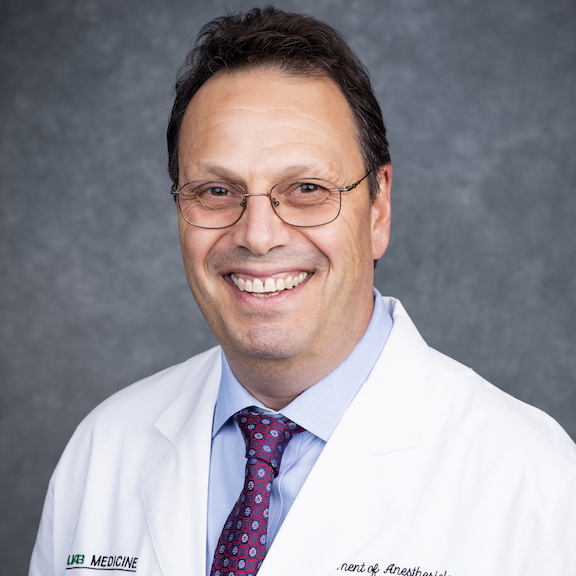 Dan E. Berkowitz合作论文数Department of Anesthesiology and Perioperative Medicine, Heersink School of Medicine, University of Alabama at Birmingham15
 Charles W Hogue合作论文数Department of Anesthesiology, Feinberg School of Medicine, Northwestern University13Makiko Mieno合作论文数12Hiroyuki Tanaka合作论文数11Takahiro Yamamoto合作论文数11Deepesh Pandey合作论文数Department of Anesthesiology and Critical Care Medicine, Johns Hopkins University;Department of Anesthesiology and Critical Care Medicine, Johns Hopkins University10Matsumoto Harunobu合作论文数10Mitsunori Nakano合作论文数7
 Tomonari Fujimori合作论文数7Kei Akiyoshi合作论文数7
 Jochen Steppan合作论文数Department of Anesthesiology and Critical Care Medicine, School of Medicine, Johns Hopkins University7Okamura Homare合作论文数7
 Kaushik Mandal合作论文数7Adachi Koichi合作论文数6Masashi Tanaka合作论文数6
 Duke Edward Cameron合作论文数Massachusetts General Hospital;School of Medicine, Johns Hopkins University6Takao Nonaka合作论文数5
 Lakshmi Santhanam合作论文数Department of Otolaryngology-Head and Neck Surgery, School of Medicine, Johns Hopkins University5Brown Charles合作论文数5Itagaki Ryo合作论文数5
 Anil Bhatta合作论文数Department of Pharmacology and Toxicology, Georgia Regents University5Max Laura合作论文数5
 John V Conte合作论文数Johns Hopkins School of Medicine;Geisinger Health System;Penn State University5Koji Kawahito合作论文数5
 Gautam Sikka合作论文数5Kazunari Nemoto合作论文数4Toshikazu Shimizu合作论文数4Yosuke Taniguchi合作论文数4Masahiro Ono合作论文数Department of Surgery, The Johns Hopkins University School of Medicine4
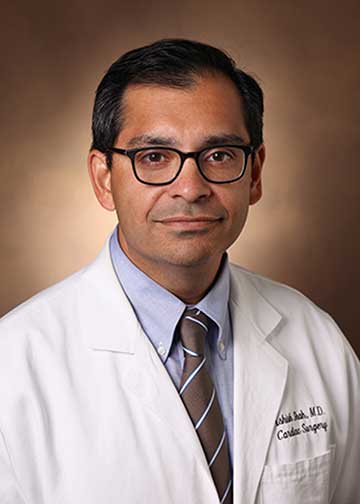 Ashish S. Shah合作论文数Department of Cardiac Surgery, Vanderbilt University Medical Center;Division of Cardiac Surgery, The Johns Hopkins Hospital4
 Larissa Akimi Shimoda合作论文数Department of Otolaryngology-Head and Neck Surgery, School of Medicine, Johns Hopkins University4
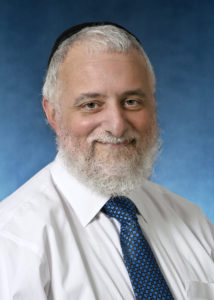 Lewis H. Romer合作论文数Department of Cell Biology, School of Medicine, Johns Hopkins University4
 Viachaslau M Barodka合作论文数Jefferson Medical College, Thomas Jefferson University4
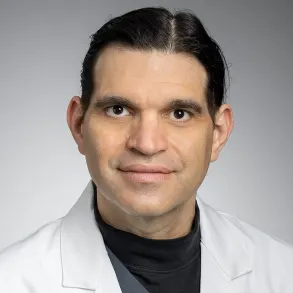 Chris Sciortino合作论文数UPMC Presbyterian Shadyside Hospital4Kim Jae Hyung合作论文数4
 Karin Neufeld合作论文数Johns Hopkins Bayview Medical Center, The Johns Hopkins University School of Medicine4Yuichiro Kitada合作论文数3Yusuke Imamura合作论文数3Satoshi Nishi合作论文数3
 Joel Price合作论文数Divisions of Cardiology & Cardiovascular Surgery, Department of Medicine, Faculty of Medicine, The University of British Columbia3




