Preeclampsia (PE) is a pregnancy disorder characterized by high blood pressure and proteinuria after the 20th week. In this condition, reduced blood flow to the placenta leads to placental ischemia and oxidative stress, resulting in mitochondrial DNA damage and dysfunction. In this case of preeclampsia, a unique feature is observed: the presence of mitochondrial heterogeneity and heteroplasmy in the preeclamptic placenta, but not in circulating plasma. We found a single nucleotide addition (m.310C) in the MT-D-loop region and a heteroplasmic mutation (m.7681C<T) in the Cytochrome C Oxidase Subunit II (MT-COX2) gene. This heteroplasmic mutation causes a phenylalanine (F) to serine (S) substitution in the MT-COX2 protein. A cost-effective Tetra ARMS PCR assay was developed to screen this heteroplasmic variation, producing distinctive 269-bp, 197-bp (T), and 132-bp (C) bands. Additionally, mitochondrial mutational burden measurement in placental tissue indicated a higher number of mutant mitochondria than in WT, suggesting a significant mutational burden. Ultrastructural examination of the patient’s placenta via electron microscopy demonstrated a mix of healthy oval mitochondria alongside stressed (rounded mitochondria) and increased vacuolization and collagen fibril formation. These findings suggest that mtDNA mutations that may play a role in altered mitochondrial morphology may contribute to mitochondrial dysfunction in the patient’s placental pathology, which needs to be further investigated.
Background Preeclampsia is a serious pregnancy complication affecting 5% to 8% of pregnancies globally. preeclampsia is a leading cause of maternal and neonatal morbidity and death. Despite its prevalence, the underlying mechanisms of preeclampsia remain unclear. This study investigated the role of vasorin in preeclampsia pathogenesis by examining its levels in extracellular vesicles (EVs) and effects on vascular function. Methods and Results We conducted unbiased proteomics on urine‐derived EVs from women with severe preeclampsia and normotensive pregnancies, identifying differentially abundant proteins. Vasorin expression levels were measured in urinary EVs, plasma EVs, and placental tissue. EVs were generated from human and murine placental explants. Vascular functions were assessed using murine aortic rings and human aortic endothelial cells. Vasorin expression was manipulated in human aortic endothelial cells via overexpression and knockdown followed by RNA sequencing. One hundred twenty proteins showed ≥±1.5‐fold regulation (P<0.05) between severe preeclampsia and NTP. Vasorin levels decreased in severe preeclampsia in urinary EVs, plasma EVs, and placental tissue. Vasorin levels increased with gestational age in murine pregnancy and were diminished in a murine model of preeclampsia. Severe preeclampsia and murine preeclampsia EVs impaired human aortic endothelial cell migration and inhibited murine aortic ring vasorelaxation. Vasorin overexpression counteracted these effects. RNA sequencing showed that vasorin manipulation in human aortic endothelial cells differentially regulated hundreds of genes linked to vasculogenesis, proliferation, migration, and apoptosis. Conclusions The data suggest that vasorin, delivered to the endothelium via EVs, regulates vascular function and that the loss of EV vasorin may be one of the mechanistic drivers of preeclampsia.
Preeclampsia (PE) remains a leading cause of maternal and fetal morbidity and mortality worldwide, yet the precise molecular mechanisms driving its pathology are not fully understood. Recent research has established extracellular vesicles (EVs) as critical mediators in the development of PE-related vascular dysfunction. These nanosized, lipid-bound particles are secreted by cells and serve as a sophisticated system of intercellular communication, carrying functionally active cargo—including proteins, nucleic acids, and lipids—that can modulate physiological and pathological processes via autocrine, paracrine, and endocrine signaling. While the role of EVs-mediated communication in PE has been extensively studied, the specific functions of individual protein components within this cargo remain largely unexplored. Vasorin (VASN), a known regulator of the TGF-β signaling pathway, is a promising candidate for investigation in pregnancy disorder. This review synthesizes existing evidence on VASN's role in PE and discusses its potential contributions to disease pathogenesis. We will highlight the critical need for future research to elucidate VASN's function and evaluate its activity as a promising new therapeutic strategy for a spectrum of pregnancy-related disorders.
Recent developments in artificial intelligence (AI) may significantly alter physiological research and healthcare delivery. Whereas AI applications in medicine have historically been trained for specific tasks, recent technological advances have produced models trained on more diverse datasets with much higher parameter counts. These new, “foundation” models raise the possibility that more flexible AI tools can be applied to a wider set of healthcare tasks than in the past. This review describes how these newer models differ from conventional task-specific AI, which relies heavily on focused datasets and narrow, specific applications. By examining the integration of AI into diagnostic tools, personalized treatment strategies, biomedical research, and healthcare administration, we highlight how these newer models are revolutionizing predictive healthcare analytics and operational workflows. In addition, we address ethical and practical considerations associated with the use of foundation models by highlighting emerging trends, calling for changes to existing guidelines, and emphasizing the importance of aligning AI with clinical goals to ensure its responsible and effective use.
Wagener, Brant M. MD, PhD; Tsai, Mitchell H. MD, MMM, FASA, FAACD; Berkowitz, Dan E. MB, BCh Author Information
Background: Personalized arterial blood pressure management based on cerebral autoregulation has shown clinical relevance in cardiac surgery. Here we explore the associations between lower limit of cerebral autoregulation (LLA) metrics and postoperative outcomes in a heterogenous and high-acuity population of patients undergoing high-risk cardiovascular surgery. Methods: Autoregulation parameters were determined retrospectively in 686 patients undergoing cardiac surgery at UAB Hospital. Cerebral oximetry index (COx) and hemoglobin volume reactivity index (HVx) determine a patient’s unique LLA by examining the correlation between mean arterial pressure (MAP) and near-infrared spectroscopy signals. Logistic regression analyses explored associations of area under the time-pressure curve and duration below LLA with stroke, acute kidney injury, operative mortality, low cardiac output syndrome, and mechanical ventilation lasting more than 48 hours. Any incidence of these outcomes was considered as the primary outcome of interest: major morbidity or operative mortality (MMOM). Results: We explored the association of Area under the time-pressure curve for pressures less than patient-specific Lower Limits of Autoregulation (AUCABP: and MMOM. Results are reported with odds ratio (OR) and 95% confidence intervals (CI). AUCABP was not significantly associated with MMOM incidence (HVx: Odds Ratio 1.000, 95% CI 0.970-1.030, p=0.979; COx: OR 1.006, 95% CI 0.990-1.023, p=0.456). However, for components of MMOM, specifically operative mortality (HVx: OR 1.063, 95% CI 1.013-1.115, p=0.013; COx: OR 1.027, 95% CI 1.001-1.052, p=0.038) and low cardiac output syndrome (HVx: OR 1.036, 95% CI 1.004-1.068, p=0.025), there were statistically significant relationships with AUCABP when controlling for logistic Euroscore and preoperative hemoglobin levels. Conclusions: Area under the time-pressure curve for pressures less than patient-specific LLA was not significantly associated with MMOM incidence. However, we found significant associations between components of MMOM, specifically operative mortality and low cardiac output syndrome, with an AUCABP and time under LLA. These results suggest that LLA metrics might have utility in predicting specific postoperative outcomes, but their role in predicting overall MMOM may be limited in heterogenous and high-acuity patient populations. This is the full abstract presented at the American Physiology Summit 2024 meeting and is only available in HTML format. There are no additional versions or additional content available for this abstract. Physiology was not involved in the peer review process.
What is the value of preserving and strengthening this sense of awe and wonder, this recognition of something beyond the boundaries of human existence?... I am sure there is something much deeper, something lasting and significant. Those who dwell as scientist or laymen among the beauties and mysteries of the earth are never alone or weary of life. ——From The Sense of Wonder1 by Rachel Carson (1907–1964), marine biologist, conservationist, and writer In the intense, demanding world of contemporary medicine, health care professionals are confronted with challenges that can lead to physical, emotional, and mental exhaustion. The prevalence of burnout among medical practitioners is now alarming, with a detrimental impact on both individual well-being and patient care.2 A growing body of research suggests that the experience of awe holds significant potential as a simple, implementable strategy to improve physical, emotional, and mental well-being, promote humility, and enhance social connection and thereby teamwork (Figure 1).3,4 The aim of this commentary article was to create awareness of the intersection of "awe" and medicine—with a particular connection to our specialty of anesthesiology—shedding light on the potential benefits that awe-inspiring experiences and interventions can offer.Figure 1.: Model for awe as a pathway to mental and physical health (adapted from Monroy and Keltner).3Drawing primarily from the framework of Keltner,5 we first delve into the concept of awe, to provide a theoretical foundation. We explore ways in which awe can be understood within the medical domain. We consider the potential of awe to enhance human connections, its role in appreciating not only medical breakthroughs but also daily medical practice. We offer an overview of how awe can be integrated into one's medical practice to counteract burnout and promote well-being. Along the way, we will broadly review empirical evidence from existing modalities that have utilized awe. By examining the outcomes and lessons learned from these modalities, we can glean pragmatic insights for adopting pragmatic, awe-based techniques at the individual level, as well as implementing concrete, awe-based interventions within health care organizations and institutions (Table). Table. - Examples of Pragmatic, Awe-Based Techniques at the Individual Level and Concrete, Awe-Based Interventions Within Health Care Organizations and Institutions Awe-inspiring category of life experiences Individual level Organizational level Moral beauty Take note of, be inspired by, and emulate others' acts of courage, kindness, strength, and overcoming in your workplace Offer Awe Gather-Rounds: Publicly acknowledge, highlight, and elevate individual stories of colleagues overcoming obstacles and making a difference in a patient's care Collective effervescence Move in unison by walking with others: while taking an Awe Walk, tap into your childlike sense of wonder and go somewhere new Organize a program that encourages colleagues to find a walking partner and provides paid time to take regular walks together Nature Spend 5 min alone each day outside, walking slowly or sitting quietly: seeing, hearing, smelling, perhaps touching and tasting, the world around you Recognize the human need for Wild Awe by creating places in which the beauty of natural world can be easily accessed by colleagues Music Listen each day, with attention and without any distraction, to a short piece of your favorite musicalgenre or artist Promote colleagues partaking in brief, early morning, midday, or late afternoon performances by local artists across musical genres Visual design Explore the people and places around you by partaking in a visual art, thus discovering the wonders and horrors of life, as well as the sacred geometries in its structures Implement a visual arts program in which creative works of colleagues are prominently displayed on a rotating basis, with a posted short artist biography and description or backstory of each piece Spirituality and religion Seek and find sources of reverence and mystical awe, within yourself and in the everyday company of others in the workplace Provide colleagues with the opportunity and the means to transform their ordinary and extraordinary experiences into images, descriptions, stories, and beliefs about the Divine Life and death Celebrate birth and life, yet bear witness to the dying, be open to suffering and show kindness, and accept not knowing the answers Afford colleagues a safe place and the support to share and to process their sacred experiences of birth, life, and death: the human cycle Epiphany Embrace interrelationships and interdependence: "I am part of something larger than myself" Sustain a corporate culture that openly values the intrinsic worth and contribution of every colleague AWE: DEFINITION AND UNDERPINNINGS Keltner defines awe: "Awe is the feeling of being in the presence of something vast that transcends your current understanding of the world."5 Our personally experiencing such awe seems ineffable—something beyond words—yet for centuries, this has not stopped humans from capturing and sharing their stories of awe: to make sense of the sublime. In doing so, "our individual self gives way to the boundary-dissolving sense of being part of something much larger."5 Applying the tenets of qualitative research, Keltner analyzed, thematically coded, and classified 2600 personal narratives from people in 26 countries and across 20 languages.5,6 The resulting taxonomy, their so-called eight wonders of life,5 categorizes life experiences that most commonly had led people around the world to feel awe (Figure 2): moral beauty, collective effervescence, nature, music, visual design, spirituality and religion, life and death, epiphany.Figure 2.: The "eight wonders of life"—categories of life experiences most commonly leading people around the world to feel awe.5The Practice, Mediators, and Elicitors of Awe At a level railroad or railway crossing, vehicle drivers are advised: "Stop, Look, and Listen." Such heightened situational awareness—together with intentional curiosity and open-mindedness—apply when seeking to experience awe. Awe is marked by a distinct neurophysiological profile: elevated vagal tone, reduced sympathetic arousal, increased oxytocin release, and reduced inflammation—processes that benefit mental and physical health (Figure 1).3 Trait positive affect was associated with lower levels of the proinflammatory cytokine interleukin-6 (IL-6).7 Dispositional joy, contentment, pride, and awe each negatively predicted levels of IL-6; however, awe was the strongest predictor.7 Functional magnetic resonance imaging (fMRI) indicates that experiencing awe is accompanied by decreased activation of brain areas considered part of the default mode network (DMN)—a network of brain regions primarily implicated in self-referential processing. This DMN deactivation on fMRI is aligned with subjective self-report measures, as participants perceived their individual self to be smaller.8 Several studies have empirically explored the various experiences that elicit awe and have identified that certain types of stimuli and events appear to be more common awe elicitors than others.4,5 Likely because of its inherent vastness, immersing one's self in nature is a particularly prominent elicitor of awe. Partaking in various forms of music, dance, or art can be a strong elicitor of awe. Recalling spiritual experiences can elicit awe in both religious and nonreligious people.4,5 By understanding these different dimensions and triggers of awe, we can begin to conceptualize how awe can be harnessed in the context of medicine and health care. For the sake of brevity and clarity, we have chosen to focus here on the relevance and applicability of awe in the practice of anesthesia arising from (a) moral beauty, (b) life and death, and (c) epiphany. THE AWE FROM MORAL BEAUTY IN ANESTHESIA Keltner and colleagues observed that humans are most likely to feel awe when they encounter and are moved by moral beauty.6 Moral beauty refers to witnessing and being awe-inspired by acts of kindness, sharing, courage, wisdom, humility, and perseverance demonstrated by other people.5 More than 95% of the moral beauty that generated awe in their worldwide cohort was in response to actions other people took on behalf of others.5 There has been considerable recent interest in the development, maintenance, manifestation, and benefit of prosocial, other-oriented behaviors.9 Prosocial behavior is any behavior that is intended to benefit another person or persons, and those that are meant to protect or to further the welfare of others.9 A number of empirical studies have reported the positive impact of witnessing others' courage, kindness, strength, and resilience.9 These personal encounters of prosocial behavior resulted in observers feeling more inspired and optimistic, more integrated in their immediate community, and more apt to hear and to heed a calling to become a better person—by imitating others' witnessed acts of courage, kindness, strength, and resilience.5 At its essence, pursuing and practicing medicine are resplendent with moral beauty and prosocial behaviors: abundant with courage, kindness, strength, and resilience. W. H. Auden (1907–1973), opined in his compilation, A Certain World: A Commonplace Book, under the entry for Medicine, that in order to be a good doctor a man must also have a good character, that is to say, whatever weaknesses and foibles he may have, he must love his fellow human beings in the concrete and desire their good before his own. A doctor, like a politician, who loves other men only in the abstract or regards them simply as a source of income can, however clever, do nothing but harm.10 In many respects, like surgery, the practice of anesthesia is a solo pursuit; however, unlike the patient's surgeon, their anesthesiologist remains anonymous. Anesthesiologists have also been relegated to a commodity within many health care ecosystems.11 Herein lie the challenges of creating a sense of community, greater purpose, and shared awe among anesthesiologists. In a 1989 piece in The New York Times, Rosenthal, then an internal medicine resident at New York Hospital-Cornell Medical Center, observed: The field [of anesthesia] has undergone a major transformation, and anesthesiologists have become the unsung heroes of the operating room. Quietly, they have developed a host of innovations—from safer general anesthesia to effective regional techniques—that are dramatically changing the surgical experience. Rosenthal further shared: It has always struck me as odd that patients will deify their surgeons but be unable to name their anesthesiologists. In the operating room, while the surgeon focuses on your appendix or gall bladder, the anesthesiologist is the guardian of your general well-being.12 As practicing anesthesiologists, we ought to pause more often to witness our colleagues' quiet courage, kindness, strength, and resilience—and to embrace its moral beauty and our attendant awe. This awe can serve as a pathway to better mental and physical health, and hence an antidote to professional burnout (Figure 1).3 Indeed, recent data on learning from excellence shows that prosocial behaviors such as kindness, generosity, and compassion are frequently cited as not only contributing to improved patient care but also as directly impacting the well-being of colleagues.13 Intentionally encountering such prosocial behavior can also promote greater prosocial behavior by us all in the anesthesiology community, thereby ameliorating the recent, demoralizing commoditization of anesthesiology. THE AWE FROM EPIPHANY IN ANESTHESIA Epiphany is "a usually sudden manifestation or perception of the essential nature or meaning of something; an intuitive grasp of reality through something (such as an event) usually simple and striking; an illuminating discovery, realization, or disclosure."14 Keltner posits: What is the substance and structure of awe's epiphany? Its big idea? What form of self-knowledge do we gain in experiences of awe? In our studies and the stories of awe we have encountered, people most reliably say something like: "I am part of something larger than myself."5 Coming to this awe-based epiphany or realization can result in a healthy diminished sense of self (perceived self-importance), which is often accompanied by feelings of increased connectedness with other people.15 Experiencing epiphany-based awe often prompts people to focus less on themselves—an effect known as "the small self"—and to feel more as if they are part of a larger whole.4 When thinking in this more systems-based way, we perceive and endorse patterns of human interdependence—and more frequently exhibit mutually beneficial prosocial behavior.16 Workplace burnout has been recognized to be the result of not only physical, mental, and emotional exhaustion, but also lack of connection and associated loneliness. Psychological studies have found that regularly experiencing awe can give people the vitally needed sense that they have more available time, increase feelings of connectedness with other people, increase critical thinking, increase positive mood and well-being, and decrease materialism.4 A 2019 essay (whose title was a nod to Harry Nilsson) paints a very sobering picture of the multifactorial basis and multidimensional adverse effects of the intrinsic social isolation versus social connectedness among anesthesiologists, across their career and practice setting continuum.17 As practicing anesthesiologists, we ought to pause more often to share our personal experiences of epiphany-based awe with our workplace colleagues—our workplace comrades in arms. We will all benefit, as this form of awe can also serve as a pathway to better mental and physical health, and hence an antidote to professional burnout (Figure 1).3 AWE FROM LIFE AND DEATH IN ANESTHESIA Our profession is often placed in life-and-death situations, for we are there when a newborn arrives into this world and when a patient leaves us. Awe helps us understand the eternal cycle of life and death—from extraordinary, courageous childbirth to bearing witness to, displaying compassion in the face of suffering, yet not knowing what is dying. As his brother was lying in his bed at home, dying of cancer, surrounded by his devoted family, Keltner recounts: "Watching Rolf pass, I felt small. Quiet. Humble. Pure. The boundaries that separated me from the outside world faded. I felt surrounded by something vast and warm. My mind was open, curious, aware, wondering."5 Parker Palmer, American author, educator, and activist, similarly observes: What I know for sure is this: We come from mystery and we return to mystery. I arrived here with no bad memories of wherever I'd come from, so I have no good reason to fear the place to which I'll return. And I know this, too: Standing closer to the reality of death awakens my awe at the gift of life.18 AWE FOSTERS WONDER AND THE VITAL ROLE OF WONDER Keltner suggests: Wonder, the mental state of openness, questioning, and curiosity, and embracing mystery, arises out of experiences of awe. In our studies, people who find more everyday awe show evidence of living with wonder. They are open to new ideas. To what is unknown…To seeking new knowledge…To the strengths and virtues of other people…It should not surprise that people who feel even five minutes a day of everyday awe are more curious about…new scientific discoveries…They feel more comfortable with mysteries, with that which cannot be explained.5 Awe fosters wonder (Figure 3). Hence, without a source of awe, there can be no wonder. Without awe and wonder, there can be no epiphany. Without epiphany, there can be no personal, professional, or scientific discovery and growth. Returning to Carson:Figure 3.: Awe and wonder foster personal, professional, or scientific discovery and growth. (Image created using generative artificial intelligence [Adobe Firefly, Adobe, San Jose, CA]. Note: Firefly is trained on hundreds of millions of Adobe Stock images, openly licensed content, and public domain content where copyright has expired.)If I had influence with the good fairy who is supposed to preside over the christening of all children, I should ask that her gift to each child in the world be a sense of wonder so indestructible that it would last throughout life, as an unfailing antidote against the boredom and disenchantment of later years, the sterile preoccupation with things that are artificial, the alienation from the sources of our strength.1 A SALIENT, TANGIBLE EXAMPLE OF RECOGNIZING THE AWE IN ANESTHESIA Keltner poses the question: "What is an experience of awe that you have had, when you encountered a vast mystery that transcends your understanding of the world?"5 One of us (D. E. B.) reflected and composed these remarks for his recent annual departmental anesthesiology resident graduation banquet: Have you thought deeply about what we really do as an anesthesiologist? Have you considered the profound impact that we have on the lives of patients that present to us at the most vulnerable moment in their lives? Every day we engage in our profession, we enter an operating room, connect the induction agent—propofol to the intravenous stopcock—and upon depressing the syringe plunger, induce a near-death coma in our patients, characterized by profound changes in the electrical activity of their brain and making them insensible to any surgical assault. Next, we take control of the most basic and fundamental physiologic functions—so fundamental that they are evolutionary conserved in brain regions of all vertebrates! We paralyze the muscle of the body inhibiting all motion and making spontaneous breathing impossible. We use sophisticated breathing devices to maintain ventilation and allow life-sustaining oxygen to diffuse. We next isolate the cardiovascular system from its normal feedback control mechanism, by administering specific small molecules, drugs that control blood pressure and contractile function of the heart. We are not piloting planes. We are piloting our patients. We insert needles next to nerves under the guidance of devices that create images with sound waves transmitted through tissue, and are then reflected back at a rates dependent on their density. We dissect the human anatomy with invisible sound rather than scalpels. We inhibit the firing of these nerves with drugs that render the areas that they innervate, completely insensitive to pain, so much so that we can cut the area with a scalpel in a wide-awake patient without them offering us so much as a blink. And then sensation returns to normal hours later. We are the conductors and coordinators sustaining organ function during heart surgical procedures, some in which the body is cooled to numbing temperatures at which point, pumps are ceased and patients left in a state of suspended animation—that space between life and death. And then they are warmed again and brought back to life, only to awaken a few hours later as if having only been on a mysterious adventure. What we do can only be described as AWE inspiring. We have the awesome privilege of taking care of our patients, imagining the trust that they place in us to return them to consciousness in the state in which they entered the process and is some ways even healthier. The skeptic might say: But what is the big deal, we do this routinely? What's the fuss that this Berkowitz guy is making? It is precisely because we have transformed this awesome process into an ultra-safe routine journey, through intense and unrelenting research, and device development and practice, that makes it all the more marvelous! So my message to you amazingly talented, superbly trained, empathetic and kind residents is simple: When you feel like your work is becoming mundane, boring or uninspiring, think less about your material pursuits. I can assure you, you will certainly have those. Think more of the AWE and wonder in what we do. It will keep you engaged, curious, happy. It will enhance your connections with your teams and create greater optimism, joy and creativity in your work. Continue to find wonder in the world around you. It will keep your relationships and connections with your family and friends more satisfying, and enhance your overall wellness. For those who are leaving us here, remember your friends, colleagues, mentors and teachers who have guided you through this transformative period in your life. And most importantly keep in touch. CONCLUSIONS Implementing tangible, awe-based interventions within health care organizations and institutions (Table), can foster resilience, compassion, and a renewed sense of purpose among all health care professionals. Through our present commentary, we seek to shed light on the transformative potential of awe in anesthesia, and its capacity to combat burnout and to enhance well-being among anesthesiologists. By integrating the principles of awe into our daily professional lives, we can pave the way for more compassionate, resilient, and inspired anesthesiologists, working together in a healthier perioperative ecosystem. We can all realize the powerful impact of this simple practice. We wholeheartedly agree with Keltner when he suggests: "If you have a spare moment, you might think of an awe story of your own."5 E DISCLOSURES Name: Dan E. Berkowitz, MB, BCh. Contribution: This author helped in writing and reviewing the article. Name: D. Matthew Sherrer, MD, MBA. Contribution: This author helped in writing and reviewing the article. Name: Thomas R. Vetter, MD, MPH, MFA. Contribution: This author helped in writing and reviewing the article. This manuscript was handled by: Charles Emala, MS, MD.
Background: Preeclampsia (PE) significantly impacts maternal and perinatal health worldwide. Despite limited treatment options, predictive tests could help in early diagnosis and personalized treatment/prevention strategies. Current biomarker, such as soluble fms-like tyrosine kinase-1 (sFlt-1) and placenta growth factor (PIGF) offer reasonable negative predictive values, but their use as positive predictive markers is limited. Using unbiased discovery proteomics on urine extracellular vesicles (EV), followed by verification by ELISA and western blotting we identified a novel biomarker candidate for PE, vasorin (VASN), which is significantly decreased in PE, along with a known mediator of PE, angiotensinogen (AGT), that was significantly increased in PE as biomarker candidates. Hypothesis: Levels of AGT, VASN and their ratios in peripheral blood can be utilized as biomarkers for PE. Goals/Aims: 1) To determine gestational age (GA)-dependence of AGT, VASN and AGT/VASN plasma levels in human and murine pregnancy. 2) To assess disease association of AGT, VASN and AGT/VASN in a cohort of pregnant women with PE with severe features (sPE) and gestational age-matched normotensive pregnant women (NTP) and in a murine model of PE. Methods: Plasma was collected from GA-matched NTP and sPE. Timed pregnant mice were injected with adenoviral vector (AD) encoding sFLT-1 on embryonic day 10.5 (mouse PE), or with AD encoding enhanced green fluorescent protein injection (mouse control). AGT and VASN were measured by ELISA in human samples and were quantified by western blotting in murine samples. Results: AGT and AGT/VASN showed negative correlations with GA, while VASN levels showed positive correlation with GA in NTP and in mouse controls. PlGF and sFLT-1 levels had weak/no correlations with GA. AGT and AGT/VASN were significantly higher in sPE and mouse PE, while VASN was significantly decreased in sPE and mouse PE as compared to NTP and mouse controls, respectively. To differentiate between sPE vs NTP with receiver operating characteristic curve (ROC) for AGT/VASN: AUC (0.90), Sensitivity =92%, Specificity = 85% at AGT/VASN>81.6. Conclusion: AGT and AGT/VASN ratio increase, and VASN decrease can serve as biomarkers for PE.
Objective: The clinical importance of individualized blood pressure management in optimizing cerebral perfusion during cardiac surgery has been well established. However, consensus on blood pressure goals is lacking. The authors studied the associations between cerebral autoregulation metrics, hemodynamic parameters, and postoperative outcomes, and hypothesized that increased time of mean arterial pressure (MAP) below the lower limit of autoregulation (LLA) is associated with major morbidity and mortality (MMOM) incidence. Design: A retrospective, observational study. Setting: A university hospital. Participants: A total of 686 cardiovascular surgeries were included. Intervention: None. Measurement and Main Results: The area under the time-pressure curve (AUC) for MAP < LLA and time below LLA (AUC(ABP48 hours, and postoperative mortality (ie, MMOM). There was no significant association between AUC(ABP 0.05). Relationships were observed between components of MMOM-operative mortality (p < 0.05) and low cardiac output syndrome (p < 0.05)-and AUC(ABP
The use of artificial intelligence (AI) and machine learning (ML) in anesthesiology and perioperative medicine is quickly becoming a mainstay of clinical practice. Anesthesiology is a data-rich medical specialty that integrates multitudes of patient-specific information. Perioperative medicine is ripe for applications of AI and ML to facilitate data synthesis for precision medicine and predictive assessments. Examples of emergent AI models include those that assist in assessing depth and modulating control of anesthetic delivery, event and risk prediction, ultrasound guidance, pain management, and operating room logistics. AI and ML support analyzing integrated perioperative data at scale and can assess patterns to deliver optimal patient-specific care. By exploring the benefits and limitations of this technology, we provide a basis of considerations for evaluating the adoption of AI models into various anesthesiology workflows. This analysis of AI and ML in anesthesiology and perioperative medicine explores the current landscape to understand better the strengths, weaknesses, opportunities, and threats (SWOT) these tools offer.
Women with severe preeclampsia (sPE) exhibit a heightened risk of postpartum cardiovascular disease compared with those with normotensive pregnancies (NTP). Although placental extracellular vesicles (EVs) play a crucial role in feto-maternal communication, their impact on cardiomyocytes, particularly in the context of sPE, remains unclear. This study investigated the effect of sPE-associated placental EVs (sPE-Plex EVs) on cardiomyocyte calcium dynamics. We hypothesized that sPE-Plex EV mediates cardiomyocyte dysfunction by disrupting calcium signaling. EVs were isolated from plasma and placental explant culture (Plex) using precipitation methods and confirmed as Plex EVs by placental alkaline phosphatase (PLAP) activity and electron microscopy. Moreover, confocal microscopy confirmed the uptake of plasma EVs in human-induced pluripotent stem cell-derived cardiomyocytes (hiPSC-CMs) and Plex EVs by human AC-16 cardiomyocyte (hAC-16CM) cells. hiPSC-CM cells treated with sPE-EVs and hAC-16CM cells treated with sPE-Plex EVs exhibited significantly lower levels of stromal interaction molecule 1 (STIM1) and phospholamban (PLN) proteins compared with those treated with normotensive controls EVs, as confirmed by Western blot analysis. Treatment with sPE-Plex EVs also resulted in the downregulation of STIM1 and PLN proteins in murine cardiomyocyte (mCM) cells compared with treatment with NTP-Plex EVs. Our findings suggest that both plasma EVs and Plex EVs from sPE may alter calcium signaling in cardiac cells by downregulating calcium sensor proteins (STIM1 and PLN). Therefore, plasma EVs and Plex EVs from sPE pregnancies have adverse effects by altering calcium dynamics in hiPSC-CM, hAC-16CM, and mCM compared with normotensive control and potential impairment of cardiomyocyte function ex vivo. NEW & NOTEWORTHY This study unveils a novel link between the placenta and PE-linked heart dysfunction. We isolated and characterized placental EVs from pregnancies with sPE and normotensive controls. These plasma sPE-EVs, and sPE-Plex EVs disrupt calcium signaling in heart cells, potentially via reduced STIM1 and PLN proteins. This suggests both plasma sPE-EVs and sPE-Plex EVs cargo drive these disruptive effects. Identifying these cargo molecules (miRNAs or proteins) holds promise for new PE therapies targeting cardiac dysfunction.
Grant writing is a time-consuming and labor-intensive process that is the essential mechanism by which most academic researchers fund their scientific investigations. To support this effort, we present a software application with corresponding source code that provides draft sections of a typical NIH-style grant to expedite the time to a first draft. The software provides draft grant text, affording researchers extra time to optimize the content and improve the probability of an award. There are three main components to the software: 1) a search and compare tool that compares the proposed research to previously funded NIH applications, 2) a specific aims page drafter, and 3) a research strategy section that incorporates significance, innovation, approach, rigor, and preliminary data. Our initial internal software deployment has been well received, and researchers indicate significant perceived time savings when using this tool.
Conduit pulmonary arterial stiffening and the resultant increase in pulmonary vascular impedance have emerged as an important underlying driver of pulmonary arterial hypertension (PAH). Given that matrix deposition is central to vascular remodeling, we evaluated the role of the collagen cross-linking enzyme lysyl oxidase like 2 (LOXL2) in this study. Human pulmonary artery smooth muscle cells (PASMCs) subjected to hypoxia showed increased LOXL2 secretion. LOXL2 activity and expression were markedly higher in primary PASMCs isolated from the pulmonary arteries of the rat Sugen 5416 + hypoxia (SuHx) model of severe pulmonary hypertension (PH). Similarly, LOXL2 protein and mRNA levels were increased in the pulmonary arteries (PA) and lungs of rats with PH (SuHx and monocrotaline (MCT) models). Pulmonary arteries (PAs) isolated from the rats with PH exhibited hypercontractility to phenylephrine and attenuated vasorelaxation elicited by acetylcholine, indicating severe endothelial dysfunction. Tensile testing revealed a significant increase in PA stiffness in PH. Treatment with PAT-1251, a novel small-molecule LOXL2 inhibitor, improved active and passive properties of the PA ex vivo. There was an improvement in right heart function as measured by right ventricular pressure volume loops in vivo with PAT-1251. Importantly, PAT-1251 treatment ameliorated PH, resulting in improved pulmonary artery pressures, right ventricular remodeling, and survival. Hypoxia-induced LOXL2 activation is a causal mechanism in pulmonary artery stiffening in PH and pulmonary artery mechanical and functional decline. LOXL2 inhibition with PAT-1251 could be a promising approach to improve pulmonary artery pressures, right ventricular elastance, cardiac relaxation, and survival in PAH.NEW & NOTEWORTHY Pulmonary arterial stiffening contributes to the progression of PAH and the deterioration of right heart function. This study shows that LOXL2 is upregulated in rat models of PH. LOXL2 inhibition halts pulmonary vascular remodeling and improves PA contractility, endothelial function, and PA pressure, resulting in prolonged survival. Thus, LOXL2 is an important mediator of PA remodeling and stiffening in PH and a promising target to improve PA pressures and survival in PH.
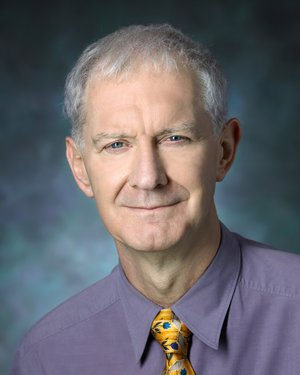 Daniel Nyhan合作论文数Department of Otolaryngology-Head and Neck Surgery, School of Medicine, Johns Hopkins University60
 Lakshmi Santhanam合作论文数Department of Otolaryngology-Head and Neck Surgery, School of Medicine, Johns Hopkins University51
 Jochen Steppan合作论文数Department of Anesthesiology and Critical Care Medicine, School of Medicine, Johns Hopkins University40
 Viachaslau M Barodka合作论文数Jefferson Medical College, Thomas Jefferson University40
 Aa Shoukas合作论文数34
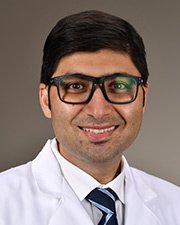 Gautam Sikka合作论文数31Deepesh Pandey合作论文数Department of Anesthesiology and Critical Care Medicine, Johns Hopkins University;Department of Anesthesiology and Critical Care Medicine, Johns Hopkins University29
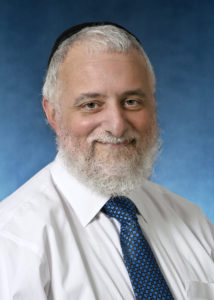 Lewis H. Romer合作论文数Department of Cell Biology, School of Medicine, Johns Hopkins University24Ryoo Sungwoo合作论文数24
 Ryan L Melvin合作论文数Dept Phys, Wake Forest Univ16
 Eric C. Tuday合作论文数Department of Biomedical Engineering15
 Daijiro Hori合作论文数15Kim Jae Hyung合作论文数14Lim Hyun Kyo合作论文数12Kevin G. Soucy合作论文数Biomedical Engineering, Johns Hopkins Medical Institutions12Nomura Yohei合作论文数11
 Ryan Godwin合作论文数a Department of Physics, Wake Forest University11
 Hunter Champion合作论文数Mercer University11Anil K. Bhunia合作论文数Lipid Signaling and Vascular Biology Laboratory, Johns Hopkins University School of Medicine10Enika Nagababu合作论文数National Institute on Aging, National Institutes of Health10Lili A. Barouch合作论文数Dept of Medicine, Johns Hopkins School of Medicine10Lakshmi Saravanakumar合作论文数9Yurie Obata合作论文数9
 Jennifer L. Pluznick合作论文数Johns Hopkins School of Medicine9
 Marc Kenneth Halushka合作论文数Division of Cardiovascular Pathology, Department of Pathology, School of Medicine, Johns Hopkins University9Benjo Alexandre M合作论文数9
 Saravanakumar Murugesan合作论文数Faculty of Science, Annamalai University9
 Charles W Hogue合作论文数Department of Anesthesiology, Feinberg School of Medicine, Northwestern University8
 Nicholas A. Flavahan合作论文数Department of Otolaryngology-Head and Neck Surgery, School of Medicine, Johns Hopkins University8
 Anil Bhatta合作论文数Department of Pharmacology and Toxicology, Georgia Regents University8Gaurav Gupta合作论文数8Sandeep Jandu合作论文数7Trinity J Bivalacqua合作论文数7
 Steven Frank合作论文数Department of Anesthesiology and Critical Care Medicine, School of Medicine, Johns Hopkins University7Sinkey Rachel G合作论文数7Mark F. Powell合作论文数Department of Anesthesiology, University of Alabama at Birmingham7Steven S. An合作论文数7
 Tamas Jilling合作论文数Medical School, Northwestern University7Hanna Hussey合作论文数6Andre Camara合作论文数6
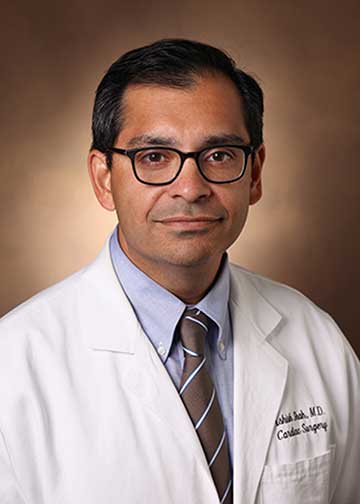 Ashish S. Shah合作论文数Department of Cardiac Surgery, Vanderbilt University Medical Center;Division of Cardiac Surgery, The Johns Hopkins Hospital6
 David W. Christianson合作论文数Department of Chemistry, College of Arts & Sciences, University of Pennsylvania6Kuo Maggie M合作论文数6Jandu Simran合作论文数6
 Arthur Burnett合作论文数Department of Urology, School of Medicine, The Johns Hopkins University;Basic Science Laboratory in Neurourology, School of Medicine, The Johns Hopkins University;Male Consultation Clinic, Johns Hopkins Hospital;James Buchanan Brady Urological Institute6
 Anthony John White合作论文数Faculty of Medicine, Nursing and Health Sciences, Monash University;Victorian Heart Institute, Monash University6Domagoj Mladinov合作论文数6Charles W. Emala合作论文数College of Physicians and Surgeons, Columbia University6
 Alberto P. Avolio合作论文数The Australian School of Advanced Medicine, Macquarie University;Department of Biomedical Science, Macquarie University6




