AIM:To explore the relationship between perceived social support, resilience, peace of mind and depressive symptoms among recovered COVID-19 patients, and to inform nursing assessment and intervention strategies for post-discharge mental health care. METHODS:A cross-sectional study was conducted in Jianghan District, Wuhan, China, between 10 June and 25 July 2021, involving 1297 recovered COVID-19 patients. Researchers administered an online questionnaire to assess depressive symptoms, peace of mind, resilience and perceived social support. The study employed moderated mediation analysis to explore the relationship between perceived social support, resilience, peace of mind and depressive symptoms. RESULTS:Of the recovered COVID-19 patients, 37.9% reported depressive symptoms to varying degrees. Resilience partially mediated the association between perceived social support and depressive symptoms (β = -0.011, p = 0.026). Peace of mind moderated the associations between perceived social support and resilience (β = 0.084, p < 0.001), perceived social support and depressive symptoms (β = 0.062, p = 0.006) and the mediation effect of resilience. CONCLUSION:In the post-COVID era, tailored interventions that enhance perceived social support, resilience and peace of mind may be effective strategies to alleviate depressive symptoms among recovered COVID-19 patients. Nurses are well-positioned to lead or integrate these psychosocial strategies into patient care, from initial assessment to long-term follow-up, thereby playing a crucial role in mitigating depressive symptoms in this population.
BACKGROUND:Abnormal changes of monocytes have been observed in acute COVID-19, whereas associations of monocyte count with long COVID were not sufficiently elucidated. METHODS:A cohort study was conducted among COVID-19 survivors discharged from hospital. The primary outcomes were core symptoms of long COVID, distance walked in 6 min, and lung function, and the secondary outcomes were health-related quality of life and healthcare use after discharge. Latent variable mixture modeling was used to classify individuals into groups with similar trajectory of monocyte count from discharge to 2-year after symptom onset. Multivariable adjusted generalized linear regression models and logistic regression models were used to estimate the associations of monocyte count trajectories and monocyte count at discharge with outcomes. RESULTS:In total, 1389 study participants were included in this study. Two monocyte count trajectories including high to normal high and normal trajectory were identified. After multivariable adjustment, participants in high to normal high trajectory group had an odds ratio (OR) of 2.52 (95% CI, 1.44-4.42) for smell disorder, 2.27 (1.27-4.04) for 6-min walking distance less than lower limit of normal range, 2.45 (1.08-5.57) for total lung capacity (TLC) < 80% of predicted, 3.37 (1.16-9.76) for personal care problem, and 1.70 (1.12-2.58) for rehospitalization after discharge at 2-year follow-up compared with those in normal trajectory group. Monocyte count at discharge showed similar results, which was associated with smell disorder, TLC < 80% of predicted, diffusion impairment, and rehospitalization. CONCLUSIONS:Monocyte count may serve as an easily accessible marker for long-term management of people recovering from COVID-19.
The immune mechanisms of long coronavirus disease 2019 (COVID) are not yet fully understood. We aimed to investigate the severe acute respiratory syndrome coronavirus 2 (SARS-CoV-2)-specific memory immune responses in discharged COVID-19 patients with and without long COVID symptoms. In this cross-sectional study, we included 1041 hospitalized COVID-19 patients with the original virus strain in Wuhan (China) 12 months after initial infection. We simultaneously conducted a questionnaire survey and collected peripheral blood samples from the participants. Based on the presence or absence of long COVID symptoms during the follow-up period, we divided the patients into 2 groups: a long COVID group comprising 480 individuals and a convalescent group comprising 561 individuals. Both groups underwent virus-specific immunological analyses, including enzyme-linked immunosorbent assay, interferon-gamma-enzyme-linked immune absorbent spot, and intracellular cytokine staining. At 12 months after infection, 98.5% (1026/1041) of the patients were found to be seropositive and 93.3% (70/75) had detectable SARS-CoV-2-specific memory T cells. The long COVID group had significantly higher levels of receptor binding domain (RBD)-immunoglobulin G (IgG) levels, presented as OD450 values, than the convalescent controls (0.40 +/- 0.22 vs 0.37 +/- 0.20; P = .022). The magnitude of SARS-CoV-2-specific T-cell responses did not differ significantly between groups, nor did the secretion function of the memory T cells. We did not observe a significant correlation between SARS-CoV-2-IgG and magnitude of memory T cells. This study revealed that long COVID patients had significantly higher levels of RBD-IgG antibodies when compared with convalescent controls. Nevertheless, we did not observe coordinated SARS-CoV-2-specific cellular immunity. As there may be multiple potential causes of long COVID, it is imperative to avoid adopting a "one-size-fits-all" approach to future treatment modalities.
BACKGROUND:Corticosteroids have beneficial effects in improving outcomes in hospitalized patients with severe COVID-19 by suppressing excessive immune responses. However, the effect of corticosteroids on the humoral and T-cell responses of survivors of COVID-19 1 year after infection remains uncertain, as it relates to the extent of immediate, antigen-specific defense provided by protective memory. RESEARCH QUESTION:What is the effect of corticosteroids on long-term humoral and T-cell immune responses? STUDY DESIGN AND METHODS:In this retrospective cohort study conducted at a single center, we analyzed data from a cohort who had survived COVID-19 to compare the 1-year seropositivity and titer changes in neutralizing antibodies (NAbs) and SARS-CoV-2-specific antibodies. Additionally, we evaluated the magnitude and rate of SARS-CoV-2-specific T-cell response in individuals who received corticosteroids during hospitalization and those who did not. RESULTS:Our findings indicated that corticosteroids do not statistically influence the kinetics or seropositive rate of NAbs against the Wuhan strain of SARS-CoV-2 from 6 months to 1 year. However, subgroup analysis revealed a numerical increase of NAbs titers, from 20.0 to 28.2, in categories where long-term (> 15 days) and high-dose (> 560 mg) corticosteroids were administered. Similarly, corticosteroids showed no significant effect on nucleoprotein and receptor-binding domain IgG at 1 year, except for spike protein IgG (β, 0.08; 95% CI, 0.04-0.12), which demonstrated a delayed decline of titers. Regarding T-cell immunity, corticosteroids did not affect the rate or magnitude of T-cell responses significantly. However, functional assessment of memory T cells revealed higher interferon-γ responses in CD4 (β, 0.61; 95% CI, 0.10-1.12) and CD8 (β, 0.63; 95% CI, 0.11-1.15) memory T cells in the corticosteroids group at 1 year. INTERPRETATION:Based on our findings, short-term and low-dose corticosteroid therapy during hospitalization does not appear to have a significant effect on long-term humoral kinetics or the magnitude and rate of memory T-cell responses to SARS-CoV-2 antigens. However, the potential harmful effects of long-term and high-dose corticosteroid use on memory immune responses require further investigation.
BackgroundThe long-term health consequences of COVID-19 remain largely unclear. The aim of this study was to describe the long-term health consequences of patients with COVID-19 who have been discharged from hospital and investigate the associated risk factors, in particular disease severity.MethodsWe did an ambidirectional cohort study of patients with confirmed COVID-19 who had been discharged from Jin Yin-tan Hospital (Wuhan, China) between Jan 7, 2020, and May 29, 2020. Patients who died before follow-up, patients for whom follow-up would be difficult because of psychotic disorders, dementia, or re-admission to hospital, those who were unable to move freely due to concomitant osteoarthropathy or immobile before or after discharge due to diseases such as stroke or pulmonary embolism, those who declined to participate, those who could not be contacted, and those living outside of Wuhan or in nursing or welfare homes were all excluded. All patients were interviewed with a series of questionnaires for evaluation of symptoms and health-related quality of life, underwent physical examinations and a 6-min walking test, and received blood tests. A stratified sampling procedure was used to sample patients according to their highest seven-category scale during their hospital stay as 3, 4, and 5–6, to receive pulmonary function test, high resolution CT of the chest, and ultrasonography. Enrolled patients who had participated in the Lopinavir Trial for Suppression of SARS-CoV-2 in China received severe acute respiratory syndrome coronavirus 2 antibody tests. Multivariable adjusted linear or logistic regression models were used to evaluate the association between disease severity and long-term health consequences.FindingsIn total, 1733 of 2469 discharged patients with COVID-19 were enrolled after 736 were excluded. Patients had a median age of 57·0 (IQR 47·0–65·0) years and 897 (52%) were men. The follow-up study was done from June 16, to Sept 3, 2020, and the median follow-up time after symptom onset was 186·0 (175·0–199·0) days. Fatigue or muscle weakness (63%, 1038 of 1655) and sleep difficulties (26%, 437 of 1655) were the most common symptoms. Anxiety or depression was reported among 23% (367 of 1617) of patients. The proportions of median 6-min walking distance less than the lower limit of the normal range were 24% for those at severity scale 3, 22% for severity scale 4, and 29% for severity scale 5–6. The corresponding proportions of patients with diffusion impairment were 22% for severity scale 3, 29% for scale 4, and 56% for scale 5–6, and median CT scores were 3·0 (IQR 2·0–5·0) for severity scale 3, 4·0 (3·0–5·0) for scale 4, and 5·0 (4·0–6·0) for scale 5–6. After multivariable adjustment, patients showed an odds ratio (OR) 1·61 (95% CI 0·80–3·25) for scale 4 versus scale 3 and 4·60 (1·85–11·48) for scale 5–6 versus scale 3 for diffusion impairment; OR 0·88 (0·66–1·17) for scale 4 versus scale 3 and OR 1·77 (1·05–2·97) for scale 5–6 versus scale 3 for anxiety or depression, and OR 0·74 (0·58–0·96) for scale 4 versus scale 3 and 2·69 (1·46–4·96) for scale 5–6 versus scale 3 for fatigue or muscle weakness. Of 94 patients with blood antibodies tested at follow-up, the seropositivity (96·2% vs 58·5%) and median titres (19·0 vs 10·0) of the neutralising antibodies were significantly lower compared with at the acute phase. 107 of 822 participants without acute kidney injury and with estimated glomerular filtration rate (eGFR) 90 mL/min per 1·73 m2 or more at acute phase had eGFR less than 90 mL/min per 1·73 m2 at follow-up.InterpretationAt 6 months after acute infection, COVID-19 survivors were mainly troubled with fatigue or muscle weakness, sleep difficulties, and anxiety or depression. Patients who were more severely ill during their hospital stay had more severe impaired pulmonary diffusion capacities and abnormal chest imaging manifestations, and are the main target population for intervention of long-term recovery.FundingNational Natural Science Foundation of China, Chinese Academy of Medical Sciences Innovation Fund for Medical Sciences, National Key Research and Development Program of China, Major Projects of National Science and Technology on New Drug Creation and Development of Pulmonary Tuberculosis, and Peking Union Medical College Foundation.
COVID-19 pandemic has profound psychological effects worldwide and the psychological sequelae will persist for a long time among COVID-19 survivors. This cross-sectional study aimed to explore the prevalence of PTSD and its associated risk factors in COVID-19 survivors of the first wave pandemic. Demographics questionnaire, the Impact of Events Scale-Revised, the Pittsburgh Sleep Quality Index, the Fatigue Scale-14, the Resilience Style Questionnaire, the Short Version of COVID-19 Stigma Scale, the Peace of Mind Scale, and the Perceived Social Support Questionnaire were used to collect relevant information of the participants. The propensity scorematching (PSM) method was employed to adjust covariate or confounding variables in order to derive more accurate conclusions. After PSM, adjusted odds ratios and 95% confidence intervals were determined by binary conditional logistic regression. A total of 1541 COVID-19 survivors were included firstly and 15.2% reported PTSD symptoms, 1108 participants left after PSM. Four risk factors were identified: higher severity of COVID-19 infection, fatigue, COVID-19 related stigma and poor sleep quality. When designing psychological interventions to alleviate PTSD symptoms of COVID-19 survivors, reducing stigma and fatigue, and improve their sleep quality are suggested.
Abstract Background The global coronavirus disease 2019 (COVID-19) has caused many negative effects on physical and mental health of patients who have survived COVID-19. Apart from some long-lasting physical sequelae, those COVID-19 survivors are also suffering stigma and discrimination at different levels around the world. The current study aims to assess the role resilience played in stigma and mental disorders among COVID-19 survivors. Methods The cross-sectional study was carried out among former COVID-19 patients in Jianghan District (Wuhan, China) from June 10 to July 25, 2021. The demographic questions, the Impact of Events Scale-Revised, the Generalized Anxiety Disorder Questionnaire, the Patient Health Questionnaire, the Resilience Style Questionnaire and the Short Version of COVID-19 Stigma Scale of 12 items were used to collect relevant information of the participants. Descriptive analyses, Pearson correlation analysis and Structural Equation Modeling were used to make data description and analysis. Results A total of 1541 out of 1601 COVID-19 survivors (887 females and 654 males) were included in the analysis. Perceived stigma of those COVID-19 survivors correlates significantly with anxiety (r = 0.335, P < 0.001), depression (r = 0.325, P < 0.001) and post-traumatic stress disorder (PTSD) (r = 0.384, P < 0.001). It has a direct effect on COVID-19 survivors’ anxiety (β = 0.326, P < 0.001), depression (β = 0.314, P < 0.001), PTSD (β = 0.385, P < 0.001) and their resilience (β = − 0.114, P < 0.01). Resilience partially mediated the association between perceived stigma and anxiety (β = 0.020, P < 0.01), depression (β = 0.020, P < 0.01), and PTSD (β = 0.014, P < 0.01) among COVID-19 survivors. Conclusion Stigma has a significant negative impact on mental health, while resilience plays a mediator role in the relationship between stigma and mental health among COVID-19 survivors. Based on our study, we suggested that when designing psychological interventions for COVID-19 survivors, consideration should be taken into account to reduce stigma and improve resilience.
Our previous study shows favipiravir and oseltamivir combination therapy may accelerate clinical recovery compared to oseltamivir monotherapy in severe influenza, but its effect on virological evolution and resistance mutation against oseltamivir is still unknown. In this study, we collected longitudinal respiratory samples from influenza patients who underwent combination therapy and applied them to next generation sequencing of the whole genome of the influenza A virus (IAV). We also included a cohort untreated with any antivirals to serve as the control. In total, 62 samples from 19 patients treated with combination therapy and 20 samples from 20 patients untreated were successfully sequenced. The nucleotide diversity in the whole genome of IAV in the combination group showed no difference compared to that in the control group (P > 0.05). Moreover, we observed 174 kinds of nonsynonymous nucleotide substitutions in patients with combination therapy, mostly in NA (n = 44) and HA (n = 43). Of them, the G→A transition was the dominant variant type (27%) and 46/174 (26%) was reported to have biological effects, such as increased pathogenicity and polymerase activity. Among the 29 mutations conferring reduction in oseltamivir sensitivity we investigated, H275Y was the only mutation detected in the 4 samples from 1 of 19 patients and demonstrated increasing frequency during the treatment. Mutations conferring favipiravir resistance were not observed. Our studies showed combination therapy of favipiravir and oseltamivir has little effect on virus nucleotide diversity, nor prevents the increase of oseltamivir-resistant variants.
Background:Perceived stigma has greatly influenced the life quality of the COVID-19 patients who recovered and were discharged (RD hereafter). It is essential to understand COVID-19 stigma of RD and its related risk factors. The current study aims to identify the characteristics of perceived COVID-19 stigma in RD using latent profile analysis (LPA), to explore its psycho-social influencing factors, and to determine the cut-off point of the stigma scale using receiver operating characteristic (ROC) analysis.Methods:A cross-sectional study was conducted among COVID-19 RD in 13 communities in Jianghan District, Wuhan City, Hubei Province, China from June 10 to July 25, 2021, enrolling total 1,297 participants. Data were collected on demographic characteristics, COVID-19 perceived stigma, post-traumatic stress disorder (PTSD), anxiety, depression, sleep disorder, fatigue, resilience, social support, and peace of mind. LPA was performed to identify different profiles of perceived COVID-19 stigma level. Univariate analysis and multinominal logistic regression analysis were conducted to explore the influencing factors in different profiles. ROC analyses was carried out to identify the cut-off value of perceived stigma.Results:Among the participants, three profiles of perceived stigma were identified: "low perceived COVID-19 stigma" (12.8%), "moderate perceived COVID-19 stigma" (51.1%), and "severe perceived COVID-19 stigma" (36.1%). Multinominal logistic regression analysis revealed that older age, living with other people, anxiety, and sleep disorder were positively associated with moderate perceived COVID-19 stigma, while higher educational level was negatively associated with moderate perceived COVID-19 stigma. Female, older age, living with other people, anxiety, and sleep disorder were positively associated with severe perceived COVID-19 stigma, while higher educational level, social support, and peace of mind were negatively associated with severe perceived COVID-19 stigma. ROC curve of the Short Version of COVID-19 Stigma Scale (CSS-S) for screening perceived COVID-19 stigma showed that the optimal cut-off value was ≥ 20.Conclusion:The study focuses on the issue of perceived COVID-19 stigma and its psycho-socio influencing factors. It provides evidence for implementing relevant psychological interventions to COVID-19 RD.
BACKGROUND:Symptoms of psychiatric, neurological, and physical illnesses with post-COVID syndrome could increase suicidal ideation (SI) and behavior in Corona Virus Disease 2019 (COVID-19) survivors. However, information on the level of SI among COVID-19 survivors in China is still limited.AIM:To assess the prevalence and risk factors of SI among COVID-19 survivors in Wuhan, China.DESIGN:The cross-sectional study was carried out among former COVID-19 patients in Jianghan District (Wuhan, China) from June 10 to July 25, 2021.METHODS:SI, fatigue, stigma, sleep disorder, resilience, peace of mind, and social support of the participants were measured by the SI-related item, Fatigue Scale (FS-14), short version of COVID-19 Stigma Scale, Pittsburgh Sleep Quality Index (PSQI), The Peace of Mind Scale (PoM), The Resilience Style Questionnaire (RSQ) and two single separate items for measuring social support. Logistic regression was utilized to identify associated factors of SI. Mediation analysis was performed to assess the potential mechanisms between psychological factors and SI.RESULTS:A total of 1,297 participants were included in this study. 6.7% of them reported SI. Marriage (AOR = 0.389, P = 0.003) and peace of mind (AOR = 0.854, P < 0.001) were negatively associated with SI. History of psychological or emotional counseling before COVID-19 infection (AOR = 1.889, P = 0.049), fatigue (AOR = 1.110, P = 0.007), higher self-reported COVID-19 related stigma (AOR = 1.054, P = 0.003) and sleep disorder (AOR = 1.112, P = 0.001) were positively associated with SI.CONCLUSIONS:Consideration should be taken into account to develop appropriate alleviating measures such as mindfulness-based cognitive therapy to reduce the rates of SI among COVID-19 survivors and improve their resilience to cope with the personal impact of the COVID-19 pandemic.
Background Although patients recovered from COVID-19 already have immunity gained from natural infection, they are still at risk of reinfection due to the emergence of new variants of COVID-19 and the diminishing of naturally acquired immunity over time. Vaccination is associated with efficacious protection against COVID-19 infection and could boost infection-acquired immunity; however, various COVID-19 survivors have not been vaccinated due to vaccine hesitancy. Objective The aim of this study was to investigate COVID-19 vaccine hesitancy and related factors among COVID-19 survivors. Methods A cross-sectional questionnaire survey was conducted among patients who recovered from COVID-19 infection in Wuhan, China, between June 10 and July 25, 2021. The questionnaire included sociodemographic information, items on COVID-19 infection, the COVID-19 vaccine hesitancy scale based on the 3Cs (complacency, convenience, and confidence) model, trust in vaccine manufacturers and health facilities, and reasons for the decision to accept COVID-19 vaccination. Multivariate logistic regression analysis was used to assess the factors influencing COVID-19 vaccine hesitancy. Results Among the 1422 participants, 538 (37.8%) were not vaccinated against COVID-19. The COVID-19–recovered patients who self-reported having a current unhealthy status expressed more hesitancy about the COVID-19 vaccine than those who perceived themselves to be healthy (odds ratio [OR] 0.45, 95% CI 0.28-0.71). Compared to the asymptomatic patients, patients with mild symptoms were more likely to receive a COVID-19 vaccine (OR 1.67, 95% CI 1.02-2.82). Regarding the 3Cs model, high complacency (P=.005) and low convenience (P=.004) were significant negative factors for COVID-19 vaccination. Trust in vaccine manufacturers and health facilities was a significant positive factor for COVID-19 vaccination (OR 1.14, 95% CI 1.09-1.19). “Self-needs” was the main reason for patients to receive the COVID-19 vaccine, whereas “already have antibodies and do not need vaccination” was the main reason for patients to not receive the COVID-19 vaccine. Conclusions Among the three major factors of vaccine hesitancy, complacency proved to be the most notable among COVID-19–recovered patients. Therefore, educational campaigns can focus on raising the awareness of risk of infection and the benefits of vaccination to reduce complacency toward vaccination among this population. In particular, for individuals who have recovered from COVID-19, improving factors related to convenience such as transportation, the environment of vaccination, and providing door-to-door service was also deemed necessary to facilitate their vaccination. In addition, addressing the concerns about vaccination of COVID-19–recovered patients could foster trust and promote their uptake of vaccination.
Abstract Background Detailed characteristics of rheumatic symptoms of coronavirus disease 2019 (COVID-19) were still unknown. We aim to investigate the proportions, characteristics, and risk factors of this condition. Methods In this prospective, longitudinal cohort study, discharged patients with COVID-19 were interviewed face-to-face at 12 months after symptom onset. Rheumatic symptoms following COVID-19 included newly occurring joint pain and/or joint swelling. The risk factors of developing rheumatic symptoms were identified by multivariable logistic regression analysis. Results In total, 1296 of 2469 discharged patients with COVID-19 were enrolled in this study. Among them, 160 (12.3% [95% confidence interval {CI}, 10.6%–14.3%]) suffered from rheumatic symptoms following COVID-19 at 12-month follow-up. The most frequently involved joints were the knee joints (38%), followed by hand (25%) and shoulder (19%). Rheumatic symptoms were independent of the severity of illness and corticosteroid treatment during the acute phase, while elderly age (odds ratio [OR], 1.22 [95% CI, 1.06–1.40]) and female sex (OR, 1.58 [95% CI, 1.12–2.23]) were identified as the risk factors for this condition. Conclusions Our investigation showed a considerable proportion of rheumatic symptoms following COVID-19 in discharged patients, which highlights the need for continuing attention. Notably, rheumatic symptoms following COVID-19 were independent of the severity of illness and corticosteroid treatment during the acute phase.
Influenza A virus still represents a noticeable epidemic risk to international public health at present, despite the extensive use of vaccines and anti-viral drugs. In the fight against pathogens, the immune defence lines consisting of diverse lymphocytes are indispensable for humans. However, the role of virus infection of lymphocytes and subsequent abnormal immune cell death remains to be explored. Different T cell subpopulations have distinct characterizations and functions, and we reveal the high heterogeneity of susceptibility to viral infection and biological responses such as apoptosis in various CD4+ T and CD8+ T cell subsets through single-cell transcriptome analyses. Effector memory CD8+ T cells (CD8+ TEM) that mediate protective memory are identified as the most susceptible subset to pandemic influenza A virus infection among primary human T cells. Non-productive infection is established in CD8+ TEM and naïve CD8+ T cells, which indicate the mechanism of intracellular antiviral activities for inhibition of virus replication such as abnormal viral splicing efficiency, incomplete life cycles and up-regulation of interferon-stimulated genes in human T cells. These findings provide insights into understanding lymphopenia and the infectious mechanisms of pandemic influenza A virus and broad immune host–pathogen interactional atlas in primary human T cells.
Background Kidney damage in COVID-19 patients has been of special concern. The association of acute kidney injury (AKI) with post-acute kidney function among COVID-19 survivors was not sufficiently elucidated. Methods An ambidirectional cohort study was conducted with enrollment of COVID-19 survivors discharged from hospital between Jan 7, and May 29, 2020. Study participants were invited to follow-up visits at 6 and 12 months after symptom onset. The primary outcome was percentage of estimated glomerular filtration rate (eGFR) decreased from acute phase (between symptom onset and hospital discharge) to follow-up, and secondary outcome was reduced renal function at follow-up. Findings In total, 1,734 study participants were included in this study. Median follow-up duration was 342.0 days (IQR, 223.0-358.0) after symptom onset. After multivariable adjustment, percentage of eGFR decreased from acute phase to follow-up was 8.30% (95% CI, 5.99-10.61) higher among AKI participants than those without AKI at acute phase. Participants with AKI had an odds ratio (OR) of 4.60 (95% CI, 2.10-10.08) for reduced renal function at follow-up. The percentage of eGFR decreased for participants with AKI stage 1, stage 2, and stage 3 was 6.02% (95% CI, 3.48-8.57), 15.99% (95% CI, 10.77-21.22), and 17.79% (95% CI, 9.14-26.43) higher compared with those without AKI, respectively. Interpretation AKI at acute phase of COVID-19 was closely related to the longitudinal decline and post-acute status of kidney function at nearly one-year after symptom onset. Earlier and more intense follow-up strategies on kidney function management could be beneficial to COVID-19 survivors. Copyright (c) 2022 The Authors. Published by Elsevier B.V. This is an open access article under the CC BY-NC-ND license (http://creativecommons.org/licenses/by-nc-nd/4.0/)
Background: In the global pandemic of the coronavirus disease 2019 (COVID-19), depression and post-traumatic stress disorder (PTSD) have commonly occurred among COVID-19 patients, whose experiences of infection and subsequent treatment might develop negative consequences on their mental well-being even after recovery. Despite the general recognition of efficacy of mindfulness-based interventions in reducing psychological distress among various populations, there were insufficient studies on the relationship between mindfulness and mental health among individuals who have recovered from COVID-19.Objective: The current study aims to identify the prevalence of common mental health challenges among recovered COVID-19 patients in Jianghan District, Wuhan, China and to explore the potential mechanism through which mindfulness alleviate depression and PTSD.Methods: A cross-sectional survey on mental health was conducted among a convenience sample of adults recovered from COVID-19 in Jianghan District, Wuhan, China. The study participants completed questionnaires under the assistance of trained investigators. The questionnaire included Chinese version of Five Facets of Mindfulness Questionnaire-Short Form (FFMQ-SF), Generalized Anxiety Disorder Questionnaire (GAD-7), Resilience Style Questionnaire (RSQ), Impact of Events Scale-Revised (IES-R), and Patient Health Questionnaire (PHQ-9) to measure mindfulness, anxiety, resilience, PTSD, and depression respectively. Structural equation modeling was used to explore the relationship between mindfulness and mental health outcomes of this population.Results: 1541 respondents (654 [42.4 %] men and 887 [57.6 %] women) completed the questionnaire between June 10 and July 25, 2021, of whom 36.2 % and 27.1 % had mild and severe levels of depressive and anxiety symptoms respectively, and 15.2 % was indicated with PTSD. The average score of mindfulness of the study participants was (3.100 +/- 0.387), and that of resilience was (3.560 +/- 0.877). The structural equation model fit the data well, demonstrating that mindfulness was negatively associated with depressive symptoms directly (ll = -0.031, P = 0.021) or indirectly through the mediation effect of resilience (ll = -0.019, P = 0.009) and anxiety symptoms (ll = -0.208, P < 0.001), and was negatively associated with PTSD through the mediation effect of anxiety symptoms (ll = -0.142, P < 0.001).Conclusion: Individuals who have recovered from COVID-19 commonly experienced psychological distress. Mindfulness is associated with alleviation of depressive and PTSD symptoms directly or indirectly. Interventions based on mindfulness are suggested to improve the mental well-being of this population.
Background: As increasing number of infected and recovered patients of acute phase of coronavirus disease 2019 (COVID-19), the long COVID effect and post-viral burden of disease deserve high attention. This study is aimed to explore the 1-year temporal change in prevalence, variety and potential risk factors of long COVID symptoms. Methods: In this systematic review and meta-analysis, electronic databases, including the Cochrane Library, PubMed, the EMBASE, and the WOS were searched for related studies published from January 2020 to December 2021. This study is registered with PROSPERO, CRD 42022300274. Findings: 137 studies were included, covering 134,093 subjects. The prevalence of long COVID symptoms was as high as 50% since 1-month after acute phase and did not show a downward trend during 1-year temporal change. Six months or more after the acute phase, the odds ratio (OR) of population characteristic factors increased, such as female gender (from <6 months OR=1.62 to ≥ 6 months OR=1.82), while the OR value of acute phase-related factors (severe/critical and hospitalization) partially decreased. As for specific symptoms, only about one-third of symptoms were significantly reduced trends. However, neuropsychiatric-symptoms shows a stable trend, and sleep disorders and impaired concentration even showed an increased trend. Neuropsychiatric related symptoms showed a higher long-term prevalence (approximately 25%) and longer persistence trend than physical symptoms. Interpretation: During 1-year follow-up, recovered patients with COVID-19 exhibit persistent long-term, multisystem symptoms, and the neuropsychiatric related symptoms were the most extensive and persistent. Varied etiologies and influencing factors may impact in long COVID, and confounding effects increased over time. This is valuable for tailoring rehabilitation programs to the needs of COVID-19 patients and for informing future health care planning and resource allocation. Funding: Chinese Academy of Medical Sciences (CAMS) Innovation Fund for Medical Sciences; China Postdoctoral Science Foundation. Declaration of Interest: None to declare.
Background With the ongoing COVID-19 pandemic, growing evidence shows that a considerable proportion of people who have recovered from COVID-19 have long-term effects on multiple organs and systems. A few longitudinal studies have reported on the persistent health effects of COVID-19, but the follow-up was limited to 1 year after acute infection. The aim of our study was to characterise the longitudinal evolution of health outcomes in hospital survivors with different initial disease severity throughout 2 years after acute COVID-19 infection and to determine their recovery status. Methods We did an ambidirectional, longitudinal cohort study of individuals who had survived hospitalisation with COVID-19 and who had been discharged from Jin Yin-tan Hospital (Wuhan, China) between Jan 7 and May 29, 2020. We measured health outcomes 6 months (June 16-Sept 3, 2020), 12 months (Dec 16, 2020-Feb 7, 2021), and 2 years (Nov 16, 2021-Jan 10, 2022) after symptom onset with a 6-min walking distance (6MWD) test, laboratory tests, and a series of questionnaires on symptoms, mental health, health-related quality of life (HRQoL), return to work, and health-care use after discharge. A subset of COVID-19 survivors received pulmonary function tests and chest imaging at each visit. Age-matched, sex-matched, and comorbidities-matched participants without COVID-19 infection (controls) were introduced to determine the recovery status of COVID-19 survivors at 2 years. The primary outcomes included symptoms, modified British Medical Research Council (mMRC) dyspnoea scale, HRQoL, 6MWD, and return to work, and were assessed in all COVID-19 survivors who attended all three follow-up visits. Symptoms, mMRC dyspnoea scale, and HRQoL were also assessed in controls. Findings 2469 patients with COVID-19 were discharged from Lin Yin-tan Hospital between Jan 7 and May 29, 2020. 1192 COVID-19 survivors completed assessments at the three follow-up visits and were included in the final analysis, 1119 (94%) of whom attended the face-to-face interview 2 years after infection. The median age at discharge was 57.0 years (48 0-65. 0) and 551 (46%) were women. The median follow-up time after symptom onset was 185.0 days (IQR 175.0-197.0) for the visit at 6 months, 349.0 days (337.0-360.0) for the visit at 12 months, and 685.0 days (675.0-698.0) for the visit at 2 years. The proportion of COVID-19 survivors with at least one sequelae symptom decreased significantly from 777 (68%) of 1149 at 6 months to 650 (55%) of 1190 at 2 years (p<0.0001), with fatigue or muscle weakness always being the most frequent. The proportion of COVID-19 survivors with an mMRC score of at least 1 was 168 (14%) of 1191 at 2 years, significantly lower than the 288 (26%) of 1104 at 6 months (p<0.0001). HRQoL continued to improve in almost all domains, especially in terms of anxiety or depression: the proportion of individuals with symptoms of anxiety or depression decreased from 256 (23%) of 1105 at 6 months to 143 (12%) 1191 at 2 years (p<0.001). The proportion of individuals with a 6MWD less than the lower limit of the normal range declined continuously in COVID-19 survivors overall and in the three subgroups of varying initial disease severity. 438 (89%) of 494 COVID-19 survivors had returned to their original work at 2 years. Survivors with long COVID symptoms at 2 years had lower HRQoL, worse exercise capacity, more mental health abnormality, and increased health-care use after discharge than survivors without long COVID symptoms. COVID-19 survivors still had more prevalent symptoms and more problems in pain or discomfort, as well as anxiety or depression, at 2 years than did controls. Additionally, a significantly higher proportion of survivors who had received higher-level respiratory support during hospitalisation had lung diffusion impairment (43 [65%] of 66 vs 24 136%1 of 66, p=0.0009), reduced residual volume (41 [62%] vs 13 120%1, p<0.0001), and total lung capacity (26 [39%] vs four [6%1, p<0. 0001) than did controls. Interpretation Regardless of initial disease severity, COVID-19 survivors had longitudinal improvements in physical and mental health, with most returning to their original work within 2 years; however, the burden of symptomatic sequelae remained fairly high. COVID-19 survivors had a remarkably lower health status than the general population at 2 years. The study findings indicate that there is an urgent need to explore the pathogenesis of long COVID and develop effective interventions to reduce the risk of long COVID. Copyright (C) 2022 Published by Elsevier Ltd. All rights reserved.
OBJECTIVES:This study is intended to assess the prevalence of depression and anxiety in individuals who had recovered from COVID-19 and been discharged from hospital (RD hereafter) in Wuhan, China, and to explore the factors associated with these mental disorders.METHODS:Participants of this study were the RD who were infected at the beginning of the outbreak from 13 communities in Jianghan District of Wuhan City, Hubei Province, China by convenience sampling in mid-2021. The Generalized Anxiety Disorder Questionnaire, the Patient Health Questionnaire, the Short Version of COVID-19 Stigma Scale, the Peace of Mind Scale, the Resilience Style Questionnaire, and the Perceived Social Support Questionnaire were used to collect relevant information of the participants. Descriptive analyses, Pearson correlation analysis, and logistic regression analysis were used to describe and analyze the data and to examine the factors associated with the mental health status of this population.RESULTS:In total, we recruited 1601 participants from 3059 COVID-19 patients, and 1541 participants completed the questionnaire survey, with a response rate of 96.25%. Finally, 1297 participants met the inclusion and exclusion criteria in this study, of whom 28.8% and 37.9% reported mild to severe levels of anxiety and depression symptoms. Perceived better mental health status during hospitalization, higher frequency of alcohol use per week, peace of mind, higher education level, and resilience were negatively associated with anxiety, while stigma and history of psychological or emotional counseling before infection was positively associated with anxiety. More severe clinical classification of COVID-19 and stigma (AOR = 1.057, P<0.001) were both positively associated with depression, while perceived better mental health status during hospitalization (AOR = 0.564, P<0.001), higher frequency of alcohol use per week (AOR = 0.462, P = 0.004), peace of mind (AOR = 0.857, P<0.001), and social support (AOR = 0.972, P = 0.034) were negatively associated with depression.CONCLUSIONS:Tailored interventions on reducing stigma, enhancing mindfulness and social support should be taken into account to alleviate anxiety and depression among RD.
This cross-sectional study evaluated the long-term health effects of coronavirus disease 2019(COVID-19)in Jianghan District(Wuhan,China).The results showed that 61.4%of COVID-19 patients reported at least one symptom and 8.8%had depressive symptoms at the 17-month follow-up.The proportion of patients with chest radiographic abnormalities in Fangcang shelter hospitals and designated COVID-19 hospitals was 31.6%and 41.1%,respectively,and the proportion of patients with impaired pulmonary diffusion capacity in these hospitals was 52.8%and 60.9%,respectively.Female sex(odds ratio[OR]=1.48,95%confidence interval[CI]:1.16-1.88),severe disease(OR=1.46,95%CI:1.01-2.10)and a higher number of initial symptoms(OR=1.31,95%CI:1.23-1.40)were associated with the development of sequelae symptoms at 17 months.This study involving community-dwelling COVID-19 adults may help determine the long-term effects of COVID-19 during the first pandemic wave.Nonetheless,larger follow-up studies are needed to characterize the post-COVID-19 condition.
Oxytocin (OT), a neuropeptide produced in the supraoptic (SON) and paraventricular (PVN) nuclei, is not only essential for lactation and maternal behavior but also for normal immunological activity. However, mechanisms underlying OT regulation of maternal behavior and its association with immunity around parturition, particularly under mental and physical stress, remain unclear. Here, we observed effects of OT on maternal behavior in association with immunological activity in rats after cesarean delivery (CD), a model of reproductive stress. CD significantly reduced maternal interests to the pups throughout postpartum day 1-8. On postpartum day 5, CD decreased plasma OT levels and thymic index but increased vasopressin, interleukin (IL)-1β, IL-6 and IL-10 levels. CD had no significant effect on plasma adrenocorticotropic hormone and corticosterone levels. In the hypothalamus, CD decreased corticotropin-releasing hormone contents in the PVN but increased OT contents in the PVN and SON and OT release from hypothalamic implants. CD also increased c-Fos expression, particularly in the cytoplasm of OT neurons. Lastly, CD depolarized resting membrane potential and increased spike width while increasing the variability of the firing rate of OT neurons in brain slices. Thus, CD can increase hypothalamic OT contents and release but reduce pituitary release of OT into the blood, which is associated with depressive-like maternal behavior, increased inflammatory cytokine release and decreased relative weight of the thymus.
 Yeming Wang合作论文数11
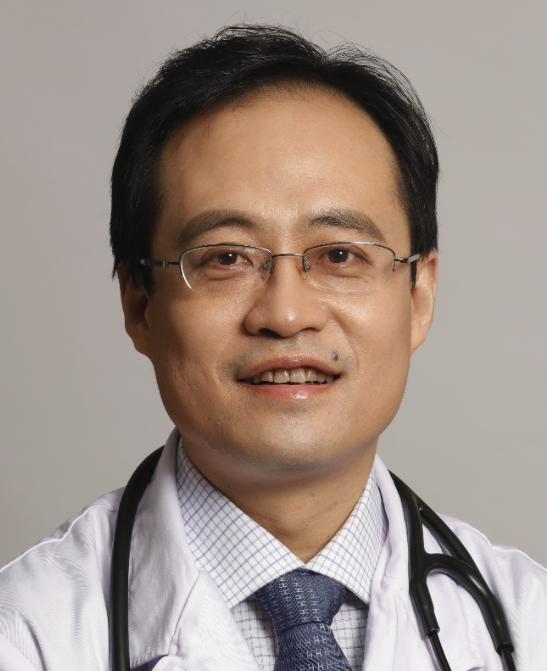 Bin Cao (曹彬)合作论文数China-Japan Friendship Hospital;Center for Life Sciences, Tsinghua University-Peking University11Lixue Huang合作论文数9Hao Wang合作论文数8
 Dongyang Li合作论文数8
 Mengmeng Jia合作论文数8Jia Shuwei合作论文数8
 Xiaoyu Liu合作论文数8
 Yu-Feng Wang合作论文数8Zhiwei Leng合作论文数7Yiman Huang合作论文数7Jiaqi Fu合作论文数7Weijun Xiao合作论文数7
 Xiaoying Gu合作论文数7Zhenwei Dai合作论文数7Xiaoyou Su合作论文数7Mingyu Si合作论文数7
 Wang Xiaoran合作论文数7
 Chen Xu (徐晨)合作论文数Shanghai Jiao Tong University School of Medicine7
 Tong Li合作论文数6
 Winnie W. S. Mak合作论文数Department of Psychology, The Chinese University of Hong Kong;Diversity & Well-Being Laboratory, The Chinese University of Hong Kong;Storytaler Hong Kong Co. Ltd.6
 Jianwei Wang (王健伟)合作论文数Chinese Center for Disease Control and Prevention5Li Guo合作论文数5Jingchuan Zhong合作论文数4Yijin Wu合作论文数4
 Guohui Fan合作论文数4Yang Liu合作论文数4Hui Zhang合作论文数4Geng Wang (王赓)合作论文数4Lianhan Shang合作论文数4Chen Wang (王辰)合作论文数National Center for Respiratory Medicine4
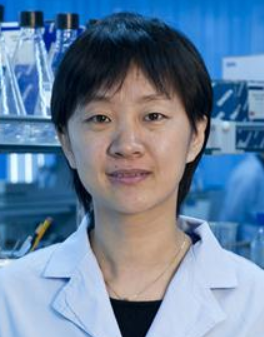 Lili Ren (任丽丽)合作论文数Institute of Pathogen Biology, Chinese Academy of Medical Sciences4Qiangru Huang合作论文数3
 Yi-Min Wang合作论文数3Liming Dong合作论文数3Yanxia Sun合作论文数3
 Shengrui Mu (穆生瑞)合作论文数3Dan Hou合作论文数3Xueyang Zhang合作论文数3Chaolin Huang合作论文数3
 Jiuyang Xu (徐九洋)合作论文数China-Japan Friendship Hospital3RunSheng Jiao (焦润生)合作论文数3
 Xia Li (李霞)合作论文数Henan Medical School, Henan University3
 Weizhong Yang (杨维中)合作论文数School of Population Medicine and Public Health, Chinese Academy of Medical Sciences3
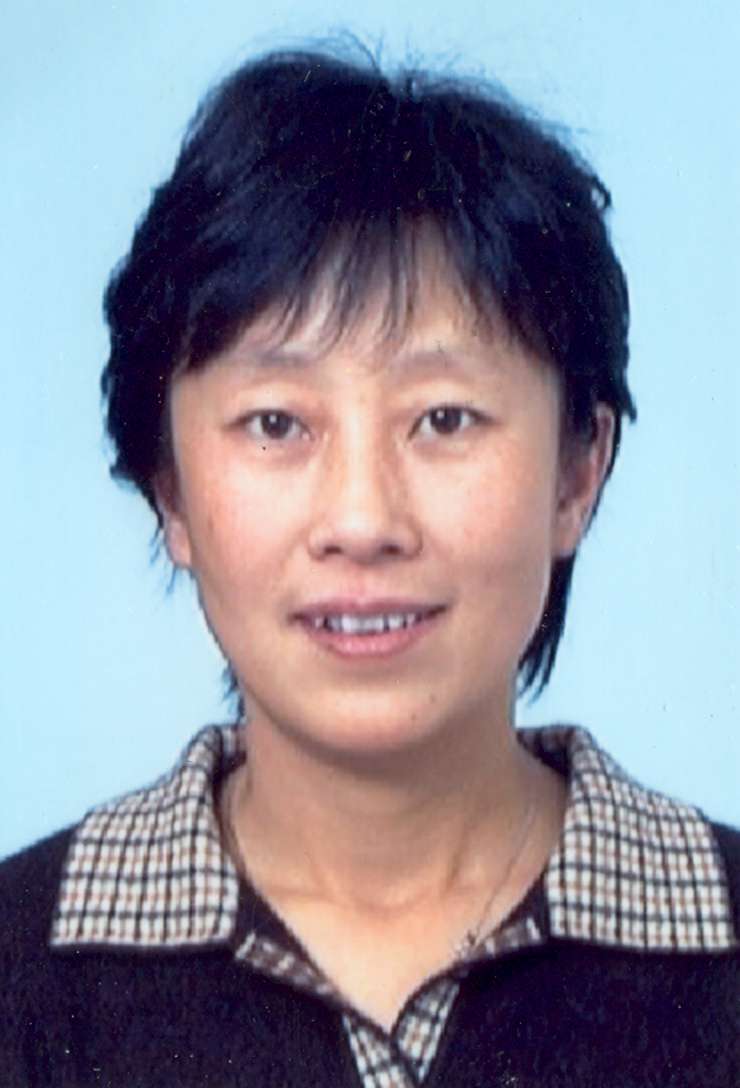 Min Liu (刘民)合作论文数School of Public Health, Peking University3Xinming Wang (王新明)合作论文数Chinese Academy of Medical Sciences3
 Luzhao Feng (冯录召)合作论文数Chinese Center for Disease Control and Prevention3Decui Xu合作论文数2
 Kang Liang合作论文数2




