The application of biocontrol bacteria and their metabolites present a promising strategy for managing postharvest diseases. This study investigated the antifungal activity and mechanism of volatile organic compounds (VOCs) produced by Bacillus mojavensis KRS009 against postharvest gray mold caused by Botrytis cinerea. In vitro assays demonstrated that VOCs from KRS009 significantly inhibited mycelial growth, disrupted hyphal morphology, and suppressed the expression of genes related to fungal growth. For in vivo biocontrol efficacy, VOC treatment effectively alleviated gray mold symptoms on tobacco leaves as well as on cherry tomato and grape fruits. Furthermore, VOCs from KRS009 delayed the deterioration of grape fruit quality and enhanced the activities of defense-related enzymes. To identify the active components, the VOCs were analyzed using solid-phase microextraction-gas chromatography-mass spectrometry (HS-SPME-GC/MS), revealing 12 characteristic peaks. Subsequent bioassays with 14 candidate compounds identified 10 that completely inhibited B. cinerea growth at 200 μL. The half-maximal effective concentrations (EC₅₀) of these compounds were determined, with 4-Methylvaleric acid (EC₅₀=2.91 μg/mL) showing the strongest antifungal activity, followed by isovaleric acid (5.36 μg/mL) and isobutyric acid (10.74 μg/mL). Furthermore, 4-Methylvaleric acid significantly upregulated genes involved in the salicylic acid (SA) signaling pathway in tobacco leaves, suggesting that the enhanced plant resistance to gray mold may be associated with SA-related defense responses. In conclusion, the VOCs produced by B. mojavensis KRS009, particularly 4-Methylvaleric acid, exhibit potent antifungal activity and induce plant resistance, highlighting the strain's significant potential as a biocontrol agent against B. cinerea.
Neonicotinoid insecticides have been widely used in agriculture due to their broad insecticidal spectrum and high biological activity. However, the inefficiency of traditional pesticide formulations causes significant potential environmental risks. Microencapsulation technology is crucial in sustainable agriculture by enhancing bioactivity, extending duration, and reducing the impact on non-target organisms. In this study, Zn-sodium alginate-chitosan microcapsules loaded with thiacloprid (Thi@Zn-SA-CS) were prepared by emulsification-cross-linking method, using sodium alginate and chitosan as wall materials and Zn2 + as crosslinking agent. Thi@Zn-SA-CS exhibited a loading of 61.50% and an encapsulation efficiency of 85.99%. The morphology and structure of Thi@Zn-SA-CS were characterized by scanning electron microscopy, Fourier transform infrared spectrum, and X-ray photoelectron spectroscopy. The pot experiments demonstrated that Thi@Zn-SA-CS exhibited superior control efficacy and longer duration against Aphis gossypii, and revealed the great potential of Zn-SA-CS as a high-efficiency zinc fertilizer for cotton. The biosafety assessment indicated that Thi@Zn-SA-CS had no adverse effects on cotton seed germination, alleviated thiacloprid-induced chemical stress on cotton plants, and reduced acute toxicity to earthworms. The results confirm that Thi@Zn-SA-CS can improve pesticide utilization, alleviate chemical stress, and reduce risks to non-target organisms. This study provides a viable approach for developing sustainable, environmentally friendly, and highly effective pesticide formulations.
The widespread application of mulch film has led to the presence of large amounts of microplastics, which has altered physicochemical, enzyme activity, and deterioration of microbial communities. Biochar is considered to be a potential soil improvement material due to its porous structure and adsorption properties. The ameliorative effect of biochar on soil physicochemical, microorganisms and enzyme-active in garlic and greenhouse vegetable fields produced by mulching for many years was studied. Biochar reduced the organic carbon content of soil by up to 10.9%, and increased soil NO3--N by 24.7%- 29.3%. In addition, 0.5% biochar treatment improved electrical conductivity stability by 11.8%. Biochar treatment altered the composition and diversity of soil microbial communities, increased the relative abundance of bacterial taxa previously associated with plastic degradation and those contributing to soil fertility and element cycling. In addition, biochar increased the activity of urease and beta-glucosidase (by up to 49.4%-54.4%). Further correlation analysis revealed that significant associations were observed among soil physicochemical properties, microbial communities, and enzyme activities. These results advance the feasibility of using biochar in the remediation of residual film pollution through field applications.
The normal polar growth and morphogenesis represent fundamental factors in development, reproduction survival and host invasion of phytopathogenic fungi. The heterotetramerized AP-2 complex is widely present in eukaryotes and plays a specific role in clathrin-mediated vesicle formation and transport at the plasma membrane in mammals and plants. However, the functions of AP-2 complex in growth, metabolism and virulence of plant pathogenic fungi remain unclear. In this study, the conserved VdAP-2α subunit was identified in Verticillium dahliae by screening of a T-DNA insertion library. VdAP-2α was significantly induced during the developmental phases of V. dahliae, and its GFP-fused signals exhibited a punctate distribution in cytoplasm and on the plasma membrane. Like the insertional mutant, the deletion of VdAP-2α caused the suppression of radial growth, conidiation and virulence, as well as aggravated formation of melanized microsclerotia. Comparative transcriptomic analysis further elucidated the global regulation of VdAP-2α, including hyphal growth, vesicle transport, redox reactions and metabolic processes. Moreover, the impairment of hyphal polarity disordered chitin distribution, bidirectional conidia germination and hydrophobicity, which were associated with membrane defects caused by the decreasing of membrane-associated ergosterols and intermediates. These results contribute to the understanding of the functional characteristics of the AP-2 complex in filamentous fungi and suggest potential antifungal targets.
BACKGROUND:Concerns about neonicotinoids are growing due to their potential toxicity to non-target organisms. The toxic effects of trace residues in the environment may reveal the causes of their toxicity to non-target organisms. RESULTS:In this study, the toxicity of sublethal dose of thiacloprid to silkworm was studied, and the potential mechanism of toxicity was analyzed from the four dimensions of intestinal electron microscopy structure, microbe, enzyme activity changes, and gene expression. Firstly, sublethal doses of thiacloprid inhibited the weight growth of silkworms by 40.9% and reduced the pre-pupation survival rate by 14.3%. Meanwhile, it caused structural damage to the midgut cells of silkworms. Exposure also altered the microbial community structure of the intestinal tract, increasing species richness while reducing species diversity and uniformity. The proportion of beneficial bacteria with anti-stress functions, such as Firmicutes (from 39.44% to 16.47%) and Staphylococcus (from 38.85% to 1.27%), was greatly reduced. Conversely, the proportions of pathogenic bacteria, including Tyzzerella (from 0.01% to 14.07%) and Achromobacter (from 2.76% to 7.16%), increased markedly. In addition, exposure significantly inhibited the gene expression and enzyme activity of digestion-related enzymes (amylase, lipase, and trypsin), among which the inhibition of lipase was particularly significant; it significantly activated the gene expression and enzyme activity of detoxification-related enzymes (P450, GST, and CarE). CONCLUSIONS:In summary, these findings offer significant insights into the toxicity mechanisms of non-target organisms exposed to neonicotinoids at sublethal doses. © 2026 Society of Chemical Industry.
Aphis gossypii Glover (Hemiptera: Aphididae) is a globally significant agricultural pest that has developed varying degrees of resistance to numerous classes of insecticides. Studies on the plant growth regulator mepiquat chloride (DPC) indicate that direct exposure inhibits development and reduces the reproductive capacity of A. gossypii. However, the effects of combining DPC with insecticides on the development and population dynamics of A. gossypii remain unclear. Therefore, this study investigated the effects of DPC in conjunction with sublethal doses of imidacloprid (IMI-LC30) and sulfoxaflor (SUL-LC30) on the toxicity and sublethal effects of A. gossypii, using life table parameters and qPCR analysis. The results showed that the combination of DPC with IMI or SUL did not enhance the toxicity of either IMI or SUL. Compared to treatments with IMI-LC30 or SUL-LC30 alone, the combination treatments showed no significant differences in longevity, fecundity, and population parameters of the F0 generation. However, the fecundity of the F1 generation was significantly reduced, and population parameters also exhibited a decreasing trend. Moreover, exposure of A. gossypii to IMI-LC30 or SUL-LC30 resulted in the upregulation of reproduction-related genes Vg and VgR in the F1 generation. This effect was suppressed when either IMI-LC30 or SUL-LC30 was co-applied with DPC. These findings demonstrate that combining DPC, in combination with IMI or SUL, can suppress the population resurgence of A. gossypii induced by sublethal exposure to these insecticides on their own. This research provides insights for the effective use of DPC and insecticides.
A vast array of bacteria inhabit nature, many of which inhibit the growth of other microorganisms by secreting a diversity of metabolic products. Leveraging this unique trait, researchers have applied these bacteria to the prevention and control of plant diseases. In this study, Bacillus subtilis KRS015 exhibited a broad-spectrum antifungal activity, and was proved to prevent the occurrence of gray mold disease caused by Botrytis cinerea on Kyoho grapes. The volatile organic compounds (VOCs) released by strain KRS015 interfered with the organelles of B. cinerea, resulting in cellular structural damage and significantly reducing the expression of melanin synthesis related gene Bcscd1. The composition of VOCs was analyzed using GC-MS and EC50 value was determined respectively. Isobutyric acid was identified as the most effective antagonistic compounds, which was able to completely inhibit the growth of B. cinerea at a concentration of 79.46 µmol L− 1. Especially, the VOCs produced by strain KRS015 significantly inhibited the growth of B. cinerea on grapes, on day 4, the decay incidence of the grapes was 98
Spodoptera exigua (H & uuml;bner) (Lepidoptera: Noctuidae) is a major pest that impacts numerous agricultural crops worldwide. However, the management of S. exigua is complicated by its ability to develop resistance to various insecticides. Previous study has demonstrated that the combination of Cry1Ca protein and phoxim (Cry1Ca & thorn; phoxim) improves the effectiveness of controlling S. exigua. Nevertheless, the effects of Cry1Ca & thorn; phoxim on the bacterial communities within S. exigua larvae remain unclear. High-throughput sequencing technology was used in this research to compare the effects of Cry1Ca, phoxim, and Cry1Ca & thorn; phoxim on the symbiotic bacteria in S. exigua. The results indicated that larvae treated with Cry1Ca & thorn; phoxim exhibited a decrease in bacterial community evenness, resulting in a significant drop in the relative abundance of Firmicutes and a rise in Actinobacteria within the gut microbiota of S. exigua larvae. Moreover, there was a significant increase in the abundance of Rhodococcus in the treatment with Cry1Ca & thorn; phoxim. The results indicate that Rhodococcus could influence the toxicity of Cry1Ca and phoxim on S. exigua, providing novel insights and strategies for pest management.
The hydrophobic waxy layer on grass leaves poses challenges for herbicide application by impeding wetting and deposition. The inclusion of appropriate tank-mix adjuvants with herbicides can overcome these problems. This study systematically evaluated the influence of five tank-mix adjuvants (Infiltrator, A-200, GY-Tmax, Velezia Pro, and Coerce) on the physicochemical properties, evaporation performance, and weed control efficacy of the herbicide fluazifop-p-butyl (FPB) against grass weeds, including Echinochloa crus-galli, Setaria viridis, and Digitaria sanguinalis. The critical micelle concentration (CMC) values of each adjuvant were identified by measuring the relationship between the surface tension of the solution and its concentration. At 2 CMC, the surface tension and contact angle reached their minimum values. A-200 demonstrated the best adhesion and wetting performance, followed by Coerce, GY-Tmax, Velezia Pro, and Infiltrator. Compared to the control without adjuvants, the wetting areas of A-200 and Coerce increased by 6.96- and 1.74-fold, respectively. At 25 degrees C, all adjuvants inhibited the evaporation of the solution. Even under a 20% reduction in herbicide, adjuvants such as A-200, Infiltrator, and GY-Tmax significantly enhanced the efficacy of FPB against weeds, achieving weed control effects comparable to those of the full herbicide dosage. This study demonstrates that appropriate adjuvants can improve the bioavailability of FPB, providing a theoretical basis for lowering herbicide application rates.
During oxidative phosphorylation, the leaked electrons generate superoxide anions to attack the mitochondrial inner membrane and impair mitochondrial activity. Three superoxide dismutases (SODs) are secreted to degrade host superoxide anions in Verticillium dahliae. However, the roles of mitochondrial SODs (mtSODs) in superoxide anion detoxification and in virulence are unknown in this fungus. We had previously shown that complex I VdNuo1 subunit mediates multiple biological functions and mitochondrial morphogenesis in V. dahliae. Here, we demonstrate that among the seven VdSODs of V. dahliae, only VdSOD2 and VdSOD4 were localised in the mitochondria and interact directly with VdNuo1. The VdNuo1 mutants, which exhibited mitochondrial inactivation in response to the superoxide anion inducer menadione, also displayed aberrant VdSODs transcription and SOD activity. VdSOD2 acted as a positive regulator of mitochondrial superoxide anion detoxification, and thus, its overexpression rescued the menadione-sensitive phenotypes of VdNuo1 mutants. In contrast, the increased tolerance of VdSOD2/VdSOD4 double mutants highlights that VdSOD4 negatively affects superoxide anion degradation. Thus, VdSOD2 and VdSOD4 cooperate with VdNuo1 to maintain SOD homeostasis for growth, mitochondrial superoxide anion detoxification, and virulence in V. dahliae. The two active superoxide anion scavengers CgSOD2 and CgSOD4 shared the same localisation and interaction model with CgNuo1 in Colletotrichum gloeosporioides. These results not only demonstrate the roles of mtSODs in V. dahliae and a novel conserved mechanism in which the respiratory chain couples with mtSODs to regulate superoxide anion metabolism in filamentous fungi, but also provide insights for the development of multisite fungicides to control phytopathogenic pathogens.
The vascular wilt fungus Verticillium dahliae is a destructive soil-borne pathogen that causes yield loss on various economically important crops. Membrane-spanning sensor protein SLN1 have been demonstrated to contribute to virulence in varying degrees among numerous devastating fungal pathogens. However, the biological function of SLN1 in V. dahliae remains unclear. In this study, we identified the membrane-spanning sensor protein encoding gene VdSLN1 and it interacts physically with Vst50 and regulates the expression of MAPK module Vst50-Vst11-Vst7. The expression of VdSLN1 was also positively regulated by the MAPK signaling pathways transmembrane-associated members VdSho1 and VdMsb2, suggesting that the expression of VdSLN1 is associated with VdSho1 and VdMsb2. In addition, we found that VdSLN1, similar to VdSho1 and VdMsb2, is not required for V. dahliae vegetative growth and response to various abiotic stresses. While, ΔVdSLN1 mutant exhibited slightly reduced ability to penetrate a cellophane membrane and melanin synthesis compared with the wild type strain. Further experiments indicate that VdSLN1, VdSho1 and VdMsb2 has an additive effect on the virulence, cellophane penetration and melanin biosynthesis and of V. dahliae. In short, VdSLN1, though not essential, plays a role in cellophane penetration, melanin biosynthesis, also contributes to the virulence, as the downstream factor of VdSho1 and VdMsb2.
Aphis gossypii Glover (Hemiptera: Aphididae) causes considerable damage to crop yields globally. Solanum nigrum (Solanales: Solanaceae), an annual malignant weed, serves as a crucial weed host for A. gossypii. However, the potential mechanisms by which A. gossypii adapts to different hosts during the transition between crops, such as Gossypium hirsutum (Malvales: Malvaceae) and S. nigrum remain elusive. We calculated the life table parameters of A. gossypii after rearing on S. nigrum for ten generations. The fifth generation of A. gossypii (T5) exhibited the strongest adaptability to S. nigrum, demonstrating notably higher values of r (intrinsic rate of increase), λ (finite rate of increase), and fecundity compared to the first generation of A. gossypii (T1). Upon retransferring T1, T5, and the tenth generation of A. gossypii (T10) were retransferred to G. hirsutum (designated as T1-M, T5-M, and T10-M, respectively), the T5-M showed superior r, λ, and fecundity compared to both T1-M and T10-M. 16S rRNA sequencing and qPCR analyses indicated a significant decrease in the diversity of the symbiotic bacterial community in both T5 and T10. Notably, Buchnera and Arsenophonus were two dominant symbiotic bacteria related to metabolism and host adaptability in A. gossypii. The relative abundance of Buchnera in T5 and T10 significantly increased compared to M and T, while the relative abundance of Arsenophonus decreased markedly. KEGG (Kyoto Encyclopedia of Genes and Genomes) function prediction analysis suggested that the roles of symbiotic bacteria in A. gossypii are primarily linked to metabolic processes. Therefore, the adaptation of A. gossypii to S. nigrum enhances its population expansion on G. hirsutum, potentially involving the metabolic functions of Buchnera and Arsenophonus. These findings provide a theoretical foundation for the scientific management of A. gossypii and S. nigrum in the fields.
Some neonicotinoids have been restricted in outdoor environments due to their risks to pollinating insects, yet their safety for non-target organisms in greenhouses is still unknown. This study investigates the deposition, degradation, and metabolic dynamics of thiacloprid on greenhouse-grown tomato and assesses its toxicity risk to pollinating bumblebees from spatial and temporal perspectives. Spatially, thiacloprid initially concentrated in leaves (71 %) and flowers (23 %), with deposition in the upper plant being 1.5 times that of the lower sections. The compound's half-life varied by plant tissue: flowers (3.28 days), fruits (4.04 days), stems (4.13 days), and leaves (10.37 days), with the upper sections 1.05-1.75 times higher than in the lower sections of the same organ. Five primary metabolites were identified in tomato tissues, peaking in leaves and flowers 5-7 days. Additionally, greenhouse thiacloprid exposure affected bumblebee body weight, mortality, and pollinated fruit weight. The risk quotient index further proves that thiacloprid residues in leaves and flowers posed an exposure risk to bumblebees, with risk levels subsiding below threshold values after 5 days in flowers and 21 days in leaves. The findings provide an important reference for the exposure risk and safe use supervision of neonicotinoid insecticides to pollinating insects in greenhouse scenarios.
The improper use of pesticide has escalated the challenge of managing Aphis gossypii Glover (Hemiptera: Aphididae), a serious agricultural pest. While mepiquat chloride (DPC), a plant growth regulator, has been shown to reduce the reproductive capacity of A. gossypii when the aphids feed on DPC-treated cotton leaves (Gossypium hirsutum L), its direct effects on A. gossypii remain unclear. In this context we used multigeneration life table and transcriptome sequencing to investigate both the direct and transgenerational effects of DPC (directly applied to the F0 generation) on the population dynamics of A. gossypii. Results showed that DPC, although lacking direct contact biological activity, reduced population growth parameters and affected multiple generations (F0-F2). By contrast, the effects on the F3-F5 generations were relatively minor. Transcriptome analysis revealed generation-specific changes in differentially expressed genes (DEGs), particularly those related to the reproduction of A. gossypii. Notably, the expression levels of eukaryotic translation initiation factor 4E-1B-like (Ag4E-1B-like) and juvenile hormone acid O-methyltransferase-like (AgJHAMT-like) were down-regulated to varying degrees. After RNA interference knockdown of Ag4E-1B-like and AgJHAMT-like, the longevity, fecundity, and survival rates of A. gossypii were reduced. These results deepen our comprehension of the potential consequences of DPC on reproductive inhibition in A. gossypii and provide valuable guidance for usage of pesticides.
The degradation and non-target risks of neonicotinoids under greenhouse scenarios remain poorly understood. Thiacloprid' deposition, dissipation, metabolism and honey bee exposure risk on greenhouse-grown cowpea, cucumber and melon were analyzed using a rapid detection method for thiacloprid and five metabolites. The initial concentration ratios and half-lives in plant tissues were highest in leaves (67.8 % and 3.13 days), followed by flowers (19.8 % and 1.17 days), stems (9.2 % and 2.07 days) and fruits (3.1 % and 2.40 days). Except for flower part, cowpea exhibited the most robust initial deposition values-1.40, 13.54, and 1.06 mg kg(-1) (stem, leaf, fruit)-outstripping other crops corresponding tissues by a staggering 1.18-15.20 times. In the 12-24 h following application, a surge in thiacloprid content within the fruits of cowpea, cucumber, and muskmelon was observed, escalating by 31.6 % (0.33 mg kg(-1)), 46.0 % (0.13 mg kg(-1)), and 105.4 % (0.07 mg kg(-1)), respectively. In addition to M31, four thiacloprid metabolites were identified, with peak concentrations occurring in 1-7 days. Metabolite concentration ratios were highest in fruits (33.9 %), followed by leaves (26.9 %), stems (24.3 %), and flowers (14.9 %). 20.3 % of the time and space sampling was higher than the exposure risk concern value (HQ > 50), and 46.43 % was higher than the oral risk concern value (HQ > 50). Leaves and flowers were identified as high-risk tissues, requiring 2-20 days to reach low-risk levels for pollinator exposure. The research provides insights into the environmental behavior of neonicotinoids and the associated risks to pollinating bees in greenhouse scenarios.
Glyphosate, the most prevalent pesticide and widely used herbicide globally, has seen much research on its potential ecological toxicity. Glyphosate-based herbicide (GBH) is directly sprayed in the field, exposing predators to the chemical through contaminated prey or direct contact. While the consequences of ingesting glyphosate have been explored, the specific impact of GBH spraying on Chrysopa pallens (Neuroptera: Chrysopidae) remains unclear. In this study, life tables were constructed to evaluate the potential effects of different stages of exposure to GBH on both the parents (F 0 ) and offspring (F 1 ) of C. pallens , and the expression of genes related to the insulin signalling pathway and vitellogenin ( Vg1 ) was detected by reverse transcription-quantitative polymerase chain reaction. The results revealed that medium (10 mL/L) and high (20 mL/L) concentrations of GBH adversely affected the development and longevity of the F 0 and F 1 generation of C. pallens larvae. Notably, high concentrations of GBH significantly reduced the fecundity of the F 0 and suppressed Vg1 transcription at both medium and high concentrations. While GBH treatment of C. pallens adults showed no harmful effects on the longevity, fecundity, population parameters, and the transcription levels of genes involved in insulin signalling and Vg1 in the F 0 . Nevertheless, it altered the developmental duration of the F 1 . Therefore, spraying GBH may lead to reduced fecundity and inhibit the Vg1 transcription, posing potential risks to both parental and offspring generations of C. pallens . These findings offer valuable insights into the proper utilisation of GBH.
The function components of Portulaca oleracea L. are abundant. This study compared the content of functional components, antioxidant activity, and tyrosinase inhibitory activity in different solvent extracts of Portulaca oleracea L, including methanol extracts and aqueous extracts. The ethyl acetate extract from the aqueous extract of Portulaca oleracea L. demonstrated the highest content of total phenols, total flavonoids, total saponins, chlorogenic acid, p-hydroxycinnamic acid, and ferulic acid, along with the best antioxidant and tyrosinase inhibitory activities. Moreover, a significant positive correlation was observed between the content of functional components and in vitro activities (p < 0.05). The findings indicated that the ethyl acetate extract from the aqueous extract of Portulaca oleracea L. was rich in functional components and exhibited the most potent biological activities, providing a theoretical basis for the development and utilization of this plant. (c) 2024 SAAB. Published by Elsevier B.V. All rights are reserved, including those for text and data mining, AI training, and similar technologies.
Phytosterols are naturally existed in crops but their detection is constrained by sensitivity and accuracy due to the inefficient analytical approaches. This study hypothesizes that an untargeted analytical method combining chemical derivatization with ultrahigh performance liquid chromatography-electrospray ionization quadrupole time-of-flight mass spectrometry can identify the various composition and contents of phytosterols in different crops. The results showed that chemical derivatization significantly enhanced intensity of phytosterols compared with non-derivatized samples. Using precursor ion scanning (PIS) of m/z 252.0690, dansyl chloride-labeled phytosterols were identified, demonstrating that rapeseeds had the highest content of total phytosterol (3981.2 ± 95.3 mg/kg), followed by sunflower seeds, flaxseeds, corn and rice, respectively. Principal component analysis revealed significant variations in phytosterol distribution among 15 crop samples, suggesting the applicability of phytosterol profile as a marker for phytosterols-contained crops. Hence, the proposed analytic approach proves high efficiency and accuracy in determining phytosterols and advances the study for phytosterol-enriched crops.
Bacillus subtilis, a gram-positive bacterium commonly found in soil, is an excellent organism for plant biocontrol. B. subtilis KRS015, an endophyte isolated from the seed of Gossypium hirsutum 'Zhongzhimian No. 2', has been proven based on its antagonistic activity against diverse fungal pathogens of plants, including Verticillium dahliae, a fungal pathogen of Verticillium wilt in various plants such as cotton. Here, we report the complete genome sequence of B. subtilis KRS015. The size of the KRS015 genome is 4,331,506 bp. Fifteen gene clusters for antibiotics and secondary metabolites and 412 genes involved in plant-bacterial interactions were identified in this genome. These findings qualified the potential of B. subtilis KRS015 as a biocontrol agent and may help reveal the molecular basis of its antagonistic mechanisms.
 Jieyin Chen (陈捷胤)合作论文数中国农业科学院农产品加工所41
 Dandan Zhang (张丹丹)合作论文数Institute of Plant Protection, Chinese Academy of Agricultural Sciences/Institute of Food Science and Technology, Chinese Academy of Agricultural Sciences36
 XiangLiang Ren (任相亮)合作论文数36Hu Hongyan合作论文数36
 Yan Ma (马艳)合作论文数Institute of Cotton Research, Chinese Academy of Agricultural Sciences35YaJie Ma (马亚杰)合作论文数34Xianpeng Song合作论文数29Yongpan Shan合作论文数26
 Krishna Subbarao合作论文数Department of Plant Pathology, College of Agricultural and Environmental Sciences, University of California26
 Xiaofeng Dai (戴晓峰)合作论文数江南大学粮食发酵工艺与技术国家工程实验室24
 Xiaoyan Ma (马小艳)合作论文数State Key Laboratory of Cotton Bio-breeding and Integrated Utilization;Institute of Cotton Research, Chinese Academy of Agricultural Sciences23
 Zhiqiang Kong (孔志强)合作论文数Institute of Plant Protection, Chinese Academy of Agricultural Sciences23Steven J. Klosterman合作论文数Department of Plant Pahtology, University of Georgia23
 Jian Song合作论文数21Changcai Wu合作论文数15Ran Li合作论文数15Jun-Jiao Li合作论文数13
 Jinjie Cui (崔金杰)合作论文数Institute of Cotton Research, Chinese Academy of Agricultural Sciences11
 Lei Zhou (周雷)合作论文数Hubei Academy of Agricultural Sciences9
 Dongfei Han合作论文数School of Environmental Science and Engineering, Suzhou University of Science and Technology9He Zhu合作论文数8jiulin wang合作论文数7XiaoRong Yang (杨晓蓉)合作论文数7
 Ling Jiang (江玲)合作论文数College of Agriculture and Biotechnology, China Agricultural University7
 Zhijun Cheng (程治军)合作论文数Institute of Crop Sciences, Chinese Academy of Agricultural Sciences7Xiuping Guo (郭秀平)合作论文数7
 Wensheng Wang (王文生)合作论文数Agricultural Information Institute, Chinese Academy of Agricultural Sciences7
 Jianmin Wan (万建民)合作论文数Institute of Crop Sciences, Chinese Academy of Agricultural Sciences7
 Baoli Wang合作论文数Institute of Geochemistry, Chinese Academy of Sciences7Chun-Mei Yin合作论文数6Jie Wang合作论文数6
 Weijiang Li (李维江)合作论文数Shandong Cotton Research Center, Institute of Industrial Crops, Shandong Academy of Agricultural Sciences6
 Dylan Short合作论文数Department of Plant Pathology, Pennsylvania State University6
 Qibing Lin (林启冰)合作论文数Institute of Crop Sciences, Chinese Academy of Agricultural Sciences6
 Dong-Lin Zhao (赵栋霖)合作论文数6
 Fuqing Wu (吴赴清)合作论文数School of Life Sciences, Tsinghua University6
 Chengsheng Zhang (张成省)合作论文数6Huan Li合作论文数5Ruo-Cheng Sheng合作论文数5Jinqun Huang合作论文数5Yiqiang Li合作论文数5
 Sun Zhanmin (孙战民)合作论文数5
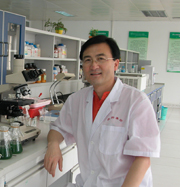 Yanmin Wu (吴燕民)合作论文数Biotechnology Research Institute, Chinese Academy of Agriculture Sciences5
 Meiliang Zhou (周美亮)合作论文数Institute of Crop Science, Chinese Academy of Agricultural Sciences5Junyu Luo (雒珺瑜)合作论文数5
 Fengmao Chen (陈凤毛)合作论文数College of Forestry, Nanjing Forestry University5Zheng Tong (仝征)合作论文数China Agricultural University5
 Haiyang Wang (王海洋)合作论文数College of Life Sciences, South China Agricultural University;State Key Laboratory for Conservation and Utilization of Subtropical Agro-Bioresources, South China Agricultural University5




