OBJECTIVES:Acute and chronic sleep loss and circadian timing interact such that, depending on their combination, small or very large performance decrements are observed in tasks of attention. Here, we tested whether such nonlinear interactions extend to a physiological measure of spontaneous visual attentional failures, indicating a fundamental principle of sleep-wake regulation. METHODS:Nine healthy volunteers completed an in-laboratory 3-week forced desynchrony protocol consisting of 12 consecutive 42.85-hour cycles with a sleep-wake ratio of 1:3.3. The protocol induced increasing chronic sleep loss, while extended wake (32.85 hours) and sleep episodes (10 hours) occurred at multiple circadian phases. Attentional failure rate was quantified from continuous electrooculograms (number of 30-second epochs with slow eye movements/h of wakefulness) as a function of time since scheduled wake (acute sleep loss), week of study (chronic sleep loss), and circadian (melatonin) phase. RESULTS:During the first ∼8 hours awake, attentional failure rate was low, irrespective of the week. During the following wake hours, attentional failure rate increased steadily but at a faster rate in weeks 2 and 3 compared to week 1. The effects of acute and chronic sleep loss on attentional failure rate were magnified during the biological night compared to the biological day. CONCLUSIONS:A single extended sleep episode can only temporarily reverse attentional impairment associated with chronic sleep loss. Multiplicative effects of acute and chronic sleep loss-further amplified during the biological night-substantiate the interaction of 2 homeostatic response mechanisms and caution against underestimating their disproportionate combined impact on performance, health, and safety.
The PERIOD2 (PER2) gene is a core molecular component of the circadian clock and plays an important role in the generation and maintenance of daily rhythms. Rs35333999, a missense variant of PER2 common in European populations, has been shown to associate with later chronotype. Chronotype relates to the timing of biological and behavioral activities, including when we sleep, eat, and exercise, and later chronotype is associated with longer intrinsic circadian period (cycle length), a fundamental property of the circadian system. Thus, we tested whether this PER2 variant was associated with circadian period and found significant associations with longer intrinsic circadian period as measured under forced desynchrony protocols, the ‘gold standard’ for intrinsic circadian period assessment. Minor allele (T) carriers exhibited significantly longer circadian periods when determinations were based on either core body temperature or plasma melatonin measurements, as compared to non-carriers (by 12 and 11 min, respectively; accounting for ~7% of inter-individual variance). These findings provide a possible underlying biological mechanism for inter-individual differences in chronotype, and support the central role of PER2 in the human circadian timing system.
STUDY OBJECTIVES Sleep inertia, subjectively experienced as grogginess felt upon awakening, causes cognitive performance impairments that can require up to 1.5 hr to dissipate. It is unknown, however, how chronic sleep restriction (CSR) influences the magnitude and duration of sleep inertia-related performance deficits. METHODS Twenty-six healthy participants were enrolled in one of two in-laboratory sleep restriction protocols (one 32 day randomized control and one 38 day protocol) that separated the influence of sleep and circadian effects on performance using different "day"-lengths (20 and 42.85 hr day-lengths, respectively). The sleep opportunity per 24 hr day was the equivalent of 5.6 hr for each CSR condition and 8 hr for the Control condition. Participant's performance and subjective sleepiness were assessed within ~2 min after electroencephalogram-verified awakening and every 10 min thereafter for 70 min to evaluate performance and subjective sleepiness during sleep inertia. RESULTS Performance within 2 min of awakening was ~10% worse in CSR conditions compared with Control and remained impaired across the dissipation of sleep inertia in the CSR conditions when compared with Control. These impairments in performance during sleep inertia occurred after only chronic exposure to sleep restriction and were even worse after awakenings during the biological nighttime. Interestingly, despite differences in objective performance, there were no significant differences between groups in subjective levels of sleepiness during sleep inertia. CONCLUSIONS CSR worsens sleep inertia, especially for awakenings during the biological night. These findings are important for individuals needing to perform tasks quickly upon awakening, particularly those who obtain less than 6 hr of sleep on a nightly basis. CLINICAL TRIAL The study "Sleep Duration Required to Restore Performance During Chronic Sleep Restriction" was registered as a clinical trial (#NCT01581125) at clinicaltrials.gov (https://clinicaltrials.gov/ct2/show/NCT01581125?term=NCT01581125.&rank=1).
Sleep restriction causes impaired cognitive performance that can result in adverse consequences in many occupational settings. Individuals may rely on self-perceived alertness to decide if they are able to adequately perform a task. It is therefore important to determine the relationship between an individual's self-assessed alertness and their objective performance, and how this relationship depends on circadian phase, hours since awakening, and cumulative lost hours of sleep. Healthy young adults (aged 18-34) completed an inpatient schedule that included forced desynchrony of sleep/wake and circadian rhythms with twelve 42.85-hour "days" and either a 1:2 (n = 8) or 1:3.3 (n = 9) ratio of sleep-opportunity:enforced-wakefulness. We investigated whether subjective alertness (visual analog scale), circadian phase (melatonin), hours since awakening, and cumulative sleep loss could predict objective performance on the Psychomotor Vigilance Task (PVT), an Addition/Calculation Test (ADD) and the Digit Symbol Substitution Test (DSST). Mathematical models that allowed nonlinear interactions between explanatory variables were evaluated using the Akaike Information Criterion (AIC). Subjective alertness was the single best predictor of PVT, ADD, and DSST performance. Subjective alertness alone, however, was not an accurate predictor of PVT performance. The best AIC scores for PVT and DSST were achieved when all explanatory variables were included in the model. The best AIC score for ADD was achieved with circadian phase and subjective alertness variables. We conclude that subjective alertness alone is a weak predictor of objective vigilant or cognitive performance. Predictions can, however, be improved by knowing an individual's circadian phase, current wake duration, and cumulative sleep loss.
CONTEXT Loss of prokineticin 2 (PROK2) signaling in mice disrupts circadian rhythms, but the role of PROK2 signaling in the regulation of circadian rhythms in humans is undetermined. OBJECTIVE The aim of the study was to examine the circadian rhythms of humans with a complete loss-of-function PROK2 mutation using an inpatient constant routine (CR) protocol. DESIGN AND SETTING We conducted a case study in an academic medical center. SUBJECTS AND METHODS Two siblings (one male and one female, ages 67 and 62 y, respectively) with isolated GnRH deficiency (IGD) due to a biallelic loss-of-function PROK2 mutation were studied using an inpatient CR protocol. Historical data from inpatient CR protocols conducted in healthy controls (ages 65-81 y) were used for comparison. MAIN OUTCOME MEASURES We measured circadian phase markers (melatonin, cortisol, and core body temperature) and neurobehavioral performance (psychomotor vigilance task [PVT] and subjective alertness scale). RESULTS Circadian waveforms of melatonin and cortisol did not differ between the IGD participants with PROK2 mutation and controls. In both IGD participants, neurobehavioral testing with PVT showed disproportionate worsening of PVT lapses and median reaction time in the second half of the CR. CONCLUSIONS Humans with loss of PROK2 signaling lack abnormalities in circadian phase markers, indicating intact central circadian pacemaker activity in these patients. These results suggest that PROK2 signaling in humans is not required for central circadian pacemaker function. However, impaired PVT in the PROK2-null participants despite preserved endocrine rhythms suggests that PROK2 may transmit circadian timing information to some neurobehavioral neural networks.
There is currently no "gold standard" marker of cognitive performance impairment resulting from sleep loss. We utilized pattern recognition algorithms to determine which features of data collected under controlled laboratory conditions could most reliably identify cognitive performance impairment in response to sleep loss using data from only one testing session, such as would occur in the "real world" or field conditions. A training set for testing the pattern recognition algorithms was developed using objective Psychomotor Vigilance Task (PVT) and subjective Karolinska Sleepiness Scale (KSS) data collected from laboratory studies during which subjects were sleep deprived for 26-52 h. The algorithm was then tested in data from both laboratory and field experiments. The pattern recognition algorithm was able to identify performance impairment with a single testing session in individuals studied under laboratory conditions using PVT, KSS, length of time awake and time of day information with sensitivity and specificity as high as 82%. When this algorithm was tested on data collected under real-world conditions from individuals whose data were not in the training set, accuracy of predictions for individuals categorized with low performance impairment were as high as 98%. Predictions for medium and severe performance impairment were less accurate. We conclude that pattern recognition algorithms may be a promising method for identifying performance impairment in individuals using only current information about the individual's behavior. Single testing features (e.g., number of PVT lapses) with high correlation with performance impairment in the laboratory setting may not be the best indicators of performance impairment under real-world conditions. Pattern recognition algorithms should be further tested for their ability to be used in conjunction with other assessments of sleepiness in real-world conditions to quantify performance impairment in response to sleep loss. (C) 2012 Elsevier Ltd. All rights reserved.
Repetitive transcranial magnetic stimulation (rTMS) is a treatment option for patients with treatment-resistant depression. By noninvasively targeting excitability in specific functional neuronal circuits, rTMS treatment represents an increasingly accessible approach toward affecting brain functioning with limited adverse effects. By making use of targeted applications of Ampere's and Farraday's laws of physics, rTMS is thought to affect neuronal circuitry in multiple ways, including affecting cerebral blood flow, cortical excitability, neuroendocrine functioning and hemispheric balance. While the noninvasive use of this technology can potentially be applied to any number of brain areas for exploration or modulation, its utility and effectiveness is best demonstrated thus far in the treatment of treatment-resistant depression. The future use of this treatment option will depend upon further technological and logistical advances that can help to clarify effective use, cost effectiveness, access to treatment and patient selection.
When learned in quick succession, declarative and motor skill tasks interfere with one another and subsequent recall is impaired. Depending on the order of the tasks, we were able to prevent memory interference in humans by applying transcranial magnetic stimulation to either the dorsolateral prefrontal or the primary motor cortex, and neither memory was impaired. Our observations suggest that distinct mechanisms support the communication between different types of memory processing.
Sleep loss leads to profound performance decrements. Yet many individuals believe they adapt to chronic sleep loss or that recovery requires only a single extended sleep episode. To evaluate this, we designed a protocol whereby the durations of sleep and wake episodes were increased to 10 and 32.85 hours, respectively, to yield a reduced sleep-to-wake ratio of 1:3.3. These sleep and wake episodes were distributed across all circadian phases, enabling measurement of the effects of acute and chronic sleep loss at different times of the circadian day and night. Despite recurrent acute and substantial chronic sleep loss, 10-hour sleep opportunities consistently restored vigilance task performance during the first several hours of wakefulness. However, chronic sleep loss markedly increased the rate of deterioration in performance across wakefulness, particularly during the circadian "night." Thus, extended wake during the circadian night reveals the cumulative detrimental effects of chronic sleep loss on performance, with potential adverse health and safety consequences.
STUDY OBJECTIVES:Planned naps can improve performance when the habitual or nocturnal sleep schedule is disrupted. It may be difficult, however, to achieve sleep during a nap, particularly during the circadian peak in alertness in the early evening. Prior studies with the melatonin agonist, ramelteon, reported that this hypnotic does not impair neurobehavioral performance. We tested whether ramelteon could improve nap efficiency in the early evening and subsequent performance during a simulated 8-h night shift. METHODS:10 healthy volunteers aged 19-31 years participated in an inpatient randomized, double-blind, placebo-controlled crossover study. Ramelteon 8 mg or placebo was administered 30 min prior to a 2-h nap opportunity commencing 13 h after each individual's habitual morning wake time. RESULTS:Ramelteon did not significantly affect sleep efficiency during the nap prior to the night shift. Following the nap, ramelteon was associated with significantly worse neurobehavioral performance on assessments immediately following the nap and during the simulated night shift. CONCLUSIONS:Although ramelteon did not significantly affect sleep during the nap, it was associated with significant impairments in neurobehavioral performance for up to 12 h after administration. High homeostatic sleep pressure combined with the circadian performance nadir may increase the vulnerability to hypnotic-induced neurobehavioral impairments. The findings do not support the use of ramelteon prior to an evening prophylactic nap, as there may be residual effects that last for several hours. Furthermore, this study highlights the pitfalls of applying side-effect profiles obtained in one context to another.
Sleepiness impairs many aspects of performance, but little is known about the effects on visual attention. While typical vigilance tasks require the detection of discrete signals, many important visual behaviors are continuous and cognitive in nature. We measured continuous visual attention using the extended multiple object tracking task (xMOT, Wolfe, Place, & Horowitz, 2007, Psychonomic Bulletin & Review). Eight identical disks moved on independent random non-overlapping trajectories. Participants tracked a subset of four target disks continuously for 7 minutes. At exponentially-distributed intervals (mean = 3 s), participants indicated whether or not a randomly selected probe disk was a target. Sleepiness can arise from extended time awake, adverse circadian phase, or sleep restriction. We analyzed accuracy data from six healthy participants during the forced desynchrony (FD) segment of a 38-day inpatient protocol. The FD procedure allows independent analysis of the effects of time awake and circadian phase. During FD, participants were awake for 32.9 hours and asleep for 10.0 hours for 12 cycles (21 calendar days). This wake:sleep ratio, equivalent to 5.6 hours sleep per 24 hours, produces chronic sleep restriction. The xMOT was administered every 2 h while participants were awake. Results: 1) Accuracy was significantly modulated by circadian phase (based on data from four participants), with a minimum near the melatonin peak (23.7% decrease in accuracy at the middle of the subjective night); 2) Accuracy was constant over the first 10–12 hours of the waking day, then decreased with increasing time awake (18.1% decline); 3) Finally, chronic sleep restriction significantly reduced participants' ability to focus on the tracking task: accuracy declined by 15% over the course of the FD segment. Schedules that do not allow for adequate sleep at the appropriate time impair the ability to sustain attention to visual stimuli. The xMOT method can quantify that impairment.
Objective: Previous work has demonstrated that corticospinal facilitation from 20 Hz repetitive transcranial magnetic stimulation (rTMS) was greater during a second rTMS session 24 h after the first. We sought to determine whether such metaplasticity is dependent on a particular phase of the normal sleep-wake/circadian cycle.Methods: Twenty healthy participants received two sessions of 20 Hz rTMS over the hand motor cortex (M1) spaced 12 h apart, either over-day or overnight.Results: Baseline corticospinal excitability did not differ by group or session. The time-of-day of Session 1 did not influence the relative increase in excitability following rTMS. However, the increase in excitability from the second rTMS session was 2-fold greater in the overnight group.Conclusions: When a night with sleep follows rTMS to M1, the capacity to induce subsequent plasticity in M1 is enhanced, suggesting sleep-wake and/or circadian-dependent modulation of processes of metaplasticity.Significance: TMS treatment of neuropsychiatric disorders entails repeated sessions of rTMS. Our findings suggest that the timing of sessions relative to the sleep-wake/circadian cycle may be a critical factor in the cumulative effect of treatment. Future studies using this paradigm may provide mechanistic insights into human metaplasticity, leading to refined strategies to enhance non-invasive stimulation therapies. (C) 2010 International Federation of Clinical Neurophysiology. Published by Elsevier Ireland Ltd. All rights reserved.
Endogenous melatonin is thought to be involved in the circadian regulation of sleep-wakefulness. In humans, appropriately timed administration of melatonin phase shifts endogenous circadian rhythms and sleep propensity. Melatonin administration also promotes sleep, particularly during the biologic day when endogenous levels of the hormone and sleep propensity are low. Melatonin appears to be safe in short-term use. Melatonin agonists are being developed as potential treatments for primary insomnia, circadian rhythm sleep disorders, and, at least in one case, major depression. In view of the possible role of melatonin receptors in physiologic processes other than sleep-wakefulness, the clinical utility of melatonin and melatonin agonists may extend well beyond the realms of sleep and circadian rhythm disorders.
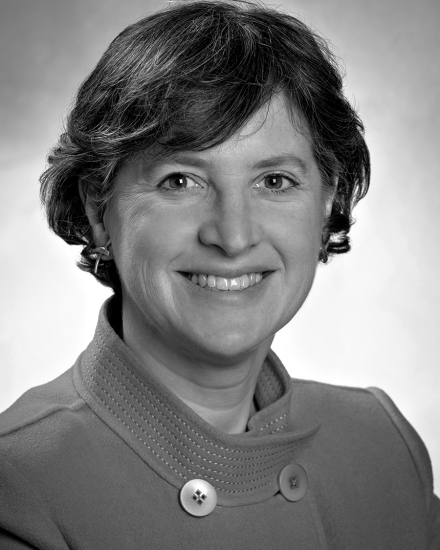 Elizabeth B Klerman合作论文数Dept. of Medicine, Brigham & Women's Hospital13
 Charles A. Czeisler合作论文数Division of Sleep Medicine, Harvard Medical School;Division of Sleep and Circadian Disorders, Departments of Medicine and Neurology, Brigham and Women's Hospital10
 Edwin M. Robertson合作论文数6
 Wei Wang合作论文数Division of Sleep Medicine, Harvard Medical School;Department of Medicine, Harvard Medical School;Division of Sleep and Circadian Disorders, Departments of Medicine and Neurology, Brigham and Women's Hospital4
 Alvaro Pascual-Leone合作论文数Berenson-Allen Center for Noninvasive Brain Stimulation, Beth Israel Deaconess Medical Center;Harvard Medical School;Harvard-Thorndike Clinical Research Center4
 James K. Wyatt合作论文数Sleep Disorders Service and Research Center, Rush University Medical Center4Daniel Aeschbach合作论文数3
 Shanthakumar Wilson Rajaratnam合作论文数Turner Institute for Brain and Mental Health, School of Psychological Sciences, Monash University3
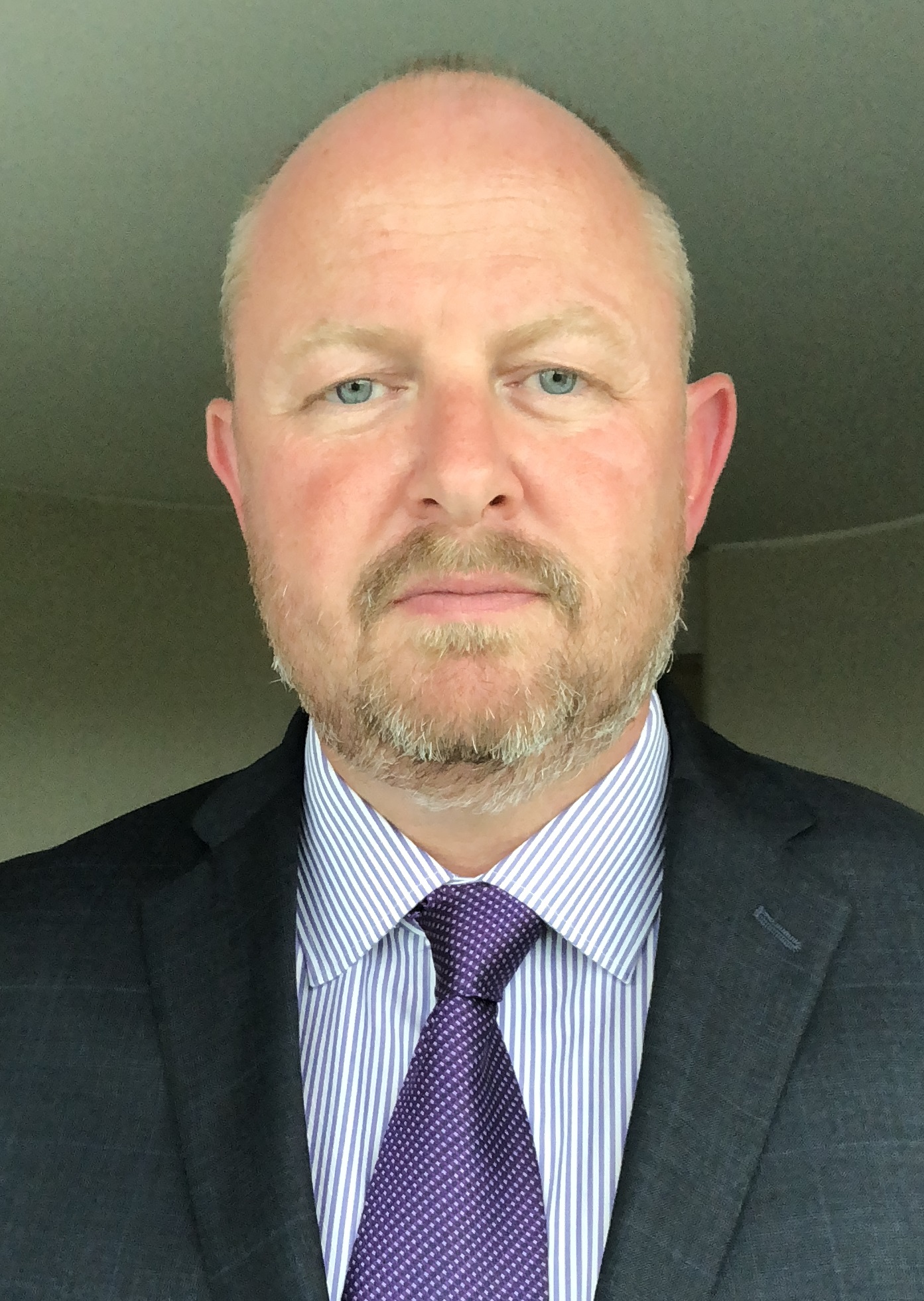 Steven W. Lockley合作论文数Department of Medicine, Brigham and Women's Hospital, Harvard Medical School3Lisa Iguchi合作论文数2
 Ramos-Estebanez Ciro合作论文数Cleveland2Daniel Z. Press合作论文数Beth Israel Deaconess Medical Center2
 Clare Anderson合作论文数Turner Institute for Brain and Mental Health, School of Psychological Sciences, Monash University2
 Melissa A. St. Hilaire合作论文数2
 Claude Gronfier合作论文数Division of Sleep Medicine;Brigham and Women ' s Hospital;Medical School, Harvard;Brigham and Women ' s Hospital, Harvard Medical School2S. A. Beckett合作论文数1Brandon J Lockyer合作论文数1Melanie Rueger合作论文数1
 Samuel E Jones合作论文数Univ Exeter, Med Sch, Genet Complex Traits, Exeter, Devon, England1Ravikumar Balasubramanian合作论文数Reproductive Endocrine Unit, Massachusetts General Hospital1
 Karine Scheuermaier合作论文数Wits Sleep Lab, Univ Witwatersrand1
 Martin Rutter合作论文数Division of Diabetes, Endocrinology & Gastroenterology, School of Medical Sciences, The University of Manchester1
 Derk-Jan Dijk合作论文数Surrey Sleep Research Centre, University of Surrey;Faculty of Health and Medical Sciences, University of Surrey;School of Biosciences, University of Surrey1
 Joshua J Gooley合作论文数Neuroscience and Behavioral Disorders, Duke-NUS Medical School1Santhi Nayantara合作论文数Surrey Sleep Res Ctr, Univ Surrey1
 Lindsay Oberman合作论文数1Jason P Sullivan合作论文数1
 Orfeu M Buxton合作论文数Penn State Univ, University Pk1
 Andrew J. K. Phillips合作论文数Brigham and Women's Hospital and Division of Sleep Medicine, Harvard Medical School1Wang Wei合作论文数1
 Andrew W. McHill合作论文数Sleep and Chronobiology Laboratory, University of Colorado Boulder1Eldaief Mark C合作论文数Dept Neurol, Harvard Med Sch1Van Reen Eliza合作论文数1
 Jacqueline Lane合作论文数1
 Felipe Fregni合作论文数Department of Epidemiology, Harvard T.H. Chan School of Public Health, Harvard University;Spaulding Research Institute, Spaulding Rehabilitation Hospital;Harvard Medical School1
 Michael Weedon合作论文数NIHR Exeter Biomedical Research Centre, University of Exeter;Medical School, University of Exeter1
 Stern Adam Philip合作论文数Beth Israel Deaconess Medical Center, Harvard Medical School1
 Steven David Freedman合作论文数Gastroenterology, Beth Israel Deaconess Medical Center;Department Medicine, Harvard Medical School1
 Bjonnes Andrew合作论文数1
 Timothy Frayling合作论文数Department of Genetic Medicine and Development, Faculty of Medicine, University of Geneva1
 Makoto Uchiyama合作论文数1
 Jeremy M. Wolfe合作论文数Visual Attention Lab, Department of Surgery, Harvard Medical School;Department of Ophthalmology, Harvard Medical School;Brigham and Women's Hospital1
 Joseph T Hull合作论文数1
 Sarah Chellappa合作论文数Faculty of Environmental and Life Sciences, University of Southampton1Richard E. Kronauer合作论文数1
 Richa Saxena合作论文数Program in Medical and Population Genetics, The Broad Institute of Harvard and MIT1
 Todd S Horowitz合作论文数Brigham and Women ' s Hospital;Medical School, Harvard;Brigham and Women ' s Hospital, Harvard Medical School1Katsuyuki Machii合作论文数1Catarina Freitas合作论文数Beth Israel Deaconess Medical Center, Harvard Medical School1




