Molecular glues promote protein-protein interactions by enhancing the surface complementarity between proteins. Those that recruit an E3 ubiquitin ligase to a target can elicit ubiquitination and subsequent destruction of the target protein-a mechanism that underpins the field of targeted protein degradation (TPD). Here we explored whether small-molecule binders to the CTLH E3 ligase subunit GID4 could act as molecular glues. We discovered that CLEO4-88 functions as a molecular glue (EC50 = 12.5 nM) to promote the interaction of GID4 with the peroxisomal thiolase ACAA1 in vitro and in cellulo. An atomic structure of the ternary complex revealed an allosteric mechanism whereby CLEO4-88 binds solely to GID4 and induces a conformational change conducive to binding ACAA1. Biochemical analysis demonstrated that, while ACAA1 cannot be recruited by GID4 to a CTLH holoenzyme for ubiquitination, ternary complex formation inhibits ACAA1 thiolase activity, thus demonstrating potential utility beyond TPD.
Human DNA polymerase θ (Polθ) is essential for microhomology-mediated end-joining (MMEJ) and represents a therapeutic vulnerability in homologous recombination (HR)-deficient cancers. Although reversible inhibitors of Polθ have advanced into clinical development, covalent chemical probes remain unexplored. Analysis of a previously described structure of the reversible inhibitor compound 37 bound to Polθ identified Cys2411 as an accessible residue 7.4 Å adjacent to the inhibitor binding site. Guided by X-ray crystallographic studies, we designed compound 29 to reduce the separating distance between inhibitor and Cys2411 to 4.7 Å and then synthesized RP-4029 by incorporating a vinyl sulfone electrophile. Functional studies revealed efficient covalent linkage to Cys2411 (K inact = 11.6 s-1), while a high-resolution (2.0 Å) cocrystal structure validated the design strategy. These findings establish Cys2411 as a privileged site for covalent inhibitor development and provide a highly potent, selective chemical probe useful for investigating Polθ biology.
Cells undergoing division mount a unique response to DNA damage that ensures accurate chromosome segregation. The CIP2A-TOPBP1 complex has emerged as an important mitotic genome maintenance factor, but its function remains unclear. Here, we report that DDIAS is a DNA-binding effector of the CIP2A pathway in human cells. DDIAS physically interacts with TOPBP1, and its inactivation causes synthetic lethality with BRCA1 and BRCA2 deficiency. Homologous recombination (HR)-deficient tumors upregulate DDIAS to enable HR-deficient cells to tolerate their genomic instability. Mechanistically, DDIAS is a single-stranded DNA (ssDNA)-binding protein that promotes the repair of ssDNA carried from interphase into mitosis. Mitotic ssDNA in HR-deficient cells is exacerbated by poly(ADP-ribose) polymerase (PARP) inhibition, and DDIAS-dependent suppression of these lesions involves mitotic DNA synthesis, which promotes accurate chromosome segregation and survival. We propose that DDIAS defines a mitotic DNA repair system downstream of CIP2A that mitigates the threat of mitotic ssDNA for genome integrity.
Synthetic lethality (SL) provides a treatment paradigm for targeting cancer with alterations in driver genes that are not conventionally druggable, including loss-of-function (LoF) mutations in tumor suppressor genes and gain-of-function (GoF) alterations in oncogenes. We undertook a series of genome-wide CRISPR screens using functionally validated isogenic cell lines and also conducted a large-scale SL analysis using data from the cancer dependency map (DepMap). We charted SL interactions across 15 genetic alterations characteristic of diseases with high incidence and unmet clinical need: FBXW7, CCNE1, CDK12, ARID1A, KMT2D, DNMT3A, TET2, KEAP1, STK11, IDH1, SF3B1, SRSF2, U2AF1, chromosome 18q loss, and chromosome 13q loss. We show validation of several SL interactions between tractable targets with cancer drivers, including ARID1A and the hexosamine biosynthetic pathway aminotransferase GFPT1, STK11 with CAMK protein kinase family members including MARK2, FBXW7 and the CDK1 regulatory kinase PKMYT1, and CCNE1 amplification and the anaphase promoting complex or cyclosome (APC/C). In summary, this study offers a rich resource of genetic interactions across cancer drivers enabling the discovery of new biological insights and drug targets for future therapeutic development. ### Competing Interest Statement All authors were employees of Repare Therapeutics when this data was collected and analyzed. J.D., N.L., A.R., J.L., A.R., C.F., and A.A.Q. are currently employees of DCx Biotherapeutics. J.B. is currently an employee of Servier Pharmaceutics. C.B. is currently an employee of Epitopea. S.J. and L.L. are currently employees of Leapfrog Bio. T.G.R., M. Zimmermann, and J.T.F.Y. are currently employees of AstraZeneca. A.L. is currently an employee of DropGenie. J.H.L. is currently an employee of Zymeworks Inc. M.C.M. is currently an employee of Frontier Discovery Inc. A.V. is currently an employee of Bayer.
Lysine demethylase 2A (KDM2A) is a key epigenetic regulator and promising target for inhibition since its loss is selectively lethal in cancers reliant on Alternative Lengthening of Telomeres (ALT). Here we investigated the mechanism of compound 183c, a potent KDM2A inhibitor described in the patent literature. Biophysical studies showed that 183c requires the co-factor 2-oxoglutarate (2OG) for binding. A 2.2 Å crystal structure of the KDM2A-183c-2OG ternary complex explained the selectivity of 183c and revealed how 183c occupies the H3K36me2 substrate pocket, with a crucial group mimicking dimethylated lysine 36. In proliferation assays, several ALT-positive cell lines were selectively sensitive to 183c. Comparing ALT-positive SAOS2 and ALT-negative SJSA1 cells, both showed repression of E2F-regulated genes, but only SJSA1 activated EMT, DNA repair, and mTOR pathways, indicating distinct adaptive responses. These structural and cellular insights establish a foundation for designing improved KDM2A inhibitors for ALT-positive cancers.
Abstract Background: Nucleotide excision repair-deficient (NER-D) cancers comprise approximately 10% of bladder urinary tract and uterine cancers. Platinum-based chemotherapy is the current standard of care for NER-D cancers; however, its nephrotoxicity limits applicability in patients with compromised renal function. No druggable targets have been identified for NER-D tumors. Genome-wide CRISPR screening offers a powerful strategy to identify synthetic lethal interactions. We performed a genome-wide screen to identify potential synthetic lethal targets in NER-deficient cells. Methods: An RT112/84 ERCC4 knockout (ERCC4-/-) cell line was generated. ERCC4 status was examined by Sanger sequencing and Western blotting, and nucleotide excision repair activity was assessed using the Host Cell Reactivation Assay (HCRA). A genome-wide CRISPR screen was performed in RT112/84 wild-type (WT) and ERCC4-/- cells to identify candidate synthetic lethal targets. Colony formation assays validated candidate interactions, and SLC25A28 was further tested for synthetic lethality with ERCC2, ERCC3, and ERCC5. RNA sequencing was conducted to investigate the mechanism underlying SLC25A28-ERCC4 synthetic lethality. Results: Sanger sequencing and Western blot confirmed ERCC4 knockout in RT112/84 cells. HCRA demonstrated markedly reduced NER activity in ERCC4-/- cells. Genome-wide CRISPR screening identified SLC25A28 as a top synthetic lethal candidate with ERCC4. Colony assays validated the synthetic lethality between SLC25A28 and ERCC2, ERCC3, ERCC4 and ERCC5. Conclusions: Our findings identify SLC25A28 as a novel synthetic lethal target in NER-deficient cancers, suggesting that inhibition of SLC25A28 may represent a potential therapeutic strategy for tumors harboring NER pathway mutations. This study was supported by STTR 1 R41 CA275627-01, the Niehaus Center for Inherited Cancer Genomics, and the Breast Cancer Research Foundation. Citation Format: Nan Yang, Vijai Joseph, Lisa Hoeg, Xuechun Bai, Sizhi Gao, Ouathek Ouerfelli, David B. Solit, Jian Carrot-Zhang, Gopa Iyer, Daniel Durocher, Kent W. Mouw, Kenneth Offit, Steven M. Lipkin. SLC25A28 is a synthetic lethal target in nucleotide excision repair-deficient cancer [abstract]. In: Proceedings of the American Association for Cancer Research Annual Meeting 2026; Part 1 (Regular Abstracts); 2026 Apr 17-22; San Diego, CA. Philadelphia (PA): AACR; Cancer Res 2026;86(7 Suppl):Abstract nr 3093.
Chemical inducers of proximity (CIPs) can elicit durable-and often neomorphic-biological effects through the formation of a ternary complex, even at low equilibrium occupancy of their targets. This "event-driven" pharmacology is exemplified by CIPs that promote targeted protein degradation, but other applications remain underexplored. We developed a generalizable strategy to discover event-driven CIPs by tracking the cellular effects of heterobifunctional small molecules alongside quantitative measures of intracellular target engagement. Using this approach, we discovered PCIP-1, which inhibits DNA repair by recruiting BET proteins to PARP2. Unlike conventional PARP inhibitors, PCIP-1 activity is observed at low equilibrium occupancy of PARP1/2 and without inhibition of PARP-catalyzed PARylation, yet it retains synthetic lethality in cancer cells with homologous recombination deficiencies. PARP1 knockout, which confers resistance to conventional PARP drugs, increases sensitivity to PCIP-1, offering a potential new mechanism to overcome clinical resistance. Through these studies, we demonstrate that DNA repair can be rewired by CIPs and introduce a new form of event-driven pharmacology.
Incomplete DNA replication and chromosome breakage during mitosis pose major threats to chromosome segregation. The CIP2A-TOPBP1 complex acts to mitigate this peril, but its exact role is not yet understood. Here, we report that DDIAS acts as a DNA-binding effector of the CIP2A-TOPBP1 complex. DDIAS directly interacts with TOPBP1 and the disruption of this interaction or inactivation of its single-stranded DNA (ssDNA)-binding ability impairs genome integrity and causes synthetic lethality with BRCA1 and BRCA2 deficiency. DDIAS does not promote the putative end-tethering function of CIP2A-TOPBP1 but rather acts to suppress ssDNA during mitosis. This role is emphasized by a pronounced genetic interaction between the genes coding for DDIAS and DNA polymerase (. We conclude that DDIAS defines a mitotic DNA damage response that mitigates the threat of mitotic ssDNA arising from DNA replication stress, which we infer is a liability to accurate chromosome segregation. (144 words). ### Competing Interest Statement D.D. and F.S. are shareholders and advisors for Repare Therapeutics and Induxion Therapeutics. Canadian Institutes of Health Research, PJT 180438
The WEE1 kinase negatively regulates CDK1/2 to control DNA replication and mitotic entry. Genetic factors that determine sensitivity to WEE1 inhibitors (WEE1i) are largely unknown. A genome-wide insertional mutagenesis screen revealed that mutation of EIF2A, a translation regulator, sensitized to WEE1i. Additionally, a genome-wide CRISPR-Cas9 screen revealed that inactivation of integrated stress response (ISR) kinase GCN2 or its co-factor GCN1 rescued WEE1i-mediated cytotoxicity. Conversely, loss of the collided ribosome sensor ZNF598 increased sensitivity to WEE1i. Mechanistically, WEE1i induced paradoxical GCN2 activation, ATF4 upregulation, and altered ribosome dynamics. ISR activation was independent of WEE1 presence, pointing at off-target GCN2 engagement by multiple chemically distinct WEE1i. ISR activation was observed in cancer cells as well as non-transformed cells, and required GCN1 and ongoing translation. Consequently, WEE1i induce multiple independent cellular effects: DNA damage, premature mitotic entry and sensitization to DNA-damaging chemotherapeutics in an ISR-independent fashion, as well as ISR activation independently of CDK1/2 activation. Importantly, low-dose WEE1 inhibition did not induce ISR activation, while it still synergized with PKMYT1 inhibition. Taken together, WEE1i trigger toxic ISR activation and translational shutdown, which can be prevented by low-dose or combination treatments, while retaining the cell cycle checkpoint-perturbing effects.
Synthetic lethality is a genetic phenomenon whereby the simultaneous presence of two different genetic alterations impairs cellular viability. Importantly, targeting synthetic lethal interactions offers potential therapeutic strategies for cancers with alterations in pathways that might otherwise be considered undruggable. High-throughput screening methods based on modern CRISPR–Cas9 technologies have emerged and become crucial for identifying novel synthetic lethal interactions with the potential for translation into biologically rational cancer therapeutic strategies as well as associated predictive biomarkers of response capable of guiding patient selection. Spurred by the clinical success of PARP inhibitors in patients with BRCA-mutant cancers, novel agents targeting multiple synthetic lethal interactions within DNA damage response pathways are in clinical development, and rational strategies targeting synthetic lethal interactions spanning alterations in epigenetic, metabolic and proliferative pathways have also emerged and are in late preclinical and/or early clinical testing. In this Review, we provide a comprehensive overview of established and emerging technologies for synthetic lethal drug discovery and development and discuss promising therapeutic strategies targeting such interactions. The experience with PARP inhibitors provides evidence of the clinical utility of synthetic lethality, whereby the simultaneous presence of two specific alterations is required for antitumour activity. In this Review, the authors describe attempts to identify novel synthetic lethal interactions, including the role of emerging technologies in identifying new synthetic lethal relationships as well as novel agents that are currently being tested in clinical trials that might extend the clinical relevance of synthetic lethality beyond PARP inhibitors.
DNA replication stress is a threat to genome integrity. The large SNF2-family of ATPases participates in preventing and mitigating DNA replication stress by employing their ATP-driven motor to remodel DNA or DNA-bound proteins. To understand the contribution of these ATPases in genome maintenance, we undertook CRISPR-based synthetic lethality screens in human cells with three SNF2-type ATPases: SMARCAL1, ZRANB3, and HLTF. Here, we show that SMARCAL1 displays a profound synthetic-lethal interaction with FANCM, another ATP-dependent translocase involved in DNA replication and genome stability. Their combined loss causes severe genome instability that we link to chromosome breakage at loci enriched in simple repeats, which are known to challenge replication fork progression. Our findings illuminate a critical genetic buffering mechanism that provides an essential function for maintaining genome integrity.
The orchestration of DNA repair is of fundamental importance to the maintenance of genomic integrity and tumor suppression. DNA damage must be detected in the context of the varied chromatin landscape, its presence must be communicated throughout the cell to alter many ongoing processes, and the machinery that will mend the lesion must be recruited to the damage site. In my presentation, I will discuss our recent efforts in mapping genome maintenance pathways using genome-scale CRISPR/Cas9 screens in human cells. I will highlight how these screens can be used to identify new genome stability factors, characterize drug responses and provide new insights into the genetic architecture of the genome stability network. I will finally present how these screens can also identify potentially actionable synthetic lethal genetic interactions that could form the basis of new oncology drug discovery efforts. Citation Format: Daniel Durocher. Synthetic lethality: Pathways to therapeutic discovery. [abstract]. In: Proceedings of the AACR Special Conference in Cancer Research: Optimizing Therapeutic Efficacy and Tolerability through Cancer Chemistry; 2024 Dec 9-11; Toronto, Ontario, Canada. Philadelphia (PA): AACR; Mol Cancer Ther 2024;23(12_Suppl):Abstract nr IA003
Tumor suppressor p53 (TP53) is frequently mutated in cancer, often resulting not only in loss of its tumor-suppressive function but also acquisition of dominant-negative and even oncogenic gain-of-function traits. While wild-type p53 levels are tightly regulated, mutants are typically stabilized in tumors, which is crucial for their oncogenic properties. Here, we systematically profiled the factors that regulate protein stability of wild-type and mutant p53 using marker-based genome-wide CRISPR screens. Most regulators of wild-type p53 also regulate p53 mutants, except for p53 R337H regulators, which are largely private to this mutant. Mechanistically, FBXO42 emerged as a positive regulator for a subset of p53 mutants, working with CCDC6 to control USP28-mediated mutant p53 stabilization. Additionally, C16orf72/HAPSTR1 negatively regulates both wild-type p53 and all tested mutants. C16orf72/HAPSTR1 is commonly amplified in breast cancer, and its overexpression reduces p53 levels in mouse mammary epithelium leading to accelerated breast cancer. This study offers a network perspective on p53 stability regulation, potentially guiding strategies to reinforce wild-type p53 or target mutant p53 in cancer.
 Frank Sicheri合作论文数Departments of Molecular Genetics, University of Toronto;Departments of Biochemistry, University of Toronto;Lunenfeld-Tanenbaum Research Institute, Mount Sinai Hospital23
 Rachel K Szilard合作论文数Mt Sinai Hosp, Lunenfeld Tanenbaum Res Inst, Toronto, ON, Canada19
 Dheva Setiaputra合作论文数Department of Molecular Biology and Biochemistry, Simon Fraser University17
 Anne-Claude Gingras合作论文数Lunenfeld Tanenbaum Research Institute, Mount Sinai Hospital;Department of Molecular Genetics, University of Toronto16Meagan Munro合作论文数16
 Fradet-Turcotte Amélie合作论文数Mol Virol Lab, Inst Rech Clin Montreal15Sylvie M. Noordermeer合作论文数Mount Sinai Hospital, The Lunenfeld-Tanenbaum Research Institute15Alexandre Orthwein合作论文数14Michal Zimmermann合作论文数14
 Alejandro Alvarez-Quilon合作论文数Mt Sinai Hosp, Lunenfeld Tanenbaum Res Inst, 600 Univ Ave, Toronto, ON M5G 1X5, Canada12Cristina Escribano-Diaz合作论文数12
 Stephanie Panier合作论文数Mount Sinai Hospital, Samuel Lunenfeld Research Institute12
 Jordan Young合作论文数11
 Nathalie Moatti合作论文数Mt Sinai Hosp, Lunenfeld Tanenbaum Res Inst, Toronto, ON, Canada11
 Mona Nemer合作论文数Department of Biochemistry, Microbiology and Immunology, University of Ottawa;Government of Canada11Marella D. Canny合作论文数11
 Jason Moffat合作论文数Department of Molecular Genetics, University of Toronto;The Hospital for Sick Children10
 Steve Jackson合作论文数Cancer Research UK Gurdon Institute, University of Cambridge;Department of Biochemistry, University of Cambrige10Abdallah Al-Hakim合作论文数10Nicole Hustedt合作论文数9
 Salome Adam合作论文数9Zhen-Yuan Lin合作论文数9Nakada Shinichiro合作论文数9
 Mike Tyers合作论文数The Hospital for Sick Children9Henrique Melo合作论文数8Stephen Orlicky合作论文数8Lisa Hoeg合作论文数8
 Laurence Pelletier合作论文数Department of Molecular Genetics, Temerty Faculty of Medicine, University of Toronto;Lunenfeld-Tanenbaum Research Institute, Sinai Health8
 Derek F J Ceccarelli合作论文数Mount Sinai Hospital, Samuel Lunenfeld Research Institute8
 Traver Hart合作论文数Department of Systems Biology, The University of Texas MD Anderson Cancer Center;Graduate School of Biomedical Sciences, The University of Texas MD Anderson Cancer Center8
 Jonathan Gootenberg合作论文数Department of Stem Cell and Regenerative Biology, Harvard Medical School Blavatnik Institute;Beth Israel Deaconess Medical Center;Department of Genetics, Brigham and Women’s Hospital8Sarah Galicia合作论文数8
 Michael Zinda合作论文数8Andrea McEwan合作论文数7Alana Sherker合作论文数7
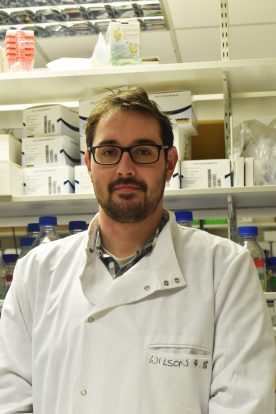 Marcus Wilson合作论文数Wellcome Centre for Cell Biology, The University of Edinburgh;Institute Quantitive Biology Biochemistry and Biotechnology, The University of Edinburgh7Cho Tiffany合作论文数the Department of Pharmacology and Toxicology., From7
 Michael Downey合作论文数Departments of Medical Genetics and Microbiology7Alessandro Datti合作论文数Mount Sinai Hospital, Samuel Lunenfeld Research Institute7Marie-Claude Landry合作论文数7Frédéric D. Sweeney合作论文数6
 Grant W. Brown合作论文数Department of Biochemistry, University of Toronto6
 Sachdev Sidhu合作论文数Anvil Institute, School of Pharmacy, University of Waterloo6
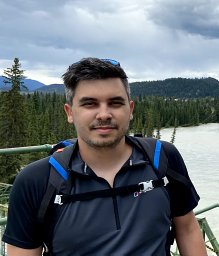 Olivieri Michele合作论文数Centre for Integrative Biology (CIBIO),, University of Trento6
 Natasha Chaudhary合作论文数6David Gallo合作论文数Terrence Donnelly Center for Cellular and Biomolecular Research, University of Toronto6
 Alberto Martin合作论文数Department of Immunology, Temerty Faculty of Medicine, University of Toronto6
 Frederick Roth合作论文数Department of Molecular Genetics, Temerty Faculty of Medicine, University of Toronto;Donnelly Centre for Cellular & Biomolecular Research, Temerty Faculty of Medicine, University of Toronto;Lunenfeld-Tanenbaum Research Institute, Mt. Sinai Hospital;BioSymetrics;Constantiam Biosciences;Ranomics;SeqWell;Center for Cancer Systems Biology, Dana Farber Cancer Institute6Igor Kurinov合作论文数6




