Kampo is a sort of ''Oriental medication'' which alludes to system of medication. The term ''Oriental medication'' refers to frameworks of medication that begin in Oriental has a go at, including Traditional Chinese Medicine (TCM), Korean medicine (Koryo medication), Ayurveda (customary Indian medicine), and Kampo medication, among others. Traditional Chinese Medicine (TCM) was first presented in Japan from China during the fifth and sixth hundreds of years. During this period, numerous unrefined medications and clinical texts were brought to Japan. Until the Muromachi time frame fourteenth century to sixteenth century, conclusion and treatment was performed according to the hypothesis of Traditional Chinese Medicine that was acquainted with Japan, which then accordingly developed freely in Japan.
Our objective was to estimate the prevalence of mortality and serious morbidity for office-based deep sedation and general anesthesia (DS/GA) for dentistry in Ontario from 1996 to 2015. Data were collected retrospectively in 2 phases. Phase I involved the review of incidents, and phase II involved a survey of DS/GA providers. In phase I, cases involving serious injury or death for dentistry under DS/GA, sourced from the Office of the Chief Coroner of Ontario and from the Royal College of Dental Surgeons of Ontario (RCDSO), were reviewed. Phase II involved a survey of all RCDSO-registered providers of DS/GA in which they were asked to estimate the number of DS/GAs administered in 2015 and the number of years in practice since 1996. Clinician data were pooled to establish an overall number of DS/GAs administered in dental offices in Ontario from 1996 to 2015. Prevalence was calculated using phase I (numerator) and phase II (denominator) findings. The estimated prevalence of mortality in the 20-year period from 1996 to 2015 was 3 deaths in 3,742,068 cases, with an adjusted mortality rate of 0.8 deaths per 1 million cases. The estimated prevalence of serious morbidity was 1 injury in 3,742,068 cases, which adjusts to a serious morbidity rate of 0.25 per 1 million cases. The mortality rate found in this study was slightly lower than those published by earlier studies conducted in Ontario. The risk of serious morbidity was found to be low and similar to other studies investigating morbidity in office-based dental anesthesia.
Objective:To investigate Ontario dentists’ perceptions of patient interest in sedation and general anesthesia (GA) during treatment and patient fear and avoidance of dental treatment.Methods:Using the Royal College of Dental Surgeons of Ontario roster, we randomly selected 3001 practising Ontario dentists, from among those who listed an email address, to complete a 16-question survey by mail or online. Demographic information (e.g., gender, size and type of primary practice, and years of experience) was collected as well as dentist reports of patient interest in sedation/GA and level of fear regarding treatment. Analysis included sample t-tests to compare Ontario dentist responses with patient responses to a 2002 national survey.Results:1076 dentists participated (37.9% response rate), comprised of 69.7% males, 84.4% general practitioners, 0.5–42 years of practice (mean 20.6 years), and 40.6% from cities with a population larger than 500,000. Dentists underestimated patients’ interest in sedation/GA, with dentists and patients reporting patients “Not interested” as 66.8% and 43.9%, respectively, and “Interested depending on cost,” 19.8% v. 42.3%. Dentists also underestimated patient interest in sedation/GA for specific dental procedures including scaling, fillings/crowns,root canal therapy and periodontal surgery (p < 0.01). Dentists overestimated patient fear levels (“Somewhat afraid,” 19.9% v. 9.8%; “Very afraid,” 10.6% v. 2.0%; “Terrified,” 6.0% v. 3.5%) and the proportion of patients avoiding dental care (13.3% v. 7.6%).Conclusion:Dentists underestimate patients’ preference for sedation/GA and overestimate their fear and avoidance of dental care. The significant disparities between the views of dentists and patients may affect the availability and provision of sedation and general anesthesia in Ontario dental practices.
Temporomandibular disorder (TMD) is a collective term that includes disorders of the temporomandibular joint (TMJ) and of the masticatory muscles and their associated structures. TMDs are characterized by pain, joint sounds and restricted mandibular movement, and drugs are widely used in the management of that pain. Pharmacological agents commonly used for the treatment of TMDs include non-steroidal anti-inflammatory drugs (NSAIDs), opioids, corticosteroids, muscle relaxants, antidepressants, anticonvulsants and benzodiazepines. In this paper, we discuss these agents and the potential adverse drug reactions and interactions associated with their use. Temporomandibular disorder (TMD) is a collective term used for a number of clinical problems that involve the masticatory muscle complex, the temporomandibular joint (TMJ) and associated structures. TMD is one of the most common disorders in the maxillofacial region. Signs and symptoms of TMD may include pain, impaired jaw function, malocclusion, deviation from the midline on opening or closing the jaw, limited range of motion, joint noises and locking.1 Among other signs and symptoms, headaches and sleep disturbances can appear concomitantly.2 This disorder is most prevalent in people aged 20-40 years.3 Approximately 33% of the population have at least 1 TMD symptom, and 3.6-7.0% of the population have TMD with sufficient severity to seek treatment.3 There is some evidence to suggest that anxiety, stress and other emotional disturbances exacerbate TMD.4 As many as 75% of patients with TMD have a significant psychological abnormality.5 Most TMD symptoms resolve over time, but, for a significant number of patients, this may take a year or more.3 Treatment is directed toward reducing pain and improving function. Many non-invasive therapies, such as self-care, physical therapy and appliance therapy, are commonly used for the treatment of TMD.3 Pharmacological intervention has been used for many years, and the most effective pharmacological agents for the treatment of TMD include analgesics, non-steroidal anti-inflammatory drugs (NSAIDs), opioids, corticosteroids, anxiolytics, muscle relaxants, antidepressants, anticonvulsants and benzodiazepines. However, we found only 1 relevant Cochrane study, which included 11 randomized controlled trials of pharmacotherapy for TMD.6 In this article, we review the pharmacology and research supporting the use of a host of pharmacologic agents that have been prescribed for patients who have TMD. The decision to select any of these agents depends on a full understanding of the drug's risks and benefits.
Pregnancy is accompanied by various physiological and physical changes, including those found in the cardiovascular, respiratory, gastrointestinal, renal and haematological systems. These alterations in the pregnant patient may potentially affect drug pharmacokinetics. Also, pharmacotherapy presents a unique matter due to the potential teratogenic effects of certain drugs. Although medications prescribed by dentists are generally safe during pregnancy, some modifications may be needed. In this article we will discuss the changes in the physiology during pregnancy and its impact on drug therapy. Specific emphasis will be given to the drugs commonly given by dentists, namely, local anaesthetics, analgesics, antibiotics and sedatives.
The objective of this study was to determine the prevalence, severity, and duration of postoperative pain in children undergoing general anesthesia for dentistry. This prospective cross-sectional study included 33 American Society of Anesthesiology (ASA) Class I and II children 4-6 years old requiring multiple dental procedures, including at least 1 extraction, and/or pulpectomy, and/or pulpotomy of the primary dentition. Exclusion criteria were children who were developmentally delayed, cognitively impaired, born prematurely, taking psychotropic medications, or recorded baseline pain or analgesic use. The primary outcome of pain was measured by parents using the validated Faces Pain Scale-Revised (FPS-R) and Parents' Postoperative Pain Measure (PPPM) during the first 72 hours at home. The results showed that moderate-to-severe postoperative pain, defined as FPS-R ≥ 6, was reported in 48.5% of children. The prevalence of moderate-to-severe pain was 29.0% by FPS-R and 40.0% by PPPM at 2 hours after discharge. Pain subsided over 3 days. Postoperative pain scores increased significantly from baseline (P < .001, Wilcoxon matched pairs signed rank test). Moderately good correlation between the 2 pain measures existed 2 and 12 hours from discharge (Spearman rhos correlation coefficients of 0.604 and 0.603, P < .005). In conclusion, children do experience moderate-to-severe pain postoperatively. Although parents successfully used pain scales, they infrequently administered analgesics.
BACKGROUND:Cigarette smoking is considered to be a major risk factor for periodontal disease, and the antimicrobial agent metronidazole is commonly used for treatment of periodontitis. The authors evaluated the effect of cigarette smoking on the bioavailability of metronidazole in plasma and saliva. METHODS:Thirteen smokers and 13 nonsmokers received a single oral dose of 750 milligrams of metronidazole. Study personnel collected blood and saliva samples at baseline and at 0.5, 1, 1.5, 2, 4, 6, 8, 12, 24 and 48 hours after metronidazole administration. The authors quantified plasmatic and salivary metronidazole concentrations by means of high-performance liquid chromatography, and they determined the pharmacokinetic parameters and analyzed them statistically by using the Mann-Whitney test and nonpaired t test (α = 5 percent). RESULTS:The authors detected a significant reduction in plasmatic metronidazole concentrations in smokers at 1 hour, 1.5 hours and 2 hours compared with nonsmokers (P < .05). They also found a significant reduction in the maximum concentration in plasma in smokers as compared with that of nonsmokers (P < .05). The authors observed no statistically significant differences in the salivary concentration or pharmacokinetics between the two groups, however (P > .05). CONCLUSION:Cigarette smoking interfered with the bioavailability of metronidazole in plasma but not in saliva. Practice Implications. The clinical significance of these findings needs to be investigated further to verify the effectiveness of metronidazole in smokers.
The risk for cardiovascular complications while providing any level of sedation or general anesthesia is greatest when caring for patients already medically compromised. It is reassuring that significant untoward events can generally be prevented by careful preoperative assessment, along with attentive intraoperative monitoring and support. Nevertheless, providers must be prepared to manage untoward events should they arise. This continuing education article will review cardiovascular complications and address their appropriate management.
The risk for complications while providing any level of sedation or general anesthesia is greatest when caring for patients having significant medical compromise. It is reassuring that significant untoward events can generally be prevented by careful preoperative assessment, along with attentive intraoperative monitoring and support. Nevertheless, we must be prepared to manage untoward events should they arise. This continuing education article will review respiratory considerations and will be followed by a subsequent article addressing cardiovascular considerations.
and Overview. The limited success rate of the standard inferior alveolar nerve block (IANB) has led to the development of alternative approaches for providing mandibular anesthesia. Two techniques, the Gow-Gates mandibular nerve block and the Akinosi-Vazirani closed-mouth mandibular nerve block, are reliable alternatives to the traditional IANB. The Gow-Gates technique requires the patient's mouth to be open wide, and the dentist aims to administer local anesthetic just anterior to the neck of the condyle in proximity to the mandibular branch of the trigeminal nerve after its exit from the foramen ovale. The Akinosi-Vazirani technique requires the patient's mouth to be closed, and the dentist aims to fill the pterygomandibular space with local anesthetic.Both techniques are indicated for any type of dentistry performed in the mandibular arch, but they are particularly advantageous when the patient has a history of standard IANB failure owing to anatomical variability or accessory innervation.Having the skill to perform these alternative anesthetic techniques increases dentists' ability to provide successful local anesthesia consistently for all procedures in mandibular teeth.
Alterations to normal oral sensory function can occur following restorative and surgical dental procedures. Paresthesia is defined as an abnormal sensation, such as burning, pricking, tickling, or tingling. Paresthesias are one of the more general groupings of nerve disorders known as neuropathies. This article reviews the extent of this oral complication as it relates to dental and surgical procedures, with specific emphasis on paresthesias associated with local anesthesia administration. This review establishes a working definition for paresthesia as it relates to surgical trauma and local anesthesia administration, describes the potential causes for paresthesia in dentistry, assesses the incidence of paresthesias associated with surgery and local anesthesia administration, addresses the strengths and weaknesses in research findings, and presents recommendations for the use of local anesthetics in clinical practice.
BACKGROUND AND OVERVIEW:A medical emergency can occur in any dental office, and managing it successfully requires preparation. The dentist should develop a basic action plan that is understood by all staff members. The goal is to manage the patient's care until he or she recovers fully or until help arrives. The most important aspect of almost all medical emergencies in dentistry is to prevent or correct insufficient oxygenation of the brain or heart. The dentist or a staff member needs to position (P) the patient appropriately. He or she then needs to assess and, if needed, manage the airway (A), breathing (B) and circulation (C). The dentist and staff members then can consider 'D,' which stands for definitive treatment, differential diagnosis, drugs or defibrillation. A team approach should be used, with each staff member trained in basic life support and understanding the role expected of him or her ahead of time. Clear and effective communication is essential during any emergency.CONCLUSIONS:All staff members should understand the basic action plan so that they can put it into effect should any emergency arise in the dental office.CLINICAL IMPLICATIONS:Preparing staff members is integral to the successful management of a medical emergency in the dental office.
Alterations in arterial PaCO₂ can influence local anesthetic toxicity. The objective of this study was to evaluate the effect of stress-induced changes in PaCO₂ and PaO₂ on the seizure threshold of lidocaine and articaine. Lidocaine (2% with 1 : 100,000 epinephrine) or articaine (4% with 1 : 100,000 epinephrine) was administered intravenously under rest or stress conditions to 36 rats separated into 4 groups. Propranolol and prazosin were administered preoperatively to minimize cardiovascular effects of epinephrine. Mean arterial pressure (MAP), heart rate (HR), and arterial pH, PaCO₂, and PaO₂ were measured. Results showed no differences in MAP, HR, or pH. Stress significantly increased the latency period for the first tonic-clonic seizure induced by a toxic dose of both lidocaine and articaine (P < .05). Seizures were brought on more rapidly by articaine. No significant difference between toxic doses of lidocaine and articaine was noted. Stress raised the seizure threshold dose for both drugs and significantly (P < .01) increased arterial PaO₂ from 94.0 ± 1.90 mm Hg to 113.0 ± 2.20 mm Hg, and reduced PaCO₂ from 36.0 ± 0.77 mm Hg to 27.0 ± 0.98 mm Hg. In conclusion, reduction in PaCO₂ and/or increase in PaO₂ raised the seizure threshold of lidocaine and articaine. This study also confirmed that lidocaine and articaine have equipotent central nervous system toxicity.
Introduccion. Varios estudios sugieren que la probabilidad de parestesia depende del anestesico local utilizado. El proposito de este estudio es determinar si el tipo de anestesico local administrado tiene algun efecto sobre la incidencia de parestesia en la practica odontologica de Estados Unidos. Metodos. Los autores recopilaron las notificaciones de parestesia asociadas al uso de anestesia local en odontologia registradas por el sistema de notificacion de efectos adversos de la agencia reguladora FDA (Food and Drug Administration) durante el periodo comprendido entre noviembre de 1997 y agosto de 2008. Durante el periodo de estudio, se notificaron 248 casos de parestesia despues de procedimientos dentales. En el 89,0% de los casos, estaba afectado el nervio lingual. La incidencia asociada al uso de prilocaina al 4% y articaina al 4% fue 7,3 y 3,6 veces mayor de lo esperado, respectivamente (?2, P menor que 0,0001), teniendo en cuenta el uso de los distintos anestesicos locales que hacen los dentistas estadounidenses. Conclusiones. Estos datos sugieren que la parestesia se produce con mayor frecuencia despues del uso de formulaciones de anestesia local al 4%. Estos resultados confirman lo publicado en varios estudios de otros paises. Implicaciones clinicas. Hasta que nuevos estudios indiquen lo contrario, el dentista debera considerar estos resultados cuando valore los riesgos y beneficios de la utilizacion de anestesia local al 4% para el bloqueo mandibular.
We thank Drs. Moore, Hersh and Dower for their letters. We appreciate their interest in our study and welcome the opportunity to respond. In their letter, Drs. Moore and Hersh list two reasons for caution in the interpretation of our data. We completely agree that voluntary reporting systems have the potential to provide incomplete data. As we stated in our Discussion, we attempted to minimize the impact of this potential by analyzing the data for all dental procedures done with and without surgery, known procedures and unknown, as well as for all years studied, repeated for data from the year 2000 onward only. Each time, the results showed that both prilocaine and articaine were reported much more often than any other local anesthetic at a magnitude that was highly significant. Our finding that there was such a marked difference, not just a marginal effect, gave us the basis for our conclusions.
 Susan George合作论文数Department of Pharmacology, Faculty of Medicine, University of Toronto;Toronto General Hospital;Department of Medicine, Faculty of Medicine, University of Toronto;Molecular Pharmacology Laboratory, Neuroscience Department, Centre for Addiction and Mental Health10
 H Grad合作论文数University of Toronto8
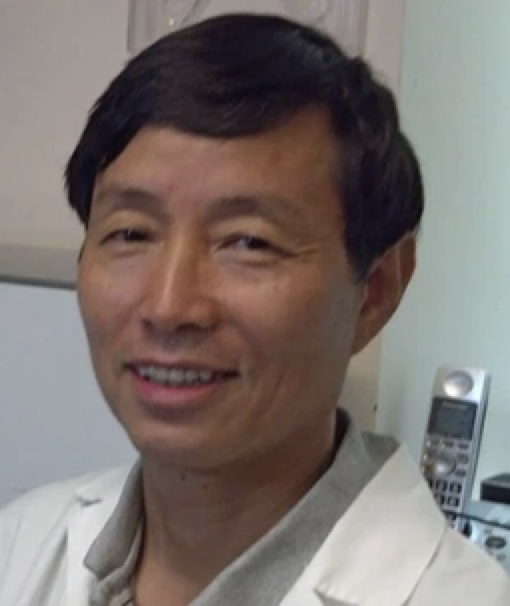 James W. Hu合作论文数Department of Laboratory Medicine & Pathobiology, Temerty Faculty of Medicine, University of Toronto;Laboratory Medicine and Pathobiology, University of Toronto;The Hospital for Sick Children;Graduate Faculty of the Institute of Medical Science, University of Toronto6J A Yagiela合作论文数4D G Harper合作论文数4PA Moore合作论文数3Paul A. Moore合作论文数3Sturtridge W C合作论文数3Locker D合作论文数3Andrew S. Gaffen合作论文数3
 Daniel E. Becker合作论文数Sinclair Community College;Miami Valley Hospital3Tw Gage合作论文数2M A Saso合作论文数2John G. Meechan合作论文数2Michael Silverman合作论文数2
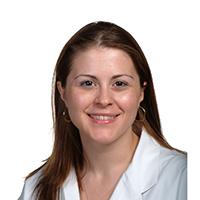 Carilynne Yarascavitch合作论文数Faculty of Dentistry, University of Toronto2
 Aviv Ouanounou合作论文数Faculty of Dentistry, University of Toronto2
 Herenia P. Lawrence合作论文数Faculty of Dentistry, University of Toronto2
 David J. Greenblatt合作论文数Department of Immunology, School of Medicine, Tufts University2Hersh Elliot V合作论文数2Edwards Michael合作论文数2Suljak J P合作论文数2Nkansah P J合作论文数2
 Peter Milgrom合作论文数Department of Oral Health Sciences, School of Dentistry, University of Washington2May Sherry合作论文数2Nakanishi O合作论文数2Raymond A. Dionne合作论文数2Howard Vernon合作论文数2Shobha Malviya合作论文数2
 Charles Joseph Md Cote合作论文数2
 Barry Sessle合作论文数Faculty of Dentistry, University of Toronto2Aleksandra Jokovic合作论文数2Xiaomei Yu合作论文数2
 Juliana Cama Ramacciato合作论文数São Leopoldo Mandic Dental School2Luis Roldan合作论文数2
 Mark Donaldson合作论文数Department of Geriatric Medicine;Royal Perth Hospital;Department of Geriatric Medicine, Royal Perth Hospital2Junad Khan合作论文数1
 Mark Steven Wolff合作论文数1Karlheinz Voigt合作论文数1Chih-Yang Hwang合作论文数1Rui Barbosa de Brito合作论文数1
 Bruce R. Pynn合作论文数1Hardeep Chehal合作论文数1Lois K. Cohen合作论文数1Jc Gunsolley合作论文数1
 Elizabeth Shick合作论文数1CL Kwan合作论文数1Jg Meechan合作论文数1Sangeeta Patodia合作论文数1




