Background: Telemedicine may help improve care quality and patient outcomes. Telemedicine for intraoperative decision support has not been rigorously studied. Methods: This was a single-centre randomised clinical trial of unselected adult surgical patients. Patients were randomised to receive usual care or decision support from a telemedicine service, which provided real-time recommendations to intraoperative anaesthesia clinicians based on case reviews and physiological alerts. ORs were randomised 1:1. The co- primary outcomes were 30-day all-cause mortality, respiratory failure, acute kidney injury, and delirium in the intensive care unit, analysed by intention to treat. Results: Between July 1, 2019, and January 31, 2023, a total of 35,302 patients were randomised to receive telemedicine support, with 36,625 receiving usual care. Telemedicine clinicians provided review in 11,812/35,302 cases, with alerts delivered to 2044/35,302 patients. Telemedicine support had no effect on any of the co-primary outcomes. Within 30 days, 630/35,302 (1.8%) patients randomised to telemedicine died within 30 days, compared with 649/36,625 (1.8%) receiving usual care (relative risk [RR]1.01, 95% confidence interval [CI] 0.87-1.16, P=0.98). Telemedicine support did not alter postoperative respiratory failure [telemedicine 1071/33,996 (3.2%) vs usual care 1130/35,236 (3.2%), RR 0.98, 95% CI 0.88-1.09, P=0.98], acute kidney injury [telemedicine 2316/33 251 (7.0%) vs usual care 2432/34,441 (7.1%); RR 0.99, 95% CI 0.92-1.06, P=0.98], or delirium [telemedicine 1264/3873 (32.6%) vs usual care 1298/4044 (32.1%), RR 1.02, 95% CI 0.94-1.10, P=0.98]. Conclusions: In this large randomised clinical trial, intraoperative telemedicine decision support using real-time alerts and case reviews had no impact on adverse postoperative outcomes.
Background Telemedicine may help improve care quality and patient outcomes. Telemedicine for intraoperative decision support has not been rigorously studied. Methods This was a single-centre randomised clinical trial of unselected adult surgical patients. Patients were randomised to receive usual care or decision support from a telemedicine service, which provided real-time recommendations to intraoperative anaesthesia clinicians based on case reviews and physiological alerts. ORs were randomised 1:1. The co-primary outcomes were 30-day all-cause mortality, respiratory failure, acute kidney injury, and delirium in the intensive care unit, analysed by intention to treat. Results Between July 1, 2019, and January 31, 2023, a total of 35,302 patients were randomised to receive telemedicine support, with 36,625 receiving usual care. Telemedicine clinicians provided review in 11,812/35,302 cases, with alerts delivered to 2044/35,302 patients. Telemedicine support had no effect on any of the co-primary outcomes. Within 30 days, 630/35,302 (1.8%) patients randomised to telemedicine died within 30 days, compared with 649/36,625 (1.8%) receiving usual care (relative risk [RR]1.01, 95% confidence interval [CI] 0.87–1.16, P=0.98). Telemedicine support did not alter postoperative respiratory failure [telemedicine 1071/33,996 (3.2%) vs usual care 1130/35,236 (3.2%), RR 0.98, 95% CI 0.88–1.09, P=0.98], acute kidney injury [telemedicine 2316/33 251 (7.0%) vs usual care 2432/34,441 (7.1%); RR 0.99, 95% CI 0.92–1.06, P=0.98], or delirium [telemedicine 1264/3873 (32.6%) vs usual care 1298/4044 (32.1%), RR 1.02, 95% CI 0.94–1.10, P=0.98]. Conclusions In this large randomised clinical trial, intraoperative telemedicine decision support using real-time alerts and case reviews had no impact on adverse postoperative outcomes. Clinical trial registration NCT03923699.
Background: Anaesthesiology clinicians can implement risk mitigation strategies if they know which patients are at greatest risk for postoperative complications. Although machine learning models predicting complications exist, their impact on clinician risk assessment is unknown. Methods: This single-centre randomised clinical trial enrolled patients age ≥18 undergoing surgery with anaesthesiology services. Anaesthesiology clinicians providing remote intraoperative telemedicine support reviewed electronic health records with (assisted group) or without (unassisted group) also reviewing machine learning predictions. Clinicians predicted the likelihood of postoperative 30-day all-cause mortality and postoperative acute kidney injury within 7 days. Area under the receiver operating characteristic curve (AUROC) for the clinician predictions was determined. Results: Among 5,071 patient cases reviewed by 89 clinicians, the observed incidence was 2% for postoperative death and 11% for acute kidney injury. Clinician predictions agreed with the models more strongly in the assisted versus unassisted group (weighted kappa 0.75 versus 0.62 for death [difference 0.13, 95%CI 0.10-0.17] and 0.79 versus 0.54 for kidney injury [difference 0.25, 95%CI 0.21-0.29]). Clinicians predicted death with AUROC of 0.793 in the assisted group and 0.780 in the unassisted group (difference 0.013, 95%CI -0.070 to 0.097). Clinicians predicted kidney injury with AUROC of 0.734 in the assisted group and 0.688 in the unassisted group (difference 0.046, 95%CI -0.003 to 0.091). Conclusions: Although there was evidence that the models influenced clinician predictions, clinician performance was not statistically significantly different with and without machine learning assistance. Further work is needed to clarify the role of machine learning in real-time perioperative risk stratification. Trial Registration: ClinicalTrials.govNCT05042804
IMPORTANCE Telemedicine for clinical decision support has been adopted in many health care settings, but its utility in improving intraoperative care has not been assessed. OBJECTIVE To pilot the implementation of a real-time intraoperative telemedicine decision support program and evaluate whether it reduces postoperative hypothermia and hyperglycemia as well as other quality of care measures.DESIGN, SETTING, AND PARTICIPANTS This single-center pilot randomized clinical trial (Anesthesiology Control Tower-Feedback Alerts to Supplement Treatments [ACTFAST-3]) was conducted from April 3, 2017, to June 30, 2019, at a large academic medical center in the US. A total of 26 254 adult surgical patients were randomized to receive either usual intraoperative care (control group; n = 12 980) or usual care augmented by telemedicine decision support (intervention group; n = 13 274). Data were initially analyzed from April 22 to May 19, 2021, with updates in November 2022 and February 2023.INTERVENTION Patients received either usual care (medical direction from the anesthesia care team) or intraoperative anesthesia care monitored and augmented by decision support from the Anesthesiology Control Tower (ACT), a real-time, live telemedicine intervention. The ACT incorporated remote monitoring of operating rooms by a team of anesthesia clinicians with customized analysis software. The ACT reviewed alerts and electronic health record data to inform recommendations to operating room clinicians. MAIN OUTCOMES AND MEASURES The primary outcomes were avoidance of postoperative hypothermia (defined as the proportion of patients with a final recorded intraoperative core temperature >36 degrees C) and hyperglycemia (defined as the proportion of patients with diabetes who had a blood glucose level <= 180 mg/dL on arrival to the postanesthesia recovery area). Secondary outcomes included intraoperative hypotension, temperature monitoring, timely antibiotic redosing, intraoperative glucose evaluation and management, neuromuscular blockade documentation, ventilator management, and volatile anesthetic overuse. RESULTS Among 26 254 participants, 13 393 (51.0%) were female and 20169 (76.8%) were White, with a median (IQR) age of 60 (47-69) years. There was no treatment effect on avoidance of hyperglycemia (7445 of 8676 patients [85.8%] in the intervention group vs 7559 of 8815 [85.8%] in the control group; rate ratio [RR], 1.00; 95% CI, 0.99-1.01) or hypothermia (7602 of 11447 patients [66.4%] in the intervention group vs 7783 of 11 672 [66.7.%] in the control group; RR, 1.00; 95% CI, 0.97-1.02). Intraoperative glucose measurement was more common among patients with diabetes in the intervention group (RR, 1.07; 95% CI, 1.01-1.15), but other secondary outcomes were not significantly different.CONCLUSIONS AND RELEVANCE In this randomized clinical trial, anesthesia care quality measures did not differ between groups, with high confidence in the findings. These results suggest that the intervention did not affect the targeted care practices. Further streamlining of clinical decision support and workflows may help the intraoperative telemedicine program achieve improvement in targeted clinical measures.
BACKGROUND:Delayed cerebral ischemia (DCI) after aneurysmal subarachnoid hemorrhage (SAH) has been identified as an independent predictor of poor outcome in numerous studies. OBJECTIVE:To investigate the potential protective role of inhalational anesthetics against angiographic vasospasm, DCI, and neurologic outcome in SAH patients. METHODS:After Institutional Review Board approval, data were collected retrospectively for SAH patients who received general anesthesia for aneurysm repair between January 1st, 2010 and May 31st, 2018. Primary outcomes were angiographic vasospasm, DCI, and neurologic outcome as measured by modified Rankin scale at hospital discharge. Univariate and logistic regression analysis were performed to identify independent predictors of these outcomes. RESULTS:The cohort included 390 SAH patients with an average age of 56 ± 15 (mean ± SD). Multivariate logistic regression analysis identified inhalational anesthetic only technique, Hunt-Hess grade, age, anterior circulation aneurysm and average intraoperative mean blood pressure as independent predictors of angiographic vasospasm. Inhalational anesthetic only technique and modified Fishers grade were identified as independent predictors of DCI. No impact on neurological outcome at time of discharge was noted. CONCLUSION:Our data provide additional evidence that inhalational anesthetic conditioning in SAH patients affords protection against angiographic vasospasm and new evidence that it exerts a protective effect against DCI. When coupled with similar results from preclinical studies, our data suggest further investigation into the impact of inhalational anesthetic conditioning on SAH patients, including elucidating the most effective dosing regimen, defining the therapeutic window, determining whether a similar protective effect against early brain injury, and on long-term neurological outcome exists.
BACKGROUND:Prolonged time to extubation after general anaesthesia has been defined as a time from the end of surgery to airway extubation of at least 15 min. This occurrence can result in ineffective utilisation of operating rooms and delays in patient care. It is unknown if unanticipated delayed extubation is associated with escalation of care.OBJECTIVES:To assess the frequency of 'prolonged extubation' after general anaesthesia and its association with 'escalation of care before discharge from the postanaesthesia care unit', defined as administration of reversal agents for opioids and benzodiazepines, airway re-intubation and need for ventilatory support. In addition, we tried to identify independent factors associated with 'prolonged extubation'.DESIGN:Single-centre retrospective study of cases performed from 1 January 2010 to 31 December 2014.SETTING:A large US tertiary academic medical centre.PATIENTS:Adult general anaesthesia cases excluding cardiothoracic, otolaryngology and neurosurgery procedures, classified as: Group 1 - regular extubation (≤15 min); Group 2 - prolonged extubation (≥16 and ≤60 min); Group 3 - very prolonged extubation (≥61 min).MAIN OUTCOME MEASURES:First, cases with prolonged time to extubation; second, instances of escalation of care per extubation group; third, independent factors associated with prolonged time to extubation.RESULTS:A total of 86 123 cases were analysed. Prolonged extubation occurred in 8138 cases (9.5%) and very prolonged extubation in 357 cases (0.4%). In Groups 1, 2 and 3 respectively, naloxone was used in 0.4, 4.1 and 3.9% of cases, flumazenil in 0.03, 0.6 and 2% and respiratory support in 0.2, 0.7 and 2%, and immediate re-intubation occurred in 0.1, 0.3 and 2.8% of cases. Several patient-related, anaesthesia-related and procedure-related factors were independently associated with prolonged time to extubation.CONCLUSION:Prolonged time to extubation occurred in nearly 10% of cases and was associated with an increased incidence of escalation of care. Many independent factors associated with 'prolonged extubation' were nonmodifiable by anaesthetic management.
Objective. To compare the incidence of postoperative complications and opioid pain medication usage in gynecologic oncology patients who did and did not receive an epidural prior to undergoing exploratory laparotomy. Methods. Retrospective cohort study of all patients undergoing exploratory laparotomy with the gynecologic oncology division at Washington University in St Louis between January 2012 and October 2015. Data on demographics, pathology, postoperative pain and opioid use, and incidence of postoperative complications were collected. Results. Five hundred and sixty-one patients underwent laparotomy, 305 with an epidural and 256 without. Patients with an epidural used significantly less hydromorphone in the post-anesthesia care unit (PAW) (p = 0.003) and on postoperative day (POD)#1 (p = 0.05), less total opioids on POD#0 (p < 0.01), and more non-opioid pain medication on POD#1-3 (p < 0.01). Patients with an epidural had lower pain scores in the PACU (p = 0.01), on POD#0 (p < 0.01), POD#1 (p < 0.01), and POD#3 (p = 0.03). Patients with epidurals had shorter hospital length of stay (p < 0.01), no difference in hospital readmission or incidence of venous thromboembolism up to 90 days postoperatively, longer duration of Foley catheter (20.4 vs 10.3 h, p = 0.02) with no difference in postoperative urinary tract infection, higher incidence of postoperative hypotension (63% vs 36.3%, p < 0.01), and lower incidence of wound complications (5% vs 14.1%, p < 0.01). Conclusions. Perioperative epidurals used in patients undergoing major abdominal surgery correlate with decreased postoperative opioid use, increased use of non-opioid pain medications, and improved pain relief postoperatively with acceptable postoperative risks and should be standard of care for these patients. (C) 2019 Elsevier Inc. All rights reserved.
What We Already Know about This Topic Dantrolene effectively treats malignant hyperthermia, but there are discrepant recommendations for dantrolene availability in facilities that stock succinylcholine for airway rescue but do not use volatile anesthetics. What This Article Tells Us That Is New The authors performed an analysis of data from three databases and a systematic literature review. Providers frequently use succinylcholine, including during difficult mask ventilation. Succinylcholine given without volatile anesthetics triggered 24 malignant hyperthermia events, 13 of which were treated with dantrolene. Fourteen patients experienced substantial complications, and one died. Delayed dantrolene treatment worsened patient outcomes. Background: Although dantrolene effectively treats malignant hyperthermia (MH), discrepant recommendations exist concerning dantrolene availability. Whereas Malignant Hyperthermia Association of the United States guidelines state dantrolene must be available within 10 min of the decision to treat MH wherever volatile anesthetics or succinylcholine are administered, a Society for Ambulatory Anesthesia protocol permits Class B ambulatory facilities to stock succinylcholine for airway rescue without dantrolene. The authors investigated (1) succinylcholine use rates, including for airway rescue, in anesthetizing/sedating locations; (2) whether succinylcholine without volatile anesthetics triggers MH warranting dantrolene; and (3) the relationship between dantrolene administration and MH morbidity/mortality. Methods: The authors performed focused analyses of the Multicenter Perioperative Outcomes Group (2005 through 2016), North American MH Registry (2013 through 2016), and Anesthesia Closed Claims Project (1970 through 2014) databases, as well as a systematic literature review (1987 through 2017). The authors used difficult mask ventilation (grades III and IV) as a surrogate for airway rescue. MH experts judged dantrolene treatment. For MH morbidity/mortality analyses, the authors included U.S. and Canadian cases that were fulminant or scored 20 or higher on the clinical grading scale and in which volatile anesthetics or succinylcholine were given. Results: Among 6,368,356 queried outcomes cases, 246,904 (3.9%) received succinylcholine without volatile agents. Succinylcholine was used in 46% (n = 710) of grade IV mask ventilation cases (median dose, 100 mg, 1.2 mg/kg). Succinylcholine without volatile anesthetics triggered 24 MH cases, 13 requiring dantrolene. Among 310 anesthetic-triggered MH cases, morbidity was 20 to 37%. Treatment delay increased complications every 10 min, reaching 100% with a 50-min delay. Overall mortality was 1 to 10%; 15 U.S. patients died, including 4 after anesthetics in freestanding facilities. Conclusions: Providers use succinylcholine commonly, including during difficult mask ventilation. Succinylcholine administered without volatile anesthetics may trigger MH events requiring dantrolene. Delayed dantrolene treatment increases the likelihood of MH complications. The data reported herein support stocking dantrolene wherever succinylcholine or volatile anesthetics may be used.
Despite growing evidence supporting the potential benefits of higher end-tidal carbon dioxide (ETCO2) levels in surgical patients, there is still insufficient data to formulate guidelines for ideal intraoperative ETCO2 targets. As it is unclear which intraoperative ETCO2 levels are currently used and whether these levels have changed over time, we investigated the practice pattern using the Multicenter Perioperative Outcomes Group database.
Introduction Mortality and morbidity following surgery are pressing public health concerns in the USA. Traditional prediction models for postoperative adverse outcomes demonstrate good discrimination at the population level, but the ability to forecast an individual patient’s trajectory in real time remains poor. We propose to apply machine learning techniques to perioperative time-series data to develop algorithms for predicting adverse perioperative outcomes. Methods and analysis This study will include all adult patients who had surgery at our tertiary care hospital over a 4-year period. Patient history, laboratory values, minute-by-minute intraoperative vital signs and medications administered will be extracted from the electronic medical record. Outcomes will include in-hospital mortality, postoperative acute kidney injury and postoperative respiratory failure. Forecasting algorithms for each of these outcomes will be constructed using density-based logistic regression after employing a Nadaraya-Watson kernel density estimator. Time-series variables will be analysed using first and second-order feature extraction, shapelet methods and convolutional neural networks. The algorithms will be validated through measurement of precision and recall. Ethics and dissemination This study has been approved by the Human Research Protection Office at Washington University in St Louis. The successful development of these forecasting algorithms will allow perioperative healthcare clinicians to predict more accurately an individual patient’s risk for specific adverse perioperative outcomes in real time. Knowledge of a patient’s dynamic risk profile may allow clinicians to make targeted changes in the care plan that will alter the patient’s outcome trajectory. This hypothesis will be tested in a future randomised controlled trial.
BACKGROUND:Extraglottic airway device (EGA) failure can be associated with severe complications and adverse patient outcomes. Prior research has identified patient- and procedure-related predictors of EGA failure. In this retrospective study, we assessed the incidence of perioperative EGA failure at our institution and identified modifiable factors associated with this complication that may be the target of preventative or mitigating interventions. METHODS:We performed a 5-year retrospective analysis of adult general anesthesia cases managed with EGAs in a single academic center. Univariable and multivariable logistic regressions were used to identify clinically modifiable and nonmodifiable factors significantly associated with 3 different types of perioperative EGA failure: (1) "EGA placement failure," (2) "EGA failure before procedure start," and (3) "EGA failure after procedure start." RESULTS:A total of 19,693 cases involving an EGA were included in the analysis dataset. EGA failure occurred in 383 (1.9%) of the cases. EGA placement failure occurred in 222 (1.13%) of the cases. EGA failure before procedure start occurred in 76 (0.39%) of the cases. EGA failure after procedure start occurred in 85 (0.43%) of the cases. Factors significantly associated with each type of failure and controllable by the anesthesia team were as follows: (1) EGA placement failure: use of desflurane (odds ratio [OR], 1.67; 95% confidence interval [CI], 1.23-2.25) and EGA size 4 or 5 vs 2 or 3 (OR, 0.07; 95% CI, 0.05-0.10); (2) EGA failure before procedure start: use of desflurane (OR, 2.05; 95% CI, 1.23-3.40) and 3 or more placement attempts (OR, 4.69; 95% CI, 2.57-8.56); and (3) EGA failure after procedure start: 3 or more placement attempts (OR, 2.06; 95% CI, 1.02-4.16) and increasing anesthesia time (OR, 1.35; 95% CI, 1.17-1.55). CONCLUSIONS:The overall incidence of EGA failure was 1.9%, and EGA placement failure was the most common type of failure. We also found that use of desflurane and use of smaller EGA sizes in adult patients were factors under the direct control of anesthesia clinicians associated with EGA failure. An increasing number of attempts at EGA placement was associated with later device failures. Our findings also confirm the association of EGA failure with previously identified patient- and procedure-related factors such as increased body mass index, male sex, and position other than supine.
PURPOSE:Despite growing evidence supporting the potential benefits of higher end-tidal carbon dioxide (ETCO2) levels in surgical patients, there is still insufficient data to formulate guidelines for ideal intraoperative ETCO2 targets. As it is unclear which intraoperative ETCO2 levels are currently used and whether these levels have changed over time, we investigated the practice pattern using the Multicenter Perioperative Outcomes Group database. METHODS:This retrospective, observational, multicentre study included 317,445 adult patients who received general anesthesia for non-cardiothoracic procedures between January 2008 and September 2016. The primary outcome was a time-weighted average area-under-the-curve (TWA-AUC) for four ETCO2 thresholds (< 28, < 35, < 45, and > 45 mmHg). Additionally, a median ETCO2 was studied. A Kruskal-Wallis test was used to analyse differences between years. Random-effect multivariable logistic regression models were constructed to study variability. RESULTS:Both TWA-AUC and median ETCO2 showed a minimal increase in ETCO2 over time, with a median [interquartile range] ETCO2 of 33 [31.0-35.0] mmHg in 2008 and 35 [33.0-38.0] mmHg in 2016 (P <0.001). A large inter-hospital and inter-provider variability in ETCO2 were observed after adjustment for patient characteristics, ventilation parameters, and intraoperative blood pressure (intraclass correlation coefficient 0.36; 95% confidence interval, 0.18 to 0.58). CONCLUSIONS:Between 2008 and 2016, intraoperative ETCO2 values did not change in a clinically important manner. Interestingly, we found a large inter-hospital and inter-provider variability in ETCO2 throughout the study period, possibly indicating a broad range of tolerance for ETCO2, or a lack of evidence to support a specific targeted range. Clinical outcomes were not assessed in this study and they should be the focus of future research.
Background: Each year, over 300 million people undergo surgical procedures worldwide. Despite efforts to improve outcomes, postoperative morbidity and mortality are common. Many patients experience complications as a result of either medical error or failure to adhere to established clinical practice guidelines. This protocol describes a clinical trial comparing a telemedicine-based decision support system, the Anesthesiology Control Tower (ACT), with enhanced standard intraoperative care. Methods: This study is a pragmatic, comparative effectiveness trial that will randomize approximately 12,000 adult surgical patients on an operating room (OR) level to a control or to an intervention group. All OR clinicians will have access to decision support software within the OR as a part of enhanced standard intraoperative care. The ACT will monitor patients in both groups and will provide additional support to the clinicians assigned to intervention ORs. Primary outcomes include blood glucose management and temperature management. Secondary outcomes will include surrogate, clinical, and economic outcomes, such as incidence of intraoperative hypotension, postoperative respiratory compromise, acute kidney injury, delirium, and volatile anesthetic utilization. Ethics and dissemination: The ACTFAST-3 study has been approved by the Human Resource Protection Office (HRPO) at Washington University in St. Louis and is registered at clinicaltrials.gov (NCT02830126). Recruitment for this protocol began in April 2017 and will end in December 2018. Dissemination of the findings of this study will occur via presentations at academic conferences, journal publications, and educational materials.
BACKGROUND:Frailty is an important concept in the care of older adults although controversy remains regarding its defining features and clinical utility. Both the Fried phenotype and the Rockwood deficit accumulation approaches cast frailty as a "burden" without exploring the relative salience of its cardinal markers and their relevance to the patient. New multifactorial perspectives require a reliable assessment of frailty that can validly predict postoperative health outcomes. METHODS:In a retrospective study of 2828 unselected surgical patients, we used item response theory to examine the ability of 32 heterogeneous markers capturing limitations in physical, functional, emotional, and social activity domains to indicate severity of frailty as a latent continuum. Eighteen markers efficiently indicated frailty severity and were then subject to latent class analysis to derive discrete phenotypes. Next, we validated the obtained frailty phenotypes against patient-reported 30-day postoperative outcomes using multivariable logistic regression. Models were adjusted for demographics, comorbidity, type and duration of surgery, and cigarette and alcohol consumption. RESULTS:The 18 markers provided psychometric evidence of a single reliable continuum of frailty severity. Latent class analyses produced 3 distinct subtypes, based on patients' endorsement probabilities of the frailty indicators: not frail (49.7%), moderately frail (33.5%), and severely frail (16.7%). Unlike the moderate class, severely frail endorsed emotional health problems in addition to physical burdens and functional limitations. Models adjusting for age, sex, type of anesthesia, and intraoperative factors indicated that severely frail (odds ratio, 1.89; 95% confidence interval, 1.42-2.50) and moderately frail patients (odds ratio, 1.31; 95% confidence interval, 1.03-1.67) both had higher odds of experiencing postoperative complications compared to not frail patients. In a 3-way comparison, a higher proportion of severely frail patients (10.7%) reported poorer quality of life after surgery compared to moderately frail (9.2%) and not frail (8.3%) patients (P < .001). There was no significant difference among these groups in proportions reporting hospital readmission (5.6%, 5.1%, and 3.8%, respectively; P = .067). CONCLUSIONS:Self-report frailty items can accurately discern 3 distinct phenotypes differing in composition and their relations with surgical outcomes. Systematically assessing a wider set of domains including limitations in functional, emotional, and social activities can inform clinicians on what precipitates loss of physiological reserve and profoundly influences patients' lives. This information can help guide the current discussion on frailty and add meaningful clinical tools to the surgical practice.
Background: Each year, over 300 million people undergo surgical procedures worldwide. Despite efforts to improve outcomes, postoperative morbidity and mortality are common. Many patients experience complications as a result of either medical error or failure to adhere to established clinical practice guidelines. This protocol describes a clinical trial comparing a telemedicine-based decision support system, the Anesthesiology Control Tower (ACT), with enhanced standard intraoperative care. Methods: This study is a pragmatic, comparative effectiveness trial that will randomize approximately 12,000 adult surgical patients on an operating room (OR) level to a control or to an intervention group. All OR clinicians will have access to decision support software within the OR as a part of enhanced standard intraoperative care. The ACT will monitor patients in both groups and will provide additional support to the clinicians assigned to intervention ORs. Primary outcomes include blood glucose management and temperature management. Secondary outcomes will include surrogate, clinical, and economic outcomes, such as incidence of intraoperative hypotension, postoperative respiratory compromise, acute kidney injury, delirium, and volatile anesthetic utilization. Ethics and dissemination: The ACTFAST-3 study has been approved by the Human Resource Protection Office (HRPO) at Washington University in St. Louis and is registered at clinicaltrials.gov (NCT02830126). Recruitment for this protocol began in April 2017 and will end in December 2018. Dissemination of the findings of this study will occur via presentations at academic conferences, journal publications, and educational materials.
Objective: To compare the incidence of postoperative venous thromboembolism (VTE) in gynecologic oncology (GO) patients who did and did not receive an epidural prior to undergoing exploratory laparotomy.
PURPOSE:Perioperative antibiotics decrease rates of surgical-site infections. Numerous interventions have improved administration of the first antibiotic dose; however, failures in the administration of subsequent doses frequently occur. We hypothesized that modifications to the electronic medical record (EMR) would improve the administration of the second antibiotic dose and that such improvements would be sustained over time.METHODS:This historical cohort before-and-after study of multipronged alerts in the EMR analyzed 1,348 operations on adult patients. The operations lasted ≥ 240 min, utilized cefazolin as the perioperative antibiotic-constituting 1,348 second and 182 third intraoperative antibiotic doses-and did not involve cardiopulmonary bypass. A decision support intervention provided dosing recommendations when clinicians documented antibiotics. The reminder intervention displayed a continuous bar in the EMR, starting at the time the antibiotics were dosed and ending 15 min before subsequent doses were indicated. The primary endpoints of the study were the change in the proportion of correctly administered second dose of cefazolin, given in accordance with hospital guidelines in the month after implementing the intervention, and whether any improvements declined by three to seven months after implementation.RESULTS:Pre-intervention, 51.4% of second doses of cefazolin were correctly administered. In the immediate post-intervention period, 68.5% were correctly administered, representing a significant absolute improvement of 17.1% (95% confidence interval, 8.1 to 26.1; P < 0.001). Rates did not decline over time; clinicians correctly administered 73.3% of doses in the delayed post-intervention period (P < 0.001 vs pre-intervention).CONCLUSIONS:These inexpensive nonintrusive interventions to the EMR provided modest lasting improvements in proper administration of repeated doses of cefazolin. The fact that only approximately 70% compliance was reached highlights the difficulty in addressing this deficiency.
 Michael Avidan合作论文数Division of Education, Department of Anesthesiology, School of Medicine, Washington University in St. Louis;Institute of Clinical and Translational Sciences, School of Medicine, Washington University in St. Louis;Roy and Diana Vagelos Division of Biology & Biomedical Sciences, School of Medicine, Washington University in St. Louis18
 Arbi Ben Abdallah合作论文数Department of Psychiatry, Epidemiology and Prevention Research Group (EPRG),, Washington University School of Medicine17
 Troy S. Wildes合作论文数Department of Anesthesiology, College of Medicine, University of Nebraska Medical Center13
 Sherry L. McKinnon合作论文数9Sharma Anshuman合作论文数9Stephen H. Gregory合作论文数7
 Fritz Bradley A合作论文数7
 Vanessa L Kronzer合作论文数Mayo Clin, Dept Internal Med, Rochester, MN USA5Kevin Prifti合作论文数4Thaddeus P Budelier合作论文数4Alex Kronzer合作论文数4
 Brian Torres合作论文数4Divya Mehta合作论文数4
 Christopher R. King合作论文数Washington University School of Medicine, Washington University in St. Louis4Kallogjeri Dorina合作论文数4
 Laura F Cavallone合作论文数4
 Andrea Vannucci合作论文数School of Medicine, Washington University in St Louis4Nan Lin合作论文数Regeneron Genetic Center4Isabella Rossi合作论文数3Daniel A. Biggs合作论文数3Paul Kerby合作论文数3
 Bernadette Henrichs合作论文数3
 Thomas Kannampallil合作论文数New York Acad Med, Ctr Cognit Studies Med & Publ Hlth, New York, NY 10029 USA3
 Sachin Kheterpal合作论文数Department of Anesthesiology, Medical School, University of Michigan3
 Michael F Aziz合作论文数Department of Anesthesiology and Perioperative Medicine, Oregon Health and Science University3Murray Teresa M合作论文数3
 Jonathan P Wanderer合作论文数Department of Anesthesiology, Vanderbilt University Medical Center3Sadiq Furqaan合作论文数3
 Abraham Joanna合作论文数Department of Biomedical and Health Information Sciences, University of Illinois at Chicago, Chicago.3Paganelli William C合作论文数3
 Mohamed Abdelhack合作论文数3Sebastiani Anne合作论文数3
 Michael Bottros合作论文数From the Department of Surgery, Washington University School of Medicine3Amy M. Shanks合作论文数3Wilton A. Van Klei合作论文数3Susan L. Stark合作论文数2
 Shreya Goswami合作论文数2Michelle R Jerry合作论文数2Jens Tan合作论文数2Aleda Thompson合作论文数2Judith A R van Waes合作论文数2Arianna Montes de Oca合作论文数2Daniel P Lander合作论文数2
 Annemarie Akkermans合作论文数2
 Sandhya Tripathi合作论文数Indian Institute of Technology Bombay2
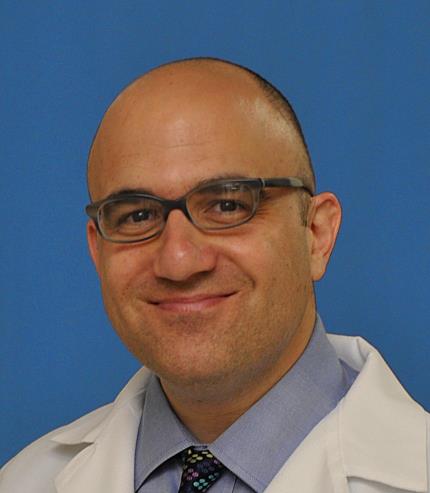 George A. Mashour合作论文数Michigan Neuroscience Institute, University of Michigan2
 Peter Nagele合作论文数Department of Anesthesia & Critical Care, The University of Chicago2Peelen Linda M合作论文数2Villafranca A合作论文数2




