INTRODUCTION:External ventricular drain (EVD) placement is a life-saving neurosurgical procedure used to divert cerebrospinal fluid and reduce intracranial pressure in conditions such as subarachnoid hemorrhage, intraparenchymal hemorrhage, and intraventricular hemorrhage. While known complications include infection and hemorrhage, the formation of iatrogenic dural arteriovenous fistulas (dAVFs) following ventriculostomy is under-reported. METHODS:We conducted a retrospective review of patients at our institution from 2002 to 2023 who developed dAVFs after EVD placement. Inclusion criteria required angiographic confirmation of a new dAVF near the EVD site. Demographics, primary pathology, EVD characteristics, angiographic findings, treatment approach, and outcomes were recorded. RESULTS:Sixteen patients met the inclusion criteria. Subarachnoid hemorrhage was the most common indication for EVD placement (75.0%). All drains were placed at Kocher's point, most commonly on the right (75.0%). All dAVFs involved the middle meningeal artery, with venous drainage documented in 93.8%-most frequently into the middle meningeal vein (80.0%). Eight patients (50.0%) underwent treatment, primarily with ethanol embolization (62.5%). All treated cases achieved radiographic cure without complications. Two patients experienced spontaneous resolution. Three patients were managed conservatively for low-risk fistulas and five were lost to follow-up. CONCLUSION:This study presents the largest institutional series to date of iatrogenic dAVFs following ventriculostomy. While rare, iatrogenic dAVFs have the potential for significant morbidity if they develop complications from venous hypertension and may require additional treatments. Our findings highlight the need for awareness of identifying and appropriately managing ventriculostomy-related dAVFs.
BACKGROUND:Middle meningeal artery embolization (MMAE) is increasingly being used for adjunctive and standalone treatment of chronic subdural hematoma (cSDH). The Society of NeuroInterventional Surgery (SNIS) Standards and Guidelines Committee set out to provide up-to-date recommendations on the use of MMAE for the treatment of cSDH. METHODS:A structured literature review was performed pertinent to the use of MMAE. The strength and quality of evidence were graded according to established criteria. Recommendations were developed by consensus of the writing committee with input from the SNIS Standards and Guidelines Committee and the SNIS Board of Directors. RESULTS:Highlighted recommendations are as follows. Recommendation 1: MMAE as an adjunct to surgical drainage is recommended to decrease the risk of recurrence requiring a further intervention and should be balanced against the risk of the procedure (class I, level A). Recommendation 2: standalone MMAE for cSDH in special circumstances/populations such as high-risk surgical patients, those with bleeding diathesis including thrombocytopenia or coagulopathy, or the elderly is reasonable (class IIa, level B-NR). Recommendation 3: practitioners should assess for dangerous collaterals prior to embolization (class I, level C-EO). CONCLUSIONS:The strongest recommendation currently is for MMAE as an adjunct to surgical drainage of cSDH to decrease the risk of recurrence. Ongoing studies will continue to address standalone MMAE, special populations, and technical nuances.
Objective Recurrent or growing non-acute subdural hematoma (SDH) following standalone or adjunctive middle meningeal artery embolization (MMAe) present a complex clinical challenge. This study aims to investigate the multifactorial causes of recurrence and growing SDH, including vascular and systemic contributors, and explores management strategies to improve outcomes.Methods We conducted a retrospective analysis of 22 patients with non-acute SDH requiring rescue treatment after adjunctive or stand-alone MMAe. Patients with documented trauma deemed responsible for the SDH expansion were excluded. Data were collected on patient demographics, clinical presentations, imaging findings, treatment approaches, and outcomes. A systematic review was also conducted across PubMed, Web of Science, Scopus, and Embase databases, adhering to PRISMA guidelines.Results Non-traumatic recurrent or growing SDHs were associated with MMA recanalization (27%), contralateral supply from the contralateral MMA (27%), CSF-venous fistulas (5%), and recruitments of vascular collaterals such as deep temporal artery (5%). Management strategies included, respectively, repeat MMAe using polyvinyl alcohol particles, coils, and liquid agents; contralateral MMAe, transvenous embolization for CSF-venous fistulas; and targeted embolization for other vascular contributors. Follow-up assessments were available for 14 patients (64%). Of these, 10 patients (45%) achieved complete resolution of symptoms, three patients (14%) experienced symptomatic improvement, and one patient (5%) had worsening symptoms. In terms of hematoma resolution, nine patients (41%) had complete or near-complete resolution, three patients (14%) exhibited stable hematoma size, and two patients (9%) demonstrated a reduction in hematoma size. Notably, no recurrences were observed after the final treatment. Two patients (9%) died within 10 days of the final embolization treatment due to malignancies.Conclusion Recurrent or growing SDHs following MMAe are linked to subdural membrane vascularity and intracranial hypotension which must be investigated and addressed. Treatment of these issues results in high cure rates.
BACKGROUND:The rapid progression of artificial intelligence (AI) and large language models (LLMs), such as ChatGPT, has contributed to increase its utility and popularity in various fields. Discourse about AI's potential role in different aspects of scientific literature such as writing, data analysis, and literature review, is growing as the programs continue to improve their capabilities. This study utilizes a recently released ChatGPT tool that allows users to create customized GPTs to highlight the potential of customizable GPTs tailored to prepare and write research manuscripts. METHODS:We developed our 2 GPTs, Neurosurgical Research Paper Writer and Medi Research Assistant, through iterative refinement of ChatGPT 4.0's tool, GPT Builder. This process included providing specific and thorough instructions along with repetitive testing and feedback-driven adjustments to finalize a version of the model that fit our needs. RESULTS:The GPT models that we created were able to efficiently and consistently produce accurate outputs from inputted prompts based on their specific configurations. It effectively analyzed existing literature that it found and synthesized information in ways that were reliable and written in ways comparable to manuscripts authored by scientific professionals. CONCLUSIONS:While the ability of modern AI to generate scientific manuscripts has shown significant progress, the persistence of fallacies and miscalculations suggest that the development of GPTs requires extensive calibration before achieving greater reliability and consistency. Nevertheless, the prospective horizon of AI-driven research holds promise in streamlining the publication workflow and increasing accessibility to novel research.
Background Endovascular therapy (EVT) dramatically improves clinical outcomes for patients with anterior circulation emergent large vessel occlusion (ELVO) strokes. With recent publication of two randomized controlled trials in favor of EVT for basilar artery occlusions, the Society of NeuroInterventional Surgery (SNIS) Standards and Guidelines Committee provides this focused update for the existing SNIS guideline, 'Current endovascular strategies for posterior circulation large vessel occlusion stroke.' Methods A structured literature review and analysis of studies related to posterior circulation large vessel occlusion (basilar or vertebral artery) strokes treated by EVT was performed. Based on the strength and quality of the evidence, recommendations were made by consensus of the writing committee, with additional input from the full SNIS Standards and Guidelines Committee and the SNIS Board of Directors. Results Based on the results of the most recent randomized, controlled trials on EVT for basilar or vertebral artery occlusion, the expert panel agreed on the following recommendations. For patients presenting with an acute ischemic stroke due to an acute basilar or vertebral artery occlusion confirmed on CT angiography, National Institutes of Health Stroke Scale (NIHSS) score of >= 6, posterior circulation Alberta Stroke Program Early CT Score (PC-ASPECTS) >= 6, and age 18-89 years: (1) thrombectomy is indicated within 12 hours since last known well (class I, level B-R); (2) thrombectomy is reasonable within 12-24 hours from the last known well (class IIa, level B-R); (3) thrombectomy may be considered on a case by case basis for patients presenting beyond 24 hours since last known well (class IIb, level C-EO). In addition, thrombectomy may be considered on a case by case basis for patients aged <18 years or >89 years on a case by case basis (class IIb, level C-EO). Conclusions The indications for EVT of ELVO strokes continue to expand and now include patients with basilar artery occlusion. Further prospective, randomized controlled trials are warranted to elucidate the efficacy and safety of EVT in populations not included in this set of recommendations, and to confirm long term outcomes.
OBJECTIVE:The placement of flow-diverting devices has become a common method of treating unruptured intracranial aneurysms of the internal carotid artery. The progressive improvement of aneurysm occlusion after treatment-with low complication and rupture rates-has led to a dilemma regarding the management of aneurysms in which occlusion has not occurred within 6-24 months. The authors aimed to identify clinical consensus regarding management of intracranial aneurysms displaying persistent filling 6-24 months after flow diversion and to ascertain questions that may drive future investigation. METHODS:An international panel of 67 experts was invited to participate in a multistep Delphi consensus process on the treatment of intracranial aneurysms after failed flow diversion. RESULTS:Of the 67 experts invited, 23 (34%) participated. Qualitative analysis of an initial survey with open-ended questions resulted in 51 statements regarding management of aneurysms showing persistent filling after flow diversion. The statements were grouped into 8 categories, and in the second round, respondents rated the degree of their agreement with each statement on a 5-point Likert scale. Flow diverters with surface modifiers did not influence administration of dual-antiplatelet therapy according to 83%. Consensus was also reached regarding the definition of treatment failure at specific time points, including at 6 months if there is aneurysm growth or persistent rapid flow through the entirety of the aneurysm (96%), at 12 months if there is aneurysm growth or symptom onset (78%), and at 24 months if there is persistent filling regardless of size and filling characteristics (74%). Although experts agreed that the degree of intimal hyperplasia or in-device stenosis could not be ascertained by noninvasive imaging alone (83%), only 65% chose digital subtraction angiography as the preferred modality. At 6 and 12 months, retreatment is preferred if there is persistent filling with aneurysm growth (96%, 96%), device malposition (48%, 87%), or a history of subarachnoid hemorrhage (65%, 70%), respectively, and at 24 months if there is persistent filling without reduction in aneurysm size (74%). Experts favored treatment with an additional flow diverter (87%) over aneurysm clipping, applying the same principles for follow-up (83%) and treatment failure (91%) as for the first flow diverter. CONCLUSIONS:The authors present the consensus practices of experts in the management of intracranial aneurysms without occlusion 6-24 months after treatment with a flow-diverting device.
BackgroundIntracranial dural arteriovenous (AV) fistula classifications focus on presence/absence of retrograde flow in the cortical veins of the brain as this angiographic finding portends a worse prognosis. However, prior categorization systems of AV shunts in the spine do not incorporate these features. We propose an updated classification for spinal shunting lesions that terms any shunting lesion with retrograde flow in any cortical vein of the brain or spinal cord medullary vein as “high risk”. To present this classification, we analyzed our center’s most recent experience with cervical spine shunting lesions.MethodsThe electronic medical record at our institution was reviewed to identify shunting lesions of the cervical spine and patient demographics/presentation. Comprehensive craniospinal digital subtraction angiograms were evaluated to classify shunt location, type (arteriovenous malformation (AVM) vs arteriovenous fistula (AVF)), and presence of high-risk venous drainage.ResultsSome 52 lesions were identified and categorized as pial/dural/epidural/paravertebral AVFs and intramedullary/extraspinal AVMs. Lesions were classified as high risk or not depending on the presence of retrograde flow into at least one vein that directly drains the spinal cord or brain. All patients who presented with either hemorrhage or infarct had underlying high-risk lesions. Additionally, 50% (17/34) of symptomatic patients with high-risk lesions presented with neurological extremity symptoms (OR=10.0, p=0.037) most of which fit a myelopathic pattern.ConclusionWe present an updated classification system for shunting lesions of the spine that focuses on high-risk retrograde flow to the brain or spine in addition to anatomical location in order to better inform patient management.
BACKGROUND:Early clinical trials validating endovascular therapy (EVT) for emergent large vessel occlusion (ELVO) ischemic stroke in the anterior circulation initially focused on patients with small or absent completed infarctions (ischemic cores) to maximize the probability of detecting a clinically meaningful and statistically significant benefit of EVT. Subsequently, real-world experience suggested that patients with large core ischemic strokes (LCS) at presentation may also benefit from EVT. Several large, retrospective, and prospective randomized clinical trials have recently been published that further validate this approach. These guidelines aim to provide an update for endovascular treatment of LCS. METHODS:A structured literature review of LCS studies available since 2019 and grading the strength and quality of the evidence was performed. Recommendations were made based on these new data by consensus of the authors, with additional input from the full SNIS Standards and Guidelines Committee and the SNIS Board of Directors. RESULTS:The management of ELVO strokes with large ischemic cores continues to evolve. The expert panel agreed on several recommendations: Recommendation 1: In patients with anterior circulation ELVO who present within 24 hours of last known normal with large infarct core (70-149 mL or ASPECTS 3-5) and meet other criteria of RESCUE-Japan LIMIT, SELECT2, ANGEL-ASPECT, TESLA, TENSION, or LASTE trials, thrombectomy is indicated (Class I, Level A). Recommendations 2-7 flow directly from recommendation 1. Recommendation 2: EVT in patients with LCS aged 18-85 years is beneficial (Class I, Level A). Recommendation 3: EVT in patients with LCS >85 years of age may be beneficial (Class I, Level B-R). Recommendation 4: Patients with LCS and NIHSS score 6-30 benefit from EVT in LCS (Class I, Level A). Recommendation 5: Patients with LCS and NIHSS score <6 and >30 may benefit from EVT in LCS (Class IIa, Level A). Recommendation 6: Patients with LCS and low baseline mRS (0-1) benefit from EVT (Class I, Level A). Recommendation 7: Patients with LCS and time of last known well 0-24 hours benefit from EVT (Class I, Level A). Recommendation 8: It is recommended that patients with ELVO LCS who also meet the criteria for on-label or guideline-directed use of IV thrombolysis receive IV thrombolysis, irrespective of whether endovascular treatments are being considered (Class I, Level B-NR). CONCLUSIONS:The indications for endovascular treatment of ELVO strokes continue to expand and now include patients with large ischemic cores on presentation. Further prospective randomized studies, including follow-up to assess the population-based efficacy of treating patients with LCS, are warranted.
OBJECTIVE The object of this study was to describe the use of patient-reported outcome measures (PROMs) in cerebrovascular neurosurgery and to outline a framework for incorporating them into future cerebrovascular research. METHODS Following the standardized PRISMA guidelines, the authors performed a search of the PubMed and Embase databases in February 2023 using filters to investigate six specific cerebrovascular pathologies/procedures: subarachnoid hemorrhage (SAH), intracranial hemorrhage, ischemic stroke, arteriovenous malformation, chronic subdural hematoma, and carotid artery stenosis. PROMs in the identified articles were distinguished and classified as generic, symptom specific, or disease specific. RESULTS A total of 259 studies including 51 PROMs were eligible for inclusion in the review. Most of the PROMs were generic or symptom specific. Only 5 PROMs were disease specific, and all of these pertained to stroke or SAH. CONCLUSIONS There are only a limited number of disease-specific PROMs available for cerebrovascular pathologies and outcomes. Further validation of existing measures in independent cohorts, expanded incorporation of disease-specific PROMs in prospective trials, and the development of new PROMs specific to cerebrovascular conditions are critical to a better understanding of the impact of cerebrovascular diseases and novel therapies on patient lives.
BACKGROUND AND OBJECTIVES: First-line therapy for most intracranial dural arteriovenous fistulas (dAVFs) is endovascular embolization, but some require microsurgical ligation due to limited endovascular accessibility, anticipated lower cure rates, or unacceptable risk profiles. We investigated the most common surgically treated dAVF locations and the approaches and outcomes of each. METHODS: The Consortium for Dural Arteriovenous Fistula Outcomes Research database was retrospectively reviewed. Patients who underwent dAVF microsurgical ligation were included. Patient demographics, angiographic information, surgical details, and postoperative outcomes were collected. The 5 most common surgically treated dAVF locations were analyzed about used surgical approaches and postoperative outcomes. Univariate analyses were performed with statistical significance set at a threshold of P < .05. RESULTS: In total, 248 patients in the Consortium for Dural Arteriovenous Fistula Outcomes Research database met inclusion criteria. The 5 most common surgically treated dAVF locations were tentorial, anterior cranial fossa (ACF), transverse-sigmoid sinus (TSS), convexity/superior sagittal sinus (SSS), and torcular. Most tentorial dAVFs were approached using a suboccipital, lateral supracerebellar infratentorial approach (39.3%); extended retrosigmoid approach (ERS) (25%); or posterior subtemporal approach (19.6%). All ACF dAVFs used a subfrontal approach; 5.3% also included an anterior interhemispheric approach. Most TSS dAVFs were ligated via ERS (31.3%) or subtemporal (31.3%) approaches. All convexity/SSS dAVFs used an interhemispheric approach. All torcular dAVFs used the suboccipital, lateral supracerebellar infratentorial approach, with 10.5% undergoing simultaneous ERS craniotomy. Angiographic occlusion rates after microsurgery were 85.5%, 100%, 75.8%, 79.2%, and 73.7% for tentorial, ACF, TSS, convexity/SSS, and torcular dAVFs, respectively (P = .02); the permanent neurological complication rates were 1.8%, 2.6%, 9.1%, 0%, and 0% (P = .31). There were no statistically significant differences in development of complications (P = .08) or Modified Rankin Scale at the last follow-up (P = .11) by fistula location. CONCLUSION: Although endovascular embolization is the first-line treatment for most intracranial dAVFs, surgical ligation is an important alternative. ACF and tentorial fistulas particularly demonstrate high rates of postoperative obliteration.
Infundibular aneurysms are rare lesions that present unique challenges for both surgical and endovascular approaches. We present a case of a 58-year old man with an incidental 7.5 × 3 mm infundibular aneurysm that incorporated the origin of the posterior communicating artery (PCoA). The fusiform aneurysm incorporated the supraclinoid ICA to the terminus. An attempt at surgical clip reconstruction of the aneurysm to preserve the PCoA was not technically possible due to atherosclerosis at the aneurysm neck. The aneurysm was treated with disconnection of the PCoA origin, induced flow reversal and placement of a flow diverter, after confirmation of adequate collateral flow to the PCoA perforators from the posterior circulation. The case illustrates important concepts in the evaluation and management of infundibular aneurysms, including both reconstructive and deconstructive strategies.
BACKGROUND: The new sonolucent cranioplasty implant (clear polymethyl methacrylate, PMMA) adds functionality besides surgical reconstruction. One possible application uses the transcranioplasty ultrasound (TCUS) technique after PMMA cranioplasty to assess graft patency of extracranial-intracranial (EC-IC) bypass procedures. OBJECTIVE: To report our early multicenter experience. METHODS: This is a multicenter analysis of consecutive EC-IC bypass patients from 5 US centers (2019-2022) with closure postbypass using PMMA implant. RESULTS: Forty-four patients (median age 53 years, 68.2% females) were included. The most common indication for bypass was Moyamoya disease/syndrome (77.3%), and superficial temporal artery to middle cerebral artery bypass was the most common procedure (79.5%). Pretreatment modified Rankin Scales of 0 and 1 to 2 were noted in 11.4% and 59.1% of patients, respectively. Intraoperative imaging for bypass patency involved a combination of modalities; Doppler was the most used modality (90.9%) followed by indocyanine green and catheter angiography (86.4% and 61.4%, respectively). Qualitative TCUS assessment of graft patency was feasible in all cases. Postoperative inpatient TCUS confirmation of bypass patency was recorded in 56.8% of the cases, and outpatient TCUS surveillance was recorded in 47.7%. There were no cases of bypass failure necessitating retreatment. Similarly, no implant-related complications were encountered in the cohort. Major complications requiring additional surgery occurred in 2 patients (4.6%) including epidural hematoma requiring evacuation (2.3%) and postoperative surgical site infection (2.3%) that was believed to be unrelated to the implant. CONCLUSION: This multicenter study supports safety and feasibility of using sonolucent PMMA implant in EC-IC bypass surgery with the goal of monitoring bypass patency using TCUS.
BACKGROUND Flow diversion, specifically with the Pipeline embolization device (PED), represents a paradigm shift in the treatment of intracranial aneurysms. Several studies have demonstrated its efficacy and at times superiority to conventional treatment modalities for aneurysms with a fusiform morphology, giant size, or wide neck. However, there may be a nonsignificant risk of recurrence after flow diversion of these historically difficult-to-treat aneurysms, relative to aneurysms with a more favorable morphology and size (i.e., saccular, narrow necked). To date, only three papers in the literature have demonstrated the recurrence of a completely occluded aneurysm on follow-up. OBSERVATIONS The authors describe a patient with a giant middle cerebral artery fusiform aneurysm treated with multiple telescoping PEDs. On the 3-month follow-up angiogram, there was complete occlusion of the aneurysm. The patient was lost to follow-up and presented 4 years later with a recurrence of the aneurysm between PED segments, requiring retreatment. The patient represented 3 years posttreatment with the need for repeat treatment of the fusiform aneurysm due to separation of the existing PEDs along with stent reconstruction. At the 20-month follow-up after the third treatment, the initial aneurysm target was found to be occluded. LESSONS This case illustrates the need for long-term follow-up, specifically for patients with giant wide-necked or fusiform aneurysms treated with overlapping PEDs.
INTRODUCTION: The new sonolucent cranioplasty implant (clear polymethyl methacrylate, PMMA) adds functionality besides reconstruction during and after surgery. One possible application uses transcranioplasty ultrasound (TCUS) technique after PMMA cranioplasty to assess graft patency of extracranial-intracranial (EC-IC) bypass procedures. METHODS: Multicenter analysis of consecutive EC-IC bypass patients from 5 US centers between 2019-2022 with closure post bypass using the translucent PMMA cranioplasty implant. RESULTS: Forty-four patients (median-age 53, 68.2% females) were included. The most common indication for bypass was Moyamoya disease/syndrome (77.3%) and superficial temporal artery to middle cerebral artery (STA-MCA) bypass was the most common procedure (79.5%). Pre-treatment modified Rankin Scale of 0 and 1-2 was noted in 11.4% and 59.1% of the patients, respectively, with hypertension being the most common comorbidity (72.7%). Intraoperative imaging for bypass patency involved utilizing combination of modalities in all patients, with intraoperative doppler being the most commonly utilized monitoring modality (90.9%) followed by indocyanine green (ICG) and catheter angiography (86.4% and 61.4%, respectively). Qualitative TCUS assessment of the graft patency was feasible in all cases without technical difficulties. Post-operative inpatient TCUS confirmation of the bypass patency was recorded in 56.8% of the cases, and outpatient TCUS surveillance for monitoring bypass patency through the implant was recorded in 22.7% of the patients. There were no cases of bypass failure noted in this cohort necessitating retreatment. Similarly, no implant-related complications were encountered in the cohort. Major complications requiring additional surgery occurred in 2 patients (4.6%) including epidural hematoma requiring surgical evacuation (2.3%) and post-operative surgical site infection (2.3%) that was unrelated to the implant. CONCLUSIONS: This multicenter study supports the safety and feasibility of using the sonolucent PMMA implant in the setting of EC-IC bypass surgery with the goal to monitor bypass patency using TCUS.
BACKGROUND:Cerebral bypass is a valuable surgical technique in well-selected patient populations. Updated clinical guidelines and improved surgical techniques warrant a contemporary reevaluation of the complications and patency to inform clinical practice and enhance postoperative patient care. OBJECTIVE:To assess the complication rates and postoperative graft patency for the 3 most common indications for bypass surgery: moyamoya disease, intracranial atherosclerosis, and intracranial aneurysms. METHODS:Perioperative notes of 175 consecutive bypass patients at a single institution were retrospectively identified to evaluate the clinical course and complications of surgery. RESULTS:The rate of total postoperative complications between moyamoya disease (9 of 98, 9.2%), intracranial atherosclerotic disease (7 of 57, 12.3%), and intracranial aneurysm (4 of 20, 20%) was not statistically different (P = .33). Immediate postoperative bypass patency was significantly higher in moyamoya disease (90 of 96, 93.8%) and intracranial atherosclerotic disease (48 of 51, 94.1%) than in intracranial aneurysm (13 of 18, 72.2%; P = .02). Intravenous heparin administration during bypass suturing was negatively associated with immediate postoperative patency (87% heparin patency vs 99% no heparin patency; P = .02). Double-barrel bypass trended toward an increased risk of wound healing complications (2 of 13, 15.4%) compared with the single-barrel bypass technique (4 of 156, 2.6%; P = .07). CONCLUSION:Cerebral bypass surgery remains an excellent surgical treatment for moyamoya disease, intracranial atherosclerosis, and intracranial aneurysms. This study suggests bypass is safer in moyamoya disease and intracranial atherosclerosis. Additional studies to clarify the risk of single-barrel vs double-barrel bypass and intraoperative heparin-stratified complications may be beneficial.
BACKGROUND:Large arachnoid granulations that protrude into dural venous sinuses and partially obstruct outflow are an underappreciated etiology of pulsatile tinnitus (PT). Endovascular dural venous sinus stenting is thought to diminish turbulent venous outflow and may relieve obstruction caused by arachnoid granulations.METHODS:Four patients at two institutions were evaluated for unilateral PT. Magnetic resonance imaging and digital subtraction angiography revealed moderate-to-severe stenoses from large arachnoid granulations within the implicated transverse sinus. All patients underwent venous manometry and endovascular sinus stenting.RESULTS:All patients experienced immediate and complete remission of their PT. Stenoses were relieved by a mean of 93% by Warfarin-Aspirin Symptomatic Intracranial Disease criteria. There were no procedural or periprocedural complications. All patients continued to report complete symptom resolution at a mean of 8-month follow-up.CONCLUSIONS:PT from arachnoid granulations are an underappreciated pathomechanism. Endovascular dural venous sinus stenting is an effective intervention for treating unilateral PT secondary to large arachnoid granulation.
Background The optimal approach to the management of intracranial atherosclerotic disease (ICAD) at the time of mechanical thrombectomy (MT) for large vessel occlusion (LVO) remains controversial. The goal of this study is to characterize current practices concerning this challenging clinical situation in a survey of practicing neurointerventionalists. Methods An electronic questionnaire was sent to a cross-section of North American academic neurointerventionalists using publicly available contact information and departmental websites. Prior to analysis, responses were anonymized and categorized by region. Results A total of 136/360 responses were recorded from the U.S. and Canada. The mean number of years of practicing as a neurointerventionalist among the respondents was 10.5 (+/- 6.2 years). ICAD was perceived as a causative factor during MT for LVO in 5-10% of thrombectomy cases. The most common first-line treatment approach for significant ICAD, assuming a TICI 2b or better reperfusion, was medical therapy (77.9% of respondents), followed by angioplasty + stent placement (8.8% of respondents). There were no significant differences in the first line treatment of ICAD in LVO between geographical regions (p = 0.815). Conclusion The approach to underlying ICAD in LVO varies widely; however, the majority of neurointerventionalists prefer medical therapy with DAPT as a first-line treatment approach. The current survey highlights the need for studies that better define the optimal timing and modality of treatment, along with an evidence-based framework for balancing the risks associated with these treatment approaches.
Introduction First-pass efficacy (FPE), defined as achieving complete or near-complete revascularization of an occluded vessel with first attempt, has recently emerged as an important angiographic predictor of successful endovascular thrombectomy (ET) in acute ischemic strokes (AIS). There is growing evidence that FPE is associated with better clinical outcomes. However, its predictors and clinical outcomes in posterior circulation AIS (pcAIS) remain under-explored. In this study, we investigate the efficacy of ET and address the clinical, radiological, and procedural predictors of FPE in pcAIS. Methods Patients with pcAIS from the Thrombectomy and Aneurysm Registry (STAR) were included. Baseline characteristics and clinical outcomes were evaluated by first-pass outcomes under two groups: FPE and non-FPE. FPE was defined as modified Thrombolysis and Cerebral Infarction (mTICI) score > 2c after first pass of ET. Baseline characteristics included demographic, clinical and procedural variables, initial CT Angiogram (CTA) findings, composite scores for collateral circulation (BATMAN score) and clot burden (pc-CTA score). Clinical outcomes included 90-day modified Rankin Scale (mRS) score, National Institutes of Health Stroke Scale (NIHSS) score, distal emboli, symptomatic intracranial hemorrhage (sICH), and mortality. FPE predictors were assessed via univariate (UVA) and multivariate (MVA) logistic regressions. Results A total of 363 patients with pcAIS received ET between 2012 and 2020. 179 out of 354 (49%) patients achieved FPE. Mean time to revascularization (puncture to revascularization) was significantly shorter (40 vs 70.1 minutes; P <0.001) in the FPE group. Direct aspiration was more frequently utilized in non-FPE group (27.4% vs 34.2%; P=0.026). Patients with successful FPE showed higher rates of final angiographic revascularization represented by mTICI > 2b in 88.6% (non-FPE: 72.6.1%; p < 0.001) and mTICI > 2c in 94.4% (non-FPE: 73%; p < 0.001). Discharge mean mRS (4.5 vs 3.5; p < 0.001) and 90-day mRS (4.2 vs 3.1; p < 0.001) were significantly better in patients who achieved FPE. Complication rates among both outcome groups were non-significantly different, except for distal emboli rate, which was more common in the non-FPE (10.8% vs 3.2%; P=0.037). On UVA, prior history of AIS was associated with decreased odds (OR: 0.52; P=0.04) while atrial fibrillation was associated with increased odds (OR: 2.06; P= 0.005) of FPE, which remained significant on MVA (OR: 1.92; P=0.022). Conclusion FPE is a crucial predictor of successful ET in pcAIS, emphasizing the FPE and faster revascularization as role players in clinical outcomes of pcAIS. Atrial fibrillation and previous AIS independently predict FPE. The discrepancy in FPE rates by clot composition is illustrated by the higher rates of FPE in atrial fibrillation patients. Therefore, future histological and clinical studies are warranted to further address the clinical features of ischemic clots. Disclosures M. Hafeez: None. M. Essibayi: None. D. Raper: None. S. Al Kasab: None. J. Burks: None. D. Alsbrook: None. M. Park: None. T. Dumont: None. R. Townsend: None. R. Starke: None. A. Arthur: None. N. Goyal: None. I. Maier: None. S. Wolfe: None. J. Mascitelli: None. K. Fargen: None. A. Spiotta: None. P. Kan: None.
BACKGROUND Patients with symptomatic high-grade stenosis of the internal carotid artery (ICA) associated with a free-floating thrombus (FFT) present a significant clinical challenge. In general, for patients with moderate to severe symptomatic ICA stenosis, carotid revascularization is recommended within 2 weeks of symptom onset; however, some physicians suggest that revascularization should be delayed in cases with FFT because some data suggest that early surgery with carotid endarterectomy or carotid stent poses a higher risk for stroke. Likewise, delayed revascularization with anticoagulation may increase risk of recurrent stroke. Few reports on the management of FTT included the use of a transcarotid artery revascularization (TCAR) approach for carotid revascularization with mechanical aspiration thrombectomy. OBSERVATIONS This report described the use of TCAR for direct mechanical thrombectomy and carotid stent placement for a patient with 80% right ICA stenosis along with a large FFT extending into the bulb and the external carotid artery. LESSONS The TCAR approach for mechanical thrombectomy and carotid stenting is a safe alternative for early revascularization with low periprocedural stroke risks.
 Robert M. Starke合作论文数51
 Ding Dale合作论文数Department of Neurosurgery, University of Virginia Health System39
 Kenneth C Liu合作论文数30
 Ricardo Jorge Komotar合作论文数Department of Neurological Surgery, Miller School of Medicine, University of Miami30
 Adib A. Abla合作论文数Neurological Surgery, UCSF Weill Institute for Neurosciences25
 Chen Ching-Jen合作论文数Departments of 1 Neurological Surgery and.24Buell Thomas J合作论文数Department of Neurosurgery, University of Virginia24
 Min S Park合作论文数19
 R. Webster Crowley合作论文数Department of Neurosurgery, Rush Medical College, Rush University;Medical Center, Rush University19
 Vijay K. Anand合作论文数Department of Otorhinolaryngology, Weill Cornell Medical College17
 Theodore H. Schwartz合作论文数Minimally Invasive Surgery, Weill Cornell Medicine, Cornell University;Neurological Surgery, Weill Cornell Medicine, Cornell University15
 Justin Robert Mascitelli合作论文数Department of Neurosurgery, Long School of Medicine, The University of Texas Health Science Center12
 Pascal M. Jabbour合作论文数Department of Neurological Surgery, The Sidney Kimmel Medical College, Thomas Jefferson University12
 Stacey Quintero Wolfe合作论文数Department of Neurological Surgery, Wake Forest University School of Medicine;Department of Radiology, Wake Forest University School of Medicine;National Institute of Health StrokeNet, Wake Forest Baptist Health11
 Alejandro M. Spiotta合作论文数Department of Neurosurgery, College of Medicine, Medical University of South Carolina11
 Ethan Winkler合作论文数Weill Institute for Neurosciences, University of California, San Francisco;School of Medicine, University of California, San Francisco11
 Adam S. Arthur合作论文数Semmes Murphey11Travis M. Dumont合作论文数Department of Surgery, University of Vermont College of Medicine11
 Sami Al Kasab合作论文数Dept Neurosurg, Med Univ South Carolina10
 Michael Levitt合作论文数University of Washington10Peter Kan合作论文数9
 Burkhardt Jan-Karl合作论文数Dept Neurol Surg, Univ Calif San Francisco9Kunal P Raygor合作论文数8
 Eyad Almallouhi合作论文数Coll Med, Med Univ South Carolina8
 Jason Sheehan合作论文数Department of Biomedical Engineering, School of Engineering and Applied Science, University of Virginia;Department of Radiation Oncology, School of Medicine, University of Virginia;UVA Health8
 Joshua Osbun合作论文数Department of Neurosurgery, The University of Washington and Harborview Medical Center8
 W. Caleb Rutledge合作论文数Department of Neurological Surgery, University of California8
 Marios Psychogios合作论文数Clin Radiol & Nucl Med, Univ Hosp Basel7
 Caleb Rutledge合作论文数Department of Neurosurgery, Grossman School of Medicine, New York University7
 Charles Matouk合作论文数Department of Neurosurgery, Yale School of Medicine, Yale University7
 Ansaar T. Rai合作论文数Department of Neuroradiology, School of Medicine, West Virginia University;Rockefeller Neuroscience Institute, School of Medicine, West Virginia University;West Virginia University Hospitals7Tanweer Omar合作论文数Department of Neurosurgery, New York University School of Medicine7Jonathan A. Grossberg合作论文数Department of Neurosurgery, Emory University School of Medicine7Maxim Mokin合作论文数7
 Kyle M. Fargen合作论文数Atrium Wake Forest Baptist Health;Department of Neurosurgery and Radiology, Wake Forest University School of Medicine7
 Albert Yoo合作论文数Texas Stroke Institute;Medical City Plano7
 Davis G Taylor合作论文数Naval Med Ctr Portsmouth6
 Nguyen Hoang合作论文数Wexner Med Ctr, Ohio State Univ6
 Fragata Isabel合作论文数6
 Hetts Steven W合作论文数School of Medicine, University of California San Francisco6Chalouhi Nohra合作论文数Dept Neurosurg, Thomas Jefferson Univ6
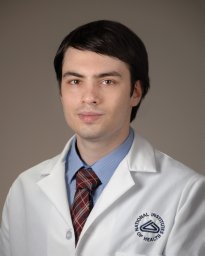 Panagiotis Mastorakos合作论文数The Wilmer Eye Institute, Johns Hopkins University School of Medicine6
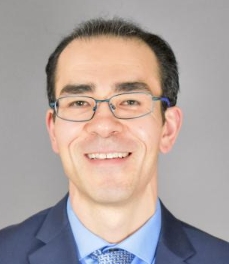 Aaron S. Dumont合作论文数Department of Neurosurgery, School of Medicine, Tulane University6
 Christopher S. Ogilvy合作论文数Beth Israel Deaconess Medical Center;Harvard Medical School6R Starke合作论文数5
 Adam Polifka合作论文数5I Maier合作论文数5Richard Williamson合作论文数Stroke & Cerebrovascular Center, Baptist Medical Center Jacksonville5
 Alawieh Ali合作论文数Department of Neurosciences, Medical University of South Carolina;Department of Internal Medicine, American University of Beirut Medical Center;Medical University of South Carolina, American University of Beirut Medical Center5




