The von Hippel-Lindau tumor suppressor (VHL) is a component of a ubiquitin ligase complex that controls cellular responses to hypoxia. Endogenous VHL is also utilized by proteolysis-targeting chimera (PROTAC) protein degraders, a promising class of anti-cancer agents. VHL is broadly essential for cell proliferation, yet it is a key tumor suppressor in renal cell carcinoma. To understand the functional consequences of VHL loss, and to identify targeted approaches for the elimination of VHL null cells, we have used genome-wide CRISPR-Cas9 screening in human renal epithelial cells. We find that, upon VHL loss, the HIF1A/ARNT complex is the central inhibitor of cellular fitness, suppressing mitochondrial respiration, and that VHL null cells show HIF1A-dependent molecular vulnerabilities that can be targeted pharmacologically. Combined VHL/HIF1A inactivation in breast and esophageal cancer cells can also provide resistance to ARV-771, a VHL-based bromodomain degrader that has anti-cancer activity. HIF1A stabilization can thus provide opportunities for early intervention in neoplastic VHL clones, and the VHL-HIF1A axis may be relevant for the development of resistance to the emerging class of PROTAC-based cancer therapies.
Cellular senescence leads to stable cell cycle arrest and an inflammatory senescence-associated secretory phenotype that varies with stressor and cell type. To mitigate these effects and improve health, senotherapeutics (e.g., senolytics and senomorphics) have been developed. Senescent-like endometrial stromal cells (eSCs) lining the uterus of patients with endometriosis and infertility are proposed to impair decidualization, a differentiation process required for uterine receptivity in humans. Quercetin, a natural flavonoid senolytic, dramatically improves decidualization and reduces endometriosis in rodent models. However, little is known about the comparative effects of various senotherapeutics on eSCs. Using menstrual effluent-derived eSCs, we evaluated the effects of flavonoid and non-flavonoid compounds on eSC functions associated with endometriosis, aiming to identify optimal senotherapeutics for future clinical trials. Among flavonoids tested, all senolytics (quercetin, fisetin, and luteolin) and kaempferol, a senomorphic, significantly improved decidualization without cytotoxicity. Although non-flavonoids exhibited notable cytotoxicity, dasatinib, but neither ABT-737 nor navitoclax, enhanced decidualization. Flavonoid senotherapeutics and dasatinib significantly inhibited eSC migration. Mechanistic studies revealed that all flavonoids and dasatinib suppressed AKT phosphorylation and upregulated p53 expression. Notably, only quercetin and fisetin reduced ERK1/2 phosphorylation. Furthermore, flavonoid-senolytics and dasatinib consistently eliminated senescent eSCs. These findings support future studies to assess the therapeutic potential of in vivo supplementation with flavonoid senolytics on eSC function using menstrual effluent.
Oncogenic transformation and Oct4, Sox2, Klf4 and c-Myc (OSKM)-mediated induction of pluripotency are two independent and incompatible cellular fates. While continuous expression of OSKM can convert normal somatic cells into teratogenic pluripotent cells, it remains speculative what is the impact of transient OSKM expression in cancer cells. Here, we find that OSKM expression limits the growth of transformed lung cells by inducing apoptosis and senescence. We identify Oct4 and Klf4 as the main individual reprogramming factors responsible for this effect. Mechanistically, the induction of cell cycle inhibitor p21 downstream of the reprogramming factors acts as mediator of cell death and senescence. Using a variety of in vivo systems, including allografts, orthotopic transplantation and KRAS-driven lung cancer mouse models, we demonstrate that transient reprogramming by OSKM expression in cancer cells impairs tumor growth and reduces tumor burden. Altogether, our results show that the induction of transient reprogramming in cancer cells is antitumorigenic opening novel potential therapeutic avenues in oncology.
There is an urgent need to improve conventional cancer-treatments by preventing detrimental side effects, cancer recurrence and metastases. Recent studies have shown that presence of senescent cells in tissues treated with chemo- or radiotherapy can be used to predict the effectiveness of cancer treatment. However, although the accumulation of senescent cells is one of the hallmarks of cancer, surprisingly little progress has been made in development of strategies for their detection in vivo. To address a lack of detection tools, we developed a biocompatible, injectable organic nanoprobe (NanoJagg), which is selectively taken up by senescent cells and accumulates in the lysosomes. The NanoJagg probe is obtained by self-assembly of indocyanine green (ICG) dimers using a scalable manufacturing process and characterized by a unique spectral signature suitable for both photoacoustic tomography (PAT) and fluorescence imaging. In vitro, ex vivo and in vivo studies all indicate that NanoJaggs are a clinically translatable probe for detection of senescence and their PAT signal makes them suitable for longitudinal monitoring of the senescence burden in solid tumors after chemotherapy or radiotherapy.
Cellular senescence has recently been recognized as one of the hallmarks of cancer, aging, as well as many age-related disorders, sparking significant interest in the development of senolytics, compounds that can remove senescent cells. However, most current pharmacological strategies face challenges related to non-specific delivery, leading to significant side effects that hinder safe and effective treatments. To address these issues, galactose-functionalized amphiphiles are synthesized that can self-assemble into micelles and be loaded with a senolytic cargo. These galactose-micelles are responsive to the lysosomal beta-galactosidase enzyme, present in elevated amounts in senescent cells, and are employed for specific delivery of the senolytic Bcl2-inhibitor Navitoclax. This novel formulation showed reduced delivery and toxicity to non-senescent cells, thereby increasing the senolytic index of Navitoclax and making it suitable for future in vivo experimental designs to improve selectivity and safety profiles.
Cellular senescence is considered an important tumour suppression mechanism in response to damage and oncogenic stress in early lesions. However, when senescent cells are not immune-cleared and persist in the tumour microenvironment, they can drive a variety of tumour-promoting activities, including cancer initiation, progression, and metastasis. Additionally, there is compelling evidence demonstrating a direct connection between chemo(radio)therapy-induced senescence and the development of drug resistance and cancer recurrence. Therefore, detection of senescent cells in tissues holds great promise for predicting cancer occurrence earlier, assessing tumour progression, aiding patient stratification and prognosis, and informing about the efficacy of potential senotherapies. However, effective detection of senescent cells is limited by lack of biomarkers and readout strategies suitable for in vivo clinical imaging. To this end, a nanoprobe composed of biocompatible polydopamine (PDA) nanoparticle doped with FDA-approved indocyanine green (ICG) dye, namely PDA-ICG, was designed as a contrast agent for senescence detection using photoacoustic imaging (PAI). In an in vitro model of chemotherapy-induced senescence, PDA-ICG nanoprobe showed an elevated uptake in senescent cells relative to cancer cells. In addition to its improved photostability, 2.5-fold enhancement in photoacoustic signal relative to ICG was observed. Collectively, the results indicate that the PDA-ICG nanoprobe has the potential to be used as a contrast agent for senescence detection of chemotherapy-induced senescence using PAI.
Hamlet.rt (Heuristics, Algorithms and Machine Learning: Evaluation & Testing in Radiation Therapy) is a multi-centre study exploring the role of machine learning in predicting response and toxicity in patients receiving radical radiotherapy for non-small cell lung cancer (NSCLC), Head and Neck Cancer (H&N Cancer) and Prostate cancer. Hamlet.rt Trans is a translational sub-study that leverages the infrastructure of Cancer Research UK RadNet Cambridge to evaluate multiple liquid biomarkers of radiation response. This study aims to investigate biomarkers of treatment response in patients with lung and head and neck cancers and markers of treatment toxicity in patients with prostate cancer. HAMLET.trans is a translational biosampling study of patients undergoing radical radiotherapy for NSCLC, H&N cancer or prostate cancer. Venous samples for ctDNA analysis and senescence-related profiling are collected together with dried blood spot samples before chemotherapy and radiotherapy at multiple time points during radiotherapy and post-treatment. Urine is collected from patients with prostate cancer. Patients are completing toxicity questionnaires during and after radiotherapy. Delivery dose per fraction is assessed based on imaging just before radiotherapy delivery. The trial aims to recruit at least 20 patients per arm. Patient samples are analysed for tumor-specific mutation, methylation profiling of cfDNA as well as cytokine assays to establish markers or response and toxicity and identify optimal sample timings for future studies. Blood spots are analysed for ctDNA tumour content to establish a less invasive way of frequent sampling on therapy. The results of HAMLET.trans will inform ongoing translational work. NCT04060706. Cambridge Cancer Trials Centre. Cancer Research UK and the Medical Research Council UK.
Platinum-based chemotherapy is commonly used for non-small cell lung cancer (NSCLC) treatment, yet clinical outcomes remain poor. Cellular senescence and its associated secretory phenotype (SASP) can have multiple tumour-promoting activities, although these are largely unexplored in lung cancer. Here we show that cisplatin-derived SASP enhances the malignant phenotype of lung cancer cells. Using xenograft, orthotopic and Kras G12V -driven murine NSCLC models, we demonstrate that cisplatin-induced senescent cells strongly promote tumour progression. Mechanistically, we find that a TGF-β-enriched SASP drives pro-proliferative effects through TGFβR1 and Akt/mTOR pathway activation. We validate the translational relevance of chemotherapy-induced SASP using clinical NSCLC samples from patients who received neoadjuvant platinum-based chemotherapy. Importantly, TGFβR1 inhibition with galunisertib or senolytic treatment significantly reduces tumour promotion driven by cisplatin-induced senescence. Finally, we demonstrate, using distinct murine NSCLC models, that addition of TGFBR1 inhibitors to platinum-based chemotherapy reduces tumour burden and improves survival, providing pre-clinical proof-of-concept for future trial designs.
The accumulation of senescent cells in the tumor microenvironment can drive tumorigenesis in a paracrine manner through the senescence-associated secretory phenotype (SASP). Using a new p16-FDR mouse line, we show that macrophages and endothelial cells are the predominant senescent cell types in murine KRAS-driven lung tumors. Through single cell transcriptomics, we identify a population of tumor-associated macrophages that express a unique array of pro-tumorigenic SASP factors and surface proteins and are also present in normal aged lungs. Genetic or senolytic ablation of senescent cells, or macrophage depletion, result in a significant decrease in tumor burden and increased survival in KRAS-driven lung cancer models. Moreover, we reveal the presence of macrophages with senescent features in human lung pre-malignant lesions, but not in adenocarcinomas. Taken together, our results have uncovered the important role of senescent macrophages in the initiation and progression of lung cancer, highlighting potential therapeutic avenues and cancer preventative strategies.
ABSTRACT Senescent cells accumulate in multiple age-related disorders, including cancer, exacerbating the pathological manifestations, and the eradication of these cells has emerged as a promising therapeutic strategy. Despite the impact of senescence in diseases, the development of tools to monitor the senescent burden in vivo remains a challenge due to their suboptimal specificity, translatability, and tissue penetrance. Here, we have designed a nanostructured organic probe (NanoJaggs) based on biocompatible indocyanine green dye (ICG) building blocks forming J-aggregates, which possess distinct spectral properties allowing both fluorescence and photoacoustic tomography (PAT) detection. We show that NanoJaggs are taken up by an active process of endocytosis and exhibit selective accumulation at the lysosomal compartment in several in vitro models for senescence. Finally, NanoJagg probe is validated in two in vivo studies including live PAT imaging and shows remarkable specificity to tumours with chemotherapy-induced senescence compared to untreated proliferative tumors. In vitro, ex vivo and in vivo all indicate that NanoJaggs are a clinically translatable tool for detection of senescence and their robust PAT signal makes them suitable for longitudinal monitoring of the senescent burden in solid tumors after chemo or radiotherapy.
Background Platinum-based chemotherapy is commonly used for the treatment of non-small cell lung cancer (NSCLC), yet clinical outcomes and survival rates remain very poor and continues to be a cancer of unmet need. Recent evidence points to cellular senescence, a response to oncogenic- and therapy-induced genotoxic stress, and its associated proinflammatroy secretory phenotype (SASP) as an emerging hallmark of cancer. Hence, targeting senescence and its associated tumor-promoting activities is emerging as a novel and promising therapeutic strategy but largely unexplored in lung cancer. Experimental Procedures Our study includes a variety of methodologies, including: - Functional in vitro analyses: proliferation, colony formation, tumor spheres, migration assays. High throughput unbiased analyses: RNAseq, proteomics and microenvironment microarrays (MEMA). - In vivo models of lung cancer: xenografts, orthotopic and genetically engineered mouse models. Longitudinal tumor burden by IVIS and microCT and mouse survival. - Clinical samples: Histological and in silico analyses. Results Here we show that cisplatin-derived SASP enhances the malignant phenotype of lung cancer cells. Using xenograft, orthotopic and KrasG12V-driven murine NSCLC models, we demonstrate that cisplatin-induced senescent cells strongly promote tumor progression. Mechanistically, we find that a TGF-β-enriched SASP drives pro-proliferative effects through TGFβR1 and Akt/mTOR pathway activation. We validate the translational relevance of chemotherapy-induced SASP using clinical NSCLC samples from a trial with patients who received neoadjuvant platinum-based chemotherapy. Importantly, TGFβR1 inhibition with galunisertib or senolytic treatment significantly reduces tumor promotion driven by cisplatin-induced senescence. Finally, we demonstrate, using distinct murine NSCLC models, that addition of TGFBR1 inhibitors to platinum-based chemotherapy reduces tumor burden and improves survival, providing pre-clinical proof-of-concept for future trial designs on combination therapies. Conclusions and Impact We regard this work as a major conceptual dissection of tumor-promoting activities of therapy-induced senescence, and a preclinical advance in the management of lung cancer with potential wide therapeutic applications in precision medicine. Of note, we expect our findings to have implications for multiple cancer types, including ovarian, breast, mesothelioma, oesophageal, head and neck, bladder and brain cancers, where platinum-based therapies remain important standard-of-care treatments. Citation Format: Estela González-Gualda, David Macias, Samir Morsli, José Ezequiel Martín, Hui-Ling Ou, Mary Denholm, Ioana Olan, Reuben Hoffmann, Mark Dane, Dimitris Veroutis, Guillermo Medrano, Francisca Mulero, Carla P. Martins, Mariano Barbacid, Vassilis Gorgoulis, James E. Korkola, Doris M. Rassl, Gary J. Doherty, Robert C. Rintoul, Masashi Narita, Daniel Muñoz-Espín. A tumor-promoting senescent secretome triggered by platinum chemotherapy exploits a targetable TGFβR1/Akt-mTOR axis in lung cancer. [abstract]. In: Proceedings of the American Association for Cancer Research Annual Meeting 2023; Part 1 (Regular and Invited Abstracts); 2023 Apr 14-19; Orlando, FL. Philadelphia (PA): AACR; Cancer Res 2023;83(7_Suppl):Abstract nr 5504.
Cell reprogramming to pluripotency applied to the study of cancer has identified transformation and pluripotency as two independent and incompatible cell fates. A detailed knowledge of the relationship between transformation and reprogramming could lead to the identification of new vulnerabilities and therapeutic targets in cancer. Here, we explore this interplay and find that OSKM expression limits tumor cell growth by inducing apoptosis and senescence. We identify Oct4 and Klf4 as the main individual reprogramming factors responsible for this effect. Mechanistically, the induction of cell cycle inhibitor p21 downstream of the reprogramming factors acts as mediator of cell death and senescence. Using a variety of in vivo systems, including allografts, orthotopic transplantation and KRAS-driven lung cancer mouse models, we demonstrate that OSKM expression impairs tumor growth and reduces tumor burden.
Senescence is a cellular state in response to irreparable damage discovered 60 years ago and characterized by the implementation of a stable cell cycle arrest and a potent secretory phenotype affecting the nearby tissue. From its early days to date, our perception and definition of cellular senescence and its roles (see Box 1.1) have been subjected to constant and significant changes. The complexity of this process is exemplified by its close association with both physiological and pathological states in living organisms. Senescence plays a fundamental role in tissue repair, the maintenance of homeostasis, tumor suppression, and even embryonic development, but, in sharp contrast, it can also contribute to the progression and pathological manifestations of multiple chronic medical conditions, and has been convincingly shown to be a crucial hallmark of aging. Senescence is therefore a defining feature of a variety of age-related disorders, including cancer, and targeted elimination of these cells has recently emerged as a promising therapeutic approach to ameliorate tissue damage and promote repair and regeneration. This introductory chapter will take the reader from the origins of cellular senescence to the landmark discoveries made by its "Prophets" over the past decades (Fig. 1.1), which have transformed the field of senescence into a new research paradigm that may change our vision of aging and disease, and yield novel therapeutic modalities for chronic—so far untreatable—disorders.
Nanocarriers have emerged as one of the most promising approaches for drug delivery. Although several nanomaterials have been approved for clinical use, the translation from lab to clinic remains challenging. However, by implementing rational design strategies and using relevant models for their validation, these challenges are being addressed. This work describes the design of novel immunocompatible polymer nanocarriers made of melanin-mimetic polydopamine and Pluronic F127 units. The nanocarrier preparation was conducted under mild conditions, using a highly reproducible method that was tuned to provide a range of particle sizes (<100 nm) without changing the composition of the carrier. A set of in vitro studies were conducted to provide a comprehensive assessment of the effect of carrier size (40, 60 and 100 nm) on immunocompatibility, viability and uptake into different pancreatic cancer cells varying in morphological and phenotypic characteristics. Pancreatic cancer is characterised by poor treatment efficacy and no improvement in patient survival in the last 40 years due to the complex biology of the solid tumour. High intra- and inter-tumoral heterogeneity and a dense tumour microenvironment limit diffusion and therapeutic response. The Pluronic-polydopamine nanocarriers were employed for the delivery of irinotecan active metabolite SN38, which is used in the treatment of pancreatic cancer. Increased antiproliferative effect was observed in all tested cell lines after administration of the drug encapsulated within the carrier, indicating the system's potential as a therapeutic agent for this hard-to-treat cancer.
Pharmacologically active compounds that manipulate cellular senescence (senotherapies) have recently shown great promise in multiple pre-clinical disease models, and some of them are now being tested in clinical trials. Despite promising proof-of-principle evidence, there are known on- and off-target toxicities associated with these compounds, and therefore more refined and novel strategies to improve their efficacy and specificity for senescent cells are being developed. Preferential release of drugs and macromolecular formulations within senescent cells has been predominantly achieved by exploiting one of the most widely used biomarkers of senescence, the increase in lysosomal senescence-associated β-galactosidase (SA-β-gal) activity, a common feature of most reported senescent cell types. Galacto-conjugation is a versatile therapeutic and detection strategy to facilitate preferential targeting of senescent cells by using a variety of existing formulations, including modular systems, nanocarriers, activatable prodrugs, probes, and small molecules. We discuss the benefits and drawbacks of these specific senescence targeting tools and how the strategy of galacto-conjugation might be utilised to design more specific and sophisticated next-generation senotherapeutics, as well as theranostic agents. Finally, we discuss some innovative strategies and possible future directions for the field.
Aging is a major risk factor for cerebral infarction. Since cellular senescence is intrinsic to aging, we postulated that stroke-induced cellular senescence might contribute to neural dysfunction. Adult male Wistar rats underwent 60-minute middle cerebral artery occlusion and were grouped according to 3 reperfusion times: 24 hours, 3, and 7 days. The major biomarkers of senescence: 1) accumulation of the lysosomal pigment, lipofuscin; 2) expression of the cell cycle arrest markers p21, p53, and p16INK4a; and 3) expression of the senescence-associated secretory phenotype cytokines interleukin-6 (IL-6), tumor necrosis factor α (TNF-α), and interleukin-1β (IL-1β) were investigated in brain samples. Lipofuscin accumulation was scarce at the initial stage of brain damage (24 hours), but progressively increased until it reached massive distribution at 7 days post-ischemia. Lipofuscin granules (aggresomes) were mainly confined to the infarcted areas, that is parietal cortex and adjacent caudate-putamen, which were equally affected. The expression of p21, p53, and p16INK4a, and that of IL-6, TNF-α, and IL-1β, was significantly higher in the ischemic hemisphere than in the non-ischemic hemisphere. These data indicate that brain cell senescence develops during acute ischemic infarction and suggest that the acute treatment of ischemic stroke might be enhanced using senolytic drugs.
The global coronavirus disease 2019 (COVID-19) pandemic has caused major morbidity, mortality and socioeconomic disruption on an individual and collective level. Over 6 million COVID-19-related deaths have been reported, with total case numbers now well over 500 million worldwide [1]. Whilst the prompt and efficient design of effective vaccines has restored varying degrees of normal activity to some parts of world, the effects of the pandemic will be long in duration and far-reaching. Long implicated in the pathology of ageing, cancer and many other systemic diseases, cellular senescence is now emerging as a key factor in the pathogenesis of severe COVID-19, with implications for other viral illnesses. https://bit.ly/3bbmOuT
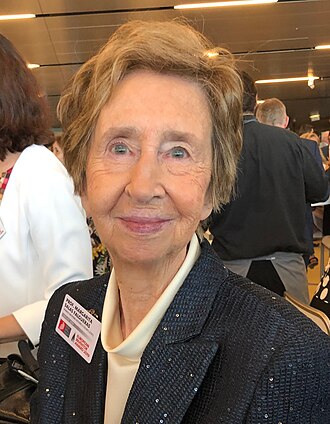 Margarita Salas合作论文数Severo Ochoa Biology Center, Madrid Autonomous University19
 Estela Gonzalez Gualda合作论文数Early Cancer Institute, University of Cambridge. Cambridge10
 Isabel Holguera合作论文数Dept Biol, NYU9
 Manuel Serrano合作论文数Institute for Research in Biomedicine;ICREA9
 David Macias Gutierez合作论文数Department of Ocology, University of Cambridge8
 Ljiljana Fruk合作论文数Department of Chemical Engineering and Biotechnology, University of Cambridge8
 Gary J Doherty合作论文数7
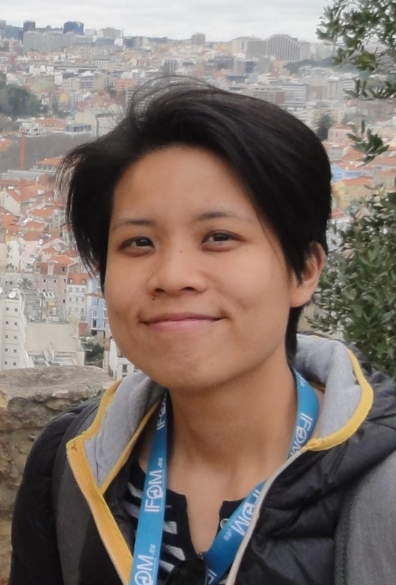 Hui-Ling Ou合作论文数Cancer Research UK Cambridge Institute, University of Cambridge7Mary Denholm合作论文数6
 Wilfried J.J. Meijer合作论文数6
 Samir Morsli合作论文数5
 Modesto Redrejo-Rodriguez合作论文数Institut de Cancérologie Gustave Roussy, Université Paris-Sud5
 Robert Rintoul合作论文数Department of Ocology, University of Cambridge5
 Marta Paez Ribes合作论文数IMAXT Laboratory, Cancer Research UK Cambridge Institute, University of Cambridge5Laurentino Villar合作论文数5Miguel Rovira合作论文数4Jianfeng Ge合作论文数4
 Beatriz Lozano-Torres合作论文数Centro de Investigación Príncipe Felipe, Universitat Politècnica de València4
 Jose-Ezequiel Martin合作论文数4
 Mario Mencia合作论文数Univ Autonoma Madrid, CSIC, Ctr Biol Mol Severo Ochoa, E-28049 Madrid, Spain4Andrew G. Baker合作论文数4Vassilis G. Gorgoulis合作论文数4
 Ramón Martínez Mánez合作论文数Dpto. de Química, Escuela Técnica Superior de Ingeniería Industrial, Universitat Politècnica de València4Reuben Hoffmann合作论文数3Cristina González-López合作论文数3Anna Dyas合作论文数3Jl Asensio合作论文数3
 Armando Albert合作论文数3Rosalind Kieran合作论文数3
 Andrea Bistrović Popov合作论文数BioNano Engn Lab, Univ Cambridge3
 Bruno de Paula合作论文数Instituto Nacional de Câncer3Muhamad Hartono合作论文数Dept Chem Engn, Delft Univ Technol3Thomas R Else合作论文数3Susanne Crocamo合作论文数3Zhenguang Zhang合作论文数Addenbrooke's Hospital, University of Cambridge3Félix Sancenón合作论文数Univ Valencia, Univ Politecn Valencia, Inst Interuniv Invest Reconocimiento Mol & Desarr, Camino Vera S-N, Valencia 46022, Spain3
 Carla P Martins合作论文数3
 Francisca Mulero合作论文数Molecular Imaging Unit, CNIO3David Ballesteros-Plaza合作论文数3
 Sarah E Bohndiek合作论文数Cancer Research UK Cambridge Institute, University of Cambridge;The Cavendish Laboratory, Department of Physics, University of Cambridge;Advanced Research + Invention Agency3Galiana Irene合作论文数3
 Andrea Bernardos合作论文数Instituto de Ingeniería de Alimentos para el Desarrollo, Universidad Politécnica de Valencia3James E. Korkola合作论文数Comprehensive Cancer Center, University of California;Department of Cell Biology, Memorial Sloan Kettering Comprehensive Cancer Center;Memorial Sloan Kettering Comprehensive Cancer Center, University of California, San Francisco3Doris Rassl合作论文数3Eliana Abdelhay合作论文数3
 Manuel Collado合作论文数Spanish National Cancer Research Center (CNIO),3WJJ Meijer合作论文数2Dimitris Veroutis合作论文数2Guillermo Medrano合作论文数2




