The increase in hybrid-work or work-from-home demands setting-specific strategies to improve health-promoting behaviors. This study compared the effects of a behavioral intervention based on individualized workplace counseling to an educational approach based on a standardized factsheet. University employees (n = 121) were randomly allocated to three groups receiving: (1) a factsheet visualizing the World Health Organization (WHO) guidelines on physical activity and sedentary behavior, (2) 20 min of individualized counseling tailored to individual barriers, opportunities, and personal strengths, or (3) no advice (control group). Physical activity (minutes per week) and sedentary behavior (minutes per day) during leisure- and occupational time were assessed before and 4 weeks after interventions using the Nordic Physical Activity Questionnaire. Further outcomes were well-being (WHO-5 questionnaire), pain intensity, and pain interference with work (both with the Short Form 36 Health Survey). Descriptive data are indicated as mean and standard deviation, and the effects of the interventions were analyzed using analysis of variance (ANOVA). The participants (age 43.6, 12.2 years, body mass index 24.3, 3.9 kg/m²) showed high levels of leisure-time physical activity (294.30, 215.37 min) and moderate levels of sedentary behavior (504.33, 158.82 min) at baseline. Overall, physical activity levels (32.37, 112.51 min) and especially vigorous intensity levels (3.88, 19.64 min) at work were low. A large share of daily sedentary time was accumulated during work (414.05, 105.19 min). The individualized counseling group decreased workplace sedentary time (-30.73, 81.74 min), compared to the factsheet (0.00, 54.35 min) and control groups (+ 6.00, 72.92 min), and increased workplace vigorous intensity activity (+ 10.24, 43.10 min), compared to the factsheet (+ 0.50, 3.16 min) and control group (-6.75, 28.77 min) (p<.05). No intervention showed any effect on leisure activity levels, well-being or perceived bodily pain (p>.05). An individualized approach to setting-specific physical activity counseling improves health-promoting behaviors in physically active persons with sedentary occupations. Registered at the German Clinical Trial Register: drks.de (registration number: DRKS00031671; 04 Feb 2025). Retrospectively registered.
Objectives: Although the effectiveness of preoperative trainings prior to an ACL reconstruction is well established, no clear consensus regarding the specific content, optimal supervision (one-on-one guidance or self-administered training) and the overall framework remains. This study aimed to compare the effectiveness of an individually tailored, guided, structured, and criteria-based preoperative rehabilitation program (IG) with a non-guided, structured, self-administered home training program (CG) in patients undergoing anterior cruciate ligament (ACL) reconstruction. Methods: In this assessor-blinded RCT, individuals aged 16–60 years with a unilateral ACL rupture and scheduled for ACL reconstruction using hamstring or quadriceps tendon autografts were 1:1 block-randomized into IG or CG. The primary outcome was self-reported knee function (KOOS sum score), assessed alongside functional and subjective outcomes at seven time points from anamnesis to 180 days post-surgery. Linear mixed models were used to analyze change scores (intention-to-treat). Results: Among 114 participants (mean age 31.0 ± 10.3 years; 53% female), 58 dropped out or discontinued the intervention. Both groups improved preoperatively, but the IG showed a significantly greater KOOS improvement from anamnesis to the day of surgery (IG: 46.04 → 58.52; CG: 51.01 → 59.18), with a significant group*time interaction (p = 0.039). This difference persisted up to 60 days postoperative (p = 0.039), though overall effect sizes were small. Conclusion: An individually tailored, supervised prehabilitation program resulted in superior improvements in perceived knee function compared to a self-administered program. These findings highlight the importance of guidance and adaptive progression in prehabilitation, offering valuable insights for optimizing rehabilitation strategies before ACL reconstruction.
Abstract This systematic review with network meta-analysis aimed to identify the most effective intervention incorporating a substantial physical activity component in individuals with comorbid depressive symptoms and nonspecific chronic low back pain (LBP). A search of six databases (PubMed/Medline, PsycINFO, Web of Science Core Collection, EMBASE, CINAHL, CENTRAL) was conducted up to July 30, 2025. Randomised controlled trials on participants > 15 years with comorbid clinically relevant depressive symptoms (e.g., Beck Depression Inventory (BDI)-II > 13) and chronic (> 12 weeks) LBP were included. Interventions involved ≥ 33% active movement and lasted ≥ 2 weeks. Outcome-wise risk of bias (RoB) for the self-reported outcomes was assessed using the Cochrane RoB 2 tool. Primary outcomes were (i) changes in depressive symptoms (mandatory) and (ii) pain intensity, disability and quality of life, with each study required to include at least one of three additional outcomes. We calculated frequentist-based network meta-analysis. Of 2138 studies, five studies (N = 834, 50.1% female, mean age: 52.8 years) with eight treatments were included. Overall RoB ranged from low to some concerns. Yoga with education was most effective at mid-term follow-up (intervention duration closest to 12 weeks, k = 9), showing improvements in pain (SMD=−1.05 [95%CI=−1.38 to −0.72]) and clinically relevant improvements in depressive symptoms (SMD=−1.48 [95%CI=−1.81 to −1.14]), all vs. usual care. Antidepressant therapy with pain self-management (e.g., physical activity, relaxation, breathing) moderately affected depressive symptoms (SMD=−0.56 [95%CI=−0.60 to −0.53]) and pain (SMD=−0.53 [95%CI=−0.56 to −0.49]). At long-term follow-up, antidepressant therapy with pain self-management, and online- and mobile-based therapy showed superiority over usual care. The overall certainty of evidence across outcomes was low to very low. With very low certainty evidence, yoga combined with education yielded the most favourable effects across outcomes. However, these findings should be interpreted with caution and require adequately powered future trials. While other approaches showed small to moderate effects, their clinical relevance remains uncertain. PROSPERO 2024 ID: CRD42024523604.
Background: Ageing is associated with substantial decreases in both motor and cognitive performance. Although physical activity is known to help tackle these declines, there is a lack of motor-cognitive exercise programs tailored to the needs of multimorbid older adults. This study investigated the effect of a multicomponent motor-cognitive exercise intervention on physical performance and psychosocial well-being in nursing home residents. Methods: We performed a multicentre, single blinded, randomised controlled trial assigning residents from 26 nursing homes to an intervention (IG) or waiting list control group (CG). The 16-week intervention comprised strength, endurance, balance, flexibility, and dual-task (DT; combination of walking and cognitive tasks) exercises performed twice a week (45-60 minutes). Primary outcomes were lower extremity functional capacity (short physical performance battery, SPPB), gait performance, DT cognitive performance (counting backwards, naming animals while walking), and psychosocial well-being (SF12 health survey, Satisfaction-With-Life-Scale). Secondary outcomes included handgrip strength, functional reach (FR), activities of daily living (Barthel Index), frailty (frailty index), depressive symptoms (Center for Epidemiologic Studies Depression-Scale, CES-D), cognitive performance (Montreal Cognitive Assessment, MoCA), and fall-related self-efficacy (FES-I). Linear mixed models (intention to treat) were used for analysis. Results: A total of n=522 participants (84+-8 years, IG: n=296, CG: n=226) were recruited. The IG demonstrated superior improvements in the SPPB (estimate=-0.685, p=.029), handgrip strength (estimate=1.896, p=.002), frailty (estimate=0.166, p=.024), and global cognition (estimate=-2.685, p<.001). No between-group differences were observed for the remaining outcomes (p>.05). Conclusion: Our multicomponent exercise programme maintained or enhanced functional motor and cognitive resources in nursing home residents. Implementing specifically tailored multicomponent exercise interventions is feasible and highly recommended. Trial registration: German Clinical Trials Register (DRKS; DRKS.de); registration number DRKS00014957 on 9 th October 2018.
Purpose:The aim of this consensus was to provide evidence-based recommendations for individual rehabilitation interventions following anterior cruciate ligament reconstruction. These recommendations are intended to complement, rather than replace, comprehensive criterion-based rehabilitation protocols. Methods:A modified Delphi process conducted by the German Knee Society evaluated 29 rehabilitation topics. Evidence from systematic reviews, randomized controlled trials and prospective cohort studies (A1-C) was summarized and rated by an expert panel. Consensus was defined as ≥80% agreement between raters. Statements were graded using the Grading of Recommendations Assessment, Development and Evaluation framework, specifying the certainty of evidence. Results:Consensus was achieved for 25 topics (86%). Moderate-certainty evidence (B2) indicates that early weight bearing likely results in safe functional recovery. Supervised and unsupervised exercise (A2-B2) likely results in improved strength and function. Rehabilitation lasting ≥9 months (A1) likely results in optimal recovery guided by functional progress. Neuromuscular training (A1) and proprioceptive training (B2) likely improve sensorimotor control and functional outcomes. Plyometric (B2) and eccentric exercises (B2), as well as blood flow restriction (A1), likely result in enhanced quadriceps strength and muscle mass. Core stability exercises (C) and aquatic therapy (B1) likely improve knee function and facilitate early return to activity. Adjunctive modalities, such as cryotherapy (A2), likely reduce pain and swelling; KT (C) and digital applications (B1) may improve early-phase outcomes. Interventions such as whole-body vibration training (B2) and cross-education (C) showed inconsistent or insufficient benefits. Rehabilitation should be individualized according to patient-specific factors, concomitant injuries and functional progress. Conclusion:These consensus recommendations provide a multimodal, evidence-based framework for anterior cruciate ligament rehabilitation. Following these recommendations likely reduces variability in clinical practice, supports safe return to sport and might lower the risk of re-injury. Level of Evidence:Level V, expert consensus.
Background: Although physical activity is recommended as a therapeutic approach for endometriosis, there is limited evidence on the interaction between endometriosis and skeletal muscle health and function. Case presentation: The participant was diagnosed with stage II endometriosis via laparoscopic surgery in 2020. She was undergoing treatment with Dienogest. The study spanned nine consecutive weeks, during which we assessed both functional and structural skeletal muscle parameters, including muscle stiffness, maximal strength, and muscular fatigue outcomes. Saliva samples were collected to analyze estradiol and cortisol concentrations at rest, immediately after, and 30 min following the fatiguing protocol. Resting estradiol concentrations were within the expected range with a mean value of 2.48 pg/mL (+/- 1.24). estradiol levels did not change significantly following the fatiguing protocol [F (2, 16) = 0.113, p = 0.893, eta(2)(p) = 0.014]. A significant negative relationship between estradiol concentrations and muscle stiffness, both in a relaxed (r = -0.68, p = 0.044) and contracted state (r = -0.763, p = 0.017) was evident. Mean resting cortisol concentrations were 5.87 nmol/L (+/- 2.18), and significantly decreased after the fatiguing protocol [F (2, 16) = 18.2, p < 0.001, eta(2)(p) = 0.695]. Pearson's correlation showed a significant positive association between cortisol concentrations and eccentric peak torque (r = 0.723, p = 0.028). Conclusions: A diminished hormonal response to physical strain was evident. From these results, we propose the hypothesis that the function of the hypothalamic-pituitary-adrenal (HPA) axis may be impaired following prolonged stress. Muscle stiffness of M. rectus femoris was negatively influenced by estradiol concentrations. Hence, estradiol may modulate muscle stiffness, potentially independent of the underlying pathology.
In shift work, where sleeping and working is contrary to the usual circadian rhythm, poor sleep is often associated with observed higher risk for worse functioning, health, and well-being. Sleep-enhancing targeted promotion could be a promising work place health intervention to counteract these risk factors. The objective of this study was to systematically review to what extent and with what efficacy sleep interventions are already being used in shift work settings. We searched five databases (PubMed, Cochrane Library, Web of Science, Scopus, and EBSCO, until June 18th, 2024) for any controlled intervention study on shift workers adopting any sleep-enhancing interventions with any control/comparator and any outcome in the context of health, work ability, or sleep. The risk of bias tool II (for RCTs) and, for the non-randomized studies, the ROBINS-I-tool were used for risk of bias ratings. The search yielded 11,261 studies after duplicate removal. Six studies (3 randomized controlled studies (RCTs), 3 non-randomized interventions, 518 participants) could finally be included in this review. Three studies adopted behavioral interventions (cognitive behavioral therapy), one used a pharmacological treatment (melatonin), and two applied an environmental approach (light exposure). Some concerns for an overall risk of bias were given in the RCTs, whilst the non-randomized controlled studies were judged to have a serious overall risk of bias. The efficacy of the interventions was mixed with beneficial and non-beneficial effects regarding the sleep parameters observed. In terms of optimizing industrial workers’ health, well-being and productivity, sleep interventions seem promising. Such interventions can be offered on a low-threshold without interfering everyday (working) life. Future research is needed not only to further prove the efficacy of such interventions, but also to derive practical implications and recommendations for suitable interventions. This systematic review was pre-registered in PROSPERO (CRD42024559360).
OBJECTIVE: To estimate the comparative effectiveness of tailored exercise therapies in people with chronic, nonspecific low back pain. DESIGN: Systematic review with network meta-analysis. LITERATURE SEARCH: We searched PubMed, Cochrane Library, Web of Science, and Google Scholar from inception to August 27, 2024. ELIGIBILITY CRITERIA FOR SELECTING STUDIES: Only randomized controlled trials (RCTs) studying the effects of any type of tailored exercise therapies in persons with chronic, nonspecific low back pain were included. Outcomes of interest were pain intensity and disability. Usual care was the standard comparator; effect sizes were calculated as Hedges’s g. DATA SYNTHESIS: We used the R package netmeta to conduct network meta-analyses. Network plotting and P-scores summarized the intervention hierarchy; usual care was the main comparator. Risk of bias was assessed using the Cochrane risk-of-bias tool. The certainty of evidence was evaluated using the CINeMA (Confidence in Network Meta-Analysis) tool. RESULTS: We included 58 randomized trials (n = 10 510 participants) with 29 different treatment or control categories. Risk of bias for pain intensity and disability was high. Cognitive functional therapy alone (SMD Disability = −0.89 [95% confidence interval = −1.11 to −0.66]; SMD Pain = −0.71 [−0.97 to −0.45]) or combined with biofeedback (SMD Disability = −1.00 [−1.36 to −0.64]) were, with moderate-certainty evidence, the most effective treatments for pain intensity ( k = 49 RCTs) and disability ( k = 45 RCTs) reduction when compared to usual care. CONCLUSION: In comparison to usual care, cognitive functional therapy, alone or with biofeedback, likely results in a large disability reduction. J Orthop Sports Phys Ther 2026;56(1):16-27. Epub 3 December 2025. doi:10.2519/jospt.2025.13281
Purpose Postprandial sedentary behavior is associated with negative health effects and constitutes a large part of daily life in modern society. This study investigated how the timing of physical activity after eating influences glucose levels, cerebral and muscle oxygenation, cognitive performance, and well-being during subsequent sitting. Methods In a four-armed randomized crossover trial, healthy adults consumed four standardized meals separated by 48-hour washout periods. Each meal was followed by 2 hours of sitting combined, in random order, with one of four interventions: (1) sitting only, (2) 15 minutes of moderate intensity cycling immediately after eating, (3) 15 minutes of cycling 20 minutes after eating, or (4) three workload-matched five-minute cycling bouts during sitting. Interstitial glucose (continuous glucose monitoring), cerebral and muscle oxygenation (Functional near infrared spectroscopy), cognitive performance (Stroop test), heart rate, blood pressure, and subjective ratings were assessed every 30 minutes. Data were analyzed using repeated-measures ANOVA. Results Twenty participants (mean age 27.1±10.3 years, 12 females) completed the study. Cycling immediately after eating reduced mean glucose levels during postprandial sitting, while both 15-minute cycling bouts increased cerebral oxygenation. All active conditions enhanced muscle oxygenation. Heart rate and arousal increased with delayed cycling and active breaks. No effects were observed for blood pressure, cognitive performance, focus, or well-being. Conclusion A short bout of physical activity immediately after eating reduces postprandial hyperglycemia and improves brain oxygenation during sitting, whereas delayed activity and brief breaks increase physiological activation without cognitive or perceptual benefits. ### Competing Interest Statement The authors have declared no competing interest. ### Clinical Trial German Clinical Trials Register, DRKS-ID: DRKS00031682, https://www.drks.de/search/de/trial/DRKS00031682/details ### Funding Statement The author(s) received no specific funding for this work. ### Author Declarations I confirm all relevant ethical guidelines have been followed, and any necessary IRB and/or ethics committee approvals have been obtained. Yes The details of the IRB/oversight body that provided approval or exemption for the research described are given below: This study was approved by the Ethics Committee of Department 5 (Psychology and Sports Sciences) of the Johann Wolfgang Goethe University Frankfurt am Main (approval date: 16 June 2023 approval ID: 2023-36). All procedures were carried out in accordance with the ethical standards of the Declaration of Helsinki. Written informed consent was obtained from all participants prior to inclusion in the study. I confirm that all necessary patient/participant consent has been obtained and the appropriate institutional forms have been archived, and that any patient/participant/sample identifiers included were not known to anyone (e.g., hospital staff, patients or participants themselves) outside the research group so cannot be used to identify individuals. Yes I understand that all clinical trials and any other prospective interventional studies must be registered with an ICMJE-approved registry, such as ClinicalTrials.gov. I confirm that any such study reported in the manuscript has been registered and the trial registration ID is provided (note: if posting a prospective study registered retrospectively, please provide a statement in the trial ID field explaining why the study was not registered in advance). Yes I have followed all appropriate research reporting guidelines, such as any relevant EQUATOR Network research reporting checklist(s) and other pertinent material, if applicable. Yes All data generated and analysed during this study are included in the manuscript figures and tables. The raw data supporting the findings of this study (including physiological recordings and source data) are archived by the authors and will be made fully available upon reasonable request. No public repository was used. Analysis scripts and related materials are available from the corresponding author upon reasonable request.
Peak height velocity (PHV) marks a sensitive period for adolescent athletes with increased injury risk. This prospective observational study explores how different maturation assessment methods are associated with injury occurrence, particularly growth-related injuries, during PHV in elite youth football players. Maturation of male U9-U16 players from the academy of a German Bundesliga club was assessed four times over one year using nine different methods (Mirwald, Moore, Fransen: ± 6/12 months, Khamis-Roche 85-96%/88-96%, ultrasonic BAUSport). Maturation was categorised into three periods relative to players' PHV (Pre-PHV, PHV, Post-PHV). For each assessment-quarter, injury occurrence was categorised as no injury, growth-related, non-contact, or contact. Injury occurrence across maturation periods was analysed in a Bayesian multinomial regression using data from 205 players (619 assessments). In this single-academy cohort, only the ultrasonic BAUSport-defined PHV period was associated with higher odds of growth-related injury, as results reveal lower odds versus no injury in Pre- and Post-PHV periods (OR = 0.33 and 0.17) relative to PHV. Most methods demonstrated higher odds of non-contact injury versus no injury with progressive maturation, while contact injuries did not differ between maturation periods. This preliminary association warrants evaluation in larger longitudinal cohorts with exposure data before informing monitoring or prevention practice.Clinical trial registration: The study was registered at the German Clinical Trial Register ( www.drks.de ; DRKS00036919).
Abstract Objective: To compare the effectiveness of an individually tailored, adaptive, guided, structured and criteria-based preoperative rehabilitation program (IG) to a structured, non-guided, self-administered home training program (CG) in individuals after an anterior cruciate ligament (ACL) rupture. Methods: We enrolled participants 16 to 60 years with a unilateral ACL rupture, scheduled for reconstruction using a hamstring or quadriceps tendon autograft. They were assessor-blinded 1:1 block-randomized to the IG or the CG. Self-reported knee function, assessed using the Knee injury and Osteoarthritis Outcome Score (KOOS), was the primary outcome. Secondary outcomes included functional measures (range of motion, muscle strength, functional limb asymmetries, and hopping ability) as well as self-reported psychological readiness to return to sport. Parameters were assessed at up to seven time points: anamnesis in the hospital, 1 to 7 days before the surgery, on the day of surgery, 30, 60, 90, and 180 days post-surgery. Intention-to-treat based linear mixed models were calculated using the change scores since anamnesis. Results: Of 114 enrolled participants (mean age = 31.03, SD = 10.30 years; 53% females), 58 participants discontinued intervention or dropped out. The IG (KOOS score anamnesis: 46.04, 95% confidence interval = [45.07 to 47.02]; pre-reconstruction: 58.52, [57.51 to 59.54]) demonstrated a more pronounced preoperative improvement in the KOOS score compared to the CG (51.01, [50.10 to 51.92]; 59.18, [58.40 to 59.96]). The interaction (group*time) of the KOOS sum score differed for the change score to the surgery day (p = 0.039) and to 60 days postoperative (p = 0.039). Conclusion: The individually tailored preoperative rehabilitation program may improve perceived knee function more than self-guided training. Caution and future research are needed as the effects were small. Trial registration: German Register of Clinical Trials, DRKSID: DRKS00030312, Date of registration in DRKS 26.09.2022.
Background:Foam rolling has become increasingly popular for its proposed benefits on physical performance and recovery. This study investigated the effects of single bouts of active foam rolling and passive foam rolling on vertical jump height, perceived pain, and applied pressure during treatment. Methods:Twenty physically active participants (10 males, 10 females) completed a randomized crossover design study, undergoing one active and one passive foam rolling session. Jumping performance was assessed via countermovement jump (CMJ) height at baseline, pre-treatment (PRE), and post-treatment (POST). Pain intensity was evaluated using a visual analog scale, while applied pressure was measured via force plates for active foam rolling and the weight applied to a custom device for passive foam rolling. Results:The CMJ height post-treatment was reduced after both foam rolling treatments (p < 0.001, ωp2 = 0.29), with no significant interaction or condition effect observed. The applied pressure during active was significantly higher than during passive foam rolling for the thigh (p < 0.001, Hedges' g = 1.14). In contrast, perceived pain was greater in passive than in active rolling (p = 0.002, Hedges' g = 0.96). CMJ height improved following the initial warm-up (baseline to PRE, p = 0.014, 95%, Hedges' g = -0.11). Conclusion:This study highlights the biomechanical and psychological complexities of foam rolling, suggesting that both active and passive rolling may temporarily impair power performance. The observed jump height reduction could stem from decreased tissue stiffness, while the initial warm-up benefits reinforce the effectiveness of traditional warm-up protocols.
Objectives:To investigate the feasibility and effects of a sensorimotor stabilization exercise intervention with and without behavioral treatment in nonspecific low back pain. Design:A three-armed multicenter randomized controlled trial. Setting:Five study sites across Germany (3 orthopedic university outpatient clinics, 1 university sports medicine department, and 1 clinical institution). Participants:Six hundred and sixty-two volunteers (N=662) (59% females, age 39±13y) with low back pain. Interventions:Sensorimotor training (SMT), sensorimotor training with behavioral therapy (SMT+BT), and usual care group (UCG; continuation of the already ongoing individual treatment regime). Intervention groups performed a 12-week (3wk center-based, 9wk home-based) program. Main Outcome Measures:Adherence, dropout rates, adverse events, and intervention effects on pain intensity, disability, and trunk torque (gain scores, repeated measures analysis of variance, α-level<0.05). Results:In total, 220 participants received SMT, 222 received SMT+BT, and 170 were analyzed as UCG. Dropout rates were 10% for SMT and SMT+BT at week 3, 31% and 30% at week 4, and 49% and 50% at week 12. Adherence rates above 80% were reached in both interventions; 134 adverse events occurred. Intervention effects compared to UCG were found for pain intensity (SMT, P=.011, effect size d=0.41), disability (SMT+BT, P=.020, d=0.41), and peak torque (SMT, P=.045, d=0.38; SMT+BT, P=.019, d=0.44), with overall small effect sizes. Conclusions:Participants were highly adherent to the sensorimotor exercise, but showed increased dropout rates, particularly during home-based training. Both interventions proved to be feasible, and although only SMT showed an increased effect on pain intensity compared to UCG, the SMT+BT showed positive effects on disability. Both interventions led to increases in strength, indicative of a neuromuscular adaptation.
PURPOSE:The main goal was to perform a modified Delphi process with the Ligament Injuries Committee of the German Knee Society (DKG) to structure and optimize the management of isolated posterior cruciate ligament (PCL) injuries. METHODS:A structured modified Delphi approach was used to develop an expert statement. Steering group formulated an initial questionnaire and distributed it to 15 experienced knee surgeons (male/female 13/2, mean age 45 ± 5 years) of the working group in Round 1. Thirty-one statements covering five thematic topics were then derived from the responses and comprehensive literature search (Medline, Scopus and Cochrane) using variations of different search terms (literature group). The statements underwent two rating cycles by the working group, using a 5-point Likert scale in Round 2 and as a binary 'agree/disagree' in the final third round. Levels of evidence were assigned to each statement using standardized A-E and GRADE grading systems based on the available data. RESULTS:High agreement (≥80%) was achieved for 24 of the 31 statements (range, 83%-100%), whereas for 7 agreement was <80% (range 63%-74%). The highest levels of agreement were reached for imaging modalities, treatment of PCL tibial avulsions, and preservation of native PCL fibres in reconstruction techniques, whereas the greatest divergence was observed regarding the role of leg axis and slope analyses and indications for corrective osteotomies, use of augmentation in reconstruction and post-operative rehabilitation protocols. The available level of evidence across studies in the literature was predominantly low to moderate. Of the 31 statements, 17 were graded as expert opinion (E, GRADE: very low), 12 as case series (C; GRADE: low), and only 2 achieved higher levels of evidence (B2, GRADE: moderate). CONCLUSION:By providing structured treatment protocols, this Delphi-based structured expert statement can support clinicians in day-to-day decision-making and ultimately improve patient care and outcomes. STUDY DESIGN:Expert survey. LEVEL OF EVIDENCE:Level V.
PURPOSE:Finding prognostic factors for a subsequent injury after an anterior cruciate ligament (ACL) reconstruction. METHODS:We re-analysed the data of two intervention studies on adults with a hamstrings or quadriceps tendon ACL reconstruction. All participants were prospectively monitored for 24 months. At the end of the individual postsurgery rehabilitation, numerous self-reported and objective functional outcomes were quantified, all potential secondary injuries (primary outcome was the occurrence of secondary ipsi- or contralateral ACL injuries) and all rehabilitation and training measures were prospectively monitored. The association of potential factors with a secondary injury risk was determined using logistic mixed models. RESULTS:We included 148 participants (mean age 25.3 years [standard deviation 5.1 years], 63 females). Eight participants had a subsequent ACL injury, among them seven ispilateral and one contralateral side ACL rupture. The final model for the likelihood of a subsequent ACL injury led to a sensitivity (correctly classified participants who had a subsequent ACL injury) of 83.3% and to a specificity (correctly identified participants without who did not have a subsequent ACL injury) of 100% (n = 93). The main contributing factors to subsequent ACL or any subsequent other injuries were: higher kinesiophobia values (odds ratio [OR] = 2.0, 95% confidence interval [CI] = 1.1-3.4), higher knee loading levels during activity (Tegner activity scale, OR = 29, 95% CI: 1.1-791), lower performance levels at the Balance front hop (OR = 0.13, 95% CI: 0.03-0.52), and higher dynamic valgus (knee separation distance in the frontal plane) during the landing of a drop jump landing (OR = 0.80, 95% CI: 0.65-0.98). CONCLUSION:Most of the predictive factors for a second subsequent injury after an ACL reconstruction are modifiable by adequate training and rehabilitation measures. The modification of these factors might decrease the secondary risk of injury risk. LEVEL OF EVIDENCE:Level II, a prospective cohort study.
BACKGROUND:Electrical stimulation is an effective treatment method for improving motor function after stroke, but the optimal current type for patients with stroke and arm paresis remains unclear. OBJECTIVE:To compare the effects of kilohertz frequency with low-frequency current on stimulation efficiency, electrically induced force, discomfort, and muscle fatigue in patients with stroke. DESIGN:A randomized crossover study. SETTING:Neurological inpatient rehabilitation clinic in Germany. PARTICIPANTS:A total of 23 patients with arm paresis after stroke within the last 6 months were recruited, 21 were enrolled, and 20 completed the study (7 females; mean ± SD: 66 ± 12 years; 176 ± 11 cm; 90 ± 19 kg; 57 ± 34 days since stroke). INTERVENTION:All patients underwent both kilohertz and low-frequency stimulation in a randomized order on 2 days (48-hour washout). Each day included a step protocol with a gradual increase in stimulation intensity, starting at the first measurable force (up to 12 steps, 1 mA increments, 8 seconds stimulation, 60 second rest) and a fatigue protocol (30 repetitions, 8 second stimulation, 3 second rest). MAIN OUTCOME MEASURE:Primary outcome was stimulation efficiency (electrically induced force/stimulation intensity) [N/mA], measured during each step of the stepwise increase in current intensity protocol. RESULTS:Linear-mixed-effects models showed significantly higher stimulation efficiency for low-frequency stimulation (mean difference 0.14 [95% confidence interval, 0.01-0.27 N/mA], p = .031). However, current type did not significantly affect electrically induced force, level of discomfort, or muscle fatigue (p > .05). CONCLUSION:The findings suggest that low-frequency stimulation is more efficient than kilohertz-frequency stimulation. However, both current types yield similar effects on force, discomfort, and fatigue, making them both viable options for wrist extensor stimulation in patients after stroke. Considering the variability among individuals, customizing the current type based on electrically induced force and perceived discomfort may enhance therapeutic outcomes. Further research on the long-term treatment effects of both current types is warranted.
Background:Information derived from functional return-to-sport (RTS) tests after primary anterior cruciate ligament (ACL) reconstruction (ACLR) can have a significant impact on the risk reduction of ACL reruptures. However, due to space, time, and financial limitations, few clinicians utilize objective data to assess their patients' functional abilities after ACLR. Purpose:To identify validated and feasible RTS tests that could reliably estimate the risk of reinjury after ACLR in everyday clinical practice beyond the highly sophisticated laboratory setting. Study Design:Systematic review; Level of evidence, 4. Methods:A focused review was performed by experts of the committees for Ligament Injuries and Prevention/Rehabilitation of the German Knee Society. RTS functional tests, their reinjury prognostic values (if known), their reliabilities, and their implementation capacities were extracted from the original studies on the described RTS test setup, as well as from studies on potential test alternatives. These alternatives were required to be less resource-consuming yet still validated and thus able to be implemented into everyday practice. All tests were categorized according to their relevant target objective: isokinetic or isometric strength, functional (hopping and jumping) ability, or self-reported readiness. Results:In the final analysis, 19 studies involving 7513 patients were included. From these, a total of 21 RTS tests were retrieved, and 13 tests were included. For strength testing, 2 dynamic tests and 1 static test were found to be eligible. Functional ability was represented by 8 different jump, hop, and agility tests. Tests for self-reported readiness included the ACL-Return to Sport after Injury scale and the Knee injury and Osteoarthritis Outcome Score Sport and Recreation subscore. Alternative tests included the 8-repetition maximum test, handheld/portable dynamometer, single-leg vertical (countermovement) hop with inertial sensor or smartphone app, and the drop jump with knee displacement or normalized knee distance measurement. Conclusion:For most of the strength and functional abilities assessed by RTS tests, validated and less resource-consuming alternatives do exist. Therapists and clinicians working in nonlaboratory settings may find it helpful to select from a menu of established RTS tests and test alternatives for each relevant target objective, depending on their individual requirements.
Background and Purpose: Functional electrical stimulation (FES) is an effective therapeutic method for improving upper limb motor function after stroke, yet its usage among occupational and physical therapists in Germany remains uncertain. The aim of the study is to investigate the knowledge of, frequency of use, and barriers to electrical stimulation use in stroke rehabilitation. Methods: An online survey was conducted among German occupational and physical therapists working with stroke patients. Data were analyzed for frequency distributions, and associations between electrical stimulation usage and individual/organizational factors were assessed using Chi-Square or Fisher's exact tests. Results: A total of n = 111 participants completed the survey (57 occupational and 54 physical therapists). Almost half (45%) reported regular electrical stimulation use, with 57% wanting to increase it. Use was higher among therapists with additional training (85% vs. 44%, p=0.041), belief in electrical stimulation effectiveness during acute (87% vs. 59%, p=0.041) and early subacute stages (81% vs. 47%, p=0.027), sufficient time (78% vs. 60%, p < 0.001), and device access (80% vs. 44%, p=0.006). Therapists with over 10 years of experience used electrical stimulation less frequently (p < 0.001). Conclusion: Although electrical stimulation shows promise in rehabilitation, further research is needed to assess the resources-such as time, equipment, and therapist training-required for its effective integration.
Time-constrained decision-making during athletic movement can impair knee mechanics, potentially increasing risk for anterior cruciate ligament (ACL) tears. This study compared the effects of unanticipated single-leg landings on landing stability, safety, and decision-making success in ACLR and uninjured athletes. Matched-pair cross-sectional data from 14 ACLR (females: n = 6, age: 23 ± 5, BMI: 23 ± 4 kg/m2, Tegner activity score: 8 ± 1; time since surgery: < 2 years) and 14 healthy controls (females: n = 6, age: 26 ± 3, BMI: 22 ± 2 kg/m2, TAS: 8 ± 2) were analysed using a two-factorial ANOVA. Participants performed countermovement-jumps with unanticipated (landing side shown after take-off, time-constrained) and anticipated (landing side displayed before take-off, no time-constraints) single-leg landings on HUMAC force plates. Landing stability and safety were assessed via center of pressure path length (CoP), time to stabilization (TTS), vertical peak ground reaction force (pGRF) and time to pGRF. Unanticipated decision-making success was measured using erroneous landings (wrong foot/both feet). Significant effects for group were found for CoP (p = 0.011) and pGRF (p = 0.020). Post-hoc tests showed lower values for the ACLR-group compared to controls during the unanticipated condition for both CoP (p = 0.012) and pGRF (p = 0.049). No significant effects were observed for landing condition, the group x landing condition interaction, or for TpGRF and TTS. These findings suggest that the ACLR-group used a more cautious landing technique, likely to protect the knee joints, especially under unanticipated conditions, potentially compensating for loads. Future studies should explore how unanticipated tasks impact knee kinematics and kinetics to better understand their role in ACL (re-)injury prevention.
Late-stage rehabilitation interventions after an anterior cruciate ligament (ACL) reconstruction are under-researched, inter alia regarding potential differences in rehabilitation effects between autograft types. This study determined the effectiveness of a specific, late-stage rehabilitation to usual care after ACL reconstructions in patients with a quadriceps versus such with a hamstring tendon autograft. In this multicentre case-control intervention study, participants aged 18-35 years were included at the end of their formal rehabilitation (mean 8.1 months) after ACL reconstruction. Twenty-four cases with an arthroscopically assisted, anatomic ipsilateral quadriceps femoris tendon autograft and two numerically equal hamstring tendon reconstructed propensity score-matched groups were compared. Matching variables were gender, age, Tegner activity scale, plus, once, the time since reconstruction and once the functional capacity at intervention onset. All participants performed a 5-month performance enhancing intervention. All outcomes were measured once a month. Self-reported outcomes such as knee function (The Knee injury and Osteoarthritis Outcome Score (KOOS) Sport as the main self-reported outcome) were followed by a series of hop and jump tests. The front hops for distance (outcome: hopping distance) was the primary outcomes of the study. Linear mixed models were calculated using change scores. All participants were analysed. No group*time interaction effect could be identified in the two main outcomes KOOS SPORT and front hop for distance. Furthermore, with the exception of the self-reported all-day function, no outcome displayed any between-group differences in the trainability, either. The return-to-sport success took a mean time of 3.8 months after study commencement; the success rates ranged between 80% and 83% and were not different between groups. Being reconstructed with a hamstrings or with a quadriceps tendon autograft had no impact on the late-stage rehabilitation effects after an ACL rupture. Both graft choices enable comparably favourable functional outcomes and return-to-sport success rates. Conversely, no recommendation can be derived with regard to the selection of either a hamstring or a quadriceps autograft type. The decision must be undertaken individually and based on other factors.
 Lutz Vogt合作论文数105
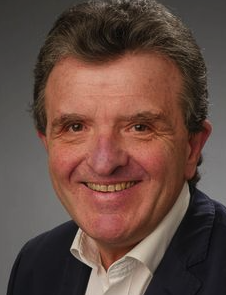 Winfried Banzer合作论文数Institute for Occupational, Social and Environmental Medicine, Johann Wolfgang Goethe-Universität Frankfurt am Main92
 Jan Wilke合作论文数51
 Tobias Engeroff合作论文数Institute of Sports Sciences, Goethe University43
 Florian Giesche合作论文数Div Prevent & Sports Med, Goethe Univ22
 Thomas Stein合作论文数16
 David Groneberg合作论文数Department of Public Health, Institute of Occupational, Social and Environmental Medicine, Goethe Universität Frankfurt14
 Kristin Kalo合作论文数13
 Natalie Mengis合作论文数11Matthias Keller合作论文数11
 Michael Behringer合作论文数11Petersen Wolf合作论文数11
 Sarah Tenberg合作论文数9Johanna Vogel合作论文数9
 Andree Ellermann合作论文数9
 Tilman Engel合作论文数9
 Daniel Guenther合作论文数9
 Frieder Krause合作论文数Department of Sports Medicine, Goethe University Frankfurt9
 Frank Mayer合作论文数9
 Raymond Best合作论文数8
 Juliane Muller合作论文数1University Outpatient Clinic, University of Potsdam;Health and Physiotherapy, Bern University of Applied Sciences;University of Potsdam, Bern University of Applied Sciences8Schoepp Christian合作论文数7
 Krause Matthias合作论文数Department of Osteology and Biomechanics, University Medical Center Hamburg-Eppendorf7Beck Heidrun合作论文数7
 Steffen Muller合作论文数7
 Christian Thiel合作论文数7
 Katharina Schmidt合作论文数University of Sheffield;University of Ulster;University of Oxford;University of Ulster, University of Oxford7
 Pia-Maria Wippert合作论文数7
 Ann-Christin Pfeifer合作论文数6Philipp Floessel合作论文数6Christian Schneider合作论文数6Marcus Schiltenwolf合作论文数6David Friebe合作论文数5Oliver Vogel合作论文数5Maren Janko合作论文数University Hospital, Goethe University Frankfurt5
 Evans Y. K. Ashigbi合作论文数School of Allied Health Sciences, University of Health and Allied Sciences5
 Andrea Achtnich合作论文数5
 Julian Mehl合作论文数5
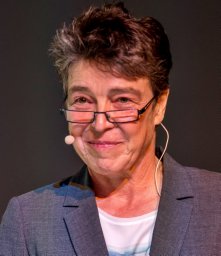 Petra Platen合作论文数Department of Sports Medicine and Sports Nutrition, Ruhr-University Bochum5
 Johannes Fleckenstein合作论文数Department of Sports Medicine, Institute of Sports Sciences, Goethe University Frankfurt;Department of TCM/Acupuncture, Institute for Complementary Medicine, University of Bern5
 Turgay Efe合作论文数5
 Jurgen Hoher合作论文数5
 Johanna Sieland合作论文数4Thore Haag合作论文数4Jonas Weinig合作论文数4Joerg Schiller合作论文数4
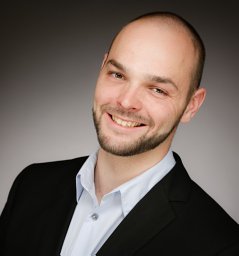 Robin Schäfer合作论文数Faculty of Sport Science, Ruhr University Bochum4
 Georg Brandl合作论文数4
 Bjoern Drews合作论文数4




