Enzyme immobilization on stimuli-responsive hydrogels provides a strategy to control biocatalytic activity under fluctuating process conditions. In this study, the immobilization of formate dehydrogenase on three hydrogel carriers is investigated: pH-responsive poly(2-hydroxyethyl methacrylate-co-itaconic acid), temperature-responsive poly(N-isopropylacrylamide), and dual-responsive poly(N-isopropylacrylamide-co-itaconic acid). The hydrogels were characterized in terms of swelling behavior, mechanical properties, and morphology, confirming the responsiveness of these materials. Subsequently, the immobilization performance was evaluated across two carrier geometries (monoliths and particles) and two immobilization techniques (adsorption and covalent binding). The polymer chemistry was identified as the dominant factor controlling enzyme loading density, with the dual-responsive formulation achieving the highest loading despite moderate immobilization yields. These responsive hydrogels demonstrate strong potential as smart enzyme carriers for biocatalytic applications, particularly in continuous-flow reactor designs where improved substrate availability and increased convection can mitigate diffusion limitations and fully exploit both the catalytic performance and stimuli-responsive properties of the immobilized enzyme systems.
Abstract Phosphoketolases can be used to convert non-phosphorylated sugars to the high energy compound acetyl phosphate and the versatile metabolic precursor acetyl-CoA. The performance of these pathways is limited by low catalytic activity of natural phosphoketolases towards these sugars. Here, we report the rational engineering of the phosphoketolase from Bifidobacterium adolescentis (Bad.F6Pkt) to enhance its activity and affinity towards glycoaldehyde (GA) and D-erythrulose (ERU) through re-organisation of the protein electric field to reproduce the role of terminal phosphate groups in cognate substrates. Guided by predicted induced side-chain pK a shifts, visualisation of electrostatic potential difference maps alongside molecular modelling and sequence variation analyses, we identified mutations that could promote in situ ring opening of the pre-dominant cyclic GA dimer form in solution. This approach to the electrostatic inverse design problem yielded the GA-specific double mutant H142N:E153D, exhibiting a ten-fold improved affinity and slightly enhanced catalytic efficiency (K M = 4.4 mM, k cat / K M = 26.3 s -1 M -1 ) compared to the previously reported H142N variant (K M = 42.3 mM, k cat / K M = 20.6 s -1 M -1 ). We additionally constructed a H256Y:H260Y:H548Y variant comprising long-range electrostatic mutations with a 3.8-fold increased catalytic efficiency (k cat / K M = 49.6 s -1 M -1 ) on the acylic four-carbon ERU ketose compared to the wild-type enzyme. The engineered enzymes were evaluated in cell-free enzyme cascades for ATP regeneration via acetyl phosphate formation. The H142N variant enabled efficient ATP regeneration from GA and ethylene glycol, whereas the H142N:E153D mutant exhibited reduced stability under synthesis conditions. Furthermore, coupling of a highly GA-specific D-threose aldolase and a D-threose isomerase with the PKT triple mutant enabled rapid conversion of GA into C 4 sugar intermediates and significantly improved ATP regeneration from GA.
Stimuli-responsive gels, known as smart materials, undergo reversible changes through solvent uptake or expulsion. Building on prior material characterization (Paper A), this study evaluates their performance in a plug-flow reactor under changing temperature (25-40 degrees C) and pH (8-4) conditions using formate dehydrogenase for NADH regeneration from NAD+. Temperature changes caused transient increases in activity at elevated temperatures, followed by partial or pronounced loss after returning to mild conditions, indicating limited effects of gel responsiveness. In contrast, under pH changes, activity decreased under acidic conditions but fully recovered for responsive hydrogels, maintaining high residual activity (93.3 +/- 26.3% for pH-responsive and 91.0 +/- 9.8% for dual-responsive carriers), whereas non-responsive silica carriers showed irreversible loss, retaining only 27.6 +/- 10.2% of the initial yield. This behavior is attributed to gel shrinkage, which restricts mass transport and reduces enzyme exposure to the surrounding environment. These results demonstrate the potential of responsive hydrogels as adaptive enzyme carriers for biocatalysis.
Biocatalysis, using enzymes or whole cells, offers high selectivity under mild conditions, but its broader application is often hindered by slow kinetics, equilibrium limitations, product inhibition and the processing of dilute streams in the presence of enzymes and cells. Bioreactive separation, defined as the simultaneous process of biocatalysis and separation, provides a powerful concept to overcome these barriers and therefore offers the potential of superiority over conventional processes. The current retro- and perspective paper, which is the result of an interdisciplinary workshop with academic and industry experts from the areas of biotechnology, fluid separations and process systems engineering, provides a focussed review, paired with a distinct novel definition of bioreactive separations that links to multifunctional reactors in chemical engineering and in situ product removal in biocatalysis. By establishing a common framework, this definition connects different research areas and enables systematic development. The current status of bioreactive separation processes is evaluated using SWOT analyses to identify key potentials and challenges. Based on this, a vision for 2040 is outlined, highlighting the need for advances in integration strategies, biocatalyst design, modelling and simulation, and applied research. Overall, a coordinated progress in these areas can significantly enhance the scalability and sustainability of bioprocessing.
Enzymatic biotransformations can offer sustainable alternatives to conventional chemical processes, but their activity often strongly depends on the pH of the reaction solution. The urease-catalyzed hydrolysis of urea provides a mild route for ammonia production; however, this ammonia production inherently increases the pH in a buffer-free system, rapidly decreasing urease activity. In this work, we combine modeling and experiments to develop a buffer-free pH control strategy for the enzymatic hydrolysis of urea that relies on the dissolution of gaseous carbon dioxide (CO2). CO2, which is actually a byproduct of enzymatic urea hydrolysis, is deliberately added to regulate the pH and enhance productivity. A kinetic model for urea hydrolysis is coupled with a thermodynamic model of the acid-base equilibria in the aqueous phase to analyze and design the process. Bayesian optimization is applied to calculate the optimal partial pressures for CO2 in the gas phase to maximize productivity. The resulting concept is successfully demonstrated experimentally, highlighting a practical approach with minimal downstreaming requirements to control pH in enzymatic reactions.
UDP-GlcNAc and UDP-GalNAc are well-demanded nucleotide sugars and serve as precursors for the enzymatic synthesis of N- and O-glycans as well as glycosaminoglycans. Although the enzymatic synthesis cascade has been extensively studied, limitations remain for an efficient large-scale production. Unfavorable inhibitions by intermediate accumulation, precipitation of the byproduct phosphate with the needed cofactor magnesium, and efficient enzyme dosage still pose significant challenges. These challenges were investigated in an enzyme cascade including N-acetyl-hexosamine kinase from Bifidobacterium longum (BlNahK), UDP-N-acetylgalactosamine diphosphorylase from Homo sapiens (HsAGX1), and inorganic pyrophosphatase from Pasteurella multocida (PmPpA) for UDP-GlcNAc and UDP-GalNAc synthesis. ATP supply started from AMP and polyphosphate by polyphosphate kinase from Cytophaga hutchinsonii (ChPPK), and UTP was generated from UMP using cytidine/uridine monophosphate kinase from Escherichia coli (EcCMPK) and cytidine/uridine diphosphate kinase from Saccharomyces cerevisiae (ScCDPK). To reach a high productivity, enzyme cascade parameters were determined and optimized using Multiplex capillary electrophoresis. By kinetic modelling of the enzyme cascade and fine-tuning of the uncoupled UTP/ATP generation/regeneration system as well as observing the magnesium polyphosphate interplay with enzyme activity we were able to scale the production up to a molarity of 100 mM in 200 mL, yielding 10 g of UDP-GlcNAc with a conversion of 82.4% in 48 h and 12 g of UDP-GalNAc with full conversion in 29 h. The key limitations for successful scale-up, namely the promiscuity of BlNahK towards UTP and interplay of magnesium ions with phosphate species, were overcome. Overall, the presented insights are expected to be transferable to similar enzyme cascades.
Three-dimensional (3D) porous carbon architectures offer unique advantages for electrochemical processes due to their high surface area, interconnected porosity, and intrinsic conductivity. In this study, a carbon nanotubemodified Globugraphite composite (CNT-GG) is developed to achieve efficient electrogeneration of hydrogen peroxide (H2O2). The composite exhibits exceptionally high porosity (98%), ultralow density (0.04-0.05 g & sdot;cm- 3), and a hierarchical porous structure, providing enhanced active surface exposure and mass transport. Incorporation of carbon nanotubes (CNTs), consistent with a multi-walled structure, within the GG matrix modifies the pore architecture and promotes a more interconnected network enhancing mass transport and charge-transfer processes, thereby improving electrochemical activity. It significantly improves effective bulk conductivity (up to 662 S/m), mechanical strength as determined by higher flexural and modulus values, and slight enhancement in thermal stability. The optimized CNT-GG structure also exhibits reduced tortuosity (from 4.29 to 1.21), facilitating efficient charge-transfer pathways. Electrochemical evaluation demonstrates that CNT-GG electrodes markedly enhance the in-situ generation of H2O2, reaching concentrations up to 48 mu mol & sdot;L- 1 within 30 min while achieving a high specific H2O2 productivity of 2.64 mu mol & sdot;cm- 2 & sdot;min- 1. These results demonstrate that CNT modification synergistically improves porosity, conductivity, defect-rich carbon structure contributing to electrochemical activity, positioning CNT-GG as a promising electrode material for H2O2 electrogenaration systems.
Phosphoketolases can convert nonphosphorylated sugars to the high-energy compound acetyl phosphate and the versatile metabolic precursor acetyl-CoA. However, their application is limited by low catalytic activity toward these substrates. Here, we report the rational engineering of the phosphoketolase from Bifidobacterium adolescentis (Bad.F6Pkt) to enhance its activity and affinity toward glycolaldehyde (GA) and d-erythrulose (ERU) through reorganization of the protein electric field. Guided by predicted induced side-chain pKa shifts, visualization of electrostatic potential difference maps alongside molecular modeling and sequence variation analyses, we identified mutations that could promote in situ ring opening of the predominant cyclic GA dimer. This approach yielded the GA-specific double mutant H142N:E153D, exhibiting a 10-fold improved affinity (KM = 4.4 mM) and slightly enhanced catalytic efficiency compared to the previously reported H142N variant. In addition, the H256Y:H260Y:H548Y variant comprising long-range electrostatic mutations exhibited a 3.8-fold higher catalytic efficiency toward ERU than the wild-type. The engineered enzymes were evaluated in cell-free enzyme cascades for ATP regeneration via acetyl phosphate formation. The H142N variant enabled efficient ATP regeneration from GA and ethylene glycol, whereas H142N:E153D exhibited reduced stability under synthesis conditions. Furthermore, coupling of a d-threose aldolase and isomerase with the PKT triple mutant enabled rapid GA conversion to C4 sugar intermediates, increasing the ATP yield.
The “11th International Congress on Biocatalysis (biocat2024)” was part of a biennial series that unites the fields of biology and chemistry, attracting researchers from the life sciences, engineering, and computer science. This international forum provides an opportunity for scientists worldwide to connect, seek collaboration for future projects, and gain insights into contemporary topics and innovative techniques. Biocat covers a range of compelling subjects and recent advancements in biocatalysis, including enzyme discovery, evolution, and applications. This congress focused on six key topics: AI and computational methods, structure–function analysis and enzyme engineering, enzymatic and whole-cell biotransformations, reaction cascades (electro-, chemo-, and photoenzymatic synergies), bioprocess engineering and the design of smart reactors, and facing climate change through sustainability and a circular bioeconomy. In 2024, we welcomed 344 expert delegates alongside 21 internal attendees, including 154 women and 1 non-binary participant, bringing the total number of participants to an impressive 365. Established researchers and emerging scientists from academia and industry delivered a total of 119 presentations, comprising 59 standard lectures, 60 lightning talks, and 195 posters. Six industry exhibitors showcased their latest products and services, providing an excellent opportunity to strengthen the connection between science and industry. Furthermore, the biocat award, recognized as one of the most prestigious honors in biotechnology, was presented for the eleventh time in the categories of “Science in Academia”, “Lifetime Achievement,” and “Industry”.
Adenosine triphosphate (ATP)-dependent in vitro bioprocesses, such as cell-free protein synthesis and the production of phosphorylated fine chemicals, are of considerable industrial significance. However, their implementation is mainly hindered by the high cost of ATP. We propose and demonstrate the feasibility of a cell-free ATP regeneration system based on the in situ generation of the high-energy compound acetyl phosphate from low-cost d-fructose and inorganic phosphate substrates. The enzyme cascade chains d-fructose phosphoketolase, d-erythrose isomerase, d-erythrulose phosphoketolase, and glycolaldehyde phosphoketolase activities theoretically enabling production of 3 mol ATP per mol of d-fructose. Through a semirational engineering approach and the screening of nine single-mutation libraries, we optimized the phosphoketolase (PKT) from Bifidobacterium adolescentis, identifying the improved variant Bad.F6Pkt H548N. This mutant exhibited a 5.6-fold increase in d-fructose activity, a 2.2-fold increase in d-erythrulose activity, and a 1.3-fold increase in glycolaldehyde activity compared to the wild-type enzyme. The Bad.F6Pkt H548N mutant was initially implemented in a cell-free reaction system together with an acetate kinase from Geobacillus stearothermophilus and a glycerol kinase from Cellulomonas sp. for the production of glycerol-3 phosphate from ADP and glycerol. We demonstrated the feasibility of ATP regeneration from 25 mM d-fructose with a stoichiometry of 1 mol of ATP per mol of C6 ketose. Subsequently, the reaction system was enhanced by incorporating d-erythrose isomerase activity provided by a l-rhamnose isomerase from Pseudomonas stutzeri. In the complete system, the ATP yield increased to 2.53 mol molfructose-1 with a maximum productivity of 7.2 mM h-1.
Hydrogen peroxide (H2O2) is a strong oxidizing agent that is commonly employed in chemical synthesis. Nevertheless, its utilization as a cosubstrate in biocatalytic reactions remains limited due to the deactivating effect on biocatalysts at an elevated concentration. An electrochemical synthesis of H2O2represents an attractive approach, offering a controllable in situ generation of H2O2without producing complex by-products. The objective of this study is to demonstrate the feasibility of the in situ electrogeneration of H2O2 using the All-in-One (AiO) electrode within a flow reactor technology. Integrating a bioelectrochemical system (BES) into a flow reactor technology, such as a flow cell, presents an alternative strategy for scale-up. In this study, the in situ generation of H2O2is coupled with the hydroxylation of 4-ethylbenzoic acid catalyzed by the immobilized recombinant unspecific peroxygenase from Agrocybe aegerita (rAaeUPO) within a complete BES under batch and fed-batch operation modes. The electrochemical flow cell facilitates a controllable H2O2generation by adjusting experimental parameters such as current density, aeration rate and residence time. The flow cell BES equipped with the AiO electrode yielded a catalytic productivity as high as 1.24 f 0.02 mM h-1 (4.95 f 0.1 g L-1 d-1), a total turnover number of rAaeUPO up to 3.38 center dot 105 f 702 mol mol-1 and a turnover frequency up to 8.34 f 0.14 s-1.
Biocatalysis has matured to become a technology widely applied in the chemical industry. There are numerous potential routes to improve the performance of a biocatalytic process. Immobilizing enzymes can be advantageous as it increases stability and simplifies separating enzymes from reaction mixtures. However, establishing a biocatalytic process based on immobilized enzymes is expensive, time-consuming, and labor-intensive. The reason for this is that a multitude of parameters influence the outcome of the immobilization and the performance in the final process. Screening these parameters in parallel on a small scale is a common strategy to address these issues. However, when screening immobilized enzymes with established methods such as centrifuge tubes, the reaction conditions differ substantially from the process conditions. We present a novel screening platform for immobilized enzymes based on magnetically driven miniature rotating bed reactors (MiniRBRs) to overcome this. This system unites the advantages of small scale operation with immobilizates and the application of rotating bed reactors, which are already established to be scalable at an industrial scale. As a model system, the synthesis of acetyl phosphate from glycolaldehyde catalyzed by a phosphoketolase is used in this study. We were able to significantly increase the stability of the phosphoketolase by immobilizing the phosphoketolase and using the MiniRBR system. In addition, the versatility of the MiniRBR will be demonstrated in terms of compatibility with different enzyme carrier materials, reaction conditions, and modes of operation.
The economic application of enzymes requires selection of the most appropriate reactor that might even lessen the impact of any inhibition or deactivation of the enzyme. When considering the basic reactor types in batch or continuous operation, general rules can already be derived making use of idealized, mathematical descriptions. This will be the first step in enabling production on an industrial scale. An insight into the calculation of different reactor types is given on the basis of ideal conditions, in order to be able to determine the most important parameters for evaluating an enzyme-catalyzed process and to distinguish between the basic reactors. In addition, selection of the most appropriate reactor in the case of inhibition phenomena and the different process control strategies are discussed. Examples are presented at the end of the chapter to show the industrial relevance of enzyme-catalyzed reactions, whereby the entirety of thermodynamic and kinetic parameters must always be taken into account for the economic viability of an industrial process.
The fixation of CO2 by enzymatic carboxylation for production of valuable carboxylic acids is one way to recycle carbon. Unfortunately, this type of reaction is limited by an unfavourable thermodynamic equilibrium. An excess of the C1 substrate is required to increase conversions. Solvents with a high CO2 solubility, such as amines, can provide the C1 substrate in excess. Here, we report on the effect of CO2 pressures up to 1100 kPa on the enzymatic carboxylation of resorcinol in aqueous triethanolamine. Equilibrium yields correlate to the bicarbonate concentration. However, inhibition is observed at elevated pressure, severely reducing the enzyme activity. The reaction yields were reduced at higher pressures, whereas at ambient pressure, higher yields were achieved. Overall, CO2 pressures above 100 kPa have been demonstrated to be counterproductive for improving the biotransformation, as productivity decreases rapidly for only a modest improvement in conversion. It is expected that CO2 carbamylation intensifies at elevated CO2 pressures, causing the inhibition of the enzyme. To further increase the reaction yield, the in situ product precipitation is tested by the addition of the quaternary ammonium salt tetrabutylammonium bromide.
For the enzymatic carboxylation of resorcinol to 2,6-dihydroxybenzoic acid (2,6-DHBA) using gaseous CO2 in an aqueous triethanolamine phase, an adsorption-based in situ product removal was demonstrated. The aim is to improve the reaction yield, which is limited by an unfavourable thermodynamic equilibrium. First, a screening for a high-affinity adsorber was carried out. Then, the application of a suitable adsorber was successfully demonstrated. This enabled achieving reaction yields above 80% using the adsorber for in situ product removal. The applied biotransformation was scaled up to 1.5 L at lab-scale. Furthermore, a downstream process based on the elution and purification of the product bound to the adsorber was developed to obtain 2,6-DHBA in high purity. Recycling is one of the key factors in this system, making it possible to recycle the reaction medium, the adsorber and the solvents in additional batches.
The versatile unspecific peroxygenase from the fungus Agrocybe aegerita (AaeUPO) is capable to perform hy-droxylation of various substrates, even unactivated C-H bonds. The technical application of AaeUPO is still limited due to an instability towards its co-substrate hydrogen peroxide (H2O2). Electrochemical synthesis of H2O2 is an attractive approach that provides controllable in situ generation of H2O2. The aims of this study are to promote catalyst efficiency and develop an individually tailored system for H2O2-dependent reactions. Herein, an All-in-One electrode (AiO) system with a carbon felt cathode is used to generate H2O2 in situ and combined for the first time with an enzymatic hydroxylation. The AiO electrode combines the counter and working electrode in a single rod structure. This shape provides convenient integration into conventional bioreactors, thus, converting them into bioelectrochemical systems (BES). Hydroxylation of 4-ethylbenzoic acid (EBA) catalyzed by the re-combinant AaeUPO (rAaeUPO) was chosen as the model reaction. Total turnover number (TTN) up to 450,000 mol mol-1 and turnover frequency (TOF) up to 7.7 s-1 were achieved using the AiO electrode system. The H2O2 productivity was identified as the limiting factor in the hydroxylation of EBA. However, with numbering-up or surface enlargement, this process could have great potential as an optimizable platform for H2O2-dependent enzymatic reactions.
One of the key elements in stirred tank reactor set-ups is the submersed aeration system. Aeration with microbubbles provides high gas utility coupled with prolonged enzyme stability by lowering the interfacial area renewing rate depending on the aeration mode.
The electroenzymatic hydroxylation of 4-ethylbenzoic acid catalyzed by the recombinant unspecific peroxygenase from the fungus Agrocybe aegerita (rAaeUPO) was performed in a gas diffusion electrode (GDE)-based system. Enzyme stability and productivity are significantly affected by the way the co-substrate hydrogen peroxide (H2O2) is supplied. In this study, two in-situ electrogeneration modes of H2O2 were established and compared. Experiments under galvanostatic conditions (constant productivity of H2O2) were conducted at cur-rent densities spanning from 0.8 mA cm-2 to 6.4 mA cm-2. For comparison, experiments under H2O2-stat mode (constant H2O2 concentration) were performed. Here, four H2O2 concentrations between 0.06 mM and 0.28 mM were tested. A maximum H2O2 productivity of 5.5 mu M min-1 cm-2 and productivity of 10.5 g L-1 d-1 were achieved under the galvanostatic condition at 6.4 mA cm-2. Meanwhile, the highest total turnover number (TTN) of 710,000 mol mol-1 and turnover frequency (TOF) of 87.5 s-1 were obtained under the H2O2-stat mode at concentration limits of 0.15 mM and 0.28 mM, respectively. The most favorable outcome in terms of maximum achievable TTN, TOF and productivity was found under the H2O2-stat mode at concentration limit of 0.2 mM. Here, a TTN of 655,000 mol mol-1, a TOF of 80.3 s-1 and a productivity of 6.1 g L-1 d-1 were achieved. The electrochemical H2O2-stat mode not only offers a promising alternative reaction concept to the well-established galvanostatic mode but also enhances the process performance of unspecific peroxygenases.
Chemie Ingenieur TechnikVolume 94, Issue 9 p. 1276-1277 Poster Novel Technique for Monitoring Thermal Unfolding of Enzymes in Crude Mixtures J.-O. Kundoch, Corresponding Author J.-O. Kundoch ole.kundoch@tuhh.de Hamburg University of Technology, Institute of Technical Biocatalysis, Denickestr. 15, 21073 Hamburg, GermanyCorrespondence: J.-O. Kundoch (ole.kundoch@tuhh.de), Hamburg University of Technology, Institute of Technical Biocatalysis, Denickestr. 15, 21073 Hamburg, GermanySearch for more papers by this authorT. Hassemer, T. Hassemer NanoTemper Technologies GmbH, Flößergasse 4, 81369 Munich, GermanySearch for more papers by this authorD. Ohde, D. Ohde Hamburg University of Technology, Institute of Technical Biocatalysis, Denickestr. 15, 21073 Hamburg, GermanySearch for more papers by this authorA. Liese, A. Liese Hamburg University of Technology, Institute of Technical Biocatalysis, Denickestr. 15, 21073 Hamburg, GermanySearch for more papers by this author J.-O. Kundoch, Corresponding Author J.-O. Kundoch ole.kundoch@tuhh.de Hamburg University of Technology, Institute of Technical Biocatalysis, Denickestr. 15, 21073 Hamburg, GermanyCorrespondence: J.-O. Kundoch (ole.kundoch@tuhh.de), Hamburg University of Technology, Institute of Technical Biocatalysis, Denickestr. 15, 21073 Hamburg, GermanySearch for more papers by this authorT. Hassemer, T. Hassemer NanoTemper Technologies GmbH, Flößergasse 4, 81369 Munich, GermanySearch for more papers by this authorD. Ohde, D. Ohde Hamburg University of Technology, Institute of Technical Biocatalysis, Denickestr. 15, 21073 Hamburg, GermanySearch for more papers by this authorA. Liese, A. Liese Hamburg University of Technology, Institute of Technical Biocatalysis, Denickestr. 15, 21073 Hamburg, GermanySearch for more papers by this author First published: 25 August 2022 https://doi.org/10.1002/cite.202255197AboutPDF ToolsRequest permissionExport citationAdd to favoritesTrack citation ShareShare Give accessShare full text accessShare full-text accessPlease review our Terms and Conditions of Use and check box below to share full-text version of article.I have read and accept the Wiley Online Library Terms and Conditions of UseShareable LinkUse the link below to share a full-text version of this article with your friends and colleagues. Learn more.Copy URL Share a linkShare onFacebookTwitterLinked InRedditWechat No abstract is available for this article. Volume94, Issue9Special Issue: (Bio)Process Engineering – a Key to Sustainable Development: ProcessNet and DECHEMA-BioTechNet Jahrestagungen 2022 together with 13th ESBES SymposiumSeptember 2022Pages 1276-1277 RelatedInformation
 Andreas Liese合作论文数Institute of Technical Biocatalysis, Hamburg University of Technology17
 Paul Bubenheim合作论文数13
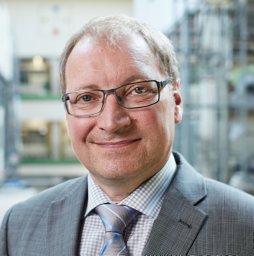 Michael Schluter合作论文数AT&T Bell Laboratories7Koichi Terasaka合作论文数7Simon Matthes合作论文数5A. Liese合作论文数4Hubert Beisch合作论文数3B. Thomas合作论文数3
 Bodo Fiedler合作论文数Polymer Composite Section, Technical University Hamburg-Harburg3
 Dirk Holtmann合作论文数Karl-Winnacker-Institut der DECHEMA e.V.3
 Claudia Engelmann合作论文数2Shunya Tanaka合作论文数2Victoria S. Bueschler合作论文数2Giovanni Vallian Sayoga合作论文数2Zeynep Percin合作论文数2Benjamin Thomas合作论文数2M Gru合作论文数1Emil Byström合作论文数1Steffen Kühn合作论文数1Andrea Rathgeb合作论文数1Kenny Rabe合作论文数1
 Tyll Utesch合作论文数1
 Thomas Walther合作论文数1
 Christoph Held合作论文数1Angela D Liese合作论文数1
 Andreas Palmtag合作论文数1Sandhya Matthes合作论文数1Nandor Ziebart合作论文数1
 Baldur Schroeter合作论文数1
 Sebastian Kaminski合作论文数RWTH Aachen University1
 Jakob Burger合作论文数Technische Universität München Campus Straubing1Benjamin Lutz合作论文数European Organization for Nuclear Research(CERN),Geneve,Switzerland1Zeng An-Ping合作论文数1Marko Hoffmann合作论文数1
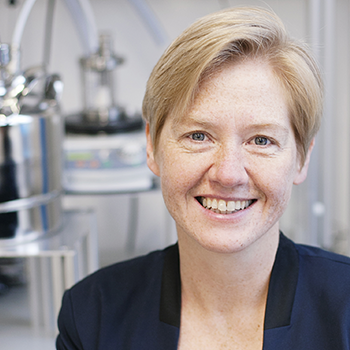 Anja Drews合作论文数Hochschule fur Technik und Wirtschaft Berlin, University of Applied Sciences1Barbara Klippel合作论文数1
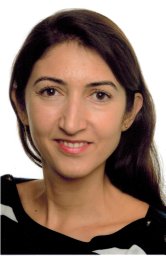 Selin Kara合作论文数Aarhus University - Department of Engineering, Denmark.1
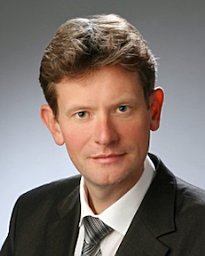 Andreas Jupke合作论文数1
 Jurgen Pleiss合作论文数Institute of Biochemistry and Technical Biochemistry, Department of Technical Biochemistry, University of Stuttgart1




