Abstract Introduction Irregular sleep schedules are common and have been linked to increased cardiovascular disease (CVD) risk. Hypertension affects nearly a third of adults and is the leading modifiable cause of CVD, but prior evidence for associations between irregular sleep and high blood pressure is mixed. Methods We prospectively studied 55,572 UK Biobank participants with 5 or more days of valid accelerometry data and no history of hypertension or anti-hypertensive medication use (60% women, mean age 61 years). We estimated sleep regularity with the intra-individual standard deviation (SD) of sleep duration (sleep duration SD) and the sleep regularity index (SRI). Time-to-event Cox proportional hazards models estimated adjusted hazard ratios (HR) for incident hypertension—defined as the first occurrence of an ICD-10 I10 diagnosis in linked health records— by levels of sleep regularity. We evaluated effect modification by demographic and other sleep characteristics and interaction with genetic susceptibility for hypertension. Results There were 5,746 incident cases of hypertension over a median of 7.9 years of follow-up. After accounting for demographic, socioeconomic, and lifestyle factors, those with increased sleep duration irregularity (>90 minutes sleep duration SD) had an 18% higher risk of incident hypertension compared to those with sleep duration SD ≤30 minutes (HR [95% confidence interval (CI)]: 1.18 [1.06, 1.31]). Similarly, those with the most irregular day-to-day sleep/wake patterns (the lowest quintile of SRI) had a 40% higher risk for hypertension than those in the highest SRI quintile (95% CI: 1.29, 1.52). These patterns were consistent when sleep duration SD and SRI were treated as continuous variables. We did not observe any (clinically) meaningful effect modification, although joint analysis highlighted that those with the most irregular day-to-day sleep/wake patterns and the highest genetic risk for hypertension had the greatest risk of developing hypertension, compared to those without both adverse factors, consistent with additive effects (HR [95% CI]: 1.91 [1.71, 2.12]). Conclusion These results suggest that maintaining consistent sleep schedules from day to day is associated with lower risk of developing hypertension, regardless of genetic susceptibility for hypertension, further supporting a role for sleep and rhythm regularity in cardiovascular health. Support (if any) R01HL15539
Sleep irregularity, characterised by inconsistent sleep duration and timing, is increasingly linked to adverse health outcomes including hypertension. However, the persistence and long-term effects of irregular sleep remain unclear, largely due to short sleep monitoring periods in past studies. This study aimed to examine the chronic, cumulating impacts of irregular sleep on sleep health (sleep duration, efficiency, timing) and blood pressure. We analysed approximately 20 months of under-mattress sleep sensor data from 95,819 global participants. Each person-month of sleep data was classified as 'irregular' if sleep duration variability was ≥ 90 min and sleep midpoint variability was ≥ 60 min (intra-individual standard deviation): thresholds that were previously found to correlate with poor cardiovascular health. Approximately 20% of person-months were classified as irregular by these criteria. Participants with chronic irregular sleep (≥ 75% of months irregular) exhibited 8% lower sleep efficiency, 40 min more wake after sleep onset, and 46% higher odds of hypertension compared to those with regular sleep (0%-25% of months irregular). Irregular sleep patterns were persistent, with over 80% likelihood of continuation after six consecutive irregular months. These findings suggest that chronic sleep irregularity is common, persistent, and associated with poorer sleep quality and elevated blood pressure. This underscores the need for interventions to promote consistent sleep patterns to support cardiovascular health.
Abstract Introduction Sleep duration is jointly regulated by the circadian pacemaker and a homeostatic process. Yet, classical temporal isolation experiments have repeatedly made a counterintuitive observation: longer episodes of wakefulness (α) tend to be followed by shorter episodes of sleep (ρ). This leads to a negative α:ρ correlation. Most strikingly, when circadian phase is accounted for the residual α:ρ correlation has been observed to be ~0. This observation contradicts traditional restorative hypotheses of sleep; however, no study has tested if this phenomenon generalizes to free-living humans. Methods To examine this, we analyzed ~450,000 sleep-wake episodes from 85,955 free-living older adults (62.3 ± 7.9 years, 58% female), using wearable-recorded light exposure and sleep data. Individual circadian phase (timing of core-body temperature minimum, CBTmin) was estimated using a validated model of the response of the central circadian pacemaker to light. Results We observed that longer prior wake duration was negatively associated with subsequent sleep duration (α:ρ β = –0.42, p< 0.0001). Sleep duration exhibited marked variation with the predicted circadian phase of sleep onset: sleep durations were shortest (~3h) when initiated just after CBTmin, while sleep durations were longest (~11h) when initiated approximately 10 hours prior to CBTmin. A two-harmonic regression model revealed a peak-to-trough amplitude of 7.88 hours with an acrophase at –10.45 hours from CBTmin (p < 0.0001). These relationships were independent of age, sex and employment. Notably, after accounting for the predicted circadian phase of sleep onset, the association between prior wake duration and sleep duration was substantially attenuated and only showed a very weak positive association (α:ρ β = 0.005, p< 0.001). Conclusion Here, we translate a counterintuitive finding from humans living under temporal isolation to the real world. As in free-run studies, greater duration of prior wakefulness is correlated with shorter sleep duration and this correlation is explained by the circadian timing of sleep onset. Most strikingly, we observed that when accounting for the circadian phase of sleep onset, there is virtually zero association between the duration of prior wakefulness and sleep duration. Support (if any)
Irregular sleep is increasingly related to poorer health, with stronger links to cardiovascular disease and mortality than sleep duration. Its impact on health-related quality of life, however, remains unclear, particularly in community-based populations. This study examined whether objectively measured sleep regularity is associated with physical and mental health-related quality of life. Sleep regularity was calculated using the Sleep Regularity Index from actigraphy data in 768 middle-aged to older adults from the Raine Study (median age [range] = 57 [53-61]; 58% female). Physical and mental health-related quality of life were assessed using the 12-item Short Form Health Survey. Quantile regression was used to examine associations at the 25th, 50th, and 75th percentiles, adjusting for age, sex, comorbidity count, sleep duration, and shift work. Median sleep regularity scores declined with self-rated health, from 77.17 (excellent) to 61.49 (poor). A 10-unit increase in sleep regularity was associated with higher mental health scores at the 25th (1.80; 95% CI: 0.90-2.60), 50th (1.20; 95% CI: 0.50-1.90), and 75th (0.50; 95% CI: 0.20-0.90) percentiles. For physical health, a 10-unit increase in sleep regularity was associated with a 1.20 (95% CI: 0.30-2.20) higher score at the 25th percentile, with no evidence of association at higher percentiles. These findings suggest that poorer sleep regularity is related to lower physical and mental health-related quality of life. Future research should explore whether improving sleep regularity can enhance quality of life in middle-aged to older adults.
OBJECTIVES:Perfectionism is an important factor in insomnia development and maintenance. Previous studies exploring the relationship between perfectionism and insomnia have predominantly relied on self-reported sleep measures. Therefore, this study sought to assess whether actigraphy-measured sleep parameters were associated with perfectionism. METHODS:Sixty adults (85% females, mean age 30.18 ± 11.01 years) were sampled from the Australian general population. Actigraphy-derived objective sleep measures, subjective sleep diary measures, the Frost Multidimensional Perfectionism Scale (FMPS), Hewitt-Flett Multidimensional Perfectionism Scale (HFMPS) and Depression, Anxiety and Stress Scale 21 (DASS-21) were collected. RESULTS:High perfectionism levels were associated with poor sleep, but these relationships differed between objective and subjective measures. Perfectionism via FMPS total score and subscales of Concern over Mistakes, Doubts about Actions, Personal Standards and Self-oriented Perfectionism correlated with subjective sleep onset latency and sleep efficiency with moderate effects (r = .26 to .88). In contrast, perfectionism via HFMPS total score and subscales of Socially Prescribed Perfectionism and Parental Expectations predicted objective sleep onset latency and sleep efficiency. Additionally, stress mediated the relationships between objective sleep efficiency and Concern over Mistakes and Doubts about Actions. CONCLUSIONS:Perfectionism demonstrated stronger associations with subjective than objective sleep measures. Higher Parental Expectations and Socially Prescribed Perfectionism may increase one's vulnerability to objectively measured poor sleep. Therefore, perfectionism may be important in preventing and treating insomnia.
Light enhances or disrupts circadian rhythms, depending on the timing of exposure. Circadian disruption contributes to poor health outcomes that increase mortality risk. Whether personal light exposure predicts mortality risk has not been established. We therefore investigated whether personal day and night light, and light patterns that disrupt circadian rhythms, predicted mortality risk. UK Biobank participants (N = 88,905, 62.4 ± 7.8 y, 57% female) wore light sensors for 1 wk. Day and night light exposures were defined by factor analysis of 24-h light profiles. A computational model of the human circadian pacemaker was applied to model circadian amplitude and phase from light data. Cause-specific mortality was recorded in 3,750 participants across a mean (±SD) follow-up period of 8.0 ± 1.0 y. Individuals with brighter day light had incrementally lower all-cause mortality risk (adjusted-HR ranges: 0.84 to 0.90 [50 to 70th light exposure percentiles], 0.74 to 0.84 [70 to 90th], and 0.66 to 0.83 [90 to 100th]), and those with brighter night light had incrementally higher all-cause mortality risk (aHR ranges: 1.15 to 1.18 [70 to 90th], and 1.21 to 1.34 [90 to 100th]), compared to individuals in darker environments (0 to 50th percentiles). Individuals with lower circadian amplitude (aHR range: 0.90 to 0.96 per SD), earlier circadian phase (aHR range: 1.16 to 1.30), or later circadian phase (aHR range: 1.13 to 1.20) had higher all-cause mortality risks. Day light, night light, and circadian amplitude predicted cardiometabolic mortality, with larger hazard ratios than for mortality by other causes. Findings were robust to adjustment for age, sex, ethnicity, photoperiod, and sociodemographic and lifestyle factors. Minimizing night light, maximizing day light, and keeping regular light-dark patterns that enhance circadian rhythms may promote cardiometabolic health and longevity.
Evening chronotypes (a.k.a. night-owls) are held to be at greater risk for psychiatric disorders. This is postulated to be due to delayed circadian timing increasing the likelihood of circadian misalignment in an early-oriented society. Circadian misalignment is known to heighten sleep inertia, the difficulty transitioning from sleep to wake characterized by low arousal and cognitive impairment, and evening chronotypes experience greater sleep inertia. Therefore, difficulty awakening may explain the relationship between evening chronotype and psychiatric disorders by acting as a biomarker of circadian misalignment. In analyzing the longitudinal incidence of psychiatric disorders in the UK Biobank (n = 496,820), we found that evening chronotype predicted increased incidence of major depressive disorder, schizophrenia, generalized anxiety disorder and bipolar disorder. Crucially, this effect was dependent on sleep inertia, which was a much stronger predictor of these disorders, such that evening types without sleep inertia were at no higher risk as compared to morning types. Longitudinal analyses of suicide and depressed mood (CES-D score) in the Older Finnish Twin Cohort (n = 23,854) replicated this pattern of results. Twin and genome-wide association analyses of difficulty awakening identified the trait to be heritable (Twin H2 = 0.40; SNP h2 = 0.08), enriched for circadian rhythms genes and have substantial shared genetic architecture with chronotype. Marginal and conditional Mendelian randomization analyses mirrored the epidemiological results, such that the causal effect of evening chronotype on psychiatric disorders was driven by shared genetic architecture with difficulty awakening. In contrast, difficult awakening was strongly causally associated with psychiatric disorders independently of chronotype. Psychiatric disorders were only weakly reverse causally linked to difficult awakening. Collectively, these results challenge the notion that evening chronotype is a risk factor for psychiatric disorders per se, suggesting instead that evening types are at greater risk for psychiatric disorders due to circadian misalignment, for which sleep inertia may be acting as a biomarker.
AbstractRobust circadian rhythms are essential for optimal health. The central circadian clock controls temperature rhythms, which are known to organize the timing of peripheral circadian rhythms in rodents. In humans, however, it is unknown whether temperature rhythms relate to the organization of circadian rhythms throughout the body. We assessed core body temperature amplitude and the rhythmicity of 929 blood plasma metabolites across a 40-h constant routine protocol, controlling for behavioral and environmental factors that mask endogenous temperature rhythms, in 23 healthy individuals (mean [± SD] age = 25.4 ± 5.7 years, 5 women). Valid core body temperature data were available in 17/23 (mean [± SD] age = 25.6 ± 6.3 years, 1 woman). Individuals with higher core body temperature amplitude had a greater number of metabolites exhibiting circadian rhythms (R2 = 0.37, p = .009). Higher core body temperature amplitude was also associated with less variability in the free-fitted periods of metabolite rhythms within an individual (R2 = 0.47, p = .002). These findings indicate that a more robust central circadian clock is associated with greater organization of circadian metabolite rhythms in humans. Metabolite rhythms may therefore provide a window into the strength of the central circadian clock.
Background Light at night disrupts circadian rhythms, and circadian disruption is a risk factor for type 2 diabetes. Whether personal light exposure predicts diabetes risk has not been demonstrated in a large prospective cohort. We therefore assessed whether personal light exposure patterns predicted risk of incident type 2 diabetes in UK Biobank participants, using similar to 13 million hours of light sensor data. Methods Participants (N = 84,790, age (M +/- SD) = 62.3 +/- 7.9 years, 58% female) wore light sensors for one week, recording day and night light exposure. Circadian amplitude and phase were modeled from weekly light data. Incident type 2 diabetes was recorded (1997 cases; 7.9 +/- 1.2 years follow-up; excluding diabetes cases prior to light-tracking). Risk of incident type 2 diabetes was assessed as a function of day and night light, circadian phase, and circadian amplitude, adjusting for age, sex, ethnicity, socioeconomic and lifestyle factors, and polygenic risk. Findings Compared to people with dark nights (0-50th percentiles), diabetes risk was incrementally higher across brighter night light exposure percentiles (50-70th: multivariable-adjusted HR = 1.29 [1.14-1.46]; 70-90th: 1.39 [1.24-1.57]; and 90-100th: 1.53 [1.32-1.77]). Diabetes risk was higher in people with lower modeled circadian amplitude (aHR = 1.07 [1.03-1.10] per SD), and with early or late circadian phase (aHR range: 1.06-1.26). Night light and polygenic risk independently predicted higher diabetes risk. The difference in diabetes risk between people with bright and dark nights was similar to the difference between people with low and moderate genetic risk. Interpretation Type 2 diabetes risk was higher in people exposed to brighter night light, and in people exposed to light patterns that may disrupt circadian rhythms. Avoidance of light at night could be a simple and cost-effective recommendation that mitigates risk of diabetes, even in those with high genetic risk. Copyright (c) 2024 The Authors. Published by Elsevier Ltd. This is an open access article under the CC BY license (http://creativecommons.org/licenses/by/4.0/).
Abnormally short and long sleep are associated with premature mortality, and achieving optimal sleep duration has been the focus of sleep health guidelines. Emerging research demonstrates that sleep regularity, the day-to-day consistency of sleep-wake timing, can be a stronger predictor for some health outcomes than sleep duration. The role of sleep regularity in mortality, however, has not been investigated in a large cohort with objective data. We therefore aimed to compare how sleep regularity and duration predicted risk for all-cause and cause-specific mortality. We calculated Sleep Regularity Index (SRI) scores from > 10 million hours of accelerometer data in 60 977 UK Biobank participants (62.8 +/- 7.8 years, 55.0% female, median[IQR] SRI: 81.0[73.8-86.3]). Mortality was reported up to 7.8 years after accelerometer recording in 1859 participants (4.84 deaths per 1000 person-years, mean (+/- SD) follow-up of 6.30 +/- 0.83 years). Higher sleep regularity was associated with a 20%-48% lower risk of all-cause mortality (p < .001 to p = 0.004), a 16%-39% lower risk of cancer mortality (p < 0.001 to p = 0.017), and a 22%-57% lower risk of cardiometabolic mortality (p < 0.001 to p = 0.048), across the top four SRI quintiles compared to the least regular quintile. Results were adjusted for age, sex, ethnicity, and sociodemographic, lifestyle, and health factors. Sleep regularity was a stronger predictor of all-cause mortality than sleep duration, by comparing equivalent mortality models, and by comparing nested SRI-mortality models with and without sleep duration (p = 0.14-0.20). These findings indicate that sleep regularity is an important predictor of mortality risk and is a stronger predictor than sleep duration. Sleep regularity may be a simple, effective target for improving general health and survival.
STUDY OBJECTIVES:Little is known about the interrelationships between sleep regularity, obstructive sleep apnea (OSA) and important health markers. This study examined whether irregular sleep is associated with OSA and hypertension, and if this modifies the known association between OSA and hypertension. METHODS:Six hundred and two adults (age mean(SD) = 56.96(5.51) years, female = 60%) from the Raine Study who were not evening or night shift workers were assessed for OSA (in-laboratory polysomnography; apnea-hypopnea index ≥ 15 events/hour), hypertension (doctor diagnosed, or systolic blood pressure ≥140 mmHg and/or diastolic ≥90 mmHg) and sleep (wrist actigraphy for ≥5 days). A sleep regularity index (SRI) was determined from actigraphy. Participants were categorized by tertiles as severely irregular, mildly irregular, or regular sleepers. Logistic regression models examined the interrelationships between SRI, OSA and hypertension. Covariates included age, sex, body mass index, actigraphy sleep duration, insomnia, depression, activity, alcohol, smoking, and antihypertensive medication. RESULTS:Compared to regular sleepers, participants with mildly irregular (OR 1.97, 95% confidence intervals [CI] 1.20 to 3.27) and severely irregular (OR 2.06, 95% CI: 1.25 to 3.42) sleep had greater odds of OSA. Compared to those with no OSA and regular sleep, OSA and severely irregular sleep combined had the highest odds of hypertension (OR 2.34 95% CI: 1.07 to 5.12; p for interaction = 0.02) while those with OSA and regular/mildly irregular sleep were not at increased risk (p for interaction = 0.20). CONCLUSIONS:Sleep irregularity may be an important modifiable target for hypertension among those with OSA.
Importance Light at night disrupts human circadian rhythms, which are critical for maintaining optimal health. Circadian disruption accompanies poor health outcomes that precede premature mortality, including cardiometabolic diseases. However, links between personal night light exposure and premature mortality risk have not been established. Objective To characterize the association of light at night with all-cause and cardiometabolic mortality risks and to understand the role of circadian disruption in these associations by applying a computational model of the response of the human circadian pacemaker to light. Design Prospective cohort study. Setting United Kingdom. Participants UK Biobank cohort, N=88,904, aged 62.4±7.8 years, 57% female. Exposure Participants wore activity tracking watches with light sensors for one week between 2013-2016. Twenty-four-hour light exposure profiles were extracted for each participant, and day-time and night-time hours were defined by factor analysis. A validated mathematical model of the human circadian pacemaker was applied to model circadian amplitude and phase from weekly light data. Main Outcome Cause-specific mortality (National Health Service) recorded in 2,605 participants across a mean (±SD) follow-up period of 6.31±0.83 years after light/activity tracking. Results Risk of all-cause mortality was higher in participants in the 90th-100th percentiles of night-light exposure (HR[95%CI]=1.30[1.15-1.48]), and for those between the 70th-90th percentiles (HR=1.16[1.04-1.28]), compared to the darkest 50%. Participants in the 90th-100th percentiles of night-light exposure also had higher risk of cardiometabolic mortality (HR=1.41[1.07-1.85]). Higher circadian amplitude predicted lower risks of all-cause mortality (HR = 0.94[0.91-0.97] per SD) and cardiometabolic mortality (HR=0.90[0.83-0.96]), and circadian phase that deviated from the group average predicted higher risks of all-cause mortality (HR=1.33[1.17-1.51]) and cardiometabolic mortality (HR=1.48[1.12-1.97]). These findings were robust to adjustment for age, sex, ethnicity, and sociodemographic and lifestyle factors. Conclusions and Relevance Minimizing exposure to light at night and keeping regular light-dark patterns that enhance circadian rhythms may promote cardiometabolic health and longevity. Question Is light exposure at night associated with risk of premature mortality? Findings Exposure to brighter light at night, recorded with personal light sensors in >88,000 participants, was associated with higher risk of mortality across a subsequent 6-year period. Computational modeling indicated that disrupted circadian rhythms may explain this higher mortality risk. Meaning Avoiding light at night may be a cost-effective and accessible recommendation for promoting health and longevity. ### Competing Interest Statement AJKP and SWC received research funding from Versalux and Delos, and are co-founders and co-directors of Circadian Health Innovations PTY LTD. SWC has also consulted for Dyson, and received research funding from Beacon Lighting. PO co-founded Axivity Ltd, and was a Director until 2015. DPW: none; ACB: none; RS: none; JML: none; MKR: none. ### Funding Statement This work was supported by the NIHR Manchester Biomedical Research Centre. ### Author Declarations I confirm all relevant ethical guidelines have been followed, and any necessary IRB and/or ethics committee approvals have been obtained. Yes The details of the IRB/oversight body that provided approval or exemption for the research described are given below: The UK Biobank has ethical approval from the North West Multi-centre Research Ethics Committee (https://www.ukbiobank.ac.uk/learn-more-about-uk-biobank/about-us/ethics). I confirm that all necessary patient/participant consent has been obtained and the appropriate institutional forms have been archived, and that any patient/participant/sample identifiers included were not known to anyone (e.g., hospital staff, patients or participants themselves) outside the research group so cannot be used to identify individuals. Yes I understand that all clinical trials and any other prospective interventional studies must be registered with an ICMJE-approved registry, such as ClinicalTrials.gov. I confirm that any such study reported in the manuscript has been registered and the trial registration ID is provided (note: if posting a prospective study registered retrospectively, please provide a statement in the trial ID field explaining why the study was not registered in advance). Yes I have followed all appropriate research reporting guidelines, such as any relevant EQUATOR Network research reporting checklist(s) and other pertinent material, if applicable. Yes The data underlying this work are available at the UK Biobank website, upon application: . Scripts for data handling and analysis will be made available upon request by Daniel P. Windred [daniel.windred{at}monash.edu].
Abstract Introduction Circadian rhythm disturbance is a common feature of many psychiatric disorders. Light is the primary input to the circadian clock, with daytime light strengthening rhythms and night light disrupting them. Therefore, habitual light exposure may represent an environmental risk factor for susceptibility to psychiatric disorders. Methods We performed the largest to-date cross-sectional analysis of light, sleep, physical activity, and mental health in participants from the UK Biobank actigraphy cohort (n = 86,772 adults; aged 62.4 ± 7.4 years; 57% women). We examined the independent association of day and night light exposure intensity with covariate-adjusted risk for psychiatric disorders and self-harm. Results Greater night light exposure was associated with increased risk for major depressive disorder, generalized anxiety disorder, PTSD, psychosis, bipolar disorder, and self-harm. Independent of night light, greater day light exposure was associated with reduced risk for major depressive disorder, PTSD, psychosis, and self-harm. These findings were robust to adjustment for sociodemographics, photoperiod, physical activity, and sleep quality. Conclusion Our findings demonstrate that low day light and bright night light exposure are associated with a wide range of psychiatric outcomes. Avoiding light at night and seeking light during the day may be a simple and effective, non-pharmacological means of broadly improving mental health. Support (if any)
Background Excessive daytime sleepiness (EDS), experienced in 10% to 20% of the population, has been associated with cardiovascular disease and death. However, the condition is heterogeneous and is prevalent in individuals having short and long sleep duration. We sought to clarify the relationship between sleep duration subtypes of EDS with cardiovascular outcomes, accounting for these subtypes. Methods and Results We defined 3 sleep duration subtypes of excessive daytime sleepiness: normal (6–9 hours), short (<6 hours), and long (>9 hours), and compared these with a nonsleepy, normal‐sleep‐duration reference group. We analyzed their associations with incident myocardial infarction (MI) and stroke using medical records of 355 901 UK Biobank participants and performed 2‐sample Mendelian randomization for each outcome. Compared with healthy sleep, long‐sleep EDS was associated with an 83% increased rate of MI (hazard ratio, 1.83 [95% CI, 1.21–2.77]) during 8.2‐year median follow‐up, adjusting for multiple health and sociodemographic factors. Mendelian randomization analysis provided supporting evidence of a causal role for a genetic long‐sleep EDS subtype in MI (inverse‐variance weighted β=1.995, P=0.001). In contrast, we did not find evidence that other subtypes of EDS were associated with incident MI or any associations with stroke (P>0.05). Conclusions Our study suggests the previous evidence linking EDS with increased cardiovascular disease risk may be primarily driven by the effect of its long‐sleep subtype on higher risk of MI. Underlying mechanisms remain to be investigated but may involve sleep irregularity and circadian disruption, suggesting a need for novel interventions in this population.
Circadian rhythm disturbance is a common feature of many psychiatric disorders. Light is the primary input to the circadian clock, with daytime light strengthening rhythms and night-time light disrupting them. Therefore, habitual light exposure may represent an environmental risk factor for susceptibility to psychiatric disorders. We performed the largest to date cross-sectional analysis of light, sleep, physical activity, and mental health (n = 86,772 adults; aged 62.4 ± 7.4 years; 57% women). We examined the independent association of day and night-time light exposure with covariate-adjusted risk for psychiatric disorders and self-harm. Greater night-time light exposure was associated with increased risk for major depressive disorder, generalized anxiety disorder, PTSD, psychosis, bipolar disorder, and self-harm behavior. Independent of night-time light exposure, greater daytime light exposure was associated with reduced risk for major depressive disorder, PTSD, psychosis, and self-harm behavior. These findings were robust to adjustment for sociodemographics, photoperiod, physical activity, sleep quality, and cardiometabolic health. Avoiding light at night and seeking light during the day may be a simple and effective, non-pharmacological means of broadly improving mental health. Burns et al. explored the association between day and night-time light exposure and the risk for psychiatric disorders using a large sample of adults from the UK Biobank dataset.
Circadian rhythm disturbance is a common feature of many psychiatric disorders. Light is the primary input to the circadian clock, with daytime light strengthening rhythms and night light disrupting them. Therefore, habitual light exposure may represent an environmental risk factor for susceptibility to psychiatric disorders. We performed the largest to-date cross-sectional analysis of light, sleep, physical activity, and mental health ( n = 86,772 adults; aged 62.4 ± 7.4 years; 57% women). We examined the independent association of day and night light exposure with covariate-adjusted risk for psychiatric disorders and self-harm. Greater night light exposure was associated with increased risk for major depressive disorder, generalized anxiety disorder, PTSD, psychosis, bipolar disorder, and self-harm behavior. Independent of night light, greater day light exposure was associated with reduced risk for major depressive disorder, PTSD, psychosis, and self-harm behavior. These findings were robust to adjustment for sociodemographics, photoperiod, physical activity, and sleep quality. Avoiding light at night and seeking light during the day may be a simple and effective, non-pharmacological means of broadly improving mental health.### Competing Interest StatementAJKP and SWC have received research funding from Delos and Versalux, and they are co-founders and co-directors of Circadian Health Innovations PTY LTD. SWC has also received research funding from Beacon Lighting and has consulted for Dyson. PO was a co-founder of Axivity Ltd and a Director until 2015. CV is a board member of the Working Time Society and a research committee member for DiME. ACB: none; DPW: none; MKR: none; RS: none; JML: none.### Funding StatementFunded in part by the Australian Government Research Training Program and National Health and Medical Research Council (NHMRC; project number = GNT1183472).### Author DeclarationsI confirm all relevant ethical guidelines have been followed, and any necessary IRB and/or ethics committee approvals have been obtained.YesThe details of the IRB/oversight body that provided approval or exemption for the research described are given below:This study used ONLY openly available human data originally located at the UK Biobank.I confirm that all necessary patient/participant consent has been obtained and the appropriate institutional forms have been archived, and that any patient/participant/sample identifiers included were not known to anyone (e.g., hospital staff, patients or participants themselves) outside the research group so cannot be used to identify individuals.YesI understand that all clinical trials and any other prospective interventional studies must be registered with an ICMJE-approved registry, such as ClinicalTrials.gov. I confirm that any such study reported in the manuscript has been registered and the trial registration ID is provided (note: if posting a prospective study registered retrospectively, please provide a statement in the trial ID field explaining why the study was not registered in advance).YesI have followed all appropriate research reporting guidelines and uploaded the relevant EQUATOR Network research reporting checklist(s) and other pertinent material as supplementary files, if applicable.YesThis work utilized the UK Biobank resource (application 6818; Martin Rutter).
Dear Editor, Human health and behavior are regulated by a complex and extensive network of circadian clocks. These clocks are entrained by rhythmic signals in the environment, such as daily light exposure. In individuals who have irregular sleep schedules, these signals that furnish time-of-day information to the circadian system are less robust, which may cause circadian disruption and poor health outcomes [1]. Sleep regularity can be quantified using the Sleep Regularity Index (SRI) [2], a metric that compares sleep patterns between consecutive days (sleeping at similar times each day results in a high SRI). The SRI captures day-to-day variability in bedtime, waketime, sleep duration, naps, and awakenings during sleep [3]. Lower SRI has been associated with substantially increased risk for obesity, diabetes, cardiovascular disease, hypertension, and depressed mood [4–6]. Although sleep regularity is now recognized as a critical dimension of sleep health, there are barriers to measuring and reporting sleep regularity consistently. First, there are no open-source options for calculating sleep regularity, meaning it cannot be computed with the same ease as other common sleep metrics. Second, there is a lack of clear benchmarks for what represents a high or low level of sleep regularity at a population level, both for the SRI and other sleep regularity metrics [3, 4, 6]. We developed an open-source package for computing SRI from accelerometer data, and we applied it to the single largest accelerometer sample available to researchers, within the UK Biobank.
 Andrew J. K. Phillips合作论文数Brigham and Women's Hospital and Division of Sleep Medicine, Harvard Medical School18
 Sean Cain合作论文数Turner Institute for Brain and Mental Health, School of Psychological Sciences, Monash University17
 Martin Rutter合作论文数Division of Diabetes, Endocrinology & Gastroenterology, School of Medical Sciences, The University of Manchester13
 Richa Saxena合作论文数Program in Medical and Population Genetics, The Broad Institute of Harvard and MIT12
 Angus C Burns合作论文数Monash Univ11
 Jacqueline Lane合作论文数11
 Celine Vetter合作论文数6
 Kelly Sansom合作论文数4
 Samuel E Jones合作论文数Univ Exeter, Med Sch, Genet Complex Traits, Exeter, Devon, England3
 Hannah Scott合作论文数School of Psychology, Flinders University3
 Bastien Lechat合作论文数Flinders Univ S Australia, Coll Sci & Engn, Adelaide, SA 5042, Australia3
 Amy Reynolds合作论文数3
 Patrick Olivier合作论文数Department of Human Centred Computing, Faculty of Information Technology, Monash University3
 Hanna Ollila合作论文数2Charles A Czeisler合作论文数2Heming Wang合作论文数2
 Susan Redline合作论文数Division of Sleep Medicine, Harvard Medical School;Division of Sleep and Circadian Disorders, Departments of Medicine and Neurology, Brigham and Women's Hospital;Division of Pulmonary Medicine, Department of Medicine, Beth Israel Deaconess Medical Center2
 Michael Weedon合作论文数NIHR Exeter Biomedical Research Centre, University of Exeter;Medical School, University of Exeter2
 Huang Tianyi合作论文数Norwich Medical School, University of East Anglia;the Department of Epidemiology, Harvard School of Public Health;and the Channing Division of Network Medicine, Department of Medicine, Brigham and Women's Hospital and Harvard Medical School, Boston, MA (TH, MSR, EBR, and SST).;Harvard Medical School, University of East Anglia2
 Tamar Sofer合作论文数Department of Biostatistics, The Harvard T.H. Chan School of Public Health, Harvard University;Division of Sleep Medicine, Harvard Medical School, Harvard University;Cardiovascular Institute, Beth Israel Deaconess Medical Center2
 Robert Adams合作论文数College of Medicine and Public Health, Flinders University;Adelaide Institute of Sleep Health, Flinders University;Faculty of Health and Medical Sciences, University of Adelaide;Basil Hetzel Research Institute;Queen Elizabeth Hospital;Ashford Thoracics Centre2Eleni Friligkou合作论文数1Jessica O'Loughlin合作论文数1
 Kaitlin Storck Potts合作论文数1Kathleen J Maddison合作论文数1Matthew O Goodman合作论文数1
 Maya T. Schenker合作论文数Melbourne School of Psychological Sciences, University of Melbourne1
 Cameron J Patrick合作论文数School of Mathematics and Statistics, The University of Melbourne1
 Robin Beaumont合作论文数Univ Exeter, Med Sch, Genet Complex Traits, Exeter, Devon, England1
 Stephanie Zellers合作论文数Department of Psychology, University of Minnesota1Nasa Sinnott-Armstrong合作论文数Stanford Univ, Dept Genet, Stanford, CA 94305 USA1Satvinder S Dhaliwal合作论文数1Philip Chan合作论文数1
 Leilah Grant合作论文数Div Sleep Med, Harvard Med Sch1Iyas Daghlas合作论文数University of California San Francisco1
 Sina Kianersi合作论文数Brigham & Womens Hosp1
 Elise M McGlashan合作论文数Monash University1
 Julia E Stone合作论文数Sch Psychol Sci, Monash Univ1Chris Ho Ching Yeung合作论文数1
 Hailey Meaklim合作论文数Turner Inst Brain & Mental Hlth, Monash Univ1
 David Cunnington合作论文数Sleep Physician, Melbourne Sleep Disorders CentreSuite 5081Christian Nicholas合作论文数Melbourne School of Psychological Sciences, Faculty of Medicine, Dentistry and Health Sciences, The University of Melbourne1
 Lisa Phillips合作论文数Melbourne School of Psychological Sciences, The University of Melbourne1Freathy Rachel M合作论文数Inst Biomed & Clin Sci, Univ Exeter1
 Edward Watkins合作论文数Mood Disorders Centre;Department of Psychology, University of Exeter1
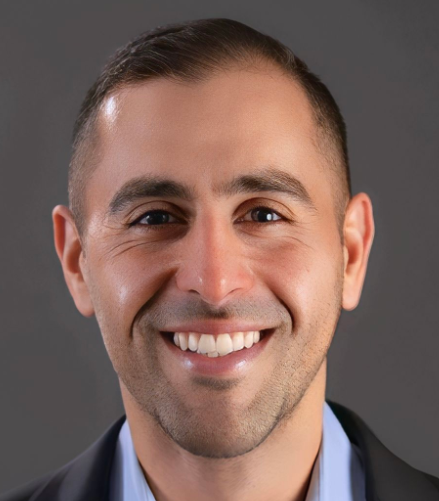 Hassan S. Dashti合作论文数Mass General Research Institute, Massachusetts General Hospital1
 Andrew Wood合作论文数Institute of Genetics and Cancer, College of Medicine & Veterinary Medicine, The University of Edinburgh1
 Qian Xiao合作论文数Division of Cancer Epidemiology and Genetics, National Cancer Institute1




