Prior research regarding the career successcareer success of people with disabilities has made significant contributions to our understanding of barriers to inclusion. However, we find near silence on the subject of disability as an enabler of positive outcomes for both individuals and society more broadly. Drawing upon the affirmative model of disability, we suggest how the experience of disability can benefit career success and inclusion. The findings, based on interviews with 21 people with disabilities in Canada, suggest that disability can serve as ability (e.g., when the very impairment makes one the best suited for a task) and leads to inclusive organizational practices (e.g., by fostering opportunities for the busting of ability stereotypes). Taken together, the findings not only allow us to theorize disability as an enabler of career success under certain circumstances. We also offer practicable suggestions for policymakers to promote the right to inclusion and the career success of people with disabilities. In combination with medical and social perspectives on disability, the affirmative perspective that we explore here provides a more nuanced understanding of the relationship between disability policy, inclusion, and career success.
The number of employees with disabilities in the workforce is increasing and accommodations are essential to the work of many of these individuals. Prior research has explored perceptions of accommodation requests as well as coworkers' and managers' reactions to accommodations; yet, we know little about how employees with disabilities experience their own accommodations. We draw from the disability literature as well as contemporary justice and social exchange theory to develop and subsequently test a multilevel moderated mediation model on this subject. We test our hypotheses with data from 4,083 employees nested in 256 workgroups across two time points. We find support for our prediction that accommodation-focused interpersonal justice influences turnover intentions. The effect of these justice perceptions was mediated by workgroup openness to communication. Further, we find that representation of accommodated employees with disabilities at the workgroup level plays an important role in these relationships. We look beyond the technical aspects of accommodation with this research to highlight the social experience of accommodation as a central driver of employee perceptions and work outcomes.
The work experience of the vulnerable workforce is a relevant yet generally understudied phenomena in the management literature. Global development agencies such as the United Nations (UN) and the International Labour Organization (ILO) consistently emphasize the importance of decent work not only as a human rights issue but also as an essential component of a sustainable society. Thus, it is undeniable that academic scholarship involving vulnerable workers is necessary and timely. Advocating theory-driven scholarship, this symposium offers compelling studies that applied a variety of theoretical perspectives to examine the plight of vulnerable workers (e.g., people living with HIV, victims of intimate partner aggression, mental illness, ethnic minorities). We offer four papers anchored on strong theoretical foundations (e.g., self-determination theory, identity formation theory, stereotype-content model, etc.) that enrich our understanding of the vocational experiences of vulnerable workers. These studies also consist of a diverse range of research designs (e.g., experiment, mixed-methods, archival, longitudinal/time-lagged). Moreover, with studies completed from different countries (e.g., USA, Philippines, GLOBE), this symposium offers an opportunity for discussion about cross-national differences and perspectives. This symposium sets the stage for more theory-driven scholarship, thereby contributing to building a stronger body of work on the vulnerable workforce. Observer Responses to Job Candidate Disclosure of Bipolar Disorder Author: Daniel S. Samosh; Queen's U. Author: Janice Lam; Schulich School of Business, York U. Author: Brent John Lyons; Schulich School of Business, York U. The Impact of HIV Stigma at Work: A Self-Determination Perspective Author: Yueyang Chen; U. of Illinois at Urbana-Champaign Author: Anna Carmella Ocampo; ESADE Business School Author: Simon Lloyd D. Restubog; U. of Illinois at Urbana-Champaign Author: Lu Wang; Australian National U. Author: Anthony Decoste; Global Virtuoso, Inc Work Consequences of Intimate Partner Aggression: A Self-Determination Perspective Author: Yaqing He; U. of Illinois at Urbana-Champaign Author: Catherine Deen; U. of New South Wales Author: Constantin Lagios; Catholic U. of Louvain Cross-cultural Analysis of Voice Behaviors Across Three Marginalized Groups Author: Patricia Tabarani; U. of Illinois at Urbana-Champaign Author: J. Ryan Lamare; U. of Illinois at Urbana-Champaign
Persons with disabilities encounter workplace barriers across the employment cycle (Bonaccio et al., 2020). While access to employment is often the focus of disability research, many barriers to disability inclusion persist after entering the workforce (e.g., Kulkarni & Gopakumar, 2014; Tompa et al., 2020). Considering approaches to mitigate these barriers, extant research highlights the relevance and significance of leadership in supporting disability inclusion in the workplace (Samosh, 2021; Stone & Colella, 1996). While the traditional view of leadership assumes that the relationship between leadership and disability at work is one way (i.e., leader influencing the outcomes of employees with disabilities), emerging studies demonstrate that leadership and disabilities have relationships in multiple directions. This symposium involves four paper presentations that showcase the top-down, bottom-up, and broader relationships leadership may have with disability at work. Focusing on the top-down influence, the first two papers examine the role of specific leadership styles (i.e., transformational and strengths-based leadership) on work ability and disability. Adopting a bottom-up lens, the third paper shares findings on how followers evaluate leaders with mental health-related disabilities. Lastly, presenting a broader perspective on leadership and disability, the fourth paper explores how entrepreneurs with and without disabilities demonstrate leadership in the adaptive apparel industry. Together, this symposium expands our knowledge and understanding of how leadership and disability are related. What role does leadership play in mitigating chronic pain disability? Author: Duygu Biricik Gulseren; York U., Canada Author: Firat Kutadgu Sayin; Saint Mary's U. Author: E Kevin Kelloway; St. Mary's U. Author: Nick Turner; U. of Calgary How strengths-based leadership facilitates working ability: Shedding light on the role of disability Author: Nicola Glumann; U. of St. Gallen Author: Aileen Schloemer-Jarvis; Leuphana U. Lüneburg Author: Magdalena Schertler; U. of St. Gallen Leader disclosures of concealable stigmatized identities Author: Amanda J. Hancock; U. of Regina Author: Kara Anne Arnold; Memorial U. of Newfoundland Leaders’ Legitimacy Work in a Stigmatized Market: Insights from Adaptive Apparel Industry Author: Christine Anna Mihelcic; U. of Richmond
Considering ongoing social unrest and contextual demands, employee mental health has been tried over the past 24 months, and reports of depression, anxiety, stress and burnout are consistently rising. Although the implications of such mental health problems on workplace performance and attitudes have been broadly identified, a closer look at how mental health affects specific workplace behaviors and employee experiences remains underdeveloped. The purpose of this symposium is to identify and explain novel and diverse workplace outcomes predicted by employees’ mental health. Research integrated in this symposium demonstrates that employees’ mental health problems increase workplace injuries (Presentation 1), increase silence behaviors (Presentation 2), decrease leader role occupancy (Presentation 3) and increase self and others’ disengagement, job dissatisfaction, and turnover intentions (Presentation 4). Given these outcomes, this symposium concludes with an intervention study that demonstrates effective means by which organizations can support employees’ well-being and reduce burnout (Presentation 5). Mental Illness Symptoms and Subsequent Work Injuries: The Role of Cognitive Functioning Presenter: Steve Granger; Concordia U., Montreal Presenter: Nick Turner; U. of Calgary Too Depressed and Anxious to Speak Up: Examining Weekly Mental Health Symptoms and Workplace Silence Presenter: Kyle Brykman; Odette School of Business, U. of Windsor Presenter: Anika Cloutier; Rowe School of Business, Dalhousie U. Presenter: Erica Carleton; U. of Regina Presenter: Daniel S. Samosh; Queen's U. Employee Mental Health and Leader Role Occupancy Presenter: Anika Cloutier; Rowe School of Business, Dalhousie U. Presenter: Alyson Byrne; Memorial U. of Newfoundland Presenter: Taylor Hart; Dalhousie U. Effects of Workplace Incivility on Leaders and their Followers: The Mediating Role of Leader Burnout Presenter: Amanda McEvoy; - Presenter: Kathryne Dupre; Carleton U. Efficacy of Leadership Interventions to Mitigate Burnout During COVID-19 Presenter: Debra Gilin; Saint Mary's U. Presenter: Dayna Lee-Baggley; Dalhousie U. Presenter: Mark Flemming; Saint Mary's U. Presenter: Lori Francis; St. Mary's U.
Including persons with a disability within workplaces serves as an important return on investment for organizations as well as societies. The Valuable 500 initiative which originated from the World Economic Forum’s New Economy and Society Platform in 2019 is focused on building prosperous as well as inclusive economies and societies. Their work suggests that employing persons with a disability can increase revenue by 28%, double organizational net income, and propel profit margins by 30%. Alternatively, the cost of excluding persons with disabilities can represent up to 7% of GDP within some countries (World Economic Forum, 2021). Recognizing the importance of such inclusion, several governments have enacted legislations, and numerous organizations have attempted to nudge employment as well as promote positive treatment of employees with disabilities. Joining this global conversation, the papers in this symposium showcase how state intervention may help workplace entry of persons with a disability (Kruse et al; Nittrouer et al), how organizational support systems may increase employee well-being (Keating et al), how organizational diversity statements may influence disability discrimination lawsuits (Chalise et al), and yet how employees continue to face barriers within workplaces (Samosh et al), attesting to much work that is needed in this area of inclusion. Our discussants (Bruyere and Colella) will bring together these ideas to suggest directions for future research a well as takeaways for managers, organizations, and policymakers. Paid Leave Mandates and Employment of People with Disabilities Presenter: Douglas Kruse; Rutgers U. Presenter: Lisa Schur; Rutgers U. Presenter: Mason Ameri; Rutgers Business School Presenter: Lauren Gilbert; Rutgers U. Day-to-day Identity Management Among Workers with Hearing Loss Presenter: Robert Keating; Northern Illinois U. Presenter: Jesus Martinez; Northern Illinois U. Presenter: Alecia Marie Santuzzi; Northern Illinois U. Presenter: Lisa M Finkelstein; Northern Illinois U. Presenter: Larissa K. Barber; San Diego State U. Presenter: Deborah Elizabeth Rupp; George Mason U. Inclusion of ‘Disability’ in Corporate Diversity Statements: A Review of Fortune 500 Companies Presenter: Shasanka Chalise; PhD Candidate, Memorial U., NL, Canada Presenter: Silvia Bonaccio; Telfer School of Management, U. of Ottawa Presenter: Catherine Connelly; McMaster U. Presenter: Sandra Fisher; Münster U. of Applied Sciences and U. of Twente Presenter: Abigal Leah Kogan; McMaster U. Reducing Discrimination against Individuals with Mental Impairments Presenter: Christine Nittrouer; Texas Tech U. Presenter: Michelle Hebl; Rice U. Presenter: Naomi Fa-Kaji; Rice U. Presenter: Roshni Janakiraman; Florida State U. Presenter: Peter Rutigliano; Mercer-Sirota Consulting An Empirical Investigation of Career Advancement “Glass Barriers” and Disability Presenter: Daniel S. Samosh; Queen's U. Presenter: Anna Brzykcy; Technical U. of Munich Presenter: David Baldridge; Oregon State U. Presenter: Brent John Lyons; Schulich School of Business, York U.
This symposium focuses on the experiences and strategies of persons with disabilities and the disclosure and identity management steps they take to manage their careers. The conceptual foundations are stigma, identity, and disclosure. The session incorporates organizational-level phenomenon, such as HR practices for disclosure and hiring intentions; and individual-level studies of employee disclosure and advocacy, accommodation, identity, and career success over time. We contribute empirically to research on diversity and disability disclosure to improve employment outcomes for this population. While we are focused on disability, our findings are applicable to other minority groups (e.g., sexual minorities, refugees) who may experience disclosure dilemmas. The Impact of Response Options on Disability Disclosure Rates Presenter: Alecia Marie Santuzzi; Northern Illinois U. Presenter: Robert Keating; Northern Illinois U. Presenter: Jesus Martinez; Northern Illinois U. Examining Social Status, Identity Management Strategies, Observer Perceptions, and Hiring Intentions Presenter: Daniel S. Samosh; U. of Toronto Presenter: Brent John Lyons; Schulich School of Business, York U. Self-conceptions, disclosure, and identity threats for academics with disabilities Presenter: Mukta Kulkarni; Indian Institute of Management, Bangalore Presenter: Joy E. Beatty; Eastern Michigan U. The Role of Disclosure in the Recruitment of Neurodivergent Applicants Presenter: Amy Hurley-Hanson; Chapman U. Presenter: Cristina Marie Giannantonio; Chapman U. Presenter: Amy Jane Griffiths; Chapman U. Career Progression: Strategies used by Self-Advocates with ASD and their Allies Presenter: Christine Nittrouer; U. of Houston, Downtown Presenter: Evan Dean; U. of Kansas Presenter: Karrie Shogren; U. of Kansas Stigma and sanism: Employment and identity management for people with serious mental illness Presenter: Joy E. Beatty; Eastern Michigan U. Presenter: Ramona L Paetzold; Texas A&M U.
I examine the career advancement facilitators of organizational stakeholders who may be identified as simultaneously “core” and “fringe” in this article, via the insights of 21 leaders with disabilities. To navigate barriers and advance their careers, these leaders benefited from three categories of facilitators, including career self-management strategies, social networks, and organizational and societal factors. Facilitators are synthesized with a metaphor, the three-legged stool, which depicts three foundational pillars that underlie the leaders’ success. Focusing on an understudied element of the social networks pillar, I examine how leaders’ external networks (family, friends, acquaintances, and role models) facilitated their career advancement. Findings point to the role of strong and weak ties in developing leaders’ career self-management strategies as well as their access to core stakeholder positions. Last, contributions, implications, and limitations of this article are discussed.
On average, well over half of the population of people with disabilities (PWD) is unemployed. This is unsustainable, particularly considering the increase in the average age of the global population as well as the rising prevalence of disabilities. This presenter symposium strives to identify variables at the individual-, group-, and organizational-levels that improve work-related outcomes for PWD in order to direct managers and organizations on improving these statistics. It showcases five papers with empirical data that investigate actual employment practices and their efficacy for PWD. The first two papers provide empirical evidence for variables that are influential at helping PWD attain (paper 1) and retain (paper 2) paid employment. The next two papers focus on organizational-level processes that influence the experience of PWD on-the-job, specifically a leader’s experience with caregiving for a PWD (paper 3) and the influence of an inclusive organizational climate on disclosure behaviors (paper 4). The final paper focuses on the role of a federal policy acting as a potential social norm and its impact on perceptions about disability during selection (paper 5). Each paper in this symposium directs practical efforts to improve the experiences of PWD in the workplace. Using Machine Learning to Determine the Variables that Lead to Better Employment Outcomes for People with Autism Presenter: Amy Hurley-Hanson; Chapman U. Presenter: Cristina Marie Giannantonio; Chapman U. Presenter: Amy Jane Griffiths; Chapman U. Presenter: Kayleigh Hyde; Chapman U. Presenter: Sneha Mathur; Chapman U. Presenter: Erik Linstead; Chapman U. Accommodation, Interpersonal Justice, and the Turnover Intentions of Employees with Disabilities Presenter: Daniel S. Samosh; U. of Toronto Presenter: Addison Maerz; Smith School of Business, Queen's U. Presenter: Matthias Spitzmuller; Queen's U. Presenter: Stephan Alexander Boehm; U. of St. Gallen Investigating the Connection between Disability Association and Leadership Presenter: Terrance L. Boyd; Louisiana State U. Presenter: Michael Addison Johnson; Louisiana State U. Presenter: Andrew Loignon; Louisiana State U. Antecedents and Outcomes of Disclosure among Employees with Chronic Health Conditions Presenter: Lindsay Dhanani; Ohio U. Presenter: Ryan C. Johnson; Ohio U. Presenter: Andrew Pueschel; Ohio U. Reducing Disability Stigma in the Workforce Presenter: Christine Nittrouer; U. of Houston-Downtown Presenter: Roshni Janakiraman; Florida State U. Presenter: Michelle Hebl; Rice U. Presenter: Peter Rutigliano; Mercer-Sirota Consulting Presenter: Rachel Trump-Steele; Rice U.
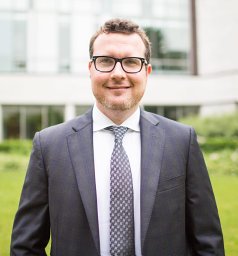 Lyons Brent J合作论文数4
 Alecia M. Santuzzi合作论文数Syracuse University4
 Mukta Kulkarni合作论文数Indian Institute of Management4
 Christine Nittrouer合作论文数Dept Management, Texas Tech Univ3
 Peter Rutigliano合作论文数2Robert Keating合作论文数2Jesus Martinez合作论文数2Roshni Janakiraman合作论文数2
 Addison Maerz合作论文数Smith Sch Business, Queens Univ2Michelle R. Hebl合作论文数2
 Amy E. Hurley-Hanson合作论文数2Cristina M. Giannantonio合作论文数University of Maryland;University of Notre Dame;University of Maryland, University of Notre Dame2
 Matthias Spitzmuller合作论文数2
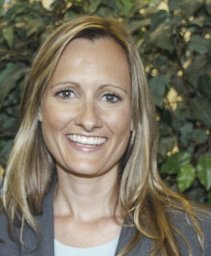 Amy-Jane Griffiths合作论文数2Lauren Gilbert合作论文数1
 Christine Anna Mihelcic合作论文数1Brent J. Lyons合作论文数1Debra Gilin合作论文数1Yaqing He合作论文数1
 Shasanka Chalise合作论文数1Amanda Hancock合作论文数1Barnini Bhattacharyya合作论文数1
 Anika E Cloutier合作论文数1
 Terrance L. Boyd合作论文数Louisiana State U.1
 Anna Zofia Brzykcy合作论文数Tech Univ Munich1
 Anthony Decoste合作论文数Department of Decision Sciences and Innovation.1
 Kyle Brykman合作论文数Odette Sch Business, Univ Windsor1Susanne Bruyere合作论文数1Naomi Fa-Kaji合作论文数1
 Constantin Lagios合作论文数Psychol Sci Res Inst, Catholic Univ Louvain1
 Michael A Johnson合作论文数EJ Ourso Coll Business, Management, Louisiana State Univ1
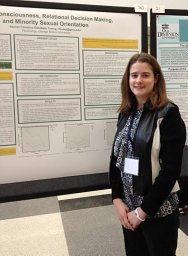 Rachel C.E. Trump-Steele合作论文数Rice U.1
 Catherine Midel Deen合作论文数Coll Business & Law, RMIT Univ1
 Anna Carmella G. Ocampo合作论文数EMLV Paris1
 Erica Carleton合作论文数University of Regina1
 Steve Granger合作论文数Org Behav, Univ Calgary1
 Alyson Byrne合作论文数Memorial University1Andrew Pueschel合作论文数1
 Duygu Gulseren合作论文数Haskayne School of Business, University of Calgary1Kathryne E. Dupré合作论文数1Yue-Yang Chen合作论文数1
 Mason Ameri合作论文数Rutgers Business School, Rutgers University1
 Stephan Boehm合作论文数1
 Allison Gabriel合作论文数College of Arts and Sciences Building, University of Akron1
 Evan E. Dean合作论文数1Department of Occupational Therapy Education, University of Kansas Medical Center1
 Dhanani Lindsay Y合作论文数Department of Psychology, University of Central Florida1
 Johnson Ryan C合作论文数Department of Psychology, University of South Florida1
 Lu Wang (王璐)合作论文数Institute of Fusion and Plasma Research, School of Electrical and Electronic Engineering, Huazhong University of Science and Technology1
 Nick Turner合作论文数Memorial University of Newfoundland1




