PurposeThis study examines how President Trump's anti-DEI (diversity, equity and inclusion) executive orders are reshaping workplace inclusion for people with disabilities, using a global, multi-stakeholder perspective. It explores the challenges and opportunities these policies present for employers and organizations, emphasizing their impact on both disability inclusion and broader DEI efforts.Design/methodology/approachQualitative semi-structured interviews were conducted with 17 key stakeholders, including leaders of disability advocacy organizations, directors of academic disability centers, disability employment legal experts, and independent DEI researchers and consultants from seven countries.FindingsTrump's anti-DEI executive orders have generated significant uncertainty and retrenchment, but disability does not neatly mirror the trajectory of other DEI categories. Instead, participants depict disability as occupying a distinct legal and organizational position, anchored in the ADA yet increasingly exposed to policy backsliding and organizational risk aversion, prompting some employers to narrow recruitment and outreach while spurring others to reassess and more deliberately embed disability inclusion within their structures and practices.Originality/valueEmpirical research examining the organizational consequences of Trump-era anti-DEI directives remains limited. Rather than viewing the current climate solely as a setback, our findings suggest a generative moment that enables organizations to interrogate performative DEI practices and reimagine more authentic, structurally embedded approaches to inclusion.
Nearly half of the global population will experience a mental health condition at some point in their lives, yet many employees continue to struggle in silence at work because of persistent stigma and limited managerial preparedness. This silence carries real costs: employees who fear negative reactions may hide symptoms, avoid seeking support, and disengage, while managers often feel unsure how to interpret behavior changes or how to respond without overstepping. We argue that organizations must move beyond treating mental health and illness as an exceptional problem and instead recognize it as a normal, recurrent feature of working life. Drawing on existing research and qualitative data from managers, HR professionals, and employees with mental health conditions across multiple countries, we propose a three-step framework for developing “mental health confidence” in organizations. The framework emphasizes (1) enhancing mental health literacy so managers understand the varied, often invisible nature of mental health conditions and the legal context surrounding them; (2) normalizing mental health conditions by openly acknowledging both their challenges and potential strengths, supported by practices such as job crafting and peer support; and (3) building mental health efficacy, equipping managers and HR with practical skills, tools, and policies to respond effectively when employees are struggling. We conclude that investing in managers’ mental health confidence is both a matter of fairness and a strategic lever for retention, performance, and inclusion.
PurposeResearch related to workplace accommodation requests for employees with mental illness is scarce, though evidence suggests that these individuals often fail to request accommodations even when needed. The authors' research study aimed to address these shortcomings by (1) assessing employees' knowledge of Americans with Disabilities Act (ADA) laws and how this knowledge influences employees' perceived need for and requests of accommodations; (2) examining the relationship between employees' perceived need for accommodations and employees' workplace outcomes and (3) examining the relationship between perceived need for accommodations and employees' actual accommodation requests, as well as how stigma influences this relationship.Design/methodology/approachThe authors used two survey studies to investigate their research questions. Study 1 participants were recruited through Amazon's MTurk, and Study 2 participants were recruited through support groups for individuals diagnosed with mood disorders (i.e. depression and bipolar disorder).FindingsThe authors found significant gaps in both subjective and objective ADA-related knowledge among participants in their sample. The authors' Study 1 results also revealed an interaction between the perceived need for accommodations and accommodation requests in predicting job satisfaction and turnover intentions. When employees needed accommodations but did not request them, it resulted in worsened workplace outcomes. In Study 2, the authors aimed to identify barriers to requesting accommodations. The authors found that the relationship between perceived need for accommodations and actual accommodation requests was moderated by both public and self-stigma, thereby showing that stigma can impede individuals from requesting needed accommodations at work.Originality/valueThe authors' study sheds light on a population that has been relatively understudied in the workplace accommodations literature, namely those with mental illness. The authors first identify the perceived need for accommodations as an important factor in making accommodations requests at work, as prior work has failed to differentiate how the need for accommodations can vary across individuals. Next, the authors show how workplace outcomes (i.e. job satisfaction and turnover intentions) are negatively affected when employees need accommodations but do not request them. Finally, the authors demonstrate how both public stigma and self-stigma can reduce the likelihood that individuals request accommodations at work, even when needed.
This article points to the mechanism that reinforces neurotypical norms and inequalities through the internalization of stigma associated with neurodiversity and social class within educational and occupational settings. We draw upon the literatures of neurodiversity, neurotypical norms and the internalization of stigma. We report on two studies conducted in France – one survey-based (324 neurodivergent students) and another interview-based (25 neurodivergent working adults) – and find a common awareness of and perceived pressure among neurodivergent students and working adults to conform to neurotypical norms. Internalizing the stigma associated with their condition, both students and working adults employ individual coping strategies to present themselves as neurotypical. We also find that social class exacerbates inequalities as individuals from lower social classes are less likely to get diagnosed and have access to accommodations and support. This has implications for educational institutions and organizations alike on how these spaces can be made more inclusive for neurodivergent individuals.
This interview with Dr. Joan V. Gallos, 2023 recipient of the David L. Bradford Outstanding Educator Award from the Management and Organizational Behavior Teaching Society (MOBTS), explores the four components of what Gallos considers the "soul of teaching"-insights she wished she had understood when she began her teaching career more than 50 years ago. Her four insights advise educators to: (1) work with what they've got-and own it!, (2) fail in the right way (think progress, not perfection), (3) dive into the magic at the heart of teaching and learning, and (4) relax and take your time: becoming the best educator you can be is a journey of never arriving. The interview is presented to encourage others to both find the soul of their teaching and guide their individual and collective discovery of the connection, authenticity, and magic at the heart of all teaching and learning.
The current study examines the relations among anticipated discrimination, authenticity, and counterproductive work behaviors (CWBs) in an employee population that is vulnerable to mistreatment-namely, employees with depression and bipolar disorder. Using a longitudinal research design, we collected data at 3 points in time from 279 individuals diagnosed with depression and/or bipolar disorder. We tested the extent to which authenticity mediated the relationship between anticipated discrimination and counterproductive work behaviors. Our results provided support for our research model. Thus, when individuals perceived that they were likely to be targets of discrimination due to their mental illness, it resulted in increased counterproductive work behaviors, and this effect was transmitted through decreased perceptions of authenticity. In addition, we tested stigma centrality and symptom severity moderators of the mediated relationships. We found support for symptom severity (but not stigma centrality) as a moderator in which the mediated relationship between anticipated discrimination and CWBs through authenticity was stronger for those with more severe symptoms.
This presenter symposium features five research studies by well-known disability scholars, from North America and Europe, on the inclusion and workplace experiences of employees with disabilities. Together, these studies extend the boundaries of disability research by showcasing inadvertent ways in which new supposedly inclusive workplace designs (e.g., alternative/digitalized work/conference spaces) can become empty promises or perpetuate social inequality; how and why career advancement may be stalled for some employees with a disability; how an employee’s identity can be associated with their disability management strategy, and in turn their help-seeking preferences; and finally how even conventional large organizations may unintentionally exclude employees with a disability. Our discussants will synthesize the individual presentations to suggest future research directions as well as practical suggestions for promoting equity and inclusion within organizations as well as within important spaces of organizing such as this Academy of Management annual meeting. (In)visibilizing Disability in Activity-Based Working Author: Ive D. Klinksiek; UCLouvain Author: Eline Jammaers; Hasselt U. Author: Laurent Taskin; Critical Management Studies COVID-19 and Conference Accessibility for Persons with Disabilities Author: Joy E. Beatty; Eastern Michigan U. The Effect of Stereotype-Inconsistent Behaviour on the Feedback Provided to Employees Author: Catherine Connelly; McMaster U. Author: Silvia Bonaccio; Telfer School of Management, U. of Ottawa Author: Ian R. Gellatly; U. of Alberta Author: Sarah-Kay Walker; McMaster U. Author: Jennifer Ho; DeGroote School of Business, McMaster U. Differential Help-Seeking Patterns among the Invisibly Disabled Author: Jordan Nielsen; Purdue U. Author: Seonyoung Ji; Purdue U., West Lafayette Author: John Lynch; U. of Illinois at Chicago Author: Julia Stevenson-Street; Purdue U., West Lafayette Experiences of State Agency Employees with Disabilities who Request Accommodations Author: Christine Nittrouer; Texas Tech U. Author: Claudia Cogliser; Texas Tech U.
Introduction: Workplace Inclusion of Persons with Disabilities – Contemporary Assumptions, Definitions, and Concepts to Guide Research and Practice was published in De Gruyter Handbook of Disability and Management on page 1.
Issues related to diversity, equity, and inclusion (DEI) are timely topics in business, education, and politics. As Associate Editors for the Journal of Management Education ( JME) we recognize the journal’s ability to contribute to these conversations. In this article, we take stock of DEI research in JME and review 17 exemplary articles published since 2000. A common theme in these articles is that management educators play an important role in creating inclusive classrooms to educate the next generation of leaders of multicultural organizations and that this task should be done proactively. Yet, even the most well-intentioned faculty members may be worried or lack the confidence to handle DEI-related challenges and conversations in the classroom. This collection of articles is intended to help guide business faculty through the unprecedented challenges associated with teaching DEI or having difficult discussions about diversity. The articles in this collection (1) advance the way we think about DEI by offering frameworks, reviews, and new perspectives, (2) address some of the most pressing and prevalent issues related to cultural-diversity and gender, and (3) provide activities and exercises to be implemented in the classroom to increase student sensitivity.
Severe mental illnesses (SMIs) such as bipolar disorder, major depression, and schizophrenia are often assumed to be incompatible with employment. The characteristics of people with SMIs are not aligned with the ideal worker myth. Individuals with these conditions tend to be unemployed or marginalized in low level jobs. We argue that this situation is due to sanism, a particular kind of ableism regarding psychological functions. HR policies do not exist for this population because they are assumed incommensurate with regular HR functions. In this chapter we review sanism discrimination, discuss three SMIs and three academics who have them, and provide evidence that people with SMIs can be effective employees in some contexts. We offer recommendations for workplace policies to support these employees. We advocate for greater awareness and inclusion of this potential employee population in all workplaces.
Students with disabilities are a growing population contributing to the diversity of our campuses. Access to higher education is a foundation of the United Nations Convention on the Rights of Persons with Disabilities and the disability rights movement. However, students with disabilities experience a number of challenges in accessing course content. Universities and faculty can do more to support this population through curriculum design and adoption of Universal Design for Learning. Based on cognitive neuroscience and education theories, it prioritizes accessibility by promoting multiple means of engagement, representation, and action and expression so that students with a range of skills and limitations can participate equally. Management educators who adopt these practices are signaling disability awareness and modelling inclusion in their classrooms. Our business students will go on to manage and lead in organizations, shaping organizational frameworks and policies; the training we provide can contribute to broader positive social change. This article outlines the accommodation barriers experienced by students with disabilities, identifying philosophical tensions between accommodation and accessibility mindsets. It offers guidance for faculty to adopt a Universal Design for Learning philosophy in their classrooms, and for universities to develop a more accessible and welcoming environment for students with disabilities.
Management scholars have called for an increase in research on employees who have mental health challenges at work (Follmer & Follmer, 2021; Follmer & Jones, 2018). Additionally, research conducted during the COVID-19 pandemic has illuminated workplace factors that may hinder employee mental health (e.g., Andel et al., 2021; Caldas et al., 2020). To answer these calls and further expand on our understanding of employee mental health, this symposium brings together a group of scholars who are studying topics related to both common and chronic mental health challenges faced by employees. Specifically, this symposium introduces the following novel perspectives. First, the symposium expands our understanding of how discrimination influences mental health conditions, and it questions assumptions around offering mental health support in the context of racial and gender discrimination. Second, the symposium considers the importance of industry and work characteristics in the emergence of mental health concerns. Last but not least, the symposium introduces novel recommendations for managers, educators, and employees on ways to support employees facing mental health challenges. Workplace Discrimination, Depression, and People of Color: A Longitudinal Study Presenter: Erica M. Johnson; Organizational Behavior Case Western Reserve U. Who’s to Blame? Attributions for Workplace-Induced Mental Strain Presenter: Andrea Freund; Stanford Graduate School of Business Presenter: Margaret A. Neale; Stanford U. What You Don’t Know About Your Dream Job: Mental Health in the Music Industry Presenter: Jessica Francavilla; Washington U. in St. Louis, Olin Business School The Utility of Gatekeeper Training in Business School Curricula to Increase Mental Health Literacy Presenter: Emily Rosado-Solomon; California State U., Long Beach Presenter: Joanne Kasem; California State U., Long Beach Staying Happy while Working from Home during the COVID-19 Pandemic: Three Brief Interventions Presenter: Mariana Toniolo-Barrios; Simon Fraser U. Presenter: Lieke Laura Ten Brummelhuis; Simon Fraser U.
Our paper bridges psychological contract and recruitment literatures, examining the relationship between diversity messages on recruitment websites and internship outcomes, through the lens of anticipatory psychological contracts (APCs). We focus on interns as a distinct segment of the job market, with data collected in the Midwest region of the U.S. Study 1, using a lab experiment (n = 579), indicates that recruitment websites with diversity messages have a significant impact on job applicants' perceptions of organizational obligations for offering a diverse and inclusive work environment, in comparison to neutral and exclusive recruitment websites. Moreover, Study 2 (n = 196), based on a field study using two-wave surveys, shows that APC fulfillment mediates the relationship between diversity-related organizational obligations and intention to pursue fulltime employment with the organization. These results suggest that when recruiting interns, employers should be intentional regarding promises made during recruitment to promote accurate APC formation. This is particularly important regarding diversity messaging, because interns hold promises made about diversity more strictly than promises of exclusivity and competitiveness.
This symposium focuses on the experiences and strategies of persons with disabilities and the disclosure and identity management steps they take to manage their careers. The conceptual foundations are stigma, identity, and disclosure. The session incorporates organizational-level phenomenon, such as HR practices for disclosure and hiring intentions; and individual-level studies of employee disclosure and advocacy, accommodation, identity, and career success over time. We contribute empirically to research on diversity and disability disclosure to improve employment outcomes for this population. While we are focused on disability, our findings are applicable to other minority groups (e.g., sexual minorities, refugees) who may experience disclosure dilemmas. The Impact of Response Options on Disability Disclosure Rates Presenter: Alecia Marie Santuzzi; Northern Illinois U. Presenter: Robert Keating; Northern Illinois U. Presenter: Jesus Martinez; Northern Illinois U. Examining Social Status, Identity Management Strategies, Observer Perceptions, and Hiring Intentions Presenter: Daniel S. Samosh; U. of Toronto Presenter: Brent John Lyons; Schulich School of Business, York U. Self-conceptions, disclosure, and identity threats for academics with disabilities Presenter: Mukta Kulkarni; Indian Institute of Management, Bangalore Presenter: Joy E. Beatty; Eastern Michigan U. The Role of Disclosure in the Recruitment of Neurodivergent Applicants Presenter: Amy Hurley-Hanson; Chapman U. Presenter: Cristina Marie Giannantonio; Chapman U. Presenter: Amy Jane Griffiths; Chapman U. Career Progression: Strategies used by Self-Advocates with ASD and their Allies Presenter: Christine Nittrouer; U. of Houston, Downtown Presenter: Evan Dean; U. of Kansas Presenter: Karrie Shogren; U. of Kansas Stigma and sanism: Employment and identity management for people with serious mental illness Presenter: Joy E. Beatty; Eastern Michigan U. Presenter: Ramona L Paetzold; Texas A&M U.
Mental illness is highly stigmatized and much of the extant research has focused on the ways in which having a mental illness detracts from employees' productivity. In this study, we aim to obtain a more holistic understanding of how mental illness impacts employees' work experiences. We do this by examining both the positive and negative characteristics associated with mental illness by conducting two exploratory qualitative studies consisting of 257 qualitative in-depth surveys and 15 interviews with employees with mental illness. Using a person-job fit lens, we demonstrate how positive characteristics are associated with good needs-supplies fit while negative characteristics are associated with poor demands-abilities fit. This paradox illustrates how having a mental illness affords employees unique skills and qualities that enable them to excel in their roles; yet, the negative characteristics resulted in tendencies to overwork, increased stress, and reduced abilities to cope. Our findings highlight that the characteristics of mental illness simultaneously enhance and hinder different types of P-J fit. We believe employees with mental illness and their employers should be aware of the paradoxical benefits of mental illness, and develop strategies to support the effective balancing of the unique strengths and weaknesses of mental illness in the workplace.
 Jennifer S. A. Leigh合作论文数14
 Mukta Kulkarni合作论文数Indian Institute of Management11
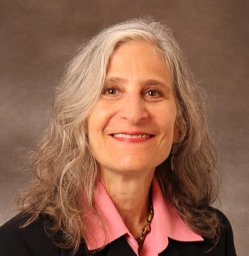 Kathy Lund Dean合作论文数Idaho State University8
 Sophie Hennekam合作论文数Univ Bordeaux7
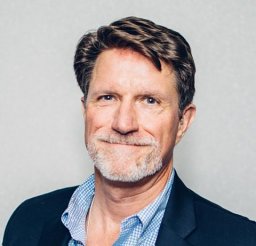 David C. Baldridge合作论文数College of Business;Oregon State University;College of Business, Oregon State University5
 Kayla B. Follmer合作论文数West Virginia Univ4
 Christine Nittrouer合作论文数Dept Management, Texas Tech Univ3
 Rosalind Joffe合作论文数3
 William Torbert合作论文数3
 Marie Waung合作论文数University of Michigan in Dearborn3
 Adrienne Colella合作论文数3
 Alyssa K McGonagle合作论文数University of Connecticut3
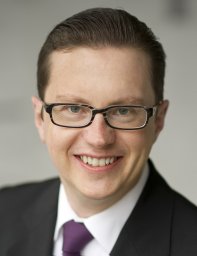 Stephan Bohm合作论文数RheinMain University of Applied Sciences3
 Alison Mcconnell Dachner合作论文数3
 Mark E. Moore合作论文数2
 Eline Jammaers合作论文数Fac Business Econ, Hasselt Univ2
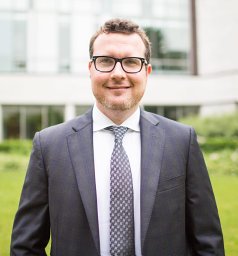 Lyons Brent J合作论文数2J. Lynch合作论文数2Robert W. Hymes合作论文数2Silvia Bonaccio合作论文数Purdue University2
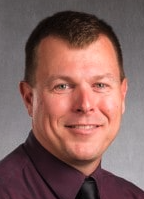 Andrew Urbaczewski合作论文数Department of Business Information and Analytics, Daniels College of Business, University of Denver2
 Ian R. Gellatly合作论文数University of Alberta2
 Catherine E. Connelly合作论文数McMaster University2
 Alecia M. Santuzzi合作论文数Syracuse University2Amy L. Kenworthy合作论文数2
 Ramona L. Paetzold合作论文数Texas A&M Univ2Jane V. Wheeler合作论文数1Erica M. Johnson合作论文数1Andrea Freund合作论文数1Brent J. Lyons合作论文数1Robert Keating合作论文数1Mahshid Khademi合作论文数1gordon e dehler合作论文数1Jesus Martinez合作论文数1Ashley Prisant Lesko合作论文数1Ekonkar Kaur合作论文数1
 Shontarius Aikens合作论文数1Kristie L. McAlpine合作论文数1
 Ive David Klinksiek合作论文数1
 Mackenzie J. Miller合作论文数1Jennifer A. Ho合作论文数1Mariana Toniolo-Barrios合作论文数1
 Mingang Geiger合作论文数Dept Management, West Virginia Univ1
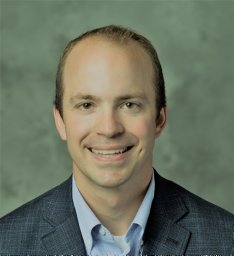 Jordan Nielsen合作论文数Krannert School of Management, Purdue University;Krannert School of Management, Purdue University1
 Emily Rosado-Solomon合作论文数Dept Management & HRM, Calif State Univ Long Beach1
 Julia Stevenson-Street合作论文数Purdue University1
 Jared Allen合作论文数Texas Tech University1
 Joanna Maria Szulc合作论文数Business Sch, Univ Huddersfield1
 Daniel Samosh合作论文数Ctr Ind Relat & Human Resources, Univ Toronto1




