The Journal of Vascular and Interventional Radiology (JVIR) Editorial Board extends its thanks and appreciation to the following experts who provided manuscript reviews for JVIR between January 1, 2023, and December 31, 2023. The constructive comments and sound judgments of knowledgeable and unbiased reviewers are fundamental to the blinded peer-review process. These committed volunteers shared their expertise in identifying and improving new scientific research submitted to JVIR.
The TheraSphere Global Steering Committee reconvened to review clinical data and address knowledge gaps related to treatment and dosimetry in non-HCC indications using Yttrium-90 (90Y) glass microspheres. A PubMed search was performed. References were reviewed and adjudicated by the Delphi method. Recommendations were graded according to the degree of recommendation and strength of consensus. Dosimetry focused on a mean dose approach, i.e., aiming for an average dose over either single or multicompartment volumes of interests. Committee discussion and consensus focused on optimal patient selection, disease presentation, liver function, tumour type, tumour vascularity, and curative/palliative treatment intent for intrahepatic cholangiocarcinoma (iCCA) and colorectal and neuroendocrine carcinoma liver metastases (mCRC, mNET). For all indications, single compartment average perfused volume absorbed dose ≥ 400 Gy is recommended for radiation segmentectomy and 150 Gy for radiation lobectomy. Single compartment 120 Gy for uni- and bilobar treatment reflects current clinical practice, which results in variable tumour and normal tissue absorbed doses. Therefore, multicompartment dosimetry is recommended for uni- and bilobar treatment, aiming for maximum 75 Gy to normal tissue and 150–200 Gy (mCRC, mNET), ≥ 205 (iCCA) tumour absorbed doses. These dose thresholds are preliminary and should be used with caution accounting for patient specific characteristics. Consensus recommendations are provided to guide clinical and dosimetry approaches for 90Y glass microsphere radioembolization in iCCA, mCRC and mNET. Clinical trial number: not applicable.
Objective: This study evaluates outcomes for patients with unresectable colorectal liver metastases (CRLM) undergoing hepatic artery infusion chemotherapy (HAI) and transarterial radioembolization (TARE). Summary Background Data: The most common liver-directed therapies for unresectable CRLM include HAI and TARE. Methods: In this retrospective cohort study, patients with unresectable CRLM treated with HAI at one high-volume center were compared with patients treated with TARE at five other institutions. Propensity score matching was performed within lines of chemotherapy received prior to treatment (treatment-naïve; 1-line; 2-lines; 3-4 lines) using baseline demographics, extrahepatic disease (EHD), prior chemotherapy, disease-free interval, and interval from primary diagnosis to HAI/TARE. Overall survival (OS) analysis was conducted to compare the matched groups. Results: A total of 708 HAI patients and 481 TARE patients were identified. The majority of patients (84%) received chemotherapy prior to HAI/TARE. HAI patients were younger (median age:54 vs. 62) and more likely to have evidence of EHD at time of treatment (65% vs. 60%). Of the 493 patients who received 1-line of chemotherapy, 166 (34%) were matched. Among matched patients who received 1-line (HAI:83, TARE:83) or 2-lines of chemotherapy (HAI:80, TARE:80), TARE patients had a significantly increased risk of all-cause mortality compared to HAI [HR:1.46 (95%CI:1.02-2.08) and HR:1.96 (95%CI:1.32-2.89)]. More frequent conversion to resection and use of concurrent systemic chemotherapy were also seen in the HAI cohort. Among matched patients who received 3-4 lines of chemotherapy (HAI:50, TARE:50), there was no difference in OS between HAI and TARE [HR:0.88 (95%CI:0.57-1.35)] and rate of conversion to surgery was 4% for both groups. Conclusions: Within matched cohorts stratified by lines of therapy, there appear to be differences in survival for patients treated with HAI and TARE after first or second-line chemotherapy. Outcomes after TARE and HAI are not significantly different in the refractory setting.
As artificial intelligence (AI) becomes increasingly prevalent within interventional radiology (IR) research and clinical practice, steps must be taken to ensure the robustness of novel technological systems presented in peer-reviewed journals. This report introduces comprehensive standards and an evaluation checklist (iCARE) that covers the application of modern AI methods in IR-specific contexts. The iCARE checklist encompasses the full "code-to-clinic" pipeline of AI development, including dataset curation, pre-training, task-specific training, explainability, privacy protection, bias mitigation, reproducibility, and model deployment. The iCARE checklist aims to support the development of safe, generalizable technologies for enhancing IR workflows, the delivery of care, and patient outcomes.
The Abstract is the most commonly read component, is the only part that a potential reviewer sees when invited to review a manuscript, and is eventually published in the public domain in PubMed. The majority of readers only read the abstract, so it must provide a concise summary of everything that is significant and innovative in the manuscript. JVIR abstracts are limited to 250 words and are composed of 4 sections: Purpose, Materials and Methods, Results and Conclusion. The Purpose section is usually one sentence proposing a hypothesis-driven objective. A background section preceding the Purpose statement is not necessary. The Materials and Methods section should describe the study's design, study population and demographics, experiments or procedures, and endpoints. The Results section should be data-dense, and present the main outcomes, including adverse events, with quantitative data and statistical analyses. The Conclusion section is usually a single summary sentence. The content of the abstract is also included in searches, so keywords should also be featured.
PurposeTo assess the factors that affect interventional radiologists' decision to transition from interventional radiology (IR), and to determine what activities they pursue following this transition.Materials and MethodsAn online questionnaire gauging influences on interventional radiologists' decision to transition from IR was posted to the Society of Interventional Radiology Connect Forum. 167 questionnaires were completed; 27/167 (16%) had fully transitioned from clinical IR, 28/167 (17%) were in the process of transitioning, and 112/167 (67%) had not transitioned.ResultsAmong respondents who had fully transitioned or were in the process of transitioning from clinical IR, nighttime call responsibilities (30/55, 55%), burnout (23/55, 42%), and age (20/55, 36%) were the most frequent factors cited in the decision to make the transition. Increased diagnostic radiology (DR) workload was reported by 23/55 (42%) respondents during their transition. Other than DR, the most commonly pursued activities following transition were athletics (17/55, 31%) and mentorship to students/trainees (15/55, 27%). Among respondents who had not transitioned, nighttime call responsibilities (81/112, 72%), burnout (64/112, 57%), and age (59/112, 53%) were considered the most influential factors regarding when to transition from clinical IR. Among all respondents, job satisfaction decreased for 82/167 (49%) during their IR career. 136/167 (81%) reported they would pursue the field of IR again.ConclusionNighttime call responsibilities, burnout, and age were the major influences in the decision to transition from clinical IR. Job satisfaction decreased for nearly half of respondents during their career in IR, yet over 80% would pursue the field of IR again.
Purpose: To characterize the response and survival outcomes of yttrium-90 (90Y) transarterial radioembolization (TARE) for unresectable, liver-dominant metastases from primary neoplasms other than colorectal carcinoma. Materials and Methods: This study included 1,474 patients enrolled in the Radiation-Emitting Society of Interventional Radiology (SIR)-Spheres in Nonresectable Liver Tumor registry who received resin 90 Y-TARE as part of their oncologic management for unresectable primary or secondary liver tumors (NCT 02685631). Of these patients, 33% (481/1,474) were treated for liver metastases of noncolorectal origin (m-non-CRC) compared with 34% (497/1,474) treated for metastatic colorectal cancer (mCRC) and 34% (496/1,474) treated for hepatocellular carcinoma. Treatment response and cancer survival probabilities were computed and compared for each primary cancer type. The Kaplan-Meier method and log-rank test were used to compare survival outcomes. Results: Radiological responses were observed in 12 unique cancer types, mostly heavily pretreated malignancies refractory to multiple lines of systemic therapies. The overall use of resin 90 Y-TARE in m-non-CRC resulted in better treatment outcomes in terms of duration of response, progression-free survival, time to progression, and overall survival (P = .04, P = .02, P = .01, and P = .04, respectively). Analyses of cancer cell types revealed that metastatic neuroendocrine tumor, sarcoma, and ovarian, renal, prostate, and breast cancers were associated with superior treatment outcomes, whereas worse treatment outcomes were observed in metastatic lung, gastric, pancreatic, and esophageal cancers. Conclusions: Real-world data demonstrate the use of resin 90 Y-TARE in m-non-CRC refractory to standard chemotherapy. For some cell types, this expanded use achieved superior treatment outcomes relative to the reference standard of mCRC, suggesting the need for inquiry into broadened indications for 90 Y-TARE.
The annual Editor's Awards honor the most noteworthy research published in the Journal of Vascular and Interventional Radiology (JVIR). The winners of the Editor's Award for Outstanding Clinical Study and the Editor's Award for Outstanding Laboratory Investigation are chosen by a review of all manuscripts published in 2023, voted on by confidential ballot by the editorial board members, and finally selected by the Editor-in-Chief.
PURPOSE:To provide guidance, via multidisciplinary consensus statements, on the safety interactions between systemic anticancer agents (such as radiosensitizing chemotherapy, immunotherapy, targeted therapy, and peptide receptor radionuclide therapy) and transarterial radioembolization (TARE) with yttrium-90 (90Y)-labeled microspheres in the treatment of primary and metastatic liver malignancies. MATERIALS AND METHODS:A literature search identified 59 references that informed 26 statements on the safety of 90Y TARE combined with systemic therapies. Modified Delphi method was used to develop consensus on statements through online anonymous surveys of the 12 panel members representing the fields of interventional radiology, medical oncology, surgical oncology, hepatology, and pharmacy, focusing on hepatocellular carcinoma (HCC), metastatic colorectal cancer (mCRC), neuroendocrine tumors, metastatic breast cancer, and intrahepatic cholangiocarcinoma. RESULTS:High-level evidence was limited. Level 1 data in patients with mCRC suggest that some radiosensitizing chemotherapies (eg, oxaliplatin) require temporary dose reduction when used concomitantly with 90Y TARE, and some targeted therapies (eg, vascular endothelial growth factor inhibitors and antiangiogenic tyrosine kinase inhibitors) should be avoided for at least 4 weeks before 90Y TARE. In patients with HCC, the feasibility of 90Y TARE and immunotherapy has been demonstrated with Level 4 evidence. Data are more limited for other primary and secondary liver malignancies, and consensus statements were driven by expert opinion (Level 5). CONCLUSIONS:Given the absence of evidence-based guidelines on the safety of 90Y TARE in combination with systemic anticancer therapy, these consensus statements provide expert guidance on the potential risks when considering specific combinations.
The primary objective of this research was to design, implement, and validate a programmable open-source pulsatile flow system to cost-effectively simulate vascular flows. We employed an Arduino-compatible microcontroller combined with a motor driver to control a centrifugal direct current (DC) motor pump. The system was programmed to produce pulsatile flows with an arterial pulse waveform. Validation with Doppler ultrasound and flow measurements confirmed that our Arduino-based system successfully replicated arterial vascular flow. The materials are easily accessible, with a total bill of materials as low as $99. This open-source programmable pulsatile pump platform offers superior cost-effectiveness and adaptability relative to commercial offerings.
 John D. Louie合作论文数Department of Radiology, School of Medicine, Stanford University90
 Nishita Kothary合作论文数Radiology Department, Stanford University73
 Lawrence Rusty Hofmann合作论文数Department of Radiology, School of Medicine, Stanford University;Cardiac Catheterization, Angiography and Interventional Radiology Laboratories, Stanford University Medical Center;Stanford Hospital and Clinics;Grand Rounds, Inc71
 William T. Kuo合作论文数Radiology Department, Stanford University46
 Michael D. Dake合作论文数40
 Gloria Hwang合作论文数Department of Radiology, School of Medicine, Stanford University33Mahmood K. Razavi合作论文数32
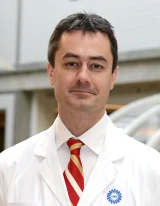 M.G.E.H. (Marnix) Lam合作论文数UMC Utrecht28
 David M. Hovsepian合作论文数Radiology Department, Stanford University28
 M. Abdelmaksoud合作论文数Interventional Radiology, Stanford University27Brown Daniel合作论文数22ST Kee合作论文数21
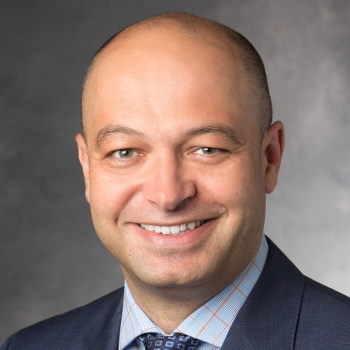 Andrei Iagaru合作论文数Radiology Department, Stanford University19Gloria L Hwang合作论文数19Lea Matsuoka合作论文数18
 David S. Wang合作论文数Stanford Cancer Institute, Stanford University17
 Stephen Kee合作论文数Department of Radiology, Medical School, University of California, Los Angeles17Joan K. Frisoli合作论文数16Semba C P合作论文数15Tony R. Reid合作论文数15
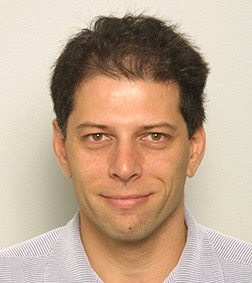 Riad Salem合作论文数Department of Radiology, Feinberg School of Medicine, Northwestern University;Division of Hematology and Oncology, Department of Medicine, Feinberg School of Medicine, Northwestern University14
 Zachary Collins合作论文数14Jafar Golzarian合作论文数14
 Andrew S. Kennedy合作论文数Sarah Cannon Research Institute13Jarrett Rosenberg合作论文数12Charles P. Semba合作论文数11A. Kennedy合作论文数9Liping Du合作论文数9
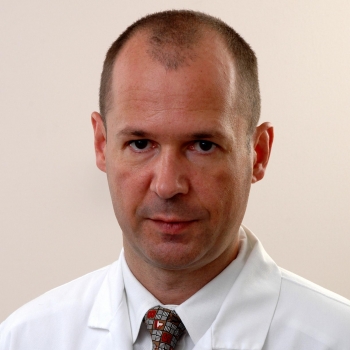 Dominik Fleischmann合作论文数3DQ Lab, Department of Radiology, School of Medicine, Stanford University;Department of Radiology, Stanford Hospital and Clinics9Eric Wang合作论文数8Kappadath S Cheenu合作论文数8T Reid合作论文数8
 Rajesh Shah合作论文数Radiology Department, Stanford University8Chan Keith T合作论文数8
 Aijaz Ahmed合作论文数Stanford University8Takuya Ueda合作论文数8Maurice A. A. J. Van Den Bosch合作论文数8
 R. Scott Mitchell合作论文数Department of Cardiothoracic Surgery, School of Medicine, Stanford University;Cardiovascular Institute, Stanford University8
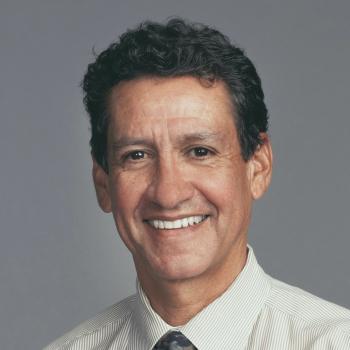 Carlos O. Esquivel合作论文数Division of Gastroenterology, Hepatology, and Nutrition, Department of Podiatric, School of Medicine, Stanford University;Department of Surgery, School of Medicine, Stanford University8
 Ripal T Gandhi合作论文数8
 David Kirn合作论文数UC Berkeley Berkeley Engineering8D. Brown合作论文数7
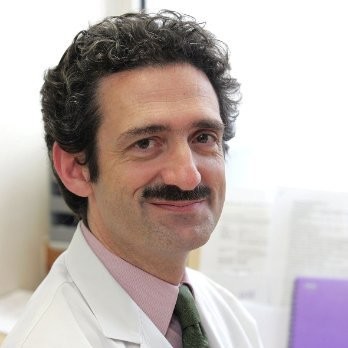 Bruno Sangro合作论文数Liver Unit, Clinica Universitaria de Navarra7
 James Abbruzzese合作论文数Division of Medical Oncology, Department of Medicine, Duke University School of Medicine;Duke Cancer Institute7
 D. Craig Miller合作论文数Department of Cardiothoracic Surgery, School of Medicine, Stanford University;Cardiovascular Institute, Stanford University7
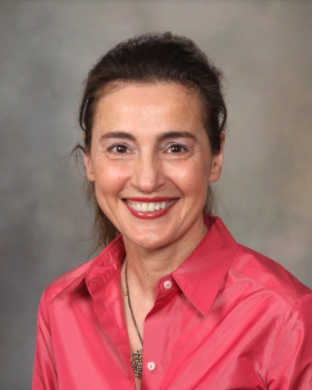 Evanthia Galanis合作论文数Division of Medical Oncology, Department of Oncology, Mayo Clinic;Mayo Clinic Comprehensive Cancer Center, Mayo Clinic7L. Du合作论文数6M. Petroziello合作论文数6J. Brower合作论文数6




