BackgroundCare bundles (CBs) are structured sets of evidence-based interventions designed to enhance the quality and safety of care. Despite increasing diffusion, a lack of uniformity in development and implementation processes underscores the need for a standardised approach to evaluating methodological quality. To our knowledge, no widely accepted and standardised instrument is currently available to assess the methodological quality of CBs. To address this gap, we developed the Care Bundle Quality Assessment Tool (CBQuAT). It consists of 20 items grouped into five key dimensions.MethodsThe development of the tool was informed by the IHI guidelines published in 2001 and by evidence identified through a previously published systematic review. The preliminary checklist was subjected to content validation in two rounds by a panel of 12 experts, and the Content Validity Index (CVI) and Ratio (CVR) were then calculated. Subsequently, two reviewers applied CB-QuAT to the 20 CBs obtained through a systematic literature search to assess their reliability. The inter-rater reliability (IRR) was calculated using Cohen's weighted kappa and the intra-class correlation coefficient (ICC). All analyses were conducted using SPSS and RStudio.ResultsA total of 20 items were included in the final checklist, organised into five analytical domains that reflect key aspects of bundle quality. The analysis highlighted excellent reliability and strong content validity. Construct validity was not evaluated, as it was not necessary for the specific purpose of the instrument. The average weighted Cohen’s kappa was 0.860 (95% CI: 0.828–0.892), and the mean ICC was 0.918 (95% CI: 0.872–0.964), indicating almost perfect agreement between reviewers. Internal consistency was exceptional, with a Cronbach’s Alpha of 0.957 (95% CI: 0.936–0.979). Specific examples include the bundle for preventing viral infections in paediatrics (USA, 2018), which showed the highest reliability (ICC = 0.997), while some bundles for surgical site infections had lower but still substantial agreement.ConclusionsThe CB-QuAT has proven to be a valid and reliable tool for evaluating the methodological quality of CBs and for guiding their development across different clinical settings.
AIMS:To identify the pain assessment scales with the best psychometric properties to be used by nurses in an inpatient setting. DESIGN:Umbrella review. METHODS:A comprehensive search of four databases was conducted for systematic reviews published from July 2013 to November 2024, focusing on psychometric properties of pain scales used in inpatient settings. Inclusion criteria required scales to assess subjective or behavioural pain and be nurse-administered, while reviews without detailed psychometric data were excluded. Screening, quality appraisal (JBI checklist), and data extraction were performed independently by two researchers. Data synthesis combined qualitative and quantitative approaches, with psychometric properties evaluated using the COSMIN checklist. The study was reported in accordance with the Preferred Reporting Items for Overviews of Reviews (PRIOR) statement. RESULTS:Seventeen articles met the inclusion criteria, identifying 41 scales used across various patient populations, including critical care, paediatric, postoperative, cancer, cerebral palsy, disorders of consciousness, low back and neck pain, stroke and verbal communication disorders. The Paediatric Pain Profile, the Breakthrough Pain Assessment Tool and the Questionnaire on Pain caused by Spasticity demonstrated adequate psychometric properties, although the positive findings for the latter two should be confirmed by at least one additional study. Most of the scales (n = 36) require further studies to validate their use in clinical practice. For two scales, their clinical use remains questionable. CONCLUSION:The Paediatric Pain Profile, the Breakthrough Pain Assessment Tool, and the Questionnaire on Pain caused by Spasticity can be recommended for use. Unidimensional scales should complement, rather than replace, multidimensional scales to ensure a comprehensive pain assessment. Standardising documentation with validated scales enhances clinical decision-making, care quality, research usability, and reduces documentation burden.
BACKGROUND:Heart failure (HF) is a global chronic condition that contributes to high hospitalization rates, mortality, and healthcare costs. Effective self-care is crucial for improving quality of life, reducing hospitalizations, and lowering costs. Although much research has examined strategies that improve physical activity adherence and interventions that reduce rehospitalization, no umbrella reviews have explicitly addressed interventions to improve self-care in chronic HF. OBJECTIVE:The aim of this study was to systematically review existing evidence on interventions to improve self-care in adults with chronic HF. METHODS:A comprehensive search for systematic reviews or meta-analyses published between 2011 and 2024 was conducted across 5 electronic databases. Two independent reviewers appraised the studies using the Joanna Briggs Institute tool. Quantitative findings were summarized by intervention type, sample size, and main outcomes, and then synthesized in tabular and narrative formats. RESULTS:Forty-four systematic reviews met the inclusion criteria, encompassing 135 primary studies. The overlap across reviews was minimal (3.8%). The most prevalent categories of self-care intervention were face-to-face or telehealth education (63 studies), written educational materials (31 studies), and telemonitoring via phone calls or text messages (50 studies). The quality of the reviews ranged from moderate to high quality. The most effective interventions combined educational, psychological, and telehealth components. CONCLUSIONS:All intervention categories showed statistically significant improvements in HF self-care. Although the importance of self-care in HF management is recognized, the optimal delivery modality remains uncertain and multifaceted. Future research should focus on developing multimodal interventions based on behavioral change theories and evaluating their long-term impact.
Patients with serious illnesses require continuous care from professionals in multiple settings. The care transition interventions aim to promote the safe and timely transfer of patient care across settings through several components including discharge planning, post-discharge communication, and patient/caregiver education on self-management. Despite the reported evidence on transitional care interventions, little is known about their effectiveness for seriously ill patients and their caregivers and for those receiving or needing palliative care. Assess the effectiveness of transitional care interventions for outcomes related to seriously ill patients and their caregivers. A systematic review was conducted following the PRISMA and JBI guidelines. The search was conducted on MEDLINE, CINAHL, Embase, and Cochrane Central Register of Controlled Trials up to February 2024. Primary outcomes included mortality and/or survival, symptoms, functional status, caregiver burden, and health-related quality of life. Critical appraisal was performed using the JBI checklist. Evidence certainty was evaluated using the Grading of Recommendations Assessment, Development, and Evaluation (GRADE) approach. We included 16 studies with 3781 participants. The pooled results of mortality and functional status did not show differences between transitional care and standard of care. Meta-analyses on quality of life (SMD = 0.20, 95
BACKGROUND:Evidence-based practice (EBP) is essential for clinical decision-making, integrating the best available evidence, clinical expertise, and stakeholder values. In Italy, interest in EBP is growing, and a key step in its promotion is adopting tools to assess nurses' beliefs and behaviors toward EBP. While the EBP Beliefs Scale has been translated and validated in multiple languages, it has yet to be adapted for the Italian context. AIMS:This study aims to adapt EBP measurement tools for the Italian context and evaluate their psychometric properties. METHODS:This study used an observational cross-sectional design. The process of cross-cultural translation, adaptation, and validation was adopted. A panel of experts culturally adapted the Beliefs Scales (long and short version) through the item and scale content validity (I-CVI, S-CVI). To test the psychometric properties, 409 nurses were asked to complete the two scales. Confirmatory factor analysis was conducted to validate the factor structure within the Italian context. Convergent validity between the long and short versions of the scale was assessed using the correlation coefficient (r), and the reliability was assessed by computing Cronbach's alpha. RESULTS:The I-CVI and S-CVI for the long and short version ranged from 0.75 to 1.00. The CFA model performed for the long and short version reported a good fit without the need for further refinements. The Cronbach's alpha was higher than 0.80 for both scales. The correlation of 0.615 (p < 0.01) indicated a moderate to strong positive relationship supporting the convergent validity of the short version in relation to the long version. LINKING EVIDENCE TO ACTION:In time-constrained settings, the short scale should be utilized for efficient assessments and longitudinal tracking of changes. The long version serves as a complementary tool for in-depth analysis, facilitating a deeper understanding of underlying factors and informing targeted interventions to address specific barriers.
INTRODUCTION:The management of patients with major trauma is complex and encompasses the entire clinical pathway. The trauma coordinator role has been introduced to enhance communication and coordination. Despite the clinical benefits of trauma coordinators, their implementation in Italy is currently limited. METHODS:We conducted a national online survey from May to July 2023 consisting of 6 sections: (1) the trauma centers, (2) the knowledge of the trauma coordinator, (3a) trauma coordinator characteristics, (3b) characteristics that the trauma coordinator should have, (4) trauma coordinator's role and duties, (5) trauma coordinator organizational characteristics, and (6) barriers and opportunities. We performed a descriptive statistics and tested the agreement among raters for sections 2 and 6 using Cohen's or Fleiss' kappa. RESULTS:Fifty-five respondents from 26 trauma centers participated in the survey. Sixty percent of respondents indicated that a trauma coordinator exists in their trauma center, but only 31% reported that the trauma coordinator is formally recognized. Most trauma coordinators had experience in critical care (69%), but 45% of respondents noted that no rewards were provided for their function. The barriers to trauma coordinator implementation were the absence of a job description (40%) and a lack of human resources (45%). For opportunities, enhanced communication among providers was the most reported benefit. Full agreement on the knowledge of trauma coordinators was found in only 3 centers. CONCLUSION:This survey highlights the need for a more structured integration of trauma coordinators into trauma care teams. Emphasizing clear role descriptions, formal recognition, and appropriate compensation is essential to maximize the impact of trauma coordinators on patient outcomes.
Background: Community nurses delivering heart failure self-care education improve patient outcomes, but the cost-effectiveness of this type of nurse-led intervention has not been recently established. Aim: To determine the cost-effectiveness of community nurses' self-care education for heart failure patients compared with usual care. Methods: We performed a cost-effectiveness analysis from the perspective of the Italian National Health Service. A Markov model simulated the progression of a cohort of 1000 heart failure patients receiving remote self-care education after hospital discharge or usual care. Outcomes included costs, quality-adjusted life years, and incremental cost-effectiveness ratio. The willingness-to-pay threshold was established at 40,000/quality-adjusted life years. Findings: Over the 20-year time horizon, community nurses' care incurred an extra cost of 1.3 million while gaining 247 quality-adjusted life years compared with usual care, and the incremental cost-effectiveness ratio was 5490/quality-adjusted life years. Conclusions: The involvement of community nurses in self-care education is a potential cost-effective way of delivering home self-care education to heart failure patients. (c) 2024 Australian College of Nursing Ltd. Published by Elsevier Ltd. This is an open access article under the CC BY-NC-ND license (http://creativecommons.org/licenses/by-nc-nd/4.0/).
The knowledge of variables associated with quality of life in women with nonvertebral fractures is poor. The aim of this study was to examine the independent associations between sociodemographic and clinical factors, self-care, and quality of life in this specific population. We undertook a 3-year multicenter longitudinal study on a cohort of Italian postmenopausal osteoporotic women with three follow-ups at 1, 3, and 6 months. Nurses asked women to complete questionnaires on quality of life and self-care. The sample (n = 532) had a mean age of 74.78 years. The results showed that women taking more than two medications per day (p = .026) and those with nine or more years of education (p = .036) were more likely to exhibit better quality of life levels (p < .001) than their counterparts. Both self-care and quality of life scores improved over time in all participants. This study shows positive independent associations between quality of life and polypharmacy, education, and self-care behaviors, which were improved by educational interventions to attain a better quality of life in our participants.
The knowledge of variables associated with quality of life in women with nonvertebral fractures is poor. The aim of this study was to examine the independent associations between sociodemographic and clinical factors, self-care, and quality of life in this specific population. We undertook a 3-year multicenter longitudinal study on a cohort of Italian postmenopausal osteoporotic women with three follow-ups at 1, 3, and 6 months. Nurses asked women to complete questionnaires on quality of life and self-care. The sample (n = 532) had a mean age of 74.78 years. The results showed that women taking more than two medications per day (p = .026) and those with nine or more years of education (p = .036) were more likely to exhibit better quality of life levels (p < .001) than their counterparts. Both self-care and quality of life scores improved over time in all participants. This study shows positive independent associations between quality of life and polypharmacy, education, and self-care behaviors, which were improved by educational interventions to attain a better quality of life in our participants.
BACKGROUND:Palliative care is defined as active and global care that provides holistic care integrating the body, mind and spirit of the dying person. A person's health deteriorates at the end of life and nurses facilitate patients to manage their personal body care. Knowing and considering the impact of disease on individuals' lives, how they adapt to cope with it, and the meaning they give to it, can help nurses. This is because of the embodiment concept of living in and through our bodies. The aim of the study is to explore palliative care patients' experiences with nurses during body care.METHODS:A descriptive phenomenological approach based on Husserl's philosophical perspective was used. A purposive sample of eight palliative care patients were enrolled in the study. Semi-structured interviews were conducted between November 2018 and January 2019, in an Italian hospice. The interviews were about patients' feelings during nursing body care. The transcripts were analysed using Giorgi's phenomenological method. Several strategies were used to ensure the study's reliability.RESULTS:The qualitative analysis revealed six categories that converged in three themes: 1) body care requires a specific competence; 2) patients experience difficulties during care by nurses; 3) compassionate care relationships help patients to find wellbeing and balance.CONCLUSIONS:People at the end of life find the deterioration of their body distressing and a reminder that they are about to die. These considerations give us an understanding of patient embodiment and the significance of a patient's lived experiences at the end of their life. This phenomenon in nursing should be explored further in future research, to help inform more targeted care strategies.
Abstract Background The application of non-invasive pelvic circumferential compression devices (PCCDs), including pelvic binders, has shown to improve the position and stability of some types of pelvic fractures. To date the clinical efficacy of PCCDs application is still scarce and of poor quality. We assessed the clinical efficacy of pelvic binder pre-hospital in the management of pelvic fracture. Methods We systematically searched MEDLINE (PubMed), EMBASE and Cochrane CENTRAL up to June 2022. Two authors independently extracted data and appraised risk of bias using the Newcastle Ottawa Scale for observational studies. The quality of evidence was assessed using the Grading of Recommendations Assessment (GRADE) approach. Results We included ten studies with a total of 2770 participants. None of the included studies showed a statistically significant difference in overall mortality, 48h or 30-day mortality in PCCD group compared to no PCCD, whereas a reduction of mortality was observed in favour of the group with early PCCD when compared to PCCD placement after diagnosis (adjusted OR 0.00326; p = 0.039). Adjusted estimates did not show a clear indication of the benefits of PCCDs application vs no-PCCDs on the need for massive transfusion. Patients who received early PCCD vs PCCD after diagnosis had significantly less blood transfusion requirements (p = 0.009). The main reported complication was skin necrosis related to the comparison early PCCD vs late PCCD placement. Conclusions Our results suggest a positive effect of the early application of PCCDs on overall mortality, however, randomized controlled trials are needed in order to confirm preliminary results observed in observational studies.
Introduction The licensure exam in nursing has always focused on the curricula used in universities. 'Tuning' was the first project that sought to harmonize training purposes regarding competences and learning outcomes in Europe. The Tuning educational structures have been offered in various disciplines, including nursing with the development of the Tuning Nursing Project. The study describes which of 47 Tuning Nursing Competences were evaluated during the licensure exam in nursing degree courses, and what types of trials were used for their assessment. Methods A multicentric observational study was conducted in 4 universities in Italy. Data were collected in academic years 2017-2019, using two grids: one for cognitive and one for psychomotor tests. Results The Tuning competences were requested 7522 times. The most frequently demanded were those associated with domain number two, "Nursing practice and clinical decision making". The level of performance most required in cognitive tests was the autonomy of judgement, and both tests concerned the fields of non-communicable diseases and the hospitalized adult patient. Conclusions The competences most often assessed coincided with those deemed core for the first cycle of studies at the European level. Unfortunately, it has been detected a high degree of discrepancy in the types of tests used in different schools.
BACKGROUND:The use of intravenous fluid therapy in patients with major trauma in prehospital settings is still controversial. We conducted an umbrella review to evaluate which is the best volume expansion in the resuscitation of a hemorrhagic shock to support the development of major trauma guideline recommendations.METHODS:We searched PubMed, Embase, and CENTRAL up to September 2022 for systematic reviews (SRs) investigating the use of volume expansion fluid on mortality and/or survival. Quality assessment was performed using AMSTAR 2 and the Certainty of the evidence was assessed with the Grading of Recommendations Assessment, Development, and Evaluation (GRADE) approach.RESULTS:We included 14 SRs investigating the effects on mortality with the comparisons: use of crystalloids, blood components, and whole blood. Most SRs were judged as critically low with slight overlapping of primary studies and high consistency of results. For crystalloids, inconsistent evidence of effectiveness in 28- to 30-day survival (primary endpoint) was found for the hypertonic saline/dextran group compared with isotonic fluid solutions with moderate certainty of evidence. Pre-hospital blood component infusion seems to reduce mortality, however, as the certainty of evidence ranges from very low to moderate, we are unable to provide evidence to support or reject its use. The blood component ratio was in favor of higher ratios among all comparisons considered with moderate to very low certainty of evidence. Results about the effects of whole blood are very uncertain due to limited and heterogeneous interventions in studies included in SRs.CONCLUSION:Hypertonic crystalloid use did not result in superior 28- to 30-day survival. Increasing evidence supports the scientific rationale for early use of high-ratio blood components, but their use requires careful consideration. Preliminary evidence is very uncertain about the effects of whole blood and further high-quality studies are required.
A structured approach involves systematic management of trauma patients. We aim to conduct an overview of reviews about the clinical efficacy and safety of structured approach (i.e., primary and secondary survey) by guideline checklist compared to non-structured approach (i.e. clinical examination); moreover, routine screening whole-body computer tomography (WBCT) was compared to non-routine WBCT in patients with suspected major trauma. We systematically searched MEDLINE (PubMed), EMBASE and Cochrane Database of Systematic Reviews up to 3 May 2022. Systematic reviews (SRs) that investigated the use of a structured approach compared to a non-structured approach were eligible. Two authors independently extracted data, managed the overlapping of primary studies belonging to the included SRs and calculated the corrected covered area (CCA). The certainty of evidence was assessed using the Grading of Recommendations Assessment, Development and Evaluation (GRADE) methodology. We included nine SRs investigating two comparisons in stable trauma patients: structured approach vs non-structured approach (n = 1) and routine WBCT vs non-routine WBCT (n = 8). The overlap of included primary studies was generally high across outcomes (CCA ranged between 20.85 and 42.86 The application of structured approach by checklist during trauma resuscitation may improve patient- and process-related outcomes. Including non-routine WBCT seems to offer the best trade-offs between benefits and harm. Clinicians should consider these findings in the light of their clinical context, the volume of patients in their facilities, the need for time management, and costs.
OBJECTIVE:This review will map and define the terminology used in health care literature for "best practice" as well as its underpinning framework/methodology. INTRODUCTION:Numerous international organizations and institutions have sought to develop models or frameworks to guide health care providers to integrate the best evidence into clinical practice. However, different concepts related to best practice have been used, both in the biomedical literature and by public institutions, leading to a lack of consistency in definitions of the term. This poses a potential difficulty for clinical professionals in applying evidence effectively to achieve desired patient outcomes. INCLUSION CRITERIA:This review will adopt the following inclusion criteria: i) the study must contain a definition of the term "best practice" or its related concepts; ii) the concept of best practice must refer to clinical activities and not have organizational features; and iii) any study design can be included. Studies will be excluded if they describe a definition of best practice that is not directly related to clinical practice (eg, business). METHODS:The review will follow the JBI methodology for scoping reviews. An initial search of MEDLINE identified keywords and MeSH terms. MEDLINE (PubMed), Embase, CINAHL (EBSCOhost), and Google Scholar will be searched from 2001 until the present, the year in which the first definition of best practice appeared in the literature. Four pairs of reviewers will independently select studies and perform data extraction and data synthesis. Data will be presented in figures or tables, accompanied by a narrative summary. Searches will be limited to articles in English, Italian, German, French, and Spanish. REVIEW REGISTRATION:Open Science Framework: https://osf.io/52vxe/.
OBJECTIVE The objective of this review is to evaluate the effectiveness of transitional care interventions for seriously ill patients and their caregivers. INTRODUCTION Seriously ill patients and their caregivers may have complex health and social care needs that require services from numerous providers across multiple sectors. Transitional care interventions have been designed to enhance a collaborative approach among providers to facilitate the care transition process. However, the effectiveness of transitional care interventions for seriously ill patients, their caregivers, and the effects of such interventions on their outcomes remain unclear. INCLUSION CRITERIA Randomized controlled trials with adult patients (≥18 y old) with serious illness and their caregivers involved in transitional care programs will be considered for inclusion. The patients' outcomes will include mortality and/or survival, symptoms (eg, pain, nausea), and health-related quality of life. The caregivers' outcomes will include caregiver burden, preparedness, and well-being. METHODS The JBI methodology for systematic reviews of effectiveness evidence will be followed. The search strategy aims to locate published and unpublished studies. Electronic databases, including PubMed, Embase, CINAHL, and the Cochrane Central Register of Controlled Trials, will be systematically searched from 2003 to the present. Studies in English, Italian, Spanish, French, and German will be included. Critical appraisal and data extraction will be conducted using standardized tools. Quantitative data will be pooled in statistical meta-analysis or, if statistical pooling is not possible, the findings will be reported narratively. Certainty of the evidence will be assessed using the Grading of Recommendations Assessment, Development and Evaluation (GRADE). SYSTEMATIC REVIEW REGISTRATION NUMBER PROSPERO CRD42022319848.
BACKGROUNDMajor trauma describes serious injuries requiring lifesaving interventions or resulting in long-term disability; it represents about 8% of all deaths worldwide. Specific guidelines can help reduce deaths and disabilities, provided they adhere to high quality and trustworthiness standards. This article aims at introducing the development process of the Istituto Superiore di Sanità, ISS (Italian National Institute of Health) guideline for major trauma integrated management.METHODSWe applied the ISS methodological standards including the GRADE-ADOLOPMENT approach for adoption, adaptation, and de novo development of trustworthy guidelines.RESULTSThe scope was formulated by the multidisciplinary panel with stakeholders' involvement; two guidelines were identified as appropriate sources for adolopment. Forty questions from the two source guidelines were prioritised and five new ones formulated. New systematic reviews or updates were conducted for each clinical question, Evidence to Decision frameworks developed or re-assessed and the recommendations formulated after public consultations and external review. The policy on conflicts of interest was applied throughout the process.CONCLUSIONSThrough a broad expertise representation, the early and wide stakeholders' participation, a continual process for disclosure and management of conflict of interests and the transparency of the process, ISS standards are proving to be an efficient model for developing trustworthy clinical guidance.
ObjectivesTo investigate the factors influencing self-care in a consecutive sample of postmenopausal osteoporotic Italian women.Study designThis was a multicentric, longitudinal study (Guardian Angel) conducted across several osteoporosis centres throughout Italy.Main outcome measuresSociodemographic and clinical data (age, education, employment status, body mass index (BMI), fracture history) were collected at baseline, while self-care behaviours were assessed at baseline, and at one, three and six months from enrolment with the Self-Care of Osteoporosis Scale (SCOS). The SCOS has a total score ranging from 15 to 75 for women who take osteoporosis drugs, while for those who do not take any osteoporosis drug the score is between 13 and 65. Higher scores indicate better self-care. A three-level general linear mixed model with a random intercept for participants and regions was implemented to investigate the possible associations of the sociodemographic and clinical factors with longitudinal SCOS scores.ResultsThe sample (n= 1525) had a mean age of 72.1 years (standard deviation [SD] = ±10.07), with a high proportion retired (64.2%) and with a low education level (45.8%). Approximately half of the women declared taking multiple medications (70.14%) and osteoporosis pharmacotherapy (69.7%). Average longitudinal SCOS scores ranged between 53.17 and 56.68, indicating a satisfactory level of self-care. There were significant and positive relationships between SCOS scores and time (p < 0.001) and number of medications taken (p < 0.001). Negative relationships were found between SCOS and BMI scores (p= 0.013), smoking status (p < 0.001) and presence of recent fractures (p < 0.001).ConclusionsSeveral modifiable characteristics were associated with self-care behaviours in our sample of women with postmenopausal osteoporosis. Psychoeducational interventions are promising in this population to counteract unhealthy behaviours and, ultimately, to promote self-care.
BACKGROUND:Early detection of critical bleeding by accurate tools can help ensure rapid delivery of blood products to improve outcomes in major trauma patients. We conducted a systematic review to evaluate the accuracy of risk tools to predict critical bleeding in patients with major trauma.METHODS:PubMed, Embase, and CENTRAL were searched up to February 2021 for studies investigating risk tools to predict critical bleeding for major trauma people in prehospital and emergency department. We followed the Preferred Reporting Items for Systematic Review and Meta-Analysis of Diagnostic Test Accuracy study guidelines. Two independent authors included studies, extracted data, appraised the quality using the Quality Assessment of Diagnostic Accuracy Studies 2 and assessed the certainty of evidence (CoE) using the Grading of Recommendations Assessment, Development and Evaluation methodology. Sensitivity, specificity, and the receiver operating characteristics curve for all selected triage tools.RESULTS:Eighty-nine observational studies for adults and 12 observational studies for children met our inclusion criteria. In adults, we found 23 externally validated and 28 unvalidated tools; in children, 3 externally validated tools and 5 unvalidated. In the externally validated tools, we identified those including clinical, laboratory, and ultrasound assessments. Among tools including only a clinical assessment, the Shock Index showed high sensitivity and specificity with the CoE ranging from very low to moderate in adults, as well as Shock Index Pediatric Age adjusted with a moderate CoE. We found that tools using clinical, laboratory, and ultrasound assessments were overall more accurate than those tools without all three components.CONCLUSION:Clinicians should consider risk tools to predict critical bleeding in a time-sensitive setting like major life-threatening trauma. The Shock Index and Shock Index Pediatric Age adjusted are easy and handy tools to predict critical bleeding in the prehospital setting. In the emergency department, however, many other tools can be used, which include laboratory and ultrasound assessments, depending on staff experience and resources.LEVEL OF EVIDENCE:Systematic Review and Meta-Analysis; Level III.
BACKGROUND:To explore knowledge, attitude, and barriers of the Italian National Guidelines System (SNLG) for the development of clinical practice guidelines (CPG) among scientific-technical societies (STS) of health care professional.METHODS:A cross-sectional survey was distributed to the STS registered in the Italian Ministry of Health (n = 336). The questionnaire consisted of three sections: Respondent characteristics; Perception, knowledge, attitude, and use of CPGs; Knowledge of the SNLG.RESULTS:The survey sample was 194 (57.7%) STS: 69% STS members stated they "often consulted CPGs". Two out of three STS perceived scientific activities as extremely important. Additionally, 20.6% STS had submitted at least one CPG to the SNLG platform after the Gelli-Bianco Law went into effect (median 1 CPG; interquartile range, IQR, 1-4). The most often cited barrier (62.7%) to CPG submission was limited economic resources.CONCLUSIONS:STS members hold a positive attitude towards CPGs despite barriers to CPG development.
 Maria Grazia De Marinis合作论文数38
 Roberto Latina合作论文数AO San Camillo Forlanini Hosp, Sapienza Univ35
 Chiara Mastroianni合作论文数26
 Michela Piredda合作论文数24
 Alice Josephine Fauci合作论文数22Coclite Daniela合作论文数22
 Antonello M Napoletano合作论文数22
 Primiano Iannone合作论文数20Laura Iacorossi合作论文数National Cancer Institute "Regina Elena20
 Silvia Gianola合作论文数19
 Greta Castellini合作论文数18
 Anna Marchetti合作论文数15Alvaro Rosaria合作论文数12
 Ercole Vellone合作论文数School of Nursing Viale, “Tor Vergata” University Hospital11
 Giuseppe Casale合作论文数11Katia Salomone合作论文数10
 Marco Di Nitto合作论文数10Annalisa Biffi合作论文数9
 Marco Artico合作论文数Department of Neurosurgery, and Second Service of Neuroradiology, “La Sapienza” University of Rome9
 Osvaldo Chiara合作论文数9Gianfranco Tarsitani合作论文数8Gloria Porcu合作论文数8
 Maria Matarese合作论文数8
 Giannarelli Diana合作论文数Clinical Trial Center, Istituti Fisioterapici Ospitalieri;Istituto Nazionale Tumori Regina Elena, Istituto Dermatologico San Gallicano, IFO8Ettore Di Biagio合作论文数7
 Gabriella Facchinetti合作论文数7Sansoni Julita合作论文数7Beatrice Albanesi合作论文数Dept Publ Hlth & Paediat Sci, Univ Turin6Noemi Cittadini合作论文数5Emanuela Basilici Zannetti合作论文数5
 Annalisa Pennini合作论文数5Arianna Camilloni合作论文数4
 Paolo Iovino合作论文数4
 Maddalena De Maria合作论文数Dept Biomed & Prevent, Univ Roma Tor Vergata4
 Tommasangelo Petitti合作论文数Dept Med Affairs, Fdn Don Carlo Gnocchi Onlus4
 Dhurata Ivziku合作论文数4Notaro Paolo合作论文数Anesthesiology Department, A.O. Ospedale Niguarda ca Granda4Maura Lusignani合作论文数4
 Maria Sofia Cattaruzza合作论文数Department of Public Health and Infectious Diseases, Sapienza University of Rome4
 Andrea Fabbri合作论文数3
 Ornella Punzo合作论文数Italian Natl Inst Hlth3
 Ippolito Notarnicola合作论文数Ctr Excellence Nursing Scholarship, OPI Rome3Caterina Magnani合作论文数3Maria Pia Ruggieri合作论文数3
 Shailvi Gupta合作论文数3
 Gennaro Rocco合作论文数Centre of Excellence for Nursing Scholarship OPI3
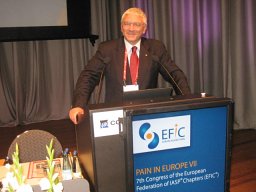 Giustino Varrassi合作论文数Anesthesiology and Pain Therapy Unit, University of L'Aquila3
 Alessandro Stievano合作论文数Centre of Excellence for Nursing Scholarship;UniCamillus International Medical University in Rome3
 Umberto Tarantino合作论文数3




