Animals worldwide are facing ecological pressures from global climate change and increasing anthropogenic activities. To transition to a renewable energy future, extensive offshore wind development is planned globally. In the North Atlantic, future development sites overlap with the migratory range of critically endangered North Atlantic right whales (NARW) and will lead to increased risk of ship strikes, pile driving impacts, and other population risks. New methods to accurately detect cetaceans and provide real-time feedback for mitigation will be increasingly important to enact sustainable management actions to facilitate the recovery of the NARW. Recent developments in acoustic event detection made possible by deep learning have shown significantly improved detection performance across many different taxa, but such models tend to be too computationally expensive to run on existing wildlife monitoring platforms. Here, we use model compression techniques combined with an autonomous acoustic recording platform integrating an ESP32 microcontroller to bring real-time detection with deep learning to the edge. We test if edge-based inference using a compressed network running on a microprocessor entails significant performance loss and find that this loss is negligible. We leverage large, open-source datasets of noise from the NOAA SanctSound project for generating semi-synthetic training datasets that encourage model generalization to novel noise conditions. Our compressed model achieves improved performance across all tested recording sites in the Western North Atlantic Ocean, demonstrating that deep learning powered wildlife monitoring solutions can provide reliable real-time data for mitigation of human impacts and help ensure a sustainable green energy transition.
Coral reefs harbor some of the highest biodiversity on Earth. Their rich soundscape is vital to inhabiting animals and can provide a means of tracking community health. Reefs are facing immense climate stressors and are declining rapidly. Passive acoustic monitoring can provide a powerful, scalable tool for stakeholders, but these data are not evaluated on actionably relevant timescales. Here we present results from a long-term (10-years) acoustic and ecosystem study of multiple coral reefs in the U.S. Virgin Islands. Acoustic measurements (including snap rates, sound levels in low-frequency fish, and high-frequency shrimp bands) were made in-tandem with traditional, diver-based benthic and fish visual surveys. These key baseline data over multiple spatial and temporal scales provide a means of examining how soundscape changes are driven by climate-related stressors, and an important testbed for developing new analyses and tools. Here, we show how physical changes (temperature, light, coral disease) can influence the cue rates of snapping shrimp and fish, and apply novel tools including real-time recorders and underwater robots listening for biodiversity. These initial steps were then implemented into a novel rapid acoustic assessment, a key step toward providing actionable information to stakeholders monitoring for habitat change and weighing resource management.
Anthropogenic noise (anthrophony) is pervasive in natural soundscapes and has become an important aspect of conservation. While moored sound recorders have aided marine soundscape research, they do not capture the dynamic experiences of animals as they move through underwater soundscapes. This study used animal-borne acoustic recording tags to capture the marine soundscape near leatherback turtle nesting grounds in Gabon, Central Africa. Propeller noise was heard in 75 +/- 14.7 % (mean +/- SD) of recordings and peaks in sound intensity up to 146 dB re 1 mu Pa were detected in shipping noise frequency bands. Loud noise events (> 141 dB), detected in 10 % of recordings, were distributed throughout the turtle interesting habitat. An anthrophony map was created, identifying peaks in noise corresponding with the Komo estuary -gateway to the nation's main international port and near a key nesting area. The pervasive, loud anthrophony recorded in the study may have negative impacts on nesting leatherback turtles and other species of conservation concern found in the area, and warrants further monitoring and management action. This study offers one of the first spatio-temporal analyses of sound experienced by an endangered marine vertebrate through animal borne, multi-individual acoustic monitoring. It highlights the utility of animal borne acoustic tags in delineating underwater soundscapes and their applicability to studying concurrent biological phenomena and threats, while supporting the need for similar monitoring efforts in other critical sea turtle habitats.
Diel vertical migration (DVM) is a vital behavior for many pelagic marine fauna. Locomotory tactics that animals use during DVM define the metabolic costs of migrations and influence the risk of detection and capture by predators, yet, for squids, there is little understanding of the fine-scale movements and potential variability during these migrations. Vertical migratory behaviors of 5 veined squid Loligo forbesii were investigated with biologging tags (ITags) off the Azores Islands (central North Atlantic). Diel movements ranged from 400 to 5 m and were aligned with sunset and sunrise. During ascent periods, 2 squid exhibited cyclic climb-and-glide movements using primarily jet propulsion, while 3 squid ascended more continuously and at a lower vertical speed using mostly a finning gait. Descents for all 5 squid were consistently more rapid and direct. While all squid swam in both arms-first and mantle-first directions during DVM, mantle-first swimming was more common during upward movements, particularly at vertical speeds greater than 25 cm s-1. The in situ variability of animal posture, swim direction, and gait use revealed behavioral flexibility interpreted as energy conservation, prey capture, and predator avoidance.
During the COVID-19 pandemic, changes in vessel activity and associated noise have been reported globally. Sarasota Bay is home to a large and increasing number of recreational vessels as well as a long-term resident community of bottlenose dolphins, Tursiops truncatus. Data were analyzed from two hydrophones to compare the soundscape during the COVID-19 pandemic to previous years (March-May 2020 and 2018/2019). Hourly metrics were calculated: vessel passes, 95th percentile sound levels [125 Hz and 16 kHz third octave bands (TOBs), and two broader bands: 88-1122 Hz and 1781-17 959 Hz], and dolphin whistle detection to understand changes in vessel activity and the effect on wildlife. Vessel activity increased during COVID-19 restrictions by almost 80% at one site and remained the same at the other site. Of the four sound level measures, only the 125 Hz TOB and 88-1122 Hz band increased with vessel activity at both sites, suggesting that these may be appropriate measures of noise from rapid pass-bys of small vessels in very shallow (<10 m) habitats. Dolphin whistle detection decreased during COVID-19 restrictions at one site but remained the same at the site that experienced increased vessel activity. The results suggest that pandemic effects on wildlife should not be viewed as homogeneous globally.
A manatee's primary modality to detect a vessel on a possible collision course is hearing as underwater visibility is limited in many manatee habitats and their visual acuity is poor. We estimate a Florida manatee's ability to detect the sound of an approaching boat and vocalizations in four different soundscapes in Sarasota Bay, FL. Background noise samples were collected every 5 minutes for a two-week period during winter and summer at each location (2019 or 2020). Sound levels in third octave bands (0.5, 1, 2, 4, and 8 kHz) were measured and compared to manatee auditory hearing thresholds and to sound levels of an approaching boat traveling at a slow, medium, or fast speed. Background sound levels in a wider band (1-20 kHz) were calculated to model vocal communication space at each location. We found that a manatee's estimated ability to detect an approaching boat differs greatly among locations, with time of day, and by season, and that fast boats are predicted to be detected later than slow boats. Latency of boat noise detection is estimated to sharply increase when considering unusually loud background noise levels. We suggest that such uncommonly loud conditions (e.g. 95th percentile sound level), not just typical conditions (median sound level), are important to consider for understanding the problem of manatee-boat collisions. Additionally, background noise impacts estimated vocal communication space and may limit the ability of vocal-mediated mother-calf cohesion. Altogether, a manatee's ability to detect acoustic signals of interest is expected to vary greatly spatially and temporally.
In the original paper [JASA Express Lett. 1(1), 011203 (2021)], a method for processing, storing, and sharing high-bandwidth, passive acoustic spectral data that optimizes data volume while maintaining reasonable data resolution was proposed. The format was a hybrid that uses 1-Hz resolution up to 455 Hz and millidecade frequency bands above 455 Hz. The choice of 455 Hz was based on a method of computing the edge frequencies of millidecade bands that is not compatible with summing millidecades to decidecades. This has been corrected. The new transition frequency is the first frequency with a millidecade with greater than 1 Hz, 435 Hz.
Dumphagy (shell-crushing) is a predatory mode that has evolved across numerous marine taxa from relatively sessile crustaceans to large and highly mobile fishes and mammals. Despite its preponderance in the marine environment, the ecology of dumphagy (i.e., dynamics and spatiotemporal distribution) remains poorly understood especially for highly mobile species, limiting our ability to quantify their predatory effects on benthic communities. Here, we used passive acoustics (i.e., remote monitoring of underwater sounds with acoustic recorders) to characterize consumption of hard-shelled mollusk prey by a model predator, the whitespotted eagle ray (Aetobatus narinari). Acoustic recordings were made in captivity for 434 total prey items, spanning eight species of hard-shelled mollusks (1 bivalve, 7 gastropods). For all prey types, consumption sequences were generally characterized by an initial high-energy signal (Sound Pressure Level > 160 dB re 1 mu Pa), presumably associated with shell failure, followed by numerous additional signals of lesser energy as prey was further fractured and winnowed by the predator. Fracture events were short-lived (<0.1 s) with peak frequencies ranging from 3.1 to 5.0 kHz, depending on prey type. Statistical analyses showed capacity to distinguish between the two dominant prey types offered (hard clam, Mercenaria mercenaria and banded tulip, Cinctura lilium) based on processing time, the number of fractures, as well as using a suite of energy and spectral features associated with these acoustic signals. Importantly, we noted that the directionality of these relationships (i.e., relative differences in signals between prey types) can change depending on the chronological location within a consumption sequence and the amount of data analyzed (e.g., first fracture event vs. all fracture event), which may present analytical challenges. Additionally, in situ simulation of fracture events in the target environment suggested events could be detected above ambient noise out to 100 s of m. To our knowledge, this is the first attempt to both quantify and classify durophagy using passive acoustics. We recommend that future studies conduct extensive testing in controlled and target environments to build robust data sets capable of supporting feature extraction as well as detection-classification schemes via machine-learning. Lastly, collaborations with biomechanical scientists are suggested to facilitate a better understanding of the mechanisms driving acoustic variation of shell fracture across prey taxa.
Making Ambient Noise Trends Accessible (MANTA) software is a tool for the community to enable comparisons between soundscapes and identification of ambient ocean sound trends required by ocean stakeholders. MANTA enhances the value of individual datasets by assisting users in creating thorough calibration metadata and internationally recommended products comparable over time and space to ultimately assess ocean sound at any desired scale up to a global level. The software package combines of two applications: MANTA Metadata App, which allows users to specify information about their recordings, and MANTA Data Mining App, which applies that information to acoustic recordings to produce consistently processed, calibrated time series products of sound pressure levels in hybrid millidecade bands. The main outputs of MANTA are daily.csv and NetCDF files containing 60-s spectral energy calculations in hybrid millidecade bands and daily statistics images. MANTA data product size and formats enable easy and compact transfer and archiving among researchers and programs, allowing data to be further averaged and explored to address user-specified questions.
This Letter proposes a frequency scaling for processing, storing, and sharing high-bandwidth, passive acoustic spectral data that optimizes data volume while maintaining reasonable data resolution. The format is a hybrid that uses 1 Hz resolution up to 455 Hz and millidecade frequency bands above 455 Hz. This hybrid is appropriate for many types of soundscape analysis, including detecting different types of soundscapes and regulatory applications like computing weighted sound exposure levels. Hybrid millidecade files are compressed compared to the 1 Hz equivalent such that one research center could feasibly store data from hundreds of projects for sharing among researchers globally.
Tropical cyclones have large effects on marine ecosystems through direct (e.g., storm surge) and indirect (e.g., nutrient runoff) effects. Given their intensity, understanding their effects on the marine environment is an important goal for conservation and resource management. In June 2012, Tropical Storm Debby impacted coastal Florida including Tampa Bay. Acoustic recorders were deployed prior to the storm at a shallow water location inside Tampa Bay and a deeper water location in the Gulf of Mexico. Ambient noise levels were significantly higher during the storm, and the highest increases were observed at lower frequencies (≤ 500 Hz). Although the storm did not directly hit the area, mean ambient noise levels were as high as 13.5 dB RMS above levels in non-storm conditions. At both the shallow water and the deep water station, the rate of fish calls showed a variety of patterns over the study period, with some rates decreasing during the storm and others showing no apparent reaction. The rates of fish calls were frequently correlated with storm conditions (storm surge, water temperature), but also with lunar cycle. Reactions to the storm were generally stronger in the inshore station, although fish sounds increased quickly after the storm's passage. Although this was not a major tropical cyclone nor a direct hit on the area, the storm did appear to elicit a behavioral response from the fish community, and ambient noise levels likely limited the abilities of marine species to use sound for activities such as communication. Given the increases in intensity and rainfall predicted for tropical cyclones due to climate change, further studies of the ecological effects of tropical cyclones are needed.
Monitoring ecological changes in marine ecosystems is expensive and time-consuming. Passive acoustic methods provide continuous monitoring of soniferous species, are relatively inexpensive, and can be integrated into a larger network to provide enhanced spatial and temporal coverage of ecological events. We demonstrate how these methods can be used to detect changes in fish populations in response to a Karenia brevis red tide harmful algal bloom by examining sound spectrum levels recorded by two land-based passive acoustic listening stations (PALS) deployed in Sarasota Bay, Florida, before and during a red tide event. Significant and temporally persistent decreases in sound spectrum levels were recorded in real time at both PALS in four frequency bands spanning 0.172–20 kHz after K. brevis cells were opportunistically sampled near the stations. The decrease in sound spectrum levels and increase in K. brevis cell concentrations also coincided with decreased catch per unit effort (CPUE) and species density per unit effort (SDPUE) data for non-clupeid fish and soniferous fish species, as well as increased reports of marine mammal mortalities in the region. These findings demonstrate how PALS can detect and report in real time ecological changes from episodic disturbances, such as harmful algal blooms.
Tropical cyclones are severe weather systems which can potentially have a large effect on marine ecosystems through direct or indirect effects. In June 2012, Tropical Storm Debby formed in the Gulf of Mexico and had impacted coastal Florida including Tampa Bay. Acoustic recorders were deployed during the storm at a shallow inshore location inside Tampa Bay (Boca 2) and a location offshore in the Gulf of Mexico (Gulf 1). The soundscape before (17–21 June), during (22–26 June) and after (27 June–3 July) Tropical Storm Debby was investigated in two ways: third-octave spectral analysis of root-mean-square sound pressure levels and the identification and quantification of fish sounds in spectrograms. Single-factor ANOVAs indicated a significant increase in ambient noise analyzed in third-octave bands during the storm at both sites (p < 0.001), and an overall decrease in fish sound production during the storm at both sites (p < 0.001). Several species-specific sound production patterns were also found which correlated with the storm’s passage. The changes in ambient noise and biological vocalization was short-lived and returned back to normal within 48 h of the storm. This study is one of three studies to examine the effects of tropical cyclone on marine soundscapes, and the only study to identify sound production to the species level. Furthermore, the results from this study provide important information on the effects of tropical storms on marine communities and the fast rate of recovery after these storms.
Zooplankton play critical roles in marine ecosystems, yet their fine-scale behavior remains poorly understood because of the difficulty in studying individuals in situ Here, we combine biologging with supervised machine learning (ML) to propose a pipeline for studying in situ behavior of larger zooplankton such as jellyfish. We deployed the ITAG, a biologging package with high-resolution motion sensors designed for soft-bodied invertebrates, on eight Chrysaora fuscescens in Monterey Bay, using the tether method for retrieval. By analyzing simultaneous video footage of the tagged jellyfish, we developed ML methods to: (1) identify periods of tag data corrupted by the tether method, which may have compromised prior research findings, and (2) classify jellyfish behaviors. Our tools yield characterizations of fine-scale jellyfish activity and orientation over long durations, and we conclude that it is essential to develop behavioral classifiers on in situ rather than laboratory data.
The two species of the genus Kogia are widely distributed throughout the world's temperate and tropical oceans, but because they are small and highly cryptic, they are difficult to monitor. The acoustic signals of K. breviceps have been described previously, but the signals of K. sima have remained unknown. Here we present three recordings of K. sima, two from free-ranging animals and one from a captive setting, representing both the Atlantic Ocean and Pacific Ocean. The acoustic signals of K. sima are very similar to the signals of K. breviceps and other species that have narrow-band, high-frequency (NBHF) clicks. Free-ranging K. sima produce usual clicks that have mean peak and centroid frequencies of 127-129 kHz, mean -3 dB bandwidth of 10 kHz, mean -10 dB bandwidth of 16-17 kHz, and mean interclick interval of 110-164 ms. Although K. sima clicks cannot yet be distinguished from those of K. breviceps or other NBHF clicking species, our detailed description of this species' signals reveals the similarities between the two Kogia species, and thus allows for passive acoustic monitoring of the genus Kogia in regions where other NBHF species are not present.
Underwater gliders have become a critical component of coastal observing systems for measuring water column properties. They efficiently sample from the surface to the seafloor or their depth limit collecting essential density variables for weeks to months at a time, providing invaluable information to validate ocean circulation models. However, they can collect much more data, and how those data sets evolve into potential uses is not always fully appreciated. Obviously, if a truck can hold more gear without significantly hurting gas mileage, why not throw more in the back end? As such, over the past decade other sensing equipment has been incorporated into glider payloads such as fluorometers, dissolved oxygen sensors, ADCPs, nutrient sensors, and more. This has allowed expanded use of the same platform without sacrificing their primary design mission of CTD profiles. These additional sensors have enabled new research in fields such as hypoxia dead zones, red tide evolution, and water column heat content. The combination of the various sensors on the same platform will continue to enhance our understanding of the connections between processes that drive our coastal oceans. An additional research area with potential use for gliders is fisheries management. Fish stock assessment depend upon data sets from fishery dependent or independent surveys that are used to set harvest limits. In the eastern Gulf of Mexico, many economically important species are benthic and generally tied to preferred habitat types. State, federal, and academic groups are coordinating efforts to generate habitat-specific population estimates, the first step of which is creating habitat maps to guide visual or trap surveys for the fish. This is typically done by initially creating detailed bathymetric maps of regions and assessing the bottom types through video and other methods to characterize the seafloor structure, habitat and the distribution of biota. However, visually mapping the entire West Florida Shelf is not feasible. Autonomous systems like gliders should be employed as a first-level reconnaissance tool to opportunistically discover reef features or fish hotspots. For the past several years, we've attempted to assess fish populations, site fidelity, migration, and other relevant characteristics by integrating passive acoustic recorders, tag telemetry receivers, and fisheries echosounders to a glider tasked with repeated transects within a test region. Our test region has been a large, well-known artificial reef, the Gulfstream Natural Gas Pipeline, a largely linear feature between Tampa Bay and Mobile Bay. Our sampling has been seasonal and focused on the eastern portion of this feature between the 30 and 50m isobaths on the West Florida Shelf (WFS) with a total of five deployments of a single glider completed. Yet, while the linear reef is a wonderful target for the glider, gliders cannot easily traverse a straight line when coastal tidal currents are involved. So, in typical meandering fashion, the glider would spend a lot of time in the region of the pipeline, but not directly over the pipe. We accepted these data as opportunistic and another form of reconnaissance that can inform the design of follow-on surveys. During our efforts, we have used glider-collected acoustic data to identify several “hotspot” locations with high fish densities for which we do not yet have habitat maps nor measures of fish abundance. We subsequently mapped one of these regions with high resolution multibeam echosounder to create detailed bathymetric imagery of the seafloor. This has resulted in discovering previously unknown regions of habitat including seafloor ridges and demersal fish excavated zones known as “grouper holes”. This technological approach, if applied in an observing system capacity of sustained and continuous operations over a region like the West Florida Shelf, will augment existing efforts to identify and describe fish habitat and help provide data sets complimentary to fish stock assessment.
An autonomous underwater glider was deployed in March 2014 to sample the Gulf Stream and its adjacent shelf waters in the South Atlantic Bight, providing a new look at cross-shelf exchange associated with Gulf Stream dynamics. Observations collected over 4 weeks reveal significant cross-shelf exchange (up to 0.5 Sv) at the shoreward edge of the Gulf Stream, which was 2 orders of magnitude larger than estimates from long-term mean hydrographic conditions. Gulf Stream frontal eddies may have contributed to some of the largest fluxes of heat (0.5 degrees C Sv) and salt (0.03 Sv g/kg) onto the shelf. We estimate that the largest upwelling event during the mission could have brought nitrate concentrations over 20 pM to within 125 m of the surface. This study demonstrates clear capabilities of autonomous underwater gliders for sampling in and near fast moving boundary currents to obtain unique and critical in situ observations effectively.
Ocean observing stations have mainly focused on data collection of physical parameters measured in the ocean and atmosphere and also, to some extent, of biogeochemical parameters. Robust sensors capable of measuring biological data reflective of higher tropic level function at the same time scales as other parameters are not yet commonly incorporated into the sensor array used on observing platforms. In this project, we reengineered a coastal ocean observatory to include two hydrophones for this purpose. One hydrophone (HTI 96-MIN) was used to record ambient acoustic signals offish reproductive sounds, and a second hydrophone (Vemco VR2C) was used to receive transmissions from acoustic tags implanted in fishes. This project demonstrates that it is possible at a regional ocean observing station to collect data on biological-physical processes at the same time scales over long periods and on a cost-effective basis. This will allow a better understanding of natural variability in ecosystem processes and potential impacts on these from anthropogenic sources and climate change. Technical details of the reengineering methods used to make the station operational and URLs of data tables and archives are provided.
The diverse fauna of Florida and the Caribbean has long attracted scientists studying marine bioacoustics. The earliest studies (1905–1945) in Florida examined species distributions and life histories. After World War II bioacoustics studies began in earnest. At Marineland, which opened to support underwater filming, Lilly studied dolphin vocalizations and attempted to link them to behavior. Melba and David Caldwell pioneered studies on the development of dolphin signature whistles. Tavolga performed fundamental work on sound production and behavior in gobies and many studies on the hearing ability of fishes at Bimini, Marineland, and Mote Marine Laboratory. Myrberg’s Miami laboratory showed that different damselfishes had distinct sounds. In the 1960’s, Breder documented diel and seasonal variation in fish sound production. Most recently, studies have focused on wild animals. Working with Wells’ Sarasota Dolphin Research Project, Tyack, Sayigh, and Janik have cataloged signature whistles and used playback experiments to study salient features. Fundamental work identifying sounds produced by fishes begun by Lobel has spread to several research groups in Florida, USVI, Puerto Rico, and the Cayman Islands. Passive acoustic studies using gliders show that much work remains to identify the sources of unknown sounds.
Autonomous platforms and vehicles are a growing component of the ocean research fleet, producing data sets crucial to our understanding of oceanographic and fishery ecosystem processes. One emerging tool for making these measurements is underwater gliders that autonomously sample the water column for weeks to months at a time. Although originally designed to measure temperature and salinity, underwater gliders can now support a myriad of sensors. For the demonstration project described within, three complementary acoustic technologies were integrated into an underwater glider for mapping fish on the continental shelf: an acoustic telemetry receiver, a passive acoustic monitoring recorder, and a fisheries echosounder. The demonstration project was designed to evaluate the effectiveness of each sensing technology. Sixty-one fish were implanted with acoustic tags near the Gulfstream Natural Gas pipeline in the eastern Gulf of Mexico in advance of planned underwater glider missions. The glider was deployed four times over 12 months, with all three acoustic technologies to traverse the pipeline and surrounding habitat. Glider detections were compared to detections of fish at moored acoustic tag telemetry receivers and passive acoustic recorders co-located at the tagged fish locations. All three technologies identified fish along the targeted hard-bottom pipeline habitat, as well as previously uncharted areas of hard-bottom reef. The results of this study demonstrate the utility of gliders integrated with acoustic sensors as a potential tool to identify areas that merit deeper investigation to assess fish stocks.
 Gordon B. Bauer合作论文数20Gaspard Joseph C合作论文数18Peter Simard合作论文数17
 Arthur Popper合作论文数Department of Biology, College of Computer, Mathematical & Natural Sciences, University of Maryland, College Park17
 Roger L Reep合作论文数Department of Physiological Sciences, College of Veterinary Medicine, University of Florida16
 Carrie Wall合作论文数14James V. Locascio合作论文数14Casper Brandon M合作论文数11
 Shannon Gowans合作论文数Eckerd College11Zeddies David G合作论文数10
 Randall Wells合作论文数Center for Marine Mammal, Mote Marine Laboratory10
 Chad Lembke合作论文数9
 Anthony D Hawkins合作论文数9
 Brandon Southall合作论文数Southall Environmental Associates, Inc.;University of California, Santa Cruz8
 Thomas J. Carlson合作论文数7
 Michele B. Halvorsen合作论文数The Neurobiology Group, University of Illinois at Chicago7William N. Tavolga合作论文数7Adrienne Cardwell合作论文数6
 Debborah E Colbert-Luke合作论文数6soraya bartol合作论文数6Cook Mandy L H合作论文数6
 Peter H. Rogers合作论文数G. W. Woodruff School of Mechanical Engineering, Georgia Institute of Technology6
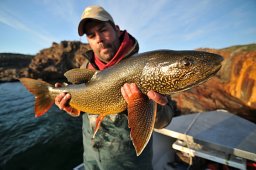 Peter A. Cott合作论文数Fisheries & Oceans Canada6Sheryl Coombs合作论文数JP Scott Center for Neuroscience, Mind and Behavior, Bowling Green State University6
 William Theodore Ellison合作论文数6
 Holger Klinck合作论文数6
 Michael Nemeth合作论文数6Roger L. Gentry合作论文数6
 Dick Fay合作论文数Loyola University Chicago6Kimberly Dziuk合作论文数5
 Piniak Wendy E Dow合作论文数Marine Laboratory, Duke University5
 David K. Mellinger合作论文数College of Earth, Ocean, and Atmospheric Sciences, Oregon State University5
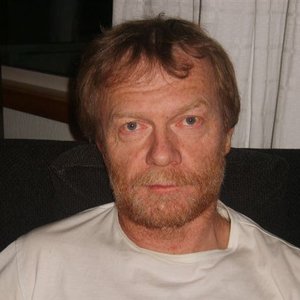 Svein Løkkeborg合作论文数Institute of Marine Research5
 Richard S. Appeldoorn合作论文数Department of Marine Sciences, University of Puerto Rico5Chris Taylor合作论文数4
 Danielle R Greenhow合作论文数4
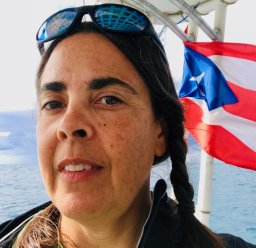 Michelle T. Scharer合作论文数Interdisciplinary Center for Coastal Studies, University of Puerto Rico;Department of Marine Sciences, University of Puerto Rico;University of Puerto Rico, University of Puerto Rico4Read Latoshia合作论文数4
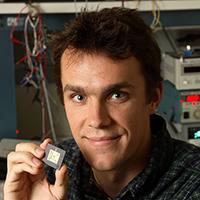 Benton H. Calhoun合作论文数Department of Electrical and Computer Engineering, School of Engineering and Applied Science, University of Virginia4
 Craig Harms合作论文数Department of Clinical Sciences, College of Veterinary Medicine, North Carolina State University;Center for Marine Sciences and Technology, North Carolina State University4
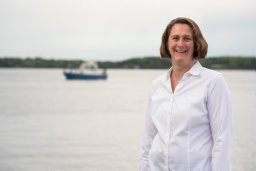 Jennifer L. Miksis-Olds合作论文数4
 Phillip S. Lobel合作论文数Department of Biology, Boston University4
 Aran Mooney合作论文数4G Todd Kellison合作论文数4
 Scott A. Eckert合作论文数4
 Ruoying He合作论文数3
 E. Parmentier合作论文数3Christin T Murphy合作论文数3Athena M Rycyk合作论文数3




