Polycrystalline samples of boron-doped higher manganese silicide (HMS) MnSi1.74(1- x)B1.74x, (x = 0, 0.01, 0.02, 0.03, 0.04, 0.05) were synthesized via arc melting followed by spark plasma sintering. This study investigates the thermoelectric properties of this cost-effective and environmentally friendly material in the temperature range of 300-750 K. Refinements of the Nowotny chimney ladder crystal structure, using the (3 + 1)-dimensional superspace group I41/amd(00 gamma)00ss, were employed to assess the substitution of silicon atoms by boron within the [Si] subsystem. It was observed that the calculated charge carrier concentration, estimated via the cSi parameter, increases with increasing boron doping levels. This increase in carrier concentration correlates with a reduction in both the Seebeck coefficient and electrical resistivity in the boron-doped samples compared to pristine MnSi1.74. Notably, these findings contrast with previously reported behavior for boron-doped HMS materials, and can be directly attributed to the distinct processing methods employed in this study. Furthermore, substituting boron for silicon yields a peak figure of merit (zT) of 0.44 at 750 K for the sample with x = 0.02, compared to 0.41 for the binary MnSi1.74. In addition to improved thermoelectric performance, boron substitution appears to enhance the material's mechanical properties, as evidenced by an increase in Vickers microhardness. These outcomes highlight the potential to strengthen HMS materials mechanically without compromising their thermoelectric performance, offering promising prospects for high-temperature power generation applications.
Thermoelectric legs with complex geometries exhibit high potential interest for fatal heat conversion into electricity due to higher thermal dissipation. Additive manufacturing (AM)is a solution of choice to decrease the manufacturing cost of thermoelectric legs that are historically requiring lengthy and costly fabrication processes and it gives the possibility of custom legs geometry. Nevertheless, microcracks and high porosity are commonly present by using this kind of process for thermoelectric materials leading to by limited performances. This work reports the possibility to manufacture n type Ge doped MnSiy (1.73 < y < 1.77) thermoelectric legs with various shapes without microcracks and with low porosity using the binder jetting AM technique followed by a Spark Plasma Sintering (SPS) step. The Mn15Si26 phase in the samples is systematically present, the samples density can reach 98 %. A power factor of 1130 mu W.m-K-1(-2) was reached at 350 degrees C which is within the range of those obtained by the conventional technique of elaboration, proving that the material is not degraded using this novel route. It is mainly due to the good density and the absence of microcracks. Elaboration of legs with various geometry (cuboid and layered) was done to demonstrate the interest of this innovation manufacturing route. The benefit impact of the geometry was evaluated in term of voltages by a comparison measurement between a cuboid and a layered sample for which a remarkable gain of 16.5 % (at an applied temperature of 74.7 degrees C) was obtained for the layered sample due to a better thermal dissipation.
Pristine GeTe is an archetypal mid-temperature thermoelectric, but its full potential is obscured by an eleven-dimensional process space. We combine active learning with Bayesian optimisation (ALBO) to traverse this landscape, encompassing melt-annealing and spark-plasma-sintering conditions. Starting from five random experiments, ALBO iteratively proposes batches of five new recipes by maximising the expected improvement in the figure-of-merit $zT$zT; each batch is synthesised, characterised, and used to retrain the surrogate. After only 24 experiments - four orders of magnitude fewer than an exhaustive search - we raise the 700 K $zT$zT of undoped GeTe from 0.86 to 1.14, a 25% gain over the best conventional two-step route and comparable to multi-day three-step protocols. Post-hoc analysis reveals that melt-cooling rate and SPS dwell/cooling profiles dominate performance by controlling the Ge-vacancy population and microstructure. ALBO therefore provides a time- and energy-efficient path to process optimisation while simultaneously exposing the key levers that govern transport in GeTe, and the strategy is readily transferable to other materials where processing, rather than chemistry, limits performance.
This study investigates the electronic structure and bonding properties of rare-earth antimonide compounds, specifically Yb4Sb3 and La4Sb3, utilizing density functional theory calculations. The analysis reveals that Yb4Sb3 exhibits a predominantly ionic character whereas La4Sb3 displays a greater degree of covalent bonding. Moreover, the presence of divalent ytterbium leads to p-type conduction at high temperatures in Yb4Sb3. Conversely, La4Sb3 displays n-type conduction because of a larger electronic transfer from the rare-earth metal towards antimony. These findings provide valuable insights into the structural and electronic properties that govern the performance of R4Sb3 compounds, contributing to the development of advanced materials for thermoelectric energy conversion.
Yb 4 Sb 3 and substituted derivatives were investigated through combined experimental and theoretical investigation for very high temperature thermoelectric applications.
In this work, we demonstrate the production of pure and doped Sb2S3 thin films by electrophoretic deposition (EPD). The consequences of silver and copper doping were evaluated by measuring the films' structural and optoelectrical properties. Sb2S3 nanoparticles (NPs) were first synthesized in ethylene glycol and stabilized with polyethylenimine (PEI). Doped NPs were obtained thanks to silver or copper precursors added during the synthesis process. Orthorhombic Sb2S3 and extra AgSbS2 and CuSbS2 phases were identified by XRD after thermal treatment at 300 degrees C under vacuum. Metallic Sb impurities were also found for thermal treatment under 275 degrees C. UV-vis-NIR spectroscopy highlighted the optical properties of amorphous and crystalline thin films as well as the variation of optical band gaps by doping. Photocurrent measurement showed an increase in conductivity for doped thin films (by 3 in the dark and by 2 under AM 1.5 illumination). Adding silver or copper also brought a slower recombination of electron-hole pairs after switching the light off
The novel quaternary compound Rb0.2Ba0.4Cr5Se8 was synthesized and characterized in both single crystal and polycrystalline forms. Crystallizing in the monoclinic crystal system (space group C2/m, cell parameters a = 18.7071(4) & Aring;, b = 3.6030(1) & Aring;, c = 8.9637(3) & Aring;, beta = 104.494(2)degrees) and isostructural to pseudo-hollandite compounds, it features mixed Rb and Ba occupancy within its one-dimensional channels. High-temperature X-ray diffraction revealed no decomposition up to 973 K, and the thermal expansion coefficient at 300 K was determined to be 2.6(1)10(-5) K-1. Spin-polarized density functional theory (DFT) calculations showed that the density of states for Rb0.2Ba0.4Cr5Se8 is more polarized than that of Ba0.5Cr5Se8, resulting in a higher Seebeck coefficient, which was experimentally confirmed to reach a peak value of 400 mu VK-1 at 620 K. Resistivity measurements indicated a degenerate semiconducting behavior below 550 K, with a resistivity peak of 100 m Omegacm at that temperature, leading to a maximum power factor of 0.21 mWm(-1)K-2. Thermal conductivity measurements indicated low values around 0.8 Wm(-1)K-1 in the 300-900 K range, resulting in a thermoelectric figure of merit of 0.22 at 873 K. Decorrelated transport properties observed in this double-inserted pseudo-hollandite compound make Rb0.2Ba0.4Cr5Se8 a good example of beneficial synergistic effects for higher thermoelectric performance.
This article presents a comprehensive study on the synthesis and structural and thermal conductivity properties of cesium-inserted chromium tellurides of formula CsxCr5Te8. Single crystals of three different compositions (x = 0.73, 0.91, and 0.97) were successfully synthesized and suggested the existence of a solid solution in the range 0.73 < x < 1. Through a detailed single-crystal characterization, the complete structure of these compounds is determined, revealing a distinct B-type hollandite-like structural form derived from the hollandite structure, in contrast to the more commonly observed A-type pseudo-hollandite in AM5X8-type chalcogenides (A = cation, M = transition metal, and X = chalcogen). Periodic density functional theory calculations predict the Cs0.73Cr5Te8 composition as the most stable, with a metallic conductive behavior. The thermal conductivity of bulk CsxCr5Te8 samples is measured to be 1.4 W m-1 K-1 at 300 K and increases with temperature up to 2 W m-1 K-1 at 673 K.
Ambient energy harvesting has great potential to contribute to sustainable development and address growing environmental challenges. Converting waste energy from energy-intensive processes and systems (e.g. combustion engines and furnaces) is crucial to reducing their environmental impact and achieving net-zero emissions. Compact energy harvesters will also be key to powering the exponentially growing smart devices ecosystem that is part of the Internet of Things, thus enabling futuristic applications that can improve our quality of life (e.g. smart homes, smart cities, smart manufacturing, and smart healthcare). To achieve these goals, innovative materials are needed to efficiently convert ambient energy into electricity through various physical mechanisms, such as the photovoltaic effect, thermoelectricity, piezoelectricity, triboelectricity, and radiofrequency wireless power transfer. By bringing together the perspectives of experts in various types of energy harvesting materials, this Roadmap provides extensive insights into recent advances and present challenges in the field. Additionally, the Roadmap analyses the key performance metrics of these technologies in relation to their ultimate energy conversion limits. Building on these insights, the Roadmap outlines promising directions for future research to fully harness the potential of energy harvesting materials for green energy anytime, anywhere.
We report here the first in-depth theoretical and experimental investigations of Mn substitution within the CoSb3-skutterudite. A systematic and comprehensive approach was employed to first determine the feasibility of single/cosubstitution for Mn with Te and then assess its effect. Subsequently, experimental realization of the samples was conducted. We were able to highlight a low solubility limit of Mn as a single dopant and provide evidence that the substitution stabilizes p-type conduction, as predicted via density functional theory calculations. Then, we reveal the prevalent formation of the composite MnTe/CoSb3-skutterudite phases instead of the expected favorable cosubstitution. This unexpected composite formation induces a beneficial effect, maximizing the Seebeck coefficient and leading to a record power factor (PF) of approximate to 4.7 mW/m K-2 at 725 K for an unfilled skutterudite compound (PF = S-2 sigma with S, Seebeck coefficient; s, electrical conductivity).
In this work, the thermoelectric properties of p-type layered chalcostibite CuSb1-xPbxSe2 (x = 0-0.10) compounds prepared by vacuum melting reaction and uniaxial hot press, have been studied in the temperature range of 323-623 K. Further, aliovalent Pb2+ doping at Sb3+ site in CuSbSe2 notably increases the hole concentration due to its acceptor nature and thereby enhances the electrical conductivity, sigma. Importantly, a huge reduction in total thermal conductivity, kappa total has been noticed, from similar to 1.7 W/mK (pristine CuSbSe2) to similar to 0.72 W/mK at 323 K for CuSb0.90Pb0.10Se2 owing to increased phonon scattering from the introduced point defects and mass-difference between Pb and Sb. As a result, the thermoelectric figure of merit, zT, has been enhanced to similar to 0.27 at 623 K for the composition of CuSb0.90Pb0.10Se2, which is 3-fold higher than that of the undoped CuSbSe2. Further, the hardness value achieved was similar to 125.54 Hv, which is significantly higher than the most of the state-of-the-art materials, indicating it to be an efficient thermoelectric material for intermediate temperature.
Thermoelectrics (TE) for very high temperatures (>800 K) have numerous potential applications in heavy industry and space exploration. This article focuses on the compound Yb4Sb3 which is a promising p-type counterpart to the structurally related and high-performance n-type RE3Te4 (RE = Nd, La, Pr) for the fabrication of high-temperature TE modules. A quick and efficient method for synthesizing pure and fully dense Yb4Sb3 samples was developed and optimized using high-energy ball milling followed by reactive spark plasma sintering. The technique was utilized to produce a series of doubly doped CexYb4-xBi0.2Sb2.8 compounds. X-ray diffraction and scanning electron microscopy (SEM) were employed to establish the solubility limit of Ce, which was determined to be x = 0.4. TE properties of Yb4Sb3 and Ce0.4Yb3.6Bi0.2Sb2.8 were measured up to 1273 K, revealing that the doping strategy was effective in reducing the charge carrier concentration and thermal conductivity. This led to a significant increase in the TE figure-of-merit zT from 0.2 to 0.4 at 1273 K. In addition, screening of metallic contacts was conducted for the development of a thermoelectric module with Yb4Sb3. The results showed that two robust TE legs with Ni and Cu contacts were successfully produced through spark plasma sintering. The measured electric contact resistances were very promising, with average values of 2 and 1 mu Omega cm(2) for Ni and Cu contacts, respectively.
The high-performance defect-rich MoS2 dominated by sulfur vacancies as well as Mo-rich environments have been extensively studied in many fields, such as nitrogen reduction reactions, hydrogen evolution reactions, as well as sensing devices for NH3, which are attributed to the under-coordinated Mo atoms playing a significant role as catalytic sites in the defect area. In this study, the Mo cluster-MoS2 composite was creatively synthesized through a one-step sulfurization process via H2/H2S gas flow. The Mo6 cluster iodides (MIs) coated on the fluorine-doped tin oxide (FTO) glass substrate via the electrophoretic deposition method (i.e., MI@FTO) were used as a precursor to form a thin-film nanocomposite. Investigations into the structure, reaction mechanism, and NH3 gas sensing performance were carried out in detail. The results indicated that during the gas flowing, the decomposed Mo6 cluster iodides played the role of template and precursor, forming complicated Mo cluster compounds and eventually producing MoS2. These Mo cluster-MoS2 thin-film nanocomposites were fabricated and applied as gas sensors for the first time. It turns out that after the sulfurization process, the response of MI@FTO for NH3 gas increased three times while showing conversion from p-type to n-type semiconductor, which enhances their possibilities for future device applications.
This chapter presents recent advances on the processing of transition metal silicides for thermoelectricity through various techniques, such as magnesiothermic reduction synthesis, mechanical alloying, melting processes and additive manufacturing. It emphasizes the importance of a better understanding of the crystal structure of these materials and its evolution during operating conditions through some examples of advanced structural characterization studies of transition metal silicides. The chapter discusses several scalable techniques to synthesize silicide materials as well as the importance of carefully investigating their structural properties to obtain equilibrium materials with stable performances. It also presents recent studies on module/leg development of silicide materials which will hopefully pave the way for future applications. Lots of efforts have been devoted to the synthesis and process development of transition metal silicide materials but the realization of functional devices integrating them still remains a challenge.
This research reports, for the first time, the combination of food-grade coconut oil and coconut shell-based activated carbon as precursors for the synthesis of bio-based shape-stabilized phase change materials (bioSSPCM). Despite its low melting enthalpy, simple physical blending by heating and mixing is found to be a very reliable preparation method for the completely coconut-based materials, producing a thermally stable bioSSPCM with anti-leakage. No difference between food grade and analytical grade coconut oil, in terms of its application for SSPCMs, was evident. Further, comparing the performance of coconut oil against octadecane, a conventional phase change material, it was found that with the same synthesis conditions, the coconut oil exhibited improved stability, with less leakage after phase change cycling.
In the frame of the nanoarchitectonic concept, the objective of this study was to develop simple and easy methods to ensure the preparation of polymorphic HfO2 thin film materials (<200 nm) having the best balance of patterning potential, reproducibility and stability to be used in optical, sensing or electronic fields. The nanostructured HfO2 thin films with micropatterns or continuous morphologies were synthesized by two different methods, i.e., the micropatterning of sol-gel solutions by deep ultraviolet (DUV) photolithography or the electrophoretic deposition (EPD) of HfO2 nanoparticles (HfO2-NPs). Amorphous and monoclinic HfO2 micropatterned nanostructured thin films (HfO2-DUV) were prepared by using a sol-gel solution precursor (HfO2-SG) and spin-coating process following by DUV photolithography, whereas continuous and dense monoclinic HfO2 nanostructured thin films (HfO2-EPD) were prepared by the direct EPD of HfO2-NPs. The HfO2-NPs were prepared by a hydrothermal route and studied through the changing aging temperature, pH and reaction time parameters to produce nanocrystalline particles. Subsequently, based on the colloidal stability study, suspensions of the monoclinic HfO2-NPs with morphologies near spherical, spindle- and rice-like shapes were used to prepare HfO2-EPD thin films on conductive indium-tin oxide-coated glass substrates. Morphology, composition and crystallinity of the HfO2-NPs and thin films were investigated by powder and grazing incidence X-ray diffraction, scanning electron microscopy, transmission electron microscopy and UV-visible spectrophotometry. The EPD and DUV photolithography performances were explored and, in this study, it was clearly demonstrated that these two complementary methods are suitable, simple and effective processes to prepare controllable and tunable HfO2 nanostructures as with homogeneous, dense or micropatterned structures.
This short communication reports on the facile and scalable synthesis and characterization of molybdenum carbides/carbon nanocomposites prepared by laser pyrolysis in a one-step process. Water and commercial molybdenum oxide were used as low-cost environmentally friendly precursors. The nanocomposites are mainly composed of two types of carbides with different apparent crystallite sizes, 21 ± 1 nm and 9 ± 1 nm for Mo2C and MoC1−x, respectively. Thanks to a simple annealing at 500 °C under argon, it was possible to increase the specific surface area around 50 m2/g without changing the morphology of the nanocomposite.
Zeolite bulk bodies containing macropores, mesopores, and micropores were prepared and characterized using ZSM-5 raw powder as the starting material. Starch powder was selected as a pore-forming agent and the internal porous structure was controlled by using the property that starch particles form a network structure by heat treatment. The presence of mesopores was characterized by N-2 gas adsorption/ desorption measurement, and the macroporous structure was observed by the 3D-image analysis of hundreds of cross-sectional images in the depth direction by a confocal laser fluorescent microscope using the liquid immersion method. The observation method demonstrated that it is possible to observe structures of several microns size in the three dimensions. The compressive strength and N2 gas permeability of the bulk samples depended on the sample structure; bulk bodies with a compressive strength comparable to that of general concrete were created. The network structure of the starch pore-forming agent was effective in creating a continuous macroporous structure. The bulks could be used in applications such as novel catalyst carriers and filters, and combining functional nanoparticles.(C) 2022 Published by Elsevier B.V. on behalf of The Society of Powder Technology Japan. All rights reserved.
Transition metal silicides constitute a promising class of inexpensive and nontoxic thermoelectric materials showing competitive properties. This article reports an efficient process to synthesize highly textured polycrystalline CrSi2 by performing slip casting under a strong magnetic field. The crystallographic texture of spark plasma sintered samples, characterized by electron backscattered and X-ray diffraction techniques, showed a fiber texture symmetry with the c-axis of hexagonal CrSi2 aligning preferentially along the magnetic field direction. The thermoelectric properties measured both parallel and perpendicular to the c-axis texture direction showed a large anisotropy. In particular, a significantly higher Seebeck coefficient was measured,.c, reaching a maximum value of 200 mu V K-1 at 650 K, inducing a power factor.c twice higher than.c with an average value of 2.2 mW m(-1) K-2. Density functional theory and transport property calculations revealed that an anisotropic two-band model can explain the higher thermoelectric property along the c-axis direction, which can be traced to Cr-Cr bonding interactions along this direction. The estimated thermoelectric figure of merit ZT. c was improved to 0.20 at 773 K. This is 50% higher than that measured for randomly oriented samples and comparable to that observed for single crystals. Such a performance boost can certainly be reiterated for other types of thermoelectric materials using the efficient magnetic slip-casting process reported in this article.
 Takao Mori (森孝雄)合作论文数Research Center for Materials Nanoarchitectonics, National Institute for Materials Science;Graduate School of Science and Technology, University of Tsukuba36
 Franck Gascoin合作论文数CRISMAT Laboratory, University of Caen Normandy;Department of Science, University of Caen Normandy34
 Antoine Maignan合作论文数Laboratoire de Cristallographie et Sciences des Matériaux – UMR 6508, CNRS27
 Sylvie Hebert合作论文数Laboratoire de Cristallographie et Sciences des Matériaux – UMR 6508, CRISMAT18
 D. Pelloquin合作论文数16Olivier Perez合作论文数14
 Sylvain Le Tonquesse合作论文数Lab Innovat Key Mat & Struct Link, CNRS St Gobain NIMS14
 Oleg Lebedev合作论文数National Graduate School of Engineering and Research Center, CRISMAT, CNRS14
 Antonio Pereira Goncalves合作论文数12
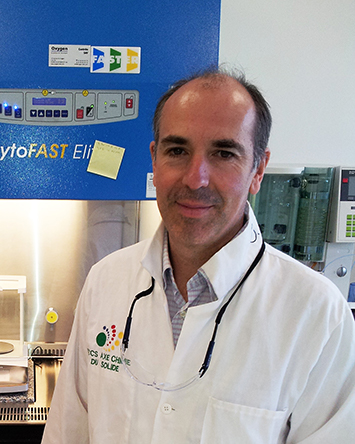 Olivier Tougait合作论文数Unité de Catalyse et Chimie du Solide, Université Lille12
 Emmanuel Guilmeau合作论文数CRISMAT-ENSICAEN, CNRS/UMR 650812
 Jean-François Halet合作论文数Rennes Institute of Chemical Sciences - UMR CNRS 6226, Université de Rennes12
 Bhuvanesh Srinivasan合作论文数WPI International Center for Materials Nanoarchitectonics (WPI-MANA),, National Institute for Materials Science (NIMS),11
 Robin Lefevre合作论文数Dept Chem, Univ Zurich10
 Elsa B Lopes合作论文数Dep. Química, Instituto Technológico e Nuclear/CFMS-UL10Henri Noel合作论文数Institut des Sciences Chimiques de Rennes, Université de Rennes8Mathieu Pasturel合作论文数8
 Tetsuo Uchikoshi合作论文数National Institute for Materials Science8Bruno Fontaine合作论文数7
 Fabien Grasset合作论文数Laboratoire Verres et Céramiques, UMR-CNRS 6512, Campus de Beaulieu, 35042 Rennes cedex, France7Quansheng Guo合作论文数6Michel Potel合作论文数6
 Ngan T.K. Nguyen合作论文数5
 Tristan Barbier合作论文数Crismat Lab, Ecole Nationale Supérieure D'ingénieurs De Caen5
 M. S. Henriques合作论文数Dep. Química, Instituto Tecnológico e Nuclear/CFMC-UL5
 Naoki Ohashi (大橋直樹)合作论文数Research Center for Electronic and Optical Materials, National Institute for Materials Science;Materials Research Center for Elemental Strategy, Tokyo Institute of Technology;Kyushu University5Christopher L. Hassam合作论文数4
 Hugo Bouteiller合作论文数4Wenhao Zhang合作论文数4
 Cedric Bourges合作论文数4
 João Carlos Waerenborgh合作论文数Instituto Superior Técnico, Universidade de Lisboa4
 Stefan Maier合作论文数School of Physics and Astronomy, Monash University;Department of Physics, Faculty of Natural Sciences, Imperial College London4
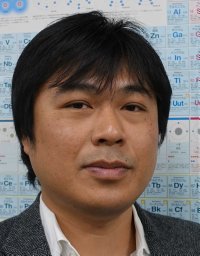 Michihiro Ohta合作论文数Energy Technology Research Institute, National Institute of Advanced Industrial Science and Technology (AIST),4Carmelo Prestipino合作论文数4Ramzy Daou合作论文数Department of Mathematics4
 Yoshitaka Matsushita (松下能孝)合作论文数Surface and Bulk Analysis Unit, Materials Fabrication and Analysis Platform, Research Network and Facility Services Division, National Institute for Materials Science4
 Yohann Thimont合作论文数4Valérie Demange合作论文数Department of Epidemiology, INRS4Hyoung-Won Son合作论文数3Noée Dumait合作论文数3
 Jood Priyanka合作论文数Materials Science and Engineering Department,, Rensselaer Polytechnic Institute3
 Toshiyuki Nishimura (西村聡之)合作论文数Research Center for Structural Materials, National Institute for Materials Science3
 Stéphane Cordier合作论文数Rennes Institute of Chemical Sciences, Universite de Rennes 13
 Ladislav Havela合作论文数Department of Electronic Structures,Charles University3Sophie Boudin合作论文数3
 Janusz Tobola合作论文数Department of Condensed Matter Physics, Faculty of Physics and Applied Computer Science, AGH University of Science and Technology;French National Centre for Scientific Research3H. Noeel合作论文数2A. A. Gippius合作论文数2
 Oleg I Lebedev合作论文数2




