Hybrid (photo)cathodes consisting of conjugated polymer and hydrogen evolution reaction (HER) cocatalysts are an emerging platform for low-cost solar fuel generation. Poly{[N,N'-bis(2-octyldodecyl)-naphthalene-1,4,5,8-bis(dicarboximide)-2,6-diyl]-alt-5,5'-(2,2'-bithiophene)}, known as P(NDI2OD-T2) or N2200, is a promising electron accepting material for bulk heterojunction photocathodes. Unlike inorganic (photo)electrodes, much less is known about the energetic alignment of conjugated polymer electrode/metal/electrolyte junctions. In this work, we investigate the electrical doping behavior in an N2200 cathode and its Fermi-level alignment with gold nanoparticles, which is used here as a model for the hydrogen evolution metal cocatalyst. Through UV/visible, Raman, and attenuated total-reflectance infrared spectroelectrochemistry, we observe the impact of electrical doping on the vibrational frequencies of neutral, anion, and dianion species in N2200, which suggests that electron density changes within the corresponding naphthalene-diimide (NDI) units. Upon one-electron reduction, the C═O stretching frequency of the NDI anion unit (polaron) shows a red shift by ∼ 68 cm-1. Additionally, the C═O stretching frequency of neutral units in the doped N2200 shows a minor red shift of ∼ 5 cm-1, suggesting charge transfer from neighboring polaron units. Surface-enhanced Raman spectroscopy measurements of a gold nanoparticle-functionalized N2200 electrode revealed that the Au Fermi level only shifts with that of N2200 upon polaron formation; thus, the formal potential of polymer polaron formation determines the behavior of the catalyst Fermi level, which we posit will modulate reaction capability. This mechanistic study provides a new approach for understanding the nanometer-scale energetics at the conjugated polymer/cocatalyst junction and provides critical insights for the future design of HER (photo)cathodes.
Carbon dioxide (CO 2 ) is a primary product of combustion and can be used as an inexpensive building block for manufacturing high-value carbon-containing chemicals and materials, for which significant efforts are underway using reductive transformations. Complementing this, formate, a widespread natural compound, is increasingly produced sustainably from CO 2 through electrochemical and photochemical processes. 1,2 In this work, gamma-ray irradiation was employed to convert CO 2 and formate into oxalate, a versatile platform chemical that can be further transformed into a range of products (e.g., glyoxylic acid and glycolic acid). Water radiolysis initiates a series of reactions, primarily generating highly reductive hydrated electrons (e aq ‒ , ‒2.9 V vs. standard hydrogen electrode, SHE). 3 In aqueous solution, these e aq ‒ are scavenged by CO 2 , generating CO 2 •‒ radicals (‒1.9 V vs. SHE). The CO 2 •‒ radicals then readily dimerize, leading to the formation of oxalate. Beyond hydrated electrons, other radicals and products are also generated during water radiolysis. Previous investigations have experimentally measured a total radiation chemical yield, or G-value, for water radiolysis of 7.2 species per 100 eV of absorbed energy. 4 This total G-value comprises the yields of electrons, radicals, and molecular products: e aq ‒ (2.7), OH • (2.8), H • (0.6), H 2 O 2 (0.7), and H 2 (0.4). To ensure the efficient reduction of aqueous CO 2 to CO 2 •‒ , radical scavengers are typically utilized to remove OH • and H • radicals. Formate was introduced as a selective radical scavenger to promote hydrated electron-driven reduction. We examine the critical role of pH in governing the conversion of CO 2 and formate, providing new insights into the mechanistic pathways of radiolytic valorization. References [1] Philips, M. F.; Gruter, G. J. M.; Koper, M. T. M.; Schouten, K. J. P. Optimizing the Electrochemical Reduction of CO 2 to Formate: A State-of-the-Art Analysis, ACS Sustainable Chem. Eng. 8 , 15430–15444, (2020). [2] Desai, S. P.; Müller, A. V.; Cappuccino, C.; Polyansky, D. E.; Grills, D. C.; Ertem, M. Z.; Concepcion, J. J. Photochemical Ligand-Based CO 2 Reduction Mediated by Ruthenium Formyl Species. J. Am. Chem. Soc. , 147 , 22725–22733, (2025). [3] Buxton, G. V.; Greenstock, C. L.; Helman, W. P.; Ross, A. B. Critical Review of Rate Constants for Reactions of Hydrated Electrons, Hydrogen Atoms and Hydroxyl Radicals (⋅OH/⋅O− in Aqueous Solution), Journal of Physical and Chemical Reference Data, 17 , 513–886 (1988). [4] Mostafavi, M.; Lampre, I. Chapter 3 The Solvated Electron: A Singular Chemical Species. In Radiation Chemistry ; EDP Sciences, pp 35–52 (2008).
Triethylamine (TEA) and triethanolamine (TEOA) are renowned, in part, for their ability to reductively quench excited states by outer-sphere electron transfer with vast and still growing applications as sacrificial electron donors for photocatalytic systems. Upon amine oxidation, the resulting TEA•+ and TEOA•+ radical cations undergo proton transfer (or hydrogen atom transfer), resulting in the formation of a chemical reductant that has an α-carbon centered radical adjacent to the nitrogen center (TEA• and TEOA•). In this contribution, we have electrochemically and spectroscopically characterized a set of electron acceptors which, upon accepting an electron, are a series of photocatalysts, [ReCl(R1R2-bpy)(CO)3]•-, where R1 and R2 are electron-donating and electron-withdrawing groups in the 4,4'- and 5,5'-positions on the bipyridyl ligand. We substantiated the formation of the electron donors, TE(O)A•, by spin trapping electron paramagnetic resonance spectroscopy, where TE(O)A• reacts with 2,4,6-tri-tert-butylnitrosobenzene to generate N-centered and O-centered radical adducts. Having established the chemical behaviors of the electron acceptors and donors individually, the electron transfer rate constants were determined across a 1.43 V range in driving force. The redox potential of TEA• was benchmarked to within ±80 mV on an absolute scale in V vs Fc+/Fc in CH3CN by using an empirical rate vs free-energy correlation, electron transfer theory, and density functional theory calculations. The equilibrium potentials for TEA• and TEOA• were determined to be -1.98 V and -1.76 V, respectively. Based on the kinetic and thermochemical analysis presented for TEA• and TEOA•, these transient radicals can be broadly considered strong homogeneous chemical reductants within the wider context of photoredox potentials. Thus, this work clarifies a frequently unnoticed secondary function for these sacrificial electron donors during photocatalysis and rationalizes the possibility of a one-photon/two-electron conversion process that is dependent on the free-energy exchange between TE(O)A• and photocatalysts.
Hammett substituent constants (σ), which quantify the electronic effects of functional groups, are widely used for predicting the properties of organic compounds and investigating reaction mechanisms. While these values have been obtained for a wide range of closed-shell substituents, measurements of analogous values for open-shell substituents are rare due to challenges associated with their short lifetimes. In this report, we developed a combined experimental and computational approach for quantifying the electronic properties of open-shell substituents based on changes in nitrile vibrational frequencies (ν(C≡N)). By coupling pulse radiolysis and time-resolved infrared spectroscopy (PR-TRIR), we measured ν(C≡N) IR bands of 30 para- and meta-substituted benzonitriles bearing C-, N-, and S-centered radicals. A linear scaling relationship was obtained between these experimental values and values obtained from DFT calculations. Using these computed values, two different Hammett constants, σm, and σp+, were determined for a series of C-, N-, O-, S-, Si-, and B-centered radicals. The differences between σm and σp+ values enable the separate evaluation of inductive and resonance effects in these open-shell substituents. The results suggest that there are three classes of radicals: one is electron withdrawing (σm, σp+ > 0), one is electron donating (σm, σp+ < 0), and one is inductively withdrawing but resonance donating (σm > 0, σp+ < 0). Our study represents a general approach to the analysis of the electronic properties of open-shell species and has potential applications in a wide range of molecular processes involving free radical intermediates.
Metal hydrides play a significant role in a variety of reactions, including chemical, electrochemical, and photochemical CO2 reduction. Molecular metal hydrides have the distinct advantage of allowing tunability of their hydricities by rational ligand modifications, with more electron-rich metal hydrides being in general more hydridic. We report here a new approach to generate highly hydridic metal hydrides of the type [Ru(tpy)(LL)(H)](n+) by introducing electron-withdrawing substituents into the backbone of the bidentate LL ligand. This strategy enables the generation of the metal hydride [Ru(tpy)(LL)(H)](+) at mild negative potentials and further one-electron reduction to the more hydridic [Ru(tpy)(LL)(H)](0) at a potential window that is redox silent for the more electron-rich metal hydride analogue [Ru(tpy)(bpy)(H)](+). In addition, formate release takes place from the hydride transfer adducts [Ru---HCOO)(tpy)(LL)](0) rather than from the corresponding formato complexes [Ru(tpy)(LL)(OCHO)](0), which would require further reduction to [Ru(tpy)(LL)(OCHO)](-) as demonstrated by IR spectroelectrochemistry. The parent [Ru(tpy)(LL)(CH3CN)](n+) solvento complexes were then tested as catalysts for the reduction of CO2 to formate in a four-component homogeneous photochemical approach driven by a Ru(II) sensitizer. The results showed selective (>88%) formate production with a record turnover number of similar to 50,000 and record turnover frequency of 4.4 s(-1) when compared to other molecular catalysts.
Hybrid photoelectrodes, comprised of a light-absorbing semiconductor and a surface-integrated molecular catalyst, are attractive for applications in artificial photosynthesis, since they combine the advantages of broadband semiconductor light absorption with the selectivity of molecular catalysis. A widely used class of hybrid photoelectrodes is based on Si substrates passivated by a thin (<3 nm) layer of silicon oxide, which is commonly prepared by controlled chemical or thermal oxidation, resulting in chemical oxide (ChO) or thermal oxide (ThO) layers, respectively. However, the electrochemical stability of these oxide layers, and the chemical stability of the semiconductor-molecule assembly in hybrid photoelectrodes, are not well understood, with evidence that covalently bound molecules detach from the oxide surface upon application of cathodic bias. We have examined the intrinsic electrochemical reactivity of silicon oxide layers and how it affects the attachment of molecular monolayers. We determined that the surface of Si|ThO is primarily terminated with hydrophobic siloxane moieties, whereas that of Si|ChO contains a higher concentration of hydrophilic silanol groups. Initial high current densities for Si|ChO under applied bias up to -2 V vs Ag/AgCl, decrease during repeated cyclic voltammetry scans, due to the consumption of surface-bound water. This is manifested by a reversible wave around -0.5 V in CH3CN solution, and a similar pH-dependent wave in water, revealing the pK(a) of the silanol groups to be similar to 4. Our combined observations support the electrochemically induced dehydration of the SiO2 surface, which converts silanol groups to siloxanes and proceeds through an H atom intermediate that is most likely stabilized by pentavalent Si. We propose that similar reactivity is responsible for the electrochemical loss of alkylsiloxane-attached molecules under cathodic bias, which has important implications for the choice of catalyst attachment strategy in hybrid photoelectrodes.
A new, ligand-based strategy for CO2 reduction to formate has been demonstrated. This approach relies on the photochemical generation of a coordinatively saturated transient ruthenium metalloformyl species, Ru-CHO, capable of reducing CO2 to free formate directly. Under this paradigm, a highly reactive radical cation which is capable of facile formal hydrogen atom transfer (HAT) is generated via reductive quenching of an excited-state photosensitizer. Sequential electron transfer (ET) and HAT steps to a ruthenium carbonyl complex subsequently yield the Ru-CHO species, which upon further reduction undergoes fast hydride transfer to CO2, producing free formate. High formate selectivity (up to 98%) and impressive catalytic performance (TON ∼ 5300; TOF ∼ 0.1 s-1) were observed. Detailed mechanistic studies revealed that the overall process is highly sensitive to the identity of the radical cation, with divergent reactivity observed when HAT thermodynamics are altered. These findings provide new insights into ligand-based hydride transfer mechanisms and establish a foundation for the rational design of selective CO2 reduction catalysts.
We report a series of isomeric, dicationic Re(bpy(2+))(CO)(3)I complexes with bpy (2,2 '-bipyridine) modified by two phenyl-CH2-(NMe3)(+) pendants with cations located at variable distances from the active site for electrocatalytic CO2 reduction in CH3CN/2.8 M H2O. The position of the cationic groups dramatically increases the rate of catalysis by similar to 800-fold, from 1.2 to 950 s(-1), with only a minor increase in overpotential. Acceleration is due to stabilization of the initial CO2 adduct and lowering of Delta G double dagger for C-OH bond cleavage by Coulombic stabilization of anionic charges. Performance may be enhanced by accumulation in the electrochemical double layer. Transition state stabilization in the optimized isomer unlocks the low overpotential "protonation-first" pathway, highlighting the sizable effects of subtle structural optimization.
The ability to selectively reduce CO2 to a particular product or mixture of products is expected to play a key role in mitigation strategies aiming to alleviate the devastating impact of this greenhouse gas in our climate and oceans. Among those, the production of liquid solar fuels from CO2 and H2O will likely need cascade strategies involving multiple catalysts carrying out different functions. This will require that the catalysts doing the initial CO2 reduction steps deliver the right product or products to downstream catalysts. CO, H-2 and formate are the most common products in CO2 reduction by molecular catalysts. In this work, we demonstrate control over the selectivity of C-1 products in photochemical CO2 reduction with the same catalyst, simply by changing the redox potential of the photosensitizer and/or the water concentration. Turnover numbers for CO generation with one of the photosensitizers under anhydrous conditions reached 85,000, one of the largest values reported to date. A combination of experimental results and DFT calculations show that control of the selectivity is achieved, in part, due to the interplay between regimes under kinetic or thermodynamic control. These regimes are largely dictated by the proton sources and the CO2 reduction byproducts generated.
A new homoleptic Ru polypyridyl complex bearing two aldehyde groups on each bipyridine ligand, [Ru(dab)(3)](PF6)(2), where dab is 4,4 '-dicarbaldehyde-2,2 '-bipyridine, was synthesized, characterized, and utilized for iodide photo-oxidation studies. In acetonitrile (CH3CN) solution, the complex displayed an intense metal-to-ligand charge transfer (MLCT) absorbance maximum at 475 nm (epsilon = 22,000 M-1 cm(-1)) and an infrared (IR) band at 1712 cm(-1) assigned to the pendent aldehyde groups. Visible light excitation in air-saturated solution resulted in room temperature photoluminescence (PL) with a maximum at 675 nm, a quantum yield, phi(PL) = 0.048, and an excited state lifetime, tau(omicron) = 440 ns, from which radiative and nonradiative relaxation rate constants were extracted, k(r) = 9.1 x 10(4) s(-1) and k(nr) = 1.8 x 10(6) s(-1). Pulsed visible light excitation yielded transient UV-vis and IR absorption spectra consistent with an MLCT excited state; relaxation occurred with the maintenance of two isosbestic points in the visible region, and a lifetime that agreed with that measured by time-resolved PL. Cyclic voltammetry studies in a CH3CN solution with 0.1 M TBAPF(6) electrolyte revealed a quasi-reversible oxidation, E degrees(Ru-III/II) = +1.25 V vs. Fc(+/0), and three sequential one-electron reductions at -1.10, -1.25, and -1.54 V vs. Fc(+/0). An excited state reduction potential of E degrees(Ru*(2+/+)) = +0.89 V vs. Fc(+/0) was estimated with the Rehm-Weller expression. Titration of tetrabutylammonium iodide, TBAI, into a CD3CN solution of [Ru(dab)(3)](PF6)(2) resulted in significant shifts in the aldehyde H atom and 3,3 '-biypridyl resonances that were analyzed with a 1:1 equilibrium model, from which K-eq = 460 M-1 was extracted, increasing to 5800 M-1 when the solvent was changed to acetone-d(6). Iodide titrations resulted in a significant quenching of the [Ru(dab)(3)]*(2+) lifetime and quantum yield in both CH3CN and acetone solvents. In CH3CN, the quenching was mainly dynamic and well described by the Stern-Volmer model, from which a quenching rate constant, k(q), of 4.5 x 10(10) M-1 s(-1) and an equilibrium constant, K-eq, of 8.3 x 10(3) M-1 were obtained. In acetone, the static quenching pathway by iodide was greatly enhanced, with a K-eq of 1.2 x 10(4) M-1 and a higher k(q) of 9.2 x 10(10) M-1 s(-1).
The reaction steps for the selective conversion of a transition metal carbonyl complex to a hydroxymethyl complex that releases methanol upon irradiation with visible light have been successfully quantified in acetonitrile solution with dihydrobenzimidazole organic hydride reductants. Dihydrobenzimidazole reductants have been shown to be inactive toward H-2 generation in the presence of a wide range of proton sources and have been regenerated electrochemically or photochemically. Specifically, the reaction of cis-[Ru(bpy)(2)(CO)(2)](2+) (bpy = 2,2 '-bipyridine) with one equivalent of a dihydrobenzimidazole quantitatively yields a formyl complex, cis-[Ru(bpy)(2)(CO)(CHO)](+), and the corresponding benzimidazolium on a seconds time scale. Kinetic experiments revealed a first-order dependence on the benzimidazole hydride concentration and an unusually large kinetic isotope effect, inconsistent with direct hydride transfer and more likely to occur by an electron transfer-proton-coupled electron transfer (E Tau-PCET) or related mechanism. Further reduction/protonation of cis-[Ru(bpy)(2)(CO)(CHO)](+) with two equivalents of the organic hydride yields the hydroxymethyl complex cis-[Ru(bpy)(2)(CO)(CH2OH)](+). Visible light excitation of cis-[Ru(bpy)(2)(CO)(CH2OH)](+) in the presence of excess organic hydride was shown to yield free methanol. Identification and quantification of methanol as the sole CO reduction product was confirmed by H-1 NMR spectroscopy and gas chromatography. The high selectivity and mild reaction conditions suggest a viable approach for methanol production from CO, and from CO2 through cascade catalysis, with renewable organic hydrides that bear similarities to Nature's NADPH/NADP(+).
It is well-known that addition of a cationic functional group to a molecule lowers the necessary applied potential for an electron transfer (ET) event. This report studies the effect of a proton (a cation) on the mechanism of electrochemically driven hydride transfer (HT) catalysis. Protonated, air-stable [HFe4N(triethyl phosphine (PEt3))(4)(CO)(8)] (H4) was synthesized by reaction of PEt3 with [Fe4N(CO)(12)](-) (A(-)) in tetrahydrofuran, with addition of benzoic acid to the reaction mixture. The reduction potential of H4 is -1.70 V vs SCE which is 350 mV anodic of the reduction potential for 4(-). Reactivity studies are consistent with HT to CO2 or to H+ (carbonic acid), as the chemical event following ET, when the electrocatalysis is performed under 1 atm of CO2 or N-2, respectively. Taken together, the chemical and electrochemical studies of mechanism suggest an ECEC mechanism for the reduction of CO2 to formate or H+ to H-2, promoted by H4. This stands in contrast to an ET, two chemical steps, followed by an ET (ECCE) mechanism that is promoted by the less electron rich catalyst A(-), since A(-) must be reduced to A(2-) before HA(-) can be accessed.
A series of twelve second coordination sphere (SCS) functionalized manganese tricarbonyl bipyridyl complexes are investigated for their electrocatalytic CO2 reduction properties in acetonitrile. A qualitative and quantitative assessment of the SCS functional groups is discussed with respect to the catalysts' thermodynamic and kinetic efficiencies, and their product selectivities. In probing a broad scope of functional groups, it is clear that only the aprotic ortho-arylester SCS is capable of promoting the highly desired low-overpotential proton-transfer electron-transfer (PT-ET) pathway for selective CO production. The ortho-phenolic analogues cause an increase in overpotential with a product selectivity favoring H2 evolution, consistent with a high-overpotential pathway via the anionic [Mn-H]- intermediate. Alternative aprotic Lewis base functional groups such as trifluoromethyl, morpholine and acetamide are shown to also be capable of intermediate manganese hydride generation. The tertiary amine substituent, 2-morpholinophenyl, exhibits a desirable product distribution characteristic of syn-gas (CO : H-2=30 : 48) with an impressive turnover frequency, while the secondary amine group, 2-acetamidophenyl, induces a notable shift in selectivity with a faradaic yield of 55 % for the formate (HCO2-) product. In addition to their catalytic properties, cyclic voltammetry and infrared spectroelectrochemistry (IR-SEC) studies are presented to probe pre-catalyst electronic properties and the two-electron reduction activation pathway.
Photovoltages for hydrogen-terminated p-Si(111) in an acetonitrile electrolyte were quantified with methyl viologen [1,1'-(CH3)2-4,4'-bipyridinium](PF6)2, abbreviated MV2+, and [Ru(bpy)3](PF6)2, where bpy is 2,2'-bipyridine, that respectively undergo two and three one-electron transfer reductions. The reduction potentials, E°, of the two MV2+ reductions occurred at energies within the forbidden bandgap, while the three [Ru(bpy)3]2+ reductions occurred within the continuum of conduction band states. Bandgap illumination resulted in reduction that was more positive than that measured with a degenerately doped n+-Si demonstrative of a photovoltage, Vph, that increased in the order MV2+/+ (260 mV) < MV+/0 (400 mV) < Ru2+/+ (530 mV) ∼ Ru+/0 (540 mV) ∼ Ru0/- (550 mV). Pulsed 532 nm excitation generated electron-hole pairs whose dynamics were nearly constant under depletion conditions and increased markedly as the potential was raised or lowered. A long wavelength absorption feature assigned to conduction band electrons provided additional evidence for the presence of an inversion layer. Collectively, the data reveal that the most optimal photovoltage, as well as the longest electron-hole pair lifetime and the highest surface electron concentration, occurs when E° lies energetically within the unfilled conduction band states where an inversion layer is present. The bell-shaped dependence for electron-hole pair recombination with the surface potential was predicted by the time-honored SRH model, providing a clear indication that this interface provides access to all four bias conditions, i.e., accumulation, flat band, depletion, and inversion. The implications of these findings for photocatalysis applications and solar energy conversion are discussed.
In situ mid-infrared spectroscopy is a powerful technique for understanding the mechanism of CO2 reduction (CO2R) catalysts because it enables the direct detection of catalytic intermediates and products. Moreover, spectroelectrochemistry (SEC), the coupling of spectroscopy with electrochemistry, allows spectroscopic changes to be correlated with applied potentials to reveal potential-dependent intermediates that are often relevant to photoelectrochemical reactions. Hybrid photoelectrodes, composed of a narrow bandgap semiconductor, like silicon (Si), with a covalently linked molecular catalyst, are a promising platform for sunlight-driven catalysis, but characterization of the catalytic mechanism(s) is challenging under photoelectrochemical conditions, particularly when the catalyst is present in monolayer or less concentrations. Here, we have developed a new strategy to use multiple-reflection attenuated total reflectance IR spectroscopy (ATR-IR) coupled with electrochemistry to characterize catalysts directly integrated with a semiconductor surface under applied potential. We show that by surface-proximal n-type or p-type doping of the top similar to 100 to 200 nm of the crystal surface, Si ATR crystals can be used simultaneously as the internal reflection element and semiconductor working electrode for ATR-IR-SEC measurements. The surface-proximal doping strategy yields a quasi-equipotential surface with excellent infrared transparency that would have been compromised by free carrier absorption if the crystal was uniformly doped. This approach permits the catalytically active functionalized surface to be directly probed without modification and overcomes signal-to-noise limitations of other strategies that use separately deposited working electrodes on Si ATR crystals. Proof-of-concept ATR-IR-SEC spectra were collected during the reduction and oxidation of monolayers of Re-and Ru-based transition-metal carbonyl complexes, respectively, verifying the viability of the technique to probe redox processes associated with CO2R catalysts on Si electrode surfaces with high sensitivity.
Protonation reactions involving organometallic complexes are ubiquitous in redox chemistry and often result in the generation of reactive metal hydrides. However, some organometallic species supported by η5-pentamethylcyclopentadienyl (Cp*) ligands have recently been shown to undergo ligand-centered protonation by direct proton transfer from acids or tautomerization of metal hydrides, resulting in the generation of complexes bearing the uncommon η4-cyclopentadiene (Cp*H) ligand. Here, time-resolved pulse radiolysis (PR) and stopped-flow spectroscopic studies have been applied to examine the kinetics and atomistic details involved in the elementary electron- and proton-transfer steps leading to complexes ligated by Cp*H, using Cp*Rh(bpy) as a molecular model (where bpy is 2,2′-bipyridyl). Stopped-flow measurements coupled with infrared and UV-visible detection reveal that the sole product of initial protonation of Cp*Rh(bpy) is [Cp*Rh(H)(bpy)]+, an elusive hydride complex that has spectroscopically and kinetically characterized here for the first time. Tautomerization of the hydride leads to the clean formation of [(Cp*H)Rh(bpy)]+. Variable-temperature and isotopic labeling experiments further confirm this assignment, providing experimental activation parameters and mechanistic insight into metal-mediated hydride-to-proton tautomerism. Spectroscopic monitoring of the second proton transfer event reveals both the hydride and related Cp*H complex can be involved in further reactivity, showing that [(Cp*H)Rh] is not necessarily an off-cycle intermediate, but, instead, depending on the strength of the acid used to drive catalysis, an active participant in hydrogen evolution. Identification of the mechanistic roles of the protonated intermediates in the catalysis studied here will inform design of new catalytic systems supported by non-innocent cyclopentadienyl-type ligands.
Homogeneous solar fuels photocatalytic systems often require several additives in solution with the catalyst to operate, such as a photosensitizer (PS), Br & oslash;nsted acid/base, and a sacrificial electron donor (SED). Tertiary amines, in particular triethylamine (TEA) and triethanolamine (TEOA), are ubiquitously deployed in photocatalysis applications as SEDs and are capable of reductively quenching the PS's excited state. Upon oxidation, TEA and TEOA form TEA(center dot+) and TEOA(center dot+) radical cations, respectively, which decay by proton transfer to generate redox non-innocent transient radicals, TEA(center dot) and TEOA(center dot), respectively, with redox potentials that allow them to participate in an additional electron transfer step, thus resulting in net one-photon/two-electron donation. However, the properties of the TEA(center dot) and TEOA(center dot) radicals are not well understood, including their reducing powers and kinetics of electron transfer to catalysts. Herein, we have used both pulse radiolysis and laser flash photolysis to generate TEA(center dot) and TEOA(center dot) radicals in CH3CN, and combined with UV/Vis transient absorption and time-resolved mid-infrared spectroscopies, we have probed the kinetics of reduction of the well-established CO2 reduction photocatalyst, fac-ReCl(bpy)(CO)(3) (bpy = 2,2 '-bipyridine), by these radicals [k(TEA center dot) = (4.4 +/- 0.3) x 10(9) M-1 s(-1) and k(TEOA center dot) = (9.3 +/- 0.6) x 10(7) M-1 s(-1)]. The similar to 50x smaller rate constant for TEOA(center dot) indicates, that in contrast to a previous assumption, TEA(center dot) is a more potent reductant than TEOA(center dot) (by similar to 0.2 V, as estimated using the Marcus cross relation). This knowledge will aid in the design of photocatalytic systems involving SEDs. We also show that TEA can be a useful radiolytic solvent radical scavenger for pulse radiolysis experiments in CH3CN, effectively converting unwanted oxidizing radicals into useful reducing equivalents in the form of TEA(center dot) radicals.
A series of dinuclear molecular copper complexes were prepared and used to model the binding and Lewis acid stabilization of CO in heterogeneous copper CO2 reduction electrocatalysts. Experimental studies (including measurement of rate and equilibrium constants) and electronic structure calculations suggest that the key kinetic barrier for CO binding may be a σ-interaction between CuI and the incoming CO ligand. The rate of CO coordination can be increased upon the addition of Lewis acids or electron-withdrawing substituents on the ligand backbone. Conversely, Keq for CO coordination can be increased by adding electron density to the metal centers of the compound, consistent with stronger π-backbonding. Finally, the electrochemically measured kinetic results were mapped onto an electrochemical zone diagram to illustrate how these system changes enabled access to each zone.
Recycling of carbon dioxide to fuels and chemicals is a promising strategy for renewable energy storage. Carbon dioxide conversion can be achieved by (i) artificial photosynthesis using photoinduced electrons; (ii) electrolysis using electricity produced by photovoltaics; and (iii) thermal CO2 hydrogenation using renewable H2. The focus of our group's research is on molecular catalysts, in particular coordination complexes of transition metals (e.g., Mn, Re, and Ru), which offer versatile platforms for mechanistic studies of photo- and electrochemical CO2 reduction. The interactions of catalytic intermediates with Lewis or Brønsted acids, hydrogen-bonding moieties, solvents, cations, etc., that function as promoters or cofactors have become increasingly important for efficient catalysis. These interactions may have dramatic effects on selectivity and rates by stabilizing intermediates or lowering transition state barriers, but they are difficult to elucidate and challenging to predict. We have been carrying out experimental and theoretical studies of CO2 reduction using molecular catalysts toward addressing mechanisms of efficient CO2 reduction systems with emphasis on those containing intramolecular (or pendent) and intermolecular (solution phase) additives. This Account describes the identification of reaction intermediates produced during CO2 reduction in the presence of triethanolamine or ionic liquids, the benefits of hydrogen-bonding interactions among intermediates or cofactors, and the complications of pendent phenolic donors/phenoxide bases under electrochemical conditions.Triethanolamine (TEOA) is a common sacrificial electron donor for photosensitizer excited state reductive quenching and has a long history of use in photocatalytic CO2 reduction. It also functions as a Brønsted base in conjunction with more potent sacrificial electron donors, such as 1,3-dimethyl-2-phenyl-2,3-dihydro-1H-benzo[d]imidazole (BIH). Deprotonation of the BIH•+ cation radical promotes irreversible photoinduced electron transfer by preventing charge recombination. Despite its wide use, most research to date has not considered the broader reactions of TEOA, including its direct interaction with CO2 or its influence on catalytic intermediates. We found that in acetonitrile, TEOA captures CO2 in the form of a zwitterionic adduct without any metal catalyst. In the presence of ruthenium carbonyl catalysts bearing α-diimine ligands, it participates in metal hydride formation, accelerates hydride transfer to CO2 to form the bound formate intermediate, and assists in the dissociation of formate anion from the catalyst ( J. Am. Chem. Soc. 2020, 142, 2413-2428).Hydrogen bonding and acid/base promoters are understood to interact with key catalytic intermediates, such as the metallocarboxylate or metallocarboxylic acid during CO2 reduction. The former is a high energy species, and hydrogen-bonding or Lewis acid-stabilization are beneficial. We have found that imidazolium-based ionic liquid cations can stabilize the doubly reduced form of the [ReCl(bpy)(CO)3] (bpy = 2,2'-bipyridine) electrocatalyst through both hydrogen-bonding and π-π interactions, resulting in CO2 reduction occurring at a more positive potential with a higher catalytic current ( J. Phys. Chem. Lett. 2014, 5, 2033-2038). Hydrogen bonding interactions between Lewis basic methoxy groups in the second coordination sphere of a Mn-based catalyst and the OH group of the Mn-COOH intermediate in the presence of a Brønsted acid were also found to promote C-(OH) bond cleavage, enabling access to a low-energy protonation-first pathway for CO2 reduction ( J. Am. Chem. Soc. 2017, 139, 2604-2618).The kinetics of forming the metallocarboxylic acid can be enhanced by internal acids, and its proton-induced C-OH bond cleavage to the metallocarbonyl and H2O is often the rate-limiting step. Therefore, proton movement organized by pendent hydrogen-bonding networks may also accelerate this step. In contrast, during electrolysis, OH groups in the second coordination sphere are deprotonated to the oxyanions, which deter catalytic CO2 reduction by directly binding CO2 to form the carbonate or by making an M-O bond in competition with CO2 binding ( Inorg. Chem. 2016, 55, 4582-4594). Our results emphasize that detailed mechanistic research is critical in discovering the design principles for improved catalysts.
 Michael George合作论文数School of Chemistry, Faculty of Science, The University of Nottingham42
 Fujita Etsuko合作论文数Brookhaven National Laboratory37
 Dmitry E. Polyansky合作论文数Chemistry Department, Brookhaven National Laboratory27
 Pavel Matousek合作论文数Rutherford Appleton Laboratory;University of Oxford;University College London24
 Jonathan Rochford合作论文数19
 Mehmed Z. Ertem合作论文数Dept Chem, Brookhaven Natl Lab16Aw Parker合作论文数14M. Towrie合作论文数13Joanne Dyer合作论文数Queensland Institute of Medical Research12Meaghan McKinnon合作论文数11Michael Towrie合作论文数10Anthony William Parker合作论文数10
 Ken Ngo合作论文数Department of Chemistry, University of Massachusetts10
 Mani Tomoyasu合作论文数Department of Biochemistry and Biophysics, University of Pennsylvania10Xue Z. Sun合作论文数9
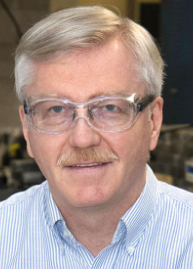 James F. Wishart合作论文数Chemistry Division, Brookhaven National Laboratory8
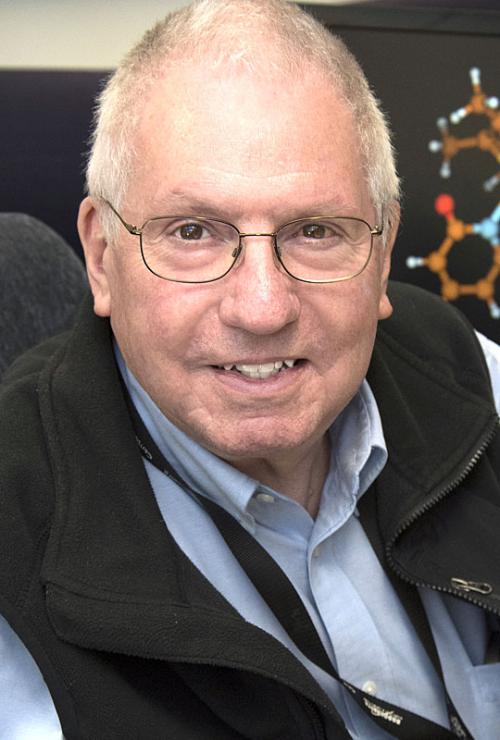 James T. Muckerman合作论文数Brookhaven National Laboratory, Stony Brook University8Matsubara Yasuo合作论文数7
 Renato N Sampaio合作论文数Dept Chem, Univ North Carolina Chapel Hill7
 Xue-Zhong Sun合作论文数School of Chemistry, University of Nottingham7Vanna Blasczak合作论文数6
 Kuo-Wei Huang合作论文数6Mark D. Doherty合作论文数GE Global Res6
 Julia A. Weinstein合作论文数Department of Chemistry, Faculty of Science, The University of Sheffield6Mello Barbara A合作论文数6
 John Kelly合作论文数Department of Infection Biology, Faculty of Infectious and Tropical Diseases, London School of Hygiene & Tropical Medicine;University of Dublin Trinity College6David J. Szalda合作论文数6Caitriona M. Creely合作论文数6Bobby Layne合作论文数5
 Laura Rotundo合作论文数5
 Marina Kuimova合作论文数Department of Chemistry, Faculty of Natural Sciences, Imperial College London5
 Jixin Yang (杨吉新)合作论文数School of Transportation, Wuhan University of Technology5
 David Phillips合作论文数Department of Chemistry,Imperial College London5
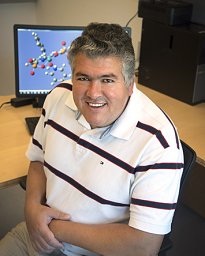 Javier J. Concepcion合作论文数Dept Chem, Univ N Carolina5
 Kwok Wai-ming合作论文数Department of Applied Biology and Chemical Technology, Faculty of Science, The Hong Kong Polytechnic University5Jack M. Preses合作论文数5Gerald F. Manbeck合作论文数5Ming-Kang Tsai合作论文数Chemistry Department, Brookhaven National Laboratory5Blake Reed合作论文数4Yusuke Tamaki合作论文数4
 Lisa Suntrup合作论文数Department of Chemistry, University of Massachusetts─Boston4Zhao Helen C合作论文数4
 Peter Portius合作论文数Department of Chemistry, University of Sheffield4
 Osamu Ishitani合作论文数Department of Chemistry, Tokyo Institute of Technology4
 Carlo Nervi合作论文数Dipartimento di Chimica IFM, Universitàdi Torino4
 John R. Miller合作论文数York University4
 Hajime Kawanami合作论文数Research Center for Compact Chemical Process 4-2-1, National Institute of Advanced Industrial Science and Technology (AIST)4W. T. Toner合作论文数4
 Roberto Gobetto合作论文数Dipartimento di Chimica IFM, Universitá di Torino4




