Data duplication during pretraining can degrade generalization and lead to memorization, motivating aggressive deduplication pipelines. However, at web scale, it is unclear what constitutes a “duplicate”: beyond surface-form matches, semantically equivalent documents (e.g. translations) may induce redundant training signals once models become sufficiently capable. Practically, this means that semantic duplicates operate increasingly like exact duplicates during training. We present evidence that duplication is scale-dependent in two ways. First, as model capability increases, cross-entropy loss gradients for semantically equivalent documents become more aligned. Smaller models, by contrast, produce gradients that reflect surface similarity (e.g., shared tokens) rather than semantic similarity. Second, we embedded all 192 million FineWeb-Edu-Dedup documents using EmbeddingGemma-300m. For moderate corpus sizes, the cosine similarity between nearest-neighbors follows an isotropic power law baseline. However, as corpus size grows to hundreds of billions of tokens, the nearest-neighbor similarities deviate sharply, indicating accelerated semantic collisions. Finally, controlled pretraining on data sampled with replacement from pools of finite unique documents shows that limited uniqueness yields mild degradation for small models, but rapidly increasing loss penalties for larger models, breaking naive scaling extrapolation. We derive explicit scaling laws that allow practitioners to estimate deviation from expected scaling due to limited semantic uniqueness of the pretraining corpus. Our results identify and resolve an unstudied source of scale-dependence, allowing for more accurate prediction at scale.
Language models are running out of high-quality training data, and even aggressively deduplicated corpora retain some amount of repetition. Earlier controlled studies predated Chinchilla-style scaling laws and could only measure the cost of repetition indirectly. We revisit repetition in the Chinchilla era, using a fitted no-repetition scaling law to report Compute-Equivalent Gain and Compute-Equivalent Loss. We show that under this modernized paradigm, repetition damage is systematic in three ways. First, holding compute allocated to repeated data constant, eval loss peaks at an intermediate repeat count ; repeating a moderately sized subset a moderate number of times damages performance more than repeating a large subset a few times or a small subset many times. Second, the location of this peak is well-fit by a power law in model size; this scaling law reveals that the most damaging number of repeated data grows more quickly than compute. Finally, when repeated documents consume 10% of the FLOPs budget in a controlled exact-document repetition setting, the compute-equivalent loss can be large: on FineWeb-Edu-Dedup, the most damaging repeat count for a Qwen3-style 344M-parameter model at =1 matches the loss of a no-repetition run using 67
We study estimation of the covariance matrix under relative condition number loss $\kappa(\Sigma^{-1/2} \hat{\Sigma} \Sigma^{-1/2})$, where $\kappa(\Delta)$ is the condition number of matrix $\Delta$, and $\hat{\Sigma}$ and $\Sigma$ are the estimated and theoretical covariance matrices. Optimality in $\kappa$-loss provides optimal guarantees in two stylized applications: Multi-User Covariance Estimation and Multi-Task Linear Discriminant Analysis. We assume the so-called spiked covariance model for $\Sigma$, and exploit recent advances in understanding that model, to derive a nonlinear shrinker which is asymptotically optimal among orthogonally-equivariant procedures. In our asymptotic study, the number of variables $p$ is comparable to the number of observations $n$. The form of the optimal nonlinearity depends on the aspect ratio $\gamma=p/n$ of the data matrix and on the top eigenvalue of $\Sigma$. For $\gamma > 0.618...$, even dependence on the top eigenvalue can be avoided. The optimal shrinker has two notable properties. First, when $p/n \rightarrow \gamma \gg 1$ is large, it shrinks even very large eigenvalues substantially, by a factor $1/(1+\gamma)$. Second, even for moderate $\gamma$, certain highly statistically significant eigencomponents will be completely suppressed. We show that when $\gamma \gg 1$ is large, purely diagonal covariance matrices can be optimal, despite the top eigenvalues being large and the empirical eigenvalues being highly statistically significant. This aligns with practitioner experience. We identify intuitively reasonable procedures with small worst-case relative regret - the simplest being generalized soft thresholding having threshold at the bulk edge and slope $(1+\gamma)^{-1}$ above the bulk. For $\gamma < 2$ it has at most a few percent relative regret.
Modern datasets are trending towards ever higher dimension. In response, recent theoretical studies of covariance estimation often assume the proportional-growth asymptotic framework, where the sample size $n$ and dimension $p$ are comparable, with $n, p \rightarrow \infty $ and $\gamma_n = p/n \rightarrow \gamma > 0$. Yet, many datasets -- perhaps most -- have very different numbers of rows and columns. We consider instead the disproportional-growth asymptotic framework, where $n, p \rightarrow \infty$ and $\gamma_n \rightarrow 0$ or $\gamma_n \rightarrow \infty$. Either disproportional limit induces novel behavior unseen within previous proportional and fixed-$p$ analyses. We study the spiked covariance model, with theoretical covariance a low-rank perturbation of the identity. For each of 15 different loss functions, we exhibit in closed form new optimal shrinkage and thresholding rules. Our optimal procedures demand extensive eigenvalue shrinkage and offer substantial performance benefits over the standard empirical covariance estimator. Practitioners may ask whether to view their data as arising within (and apply the procedures of) the proportional or disproportional frameworks. Conveniently, it is possible to remain {\it framework agnostic}: one unified set of closed-form shrinkage rules (depending only on the aspect ratio $\gamma_n$ of the given data) offers full asymptotic optimality under either framework. At the heart of the phenomena we explore is the spiked Wigner model, in which a low-rank matrix is perturbed by symmetric noise. Exploiting a connection to the spiked covariance model as $\gamma_n \rightarrow 0$, we derive optimal eigenvalue shrinkage rules for estimation of the low-rank component, of independent and fundamental interest.
What happens when generative machine learning models are pretrained on web-scale datasets containing data generated by earlier models? Some prior work warns of “model collapse” as the web is overwhelmed by synthetic data; other work suggests the problem can be contained (i.e. collapse can be avoided) by managing how available data are used in pretraining. In this paper, we report experiments on three ways of using data (training-workflows), across three generative model task-settings (multivariate Gaussian estimation, kernel density estimation, and language-model fine-tuning) to further confirm the possibility of containment: (a) we confirm that the training-workflow of {\it replacing} all real data by successive generations of purely synthetic data indeed suffers model collapse in all task-settings studied; (b) we consider the training-workflow of {\it accumulating} synthetic data alongside real data and training on all data combined and confirming that, although the proportion of real data eventually becomes zero, models remain stable and their test losses do not diverge under this training-workflow; (c) we consider a training-workflow where real and synthetic data accumulate together but successive generations of pretraining are constrained to use fixed-size data subsets each generation. In this workflow, we observe slow and gradual rather than explosive degradation of test loss performance across generations. Our insights are particularly important when forecasting whether future frontier generative models will collapse or thrive, and our results open avenues for empirically and mathematically studying the context-dependent value of synthetic data.
Science progresses by iteratively advancing and correcting humanity's understanding of the world. In machine learning (ML) research, rapid advancements have led to an explosion of publications, but have also led to misleading, incorrect, flawed or perhaps even fraudulent studies being accepted and sometimes highlighted at ML conferences due to the fallibility of peer review. While such mistakes are understandable, ML conferences do not offer robust processes to help the field systematically correct when such errors are made. This position paper argues that ML conferences should establish a dedicated "Refutations and Critiques" (R&C) Track. This R&C Track would provide a high-profile, reputable platform to support vital research that critically challenges prior research, thereby fostering a dynamic self-correcting research ecosystem. We discuss key considerations including track design, review principles, potential pitfalls, and provide an illustrative example submission concerning a recent ICLR 2025 Oral. We conclude that ML conferences should create official, reputable mechanisms to help ML research self-correct.
We introduce hybrid BAG-seq: a high-throughput, multi-omic method that simultaneously captures DNA and RNA from single nuclei. We apply this protocol to 65,499 single nuclei from samples of five uterine cancer patients and validate the clustering using RNA-only and DNA-only protocols from the same tissues. Multiple tumor genome or expression clusters are often present within a patient, with different tumor clones projecting into distinct or shared expression states, demonstrating nearly all possible genome-transcriptome correlations. We also identify mutant stroma with significant X chromosome loss in various cell types and patient-specific stromal subtypes exhibiting aberrant expression patterns.
The trend in modern science and technology is to take vector measurements rather than scalars, ruthlessly scaling to ever higher dimensional vectors. For about two decades now, traditional scalar Compressed Sensing has been synonymous with a Convex Optimization based procedure called Basis Pursuit. In the vector recovery case, the natural tendency is to return to a straightforward vector extension of Basis Pursuit, also based on Convex Optimization. However, Convex Optimization is provably suboptimal, particularly when B is large. In this paper, we propose SteinSense, a lightweight iterative algorithm, which is provably optimal when B is large. It does not have any tuning parameter, does not need any training data, requires zero knowledge of sparsity, is embarrassingly simple to implement, and all of this makes it easily scalable to high vector dimensions. We conduct a massive volume of both real and synthetic experiments that confirm the efficacy of SteinSense, and also provide theoretical justification based on ideas from Approximate Message Passing. Fascinatingly, we discover that SteinSense is quite robust, delivering the same quality of performance on real data, and even under substantial departures from conditions under which existing theory holds.
A three-hour webinar titled "Statistics and AI - A Fireside Conversation" was held on Sunday, March 17th, 2024, attracting an online audience of approximately 1,000 attendees. The event featured three sessions aimed at engaging the statistical community on key challenges and opportunities in the AI era: addressing statistical challenges and opportunities (Panel I), evolving the publication process (Panel II), and advancing next-generation statistical pipelines and resources (Panel III). Panel I examined issues such as dwindling talent, shifting funding landscapes, and AI's rapid rise, highlighting the need for statistical rigor, interdisciplinary collaboration, and innovative approaches to shape the future of AI. Panel II emphasized the importance of streamlining the publication process, fostering impactful research, and prioritizing workflows and data quality. Panel III focused on modernizing statistical education by integrating AI and deep learning, promoting interdisciplinary collaboration, and maintaining foundational principles such as uncertainty and reproducibility. These discussions collectively outlined a strategic roadmap for ensuring the relevance and advancement of statistics in the age of AI. Organizers in alphabetical order:Xihong Lin (Harvard University), Tracey Ke (Harvard University), Tian Zheng (Columbia University), Jing Zhou (University of California at Los Angeles), and Hongtu Zhu (University of North Carolina at Chapel Hill). Moderators:Xihong Lin (Harvard University), Heping Zhang (Yale University), and Peter Song (University of Michigan). Panelists in alphabetical order:Tianxi Cai (Harvard University), Haoda Fu (Amgen), Tracy Ke (Harvard University), Jiashun Jin (Carnegie Mellon University), Xiao-Li Meng (Harvard University), Annie Qu (University of California at Irvine), Chengchun Shi (London School of Economics and Political Science), Qiang Sun (University of Toronto and MBZUAI), Wenyi Wang (MD Anderson Cancer Center), Hulin Wu (University of Texas at Houston), Bin Yu (University of California at Berkeley), Harrison Zhou (Yale University), Hongtu Zhu (University of North Carolina at Chapel Hill), and Ji Zhu (University of Michigan). Discussant:David Donoho (Stanford University).
Rejoinder to Discussion of "Data Science at the Singularity" 2 I am impressed by the number, diversity, and seriousness of the discussions.I sense general agreement about the data science reality that has been forming over the last decades, some of the larger forces driving it, and the resulting permanent changes to research computing and scientific publishing that will ensue.I also sense concerns and important reservations, maybe not so much about what my article says, but what it does not begin to acknowledge and discuss.Each discussant makes unique and valuable points about issues exposed by these rapid changes across a broad range of fields represented and topics discussed.I can only admire and celebrate these contributions.In this rejoinder I will refer to the original
A purported `AI Singularity' has been in the public eye recently. Mass media and US national political attention focused on `AI Doom' narratives hawked by social media influencers. The European Commission is announcing initiatives to forestall `AI Extinction'. In my opinion, `AI Singularity' is the wrong narrative for what's happening now; recent happenings signal something else entirely. Something fundamental to computation-based research really changed in the last ten years. In certain fields, progress is dramatically more rapid than previously, as the fields undergo a transition to frictionless reproducibility (FR). This transition markedly changes the rate of spread of ideas and practices, affects mindsets, and erases memories of much that came before. The emergence of frictionless reproducibility follows from the maturation of 3 data science principles in the last decade. Those principles involve data sharing, code sharing, and competitive challenges, however implemented in the particularly strong form of frictionless open services. Empirical Machine Learning (EML) is todays leading adherent field, and its consequent rapid changes are responsible for the AI progress we see. Still, other fields can and do benefit when they adhere to the same principles. Many rapid changes from this maturation are misidentified. The advent of FR in EML generates a steady flow of innovations; this flow stimulates outsider intuitions that there's an emergent superpower somewhere in AI. This opens the way for PR to push worrying narratives: not only `AI Extinction', but also the supposed monopoly of big tech on AI research. The helpful narrative observes that the superpower of EML is adherence to frictionless reproducibility practices; these practices are responsible for the striking progress in AI that we see everywhere.
The proliferation of generative models, combined with pretraining on web-scale data, raises a timely question: what happens when these models are trained on their own generated outputs? Recent investigations into model-data feedback loops discovered that such loops can lead to model collapse, a phenomenon where performance progressively degrades with each model-fitting iteration until the latest model becomes useless. However, several recent papers studying model collapse assumed that new data replace old data over time rather than assuming data accumulate over time. In this paper, we compare these two settings and show that accumulating data prevents model collapse. We begin by studying an analytically tractable setup in which a sequence of linear models are fit to the previous models' predictions. Previous work showed if data are replaced, the test error increases linearly with the number of model-fitting iterations; we extend this result by proving that if data instead accumulate, the test error has a finite upper bound independent of the number of iterations. We next empirically test whether accumulating data similarly prevents model collapse by pretraining sequences of language models on text corpora. We confirm that replacing data does indeed cause model collapse, then demonstrate that accumulating data prevents model collapse; these results hold across a range of model sizes, architectures and hyperparameters. We further show that similar results hold for other deep generative models on real data: diffusion models for molecule generation and variational autoencoders for image generation. Our work provides consistent theoretical and empirical evidence that data accumulation mitigates model collapse.
Single-cell data integration can provide a comprehensive molecular view of cells, and many algorithms have been developed to remove unwanted technical or biological variations and integrate heterogeneous single-cell datasets. Despite their wide usage, existing methods suffer from several fundamental limitations. In particular, we lack a rigorous statistical test for whether two high-dimensional single-cell datasets are alignable (and therefore should even be aligned). Moreover, popular methods can substantially distort the data during alignment, making the aligned data and downstream analysis difficult to interpret. To overcome these limitations, we present a spectral manifold alignment and inference (SMAI) framework, which enables principled and interpretable alignability testing and structure-preserving integration of single-cell data with the same type of features. SMAI provides a statistical test to robustly assess the alignability between datasets to avoid misleading inference, and is justified by high-dimensional statistical theory. On a diverse range of real and simulated benchmark datasets, it outperforms commonly used alignment methods. Moreover, we show that SMAI improves various downstream analyses such as identification of differentially expressed genes and imputation of single-cell spatial transcriptomics, providing further biological insights. SMAI's interpretability also enables quantification and a deeper understanding of the sources of technical confounders in single-cell data.
Consider a multiple hypothesis testing setting involving rare/weak effects: relatively few tests, out of possibly many, deviate from their null hypothesis behavior. Summarizing the significance of each test by a P-value, we construct a global test against the null using the Higher Criticism (HC) statistics of these P-values. We calibrate the rare/weak model using parameters controlling the asymptotic distribution of non-null P-values near zero. We derive a region in the parameter space where the HC test is asymptotically powerless. Our derivation involves very different tools than previously used to show the powerlessness of HC, relying on properties of the empirical processes underlying HC. In particular, our result applies to situations where HC is not asymptotically optimal, or when the asymptotically detectable region of the parameter space is unknown.
Many applications seek to recover low-rank approximations of noisy tensor data. We consider several practical and effective matricization strategies which construct specific matrices from such tensors and then apply spectral methods; the strategies include tensor unfolding, partial tracing, power iteration, and recursive unfolding. We settle the behaviors of unfolding and partial tracing, identifying sharp thresholds in signal-to-noise ratio above which the signal is partially recovered. In particular, we extend previous results to a much larger class of tensor shapes where axis lengths may be different. For power iteration and recursive unfolding, we prove that under conditions where previous algorithms partially recovery the signal, these methods achieve (asymptotically) exact recovery. Our analysis deploys random matrix theory to obtain sharp thresholds which elude perturbation and concentration bounds. Specifically, we rely upon recent disproportionate random matrix results, which describe sequences of matrices with diverging aspect ratio.
Single-cell genomic analyses can provide information on cellular mutation and tumor heterogeneity, whereas single-cell transcriptomic analyses can distinguish cell types and states. However, the disconnect between genomic and transcriptomic spaces limits our understanding of cancer development. To address this, we developed a novel high-throughput method that simultaneously captures both DNA and RNA from single nuclei and new algorithms for the quantitative clustering and filtering of single-cell data. We applied this hybrid protocol to 65,499 single nuclei extracted from frozen biopsies of five different endometrial cancer patients and separately clustered the genome and expression data. We also analyzed 34,651 and 21,432 nuclei using RNA-only and DNA-only protocols, respectively, from the same samples to verify the clustering. Multiple tumor genome and/or expression clusters were often present within an individual patient, and different tumor clones could project into distinct or shared expression states. Almost all possible genome-transcriptome correlations were observed in the cohort. Stromal clusters were largely shared between patients, but some patients possessed unique stromal components, or mutant stroma with a significant loss of the X chromosome. This study reveals the complex landscape involving genome and transcriptome interactions at single-cell level, and provides new insights into mutant stroma as a potential clinical biomarker.
We derive a formula for optimal hard thresholding of the singular value decomposition in the presence of correlated additive noise; although it nominally involves unobservables, we show how to apply it even where the noise covariance structure is not a-priori known or is not independently estimable. The proposed method, which we call ScreeNOT, is a mathematically solid alternative to Cattell's ever-popular but vague Scree Plot heuristic from 1966. ScreeNOT has a surprising oracle property: it typically achieves exactly, in large finite samples, the lowest possible MSE for matrix recovery, on each given problem instance - i.e. the specific threshold it selects gives exactly the smallest achievable MSE loss among all possible threshold choices for that noisy dataset and that unknown underlying true low rank model. The method is computationally efficient and robust against perturbations of the underlying covariance structure. Our results depend on the assumption that the singular values of the noise have a limiting empirical distribution of compact support; this model, which is standard in random matrix theory, is satisfied by many models exhibiting either cross-row correlation structure or cross-column correlation structure, and also by many situations where there is inter-element correlation structure. Simulations demonstrate the effectiveness of the method even at moderate matrix sizes. The paper is supplemented by ready-to-use software packages implementing the proposed algorithm: package ScreeNOT in Python (via PyPI) and R (via CRAN).
Convex ℓ1 regularization using an infinite dictionary of neurons has been suggested for constructing neural networks with desired approximation guarantees, but can be affected by an arbitrary amount of over-parametrization. This can lead to a loss of sparsity and result in networks with too many active neurons for the given data, in particular if the number of data samples is large. As a remedy, in this paper, a nonconvex regularization method is investigated in the context of shallow ReLU networks: We prove that in contrast to the convex approach, any resulting (locally optimal) network is finite even in the presence of infinite data (i.e., if the data distribution is known and the limiting case of infinite samples is considered). Moreover, we show that approximation guarantees and existing bounds on the network size for finite data are maintained.
The recently discovered Neural Collapse (NC) phenomenon occurs pervasively in today's deep net training paradigm of driving cross-entropy (CE) loss towards zero. During NC, last-layer features collapse to their class-means, both classifiers and class-means collapse to the same Simplex Equiangular Tight Frame, and classifier behavior collapses to the nearest-class-mean decision rule. Recent works demonstrated that deep nets trained with mean squared error (MSE) loss perform comparably to those trained with CE. As a preliminary, we empirically establish that NC emerges in such MSE-trained deep nets as well through experiments on three canonical networks and five benchmark datasets. We provide, in a Google Colab notebook, PyTorch code for reproducing MSE-NC and CE-NC: at https://colab.research.google.com/github/neuralcollapse/neuralcollapse/blob/main/neuralcollapse.ipynb. The analytically-tractable MSE loss offers more mathematical opportunities than the hard-to-analyze CE loss, inspiring us to leverage MSE loss towards the theoretical investigation of NC. We develop three main contributions: (I) We show a new decomposition of the MSE loss into (A) terms directly interpretable through the lens of NC and which assume the last-layer classifier is exactly the least-squares classifier; and (B) a term capturing the deviation from this least-squares classifier. (II) We exhibit experiments on canonical datasets and networks demonstrating that term-(B) is negligible during training. This motivates us to introduce a new theoretical construct: the central path, where the linear classifier stays MSE-optimal for feature activations throughout the dynamics. (III) By studying renormalized gradient flow along the central path, we derive exact dynamics that predict NC.
 Iain M. Johnstone合作论文数Department of Statistics, School of Humanities and Sciences, Stanford University26
 Emmanuel Candès合作论文数Department of Statistics, Stanford University;Department of Mathematics, Stanford University20
 Xiaoming Huo合作论文数H. Milton Stewart School of Industrial and Systems Engineering, College of Engineering, Georgia Institute of Technology;Institute for Data Engineering and Science, Georgia Institute of Technology20
 Jean-Luc Starck合作论文数CosmoStat laboratory, Institute of Research into The Fundamental Laws of The Universe, Departement D'Astrophysique, CEA-Saclay18
 Michael Elad合作论文数Department of Computer Science, Technion17
 John M. Pauly合作论文数Department of Electrical Engineering, Stanford University;Magnetic Resonance Systems Research Laboratory, Stanford University14
 Andrea Montanari合作论文数Department of Statistics, School of Humanities and Sciences, Stanford University;Department of Mathematics, School of Humanities and Sciences, Stanford University;Granica;Stealth12
 Ana Flesia合作论文数Facultad de Matemtica , Astronoma y Fsica , Universidad Nacional de Crdoba11
 Michael Lustig合作论文数UC Berkeley EECS11
 Ronald Coifman (罗纳德·科夫曼)合作论文数Department of Electrical & Computer Engineering, School of Engineering & Applied Science, Yale University;Department of Mathematics, Yale Faculty of Arts and Sciences, Yale University10
 Matan Gavish合作论文数The Rachel and Selim Benin School of Computer Science and Engineering, The Hebrew University of Jerusalem;Factify10
 Victoria Stodden合作论文数School of Information Sciences, University of Illinois at Urbana-Champaign9
 Arian Maleki合作论文数Stanford University9
 A. Z. Averbuch合作论文数School of Computer Science ;Tel Aviv University8
 Vardan Papyan合作论文数Department of Mathematics, University of Toronto7
 Hatef Monajemi合作论文数Departments of Civil and Environmental Engineering and7
 Jiashun Jin合作论文数Department of Statistics and Data Science, Dietrich College of Humanities and Social Sciences, Carnegie Mellon University;School of Statistics & Data Science, Southeast University7
 Yaakov Tsaig合作论文数Institute for Computational Mathematics in Engineering, Stanford University6
 Vicent J. Martinez合作论文数5
 Rylan Schaeffer合作论文数Stanford Artificial Intelligence Laboratory, Stanford University;Meta5
 Ofer Levi合作论文数The Edward S. Rogers Sr. Department of Electrical & Computer Engineering, Faculty of Applied Science and Engineering, University of Toronto5
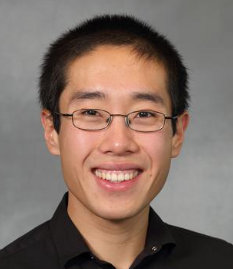 Xiaoyan Han合作论文数Operations Research and Information Engineering, Cornell University5Moshe Israeli合作论文数5Jeffrey C. Hoch合作论文数5
 Jared Tanner合作论文数Mathematical Institute, University of Oxford;Exeter College, University of Oxford5
 Alon Kipnis合作论文数Dept Elect Engn, Stanford Univ5
 Sanmi Koyejo合作论文数Department of Computer Science, School of Engineering, Stanford University;Stanford Artificial Intelligence Laboratory, Stanford University5Morteza Shahram合作论文数Department of Electrical Engineering;University of California , Santa Cruz5
 Carrie Grimes合作论文数4
 Qingyun Sun合作论文数Generative Alpha;PIN AI;AGI House;Andreessen Horowitz;Google DeepMind4
 Gitta Kutyniok合作论文数Department of Mathematics, Faculty of Mathematics Informatics and Statistics, Ludwig-Maximilians Universität München4
 Richard G. Baraniuk合作论文数Department of Electrical and Computer Engineering, George R. Brown School of Engineering, Rice University;SafeInsights;OpenStax4Richard C. Liu合作论文数4E. Arias-Castro合作论文数Department of Mathematics
University of California, San Diego4
Richard G. Baraniuk合作论文数Department of Electrical and Computer Engineering, George R. Brown School of Engineering, Rice University;SafeInsights;OpenStax4Richard C. Liu合作论文数4E. Arias-Castro合作论文数Department of Mathematics
University of California, San Diego4 Dominique Picard合作论文数Laboratoire de Probabilités et Modèles Aléatoires, Paris Diderot University4
 Ery Arias-Castro合作论文数Halicioglu Data Science Institute, University of California, San Diego;Department of Mathematics, University of California, San Diego4Gerard Kerkyacharian合作论文数Universite Paris X-Nanterre4
 Enn Saar合作论文数Estonian Academy of Sciences;Cosmology Department, Tartu Observatory4P. Querre合作论文数3jm santos合作论文数3
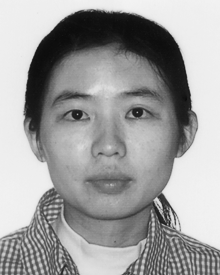 Jihong Chen合作论文数3Rong Ma合作论文数3
 Galen Reeves合作论文数Department of Electrical & Computer Engineering, Pratt School of Engineering, Duke University3
 Matthias Gerstgrasser合作论文数School of Engineering and Applied Sciences, Harvard University;Harvard Business School3
 Peter Schröder合作论文数Division of Engineering and Applied Science, California Institute of Technology3J. B. Buckheit合作论文数3
 Morteza Mardani合作论文数NVIDIA Corporation3Jonathan B. Buckheit合作论文数3
 Shreyas Vasanawala合作论文数Stanford Medicine Children's Health;Department of Pediatric Radiology, School of Medicine, Stanford University;Stanford Cardiovascular Institute, School of Medicine, Stanford University3




