BACKGROUND:EUS-guided gastroenterostomy (EUS-GE) is a minimally invasive therapy for the management of gastric outlet obstruction (GOO). EUS-GE has demonstrated excellent short-term efficacy without the risks of surgical bypass. However, there is limited data on follow-up outcomes. In this study, we collected 6-month follow-up data on patients who underwent EUS-GE for benign and malignant etiologies, to aim to show the shift in paradigm in their management algorithm. METHODS:This was a retrospective multicenter study across 7 international centers of consecutive patients undergoing EUS-GE over a 4-year period who were entered in a dedicated registry. Demographic characteristics, procedure-related information, and follow-up data were collected. Primary outcome was the 6-month data on clinical resolution of GOO. RESULTS:Ninety-one patients were included (71 malignant and 20 benign cases). Technical success was 99% due to high expertise and volume. Clinical success at 48 hours was 97% (88/90) with an average procedure time of 47 minutes and length of stay of 5.86 days. At 3 months, 87 (95.6%) patients had achieved clinical resolution. At 6 months, 48 (53%) subjects were alive, 40 (44%) were deceased, 3 were lost to follow-up (3.3%) and 1 (1%) had a recurrence of GOO. Clinical success at 6 months follow-up was 98% (47/48). CONCLUSIONS:The majority of patients with GOO who undergo EUS-GE showed clinical resolution at 6-month follow-up. Patients with malignant etiology are appropriately palliated during their life span. Further prospective studies are necessary to obtain long-term data regarding EUS-GE for benign etiologies.
Background: EUS-guided gastroenterostomy (EUS-GE) is a minimally invasive therapy for the management of gastric outlet obstruction (GOO). EUS-GE has demonstrated excellent short-term efficacy without the risks of surgical bypass. However, there is limited data on follow-up outcomes. In this study, we collected 6-month follow-up data on patients who underwent EUS-GE for benign and malignant etiologies, to aim to show the shift in paradigm in their management algorithm. Methods: This was a retrospective multicenter study across 7 international centers of consecutive patients undergoing EUS-GE over a 4-year period who were entered in a dedicated registry. Demographic characteristics, procedure-related information, and follow-up data were collected. Primary outcome was the 6-month data on clinical resolution of GOO. Results: Ninety-one patients were included (71 malignant and 20 benign cases). Technical success was 99% due to high expertise and volume. Clinical success at 48 hours was 97% (88/90) with an average procedure time of 47 minutes and length of stay of 5.86 days. At 3 months, 87 (95.6%) patients had achieved clinical resolution. At 6 months, 48 (53%) subjects were alive, 40 (44%) were deceased, 3 were lost to follow-up (3.3%) and 1 (1%) had a recurrence of GOO. Clinical success at 6 months follow-up was 98% (47/48). Conclusions: The majority of patients with GOO who undergo EUS-GE showed clinical resolution at 6-month follow-up. Patients with malignant etiology are appropriately palliated during their life span. Further prospective studies are necessary to obtain long-term data regarding EUS-GE for benign etiologies.
Endoscopic ultrasound (EUS) has evolved from a diagnostic method for staging tumors and diagnostic tissue acquisition to a technology that has revolutionized minimally invasive endoscopic care across the disease spectrum. Recent years have witnessed a rapid advance in the number and types of procedures that are performed and in the devices that are designed to deliver EUS-guided interventions. These advances offer safer, less-invasive alternatives to traditional therapies and define disruptive technologies that are impacting patient care. The purpose of this review is to discuss the state of the art in therapeutic EUS procedures, focusing on current advances that are transforming endoscopic patient care.
Background and study aims:EUS-guided gallbladder drainage (EUS-GBD) using lumen apposing metal stents (LAMS) has excellent technical and short-term clinical success for acute cholecystitis (AC). The goals of this study were to determine the long-term clinical outcomes and adverse events (AEs) of EUS-GBD with LAMS. Patients and methods:A multicenter, retrospective study was conducted at 18 US tertiary care institutions. Inclusion criteria: any AC patient with attempted EUS-GBD with LAMS and minimum 30-day post-procedure follow-up. Long-term clinical success was defined as absence of recurrent acute cholecystitis (RAC) > 30 days and long-term AE was defined as occurring > 30 days from the index procedure. Results:A total of 109 patients were included. Technical success was achieved in 108 of 109 (99.1%) and initial clinical success in 106 of 109 (97.2%). Long-term clinical success was achieved in 98 of 109 (89.9%) over a median follow-up of 140 days (range 30-1188). On multivariable analysis (MVA), acalculous cholecystitis (odds ratio [OR] 15.93, 95% confidence interval [CI] 1.22-208.52, P = 0.04) and the occurrence of a LAMS-specific AE (OR 63.60, 95% CI 5.08-799.29, P <0.01) were associated with RAC. AEs occurred in 38 of 109 patients (34.9%) at any time, and in 10 of 109 (9.17%) > 30 days from the index procedure. Most long-term AEs (7 of 109; 6.42%) were LAMS-specific. No technical or clinical factors were associated with occurrence of AEs. LAMS were removed in 24 of 109 patients (22%). There was no difference in RAC or AEs whether LAMS was removed or not. Conclusions:EUS-GBD with LAMS has a high rate of long-term clinical success and modest AE rates in patients with AC and is a reasonable destination therapy for high-risk surgical candidates.
BACKGROUND AND AIMS: Endoscopic retrograde cholangiopancreatography (ERCP) is an invasive procedure that has evolved from being primarily diagnostic to predominantly therapeutic, leading to an increased potential for ERCP-related adverse events. Frailty is an independent predictor of adverse outcomes, and its impact on ERCP-related outcomes requires investigation. This study evaluated the impact of frailty on ERCP-related adverse events. METHODS: The National Inpatient Sample from 2016 to 2019 was used to identify adult patients who underwent ERCP. Frailty was defined using the Frailty Risk Score. Outcomes were categorized into procedure-related adverse events, sedation-related adverse events, and hospitalization outcomes. Multivariate linear or logistic regression was used as appropriate. Stata, version 14.2, was used to perform analyses considering a 2-sided P < 0.05 to be statistically significant. RESULTS: Among a total of 693,730 ERCPs performed, 870,30 (12.54%) were frail. Frail patients had higher odds of procedure-related adverse events, including hemorrhage (9.1/1000 vs 4.9/1000) and duodenal perforation, but not post-ERCP pancreatitis, bile duct perforation, cholecystitis, and cholangitis. Frailty imparted a higher risk of sedation-related respiratory failure, aspiration pneumonia, and the requirement of intubation and mechanical ventilation. Inpatient mortality was higher among frail patients (4.54% vs 1.03%), and they had prolonged hospital stays and higher hospitalization costs. CONCLUSION: Frailty is associated with worse outcomes in patients undergoing ERCP, with higher risks of hemorrhage and sedation-related adverse events, in addition to increased resource utilization. Therefore, the findings of this study suggest strict adherence to guidelines governing anticoagulant management during the peri-endoscopic period, and sedative administration should be carefully monitored. Preprocedural optimization measures and diligent monitoring can minimize resource utilization and decrease periprocedural morbidity.
Post-endoscopic retrograde cholangiopancreatography (ERCP) pancreatitis (PEP) related mortality is on the rise, and it accounts for a major proportion of malpractice claims associated with ERCP, leading to substantial resource utilization.1,2 With the emphasis on quality metrics in healthcare models today, it becomes crucial to identify high-risk patients and implement appropriate prophylactic measures. A study by Radadiya et al. showed PEP to be the most common cause of readmission after ERCP, irrespective of indication.
BACKGROUND AND AIMS:Direct endoscopic necrosectomy (DEN) is a recommended strategy for treatment of walled-off necrosis (WON). DEN uses a variety of devices including the EndoRotor (Interscope, Inc, Northbridge, Mass, USA) debridement catheter. Recently, a 5.1-mm EndoRotor with an increased chamber size and rate of tissue removal was introduced. The aim of this study was to assess the efficacy and safety of this device. METHODS:A multicenter cohort study was conducted at 8 institutions including patients who underwent DEN with the 5.1-mm EndoRotor. The primary outcome was the number of DEN sessions needed for WON resolution. Secondary outcomes were the average percentage of reduction in solid WON debris and decrease in WON area per session, total time spent performing EndoRotor therapy for WON resolution, and adverse events (AEs). RESULTS:Sixty-four procedures in 41 patients were included. For patients in which the 5.1-mm EndoRotor catheter was the sole therapeutic modality, an average of 1.6 DEN sessions resulted in WON resolution with an average cumulative time of 85.5 minutes. Of the 21 procedures with data regarding percentage of solid debris, the average reduction was 85% ± 23% per session. Of the 19 procedures with data regarding WON area, the mean area significantly decreased from 97.6 ± 72.0 cm2 to 27.1 ± 35.5 cm2 (P < .001) per session. AEs included 2 intraprocedural dislodgements of lumen-apposing metal stents managed endoscopically and 3 perforations, none of which was related to the EndoRotor. Bleeding was reported in 7 cases, in which none required embolic or surgical therapy and 2 required blood transfusions. CONCLUSIONS:This is the first multicenter retrospective study to investigate the efficacy and safety of the 5.1-mm EndoRotor catheter for WON. Results from this study showed an average of 1.6 DEN sessions were needed to achieve WON resolution with an 85% single-session reduction in solid debris and a 70% single-session decrease in WON area with minimal AEs.
Background:Achalasia can cause disabling symptoms that may substantially impair the quality of life. Peroral endoscopic myotomy (POEM) has shown promising results in the management of achalasia. In this meta-analysis we have evaluated the feasibility and safety of single-session POEM with fundoplication (POEM+F) in patients with achalasia. Methods:We reviewed several databases from inception to July 08, 2022, to identify studies evaluating the feasibility and/or safety of single-session POEM+F for patients with achalasia. Our outcomes of interest included the technical success of POEM+F, adverse events, esophagitis and wrap integrity on follow-up upper endoscopy, total procedure time, and fundoplication time. Pooled rates with 95% confidence intervals (CI) for outcomes were calculated using a random effect model. Heterogeneity was assessed using the I 2 statistic. Results:We included 4 studies with 90 patients. Pooled rates (95%CI) of technical success and adverse events were 92% (83-96%) and 5% (2-11%), respectively. Pooled rates (95%CI) of esophagitis and wrap integrity on follow-up upper endoscopy were 18% (11-30%) and 85% (43-98%) respectively. Pooled mean procedure time and fundoplication time were 113.2 (98.7-127.6) and 55.3 (43.7-66.8) min, respectively. Conclusions:This meta-analysis demonstrates the feasibility and safety of POEM+F in patients with achalasia. More studies with long-term follow up are required to further validate these findings.
Background: Endoscopic ultrasound (EUS)-guided gastroenterostomy (EUS-GE) is a minimally invasive therapy for patients with gastric outlet obstruction without the risks of surgical bypass and the limited long-term efficacy of enteral self-expanding metal stent placement. However, due to its novelty, there is a lack of significant data comparing long-term outcomes of patients with EUS-GE, based on the underlying disease. In this study, we compare outcomes of EUS-GE on benign versus malignant indications. Methods: Consecutive patients from 12 international, tertiary care centers who underwent EUS-GE over 3 years were extracted in a retrospective registry. Demographic characteristics, procedure-related information and follow-up data was collected. Primary outcome was the rate of adverse events associated with EUS-GE and the comparison of the rate of adverse events in benign versus malignant diseases. Secondary outcomes included technical and clinical success as well as hospitalization admission. Results: A total of 103 patients were included: 72 malignant and 31 benign. The characteristics of the patients undergoing EUS-GE is shown in Table 1. The mean age of the cohort was 68 years and 58 years for malignant and benign etiology. Gender distribution was 57% and 39% being females in malignant and benign etiology group, respectively. Clinical success, technical success, average procedure time, and hospital length of stay were similar in both groups. Patients with benign underlying etiology had significantly higher number of surgically altered midgut anatomy ( P =0.0379). Conclusion: EUS-GE is equally efficient regardless of the underlying etiology (malignant vs. benign), and the adverse events both groups were comparable.
Background and study aims Endoscopic ultrasound (EUS)-guided transmural (TM) deployment of lumen-apposing metal stents (LAMS) is considered relatively safe in non-cirrhotic patients and is cautiously offered to cirrhotic patients. Patients and methods This was a retrospective, multicenter, international matched case-control study to study the safety of EUS-guided TM deployment of LAMS in cirrhotic patients. Results Forty-three cirrhotic patients with model for end-stage liver disease score 12.5 ± 5, with 23 having ascites and 16 with varices underwent EUS-guided TM LAMS deployment, including 19 for pancreatic fluid collection (PFC) drainage, 13 gallbladder drainage, six for endoscopic ultrasound-directed transgastric endoscopic retrograde cholangiopancreatography (ERCP), three for EDGI, one for endoscopic ultrasound-directed transenteric ERCP, and one postsurgical collection drainage. Technical failure occurred in one LAMS for PFC drainage. Clinical failure was encountered in another PFC. Nine adverse events (AEs) occurred. The most common AE was LAMS migration (3), followed by non-bleeding mucosal erosion (2), delayed bleeding (2), sepsis (1), and anesthesia-related complication (pulseless electrical activity) (1). Most AEs were graded as mild (6), followed by severe (2), and moderate (1); the majority were managed conservatively. On univariable comparison, risk of AE was higher when using a 20 × 10 mm LAMS and the absence of through-the-LAMS plastic stent(s). Conditional logistic regression of matched case-control patients did not show any association between potential predicting factors and occurrence of AEs. Conclusions Our study demonstrated that mainly in patients with Child-Pugh scores A and B cirrhosis and despite the presence of mild-to-moderate ascites in over half of cases, the majority of AEs were mild and could be managed conservatively. Further studies are warranted to verify the safety of LAMS in cirrhotic patients.
Background and Aims: Lumen -apposing metal stents (LAMSs) have revolutionized the treatment of various gastroenterologic conditions that previously required surgery. The use of LAMSs for the management of small -bowel obstruction (SBO) involves EUS-guided coloenterostomy (EUS-CE) between the colon and a dilated loop of the small intestine proximal to the point of obstruction. This procedure is potentially bene fi cial for patients with malignant SBO who are poor surgical candidates. Methods: A retrospective cohort study was conducted at 2 tertiary care hospitals. Patients who underwent EUSCE for SBO were identi fi ed, and data regarding patient demographics, indication for the procedure, location of the obstruction, procedural details, and adverse events were collected. The primary outcome was technical success of the procedure. Secondary outcomes were clinical success, resolution of symptoms, ability to tolerate enteral nutrition, and adverse events. Results: Twenty-six patients who underwent the EUS-CE procedure were included. Technical success was achieved in all 26 patients, clinical success (resolution of obstructive symptoms) was achieved in 92.3% of patients (24/26), and the ability to resume enteral nutrition in 84.6% (22/26). Adverse events occurred in 4 patients (15.4%) and included bleeding (1/26), diarrhea (2/26), and postprocedure sepsis (1/26). Patients were followed for a mean of 54.8 days (range, 2-190). Conclusions: This study highlights that EUS-CE with LAMSs can be performed with high technical and clinical success for the management of SBO, particularly in patients with malignant obstructions who are not suitable candidates for surgical interventions. Further research with larger sample sizes will be essential to substantiate its effi cacy and safety. (Gastrointest Endosc 2024;99:606-13.)
BACKGROUND Endoscopic ultrasound (EUS)-guided gastroenterostomy (EUS-GE) is a minimally invasive therapy for patients with gastric outlet obstruction without the risks of surgical bypass and the limited long-term efficacy of enteral self-expanding metal stent placement. However, due to its novelty, there is a lack of significant data comparing long-term outcomes of patients with EUS-GE, based on the underlying disease. In this study, we compare outcomes of EUS-GE on benign versus malignant indications. METHODS Consecutive patients from 12 international, tertiary care centers who underwent EUS-GE over 3 years were extracted in a retrospective registry. Demographic characteristics, procedure-related information and follow-up data was collected. Primary outcome was the rate of adverse events associated with EUS-GE and the comparison of the rate of adverse events in benign versus malignant diseases. Secondary outcomes included technical and clinical success as well as hospitalization admission. RESULTS A total of 103 patients were included: 72 malignant and 31 benign. The characteristics of the patients undergoing EUS-GE is shown in Table 1. The mean age of the cohort was 68 years and 58 years for malignant and benign etiology. Gender distribution was 57% and 39% being females in malignant and benign etiology group, respectively. Clinical success, technical success, average procedure time, and hospital length of stay were similar in both groups. Patients with benign underlying etiology had significantly higher number of surgically altered midgut anatomy (P=0.0379). CONCLUSION EUS-GE is equally efficient regardless of the underlying etiology (malignant vs. benign), and the adverse events both groups were comparable.
Robert Wood Johnson University Hospital, USA; Thomas Jefferson University Hospital, USA; Atlanta Gastroenterology Associates, USA; Hospital San Juan de Dios Pamplona Unidad de Cuidados Paliativos, Spain; IRCCS Ospedale San Raffaele, Italy; Sarasota Memorial Health Care System, USA; Universidade de Sao Paulo Hospital das Clinicas, Brazil; IECED, Ecuador.
 T KOWALSKI合作论文数200Alexander Schlachterman合作论文数70Austin L Chiang合作论文数65
 Ali A. Siddiqui合作论文数Thomas Jefferson University Hospital, Philadelphia, PA63
 Anand Kumar合作论文数58
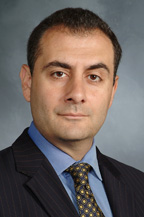 Michel Kahaleh合作论文数Weill Cornell Medical College48Tyberg Amy合作论文数38
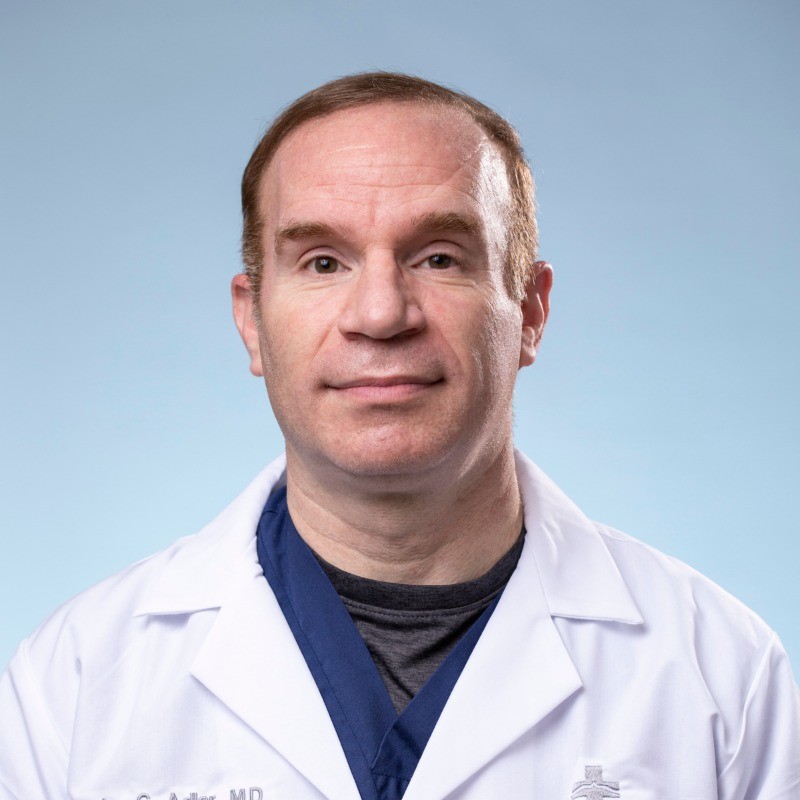 Doug Adler合作论文数Center for Advanced Therapeutic Endoscopy, Centura Health-Porter Adventist Hospital36Haroon Shahid合作论文数32Avik Sarkar合作论文数31
 Monica Gaidhane合作论文数Digestive Health, University of Virginia31Shinn Brianna Jeanette合作论文数29
 Divya Chalikonda合作论文数28
 Prashant Kedia合作论文数27
 Jose Nieto合作论文数26
 Reem Z. Sharaiha合作论文数Joan and Sanford I. Weill Department of Medicine, Weill Cornell Medicine, Cornell University21Shuji Mitsuhashi合作论文数20Faisal Kamal合作论文数20
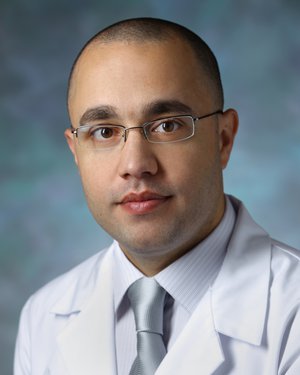 Mouen Khashab合作论文数School of Medicine, The Johns Hopkins University;The Johns Hopkins Hospital20Ian Holmes合作论文数17
 David L. Diehl合作论文数Geisinger Medical Center;New York University School of Medicine;Geisinger Commonwealth School of Medicine;College of Health Sciences, Geisinger Health17Jason Korenblit合作论文数16
 Abhishek Agnihotri合作论文数15Confer Bradley D合作论文数15Harshit S. Khara合作论文数15
 Tayebah Mumtaz合作论文数Internal Medicine Department, Geisinger Medical Center14
 Muhammad Waqar Bashir合作论文数Division of Gastroenterology and Hepatology, Thomas Jefferson University Hospital14
 Arish Noor合作论文数13Tina Boortalary合作论文数Dept Med, Thomas Jefferson Univ13
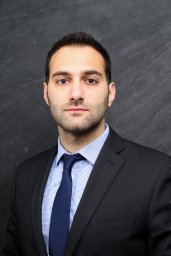 Yervant Ichkhanian合作论文数Department of Medicine, Henry Ford Hospital13
 Nikhil A Kumta合作论文数13
 Usama Iqbal合作论文数12Tobias Zuchelli合作论文数12
 Robert Coben合作论文数12Anthony Infantolino合作论文数12
 Natalie Cosgrove合作论文数11
 Isaac Raijman合作论文数Texas Digestive Disease Consultants11
 Mohamad A. Eloubeidi合作论文数University of Alabama at Birmingham11
 Tyler M Berzin合作论文数Beth Israel Deaconess Medical Center, Harvard Medical School11Linda J. Taylor合作论文数10Novikov Aleksey合作论文数National Institute of Allergy and Infectious Diseases, National Institutes of Health10
 Cyrus R Piraka合作论文数Henry Ford Cancer Institute;Division of Gastroenterology, Department of Internal Medicine, Henry Ford Hospital10
 Mohammad Al-Haddad合作论文数Division of Gastroenterology and Hepatology, Mayo Clinic College of Medicine10Vaibhav Mehendiratta合作论文数10John M. Poneros合作论文数10
 Christopher J Dimaio合作论文数10Romy Bareket合作论文数9
 Iman Andalib合作论文数Ichan Sch Med, Mt Sinai, NY USA9
 Patel Sandeep合作论文数Department of Orthopaedics, PGIMER, Chandigarh, India.9




