OBJECTIVE:Biallelic variants in genes encoding the RNA polymerase III complex (Pol III) cause a spectrum of neurological disorders primarily affecting the central nervous system. Monoallelic variants have been reported in the POLR3B subunit only, associated with neurodevelopmental disorder, epilepsy, and peripheral neuropathy. We describe a novel Pol III-related disorder caused by monoallelic variants in POLR3A and presenting primarily with peripheral neuropathy. METHODS:We performed clinical and genetic investigation of the affected families. Biophysical characterization of mutant proteins was performed in silico. Immunoblotting, interactomics, and transcriptomics characterization were done in cellular models. RESULTS:We identified 11 patients across 8 unrelated families harboring heterozygous missense variants in POLR3A, occurring de novo or segregating in an autosomal-dominant fashion. The patients presented with an early-onset, progressive sensorimotor peripheral polyneuropathy with intermediate to demyelinating ranges of nerve conduction slowing, occasionally accompanied with neurological or non-neurological features. White matter abnormalities, characteristic for the biallelic Pol III-related disorders, where not observed in the brain magnetic resonance imaging (MRI) evaluations. The neuropathy-associated variants cluster in regions critical for Pol III activity. We observed mis-regulation of individual Pol III targets and global downregulation of tRNA pools in patient-derived cells. This Pol III dysfunction was not due to impaired POLR3A expression, subcellular localization, or subunit interactions. INTERPRETATION:Our findings expand the Pol III-related disease spectrum beyond the known biallelic phenotypes and establish POLR3A as a novel peripheral neuropathy-associated gene. This work highlights a central role of Pol III dysfunction in disease and reinforces the link between tRNA metabolism and peripheral neurodegeneration. ANN NEUROL 2026;100:655-671.
Biallelic disease-causing variants in IGHMBP2 cause spinal muscular atrophy with respiratory distress type I (SMARD1) and Charcot-Marie-Tooth type 2S (CMT2S). We present 12 unrelated patients with clinically suspected IGHMBP2-related-disease, each carrying a variant deep in intron 8 of IGHMBP2 (c.1235+1076G>A (n=6), c.1235+450G>A (n=5), and c.1235+894C>A (n=1)), along with a known deleterious variant in trans. To assess aberrant pathogenic splicing induced by these deep intronic variants in a relevant model, patient-derived induced pluripotent stem cells were differentiated into motor neurons (iMNs). Long-read RNA sequencing revealed introduction of different pseudoexons by each variant: c.1235+450G>A (626bp), c.1235+1076G>A (112bp and 77bp) and c.1235+894C>A (182bp). Although each variant utilizes a unique splice acceptor site, they all activate the same cryptic donor site, enabling a therapeutic approach to redirect aberrant splicing for all the variants using a single shared antisense oligonucleotide (ASO). Treatment of iMNs with this single ASO restored full-length IGHMBP2 protein in c.1235+894G>A and c.1235+1076G>A by decreasing the use of the novel acceptor site. In contrast, ASO treatment did not correct the splicing in c.1235+450G>A, suggesting that additional splice correction will be needed for this specific variant. A CRISPR interference screen of IGHMBP2 loss-of-function in iMNs identified ribonucleoprotein complex biogenesis (RNP), and rRNA and tRNA processing as top pathways implicated in motor neuron vulnerability. Proteomics and transcriptomics analysis of successfully treated patient iMNs revealed correction of RNP biogenesis and rRNA processing defects. This study highlights the importance of characterizing deep intronic variants in disease-relevant cells to assist the diagnostic process and inform therapeutics development.
Charcot-Marie-Tooth disease (CMT) encompasses a heterogeneous group of inherited peripheral neuropathies. Despite being the most common genetic neurological condition, individual CMT subtypes are rare, presenting unique challenges for therapeutic development. The Together Patients Industry Clinicians versus CMT (ToPIC: CMT) Advocacy Group was formed with a diverse group of patient advocacy groups, clinician-scientists who treat patients with CMT, and pharmaceutical industry representatives to develop a common guidance on development of new treatments for CMT with clear expectations for meaningful patient outcomes and objective assessments of improvement. The ToPIC: CMT Group developed recommendations for clinical development of drugs and biological products for treating CMT, addressing trial design considerations for this rare progressive disease. Key challenges in CMT include small patient populations, variable disease progression, and the need for sensitive outcome measures. Recommendations emphasize flexible trial designs including adaptive designs, external controls, and single-participant designs when scientifically justified. Where possible, broad inclusion criteria based on clinical phenotype rather than genetic subtype alone are recommended. Disease-specific, validated outcome measures should assess function across ages and disease stages. Biomarkers reflecting peripheral nervous system health may serve as surrogate endpoints to support accelerated approval pathways. Patient and care partner perspectives are essential throughout development, particularly regarding treatment goals, risk tolerance, and meaningful endpoints. Successful therapeutic development for CMT and related neuropathies requires innovative approaches that balance rigorous scientific standards with the realities of rare disease research. Regulatory flexibility, informed by patient input and natural history data, can facilitate efficient development while maintaining assurance of safety and effectiveness.
Biallelic loss-of-function mutations in the sorbitol dehydrogenase (SORD) gene cause the most common recessive type of Charcot-Marie-Tooth disease (CMT), CMT-SORD. However, the full genotype-phenotype spectrum and progression of the disease remain to be defined. Notably, a multicentre phase 2/3 study to test the efficacy of govorestat (NCT05397665), a new aldose reductase inhibitor, is currently ongoing. Diagnosing CMT-SORD will become imperative when disease-modifying therapies become available. In this cross-sectional multicentre study, we identified 144 patients from 126 families, including 99 males (69%) and 45 females (31%). Patients represented multiple ancestries, including European, Hispanic, Chinese, Near Eastern and Northern African. We confirmed c.757delG (p.Ala253GlnfsTer27) as the most common pathogenic allele, followed by c.458C>A (p.Ala153Asp), while other variants were identified, mostly in single cases. The average sorbitol level in CMT-SORD patients was significantly higher compared to controls and heterozygous carriers, independently from serum storage duration, sex or variant type. Two-thirds of cases were diagnosed with CMT2 while one-third had distal hereditary motor neuropathy. Disease onset was usually in the second decade of life. Although foot dorsiflexion was the most affected muscle group, dorsal and plantar flexion had a similar degree of weakness in most cases (difference of Medical Research Council score <= 1). One-fourth of patients used ankle foot orthoses, usually in their 30s, but most patients maintained independent ambulation later in life. Nerve conduction studies were suggestive of a motor predominant axonal neuropathy, with reduced conduction velocities in the intermediate range in a quarter of the cases. Sensory conductions in the upper limbs appeared more frequently affected than in the lower limbs. Foot dorsiflexion and plantar flexion decreased significantly with age. Male sex was significantly associated with the severity of distal lower limb weakness (plantar flexion) and a larger change over time (dorsiflexion). In conclusion, CMT-SORD is a frequent recessive form of axonal, motor predominant CMT, with prominent foot dorsiflexion and plantar flexion involvement. Fasting serum sorbitol is a reliable biomarker of the condition that can be utilized for pathogenicity assessment of identified rare SORD variants.
ABSTRACT Background and Aims In 2019, we conducted a cross‐sectional study, collecting information on 50 patients with CMT4B, an ultrarare CMT subtype, to better define the clinical phenotype. We now aimed at investigating disease progression in 26 patients with CMT4B1/CMT4B2, recruited from the previous study and among the Inherited Neuropathy Consortium. Materials and Methods We retrospectively analysed disease progression in patients with CMT4B1/CMT4B2, collecting MRC scores from nine muscle pairs, Charcot‐Marie‐Tooth Examination Score (CMTES), and a minimal dataset of clinical information (walking difficulties, aids dependency, upper limb impairment, cranial nerves involvement) at baseline and follow‐up visits. Thirteen centres from four continents were involved. Results Thirteen CMT4B1 and 13 CMT4B2 patients were followed up for 7.1 ± 4.9 and 7.9 ± 4.5 years, respectively. During follow‐up, walking aid dependency increased: two CMT4B1 patients adopted AFOs (overall 11/12 at follow‐up), and one started using wheelchair (6/12 at follow‐up) at the age of 19; among CMT4B2 patients, two more required unilateral support in walking (4/11 at follow‐up) by the age of 33 and 49 years, respectively. We found that disease progression, as measured by CMTES, was faster in CMT4B1 as compared to CMT4B2 patients (ΔCMTES/year 0.7 vs. 0.3, p = 0.037) but tended to slow down over time as burden of disease increased. At the end of follow‐up, CMT4B1 was associated to higher disability. Conclusions This international collective effort enabled collection of relevant data for characterizing natural history and estimating disease progression of CMT4B1/CMT4B2 ultrarare diseases, aiming at improving their management and paving the way for designing future clinical trials.
These data demonstrate the clinical utility of urine sorbitol and xylitol analysis in the screening and diagnosis of SORD deficiency-related neuropathy. In addition, this is the first description of elevated xylitol in SORD deficiency as a clinically informative biomarker, which may increase the specificity of biochemical testing.
BACKGROUND:Lower limb muscle magnetic resonance imaging (MRI) obtained fat fraction (FF) can detect disease progression in patients with Charcot-Marie-Tooth disease 1A (CMT1A). However, analysis is time-consuming and requires manual segmentation of lower limb muscles. We aimed to assess the responsiveness, efficiency and accuracy of acquiring FF MRI using an artificial intelligence-enabled automated segmentation technique. METHODS:We recruited 20 CMT1A patients and 7 controls for assessment at baseline and 12 months. The three-point-Dixon fat water separation technique was used to determine thigh-level and calf-level muscle FF at a single slice using regions of interest defined using Musclesense, a trained artificial neural network for lower limb muscle image segmentation. A quality control (QC) check and correction of the automated segmentations was undertaken by a trained observer. RESULTS:The QC check took on average 30 seconds per slice to complete. Using QC checked segmentations, the mean calf-level FF increased significantly in CMT1A patients from baseline over an average follow-up of 12.5 months (1.15%±1.77%, paired t-test p=0.016). Standardised response mean (SRM) in patients was 0.65. Without QC checks, the mean FF change between baseline and follow-up, at 1.15%±1.68% (paired t-test p=0.01), was almost identical to that seen in the corrected data, with a similar overall SRM at 0.69. CONCLUSIONS:Using automated image segmentation for the first time in a longitudinal study in CMT, we have demonstrated that calf FF has similar responsiveness to previously published data, is efficient with minimal time needed for QC checks and is accurate with minimal corrections needed.
AbstractObjectiveCompare the diagnostic characteristics of intraepidermal nerve fiber density (IENFD) and confocal corneal microscopy (CCM) for distal symmetric polyneuropathy (DSP) and small fiber neuropathy (SFN).MethodsParticipants with obesity were recruited from bariatric surgery clinics and testing was performed prior to surgery. DSP and SFN were determined using the Toronto consensus definitions of probable neuropathy. IENFD was assessed from 3 mm punch biopsies of the distal leg and proximal thigh. CCM was performed on both eyes with manual and automated counting. The Michigan Neuropathy Screening Instrument questionnaire (MNSIq) was also completed. Diagnostic capability was determined using areas under the receiver operating characteristics curve (AUC) from logistic regression.ResultsWe enrolled 140 participants (mean [standard deviation [SD]] age: 50.3 years [7.1], 77.1% female, BMI: 44.4 kg/m2 [6.7]). In this population, 22.9% had DSP and 14.3% had SFN. Distal leg IENFD had the largest AUC (95% confidence interval) for DSP (0.78, 0.68–0.89) and SFN (0.85, 0.75–0.96). Proximal thigh IENFD (DSP: AUC: 0.59, 0.48–0.69, SFN: AUC: 0.59, 0.46–0.73) and CCM metrics (DSP: AUC range: 0.55–0.60, SFN: AUC range: 0.45–0.62) had poorer diagnostic capability than distal leg IENFD for DSP/SFN (P < 0.05). MNSIq had similar diagnostic capability to distal leg IENFD for both DSP/SFN (DSP: AUC: 0.76, 0.68–0.85, SFN: AUC: 0.81, 0.73–0.88). More participants (52%) preferred skin biopsies to CCM.InterpretationDistal leg IENFD was the best quantitative measure of DSP/SFN. CCM had poor diagnostic characteristics and fewer patients preferred this test to IENFD. The MNSIq had similar diagnostic characteristics to distal leg IENFD, indicating its value as a diagnostic tool in the clinical setting.Clinical Trial Registrationclinicaltrials.gov: NCT03617185.
Dominant missense mutations of the calcium-permeable cation channel TRPV4 cause Charcot-Marie-Tooth disease (CMT) type 2C and two forms of distal spinal muscular atrophy. These conditions are collectively referred to as TRPV4-related neuromuscular disease and share features of motor greater than sensory dysfunction and frequent vocal fold weakness. Pathogenic variants lead to gain of ion channel function that can be rescued by TRPV4 antagonists in cellular and animal models. As small molecule TRPV4 antagonists have proven safe in trials for other disease indications, channel inhibition is a promising therapeutic strategy for TRPV4 patients. However, the current knowledge of the clinical features and natural history of TRPV4-related neuromuscular disease is insufficient to enable rational clinical trial design. To address these issues, we developed a TRPV4 patient database and administered a TRPV4-specific patient questionnaire. Here, we report demographic and clinical information, including CMT Examination Scores (CMTES), from 68 patients with known pathogenic TRPV4 variants, 40 of whom also completed the TRPV4 patient questionnaire. TRPV4 patients showed a bimodal age of onset, with the largest peak occurring in the first 2 years of life. Compared to CMT type 1A (CMT1A) patients, TRPV4 patients showed distinct symptoms and signs, manifesting more ambulatory difficulties and more frequent involvement of proximal arm and leg muscles. Although patients reported fewer sensory symptoms, sensory dysfunction was often detected clinically. Many patients were affected by vocal fold weakness (55%) and shortness of breath (55%), and 11% required ventilatory support. Skeletal abnormalities were common, including scoliosis (64%), arthrogryposis (33%) and foot deformities. Strikingly, patients with infantile onset of disease showed less sensory involvement and less progression of symptoms. These results highlight distinctive clinical features in TRPV4 patients, including motor-predominant disease, proximal arm and leg weakness, severe ambulatory difficulties, vocal fold weakness, respiratory dysfunction and skeletal involvement. In addition, patients with infantile onset of disease appeared to have a distinct phenotype with less apparent disease progression based on CMTES. These collective observations indicate that clinical trial design for TRPV4-related neuromuscular disease should include outcome measures that reliably capture non-length dependent motor dysfunction, vocal fold weakness and respiratory disease.
In the past decade, human genetics research saw an acceleration of disease gene discovery and further dissection of the genetic architectures of many disorders. Much of this progress was enabled via data aggregation projects, collaborative data sharing among researchers, and the adoption of sophisticated and standardized bioinformatics analyses pipelines. In 2012, we launched the GENESIS platform, formerly known as GEM.app, with the aims to 1) empower clinical and basic researchers without bioinformatics expertise to analyze and explore genome level data and 2) facilitate the detection of novel pathogenic variation and novel disease genes by leveraging data aggregation and genetic matchmaking. The GENESIS database has grown to over 20,000 datasets from rare disease patients, which were provided by multiple academic research consortia and many individual investigators. Some of the largest global collections of genome-level data are available for Charcot-Marie-Tooth disease, hereditary spastic paraplegia, and cerebellar ataxia. A number of rare disease consortia and networks are archiving their data in this database. Over the past decade, more than 1500 scientists have registered and used this resource and published over 200 papers on gene and variant identifications, which garnered >6000 citations. GENESIS has supported >100 gene discoveries and contributed to approximately half of all gene identifications in the fields of inherited peripheral neuropathies and spastic paraplegia in this time frame. Many diagnostic odysseys of rare disease patients have been resolved. The concept of genomes-to-therapy has borne out for a number of such discoveries that let to rapid clinical trials and expedited natural history studies. This marks GENESIS as one of the most impactful data aggregation initiatives in rare monogenic diseases.
Sorbitol dehydrogenase (SORD) deficiency (OMIM 618912) is an autosomal recessive neurometabolic disorder that has recently been recognized as a common genetic cause of progressive peripheral neuropathy. Clinical research trials are underway that provide treatment to reduce sorbitol levels, and plasma sorbitol testing has been used to screen for and to monitor treatment success; however, a clinical biochemical assay is not currently offered for this condition. Molecular analysis of SORD is complicated by a highly homologous pseudogene, further highlighting the role biochemical testing can play for the confirmation or exclusion of this diagnosis.
BACKGROUND AND OBJECTIVES:Charcot-Marie-Tooth disease type 1A (CMT1A), caused by a duplication of PMP22, is the most common hereditary peripheral neuropathy. For participants with CMT1A, few clinical trials have been performed; however, multiple therapies have reached an advanced stage of preclinical development. In preparation for imminent clinical trials in participants with CMT1A, we have produced a Clinical Outcome Assessment (COA), known as the CMT-Functional Outcome Measure (CMT-FOM), in accordance with the FDA Roadmap to Patient-Focused Outcome Measurement to capture the key clinical end point of function. METHODS:Participants were recruited through CMT clinics in the United States (n = 130), the United Kingdom (n = 52), and Italy (n = 32). To derive the most accurate signal with the fewest items to identify a therapeutic response, a series of validation studies were conducted including item and factor analysis, Rasch model analysis and testing of interrater reliability, discriminative ability, and convergent validity. RESULTS:A total of 214 participants aged 18-75 years with CMT1A (58% female) were included in this study. Item, factor, and Rasch analysis supported the viability of the 12-item CMT-FOM as a unidimensional interval scale of function in adults with CMT1A. The CMT-FOM covers strength, upper and lower limb function, balance, and mobility. The 0-100 point scoring system showed good overall model fit, no evidence of misfitting items, and no person misfit, and it was well targeted for adults with CMT1A exhibiting high inter-rater reliability across a range of clinical settings and evaluators. The CMT-FOM was significantly correlated with the CMT Examination Score (r = 0.643; p < 0.001) and the Overall Neuropathy Limitation Scale (r = 0.516; p < 0.001). Significantly higher CMT-FOM total scores were observed in participants self-reporting daily trips and falls, unsteady ankles, hand tremor, and hand weakness (p < 0.05). DISCUSSION:The CMT-FOM is a psychometrically robust multi-item, unidimensional, disease-specific COA covering strength, upper and lower limb function, balance, and mobility to capture how participants with CMT1A function to identify therapeutic efficacy.
INTRODUCTION/AIMS:Not all patients with chronic inflammatory demyelinating polyneuropathy (CIDP) have evidence of demyelination on nerve conduction studies (NCS). Patients with "supportive" evidence of CIDP on cerebrospinal fluid (CSF), magnetic resonance imaging (MRI), ultrasound (US), or nerve biopsy but not on NCS, often receive immunomodulating therapy. We evaluated the treatment response of patients with clinical and supportive features of CIDP lacking NCS evidence of demyelination. METHODS:Retrospective chart review was conducted on 232 patients who met CIDP clinical criteria and were treated with disease-modifying therapy. Patients included did not have NCS criteria of demyelination, but did have supportive CSF, MRI, or US findings consistent with CIDP. A positive treatment response was defined as at least a one-point improvement in the modified Rankin scale (mRS), or a four-point increase in the Medical Research Council sum score (MRCSS). RESULTS:Twenty patients met criteria: 17 of the 18 (94%) patients with CSF protein >45 mg/dL, 6 of the 14 (43%) with MRI lumbosacral root or plexus enhancement, and 4 of the 6 (67%) with enlarged proximal nerves on US. Eighteen patients received intravenous immunoglobulin, 10 corticosteroids, one plasma exchange, and six other immunomodulatory therapies. Twelve patients had a positive treatment response on the MRCSS or mRS. The presence of MRI lumbosacral root or plexus enhancement was associated with a positive treatment response. DISCUSSION:A trial of immunomodulating treatment should be considered for patients with clinical features of CIDP in the absence of NCS evidence of demyelination, particularly when there is MRI lumbosacral root or plexus enhancement.
BackgroundCaused by duplications of the gene encoding peripheral myelin protein 22 (PMP22), Charcot-Marie-Tooth disease type 1A (CMT1A) is the most common hereditary neuropathy. Despite this shared genetic origin, there is considerable variability in clinical severity. It is hypothesized that genetic modifiers contribute to this heterogeneity, the identification of which may reveal novel therapeutic targets. In this study, we present a comprehensive analysis of clinical examination results from 1564 CMT1A patients sourced from a prospective natural history study conducted by the RDCRN-INC (Inherited Neuropathy Consortium). Our primary objective is to delineate extreme phenotype profiles (mild and severe) within this patient cohort, thereby enhancing our ability to detect genetic modifiers with large effects.MethodsWe have conducted large-scale statistical analyses of the RDCRN-INC database to characterize CMT1A severity across multiple metrics.ResultsWe defined patients below the 10th (mild) and above the 90th (severe) percentiles of age-normalized disease severity based on the CMT Examination Score V2 and foot dorsiflexion strength (MRC scale). Based on extreme phenotype categories, we defined a statistically justified recruitment strategy, which we propose to use in future modifier studies.InterpretationLeveraging whole genome sequencing with base pair resolution, a future genetic modifier evaluation will include single nucleotide association, gene burden tests, and structural variant analysis. The present work not only provides insight into the severity and course of CMT1A, but also elucidates the statistical foundation and practical considerations for a cost-efficient and straightforward patient enrollment strategy that we intend to conduct on additional patients recruited globally.
 Michael Shy合作论文数Department of Neurology, Roy J. and Lucille A. Carver College of Medicine, University of Iowa;Division of Neuromuscular Medicine, Neurology, Roy J. and Lucille A. Carver College of Medicine, University of Iowa72
 Mary M. Reilly合作论文数57
 Davide Pareyson合作论文数Functional Department of Rare Neurological Diseases, Fondazione IRCCS Istituto Neurologico C.Besta;Simple Dept. Unit of “Rare Neurological Diseases of Adulthood”, Fondazione IRCCS Istituto Neurologico C.Besta50
 Steven S. Scherer合作论文数Department of Neurology, Perelman School of Medicine, University of Pennsylvania;Mahoney Institute for Neurological Science, Perelman School of Medicine at the University of Pennsylvania43
 Joshua Burns合作论文数School of Health Sciences, Faculty of Medicine and Health, The University of Sydney34Sowden Janet E合作论文数33Eichinger Katy J合作论文数26
 Stephan Züchner合作论文数The Dr John T Macdonald Foundation Department of Human Genetics, Leonard M. Miller School of Medicine, University of Miami26Laurá Matilde合作论文数21
 Richard S. Finkel合作论文数Department of Pediatric Medicine, St. Jude Children's Research Hospital;Center for Experimental Neurotherapeutics, St. Jude Children's Research Hospital20
 Sabrina Yum合作论文数Center for Neural Injury, University of California San Francisco20Chiara Pisciotta合作论文数Department of Neurological Sciences, University Federico II of Naples18Estilow Tim合作论文数17Cornett Kayla M D合作论文数Institute for Neuroscience and Muscle Research, The Children's Hospital at Westmead17
 Francesco Muntoni合作论文数Department of Developmental Neurosciences, Great Ormond Street Institute of Child Health, Faculty of Population Health Sciences, University College London;Dubowitz Neuromuscular Centre, Great Ormond Street Hospital for Children NHS Foundation Trust16Rosemary Shy合作论文数16Isabella Moroni合作论文数15
 Paula Bray合作论文数School of Health Sciences, Faculty of Medicine and Health, The University of Sydney14Shawna M.E. Feely合作论文数14
 Eric L. Logigian合作论文数Department of Neurology, University Center Rochester;Department of Neurology, University of Rochester13
 Manoj Menezes合作论文数The Children's Hospital at Westmead, The Institute for Neuroscience and Muscle Research13Rossor Alexander M合作论文数MRC Ctr Neuromuscular Dis, UCL Inst Neurol12David Walk合作论文数12Skorupinska Mariola合作论文数11
 Michael McDermott合作论文数Department of Biostatistics and Computational Biology, University of Rochester Medical Center;Center for Health and Technology, University of Rochester Medical Center11Creigh Peter合作论文数11
 Richard A. Lewis合作论文数Cedars-Sinai Medical Center11
 Thomas E. Lloyd合作论文数Department of Molecular and Cellular Biology, Baylor College of Medicine11
 Nicholas E Johnson合作论文数10Horvath Rita合作论文数10
 John W. Day合作论文数Department of Neurology & Neurological Sciences, School of Medicine, Stanford University;Division of Medical Genetics, Department of Pediatrics, School of Medicine, Stanford University10
 Jun Li合作论文数Stanley H. Appel Department of Neurology, Houston Methodist10Emanuela Pagliano合作论文数10A. Gordon Smith合作论文数University of Utah;Department of Neurology;Department of Neurology, University of Utah10
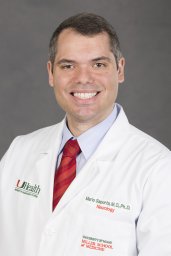 Mario A Saporta合作论文数Dept Neurol, Univ Miami9Reza Sadjadi合作论文数Dept Neurol, Massachusetts Gen Hosp9
 Robert H. Dworkin合作论文数Department of Anesthesiology and Perioperative Medicine, School of Medicine and Dentistry, University of Rochester;Department of Neurology, School of Medicine and Dentistry, University of Rochester9Roy Freeman合作论文数9
 Gyula Acsadi合作论文数9Tanya Stojkovic合作论文数8Tyler Rehbein合作论文数8Menelaos Pipis合作论文数8
 Adriana P Rebelo合作论文数8
 Carly E Siskind合作论文数8
 Jasper Morrow合作论文数Queen Square Institute of Neurology, University College London;National Hospital for Neurology and Neurosurgery, University College London Hospitals NHS Foundation Trust8
 Sindhu Ramchandren合作论文数University of Pennsylvania8Andrea Cortese合作论文数7Riccardo Zuccarino合作论文数7Elizabeth Wood合作论文数7




