This review considers the effect of anthropogenic sound on beaked whales2. Two major conclusions are presented: (1) gas-bubble disease, induced in supersaturated tissue by a behavioural response to acoustic exposure, is a plausible pathologic mechanism for the morbidity and mortality seen in cetaceans associated with sonar exposure and merits further investigation; and (2) current monitoring and mitigation methods for beaked whales are ineffective for detecting these animals and protecting them from adverse sound exposure. In addition, four major research priorities, needed to address information gaps on the impacts of sound on beaked whales, are identified: (1) controlled exposure experiments to assess beaked whale responses to known sound stimuli; (2) investigation of physiology, anatomy, pathobiology and behaviour of beaked whales; (3) assessment of baseline diving behaviour and physiology of beaked whales; and (4) a retrospective review of beaked whale strandings.
We study the vibration modes of a short section in the middle turn of the gerbil cochlea including both longitudinal and radial interstitial fluid spaces between the pillar cells (PC) and the sensory hair cells to determine the role of the interstitial fluid flow within the organ of corti (OoC). Three detailed finite element (FE) models of the cochlear short section (CSS) are studied. In model 1, the CSS is without fluids; model 2 includes the OoC fluid, but not the exterior scalae fluids; and model 3 is the CSS with both scalae and OoC fluids. We find that: (1) the fundamental mode shape of models 1 or 3 is similar to the classical basilar membrane (BM) bending mode that includes pivoting of the arch of corti, and hence determines the low frequency vibrational mode shape of the cochlea in the presence of the cochlear wave. (2) The fundamental mode shape of model 2 is characterized by a cross-sectional shape change similar to the passive response of the cochlea. This mode shape includes a tilting motion of the inner hair cell (IHC) region, a fluid motion within the tunnel of corti (ToC) in the radial direction and along the OoC, and a bulging motion of the reticular lamina (RL) above the outer hair cell (OHC). Each of these motions provides a plausible mode of excitation of the sensory hair cells. (3) The higher vibrational modes of model 1 are similar to the electrically evoked response within the OoC and suggests that the higher vibrational modes are responsible for the active response of the cochlea. We also observed that the fluid flow through the OoC interstitial space is significant, and the model comparison suggests that the OoC fluid contributes to the biphasic BM motion seen in electrical stimulation experiments. The effect of fluid viscosity on cilium deflection was assessed by performing a transient analysis to calculate the cilium shearing gain. The gain values are found to be within the range of experimentally measured values reported by Dallos et al. (1996, The Cochlea, Springer-Verlag, New York).
The presence of forward and reverse traveling wave modes on the basilar membrane has important implications to how the cochlea functions as a filter, transducer, and amplifier of sound. The presence and parameters of traveling waves are of particular importance to interpreting otoacoustic emissions (OAE). OAE are vibrations that propagate out of the cochlea and are measureable as sounds emitted from the tympanic membrane. The interpretation of OAE is a powerful research and clinical diagnostic tool, but OAE use has not reached full potential because the mechanisms of their generation and propagation are not fully understood. Of particular interest and deliberation is whether the emissions propagate as a fluid compression wave or a structural traveling wave. In this study a mechanical probe was used to simulate an OAE generation site and optical imaging was used to measure displacement of the inner hair cell stereocilia of the gerbil cochlea. Inner hair cell stereocilia displacement measurements were made in the radial dimension as a function of their longitudinal location along the length of the basilar membrane in response to a transverse stimulation from the probe. The analysis of the spatial frequency response of the inner hair cell stereocilia at frequencies near the characteristic frequency (CF) of the measurement location suggests that a traveling wave propagates in the cochlear partition simultaneously basal and apical (forward and reverse) from the probe location. The traveling wave velocity was estimated to be 5.9m/s - 8m/s in the base (near CF of 29kHz - 40kHz) and 1.9m/s - 2.4m/s in the second turn (near CF of 2kHz - 3kHz). These results suggest that the cochlear partition is capable of supporting both forward and reverse traveling wave modes generated by a source driving the basilar membrane. This suggests that traveling waves in the cochlear partition contribute to OAE propagation.
At present, there are no direct measures of hearing for any baleen whale (Mysticeti). The most viable alternative to in vivo approaches to simulate the audiogram is through modeling outer, middle, and inner ear functions based on the anatomy and material properties of each component. This paper describes a finite element model of the middle ear for the humpback whale (Megaptera novaeangliae) to calculate the middle ear transfer function (METF) to determine acoustic energy transmission to the cochlea. The model was developed based on high resolution computed tomography imaging and direct anatomical measurements of the middle ear components for this mysticete species. Mechanical properties for the middle ear tissues were determined from experimental measurements and published values. The METF for the humpback whale predicted a better frequency range between approximately 15 Hz and 3 kHz or between 200 Hz and 9 kHz based on two potential stimulation locations. Experimental measures of the ossicular chain, tympanic membrane, and tympanic bone velocities showed frequency response characteristics consistent with the model. The predicted best sensitivity hearing ranges match well with known vocalizations of this species.
Electrically-evoked outer-hair-cell-driven micromechanical motions within the organ of Corti were visualized and quantified using a video stroboscopy system. The resulting radial motions exhibited phase transitions along the radial direction, characteristic of a system that can exhibit multiple modes of vibration. We argue that the interaction of these modes would shape the input to the inner hair cell hair bundles and resulting auditory-nerve response patterns.
Toothed whales (Odontocetes) typically have small occluded ear canals and sea water has a characteristic impedance that is much more similar to the impedance of soft tissues of the head than is the case for the air-tissue interface in terrestrial mammals. This makes it plausible that significant acoustic energy is being transmitted to their middle ear by tissue conduction. In addition, some authors have proposed that sound reaches the cochlea via bone conduction rather than via the tympanic membrane. To address these issues, we have developed a method to measure stapes velocity in response to vibrational stimulation at arbitrary locations on heads and ears harvested from stranded animals. Stapes velocity was measured with a Laser Doppler Velocimeter at the footplate with the cochlea drained. In all species tested, the transfer function of stapes velocity referenced to actuator velocity showed a high-pass characteristic. The corner frequency varied with species and experiment between 4 kHz and 60 kHz. This is similar to what is seen in odontocete audiograms but the cutoff slope is typically steeper than in the audiograms. There was no indication of high frequency cutoff within our measurement range. Disrupting the ossicles and fat bodies affected the transfer functions.
We have developed a stroboscopic imaging technique that can simultaneously measure displacement of different structures in an imaging plane that is approximately parallel to the basilar membrane (BM). A vibrating probe was used to stimulate the basilar membrane and radial and longitudinal displacement were measured in many structures including the inner hair cell hair bundles (IHC) and outer hair cells (OHC) using a cross correlation technique. Magnitude and phase of the motion of different structures measured were compared to each other in the frequency and spatial domains. For frequencies near the characteristic frequency (CF), evidence of traveling waves propagating away from the probe towards both the cochlear apex and base were observed in all preparations and in multiple structures. This was seen as a magnitude that decreased slowly with increased distance from the probe accompanied with linearly decreasing phase. In addition, a longitudinal compressional mode of wave propagation was observed in the OHC motion for frequencies near and above CF.
ABSTRACTIn order to model the hearing capabilities of marine mammals (cetaceans), it is necessary to understand the mechanical properties, such as elastic modulus, of the middle ear bones in these species. Biologically realistic models can be used to investigate the biomechanics of hearing in cetaceans, much of which is currently unknown. In the present study, the elastic moduli of the auditory ossicles (malleus, incus, and stapes) of eight species of cetacean, two baleen whales (mysticete) and six toothed whales (odontocete), were measured using nanoindentation. The two groups of mysticete ossicles overall had lower average elastic moduli (35.2 ± 13.3 GPa and 31.6 ± 6.5 GPa) than the groups of odontocete ossicles (53.3 ± 7.2 GPa to 62.3 ± 4.7 GPa). Interior bone generally had a higher modulus than cortical bone by up to 36%. The effects of freezing and formalin‐fixation on elastic modulus were also investigated, although samples were few and no clear trend could be discerned. The high elastic modulus of the ossicles and the differences in the elastic moduli between mysticetes and odontocetes are likely specializations in the bone for underwater hearing. Anat Rec, 297:892–900, 2014. © 2014 Wiley Periodicals, Inc.
We describe a method to use point-stiffness (PtSt) measurements, i.e., indentation measurements, to obtain elastic moduli of different organ of Corti (OC) tissues. A detailed finite element (FE) model of the OC is used to account for geometric effects in the indentation measurements. We also present a sensitivity analysis, performed within a Bayesian estimation framework, that can be used to improve experimental design. The sensitivity analysis shows that the basilar membrane (BM) PtSt is most sensitive to changes in the BM properties and to changes in the pillar cells (PC) properties. This result suggests that the BM and the PC dominate the macromechanics of the OC. The most likely values of the Young׳s modulus predicted for the middle turn for the BM arcuate, BM pectinate, and the PC are found to be 935KPa (range 640–1360KPa), 300KPa (range 190–460KPa), and 3GPa (range 1–9GPa), respectively.
Many species of large, mysticete whales are known to produce low-frequency communication sounds. These low-frequency sounds are susceptible to communication masking by shipping noise, which also tends to be low frequency in nature. The size of these species makes behavioral assessment of auditory capabilities in controlled, captive environments nearly impossible, and field-based playback experiments are expensive and necessarily limited in scope. Hence, it is desirable to produce a masking model for these species that can aid in determining the potential effects of shipping and other anthropogenic noises on these protected animals. The aim of this study was to build a model that combines a sophisticated representation of the auditory periphery with a spectrogram-based decision stage to predict masking levels. The output of this model can then be combined with a habitat-appropriate propagation model to calculate the potential effects of noise on communication range. For this study, the model was tested on three common North Atlantic right whale communication sounds, both to demonstrate the method and to probe how shipping noise affects the detection of sounds with varying spectral and temporal characteristics.
The fact that wind turbines produce infrasound continues to draw attention and discussion. Some argue that while the infrasound level produced by wind turbines is quite low, it still may be affecting the vestibular system or the hearing system, particularly via activation of the outer hair cells. Others hypothesize that the infrasound may be inducing whole body, chest cavity, or other human organ resonance. In order to study these hypotheses, it is first necessary to be able to recreate the turbine noise signature in a lab environment. Thus, the goal of this work is to create an acoustic system that can produce low-level infrasound. The system requirements include low cost, high fidelity, and imperceptible structural coupling to the lab. In addition, the system must be able to produce a broadband spectrum as well as a single tone. Progress toward the design of this audio system is discussed in this paper.
The fact that wind turbines produce infrasound continues to draw attention and discussion. Some argue that while the infrasound level produced by wind turbines is quite low, it still may be affecting the vestibular system or the hearing system, particularly via activation of the outer hair cells. Others hypothesize that the infrasound may be inducing whole body, chest cavity, or other human organ resonance. In order to study these hypotheses, it is first necessary to be able to recreate the turbine noise signature in a lab environment. Thus the goal of this work is to create an acoustic system that can produce low-level infrasound. The system requirements include low cost, high fidelity, and imperceptible structural coupling to the lab. In addition, the system must be able to produce a broadband spectrum as well as a single tone. Progress towards the design of this audio system is discussed in this paper.
: The goal of this project is to enhance the flexibility and computational efficiency of the ESME Workbench and to work with NUWC-Newport to merge the NAEMO and ESME approaches into the One Navy Model . The One Navy Model is intended to serve as the standard simulation system for use in predicting impacts of anthropogenic sound sources on marine life for environmental compliance purposes. Two versions of the One Navy Model will be created. The first version will designed for use by the US Navy and its subcontractors (classified version) and the second version will have equivalent functionality but will not use data or software codes that are classified or otherwise not available to the general public (unclassified version). After acceptance by NUWC, the features and algorithms in these software packages will remain unchanged during the current permitting cycle for US Navy training exercises while a third version of the simulation software (research version) will continue to evolve.
The impact of anthropogenic sound on marine mammals is difficult to assess, especially for species without available audiograms. There are currently no audiograms for any species of mysticete because of their size and, in many cases, their endangerment status. Consequently, insight into the hearing range of all mysticete species comes from indirect sources such as vocalization recordings. In contrast to mysticetes, several odontocete species have published audiograms.
We use analysis of a realistic three-dimensional finite-element model of the tunnel of Corti (ToC) in the middle turn of the gerbil cochlea tuned to the characteristic frequency (CF) of 4 kHz to show that the anatomical structure of the organ of Corti (OC) is consistent with the hypothesis that the cochlear amplifier functions as a fluid pump. The experimental evidence for the fluid pump is that outer hair cell (OHC) contraction and expansion induce oscillatory flow in the ToC. We show that this oscillatory flow can produce a fluid wave traveling in the ToC and that the outer pillar cells (OPC) do not present a significant barrier to fluid flow into the ToC. The wavelength of the resulting fluid wave launched into the tunnel at the CF is 1.5 mm, which is somewhat longer than the wavelength estimated for the classical traveling wave. This fluid wave propagates at least one wavelength before being significantly attenuated. We also investigated the effect of OPC spacing on fluid flow into the ToC and found that, for physiologically relevant spacing between the OPCs, the impedance estimate is similar to that of the underlying basilar membrane. We conclude that the row of OPCs does not significantly impede fluid exchange between ToC and the space between the row of OPC and the first row of OHC–Dieter’s cells complex, and hence does not lead to excessive power loss. The BM displacement resulting from the fluid pumped into the ToC is significant for motion amplification. Our results support the hypothesis that there is an additional source of longitudinal coupling, provided by the ToC, as required in many non-classical models of the cochlear amplifier.
The lack of baleen whale (Cetacea Mysticeti) audiograms impedes the assessment of the impacts of anthropogenic noise on these animals. Estimates of audiograms, which are difficult to obtain behaviorally or electrophysiologically for baleen whales, can be made by simulating the audiogram as a series of components representing the outer, middle, and inner ear (Rosowski, 1991; Ruggero and Temchin, 2002). The middle-ear portion of the system can be represented by the middle-ear transfer function (METF), a measure of the transmission of acoustic energy from the external ear to the cochlea. An anatomically accurate finite element model of the minke whale (Balaenoptera acutorostrata) middle ear was developed to predict the METF for a mysticete species. The elastic moduli of the auditory ossicles were measured by using nanoindentation. Other mechanical properties were estimated from experimental stiffness measurements or from published values. The METF predicted a best frequency range between approximately 30 Hz and 7.5 kHz or between 100 Hz and 25 kHz depending on stimulation location. Parametric analysis found that the most sensitive parameters are the elastic moduli of the glove finger and joints and the Rayleigh damping stiffness coefficient β. The predicted hearing range matches well with the vocalization range.
The cochlear frequency-place map is believed to be an important determinant of the frequencies that a species can hear as well as the bandwidth of cochlear filters. Both features impact an animal’s ability to detect biologically significant sounds in noise. The cochlear frequency-place map is created in part by a stiffness gradient in the basilar membrane (BM) in which stiff regions respond best to high frequencies and more compliant regions respond best to low frequencies.
The mammalian auditory system is a highly evolved acoustic signal-processing system that performs well even in highly reverberant and cluttered acoustic environments. In cetaceans, the auditory system is even more highly evolved and is generally more important than vision for navigation, foraging, and social communication. As humans inject more and more acoustic energy into the marine environment, these important acoustic functions may become compromised. Unfortunately, little is known about the hearing capabilities of many marine species in quiet and much less is known about the impact of anthropogenic sounds that could mask biologically significant signals.
The Effects of Sound in the Marine Environment (ESME) Workbench (http://esme.bu.edu) is a software tool designed to predict the impact of anthropogenic sounds on marine mammals. The ESME Workbench allows the user to select site-specific environmental data such as bathymetry, sound-speed profiles, sediment type, and average wind speed to predict sound propagation in a wide range of scenarios and to record the sound exposures received by virtual animals. The Workbench provides access to raw exposure information as well as summarized exposure information at the end of the simulation run. These data are made available in formats suitable for postprocessing utilizing a variety of data analysis tools.
In this study we investigated a hydromechanical model of the cochlea in order to study the possible effects and relative contributions of stereocilia forces and somatic electromotility in outer hair cells (OHC) to cochlear amplification. The cochlear complex is modeled by a multi-compartmental model and the tectorial membrane (TM) is modeled by an untuned transmission line and these couple into each other to contribute to basilar membrane (BM) movement. The motivation behind this model was the experimental observation of traveling waves on the TM. In the absence of the model's somatic forces, we can cause stereocilia forces alone to only generate a small increase in the BM to stapes velocity ratio relative to when both sources are present. This indicates that the somatic motility is the main contributor to cochlear amplification in this model. However, when somatic forces are present, the stereociliary forces, otherwise ineffectual, can contribute substantially to cochlear amplification.
 A. E. Hubbard合作论文数Department of Electrical, Computer and Systems Engineering, Boston University53
 Darlene Ketten合作论文数Biology Department, Woods Hole Oceanographic Institution;Department of Biomedical Engineering, Boston University;Hearing Research Center, Boston University19
 Aleks Zosuls合作论文数17C. Daniel Geisler合作论文数11Hh Nakajima合作论文数8
 Elizabeth S. Olson合作论文数Vagelos College of Physicians & Surgeons, Columbia University Irving Medical Center;Fowler Memorial Laboratory, Columbia University6
 Jelle Atema合作论文数Biology Dept., Woods Hole Oceanographic Institution;Department of Biology, Boston University6Shuwan Xue合作论文数6Frank W. Grasso合作论文数6
 Andrew Tubelli合作论文数Boston University5Consi Thomas R合作论文数5
 Socrates Deligeorges合作论文数5
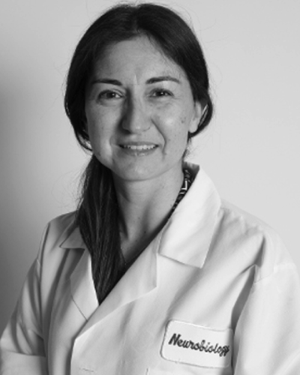 K. Domenica Karavitaki合作论文数5AR CODY合作论文数5
 Houser Dorian S合作论文数Natl Marine Mammal Fdn4
 Michael B. Porter合作论文数4
 Martin Siderius合作论文数Science Applications Int4Zagadou Brissi Franck合作论文数3Dolphin, W.F.合作论文数3
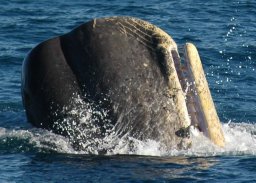 Brian S. Miller合作论文数Australian Antarctic Division, Australian Marine Mammal Centre3
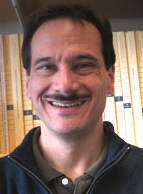 Paul E. Barbone合作论文数Department of Mechanical Engineering, Boston University;Division of Material Science & Engineering, Boston University3
 Laura Rupprecht合作论文数3Ram C. Naidu合作论文数3
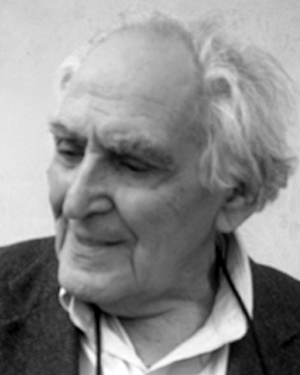 Howard I. Cohen合作论文数3Cameron Morland合作论文数3Sarah Kelsall合作论文数2tyler gore合作论文数2leah ziphschatzberg合作论文数2a ravindran合作论文数2
 Andrew Brughera合作论文数Dept Biomed Engn, Boston Univ2Aleksandrs Zosuls合作论文数2shan lu合作论文数2Dolphin W F合作论文数2Anderson David合作论文数2Fangyi Chen (陈放怡)合作论文数2
 John J. Guinan合作论文数Department of Otolaryngology, Harvard Medical School, Harvard University;Eaton-Peabody Laboratories, Massachusetts Eye and Ear2T.A. Mcmullen合作论文数2
 Sheryl Grace合作论文数Department of Aerospace and Mechanical Engineering, Boston University2Yirong Pu合作论文数2J. Spisak合作论文数2Mark Zagaeski合作论文数2
 Christian Karl合作论文数2T. Rowles合作论文数1EL LEPAGE合作论文数1PD Jepson合作论文数1Debra L. Palka合作论文数1frank w grasso合作论文数1
 Matthew Cross合作论文数1marianne nourzad合作论文数1




