PURPOSE:Although definitive chemoradiation therapy (CRT) with 5-fluorouracil (5-FU) and mitomycin-C (MMC) (5-FU/MMC) remains the standard of care for localized anal cancer, treatment is associated with significant acute and late toxicity. Proton radiation therapy (RT) may potentially reduce such toxicity. Here, we assess the long-term outcomes of patients with anal cancer treated with CRT using proton RT in 2 prospective pilot studies. METHODS AND MATERIALS:Patients with stage I to III anal cancer treated with proton RT (pencil beam scanning or intensity modulated proton therapy) per Radiation Therapy Oncology Group (RTOG) 0529 dose schema with concurrent 5-FU/MMC (2 cycles) in 2 prospective, single-arm trials were followed. Locoregional failure, distant metastases, colostomy-free survival, disease-free survival, and overall survival were assessed. Physician-graded late toxicity (>90 days from CRT) was assessed per National Cancer Institute Common Terminology Criteria for Adverse Events version 4. Late toxicities were compared with RTOG 0529 via Fisher exact test. Patient-reported outcomes were analyzed. RESULTS:Between 2013 and 2020, 39 patients were treated; 37 (95%) patients completed treatment per protocol. The median follow-up was 63 months. The 5-year locoregional failure, distant metastases, colostomy-free survival, disease-free survival, and overall survival were 21%, 19%, 72%, 69%, and 75%, respectively. The worst late treatment toxicities were grade 1 in 38%, grade 2 in 24%, grade 3 in 19%, grade 4 in 3%, and no grade 5. Compared to RTOG 0529, rates of overall grade 2+ late toxicities were significantly lower (46% vs 75%, P = .01), attributed to lower dermatologic toxicities (0% vs 25%, P < .01), but there was no significant difference in overall grade 3+ toxicities (22% vs 20%, P = 1.00). No statistically significant correlations between organ-at-risk dosimetry and late toxicities were noted. Available patient-reported outcomes demonstrated that significant proportion of patients had persistent gastrointestinal symptoms at long term. CONCLUSIONS:Definitive CRT with proton RT with concurrent 5-FU/MMC for the treatment of anal cancer resulted in comparable long-term disease control and grade 3+ late toxicities compared to RTOG 0529. Future studies should evaluate additional measures to minimize treatment toxicity and subsets of patients who are most likely to benefit from proton RT.
Among patients with metastatic MSS CRC treated with ICIs and RT in two phase 2 studies, ORR, DCR, and OS are significantly higher in patients without liver metastases. Liver-directed RT may improve ICI efficacy and OS in patients with liver metastases. Further analysis of PFS and prospective study of ICIs with comprehensive liver-directed RT are warranted.
Background: Whether administration of neoadjuvant therapy (NAT) followed by surgical resection in elderly patients with pancreatic ductal adenocarcinoma (PDAC) is safe and effective is unknown. In this study, we aimed to evaluate the safety and efficacy of NAT in patients with PDAC aged ≥75 years.
Purpose/Objective(s) We previously reported the feasibility and early efficacy of neoadjuvant FOLFIRINOX followed by CRT for gastric and gastroesophageal junction (GEJ) adenocarcinoma. However, response to neoadjuvant therapies in these cancers is heterogenous and response biomarkers are needed. We previously identified candidate blood inflammatory and angiogenesis biomarkers in gastric and GEJ adenocarcinoma patients. Here, we investigated circulating inflammatory and angiogenesis cytokines as biomarkers of response to neoadjuvant chemoradiation. Materials/Methods We enrolled patients on an NCI-sponsored, prospective, single arm study (NCT03279237). Key eligibility criteria included: histologically confirmed T3/4 or lymph node (LN) positive gastric or GEJ adenocarcinoma, and ECOG PS ≤1. Extensive LN disease beyond the surgical field (supraclavicular or para-aortic) was permitted if deemed able to be encompassed within the radiotherapy field. Patients received neoadjuvant FOLFIRINOX x 8 cycles, restaging, CRT (45 Gy for gastric, 50.4 Gy for GEJ) with concurrent C/T, restaging, followed by surgical resection. We collected blood samples at baseline and at pre-defined time-points during chemoradiation, including C1D1, C1D8, restaging, and at time of disease progression. For this analysis, we measured baseline levels of proinflammatory markers, including IFN-ɣ, IL-10, IL-12p70, IL-4, IL-6, IL-8, and TNF-α; growth factors and soluble receptors including bFGF, sFLT1, PlGF, VEGF-A, VEGF-C, VEGF-D; HGF, TGF-β, and Ang-2. Baseline biomarker levels were correlated with clinical endpoints: pathologic complete response (pCR) and progression-free survival (PFS). Given the exploratory nature of this analysis, p≤0.10 was considered statistically significant. Results From October 2017 to June 2018, 25 pts were enrolled, with baseline assays available on 24 pts. With a median follow up of 43.1 months (range: 36.6-50.2), there were 7 patients who had a pCR, 11 patients with disease progression, and 11 patients who have died. In our initial exploratory analysis, none of the candidate biomarkers was different between patients who showed a pCR after chemoradiation versus those who did not (p-value: range 0.28-1.00). However, we found that a plasma TNF-α level above median was associated with worse PFS rates at 12 months (42% versus 83%) and at 24 months (33% versus 75%) (n=12, p=0.06). Conclusion Prior studies have suggested associations between inflammation biomarkers and outcomes. Among patients with gastroesophageal adenocarcinoma treated with total neoadjuvant therapy, higher baseline of circulating TNF-α may be associated with worse PFS. Further exploration of TNF-a as a biomarker or therapeutic target in model systems may be warranted to further understand our observations.
While combinations of BRAF inhibitors with EGFR and/or MEK inhibitors have improved efficacy in BRAFV600E colorectal cancer (CRC), response rates remain low and durability is limited. Preclinical and correlative studies suggest that targeting BRAF signaling in combination with immune checkpoint inhibition (ICI) could enhance activity.
Purpose/Objective(s) To report the long-term outcomes of a prospective, multi-institutional phase II trial of hypofractionated proton beam therapy for hepatocellular carcinoma (HCC) and intrahepatic cholangiocarcinoma (ICC). Materials/Methods This single-arm, phase II, multi-institutional study enrolled 92 patients with localized, unresectable, biopsy-confirmed HCC or ICC with a Child-Turcotte-Pugh score (CTP) of A or B, and ECOG performance status of 0 to 2, to receive proton radiotherapy to a maximum dose of 67.5 GyRBE in 15 fractions. Overall survival (OS) and progression-free survival (PFS) rates were estimated using the Kaplan-Meier method. Results The patient characteristics, treatment techniques, and two-year outcomes have been previously reported on the 83 evaluable patients in this trial, including 44 with HCC and 39 with ICC who at that time had a median follow-up of 19.5 months. This updated analysis includes a median follow-up of 60.8 months (range 10.3–121.5) and 45.9 months (range 31.1–49.5) among the survivors with HCC and ICC, respectively. For those with HCC, the 5-year OS rate was 25.9% (95% CI 0.13-0.40), with a median OS of 29.2 months. For those with ICC, the 5-year OS rate was 12.3% (95% CI 0.03–0.27), with a median OS of 20.8 months. The 5-year PFS rate was 23.4% (95% CI 0.092-0.41) in HCC and 11.0% (95% CI 0.030-0.25) in ICC. As previously reported, two patients (6.8%) with HCC recurred locally, both within 2 years of treatment, and there were no further local failures. Among the patients with ICC, only one additional local failure occurred, for a total of 7/39 patients (17.9%), with a median time to recurrence of 26.1 months (range 5.5–42.3 months). All patients with local failure had CTP A scores, with a median tumor size of 5.8 cm (range 3.5–7.6 cm). The median radiation dose received by those who had a local recurrence was 58.0 GyRBE (range 45.0–67.5). Local failures occurred in 12.3% (7/57) of patients who received a BED less than 80.5 Gy and in 7.7% (2/26) of those who received a BED greater than 80.5 Gy. Distant failures, including intrahepatic non-local failures, occurred in 56.8% (25/44) of patients with HCC with a median time to progression of 10.2 months (range 2.7–63.6). In those with ICC, distant failures occurred in 61.5% of patients (24/39), with a median time to progression of 5.8 months (range 0.4–68.4). There were no grade 3 or greater late toxicities, including no late biliary toxicity. Conclusion Hypofractionated proton beam therapy is associated with durable, high rates of local control for both HCC and ICC, however, distant failures are common and remain a challenge. There were no significant late adverse effects, including no late biliary obstruction. Future strategies to incorporate radiation and systemic therapies, including immunotherapy, should be explored to further improve the long-term outcomes of HCC and ICC.
Approximately 30% of patients who underwent neoadjuvant chemoradiation for PDAC developed PVT/SMVT a median of 10 months following surgery. This was significantly associated with local recurrence and vascular resection with reconstruction with vascular grafts, but not with escalating RT dose. PVT/SMVT in the absence of LR was associated with significant morbidity.
RT related pelvic insufficiency fractures and LE edema are rare after chemoradiation to the pelvis, and often are incidental findings appreciated radiographically. IMRT/VMAT may be associated with higher risk of pelvic insufficiency fractures.
In our phase IB study, the MTD dose of TAS-102 with concurrent liver RT is expected to be 30 mg/m. A phase II study is subsequently planned.
While chemoradiation (CRT) induced lymphopenia is common and associated with poorer survival in multiple solid malignancies, little data exists for anal cancer. The objectives of our study were: 1) to characterize CRT-related lymphopenia, 2) to identify predictors of lymphopenia, and 3) to assess the prognostic impact of lymphopenia in patients with anal cancer. We hypothesized that at least a subset of patients undergoing CRT will develop lymphopenia and that severe, persistent lymphopenia will correlate with worse survival. The inclusion criteria for this single-institution retrospective study were: 1) biopsy-proven diagnosis of localized anal squamous cell carcinoma, 2) receipt of definitive CRT at our institution, and 3) total lymphocyte count (TLC) available prior to and two months after initiating CRT. In general, CRT consisted of 5-fluorouracil (5FU)/mitomycin C (MMC) and RT per RTOG 0529. Lymphopenia was graded according to CTCAE v5.0. The primary variable of interest was lymphopenia at two months, dichotomized by TLC of <0.2k/μl (G4 lymphopenia). Logistic regression was used to identify variables associated with lymphopenia. The primary endpoint was overall survival (OS). Cox modeling and Kaplan-Meier methods were used to perform survival analyses. A total of 140 patients were identified. The median follow-up was 55 months and median age was 61. Sixty-seven percent were female, 94% were Caucasian, and 94% had ECOG ≤1. Fifty-three percent had T3/4 or node positive disease. Ninety-five percent had a normal baseline TLC >1 k/μl. Two months after initiating CRT, 84% had lymphopenia: G1 in 11%, G2 in 31%, G3 in 34%, and G4 in 8%. On univariable logistic regression, G4 lymphopenia at two months was associated with ECOG >1 (OR = 6.29, p = 0.046), lower baseline TLC (OR = 6.90, p = 0.016), longer duration of CRT (OR = 1.21, p = 0.003), and greater percentage of iliac wing receiving 30 Gy (OR = 1.07, p = 0.060) and 40 Gy (OR = 1.07, p = 0.071). On univariable Cox analysis for OS, G4 lymphopenia (HR = 5.33, p = 0.001), lower baseline hemoglobin (HR = 1.34, p = 0.008), and total RT dose to the primary tumor >50.4 Gy (HR = 2.63, p = 0.034) were associated with worse OS. On multivariable Cox model, only G4 lymphopenia at two months remained significantly associated with OS (HR = 3.73, p = 0.013). The 5-year OS was 32% vs. 86% in the cohort with vs. without G4 lymphopenia, respectively (log-rank p<0.001). CRT-related lymphopenia is common and severe, persistent lymphopenia may be a prognostic marker of poorer survival in anal cancer. Closer observation in high-risk patients and minimization of CRT time and pelvic bone irradiation are potential approaches to mitigating CRT-related lymphopenia. Moreover, our findings suggest an important role of the host immunity in anal cancer outcomes, supporting the ongoing efforts of immunotherapy trials in anal cancer.
Neoadjuvant CRT for locally advanced rectal cancer results in variable pathologic complete response (pCR) rates that may be in part genomically determined. Prior preclinical and clinical data established KRAS/TP53 mutations (mut) as biomarkers of radiation resistance. Lab data suggested that KRAS mut tumors may be preferentially radiosensitized by midostaurin, an oral multi-target tyrosine kinase inhibitor that is FDA-approved for FLT3-mutated leukemia. Using pre- and post-treatment samples from a phase Ib trial of midostaurin + neoadjuvant CRT (mCRT), we assessed the evolution of somatic mutations over the course of treatment and identified molecular determinants of responsiveness. Patients with locally advanced (T3/T4 or N+, M0) rectal adenocarcinoma were enrolled on an IRB-approved protocol (clinicaltrials.gov registered). Neoadjuvant fluoropyrimidine-based mCRT (50.4 Gy) was administered with midostaurin dosed according to a 3+3 dose escalation study design. The MTD for midostaurin was previously reported as 75 mg BID. Total mesorectal excision (TME) was performed at 6-9 weeks post-treatment. DNA was extracted from FFPE samples and whole exome sequencing was performed on pre/post-treatment tumor and matched germline DNA. Data were analyzed by standard mutation analysis pipelines to determine tumor purity and identify somatic mutations, insertion/deletions, and copy number variations. From 10/2011 to 11/2016, 19 patients were enrolled (median age 53 years, 84.2% female, 73.6% stage III), all of whom completed mCRT + TME. Eight patients were classified as non-responders (NR) while 11 patients were partial (n = 8) or complete responders (n = 3) (R). FFPE samples from 17 patients were successfully sequenced and passed quality control metrics (7 NR, 10 R). Mean somatic tumor mutational burden pre- and post-mCRT was 6.7 (range, 3.3-24.3) and 4.8 (range, 0.8-15.4) mutations/MB, respectively. Exploratory comparison of mutational profiles pre- and post-treatment supported varied models of evolutionary pressure and subclonal selection in response to mCRT. Unexpectedly, of 4 KRAS mut tumors (2 with concurrent TP53 mut), 3 were in the R group, and the only NR had no KRAS mut identified in the post-treatment sample, suggesting selection against KRAS mut subclones during treatment. Further molecular analyses supported broad trends in the evolution of putative molecular subclones over the course of treatment with respect to major colorectal cancer driver pathways, including RTK/RAS, PI3K/AKT, WNT/APC, TGFb/EMT. Data suggest successful clinical translation of a KRAS-targeted treatment approach. Future personalized treatment approaches may be informed by a better understanding of tumor evolution in response to treatment.
Clinical trials establishing novel treatment paradigms in pancreatic cancer largely focus on younger patients (pts), often excluding and underrepresenting the growing geriatric oncology population. This disparity creates uncertainty regarding the optimal treatment for older adults with cancer, which represents an ever-increasing number. We sought to describe patterns of care and outcomes for older and younger pts with non-metastatic pancreatic cancer. We conducted a retrospective review of prospectively collected data from a multidisciplinary clinic at a high-volume cancer center. The dataset includes clinical records for pts with pancreatic cancer consenting to one of the biobanking or chart review protocols from 2014-2019. We excluded pts with metastatic disease at presentation, incomplete/unknown staging, or those currently enrolled in an unpublished clinical trial. We used descriptive statistics and regression models to describe differences between older (age 70+) and younger (age <70) pts for outcomes including receipt of upfront FOLFIRINOX chemotherapy, surgical resection, and overall survival. Three hundred and eighty-three pts met inclusion criteria and were included in the study. Of these, 126 pts (33%) were age 70+ and 257 (67%) were < 70. Cases were categorized as resectable (34.7%), borderline resectable (17.2%), or locally advanced pancreatic cancer (LAPC, including unresectable disease; 48.1%). For pts with borderline resectable and LAPC receiving neoadjuvant therapy, older pts were significantly less likely to receive upfront FOLFIRINOX chemotherapy (68% vs 89%, p<0.0001) and more likely to receive upfront gemcitabine/abraxane (22% vs. 5%, p<0.0001). For pts with upfront resectable disease, there was no significant difference by age (older vs younger) between rates of upfront surgical resection (89% vs. 97%, p = 0.12) or neoadjuvant therapy (19% vs 20%, p = 0.87). Among pts who received neoadjuvant chemotherapy, we found no significant difference between older and younger pts regarding rates of surgical resection (57% vs 64%; p = 0.27). For all pts from time of diagnosis, regardless of whether they made it to surgery, older pts had lower median survival (31 months vs 40 months) and lower overall survival than younger patients (log-rank p = 0.02). Yet, among those who received neoadjuvant therapy (FOLFIRINOX or gemcitabine/abraxane) followed by surgery, we found no survival differences between older and younger pts, median survival of 41 months vs 44 months (log-rank p = 0.41). In this study of pts with non-metastatic pancreatic cancer, older pts were less likely to receive upfront FOLFIRINOX in favor of gemcitabine/abraxane. Despite this, older pts were just as likely to undergo surgical resection and those who received upfront FOLFIRINOX or gemcitabine/abraxane experienced similar outcomes to younger pts. Additional work to better understand these age disparities is critically needed.
The optimal timing of chemoradiotherapy (CRT) in patients with gastric cancer remains unclear. We sought to compare the survival outcomes between neoadjuvant CRT (NCRT) vs. postoperative CRT (postCRT) in patients with gastric cancer. We hypothesized that NCRT would be associated with better survival compared to postCRT. We retrospectively reviewed patients with gastroesophageal junction (GEJ) or gastric adenocarcinoma who underwent surgical resection and NCRT or postCRT between 2005-2017 at a single institution. Clinical parameters such as sex, age, performance status, histology, stage, surgical outcomes, chemotherapy (CTX), and radiotherapy (RT) regimen were analyzed. CRT-related toxicity was graded according to CTCAE v5.0. The primary endpoint was overall survival (OS), assessed from the time of diagnosis. Survival analysis was conducted using Cox proportional hazards regression and Kaplan Meier estimates. We identified 152 patients, and median follow-up was 37.5 months. Median age was 63. 77% were male. 93% had an ECOG <2. Tumor location was gastroesophageal junction (GEJ) in 58% and gastric in 42%. Clinical stage was mostly II (44%) or III (44%). 102 (67%) patients underwent NCRT while 50 (33%) underwent postCRT. Patients who received NCRT were more likely to be male (83% vs. 64%; p = 0.013) and have a GEJ tumor (76% vs. 22%, p<0.001), greater number of involved lymph nodes (median 1 vs. 0; p = 0.005), and higher clinical stage (p = 0.002). Median RT dose was 50.4 Gy for neoadjuvant RT and 45.0 Gy for postoperative RT (p<0.001). Concurrent CTX was carboplatin/taxol (47%), cisplatin/fluorouracil (FU; 17%), or FOLFOX (folinic acid/FU/oxaliplatin; 14%) in the neoadjuvant setting and single-agent with FU (86%) in the postoperative setting (p<0.001). The NCRT group had a pathologic complete response (pCR) rate of 26% and had greater rate of R0 resection compared to the postCRT group (95% vs. 76%; p = 0.002). NCRT vs. postCRT was associated with a lower rate of any Grade 3 or higher toxicity (10% vs. 54%; p<0.001). Only 1% had treatment break(s) in the NCRT setting vs. 10% in the postCRT setting (p = 0.015). On multivariable analysis of OS, NCRT vs. postCRT (HR = 0.57 [95% CI 0.36-0.91]; p = 0.020) and R0 resection (HR = 0.50 [95% CI 0.27-0.90]; p = 0.021) were independently associated with lower hazards of death. The estimated 5-year OS was 67% (95% CI 0.55-0.76) in the NCRT group vs. 40% (95% CI 0.26-0.54) in the postCRT group (log-rank p = 0.003). NCRT was associated with a higher rate of R0 resection and longer OS with a lower toxicity compared to postCRT. Our findings suggest NCRT is superior to postCRT and support randomized trials to establish the optimal timing of CRT in gastric cancer.
External beam radiation therapy (EBRT) may be considered as an alternative local therapy in patients with unresectable pancreatic cancer (PDAC), however ablative doses are limited by nearby sensitive gastrointestinal organs. Recent studies have explored dose escalation strategies including pancreatic SBRT and MRI-Linac based treatment. At our institution, we have integrated intraoperative radiation (IORT) as a dose escalation strategy to deliver additional dose while sparing nearby organs. In this study, we seek to determine whether dose escalation via IORT may confer a survival benefit among patients with unresectable PDAC. We conducted a single-institution retrospective analysis of patients with unresectable PDAC treated between 2011 and 2019 to compare the impact of dose escalation with IORT after chemoradiation on overall survival (OS). All eligible patients had unresected pancreatic adenocarcinoma treated with neoadjuvant FOLFIRINOX followed by conventional or SBRT with or without IORT. Patients were excluded if found to have metastatic disease following chemoradiation on restaging studies or intraoperatively. The primary outcome, overall survival (OS), was calculated from the start of EBRT and was modeled using Cox regression with covariates of ECOG performance status (PS), age, and EBRT dose. Additionally, overall treatment time with IORT was evaluated using a Cox regression with ECOG performance status and age. There were 92 eligible patients with a median follow-up of 12.1 months. The median age was 65 (range: 37-84), 55% (51/92) were male, and the median number of neoadjuvant chemotherapy cycles was 8. Following chemoradiation, 53 (57.6%) patients proceeded to IORT. There were no differences between those treated with or without IORT with regards to age, gender, ECOG performance status, or biologically effective dose (BED) of EBRT. The median BED of EBRT alone was 71.15 (range: 37.5 - 96.97) while for those that also received IORT was 71.15 (range: 37.5 - 72.0) for the EBRT course and 37.5 (range: 20 – 45.9) for the IORT course. For those that received IORT, median time from the start of EBRT to IORT was 3.1 months (range: 1.1 – 4.5). IORT was associated with improved OS with a hazard ratio of .48; (95% confidence interval .30 - .77; P = .003), adjusting for ECOG PS, age and EBRT dose. The median OS with and without IORT was 15.1 and 9.3 months, respectively. Among those that received IORT, OS was not associated with overall treatment time, ECOG PS, or age (P = .38, .06, and .27). In the era of FOLFIRINOX, dose escalation strategies including IORT and MRI-based SBRT that allow for higher BED may yield improved survival. Our findings support ongoing prospective trials investigating the use of combining EBRT and IORT in the setting of unresectable disease (NCT04090463).
Philanthropic support is an important source of funding in academic oncology, often substantially supplementing federal support for biomedical research. Previous studies have shown that gender disparities exist in medical promotions and leadership, as well as federal grant funding. However, to our knowledge, this is the first study of gender disparities in philanthropic fundraising. We hypothesize that women oncologists receive less philanthropic support than men oncologists. We queried the internal institutional development office database at a large academic cancer center for total amounts of philanthropic funds from the past 10 years as evaluated by donations into an individual principal investigators' sundry fund. Types of donations, including individual, corporate/foundation, estate/trust, and miscellaneous, as well as total fundraising amounts for medical and radiation oncologists hired prior to 2017 were obtained. Publicly-available data on physician rank, gender, and specialty was also obtained. 121 physicians were identified. 82% were medical oncologists and 18% were radiation oncologists. 64% were men and 36% were women. 29% of men were instructors/lecturers, 30% were assistant professors, 17% were associate professors, and 25% were full professors; while 52% of women were instructors/lecturers, 18% were assistant professors, 18% were associate professors, and 11% were full professors. Men were significantly more likely than women to receive donations (73% versus 52%, p = 0.019). Men were more likely to receive every type of donation, and a higher number of every type, with overall median of 51 (range 0 – 5,982) versus 1 (range 0 – 7,409, p = 0.002). Men also had significantly higher median total fundraising, of $259,474 (range $0 - $29,507,784) versus $17,505 (range $0 - $7,483,726, p = 0.022). In the subset that received donations, gender did not correlate with total fundraising amount, but men received significantly more donations, with median of 185 (range 1 – 5,982) versus 14 (range 1- 7,409, p = 0.023). This was driven by individual donations to men (median 176, range 0 – 5,477, versus 12, range 0 – 6,717, p-0.028) as there were no significant differences in other donation types by gender. In our study of philanthropic fundraising by medical and radiation oncologists at a large academic cancer center, we found significant gender disparities in likelihood of receiving philanthropic donations of every kind, particularly from individuals, but also from corporations, and estates or trusts. Men were more likely to receive such donations and receive more donations, as well as raise more philanthropic funds. These data are limited as they are only representative of a single institution but suggest a need for further exploration and focused interventions to improve philanthropic fundraising among oncologists.
There is growing interest in the benefit of total neoadjuvant therapy (TNT) for a variety of gastrointestinal malignancies. The purpose of this study was to compare the clinical outcomes of TNT vs. neoadjuvant chemoradiotherapy (NCRT) in gastric cancer. We hypothesized that TNT would be associated with better disease control compared to NCRT. A retrospective analysis was performed for patients with gastric cancer treated with TNT or NCRT between 2005-2017 at a single academic institution. Gastroesophageal junction (GEJ) and gastric adenocarcinomas were included. The endpoints were progression free survival (PFS) and overall survival (OS). Cox proportional hazards regression and Kaplan Meier estimates were used for survival analyses. We identified 102 patients for analysis. Median follow-up was 45.9 months. Median age was 63. 83% were male and 91% had an ECOG 0-1. Tumor location was GEJ in 75% and gastric in 25%. 37 (36%) patients underwent TNT while 65 (64%) underwent NCRT. Patients who received TNT were more likely to have gastric vs. GEJ tumors (57% vs. 6%; p<0.001) and clinical stage >2 (71% vs. 45%; p = 0.020). Median RT dose was 45 Gy for the TNT group vs. 50.4 Gy for the NCRT group (p = 0.005). Chemotherapy (CXT) during chemoradiotherapy (CRT) for the TNT group was mostly FU (38%), FOLFOX (38%), or capecitabine (22%), while for the NCRT group, it was carboplatin/paclitaxel (72%) or cisplatin/FU (26%; p<0.001). CXT prior to CRT in the TNT group was mainly FOLFOX (92%). Between TNT vs. NCRT, there was no significant difference in any Grade 3+ treatment toxicity (11% vs. 8%; p = 0.744). There were no significant differences in pathologic complete response (30% vs. 23%; p = 0.490) and R0 resection (97% vs. 94%; p = 0.656). On univariable analysis (UVA) of PFS, TNT vs. NCRT (HR = 0.41 [95% CI 0.20-0.87]; p = 0.020), pathologic stage (pStage) II (HR = 0.24 [95% CI 0.08-0.76]; p = 0.015), pStage III (HR = 0.15 [95% CI 0.05-0.45]; p = 0.001), and R0 resection (HR = 0.38 [95% CI 0.15-0.97]; p = 0.043) were significantly associated with better PFS. On multivariable analysis of PFS, TNT vs. NCRT (HR = 0.31 [95% CI 0.14-0.69]; p = 0.004), pStage II (HR = 0.20 [95% CI 0.06-0.65]; p = 0.007), and pStage III (HR = 0.13 [95% CI 0.04-0.43]; p = 0.001) remained significant. On UVA for OS, R0 resection was significantly associated with better OS (HR = 0.33 [95% CI 0.12-0.96]; p = 0.042) and TNT vs. NCRT trended toward significant association (HR = 0.47 [95% CI 0.20-1.08]; p = 0.076). The 2-year PFS was superior in the TNT group at 86% vs. 61% in the NCRT group (log rank p = 0.016). The 2-year OS in the TNT group was 84% vs. 80% in the NCRT group (log rank p = 0.069). Compared to NCRT, TNT was associated with improved PFS without additional treatment toxicity. Our findings suggest CTX prior to NCRT may provide a PFS benefit in gastric cancer with a trend towards improved OS.
While combinations of BRAF inhibitors with EGFR and/or MEK inhibitors have improved efficacy in BRAFV600E colorectal cancer (CRC), response rates remain low and durability is limited. Preclinical and correlative studies suggest that targeting BRAF signaling in combination with immune checkpoint inhibition could enhance activity.
Metastatic pancreatic ductal adenocarcinoma (mPDAC) carries a poor prognosis, with median survival (MS) of 6-11 months. However, with more effective multi-agent chemotherapy (CTX) regimens, there has been increasing debate regarding potential role of local therapy. We aim to report our experience of radiation therapy (RT) delivered to the primary in the setting of mPDAC, hypothesizing that in select patients, RT may offer improved survival and time off chemotherapy (TOC). An IRB-approved retrospective analysis of 44 patients with mPDAC who received pancreas RT between November 2007 and August 2018 was performed. Indications for RT were: "symptom palliation" (n=13, 30%), "consolidative RT" after response in metastases (n=29, 66%), or both (n=2, 5%). Of "consolidative RT" patients, 21 (48%) were treated after response of primary and metastases, and 10 (23%) for local progression. 38 patients (86%) received CTX prior to RT (median 1 line, 76% FOLFOX/FOLFIRINOX, 27% gemcitabine); 6 received upfront RT for symptom palliation. Median RT dose was 50.4 Gy (range: 25-58.8 Gy) with concurrent 5-FU/capecitabine; 2 patients received SBRT. Clinical and treatment characteristics were reviewed. Statistical analyses were performed using JMP 14.0 (SAS Institute Inc., Cary, NC). Kaplan-Meier calculations and univariate (UVA) and multivariate (MVA) Cox proportional hazards models were used to evaluate TOC and survival after RT. Median follow-up was 18 months (Range: 1-66). Median age was 61 (range: 40-81) with 55% male and 77% ECOG 0-1. 77% had 1 metastatic site; 57% had liver metastases, with liver as only site in 43%. Median time from diagnosis to RT start was 8.5 months (range: 0-49 months). 5 patients (11%) underwent surgical resection of primary after RT. MS from diagnosis was 20 (CI: 15-27) months; MS from RT completion was 7.6 (CI: 5.1–10.8) months. 68% had local control of primary. Median TOC was 3.9 (CI 2.1 – 10.4) months, with 27% off for 6 months. On UVA, better performance status, FOLFIRINOX, surgery, CTX-responsive metastases at RT start, CTX-responsive primary at RT start, normal CA 19-9 at RT start and consolidative RT indication were associated with improved survival from RT. On MVA, only CA19-9 elevation at RT start was predictive of survival (HR 5.13; CI 1.60-22.14, p=0.0062). On UVA for TOC, prior FOLFIRINOX, CTX-responsive primary at RT start, and consolidative RT indication were associated with TOC. On MVA, only CTX-responsive primary at RT start was associated with more TOC (HR 0.38; CI 0.15-0.96, p=0.0408). Despite the systemic nature of metastatic PDAC, RT to the pancreatic primary may offer benefit in highly selected patients with chemo-responsive disease and normal pretreatment CA 19-9. This work suggests a potential role of local RT in selected patients with metastatic PDAC, and warrants further study.
 Theodore Hong合作论文数Tucker Gosnell Center for Gastrointestinal Cancers, Massachusetts General Hospital;Harvard Medical School32
 Jill Allen合作论文数Stereotyping and Objectification Action Research Lab, Drake University;Department of Psychology and Neuroscience, College of Arts & Sciences, Drake University24
 Jeffrey Clark合作论文数Mass General Cancer Center, Massachusetts General Hospital;Harvard Medical School23
 Lawrence Blaszkowsky合作论文数Mass General Cancer Center, Newton-Wellesley Hospital;Massachusetts General Hospital19
 Jennifer Wo合作论文数Mass General Research Institute, Massachusetts General Hospital;Harvard Medical School18
 Parikh Aparna R合作论文数Department of Medicine, University of California San Francisco16Daniel P. Doody合作论文数Harvard Medical School, Boston, MA USA.14
 Andrew X. Zhu (朱秀轩)合作论文数Jiahui International Cancer Center, Jiahui International Hospital (Shanghai)13
 Cristina Ferrone合作论文数Department of Surgery, Cedars-Sinai Medical Center;Division of General and GI Surgery, Department of Surgery, Massachusetts General Hospital10
 Colin Weekes合作论文数Mass General Research Institute, Massachusetts General Hospital;Harvard Medical School;University of Colorado Health Sciences Center10Drapek Lorraine C合作论文数10
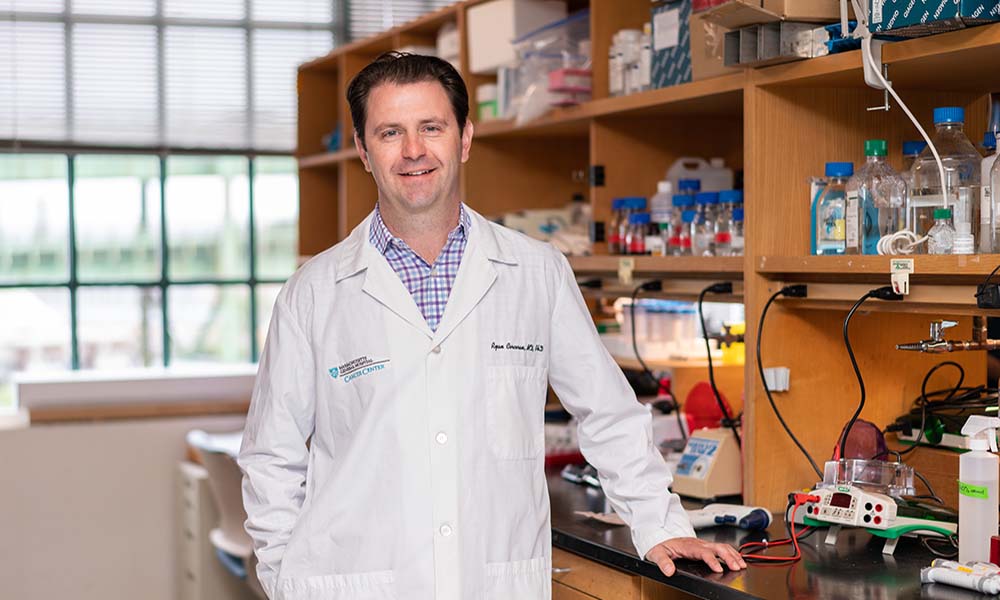 Ryan B. Corcoran合作论文数Department of Medicine, Harvard Medical School9Christine E. Eyler合作论文数9E. Van Seventer合作论文数8
 Andrew L Warshaw合作论文数Institute for Pancreatic Cancer Research, Massachusetts General Hospital;Department of Surgery, Massachusetts General Hospital;Harvard Medical School8
 Eric Winer合作论文数School of Medicine, Yale University;Smilow Cancer Hospital8
 Jeffrey W Clark合作论文数Harvard Cancer Center, Harvard Medical School;Dana-Farber/Partners Cancer Care, Massachusetts General Hospital;Cancer Center Protocol Office, Massachusetts General Hospital7
 Joseph Paul Eder合作论文数Yale University School of Medicine, Yale University7
 Jeffrey A. Meyerhardt合作论文数Colon and Rectal Cancer Center, Dana-Farber Cancer Institute;Harvard Medical School7
 Judy E. Garber合作论文数Division of Cancer Genetics and Prevention, Dana Farber Cancer Institute;Harvard Medical School7
 Peter C. Enzinger合作论文数Center for Esophageal and Gastric Cancer, Dana-Farber Cancer Institute;Harvard Medical School7Rocio Garcia-Carbonero合作论文数6
 Sam Klempner合作论文数Harvard Medical School, Harvard University;Mass General Cancer Center, Massachusetts General Hospital, Mass General Brigham6
 Ryan Nipp合作论文数The Hematology Oncology Section, Department of Internal Medicine, College of Medicine, The University of Oklahoma6
 Paul E. Goss合作论文数Global Cancer Institute6
 Jeffrey G. Supko合作论文数Clinical Pharmacology Laboratory, Massachusetts General Hospital;Harvard Medical School6
 Bruce Giantonio合作论文数Massachusetts General Hospital6
 Beow Yeap合作论文数Cancer Center, Massachusetts General Hospital;Massachusetts General Hospital Biostatistics;Harvard Medical School6Lawrence S. Blaszkowsky合作论文数6
 Christopher G. Willett合作论文数Department of Radiation Oncology, Duke University School of Medicine;Duke Cancer Institute, Duke University6
 Harvey J. Mamon合作论文数Brigham and Women's Hospital;Harvard Medical School;Division of Gastrointestinal Radiation Oncology, Dana-Farber Cancer Institute6J Wo合作论文数5Jj Schnitzer合作论文数5
 Katie Kanter合作论文数Harvard Med Sch, Boston, MA 02115 USA5
 Eric Roeland合作论文数Knight Cancer Institute, Oregon Health and Science University;Division of Hematology, School of Medicine, Oregon Health and Science University5
 David Berger合作论文数Jesse H. Jones Graduate School of Business, Rice University;SUNY Downstate Health Sciences University5
 Steven J Isakoff合作论文数Skirball Institute for Biomolecular Medicine, New York University Medical Center5
 Thomas A. Abrams合作论文数Dana-Farber Cancer Institute5
 Motaz Qadan合作论文数Department of Surgery, University of Louisville School of Medicine5M. Giannakis合作论文数4L. Ly合作论文数4H.J. Roberts合作论文数4Nadine J. McCleary合作论文数4C. Fernandez-del Casti合作论文数4A. Enzinger合作论文数4R Gelman合作论文数4
 Andrzej Niemierko合作论文数Mass General Research Institute, Massachusetts General Hospital;Harvard Medical School, Harvard University4Keane Florence K合作论文数School of Medicine, Yale University4
 Patricia K. Donahoe合作论文数Surgical Research Laboratories, Massachusetts General Hospital;Harvard Medical School4




