TPS3634 Background: Currently, there are no biomarkers validated prospectively in randomized studies for resected colon cancer (CC) to determine need for adjuvant chemotherapy (AC). However, circulating tumor DNA (ctDNA) represents a highly specific and sensitive approach (especially with serial monitoring) for identifying minimal/molecular residual disease (MRD) post-surgery in CC patients (pts), and may outperform traditional clinical and pathological features in prognosticating risk for recurrence. CC pts who do not have detectable ctDNA (ctDNA-) are at a much lower risk of recurrence and may be spared the toxicities associated with AC. Furthermore, for CC pts with detectable ctDNA (ctDNA+) who are at a very high risk of recurrence, the optimal AC regimen has not been established. We hypothesize that for pts whose CC has been resected, ctDNA status may be used to risk-stratify for making decisions about AC. Methods: In this prospective phase II/III trial, up to 1,912 pts with resected stage III A, B (all pts) and stage II, IIIC (ctDNA+ only) CC will be enrolled. Based on the post-operative ctDNA status using personalized and tumor-informed assay (SignateraTM, bespoke assay), those who are ctDNA- (Cohort A) will be randomized to immediate AC with fluoropyrimidine (FP) + oxaliplatin (Ox) for 3-6 mos per established guidelines vs. serial ctDNA monitoring. Patients who are ctDNA+ post-operatively or with serial monitoring (Cohort B) will be randomized to FP+Ox vs. more intensive AC with addition of irinotecan (I) for 6 mos. The primary endpoints for Cohort A are time to ctDNA+ status (phase II) and disease-free survival (DFS) (phase III) in the immediate vs. delayed AC arms. The primary endpoint for Cohort B is DFS in the FP+Ox vs FP+Ox+I arms for both phase II and phase III portions of the trial. Secondary endpoints include prevalence of detectable ctDNA post-operatively, time-to-event outcomes (overall survival and time to recurrence) by ctDNA status, and the assessment of compliance to adjuvant therapy. Biospecimens including archival tumor tissue, as well as post-operative plus serial matched/normal blood samples, will be collected for exploratory correlative research. Active enrollment across the NCTN started in June 2022. NCT#: NCT05174169. Support: U10-CA-180868, -180822; UG1CA-189867; Natera, Inc. Clinical trial information: NCT05174169 .
TPS3650 Background: A total neoadjuvant therapy (TNT) approach improves compliance with chemotherapy and increases rates of tumor response compared to neoadjuvant chemoradiation (CRT) alone in those with locally advanced rectal cancer. Recent data indicate that optimal sequencing of TNT involves consolidation (rather than induction) chemotherapy to improve complete response rates. The use of FOLFIRINOX has shown to improve response and outcomes compared to CRT and surgery alone. Data have also shown that patients with clinical complete response (cCR) after TNT may be managed with a watch and wait approach (WW) instead of preemptive total mesorectal resection (TME). However, the optimal consolidation chemotherapy regimen to improve cCR rates has not been established, and a randomized clinical trial has not robustly evaluated cCR as a primary endpoint. We designed this NCI-sponsored study of chemotherapy intensification to address this and to increase cCR rates, provide opportunity for organ preservation, and survival outcomes. Methods: In this multigroup randomized, seamless phase II/III trial (1:1), up to 760 patients with LARC, T4N0, any T with node positive disease (any T, N+) or T3N0 requiring abdominoperineal resection or coloanal anastomosis and distal margin within 12 cm of anal verge will be enrolled. Stratification factors include tumor stage (T4 vs T1-3), nodal stage (N+ vs N0) and distance from anal verge (0–4; 4–8; 8–12 cm). Patients will be randomized to receive neoadjuvant long-course chemoradiation (LCRT) followed by consolidation doublet (mFOLFOX6 or CAPOX (control arm)) or triplet chemotherapy (FOLFIRINOX (experimental arm)) for 3–4 months. LCRT in both arms involve 4500 cGy in 25 fractions over 5 weeks +900 cGy boost in 5 fractions with a fluoropyrimidine. Patients will undergo assessment 8–12 (±4) weeks post-TNT completion. The primary endpoint for the phase II portion will compare cCR between treatment arms. A total number of 312 patients (156 per arm) will provide statistical power of 90.5% to detect a 17% increase in cCR rate, at a one-sided alpha = 0.048. The primary endpoint for the phase III portion will compare disease-free survival (DFS) between arms. A total of 285 DFS events will provide 85% power to detect an effect size of hazard ratio 0.70 at a one-sided alpha of 0.025, requiring enrollment of 760 patients (380 per arm). Secondary objectives include overall survival, organ preservation time, time to distant metastasis, and adverse event rates. This study has accrued 587 patients as of January 2025, and is investigating exploratory correlatives (e.g., ctDNA). Support: U10CA180821, U10CA180882, U24 CA196171. https://acknowledgments.alliancefound.org. Clinicaltrials.gov ID: NCT05610163. Clinical trial information: NCT05610163 .
BACKGROUND:Stereotactic body radiation therapy (SBRT) is increasingly used in neoadjuvant chemoradiotherapy (NCRT) for borderline resectable (BR) and locally advanced (LA) pancreatic ductal adenocarcinoma (PC), but head-to-head data on SBRT vs conventionally fractionated radiation therapy (CFRT) remain limited. We compared clinical and pathological outcomes of SBRT vs CFRT in BR/LA PC. METHODS:We retrospectively analyzed 312 patients with BR/LA PC who received NCRT followed by margin-negative (R0)/margin-positive surgery at 3 high-volume academic centers (2011-2021). To reduce selection bias, 1:1 propensity score matching (PSM) was applied based on baseline clinical variables. The primary outcome was overall survival (OS), and the secondary outcome was clinical and pathological response to NCRT. RESULTS:Of 312 patients, 177 (56.7%) received SBRT and 135 (43.3%) received CFRT. Before PSM, significant differences were observed in patient age, neoadjuvant chemotherapy regimen, and duration of the preoperative interval. After PSM, 180 patients were matched, with no significant differences in pretreatment variables between groups. Clinical and pathological outcomes were similar between the matched cohorts, including complete/near-complete pathological response rates (36.7% vs 45.6%; P =.56), node-positive disease (32.2% vs 36.7%; P =.53), and R0 resection rates (80.0% vs 82.2%; P =.70). The median OS was not significantly different (27.2 vs 40.6 months; P =.70). Patients in the SBRT cohort were more likely to receive adjuvant therapy than those in the CFRT cohort (60.0% vs 38.9%; P =.007). In subgroup analyses restricted to patients treated with neoadjuvant FOLFIRINOX (FFX), SBRT was associated with a significantly longer OS among those presenting with markedly elevated pretreatment carbohydrate antigen 19-9 (CA19-9) levels (≥1500 U/mL) (29.8 vs 12.1 months; P =.02). CONCLUSION:Neoadjuvant SBRT achieves oncologic outcomes comparable with CFRT in BR/LA PC and is associated with greater adjuvant therapy use. A potential survival signal for SBRT in patients receiving FFX with CA19-9 of ≥1500 U/mL is hypothesis generating and warrants validation and formal interaction testing.
Abstract Topic Esophageal Cancer: Oncology/Radiation Therapy Background Radiation-induced lymphopenia (RIL) is a common toxicity during and after chemoradiation (CRT) but can be significantly mitigated with proton therapy (PT). The objective of this study is to determine if quantitative sparing of lymphocytes could also result in qualitative improvements in lymphocytes after CRT with PT compared to photons in esophageal cancer patients. Methods Patients were prospectively enrolled for longitudinal blood collection before, during and after radiation treatment. Peripheral blood mononuclear cells (PBMCs) were isolated by Ficoll-gradient centrifugation and cryopreserved. PT were delivered with passive scattering protons. Photons were delivered with intensity modulated radiation therapy (IMRT). For this analysis, 20 patients (10 patients in each group) were propensity-score matched according to planning treatment volume, baseline ALC, histology, age and body mass index. Up to 3-4 timepoints were analyzed per patient. PBMC lymphocytes were isolated using STEMCELL magnetic affinity assay, fixed, and single-cell RNA (scRNA) and single-cell T cell receptor (scTCR) libraries were generated using PARSE TCR Mega Kit. Downstream analyses of sequencing data were performed using RStudio Seurat. Results For scRNAseq, >1.1 million cells and for scTCRseq, >0.9 million cells were analyzed. Both scRNA and scTCRseq shared cell-barcodes which allowed for overlaying clonality to the transcriptome for each cell. TCR clonality analysis showed no significant differences between the PT and IMRT groups at baseline, mid or end of treatment time points (Figure 1). However, during follow up after CRT, IMRT was associated with a significant depletion of unique TCR clones, whereas no significant clonal depletion was observed in the PT group. Clonal depletion was more pronounced beyond 2 months after CRT compared to within the first 2 months following CRT. Transcriptomic and TCR clonality analyses revealed that IMRT (compared to PT) markedly depleted T-cell diversity and activated effector and naïve T cell populations, particularly in the post-CRT period. Conclusion In this propensity-matched cohort study, quantitative lymphocyte sparing by PT appears to also improve qualitative sparing of lymphocyte diversity, particularly in naïve T-lymphocytes. This study supports the view that PT may be the optimal radiation modality when combined with therapies that may rely on an intact immune system.
Ethos adaptive radiotherapy is employed frequently in the pelvis to improve treatment accuracy by adapting to daily anatomical changes. The use of this CBCT-guided platform for abdominal treatments is made challenging by motion-related image artifacts that are detrimental to the Ethos auto-contouring process. We present a preliminary in silico study enabled by synthetic CBCT data of Ethos adaptive radiotherapy for pancreatic cancer. Simulation CT and daily CBCT images were collected from nonadaptive patients treated on Ethos. Contoured CBCTs drove structure-guided deformable registration from the CT to daily CBCTs, providing an approximate daily CT used to produce synthetic CBCT data. Two adaptive workflows were simulated using an Ethos emulator. Over 70 fractions across 10 patients in a solely deformation-based workflow, PTV prescription coverage increased by 23.3±9.4% through plan adaptation. Point doses to the stomach were reduced by 10.2±9.3%. Ultimately, un-adapted plans satisfied target coverage and OAR constraints in 0% and 6% of fractions while adapted plans did so in 80% of fractions. Anatomical variation led to poor performance in rigidly aligned un-adapted plans, illustrating the promise of Ethos adaptive radiotherapy in this region. This promise is balanced by the need for artifact reduction and questions regarding auto-contouring performance in the abdomen.
Background/Objectives: Proton therapy delivers highly conformal doses to the target area without producing an exit dose, minimizing cumulative doses to healthy liver tissue. This study aims to evaluate current practices, challenges, and variations in the implementation of proton stereotactic body radiation therapy (SBRT) and hypofractionated therapy for liver malignancies, with the goal of providing a technical assessment to promote broader adoption and support future clinical trials. Methods and Materials: An extensive survey was conducted by NRG Oncology across North American proton treatment centers to assess the current practices of proton liver SBRT and hypofractionated therapy. The survey focused on key aspects, including patient selection, prescription and normal tissue constraints, simulation and motion management, treatment planning, quality assurance (QA), treatment delivery, and the use of image-guided radiation therapy (IGRT). Results: This survey captures the current practice patterns and status of proton SBRT and hypofractionated therapy in liver cancer treatment. Proton therapy is increasingly preferred for treating inoperable liver malignancies due to its ability to minimize healthy tissue exposure. However, the precision required for proton therapy presents challenges, particularly in managing uncertainties and target motion during high-dose fractions and short treatment courses. Survey findings revealed significant variability in clinical practices across centers, highlighting differences in motion management, dose fractionation schedules, and QA protocols. Conclusion: Proton SBRT and hypofractionated therapy offer significant potential for treating liver malignancies. A comprehensive approach involving precise patient selection, treatment planning, and QA is essential for ensuring safety and effectiveness. This survey provides valuable insights into current practices and challenges, offering a foundation for technical recommendations to optimize the use of proton therapy and guide future clinical trials.
Relationship between pathological response and circulating biomarker levels in the plasma of treated patients.
The primary curative therapies for hepatocellular carcinoma are resection or liver transplantation. For patients requiring downstaging or who are unresectable at presentation, the landscape of local treatment options has vastly changed over the past decades. This change is partly due to the paucity of high-level evidence to guide the selection of liver-directed therapies, where physician preference and treatment patterns have historically resulted in relegating external-beam radiation therapy (EBRT) to a secondary option in the treatment of hepatocellular carcinoma in cases where arterially directed therapies or thermal ablations were not possible. However, technology advancements have substantially improved the ability to treat liver malignancies with high doses of radiation therapy and to minimise doses to uninvolved hepatic parenchyma and other nearby organs. These advancements have enabled safe treatment of hepatocellular carcinoma with EBRT, with low risk of toxicity. Recent randomised trials support the role of EBRT in the treatment of hepatocellular carcinoma from early to advanced stages. These trials identified that EBRT improved several key patient-centred outcomes, including overall survival when using stereotactic body radiotherapy and sorafenib compared with sorafenib alone in unresectable hepatocellular carcinoma, recurrence-free survival with the use of adjuvant EBRT in select patients after hepatocellular carcinoma resection, and quality of life for patients with painful hepatocellular carcinoma masses treated with palliative EBRT. With emerging high-quality evidence, hepatocellular carcinoma therapeutic guidelines should include the growing role of EBRT in improving the quality and quantity of life for patients with liver cancer.
PURPOSE:Although definitive chemoradiation therapy (CRT) with 5-fluorouracil (5-FU) and mitomycin-C (MMC) (5-FU/MMC) remains the standard of care for localized anal cancer, treatment is associated with significant acute and late toxicity. Proton radiation therapy (RT) may potentially reduce such toxicity. Here, we assess the long-term outcomes of patients with anal cancer treated with CRT using proton RT in 2 prospective pilot studies. METHODS AND MATERIALS:Patients with stage I to III anal cancer treated with proton RT (pencil beam scanning or intensity modulated proton therapy) per Radiation Therapy Oncology Group (RTOG) 0529 dose schema with concurrent 5-FU/MMC (2 cycles) in 2 prospective, single-arm trials were followed. Locoregional failure, distant metastases, colostomy-free survival, disease-free survival, and overall survival were assessed. Physician-graded late toxicity (>90 days from CRT) was assessed per National Cancer Institute Common Terminology Criteria for Adverse Events version 4. Late toxicities were compared with RTOG 0529 via Fisher exact test. Patient-reported outcomes were analyzed. RESULTS:Between 2013 and 2020, 39 patients were treated; 37 (95%) patients completed treatment per protocol. The median follow-up was 63 months. The 5-year locoregional failure, distant metastases, colostomy-free survival, disease-free survival, and overall survival were 21%, 19%, 72%, 69%, and 75%, respectively. The worst late treatment toxicities were grade 1 in 38%, grade 2 in 24%, grade 3 in 19%, grade 4 in 3%, and no grade 5. Compared to RTOG 0529, rates of overall grade 2+ late toxicities were significantly lower (46% vs 75%, P = .01), attributed to lower dermatologic toxicities (0% vs 25%, P < .01), but there was no significant difference in overall grade 3+ toxicities (22% vs 20%, P = 1.00). No statistically significant correlations between organ-at-risk dosimetry and late toxicities were noted. Available patient-reported outcomes demonstrated that significant proportion of patients had persistent gastrointestinal symptoms at long term. CONCLUSIONS:Definitive CRT with proton RT with concurrent 5-FU/MMC for the treatment of anal cancer resulted in comparable long-term disease control and grade 3+ late toxicities compared to RTOG 0529. Future studies should evaluate additional measures to minimize treatment toxicity and subsets of patients who are most likely to benefit from proton RT.
Immunofluorescence staining of residual PDAC in pathological responders and non-responders in FFX+CRT and losartan+FFX+CRT.
Heatmap showing differentially expressed genes (DEGs) and their expression in each patient in FFX+CRT and losartan+FFX+CRT-treated groups.
Quantitative analysis of immunofluorescence staining in PDAC lesions from FFX+CRT-treated patients.
e16065 Background: Gastrointestinal cancer remains a significant challenge due to limited effectiveness of current therapies. Clinical and molecular tumor features provide some prognostic and predictive value but apply to a limited number of patients. Novel approaches to predict therapeutic response in a timely manner may improve treatment selection and clinical outcomes. Methods: We performed drug screening with mass response testing (MRT) analysis on fresh gastrointestinal adenocarcinoma samples. Samples were shipped to Travera Inc. (Medford, MA) and underwent CLIA-certified MRT with results returned within 48 hours. Drug response profiles were generated by comparing the cell mass distributions of vehicle-treated replicates (baseline heterogeneity) and drug-treated cells (drug effect). A bootstrapping procedure produced a P-value which was mapped to a 0–100 mass response score (MRS). An MRS ≥ 50 indicated a statistically significant effect for a given drug. This study was an exploratory analysis and did not include formal statistical testing. Results: From February to September 2024, 13 samples containing viable tumor cells of adenocarcinoma histological subtype were collected. Three samples were excluded from MRT analysis —one sample did not have sufficient tumor cell purity and two samples demonstrated unsuitable mass change observed in replicate controls. Median age was 68 years (range 54-89), and 9 samples (69%) were from males. Biopsy locations included the esophagus (N = 3), gastroesophageal junction (N = 6), stomach (N = 3), and liver (N = 1). Six patients (46%) were locally advanced upon collection, with the remaining subjects (54%) presenting with advanced disease. The majority of biopsies (N = 12) were collected during a routine esophagogastroduodenoscopy (EGD) prior to start of therapy. Collections yielded a median of 313,000 cells (range: 0.49-38 x10^6 ). Tumor cell enrichment was confirmed via cytometric EpCAM readout with Coulter Counter measurements where indicated. Median purity was 38% (range 6-91%) and median viability was 96% (range 80-100%) at time of analysis. Clinical responders were defined as having exhibited a radiographic response on subsequent clinical imaging. Response status was utilized to assess concordance of clinical response with MRT-based predictions. MRT analysis guided second line treatment-selection for one patient with advanced gastric cancer and reported clinically actionable results in a second patient with advanced rectal cancer. Conclusions: Rapid zero-passage ex-vivo drug predictions from routine clinical samples in a cohort of gastrointestinal adenocarcinomas were feasible across both core needle biopsy and endoscopic samples. If validated in a larger cohort, mass response testing (MRT) may represent a complement to current clinical tools for response prediction and further study is warranted.
BACKGROUND:Radiation therapy has long been a cornerstone of cancer treatment. More recently, immune checkpoint blockade has also been applied across a variety of cancers, often leading to remarkable response rates. However, photon-based radiotherapy-which accounts for the vast majority-is also known to frequently induce profound lymphopenia, which might limit the efficacy of immune system-based combinations. Proton beam therapy is known to produce a less drastic lymphopenia, which raises the possibility of greater synergy with immunotherapy. In this study, we aimed to explore the exact nature of the differential impact of the two radiation modalities upon the immune system. METHODS:We used multiparametric flow cytometry and deep sequencing of rearranged TCRb loci to investigate a cohort of 20 patients with gastrointestinal tumors who received either therapy and developed lymphopenia. RESULTS:Proton-treated patients remained relatively stable throughout treatment by most metrics considered, whereas those who received photons saw a profound depletion in naïve T cells, an increase in effector/memory populations, and a loss of TCR diversity. The repertoires of photon-treated patients underwent an oligoclonal expansion after their lymphocyte count nadirs, particularly of CD8+ Temra cells, driving this reduction in diversity. Across the entire cohort, this reduction in post-nadir diversity is inversely correlated with the overall survival time of those patients who died. CONCLUSION:This raises the possibility that increased adoption of proton-based or other lymphocyte-sparing radiotherapy regimes may lead to better survival in cancer patients.
TPS311 Background: Approximately 45% of dMMR/MSI-H metastatic colorectal cancer (mCRC) in the immunotherapy arm progressed at 12 mos (KEYNOTE 177). We hypothesize that dMMR/MSI-H mCRC patients (pts) may be more effectively treated with the combination of PD-1/PD-L1 (PD-1) pathway blockade and mFOLFOX6/bevacizumab (bev) rather than with anti-PD-L1 therapy (atezo) alone. Preclinical work demonstrated synergistic effects between anti-PD-1/anti-VEGF as well as between oxaliplatin/anti-PD-1 in murine CRC models, and phase II data showed activity of anti-PD-1/anti-VEGF in chemotherapy refractory colon cancer. Within the AtezoTRIBE 8-pt dMMR CRC subgroup treated with FOLFOXIRI+bev+atezo, median PFS was not reached, with the first progression event at ~16 mos. Additionally, in other solid tumor malignancies, anti-PD-1 plus anti-VEGFr (i.e., HCC and RCC) as well as anti-PD-1 plus chemotherapy (i.e., gastroesophageal and lung cancers) combinations are standard first-line treatments. Methods: This two-arm prospective phase III open-label trial randomizes (1:1) mCRC dMMR/MSI-H to atezo monotherapy v mFOLFOX6/bev+atezo combination. Key inclusion criteria have been simplified on recent amendments to better mirror clinical practice for pts receiving mFOLFOX6/bev+atezo: One cycle of FOLFOX or CAPOX, with or without bev (or biosimilar) prior to enrollment allowed, dMMR tumor determined by local CLIA-certified IHC assay (MLH1/MSH2/MSH6/PMS2) or MSI-H by local CLIA-certified PCR or NGS panel; pts with total bilirubin ≤4.0 x ULN; duration of therapy for up to two years for both arms; imaging frequency on post-treatment follow-up has been reduced; as has measurable disease per RECIST. Primary endpoint is PFS. Assuming the atezo monotherapy control arm has a 48% PFS at 24 mos as assessed by site investigator, we have 80% power to detect a hazard ratio of 0.6 (equivalent to 64.4% PFS at 24 mos) with alpha 0.025 one-sided. Stratification factors include BRAFV600E status, metastatic site, and prior adjuvant CRC therapy. Secondary endpoints include overall survival, objective response rate, safety profile, disease control rate, and duration of response. Archived tumor tissue and blood samples will be collected for correlative studies. Harmonization of translational analyses is planned between GI004 (COMMIT) and A021502 (ATOMIC). Sample size has been modified with the accrual goal of 120 pts randomized between the two immunotherapy arms needed for study completion. Enrollment actively continues at U.S. sites. Current accrual (as of 9-20-2024): 100/120. Clinical trial information: NCT02997228 .
 Jennifer Wo合作论文数Mass General Research Institute, Massachusetts General Hospital;Harvard Medical School281
 Ryan David P合作论文数207
 Jill Allen合作论文数Stereotyping and Objectification Action Research Lab, Drake University;Department of Psychology and Neuroscience, College of Arts & Sciences, Drake University147
 Jeffrey W Clark合作论文数Harvard Cancer Center, Harvard Medical School;Dana-Farber/Partners Cancer Care, Massachusetts General Hospital;Cancer Center Protocol Office, Massachusetts General Hospital144
 Lawrence Blaszkowsky合作论文数Mass General Cancer Center, Newton-Wellesley Hospital;Massachusetts General Hospital143
 Carlos Fernandez-Del Castillo合作论文数Mass General Research Institute;Harvard Medical School;GI Cancer Center, Massachusetts General Hospital111
 Cristina Ferrone合作论文数Department of Surgery, Cedars-Sinai Medical Center;Division of General and GI Surgery, Department of Surgery, Massachusetts General Hospital108
 Andrew X. Zhu (朱秀轩)合作论文数Jiahui International Cancer Center, Jiahui International Hospital (Shanghai)103
 Parikh Aparna R合作论文数Department of Medicine, University of California San Francisco99
 Eunice Kwak合作论文数Novartis Institutes for BioMedical Research86
 Lipika Goyal合作论文数Division of Oncology, Department of Medicine, School of Medicine, Stanford University;Stanford Cancer Institute72
 Harvey J. Mamon合作论文数Brigham and Women's Hospital;Harvard Medical School;Division of Gastrointestinal Radiation Oncology, Dana-Farber Cancer Institute68
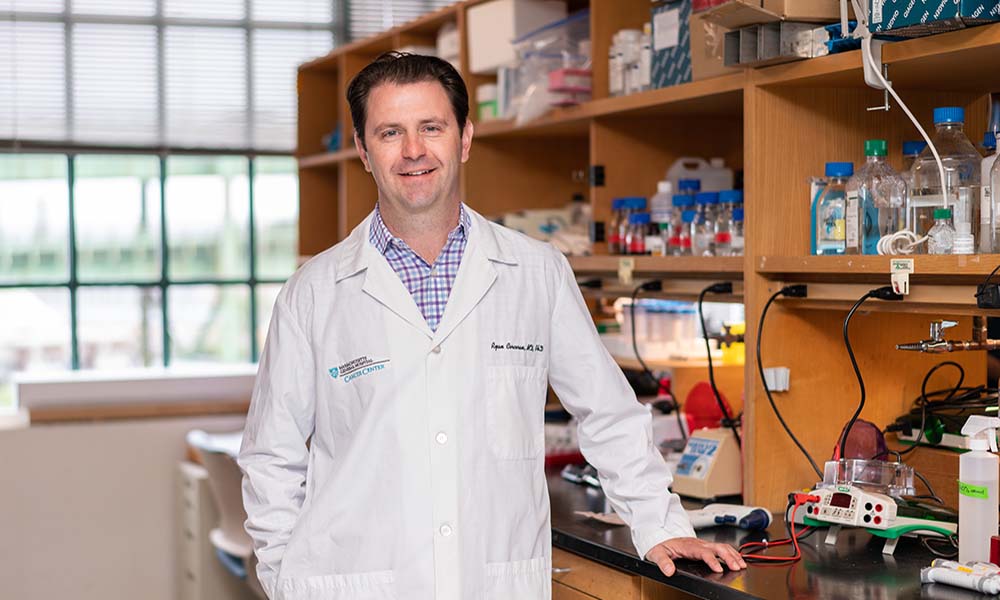 Ryan B. Corcoran合作论文数Department of Medicine, Harvard Medical School65
 Motaz Qadan合作论文数Department of Surgery, University of Louisville School of Medicine64Murphy Janet E合作论文数56
 Colin Weekes合作论文数Mass General Research Institute, Massachusetts General Hospital;Harvard Medical School;University of Colorado Health Sciences Center55Drapek Lorraine C合作论文数54
 Keith D Lillemoe合作论文数Brigham and Women's Hospital;Massachusetts General Hospital;Harvard Medical School54
 Beow Yeap合作论文数Cancer Center, Massachusetts General Hospital;Massachusetts General Hospital Biostatistics;Harvard Medical School54
 Mari Mino-Kenudson合作论文数Harvard Medical School;Massachusetts General Hospital52
 David T Ting合作论文数Krantz Family Center for Cancer Research, Massachusetts General Hospital;Harvard Medical School51John a Wolfgang合作论文数47
 Joe Lennerz合作论文数BostonGene43
 Jeffrey Clark合作论文数Mass General Cancer Center, Massachusetts General Hospital;Harvard Medical School42
 John Mullen合作论文数Department of Surgery, Massachusetts General Hospital;Harvard University41Keane Florence K合作论文数School of Medicine, Yale University39Emily E Van Seventer合作论文数38
 Henning Willers合作论文数Department of Radiation Oncology, Massachusetts General Hospital/Radiation Oncology, Harvard Medical School37
 Vikram Deshpande合作论文数Department of Pathology, Beth Israel Deaconess Medical Center, Harvard Medical School36
 Dan G. Duda合作论文数Houston Methodist Research Institute35
 Ryan Nipp合作论文数The Hematology Oncology Section, Department of Internal Medicine, College of Medicine, The University of Oklahoma35
 Sam Klempner合作论文数Harvard Medical School, Harvard University;Mass General Cancer Center, Massachusetts General Hospital, Mass General Brigham33Kamran Sophia C合作论文数33
 Eric Roeland合作论文数Knight Cancer Institute, Oregon Health and Science University;Division of Hematology, School of Medicine, Oregon Health and Science University33Christine E. Eyler合作论文数32David P Ryan合作论文数32
 Darrell Borger合作论文数Oncology Therapeutic Area Unit, Takeda Oncology32
 Kenneth Tanabe合作论文数Surgical Oncology, Massachusetts General Hospital;Surgery, Harvard Medical School31
 Andrzej Niemierko合作论文数Mass General Research Institute, Massachusetts General Hospital;Harvard Medical School, Harvard University30
 Rakesh K. Jain合作论文数Harvard Medical School, Harvard University;Edwin L. Steele Laboratories for Tumor Biology, Department of Radiation Oncology, Massachusetts General Hospital29
 Anthony Iafrate合作论文数Department of Pathology, Massachusetts General Hospital Cancer Center;Harvard Medical School28
 James C. Cusack合作论文数School of Medicine, University of North Carolina28
 Christopher Crane合作论文数Memorial Sloan Kettering Cancer Center28Jason E Faris合作论文数27Lawrence S. Blaszkowsky合作论文数27William L. Hwang合作论文数25
 Eliezer Van Allen合作论文数Division of Population Sciences, Dana-Farber Cancer Institute;Harvard Medical School25
 Thomas F. Delaney合作论文数Francis H. Burr Proton Therapy Center, Massachusetts General Hospital;Harvard Medical School, Harvard University25
 Bruce Giantonio合作论文数Massachusetts General Hospital25




